Parshat Chayei Sarah5 min read

Epher Turned West and Wrote His Name Across Africa

Abraham gave his youngest sons gifts and sent them east, but one grandson turned back toward the sunset and swallowed a continent.

Curated by Arthur · Told by Maggid ·
Table of Contents
  1. The Sons Abraham Sent Away
  2. A Grandson Born in the Valley East of Cush
  3. Epher Turns Against the Grain of His House
  4. The War-Band That Would Not Ride Out
  5. A Continent Wearing a Buried Man's Name
Epher Turned West and Wrote His Name Across Africa Click for full size

The Sons Abraham Sent Away

After Sarah died, Abraham took another wife. Her name was Keturah, out of the land of Canaan, and in his old age she bore him six sons: Zimran, Jokshan, Medan, Midian, Ishbak, and Shuah. A second household, grown late, under the same tents where Isaac was the only promised heir.

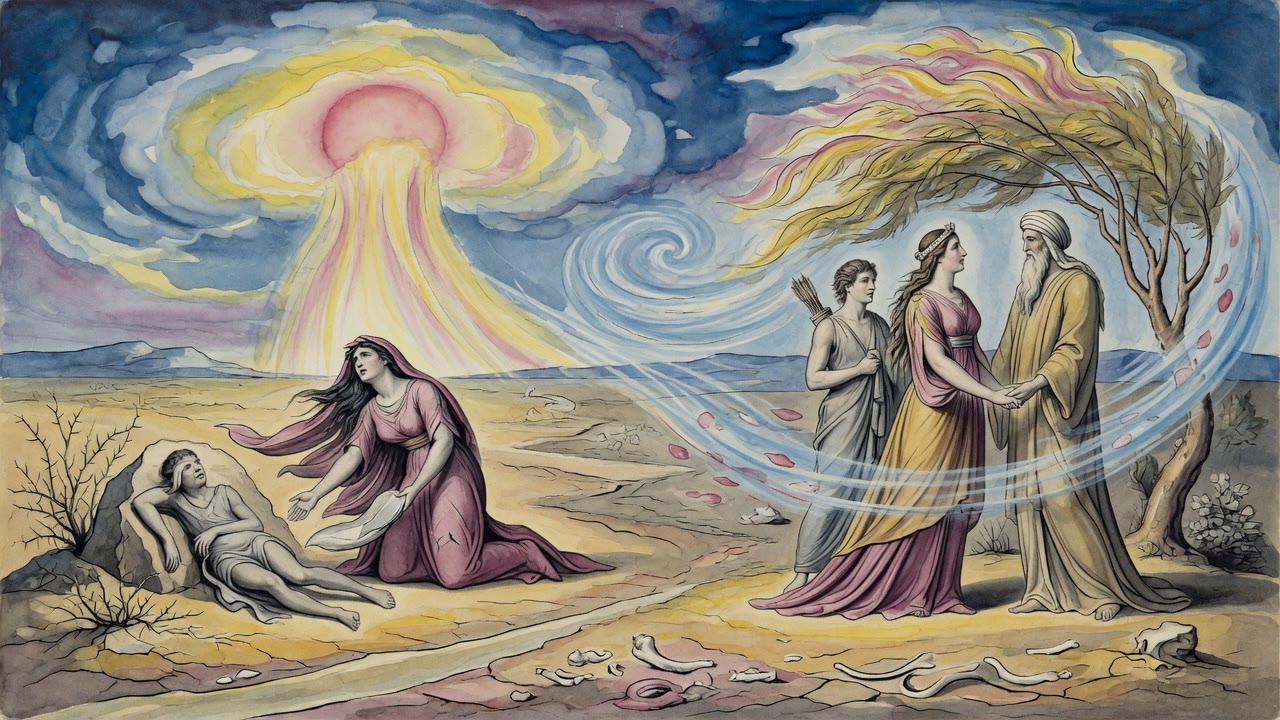
Abraham did not split the covenant among them. He loaded them with gifts instead, silver and beasts and whatever a father hands a son he means never to see inherit the land, and he sent them off while he still breathed. East. Away from Isaac. They went to the mountain of the east and built themselves six cities and settled there, each branch drifting a little farther from the well where their father had cut his covenant with God.

They were Abraham's blood. They were not Abraham's heirs. Every one of them turned his face toward the sunrise and walked.

A Grandson Born in the Valley East of Cush

Midian, the fourth of Keturah's sons, carried his people past the edge of the known country, east of the land of Cush, until he came on a broad valley no king had claimed. There they raised a city and stayed. There Midian's five sons were born and grew and gave their names to the streets: Ephah, Epher, Chanoch, Abida, Eldaah.

Epher grew up a grandson of Abraham who had never once seen Abraham's country. He knew the family story the way a child knows a story that belongs to someone else. Somewhere far to the west lay a land God had sworn to a different branch of the house. His own portion was a valley east of Cush and a name he shared with four brothers.

A man can make his peace with that. Epher did not.

Epher Turns Against the Grain of His House

Every son of Keturah had gone east. The gifts, the cities, the slow drift of the whole clan bent toward the rising sun, as if Abraham's parting hand still pressed on their backs and pushed them that one direction. Epher turned the other way.

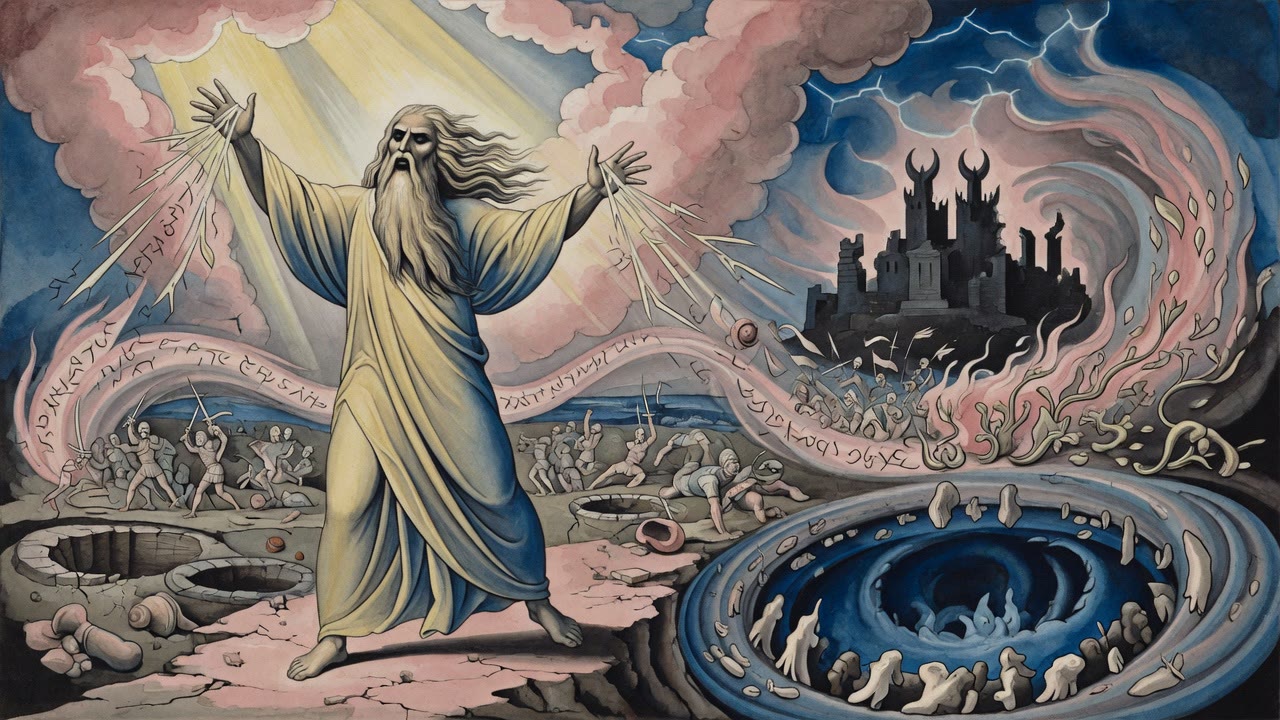
He gathered fighting men out of the six cities, sons and grandsons of Keturah's line, and led them out of the valley toward the setting sun, back across the world their fathers had crossed to leave. He was not going home. Abraham's home had been closed to him before he was born, sealed on Isaac. He was going to take a country no one had promised to anyone, and make it wear his name instead.

The war-band came down at last into Libya, the long dry coast along the top of the great southern land, and Epher looked out over it the way his great-grandfather had once looked over Canaan, and decided that it would be his.

The War-Band That Would Not Ride Out

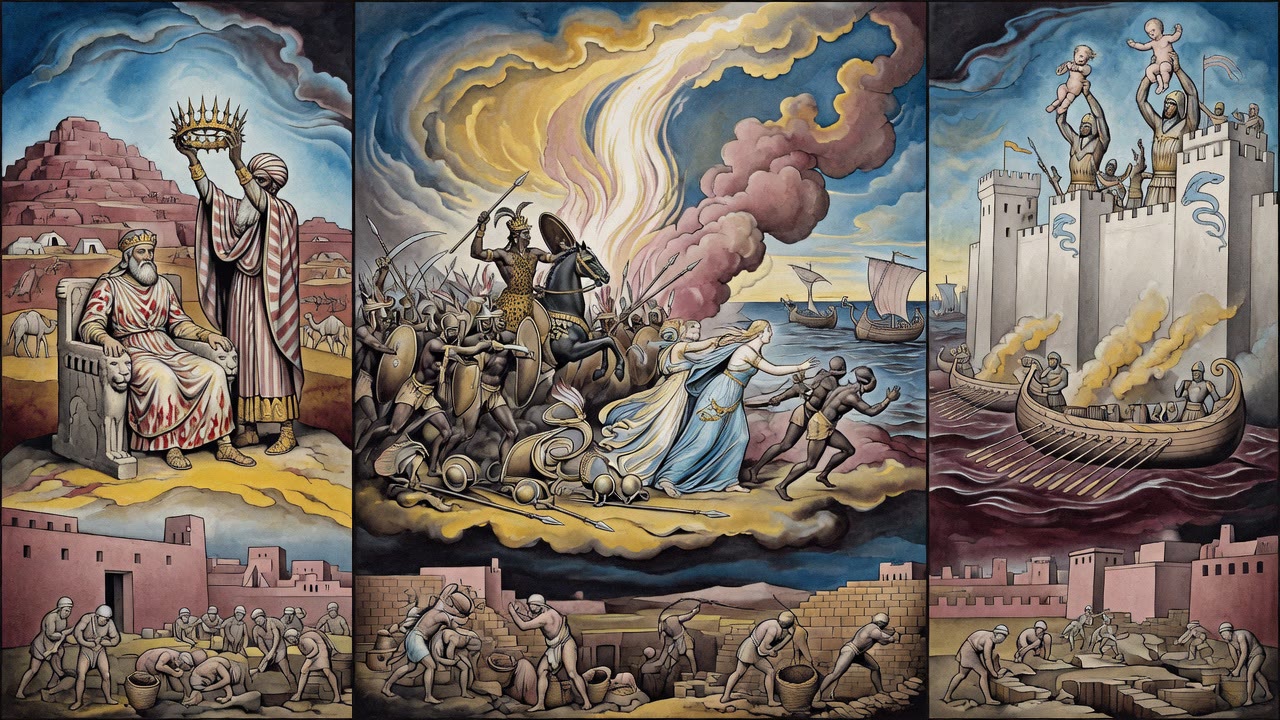
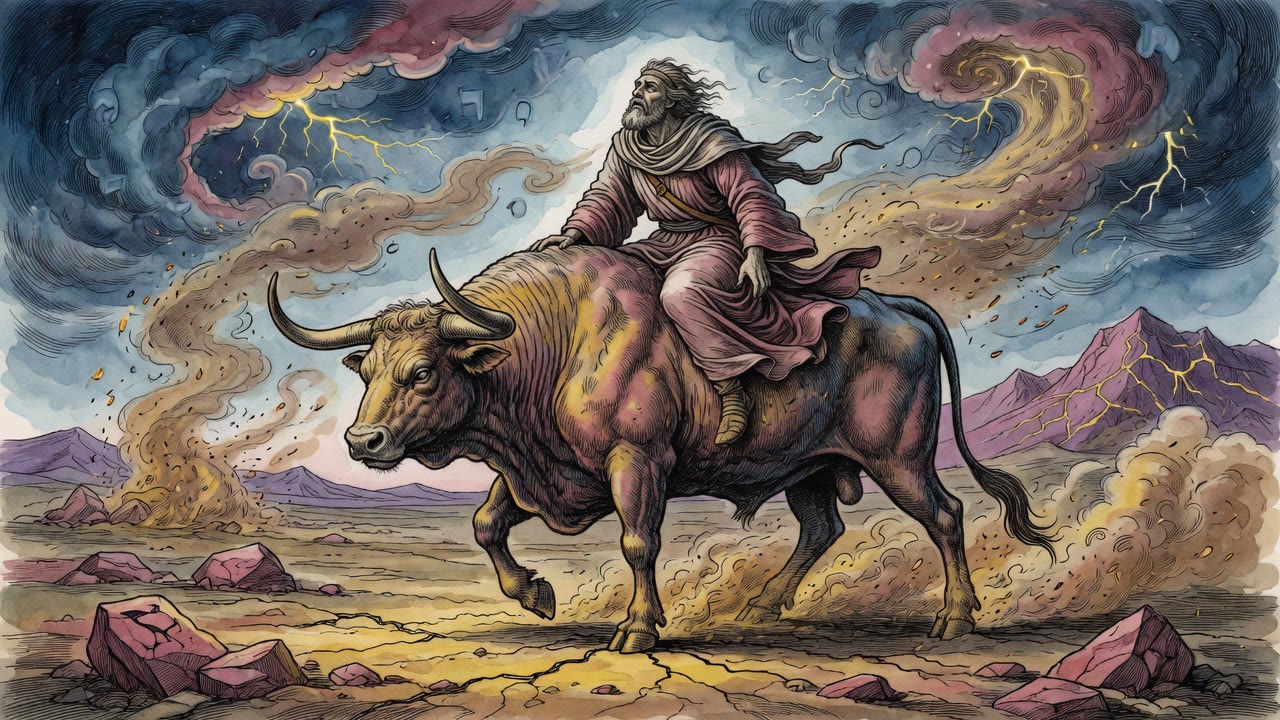
The battles were the short part. Epher took Libya and did not linger over how. What mattered was never the taking but the holding. Kingdoms are won by men who ride in and lost by men who ride out again, and Epher did not ride out. He drove his people down into the land like tent stakes. He parceled the coast among his fighting men and set them to farm and breed and raise sons where they had fought, so that the war-band became a nation and the nation could not be pried loose. He held the coast and then the country behind it. He stayed until Libya forgot whoever had ruled it before and remembered only the warrior out of the east who had come and would not leave.

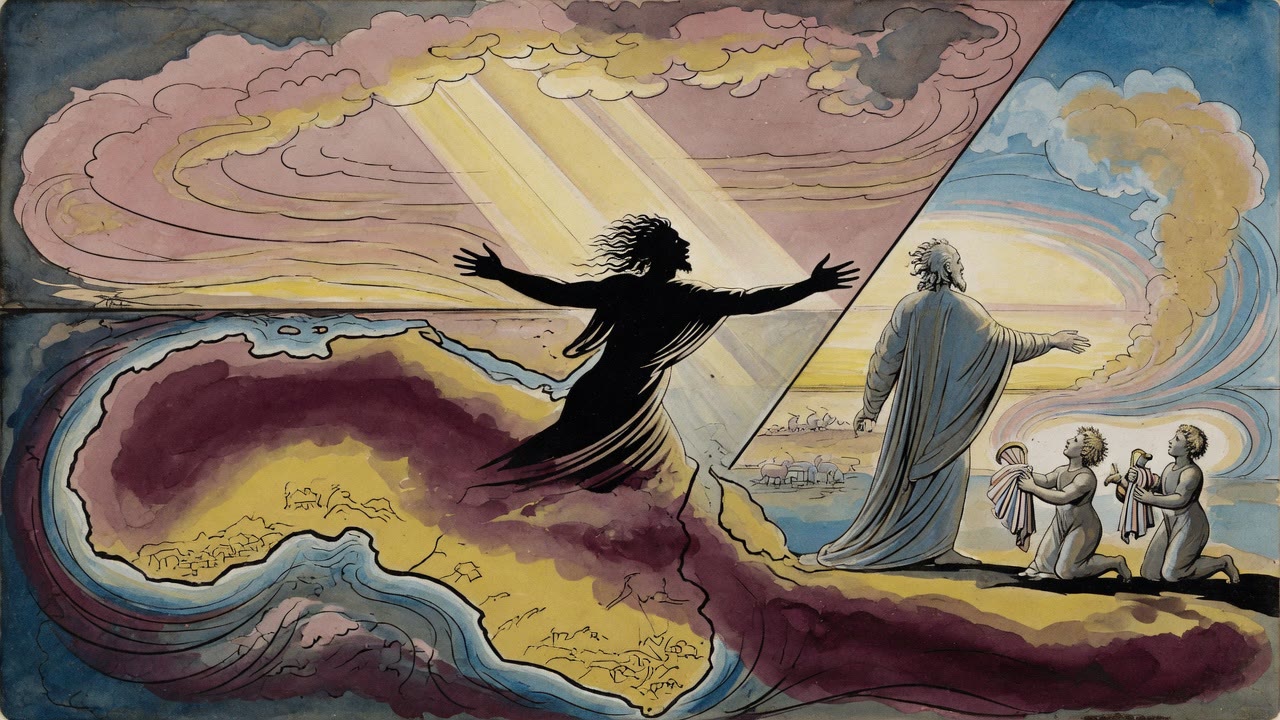
His grip closed so hard, and lasted so long, that his name soaked down into the ground itself. Not a city. Not a province. The land took him, and then the land beside that land, and the land beyond that, until his name ran clear across the whole of the great continent to the south.

A Continent Wearing a Buried Man's Name

Africa, the old telling says, was Epher. Epher the grandson, loaded with gifts and sent away to keep him clear of Isaac. Epher born in a valley east of Cush, who alone of all his kin wheeled around and marched into the sunset. The dismissed branch of the family had ended up written across more of the earth's face than the promised branch ever ruled.

Abraham's kin kept doing this, leaving their names snagged on the map behind them. A kinsman named Aram founded Aram-Zoba, and another Aram raised Aram-naharaim, the Aram of the two rivers on the Euphrates. The children of Kesed settled across from Shinar and became the Kasdim, the Chaldeans, and their name outlasted every one of them. None of them did what Epher did. None of them swallowed a continent.

The map still says it. The son who inherited nothing wrote himself in letters no heir could scratch out, across a coastline, across a desert, across a full third of the known world. The name he left behind in that conquered ground is the one the whole earth still speaks when it turns south and calls the land Africa.


← All myths
From the tradition

Sources

2 sources

The texts behind this telling. Some cards carry a translation of the source; others are our own retelling of it, and each card says which. Every card links out to the original.

Legends of the Jews 5:297Legends of the Jews

Retold in our words. Read the original at the link below.The Legends of the Jews by Louis Ginzberg (1909) · Public Domain

Sometimes, the stories are wilder than you'd expect. Take Africa, for example. You might not think it, but some traditions trace the name all the way back to Abraham himself!

Some accounts say one of Abraham's grandsons through Keturah, named Epher, led an army into Lybia and basically took over. And that Epher, so the story goes, is the one who gave the entire continent of Africa its name. It’s just one of those little nuggets you find in texts like Legends of the Jews by Louis Ginzberg that makes you go, "Wow!"

The naming game doesn't stop there. What about the land of Aram? Well, a kinsman of Abraham also plays a role in that story.

This gets a little genealogical, so bear with me. Terah, Abraham's father, apparently remarried in his old age to a woman named Pelilah. From that union came a son, Zoba, who himself had three sons. The eldest of these was named Aram. This Aram was incredibly wealthy and powerful. So much so that the old family home in Haran just wasn’t big enough for him, his brothers, and all the descendants of Nahor, Abraham's brother.

So, Aram and his entire clan packed up and left Haran. They settled in a valley and built a city there, and what did they call it? Aram-Zoba, naturally – a way to remember both his father, Zoba, and himself, the firstborn. That's according to Legends of the Jews, drawing from various traditions about the origins of these places.

But hold on, there's more! There’s another Aram we need to talk about: Aram-naharaim, which means "Aram of the Two Rivers." This one was located on the Euphrates. This Aram was built by Aram, the son of Kemuel, who was actually Abraham's nephew. According to Legends of the Jews, its real name was Petor, after Aram's son, but it's far better known as Aram-naharaim.

And one last bit of ancient city-founding for you: The descendants of Kesed, another of Abraham’s nephews (a son of his brother Nahor), settled opposite Shinar. There, they founded the city of Kesed. And get this, according to Ginzberg, that’s where the Chaldeans get their name – they were known as the Kasdim.

Full source
Jasher 25Book of Jasher

Retold in our words. Read the original at the link below.The Book of Jasher, J. H. Parry edition (1887) · Public Domain

After Sarah's death, Abraham took another wife named Keturah, said to be from the land of Canaan. And she bore him six sons: Zimran, Jokshan, Medan, Midian, Ishbak, and Shuach. That's a whole new generation added to the family tree!

What became of these sons? The children of Zimran were Abihen, Molich and Narim. Jokshan's sons were Sheba and Dedan, while Medan had Amida, Joab, Gochi, Elisha, and Nothach. And then there were the sons of Midian – Ephah, Epher, Chanoch, Abida and Eldaah. Ishbak's sons were Makiro, Beyodua and Tator, and Shuach had Bildad, Mamdad, Munan and Meban. All of these were the families of the children of Keturah, the Canaanitish woman who bore them to Abraham.

So, what did Abraham do with this burgeoning brood? As we read in Jasher, he gave them gifts and sent them away from his son Isaac, so they could find their own places to dwell. All these sons of Keturah went to the mountain at the east, and built themselves six cities where they dwelled. But the children of Sheba and Dedan, sons of Jokshan, didn't settle in cities; they journeyed and encamped in countries and wildernesses. Interesting. Each branch of the family taking a different path.

The children of Midian, son of Abraham, went east of the land of Cush, and there found a large valley in the eastern country where they built a city and remained. Jasher even gives us the names of Midian's sons according to their cities: Ephah, Epher, Chanoch, Abida, and Eldaah. And we get a further breakdown - the sons of Ephah were Methach, Meshar, Avi and Tzanua, and so on. And then, we are told, the families of Midian spread throughout the land.

But that’s not all for Abraham’s descendants! Jasher turns its attention to the generations of Ishmael, Abraham’s son with Hagar.

Ishmael took a wife from Egypt named Ribah (also called Meribah), who bore him Nebayoth, Kedar, Adbeel, Mibsam, and a daughter, Bosmath. But their marriage didn't last. Jasher tells us that Ishmael cast her away, and she returned to her father's house in Egypt, because she was very bad in the sight of Ishmael, and in the sight of his father Abraham. Harsh!

Later, Ishmael married a woman from Canaan named Malchuth, and she bore him Nishma, Dumah, Masa, Chadad, Tema, Yetur, Naphish, and Kedma. These sons became twelve princes, representing their nations. And like the sons of Keturah, Ishmael took his children, his possessions, and his household, and they went to dwell where they could find a place. They settled near the wilderness of Paran, dwelling from Havilah to Shur, near Egypt and Assyria. Ishmael and his sons had many children and prospered.

We even get a list of the grandsons of Ishmael: Mend, Send, Mayon (sons of Nebayoth); Alyon, Kezem, Chamad, and Eli (sons of Kedar); Chamad and Jabin (sons of Adbeel), and so on. The text meticulously lays out the lineage, emphasizing how the families of Ishmael spread and built cities in the lands where they dwelled.

Finally, the chapter notes that Rebecca, Isaac's wife, was barren at this time. Isaac lived with his father in Canaan. The chapter concludes with the death of Arpachshad, son of Shem, son of Noah, at the age of 438.

What are we to make of all these names and migrations? Perhaps the Book of Jasher is trying to tell us something about the interconnectedness of peoples and the spread of cultures. It shows us how one man, Abraham, became the ancestor of many nations, each with its own unique destiny. And maybe, just maybe, it's a reminder that even those who seem to be on the periphery of the main story – the sons of Keturah, the descendants of Ishmael – have their own stories to tell, their own contributions to make to the tradition of human history.

Full source