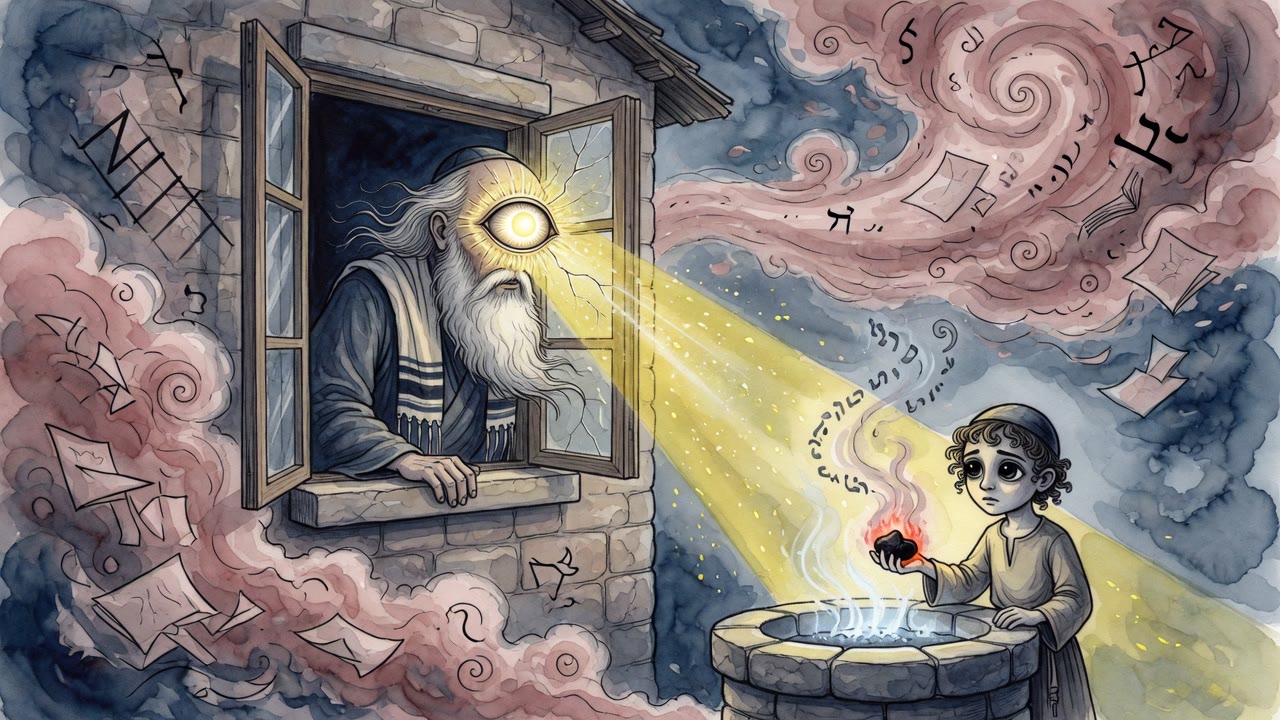
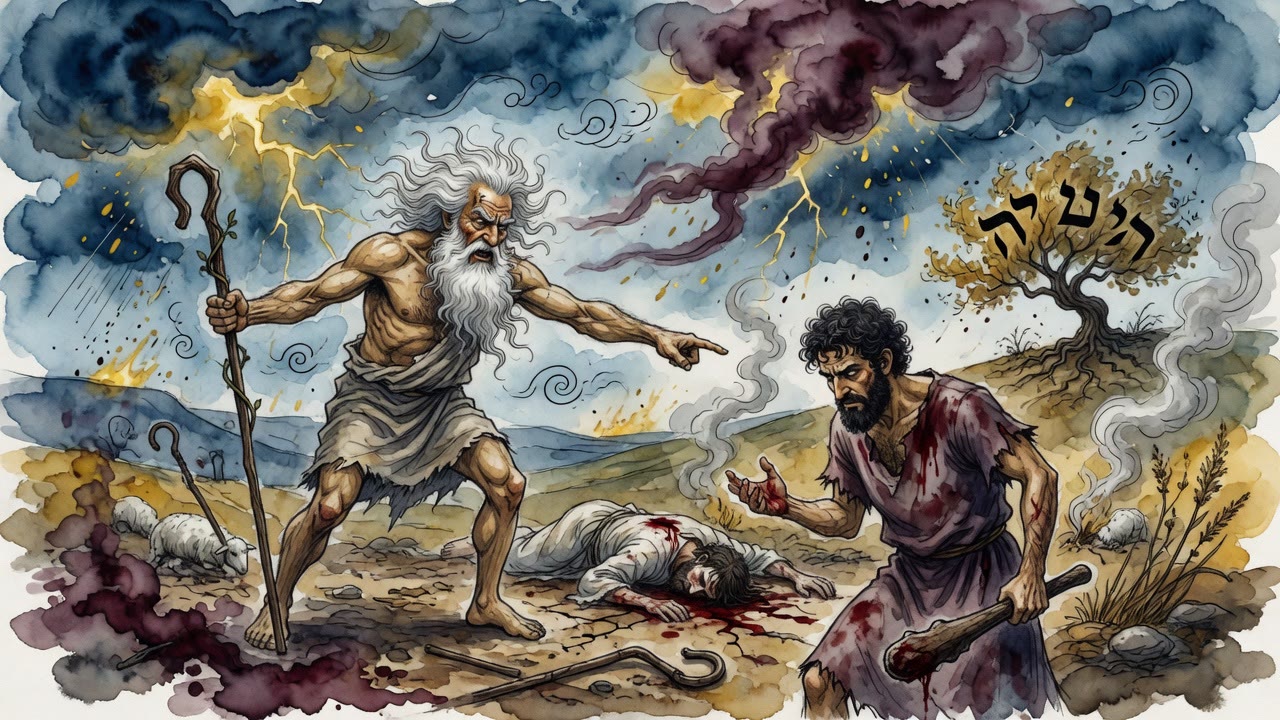
Five Parties Missed the Ship That Would Not Wait
Three bells would sound, then the ropes would lift. Fruit hung low over the paths. Some passengers still had seats. Some did not.
Table of Contents
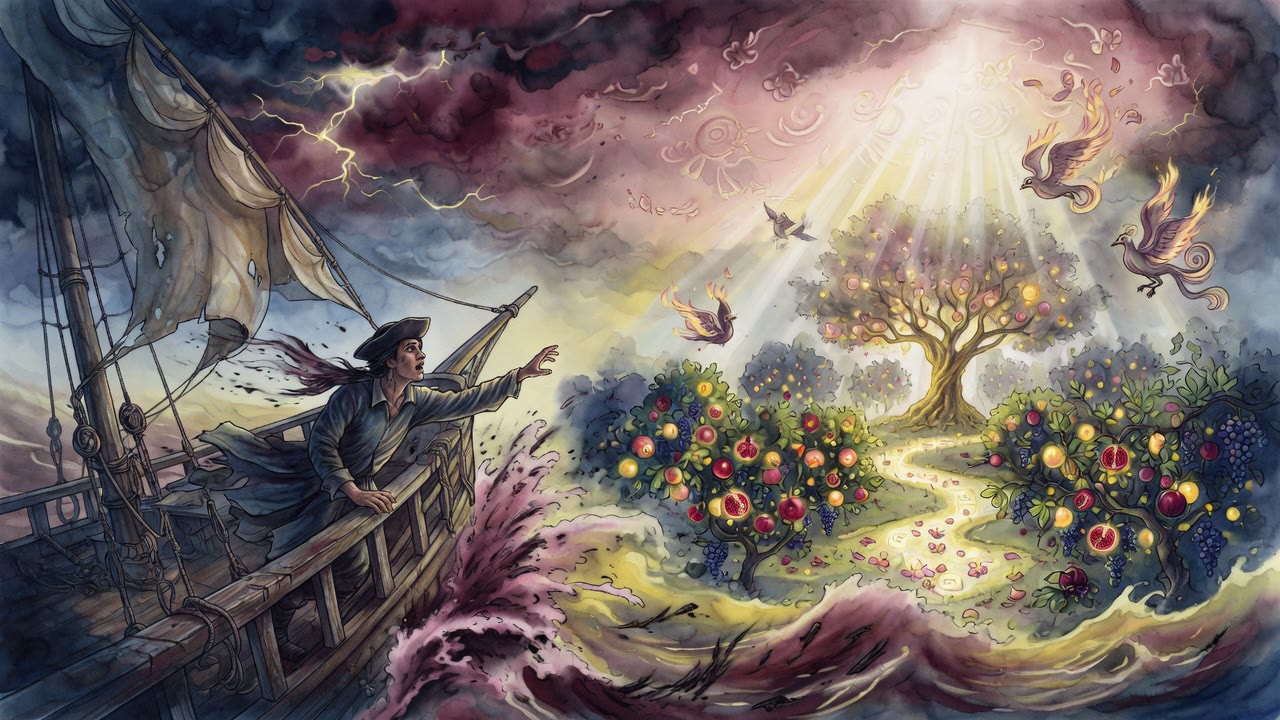
The first man off the gangway reached for a fig before his sandals hit sand. The captain watched him from the rail and rang nothing yet. Three bells were promised. After the third, the ropes would lift. Fruit hung so low a child could have walked under it and come up sticky. Shade pooled under the fig trees. The water looked harmless in the noon light.
 Click for full size
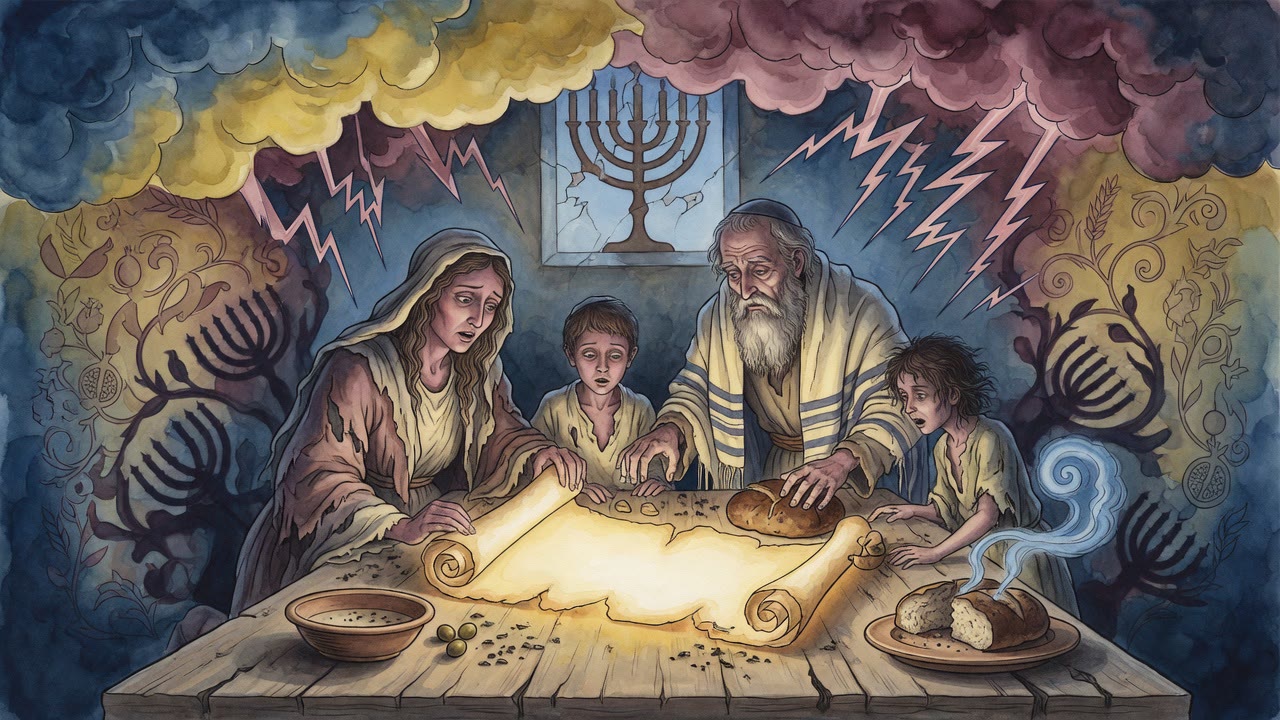
They went ashore in five parties. Some never left the deck. Some tasted a little and returned. Some heard the bells and bargained with them. A few did not hear the bells at all. The island was this world. The ship was the hour of return. The bells were already ringing.
Who Stayed on the Deck
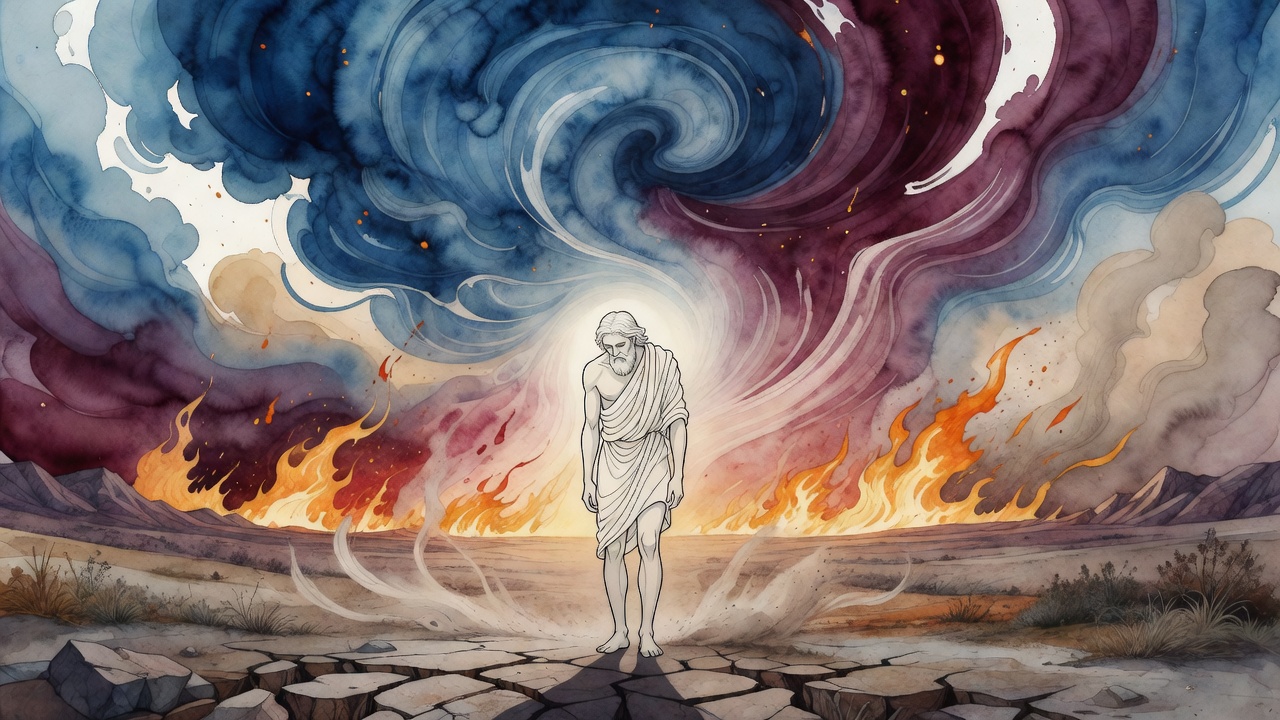
The first party would not set a foot on the sand. They feared delay more than hunger. They sat on their benches through the long afternoon and watched other people vanish into gardens. When the vessel sailed they kept the best seats and the thinnest stories. They had guarded their places and starved their lives.
The second party went briefly. They ate a little fruit, walked the first gardens, and came back while the ropes still hung loose. They sailed refreshed, seats secure, appetite for the voyage sharpened. One of them sat on the deck afterward and counted days the way Philo would later count them: 365, a complete number, light and dark, agitation and the light of virtue, the sun under its fixed measure. God does not only forgive past sins for such a one. He erases them by remembering the virtues that followed the turn.
Bells That Bargain
The third party lingered. At the first bell they looked up. At the second they began to hurry. They reached the gangway as the sailors lifted the anchor. In the scramble many lost their original seats, and the rest of the voyage was less comfortable than it might have been. Return still happened, but the body paid for the delay in bruises and bad places.
The fourth party was worse. They heard the first bell and told themselves the sails were still being set. They heard the second and told themselves the captain would not leave without them. They stayed until they saw the ship moving out of the harbor, then swam after it in a panic and climbed the sides, collecting injuries they carried for the rest of the voyage. Teshuvah (תשובה), the turn back to God, that waits for the hull to move still counts, but it costs more.
Hasty Feet and the Wrong Door
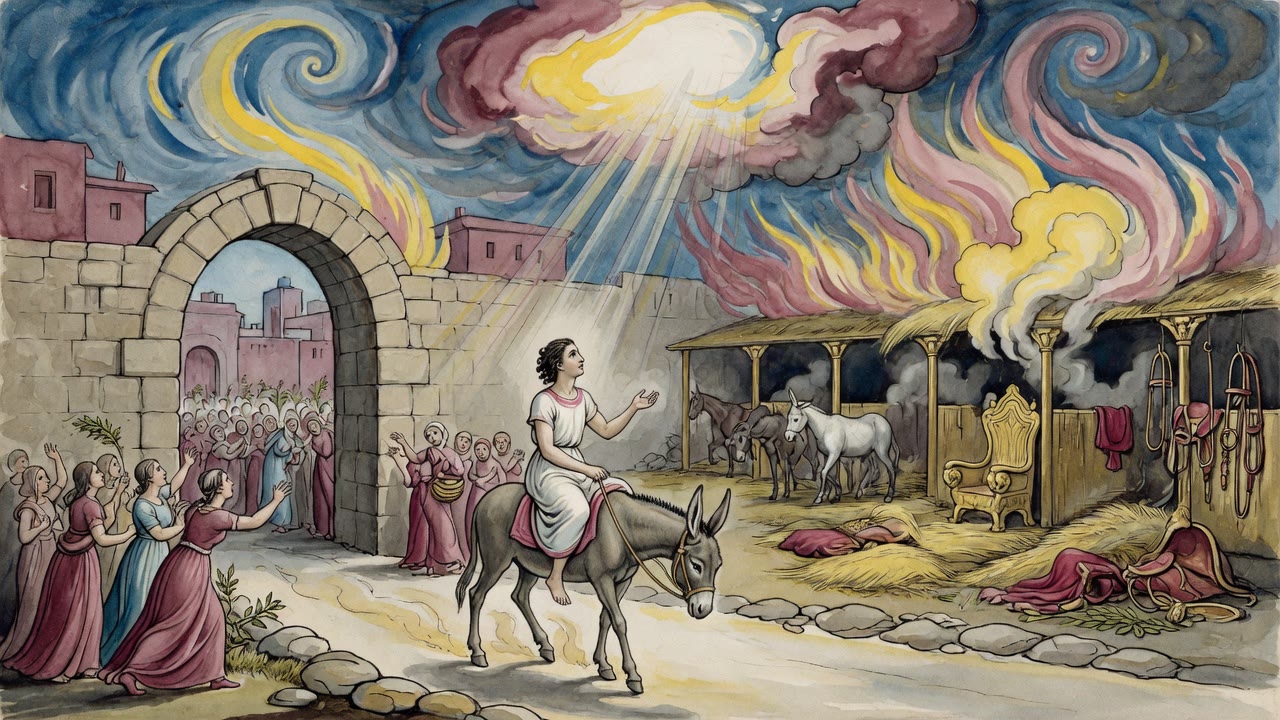
On the island's shore, not far from the fruit, two shops stood side by side. One belonged to a star-worshiper. The other belonged to an Israelite. A man from the lingering parties rushed forward with his eyes shut to where his feet were taking him and walked into the wrong doorway. Haste itself became the sin. A soul that lets its feet lead will answer for where it stands.
The ship and the street are the same pressure in two costumes. One teaches by bells. One teaches by shops. Both say the body decides before the mouth finishes explaining. Slow the steps. Weigh the path. The island is sweet precisely so the feet will hurry toward poison and call it pleasure.
The Bandage on the Hull
The captain pulled a swimmer over the rail and bound the man's split palm with a strip of sailcloth. Blood soaked through. The man tried to tear the wrapping off to see the wound. The captain held his wrist.
"While the bandage holds you may eat and bathe," he said. "Tear it off and the wound will rot."
That is how the Holy One spoke of Torah. He made the evil inclination, and He made the Torah as its remedy. Stay with the Torah and you will not fall into its grip. Abandon it and you are delivered into its hands. Issi ben Yehudah counted five verses whose grammar refuses to settle, and Rabbi Tanchuma found a sixth. From that hinge the same warning turns. The ship waits. The bandage holds only while you keep it on.
Who Never Came Back
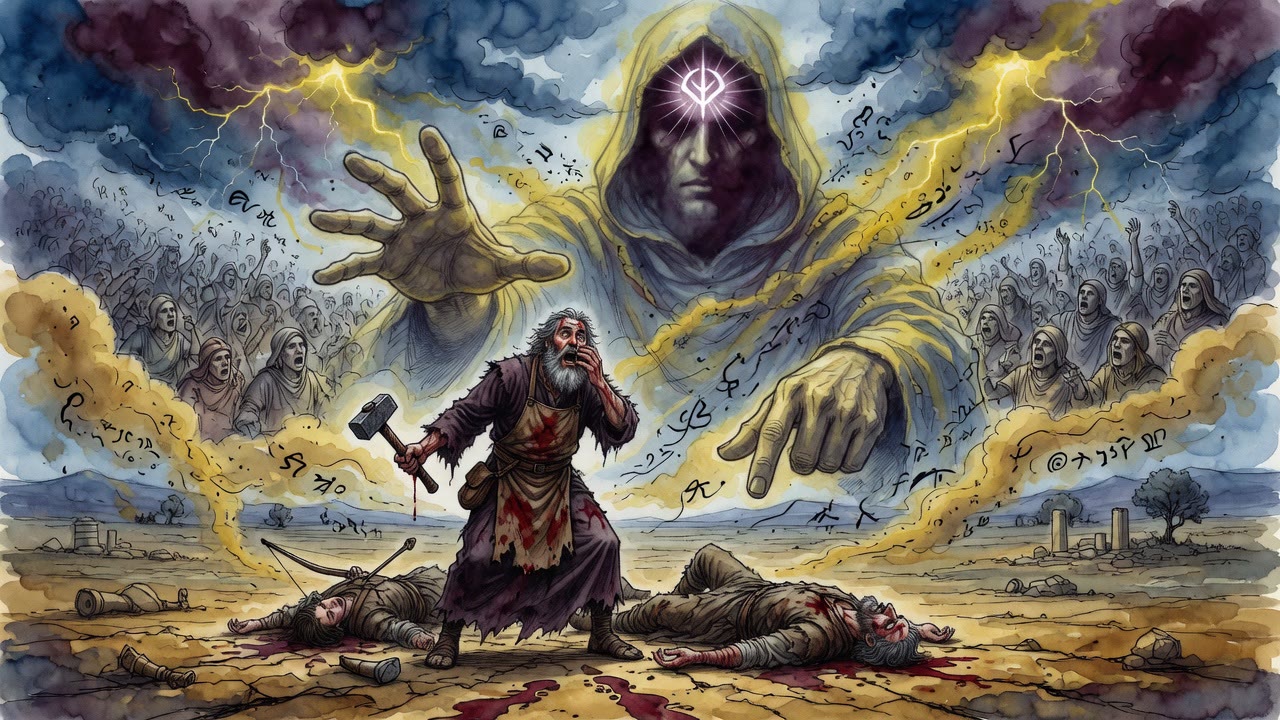
The fifth party never returned. They ate and drank so deeply that they did not hear the bells. The ship sailed. Wild beasts found some in the thickets. Others perished from the poison of too much pleasure. The parable ends without soft music. This world is the island. The bells have already begun.
Between the first bell and the third there is still a road back to the gangway. After the third there is swimming, or there is the thicket. The captain does not reset the hour because fruit still hangs low. The Holy One made the inclination and made the Torah as its remedy. The bells are the voice of that bandage. Answer them while the ship is still tied to the pier.
← All myths