When Wisdom Drained From the Adulterer's Face
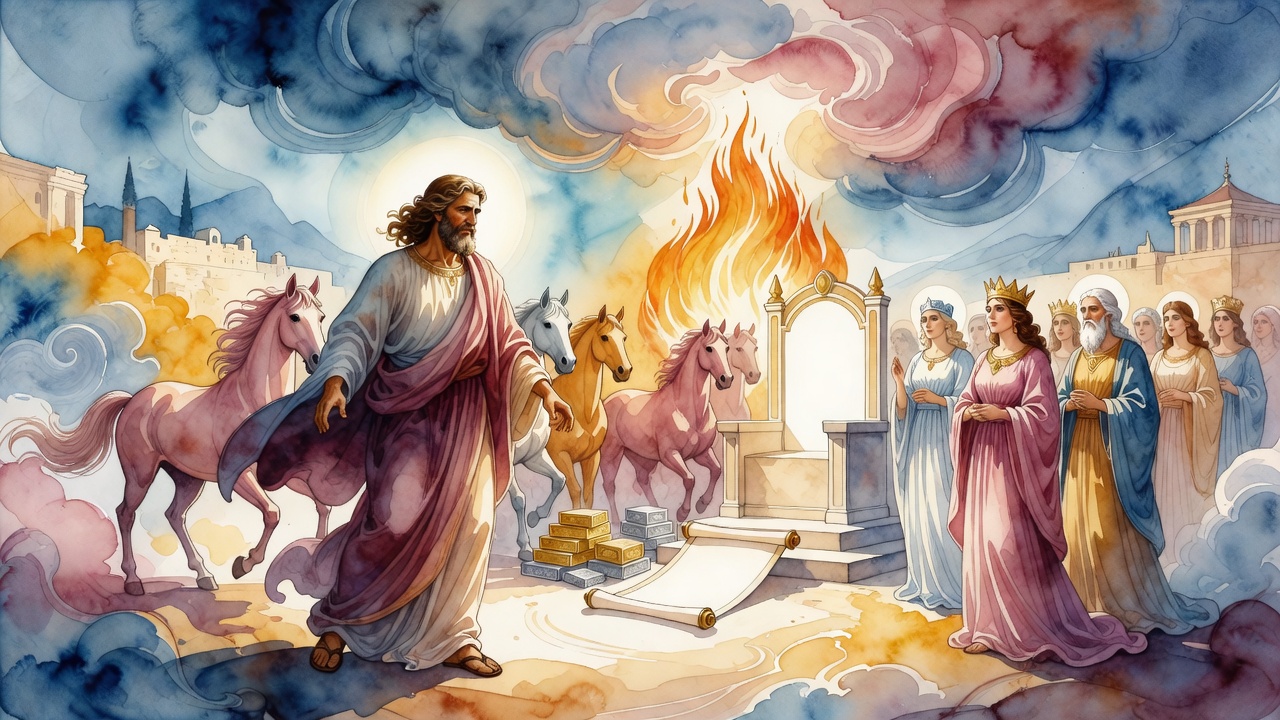
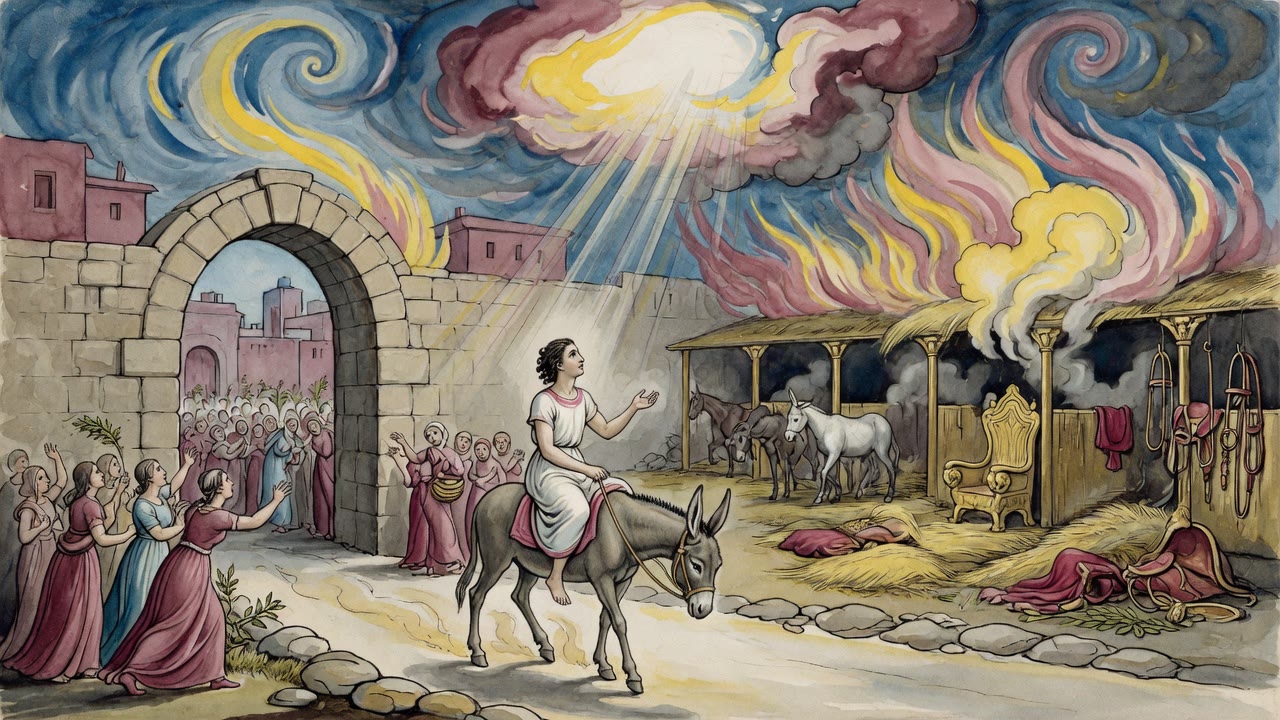
Solomon named the adulterer a man without a heart, and the sages watched wisdom leave his face the way light leaves a room.
Table of Contents
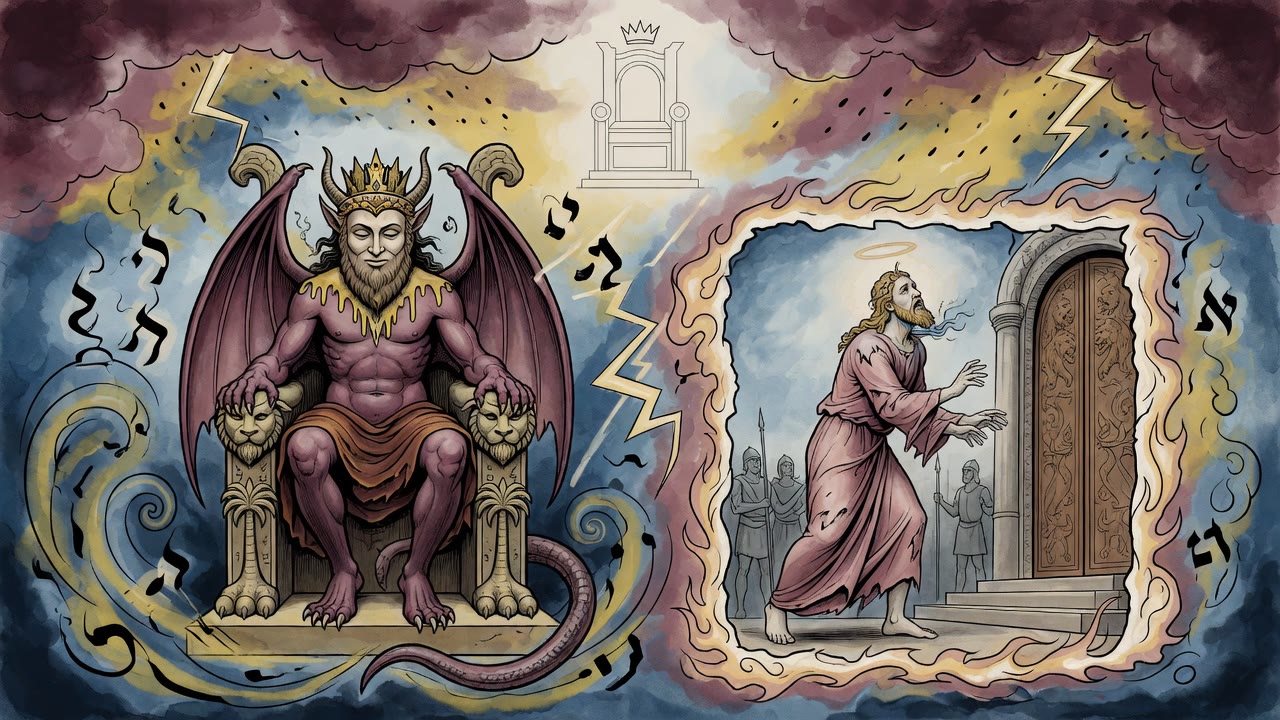
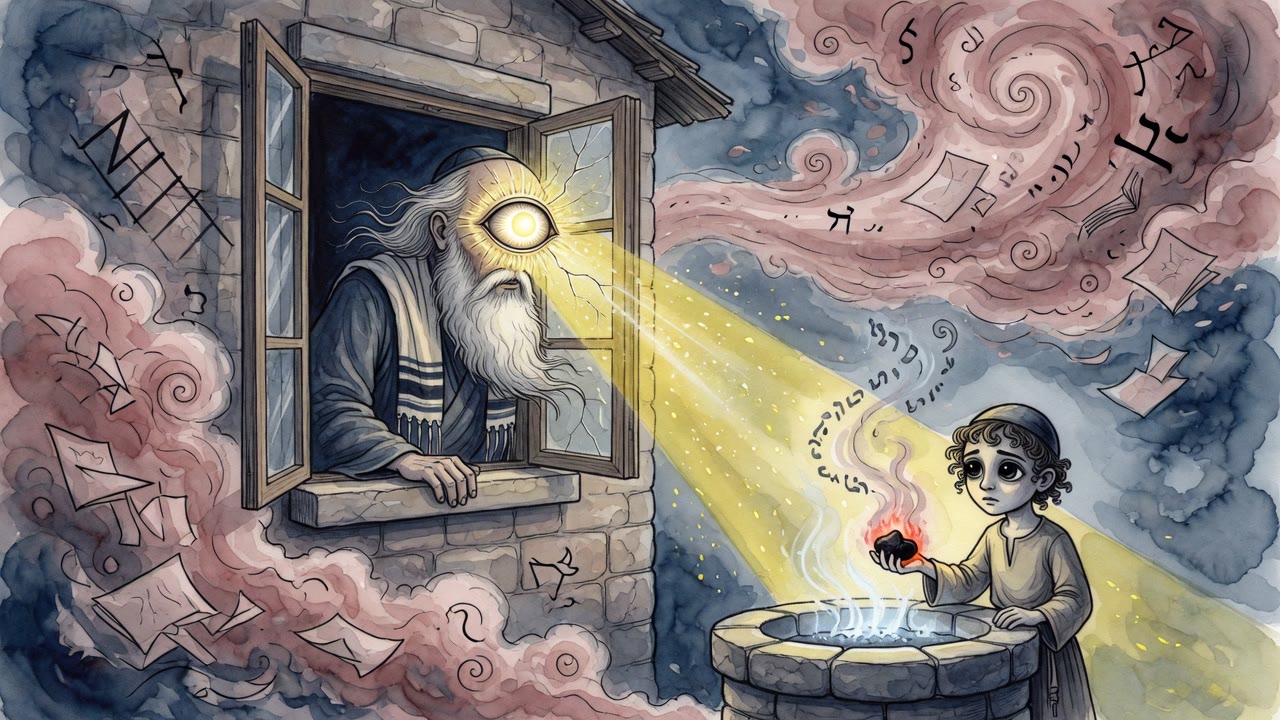
The man left the house at dawn with his mouth still tasting wine, and by noon the light had gone out of his face. Neighbors who knew him as a student of Torah saw it first. Something had been lifted out of him. Solomon had a name for what remained. A man who lacks a heart.
 Click for full size
The Theft No One Else Can See
Rabbi Zavda refused to treat the phrase as poetry. A heart is not lost the way a coin is lost in grass. The Holy One, blessed be He, lifts wisdom from such a man, and wisdom here is another name for Torah. When that wisdom departs, the emptiness Solomon named is what stands in the street. Ecclesiastes said a person's wisdom lights the face. When wisdom drains, so does the glow. The disgrace does not fade. "His reproach shall not be wiped away." The bad name walks with him to the day of judgment.
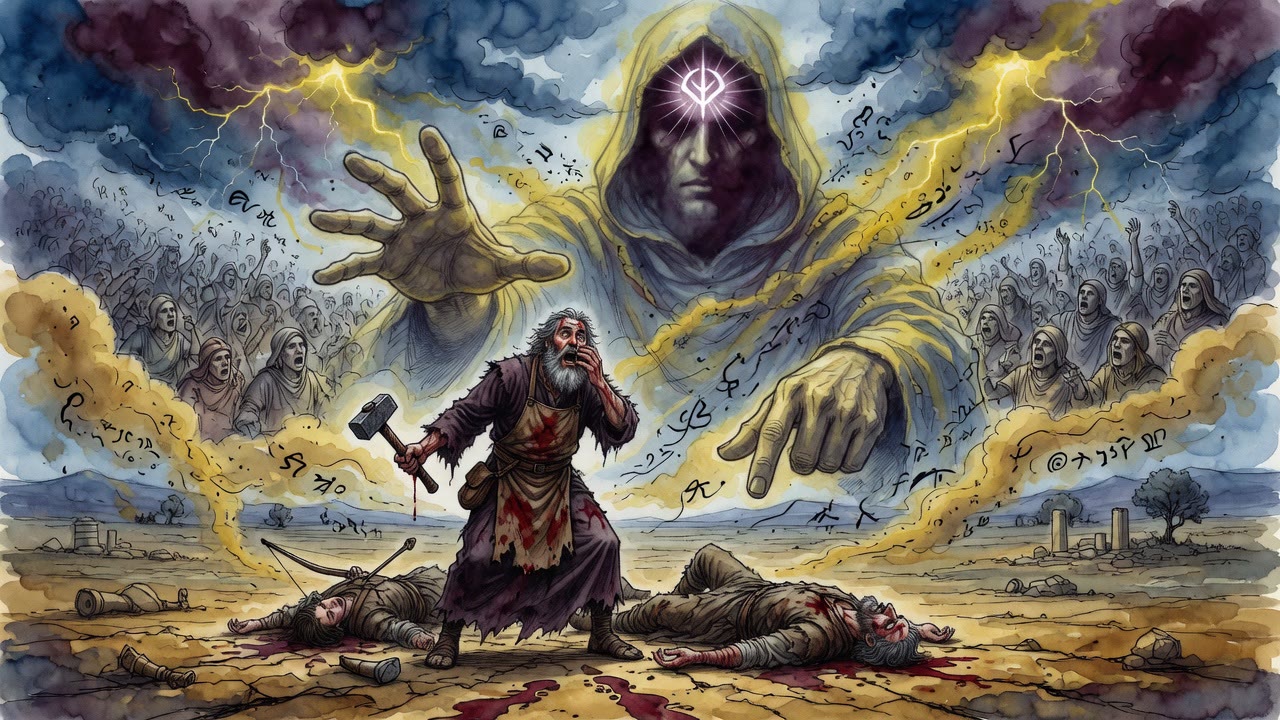
Rabbi Abbahu drew the hard line against cheap repair. Offend a human being and you may soften him with words. If words fail, try money. The Holy One does not take that bargain. He will not regard any ransom. Jealousy in the proverb is the rage of a man, a king marching out against a rebel legion, striking as he goes. The cost of the night is not a fine. It is a face that no longer holds light.
Snares on Sea and Dry Land
Desire does not wait for open markets alone. Kohelet's image traps on sea and on dry land. "Her hands, shackles," said the verse, and Rabbi Elazar heard the leash, not the release. A dog held back still snags the hem and pulls. If the hands were free, the demand would be shouted in the square. Because they are restrained, the pull becomes quieter and harder to name. "Her heart is snares and nets."
The midrash set names against names. Joseph tore free of Potiphar's wife and ran with his garment in her hand. Potiphar himself stood for the man who falls. Pinhas rose where Zimri fell. Palti kept a sword between himself and a woman who was not his. Amnon took what he wanted and ruined a house. One who is good before God escapes. The sinner is captured. The same verse could name heresy too. Rabbi Isi of Caesarea set the good against the known heretic of a village, pair after pair, until the net was not only desire of the body but desire to leave the teaching.
The Fool Who Speaks First
A fool proclaims his guilt. Rabbi Yudan watched that proverb walk into a room of sages and open its mouth before anyone asked. The wise man, when he fails, does not advertise. He turns. He brings the offering. He repairs in private what the fool turns into a performance. Vayikra Rabbah set the fool's noise against the quiet of real repentance, the kind that changes the next hour rather than decorating the last one.
The man with the drained face can still choose which path he takes at the gate. He can announce his cleverness about the night and lose the last of the light. Or he can shut his mouth, find the offering, and start the long work of getting Torah back into a heart that sold it cheap.
What Remains When the Glow Is Gone
No pile of gifts buys back the face. The snares still wait on every road. The fool still loves an audience. Against all three stands the stubborn fact the sources refuse to soften. Wisdom can leave. Desire can hunt. Noise can pretend to be honesty. The only answer that still works is the old one. Run like Joseph. Guard like Palti. Repent like the wise, without a trumpet.
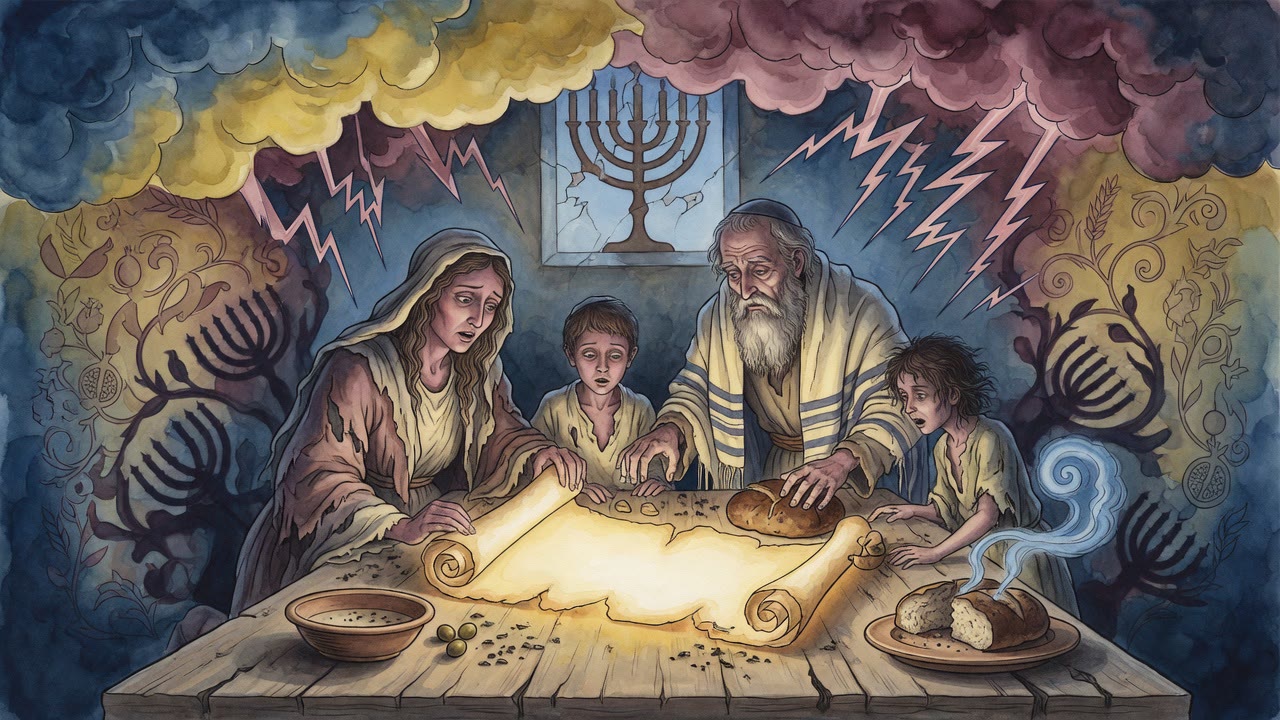
He tried to pray the next morning and the words stuck like dry bread. The tractate he had reviewed a week earlier would not rise to his tongue. Students who used to wait for his insight found him answering with shrugs. The theft was interior and public at once. Anyone could see the dimming. Only he knew the night that caused it.
Rabbi Abbahu's comparison with human reconciliation made the terror sharper. A neighbor can be bought back into peace with silver or soft speech. Heaven's jealousy in the proverb does not sell pardons at a booth. The man who thought he could hide under gifts discovered that the face is a witness that does not take bribes.
On the street of snares the midrash's leash-dog kept pace with him. Desire did not need a marketplace shout. A look, a delayed errand, a door left half open, the hem snagged. Joseph's run looked childish to people who pride themselves on composure until they need that childish speed. Amnon's lunch invitation looked civilized until the house tore. The names are old. The geometry is not.
When he finally stopped announcing clever excuses, the first honest act was silence. The fool's proverb had been his mirror. The wise path asked for an offering and a changed route home, not a speech about complexity. Wisdom does not always return in a week. Sometimes it returns the way light returns to a room, slow, through a cleaned window, after the person who dirtied the glass admits what his hands did.
← All myths