Frogs Leaped Into Burning Ovens and Three Youths Followed
A kneading bowl only goes into an oven that is already hot. The frogs went in anyway, and centuries later three men in Babylon did the arithmetic.
Table of Contents
 Click for full size
The Ovens Were Already Burning
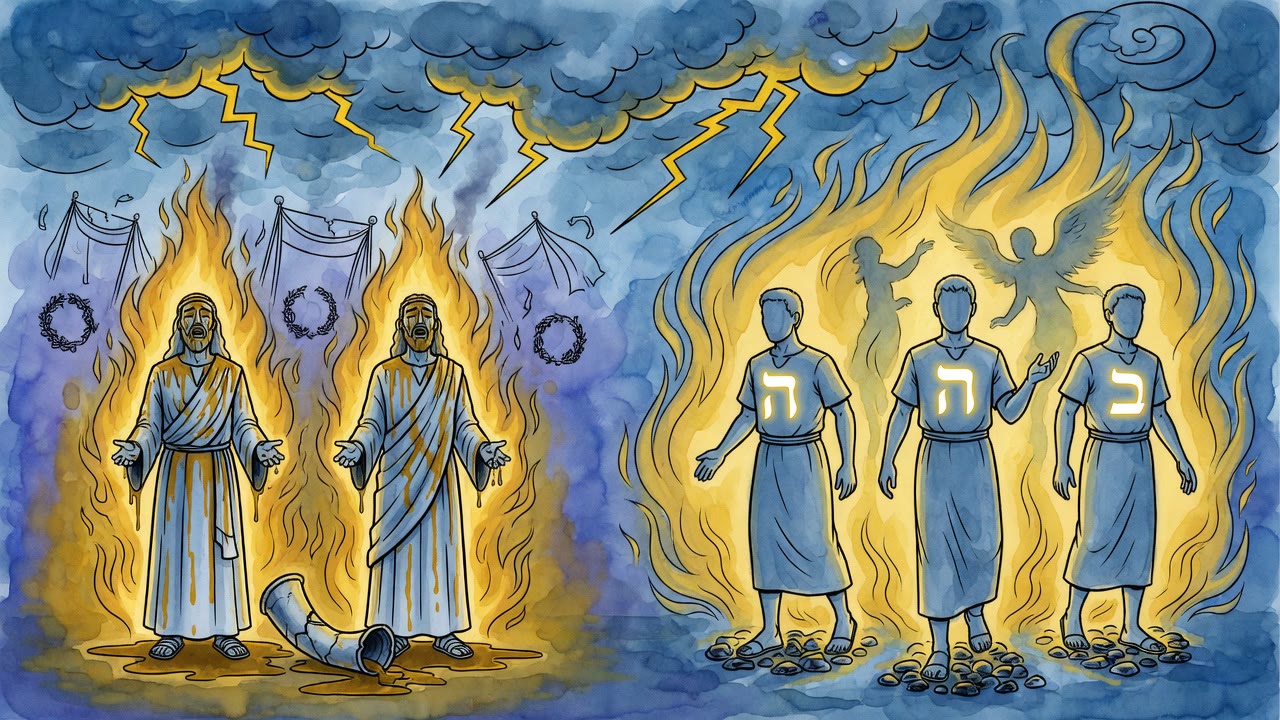
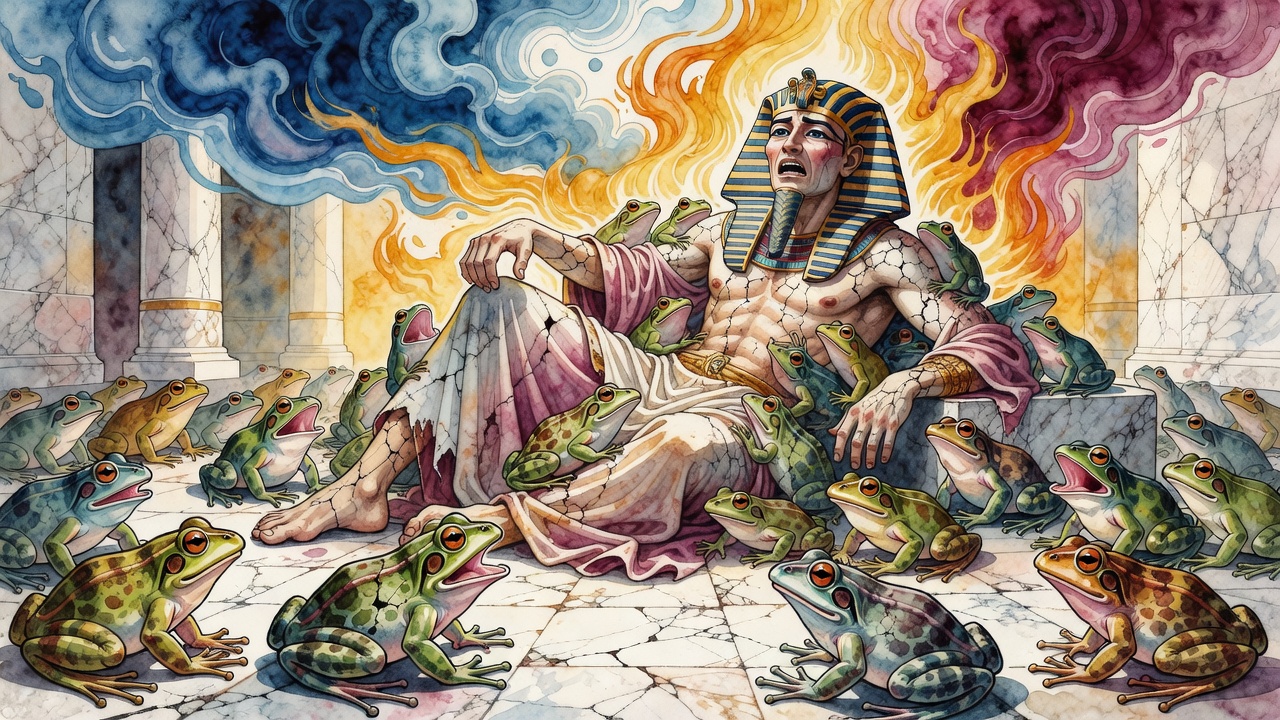
They came up out of the Nile in the night and they went everywhere. Into the houses. Into the bedrooms, onto the beds, up the walls. Into the kneading bowls, where a servant slapped them off the dough with the flat of her hand and three more landed in it before she straightened up.
And into the ovens.
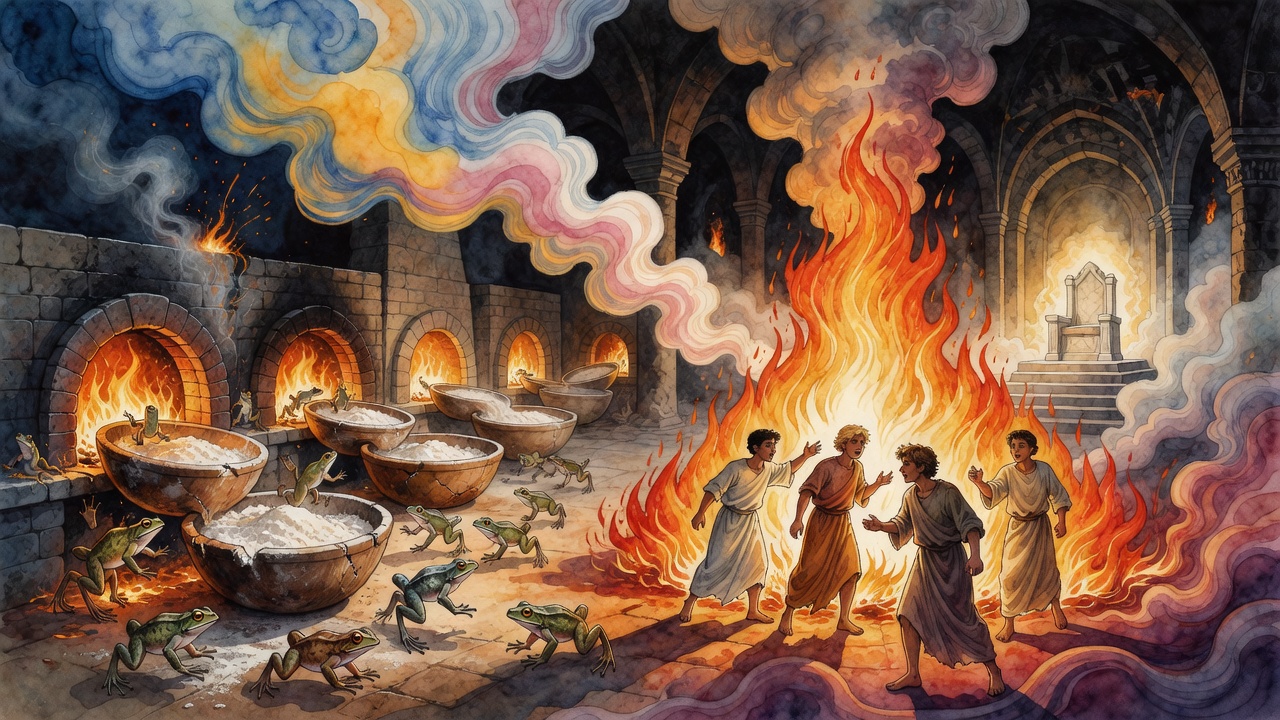
Stop at that word and the plague changes shape. A kneading bowl only goes into an oven when the oven is hot. That is the whole reason to put it there. So the ovens the frogs went into were ovens with fire in them, and the frogs leaped in anyway, off the lip of the bowl and down onto the coals, hundreds of them, while Egypt stood in its doorways and listened to the hissing.
What the Frogs Had Not Been Told
Nobody had commanded them.
There was no law binding a frog to sanctify the Name of God. There was no reward waiting for one. No verse had ever been addressed to them, no covenant cut with them, nothing at all had been asked of them except that they go where they had been sent, and where they had been sent was into the fire.
They went in. A frog is not brave. A frog has no idea what it is doing. That is exactly the part that would be quoted at three young men standing in front of a furnace a thousand miles east of Egypt, several hundred years later, with a band playing.
The Night Egypt Buried Its Gods
Months later the last plague came through, and it came without a middleman.
Not an angel. Not a seraph. Not a messenger with instructions. God went through the land of Egypt himself, and every firstborn died, in the palace and in the mill and in the pen, and the Egyptian firstborn who were away in other countries died where they stood.
Then the gods went. The ones cut from stone melted. The ones carved from wood rotted in their niches. The ones cast in metal broke out in rust and came apart. Rabbi Nathan counted the ruin four ways: rotted, split, hacked down, burned. In the morning Egypt was burying its children and its gods in the same hour, and no nation has ever been struck without its god being struck alongside it.
Three Men and a Golden Statue
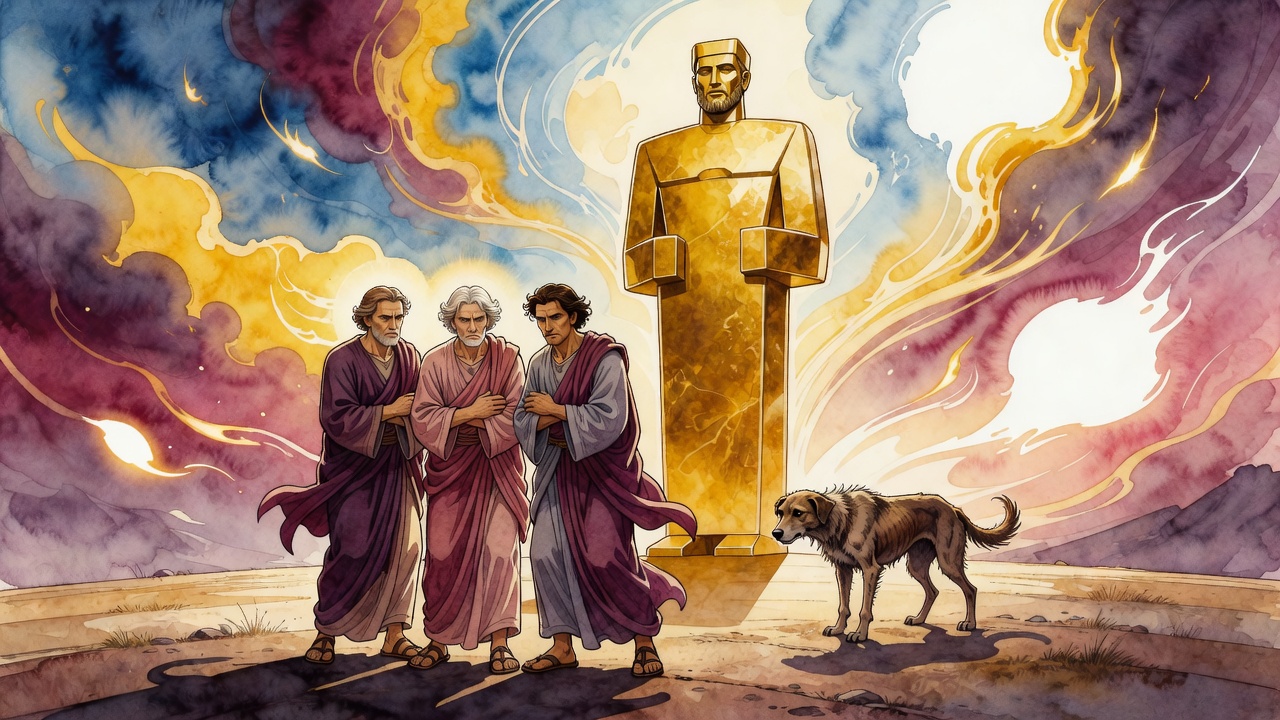
Centuries on, in Babylon, a king set up an image of gold on the plain of Dura and hired a band to tell people when to fall down in front of it.
Everyone fell down. Hananiah, Mishael, and Azariah stood.
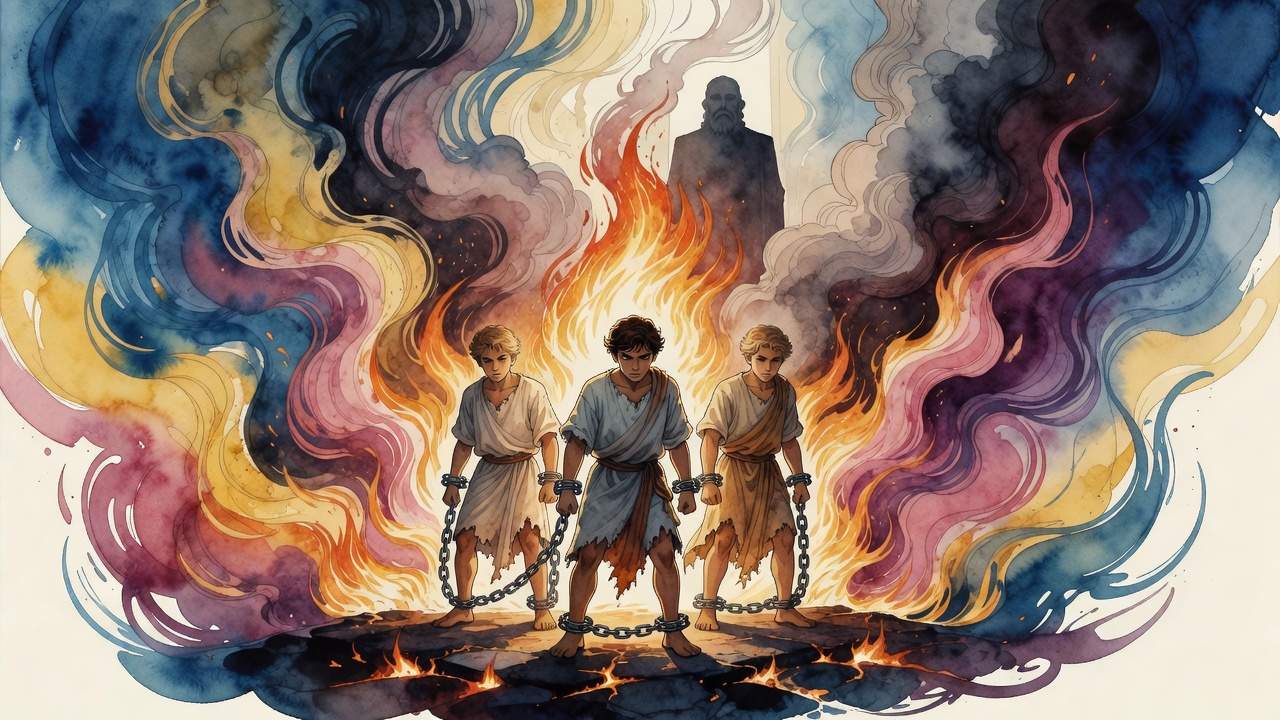
Nebuchadnezzar had the kiln heated to seven times its measure, which is not a figure of speech but an instruction given to men with bellows, and the three of them were bound in their coats and their hats and walked to the mouth of it. The soldiers who carried them up died of the blast at the door.
What made them walk in was an argument, and the argument was about frogs.
If creatures under no commandment, promised nothing, owing nothing, went down into a burning oven because that was where the word of God had sent them, then men who have been commanded, who have been told in so many words to sanctify the Name with their lives, cannot do less. From the lesser to the greater. From frog to man, oven to furnace, plague to decree.
Every Frog Died Except the Ones in the Fire
Here is the part Egypt never worked out.
When the plague lifted, the frogs died. They died out of the houses and the courtyards and the fields, and the people scraped them into heaps, and the whole country stank of it for weeks, which is what a victory smells like when heaven has arranged it.
The ones in the ovens lived.
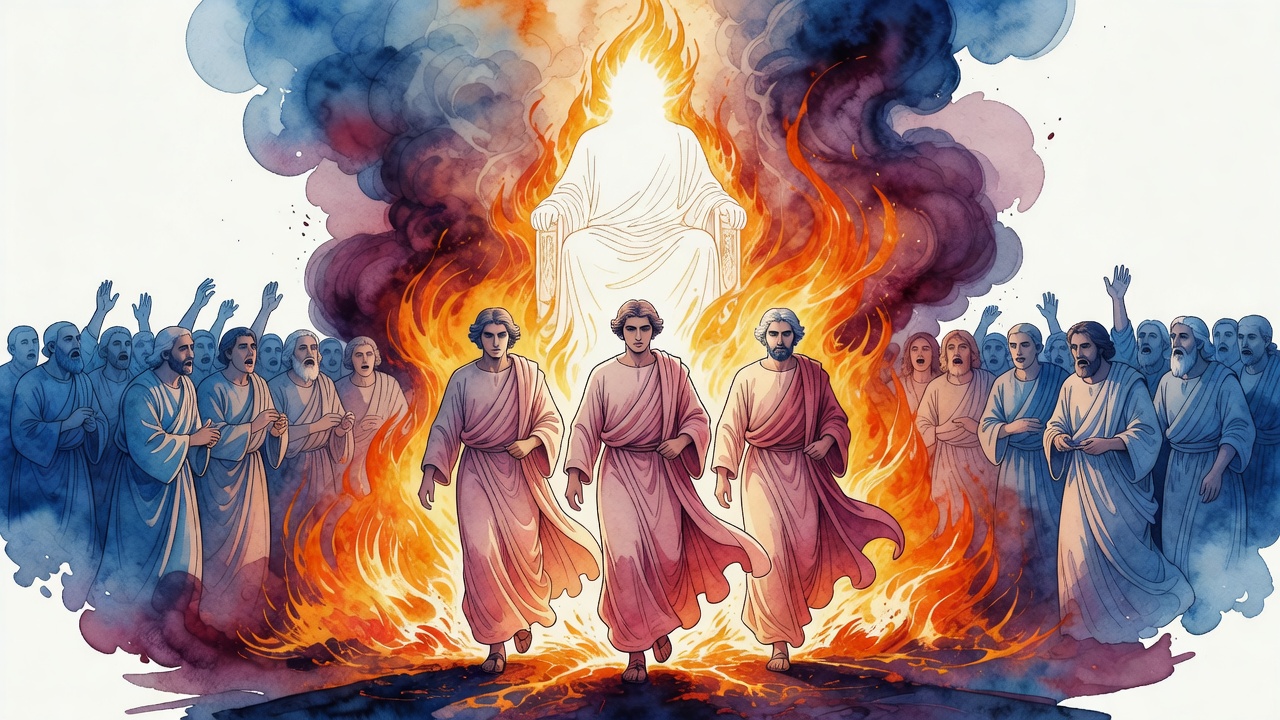
They had handed themselves over to the fire, and the fire did not take them. They came out over the coals and off the hearthstones and hopped away through a kitchen full of dead relatives, and Theudas of Rome, standing in front of Jews who had furnaces of their own to think about, kept the receipt and read it out.
Three youths had followed them in. They walked out of Nebuchadnezzar's kiln with their coats unburned and no smell of smoke on them, which anyone in Egypt could have predicted, if anyone in Egypt had been watching the ovens.
← All myths