Three Walked Alive Out of the Furnace Fire
Kings crowded in and spat until the three looked like a clod. The men who had walked out of the fire lifted their faces and claimed shame.
Table of Contents
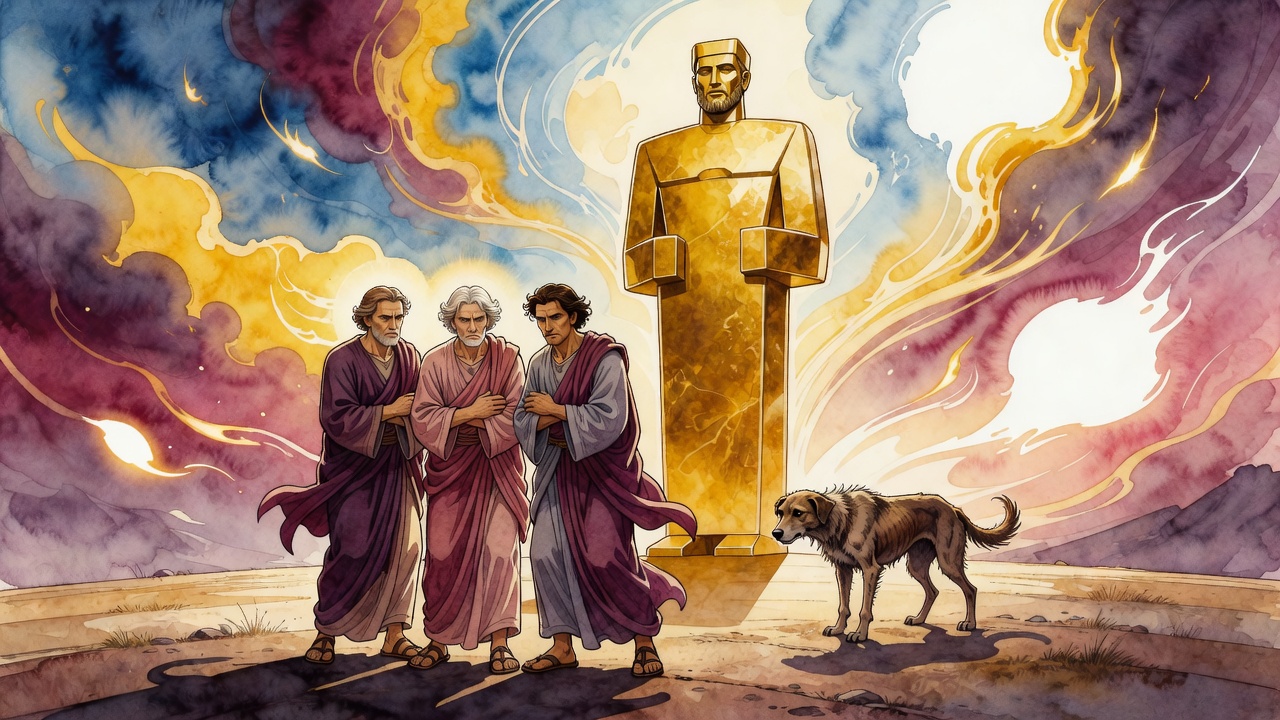
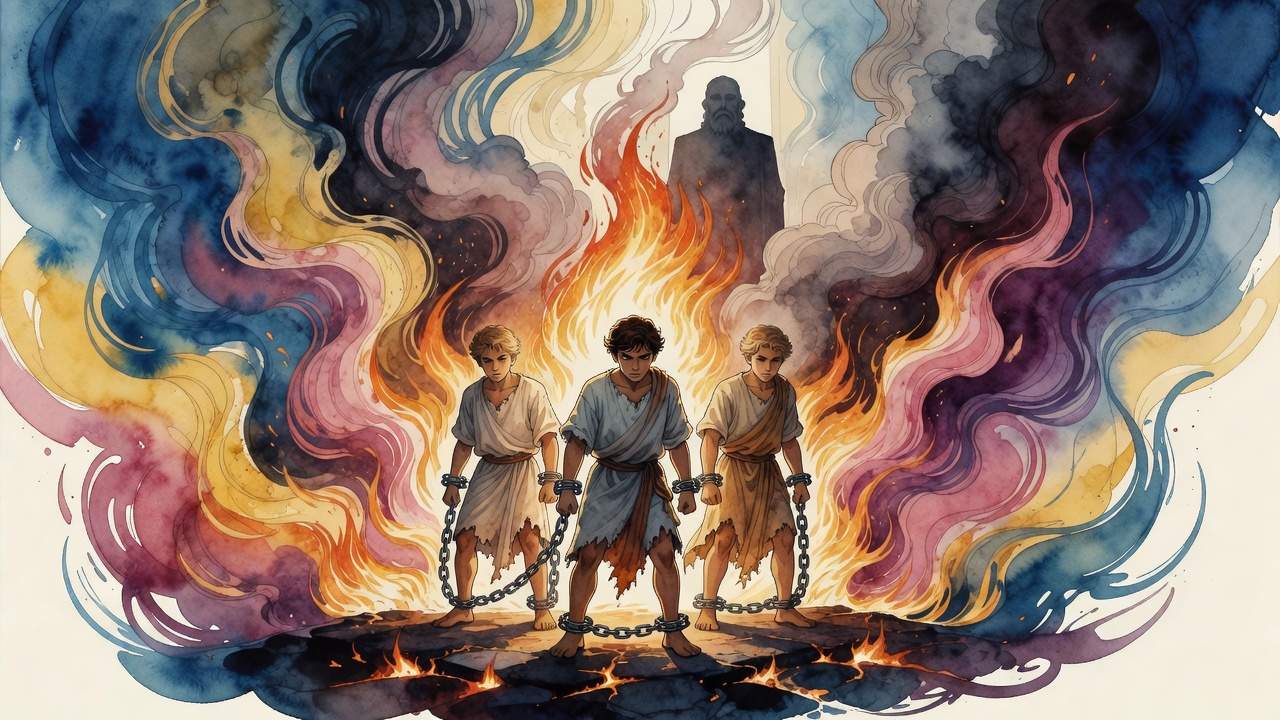
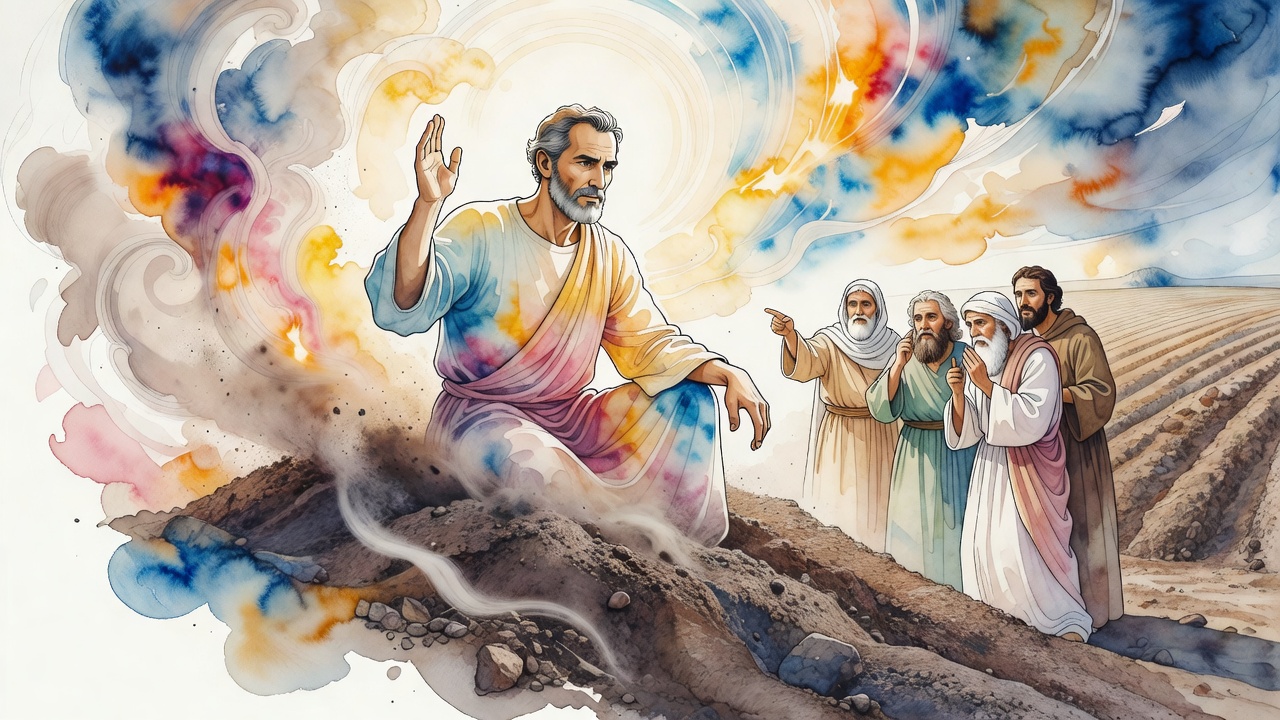
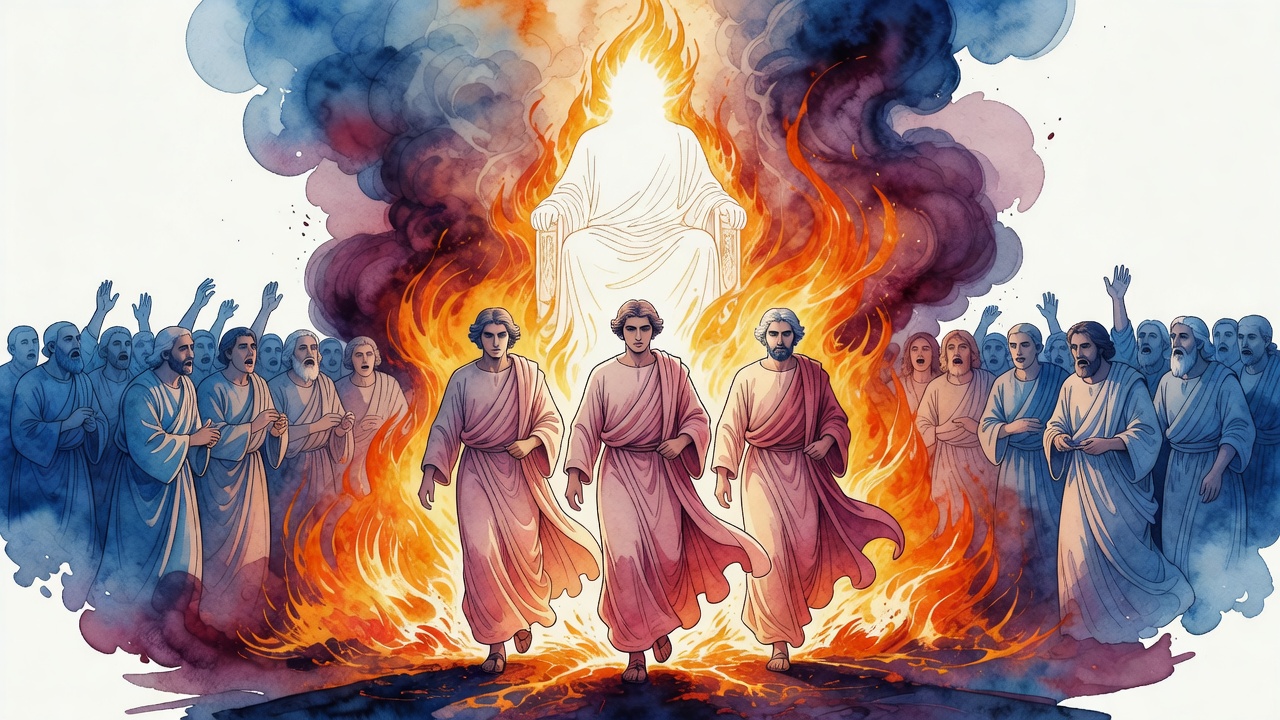
Hananiah, Mishael, and Azariah walked out of the furnace with clothes that still remembered heat and bodies that refused to burn. Kings of the nations crowded close. They spat until the spit clung like mud and the three looked like a clod of it.
 Click for full size
Where is your God, they said, the One who let His Temple burn while you three play at loyalty in a foreign square?
The three lifted their faces and answered with Daniel's words. "To You, O Lord, belongs righteousness, and to us shame of face, as at this day" (Daniel 9:7). Survival did not make them swagger. The fire had not proven them gods. It had proven heaven's patience, and their own unfinished debt as members of a people that still carried glory and failure into exile.
An Idol Rode Through the Sea
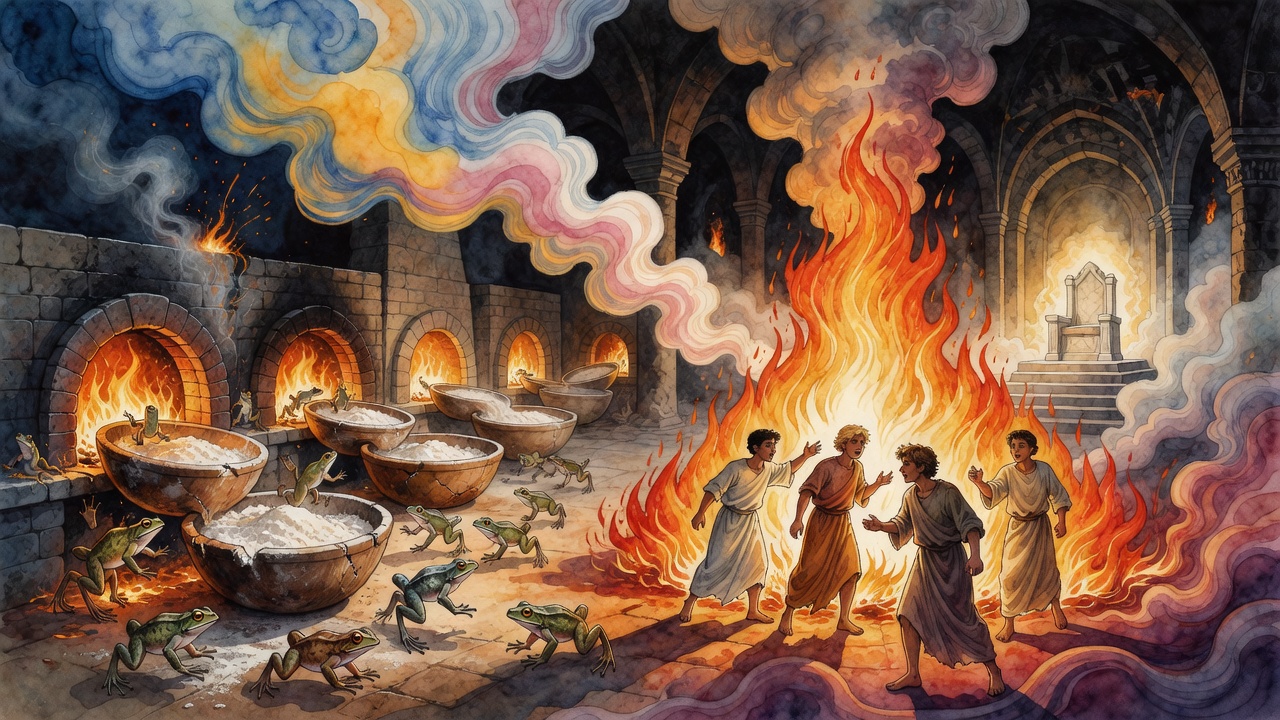
Israel had already learned that gift can outrun worth. They carried an idol across the sea at the hour the waters split into walls. The walls held anyway. The tribe of Joseph walked toward Bethel's wrong worship, and Scripture still says the LORD was with them on the road (Judges 1:22). On the day manna fell from heaven, some served idols and even offered God's own bread to those idols, and still the manna kept coming.
The three in Babylon stood inside the same scandal with soot in their hair. They were alive because heaven is righteous, not because the people had become flawless enough to deserve unburned skin. Shame of face was the honest posture when gift outran worth and the nations watched for arrogance.
The spit kept coming. They did not wipe it yet. They kept the verse in their mouths while the square waited for a boast that would not arrive.
One Tenth After a Full Sky
A landlord takes half or a third of a field's yield and calls it fair business. God sends wind, raises cloud, drops rain, brings dew, fattens fruit, then asks for one part in ten, the lightest demand after the heaviest provision.
The nations spat at survivors and missed the ledger. They thought power was proven only by an unburned Temple standing in its old place. Power was also proven by manna that fell on an unworthy camp, and by fire that would not eat three loyal bodies in a foreign capital.
Righteousness belongs to the Lord. The tenth is that righteousness in a gentle form, almost domestic. The furnace is that righteousness in a fierce form, almost unbearable to watch. Both refuse to let human failure have the last word. Both refuse to let mockers decide what heaven can do with ash and loyalty.
Faces Not Yet Like the Menorah
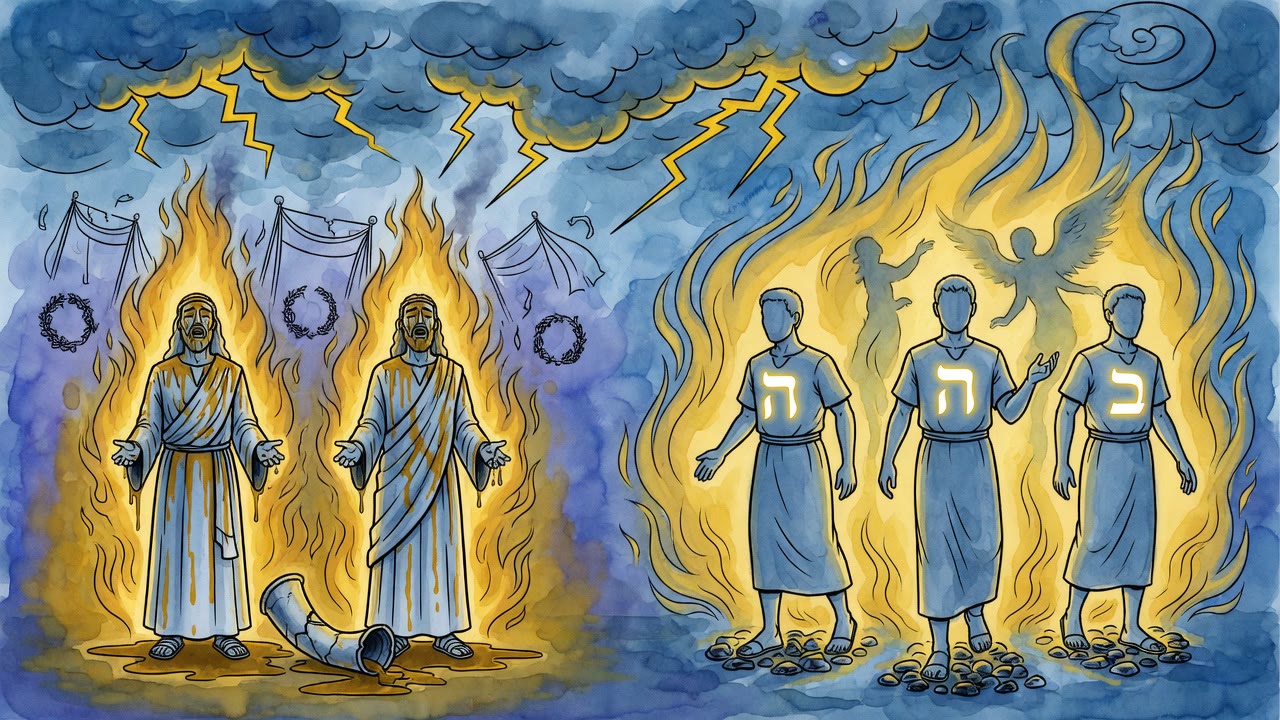
A teaching would later liken the faces of the righteous, in the world to come, to seven lights. Sun and moon. Firmament and stars. Lightning. Lilies. The menorah of the Temple, the branched lamp the three men could no longer visit.
They did not wear those faces in Babylon's square. They wore ash-smell and public mockery and the long knowledge that home was far. The seven joys were a future the spit could not cancel. Daniel's confession was not despair dressed as piety. It was orientation. Shame of face now. Fullness of joy later.
The nations measured success by temples standing and kings winning. Heaven measured by loyalty that walked through fire and still knew who owned righteousness when the crowd wanted a boast.
After the Crowd Dispersed
When the spit dried and the officials left to write their reports, the three still had to live as exiles among people who had seen a miracle and chosen contempt. Alive is not the same as home. They would keep the Name in a city that preferred other names and other fires.
Their answer in the square became their discipline in private. They would not confuse rescue with license, or survival with superiority, or a single day of fire with the end of their people's unfinished story. Righteousness belonged to the Lord. The work of remaining unburned without becoming arrogant belonged to them, and the work of eating tomorrow's bread without offering it to idols, and of remembering the Temple without pretending exile was already over.
The furnace was a day. The confession is a life. Between them walked a mercy that split seas for idol-carriers, dropped bread for the ungrateful, and still pulled three men out of fire so the nations would have to spit at a miracle they could not explain.
The spit dried into salt on their skin. They wiped it and kept walking. Miracle without humility would have been another idol. They refused that idol as firmly as they refused the furnace's demand to bow.
← All myths