An Angel Promised Hagar Her Son Would Live Wild and Never Be Erased
The child kicked hard enough to stop her. Dust on her tongue. Then a voice in empty air named the boy before she had a midwife.
Table of Contents
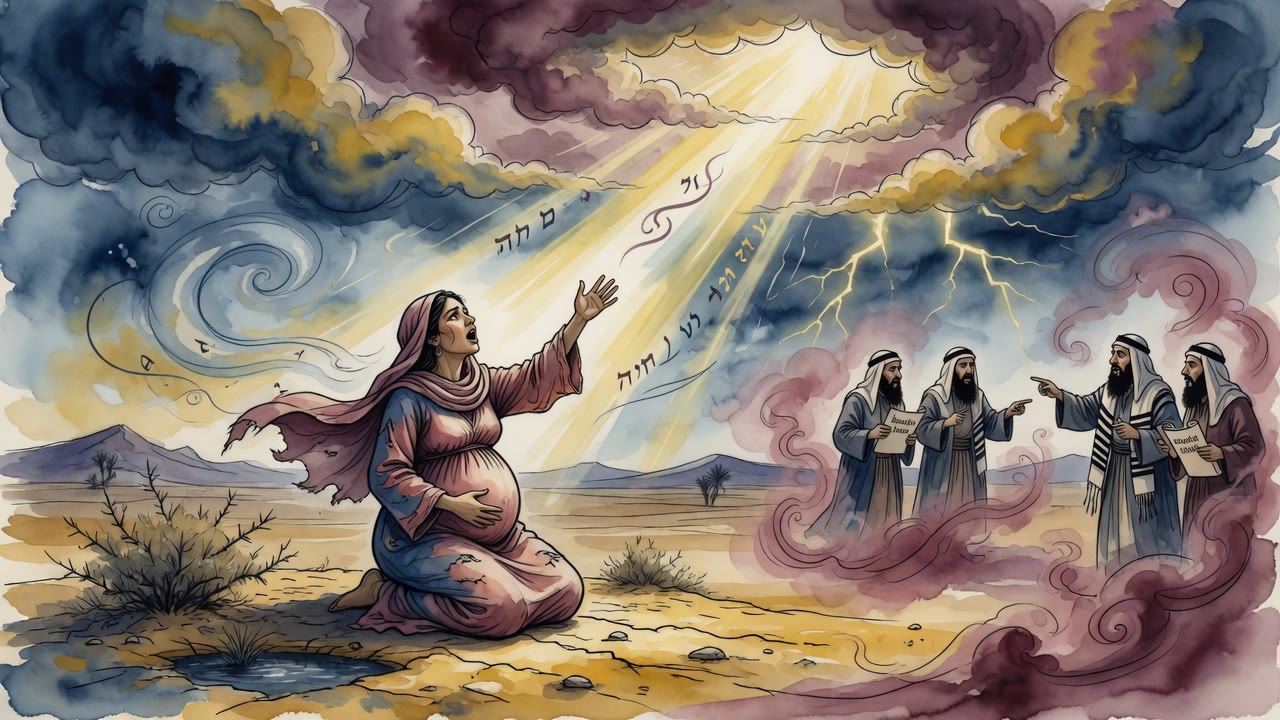
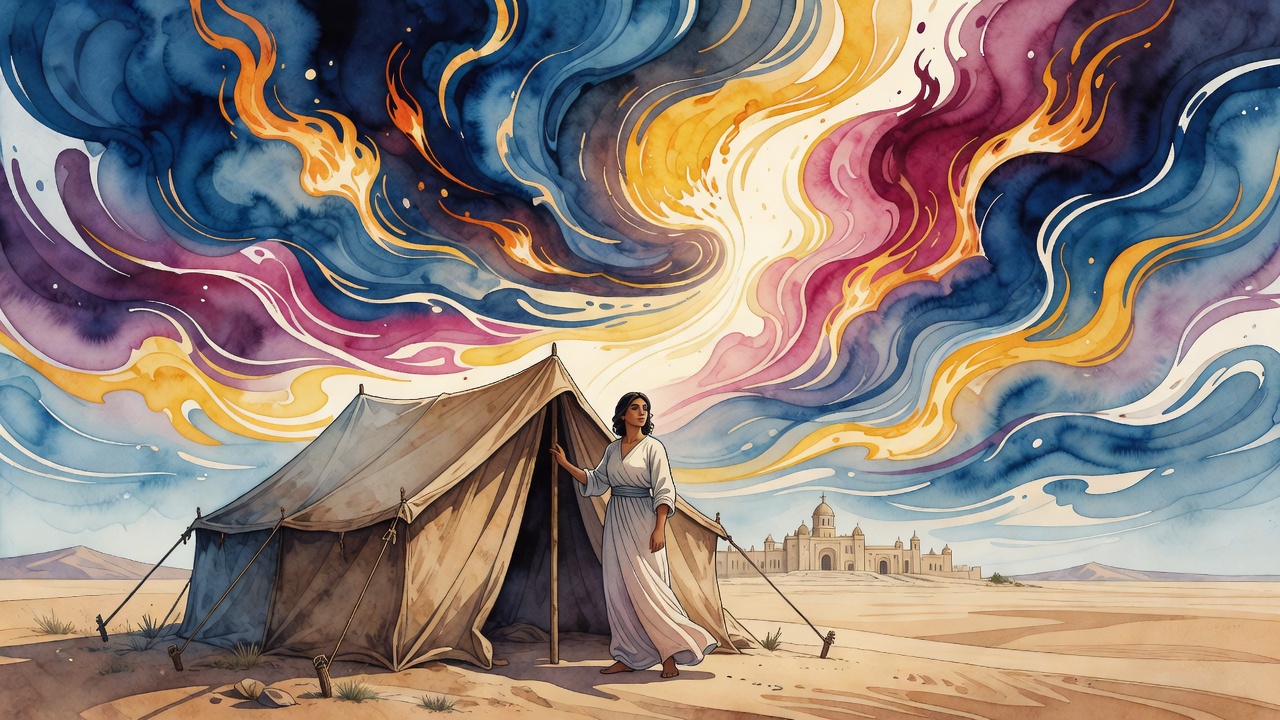
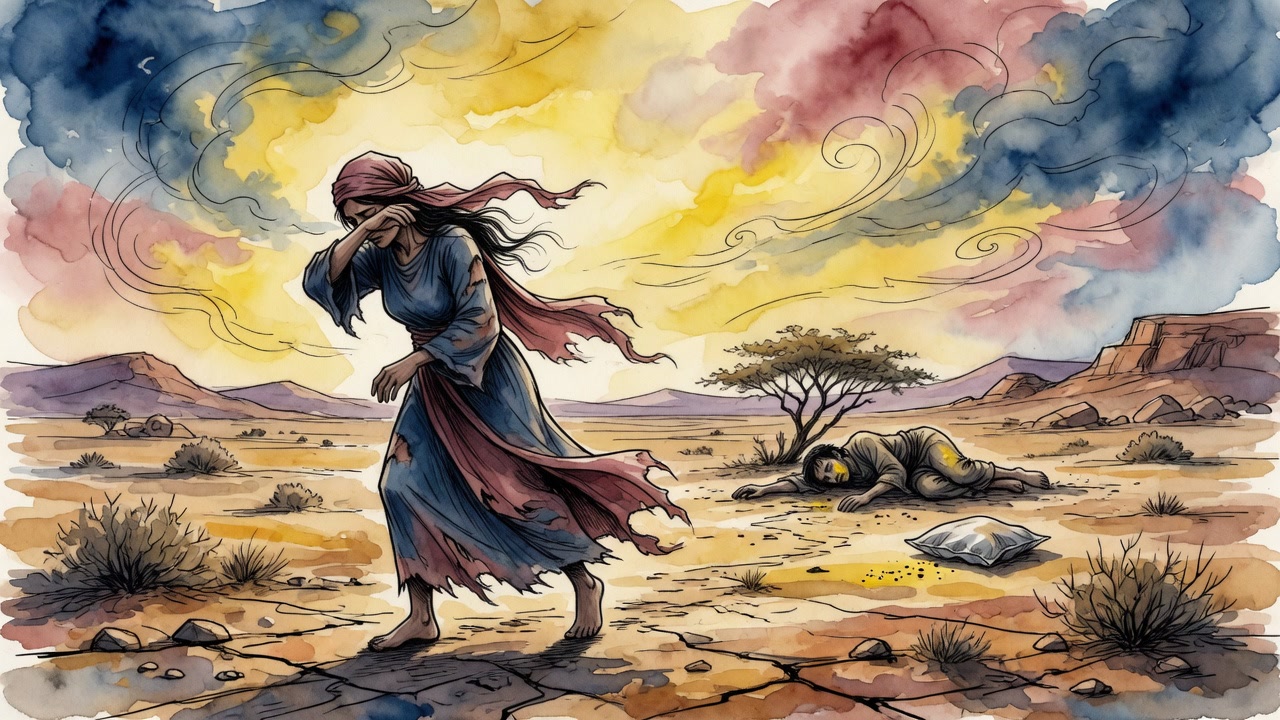
Hagar ran until the household of Abraham was only a smudge behind the heat. Dust coated her tongue. The child in her belly shifted hard enough to make her stop with both hands on her sides. She was an Egyptian slave who had been given, used, and then driven out by the mistress who once pressed her into the tent. The wilderness did not care about any of that. It offered thorn, glare, and a spring that looked, for a moment, like an accident.
 Click for full size
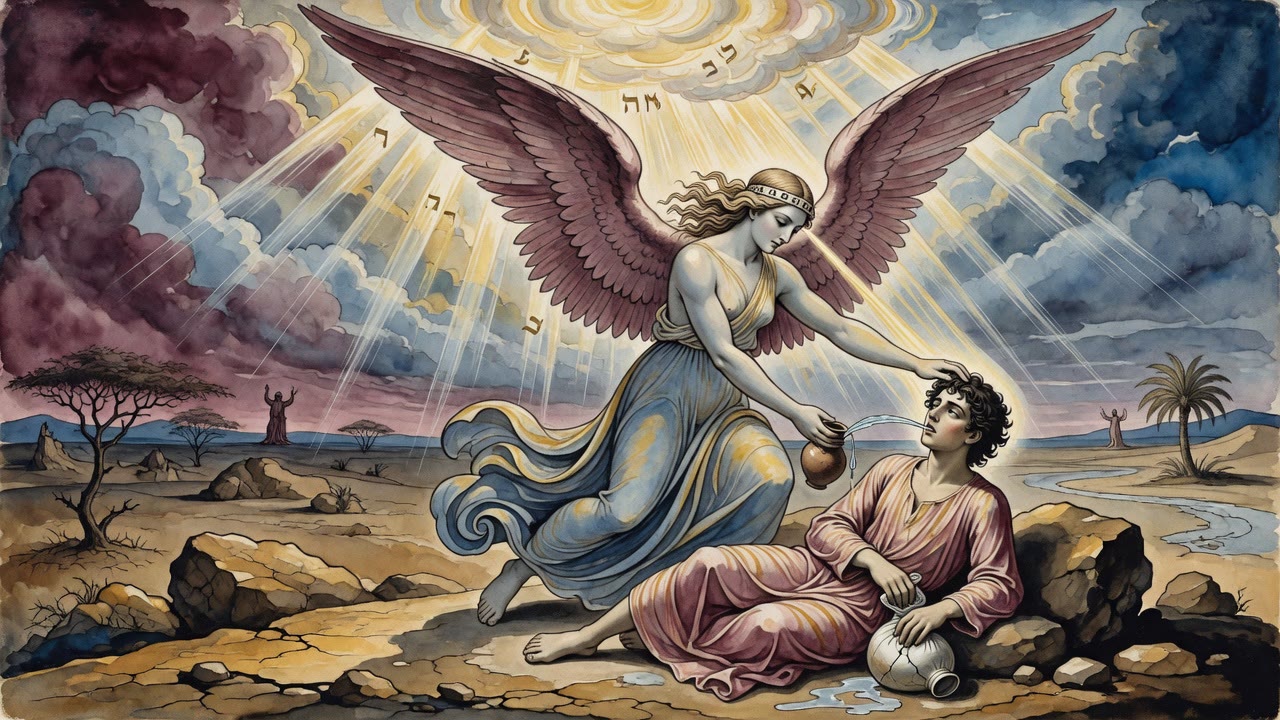
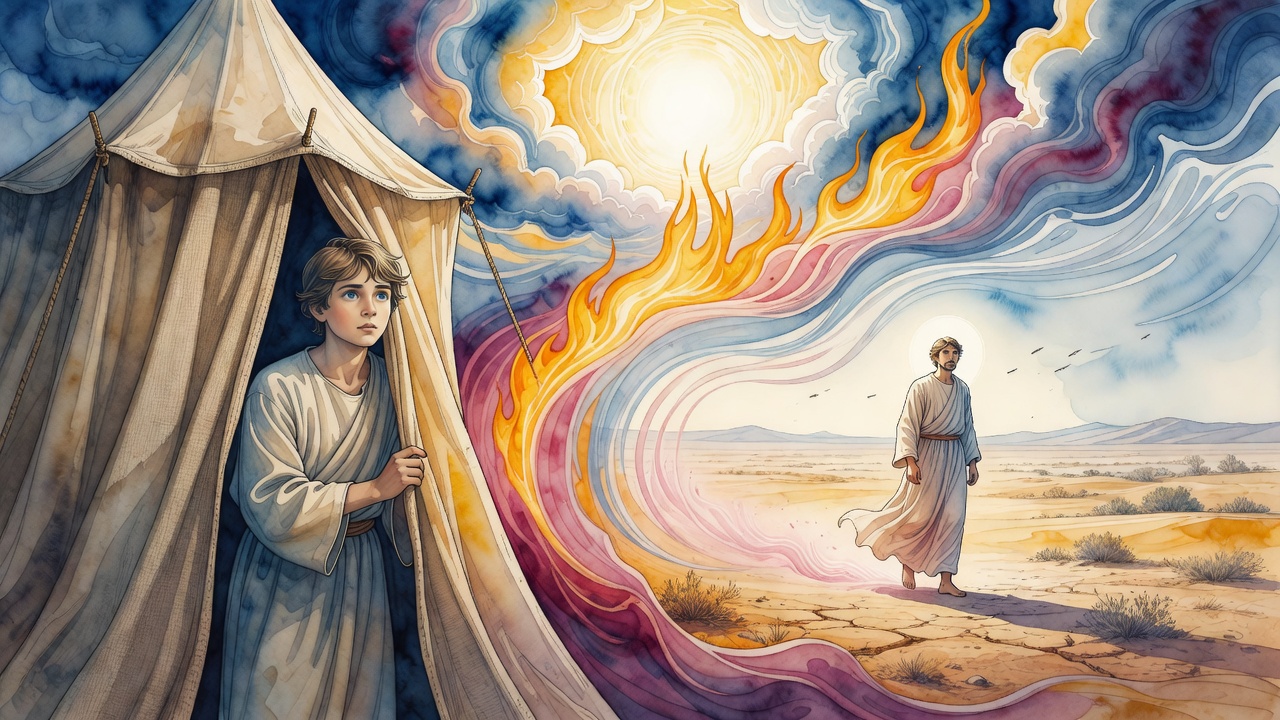
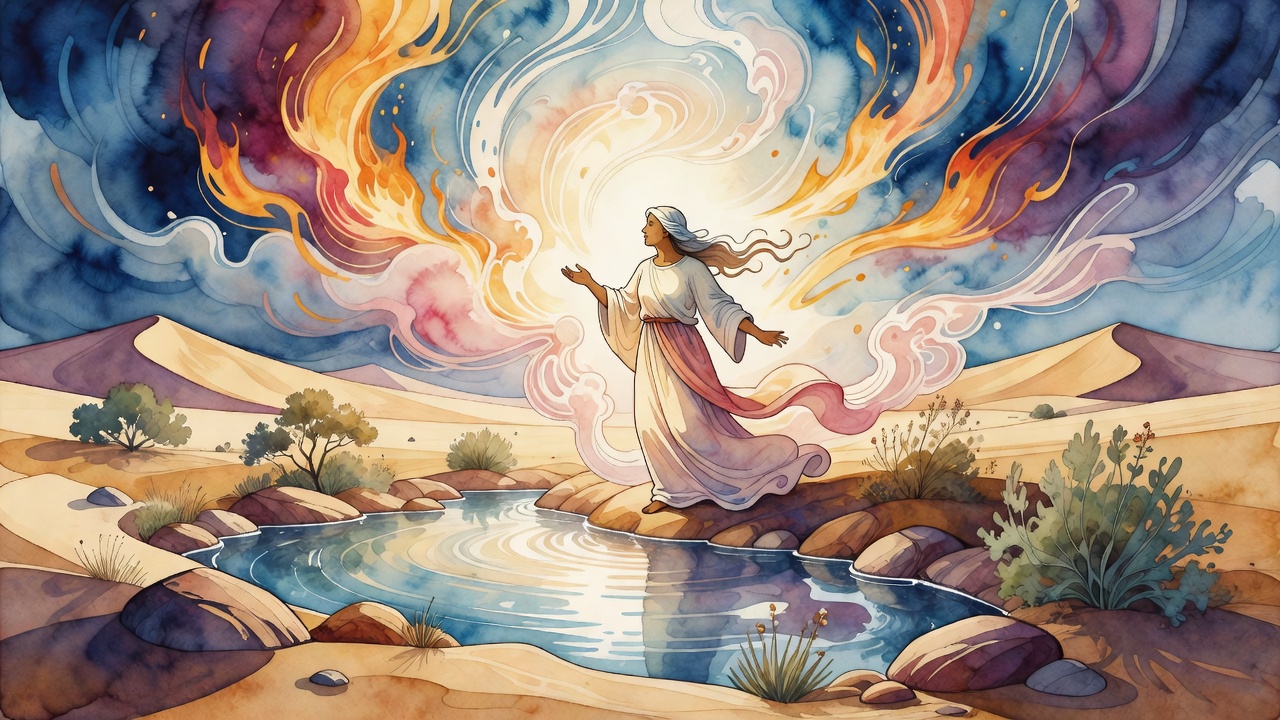
She sank by the water. She had been fleeing, not walking toward any holy place. Then a presence stood in the empty air as if the desert had grown a voice, and the Angel of the Lord spoke into her exhaustion as if she were not a runaway at all (Genesis 16:7-11).
The Spring Where Flight Ends
Hagar did not ask for a vision. She asked for distance from Sarah's hand. The spring was a pause, not a plan. She drank. She wiped her mouth. She tried to invent a map that led somewhere a slave could live without being sent back.
The angel did not open with comfort. He opened with location. He had found her. The finding itself was the first shock. Heaven had not lost the Egyptian woman on Abraham's road. Her flight had a witness. The desert, which she had counted on for erasure, turned out to be a corridor with someone already waiting at the far end.
She straightened on the stones. Water dripped from her fingers. The child kicked again, timed like an answer she had not yet heard.
A Name Spoken Over a Belly
"Behold, you are with child," the angel said. "You shall bear a son. Call his name Ishmael." The name broke open as he spoke it: Yishma-El (ישמעאל), God hears, because your affliction is revealed before the Lord (Genesis 16:11).
Hagar's mouth moved around the syllables before she trusted them. God hears. Not Sarah, whose household ruled the tents. Not Abraham, whose seed the child would carry. The runaway by the spring was the one whose affliction rose upward and was received. She had used the old word for being crushed, the same wound-language that had followed her out of the camp, and now that word came back on an angel's tongue as the root of a boy's name.
Every future mouth that said "Ishmael" would be forced, whether it knew or not, to say that God had heard. The child would wear the news in his breath. Hagar put a palm on her belly and felt the name settle there like a second pulse. She was still a slave in the world's accounting. In the Throne's accounting, her cry had already been filed and answered.
Not a Gentle Son
The angel did not stop at the name. He predicted the life inside the name. Ishmael would be like the wild ass among men, his hand against his adversaries, their hands raised against him, and in the presence of all his brothers he would dwell (Genesis 16:12). The image was desert-true. The wild ass is not a joke animal in that world. It is the free runner, untamed, fast, allergic to corrals, at home in open country where fences fail.
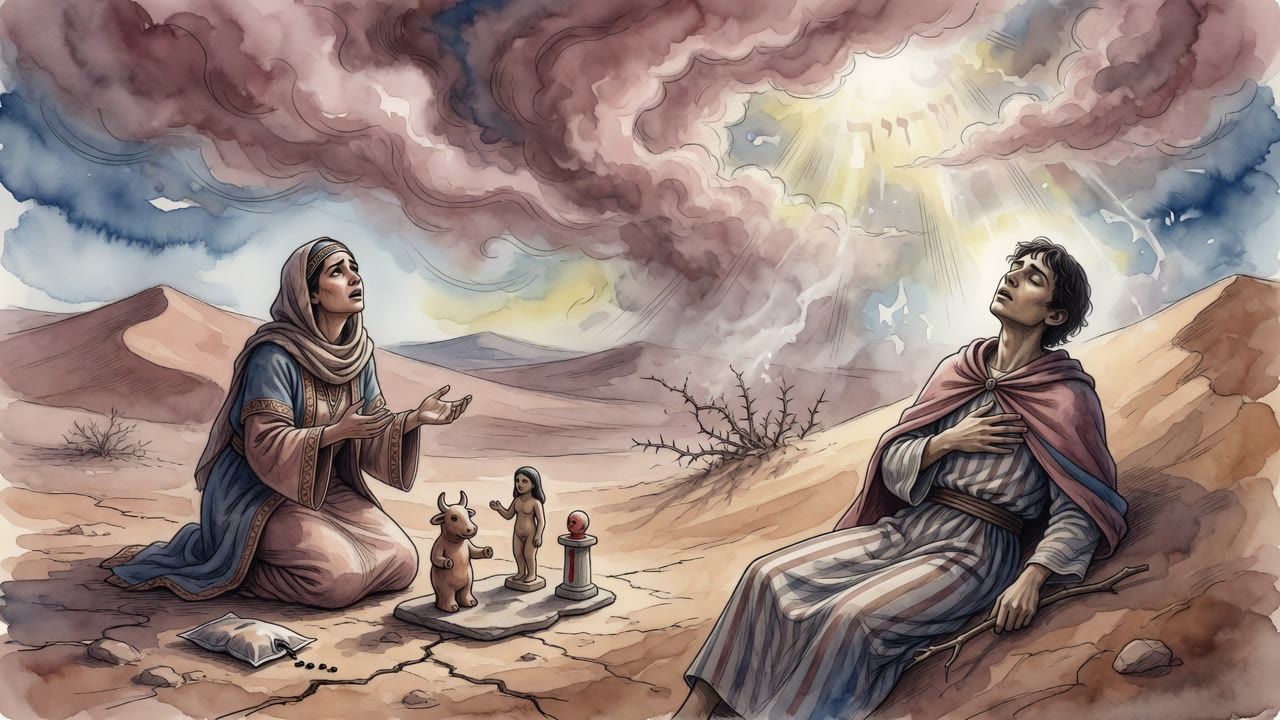
Hagar heard survival before she heard trouble. A mother in flight wants first to know the child will live. The angel gave her that, then gave her the cost. Her son would contest and be contested. He would not live quietly fenced. Friction would find him the way heat finds the plain. Hands would rise against him because his own hand would rise. The promise was not a soft cradle song. It was a weather report for a life lived at the edges.
Still the sentence did not end in exile. Before all his brethren he would dwell. Present. Not swallowed. Not erased from the family of nations. Hagar's boy would stand where kin could see him, hard to love and harder to delete.
What a Frightened Mother Can Carry
She stayed by the spring longer than flight allows. The water kept moving. The angel's words did not. Hagar tested them the way a person tests a path with a bare foot. Name first: God hears. Life second: wild, opposed, still standing among brothers. No promise of gentle manners. No promise of Sarah's peace. A promise that the boy would be there.
She rose with the awkward care of late pregnancy and faced the direction the angel gave. Returning to the household would hurt. Staying alone would kill. The name on her tongue made the return a different kind of walk. She was not going back as an unanswered cry. She was going back as the mother of a child heaven had already titled.
Dust took her footprints one by one. Behind her the spring kept its small noise, ordinary again, as if it had never hosted a naming. Ahead, the tents waited with their old hierarchies. Inside her, Ishmael turned, already practicing the push the prophecy had described.
The Boy Who Would Not Be Fenced
Years later the name would be said in markets without anyone pausing for the hearing inside it. God hears. The wild-ass life would arrive on schedule: open country, contested hands, a presence among kin that never settled into quiet inheritance. Hagar would watch a son become as free and as contested as the angel had said beside the water.
She had wanted escape. She received a witness, a name, and a hard future spoken without flattery. The desert did not apologize. It had told her the kindest true thing it had: the boy would live, he would fight, and he would not vanish from the map of brothers.
← All myths