How Solomon Was Trained to Be a Wise King
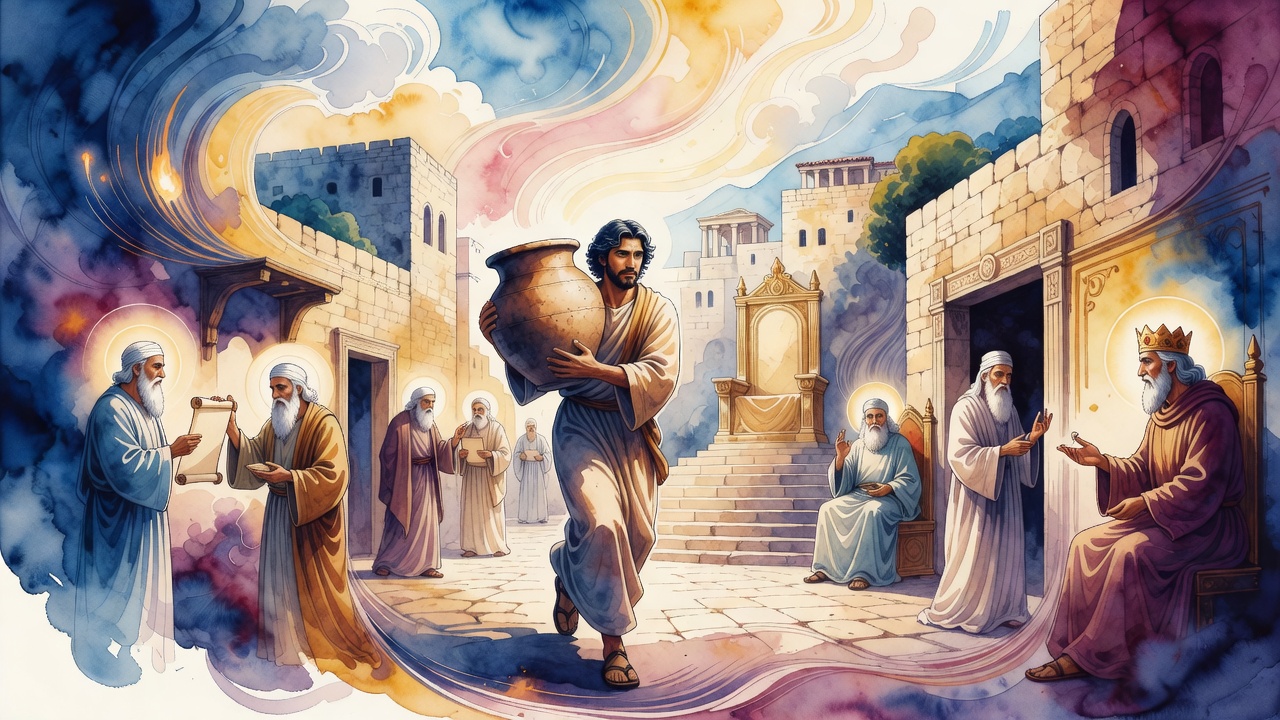
Solomon's hidden name means gatherer. He carried a clay jar through Jerusalem collecting one Torah line per sage, one trait per visit, one warning per king.
Table of Contents
The boy came to the door with a clay jar in his hands and asked the old man inside for one line of Torah.
 Click for full size
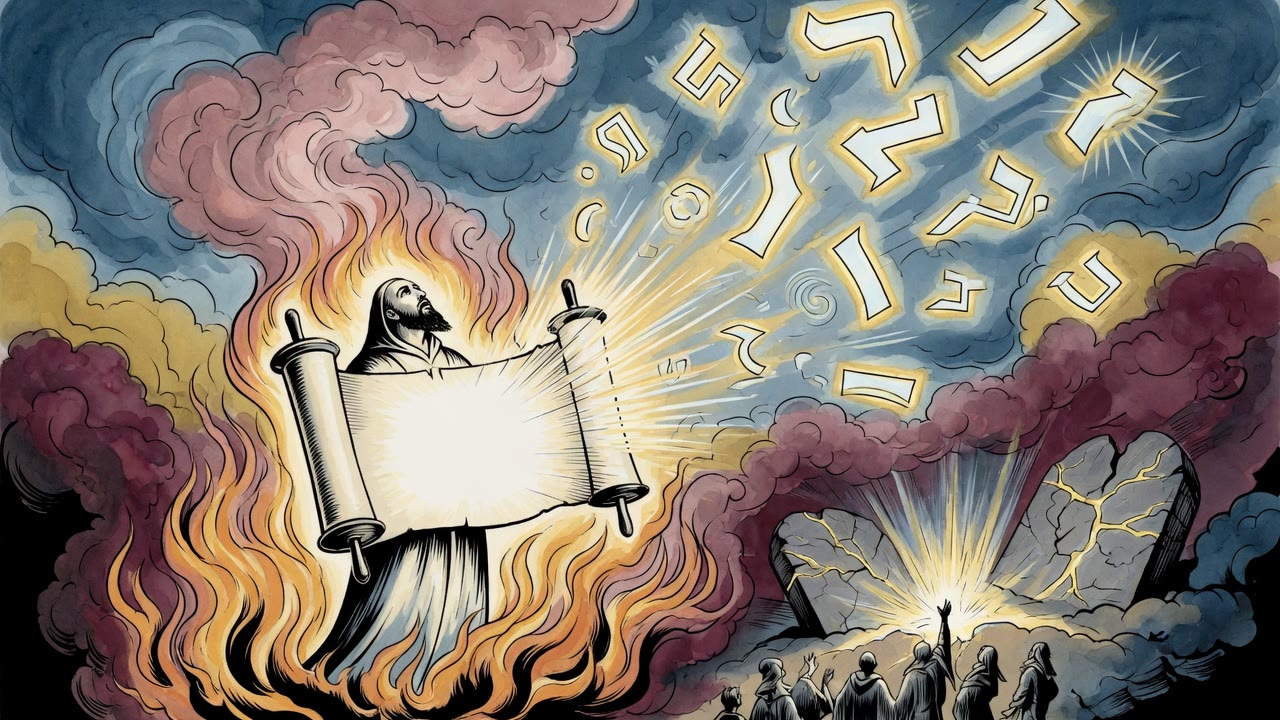
He had been up that street already. The habit had a shape to it: knock, ask, take one thing, go on to the next house. Not the whole teaching, since no household in Jerusalem had time to hand a child the whole teaching, but one line, one proverb, one warning about what happens to kings. Later they would work out that the name at the head of the thirtieth chapter of Proverbs, Agur son of Yakeh, was Solomon, because agur means gathered. Stored up, collected a piece at a time by somebody who went and got it.
The Teacher Three Doors Down
What he wanted was the far wisdom. He had heard about the merchant ships that bring their bread from a great distance, and he wanted teachers from other cities, other schools, the ones nobody in his neighborhood had heard.
The old man sent him three doors down instead.
"Drink water from your own cistern," the old man said. "That means the man who is in your city with you. Learn from whatever is standing next to you first, and go far afterward. And be careful whose water you drink, because sullied water will pull you off after the words of people who have wandered."
The boy went three doors down. It was not what he had come for, so he took it, which was itself the first thing he had learned that day.
The Sponge and the Wad of Cotton
He came back a week later pleased with himself, having taken only the parts he judged useful.
There are two kinds of student, the old man said. One is a sponge, which soaks up everything it is put into, the clean water and the dirty both, and gives all of it back. The other is a wad of cotton, which takes only as much as it thinks it needs and is content with whatever its teacher poured into it that morning. The great one is the sponge.
The boy had been proud of being efficient, and efficiency turned out to be the smaller of the two conditions. He had believed until then that a jar gets filled by choosing well.
A Pit Holds Only What Is Poured In
"Drink waters from your pit, and flowing waters from your well."
A pit produces nothing. Whatever is inside it was carried there in somebody else's bucket, and if nobody comes to pour, a pit is a hole in the ground that goes dry in the first bad summer. A well is different. Water comes into a well from every side, out of the rock itself, and people arrive with their own vessels and draw, and the more they draw the more it runs.
The boy put the jar down on the step. Everything in it had been poured in by somebody else, in somebody else's words, at somebody else's door. He stood there with his hands empty for the first time since he had started collecting, and the arithmetic of the rest of his life changed in about as long as it takes to set down a jar.
The Part He Could Not Carry Home
There was one thing at those doors he was never able to put in the jar.
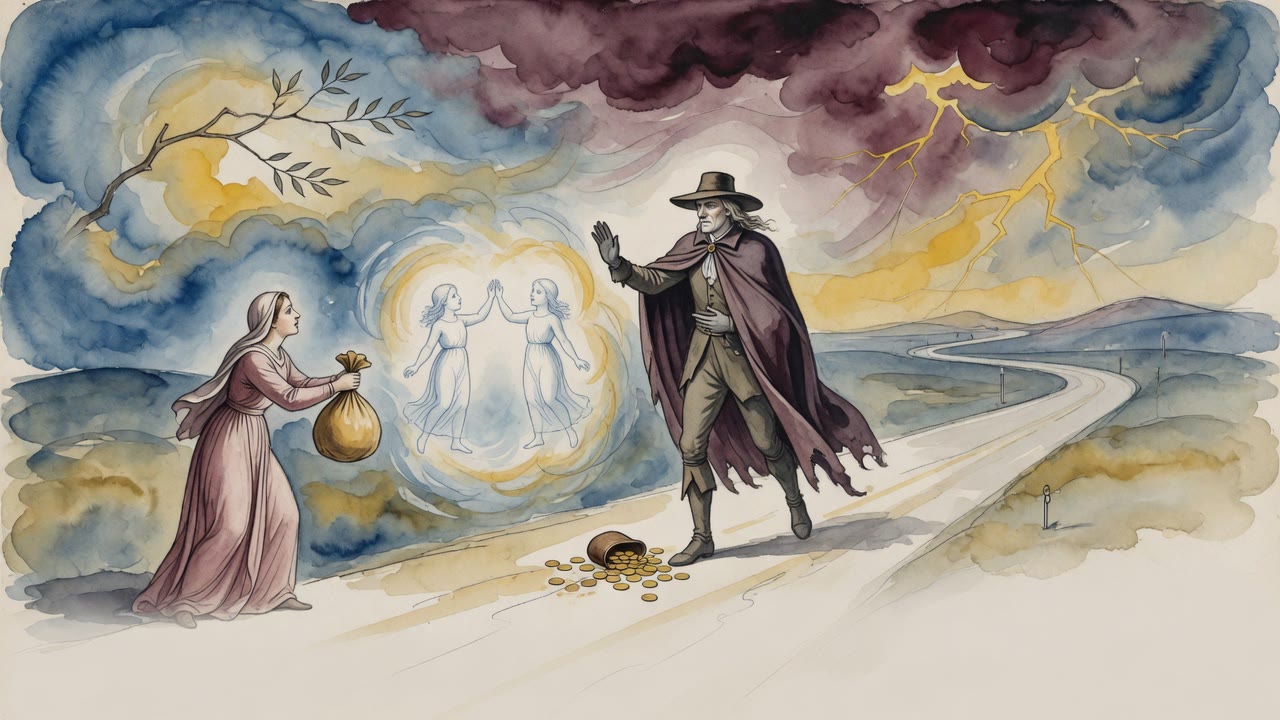
"Walk in His ways." The command names them one by one: merciful and gracious, slow to anger, abundant in kindness and in truth, forgiving transgression and offense and sin. Nobody can hand a boy mercy across a threshold the way they hand him a verse, because those are not recited, they are done, and they are done in front of somebody who needs them.
So he had to practice on people. Just as He is called merciful, a man is to be merciful and give freely to anyone who asks. Just as He is called righteous, a man is to be righteous. A trait gets into a person the way water gets into a stone, slowly, and only if the water keeps coming.
When Straw Consumes Fire
There was a warning in the jar too, and it was the one he would need on the throne.
The word he had been named for cuts both ways. Agur is gathered, but a psalm uses the same root for wicked men with evils stored up inside them, so a gatherer is only ever as good as what he has decided to keep. And a country can be emptied out the same way, one absence at a time: no truth, meaning nobody is saying words of Torah anymore. No kindness. No knowledge, meaning wisdom has gone quiet in the street.
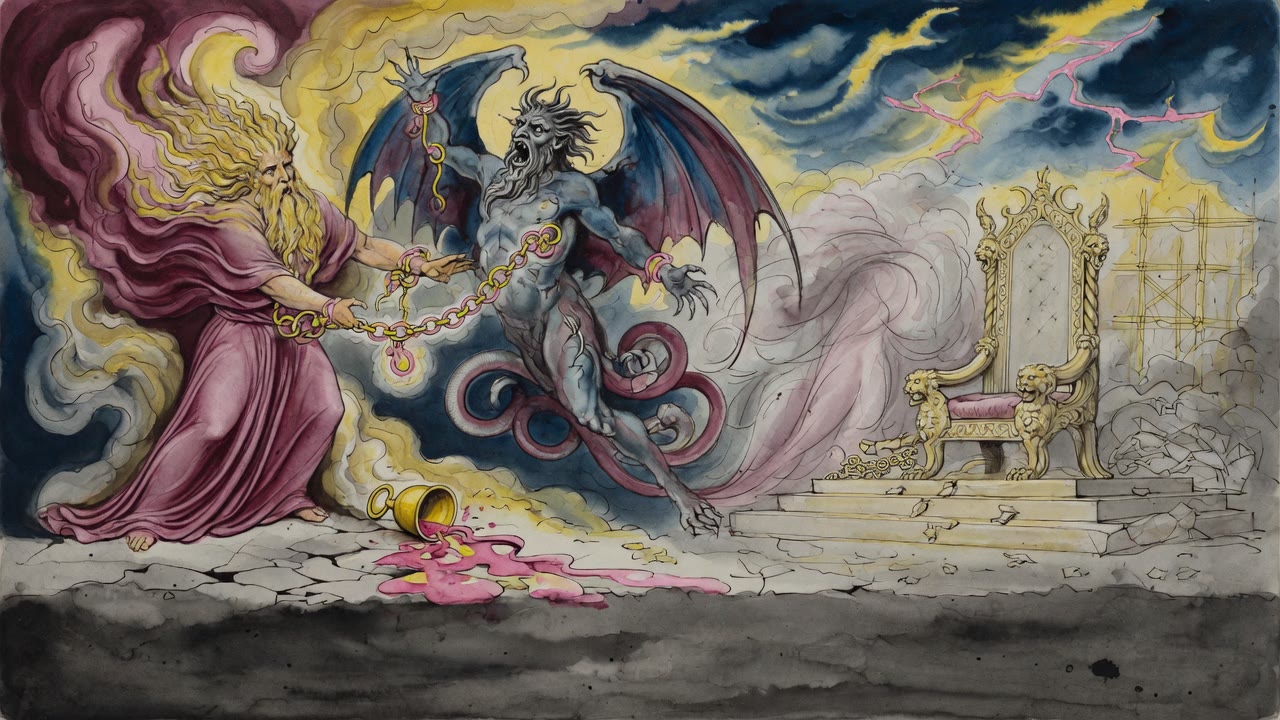
Straw will consume a tongue of fire. Straw cannot burn fire, and there it sits in the verse anyway, straw eating flame, which is what happens when Israel lets its hand go slack on the commandments and Esau gets the upper hand. And there is nowhere to run when it happens. North is Tyre, which hands its refugees over. South is Azza, which sells them. East is Damascus. West are the caravans of Dedan, lodging in the forest of Arav, with no room for anyone.
The boy trained at other men's doors took the seat of David eventually, and then the traffic reversed. They came to him instead, all day, with their vessels and their questions, and a man they called wise had no way back out into the street to fill anything of his own. The clay jar sat on a shelf in a house he no longer lived in.
← All myths