Solomon Crushed Five Locusts and Lost His Wisdom
Her priests told her to refuse the king unless he honored their gods. Solomon said no for a long time. Then she made the request small.
Table of Contents
 Click for full size
The Sky Went Dark Over Kitor
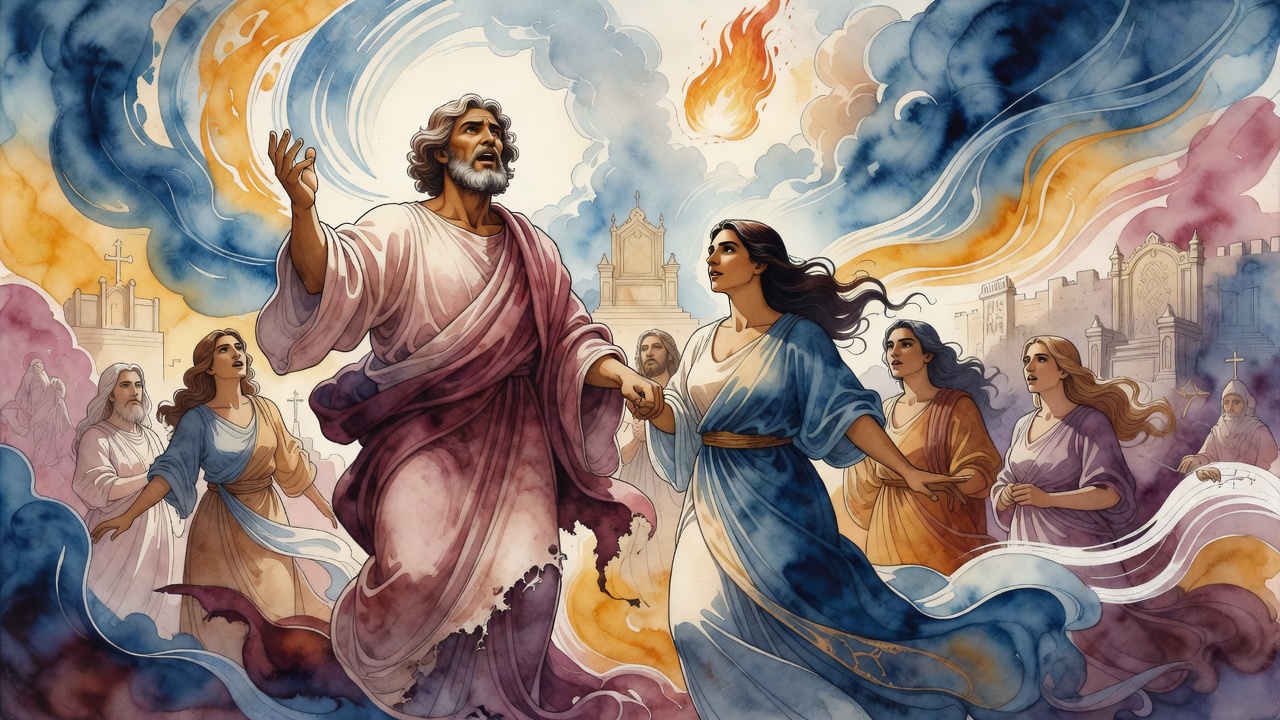
The queen of Sheba was outside at dawn worshipping the sun when the sun went out.
What had covered it was birds. Every bird in the sky over Kitor, and one hoopoe coming down out of them to land near her with a letter tied to its wing. She tore her clothes and stood there and then she untied the letter and read it.
From me, King Solomon. God has set me over the beasts of the field, the birds of the air, the demons, the spirits, and the night shades. Every king from east to west comes to greet me. Come and greet me and I will honor you above all of them.
Then the other half of it.
If you will not, I will send kings and legions and riders. My kings are the beasts of the field. My riders are the birds. My legions are the demons and the spirits and the shadows of the night. The demons will throttle you in your beds. The beasts will kill you in the open country. The birds will eat what is left.
She got her caravan together.
Gold Dust in Their Hair
Every morning he rode out to the gardens at Etham, fifty furlongs from Jerusalem, where the streams ran.
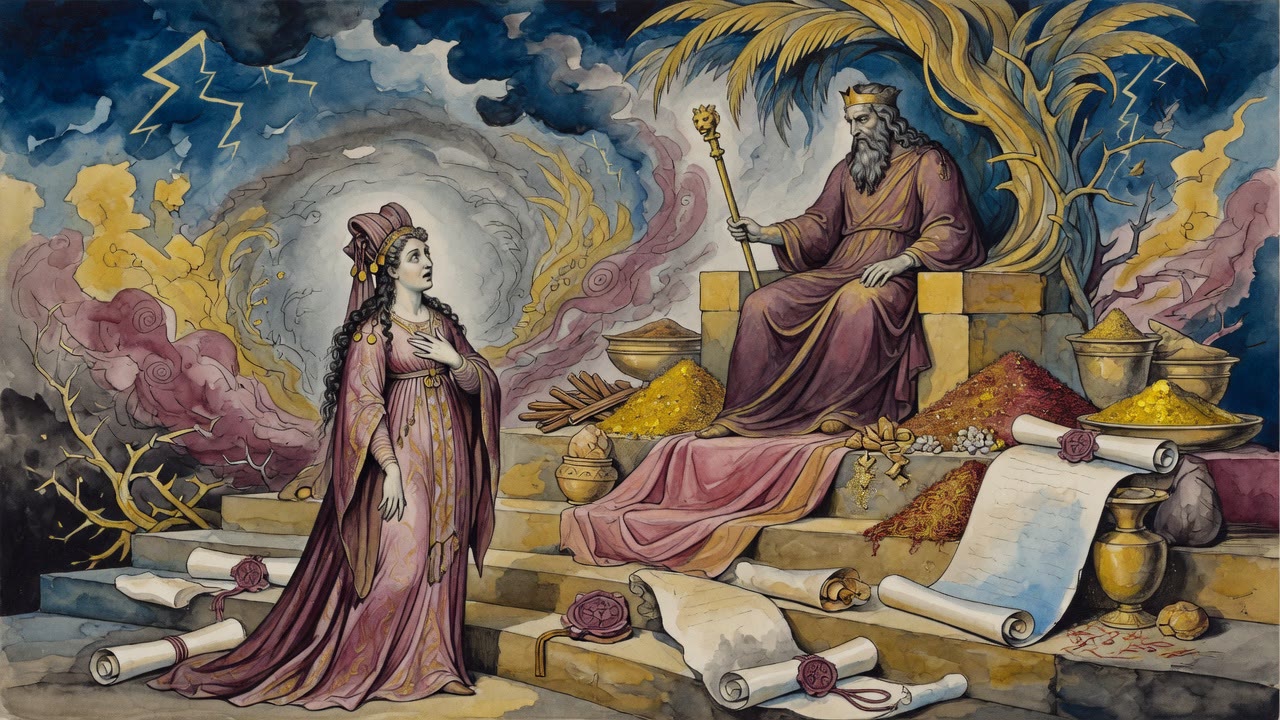
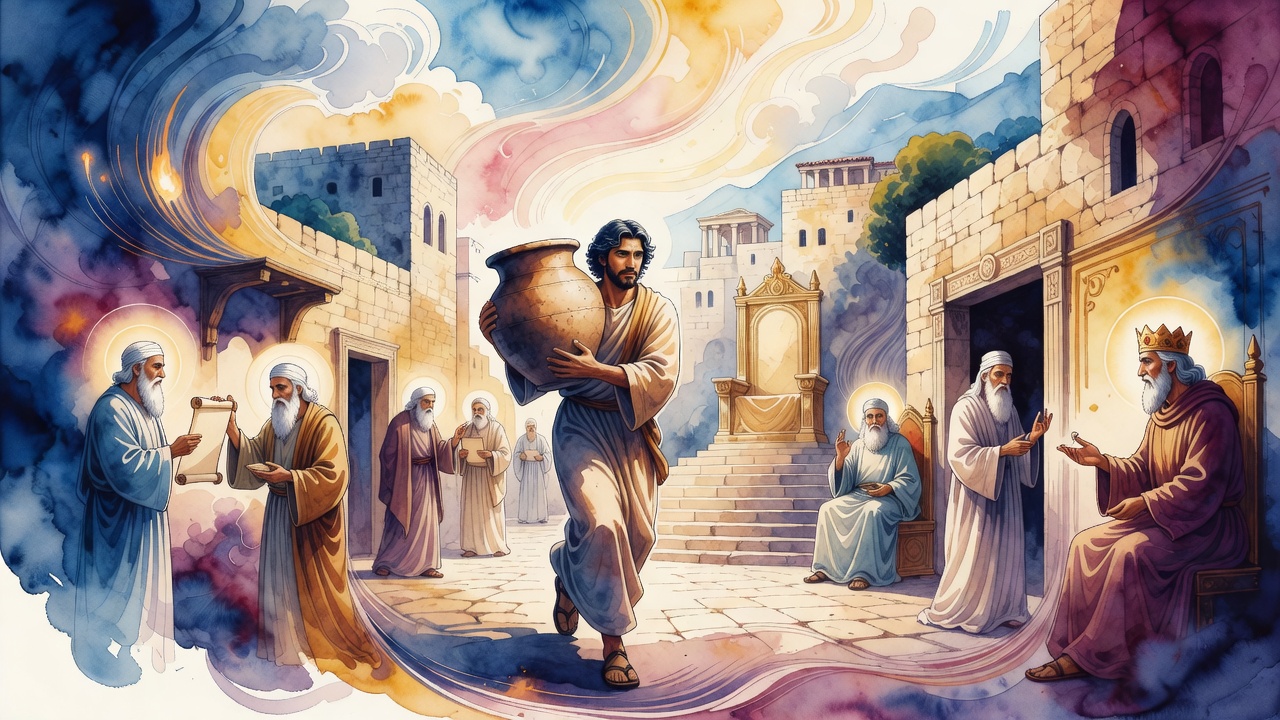
He went in white. Around him rode young men picked for height and looks, in armor, bows strung, with their hair grown long down their backs, dressed in Tyrian purple. Their servants sprinkled gold dust into that hair every morning before they mounted, so that when the sun came up over the road the whole escort threw light back at it.
The road itself was black stone, laid on his orders all the way to the city. Six hundred and sixty-six talents of gold came in every year without counting what the merchants and the Arabian kings brought. His fleets went out to the far coasts and came back in three years with ivory and apes. Nobody in Jerusalem bought anything with silver, because silver had become as common in the streets as gravel.
He also cast bronze oxen to hold up the great basin in the Temple court, and set carved lions around his own throne, which was not permitted, and nobody stopped him.
The Woman Who Would Not Yield
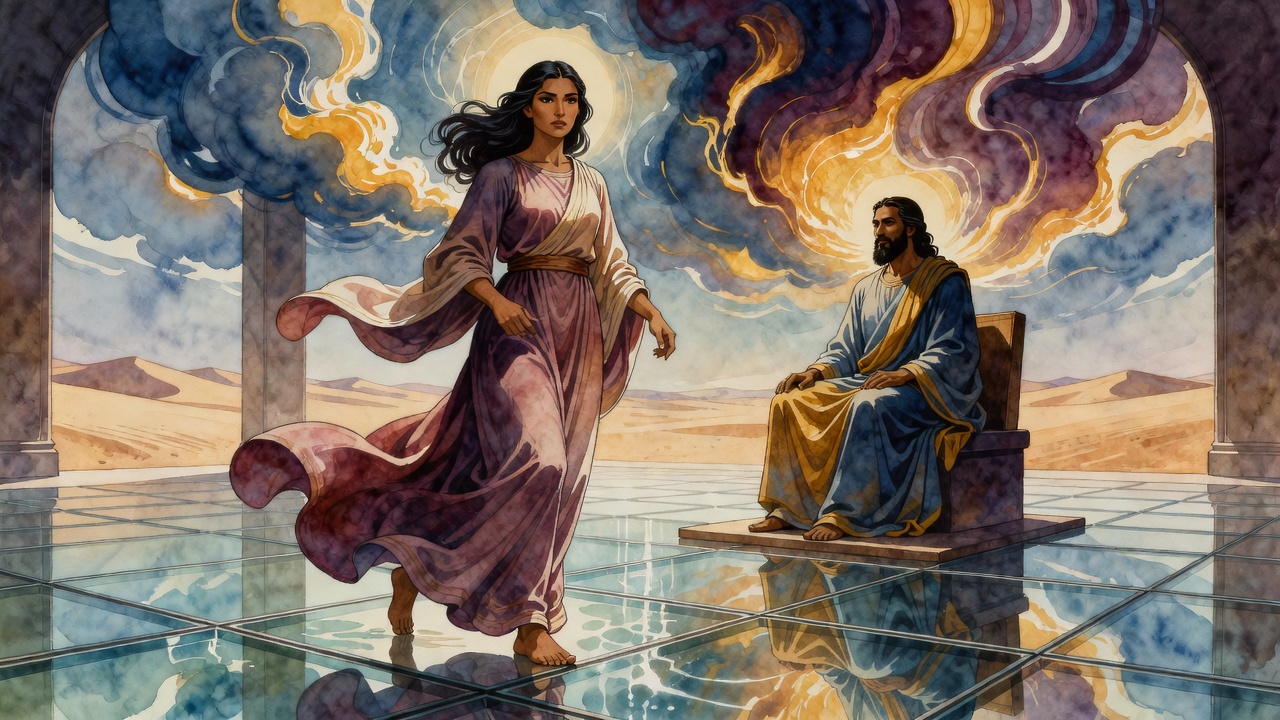
He fell in love with a Jebusite woman named Sonmanites.
She worshipped Moloch and Raphan, and her priests understood immediately what had walked into their hands. Refuse him, they told her. Do not yield to the king unless the king honors our gods.
Solomon said no. He went on saying no for some time, which is worth saying, because he could have taken what he wanted on any afternoon and did not.
So the price came down.
Five Locusts
She did not ask for a temple. She did not ask him to bow in front of anyone, or to say anything in the hearing of his court, or to put his name to a decree.
She asked him to take five locusts in his hands and crush them in the name of Moloch.
Five insects. A thing done in a closed room in the time it takes to make a fist. No witness, no record, nothing to be reported to the priests in the morning. He did not have to believe anything. He only had to close his hands.
He closed his hands.
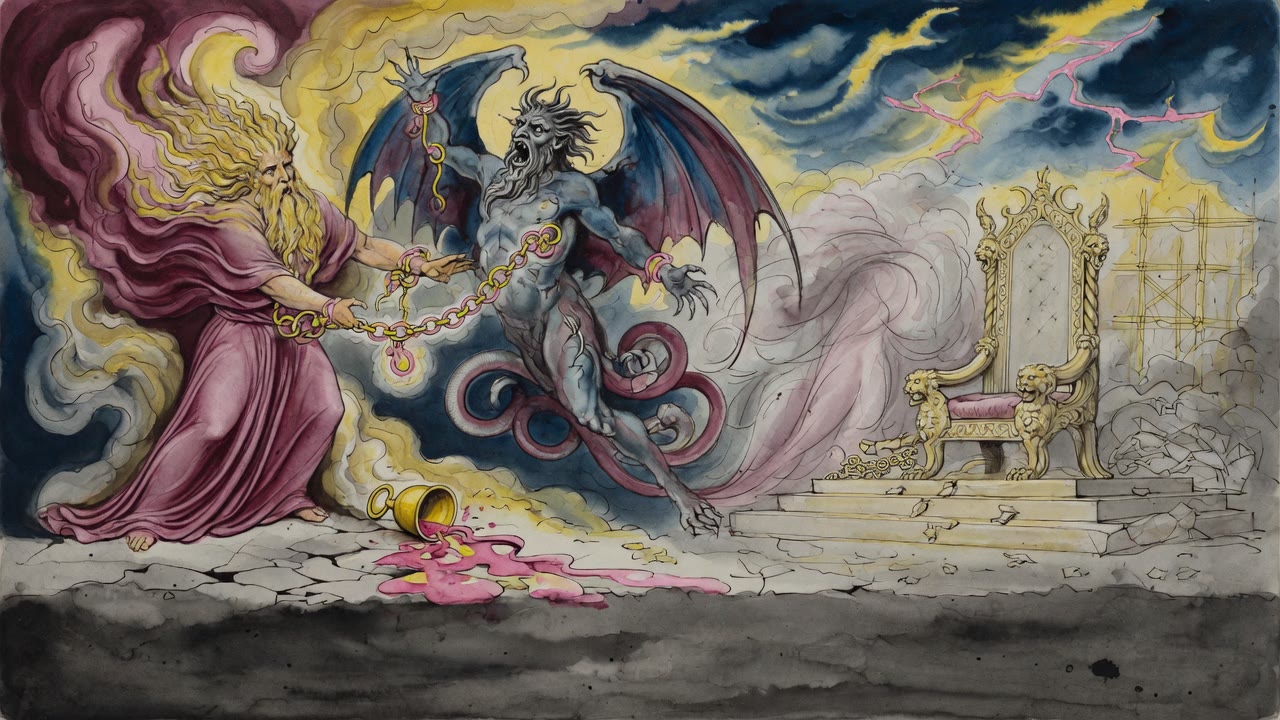
The divine spirit went out of him where he stood. His strength went. His wisdom went. The man who had ordered a foreign queen to court by bird was left holding the wreckage of five locusts, and within a year he was putting up temples to Baal and Raphan around Jerusalem because the woman he loved liked to see them there.
Seven Hundred Wives
After that it stopped being one room.
He married seven hundred wives, daughters of princes, and kept three hundred concubines besides them, Sidonian and Tyrian and Ammonite and Edomite, every one of them forbidden to him for exactly this reason. They governed him. He gave them the demonstration of affection they wanted, which was permission to live by the customs of their own countries, and then the courtesy of joining them at it.
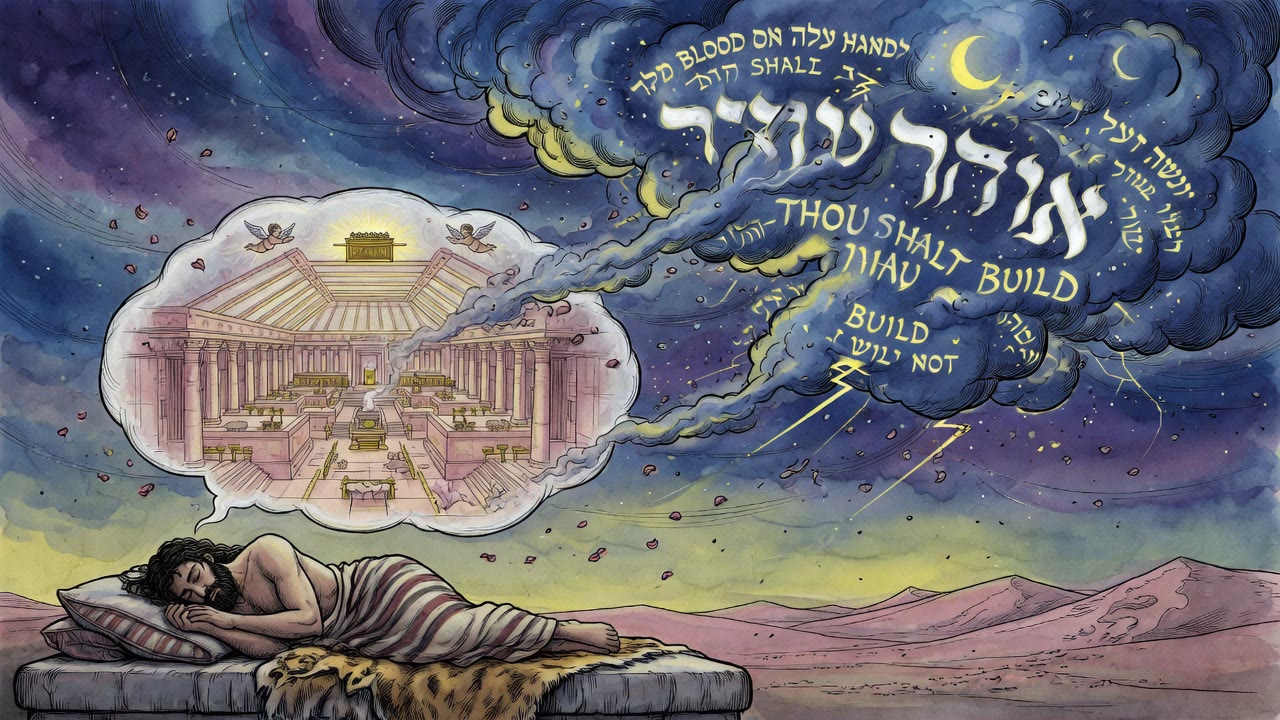
He was old by then and his judgment had thinned. God had come to him twice in his sleep and told him to be the man his father had been. His father had left him the clearest example of piety any king ever inherited. He had watched it his whole life and he went the other way with his eyes open.
The Prophet Came to the Room
A prophet was sent to him and did not soften it.
Nothing you have done is hidden. You will not lose the kingdom while you are alive, because of a promise made to David. Your son will lose it. Ten tribes will be handed to a servant of yours. Two will be left to David's grandson, for David's sake and for the sake of the city where the house stands.
Solomon heard the sentence and went to pieces. Everything that had made him the man other kings crossed deserts to look at was being read back to him as an inventory of what would be taken off his son.
Not much time passed after the prophet left the room. Then God raised up a man against him, an Edomite named Ader, and Ader came.
← All myths