5 min read

Iron of the Matriarchs Guards the Tekufah Water

At the equinox and solstice, stored water turned dangerous in folk fear. Households set iron in the jugs, letters of the four mothers as a seal.

Curated by Arthur · Told by Maggid ·
Table of Contents
  1. When Mazal Meant a Star
  2. The Poison at the Tekufah
  3. Four Mothers Hidden in Iron
  4. Shell Around a Spark
  5. What the Household Keeps Doing

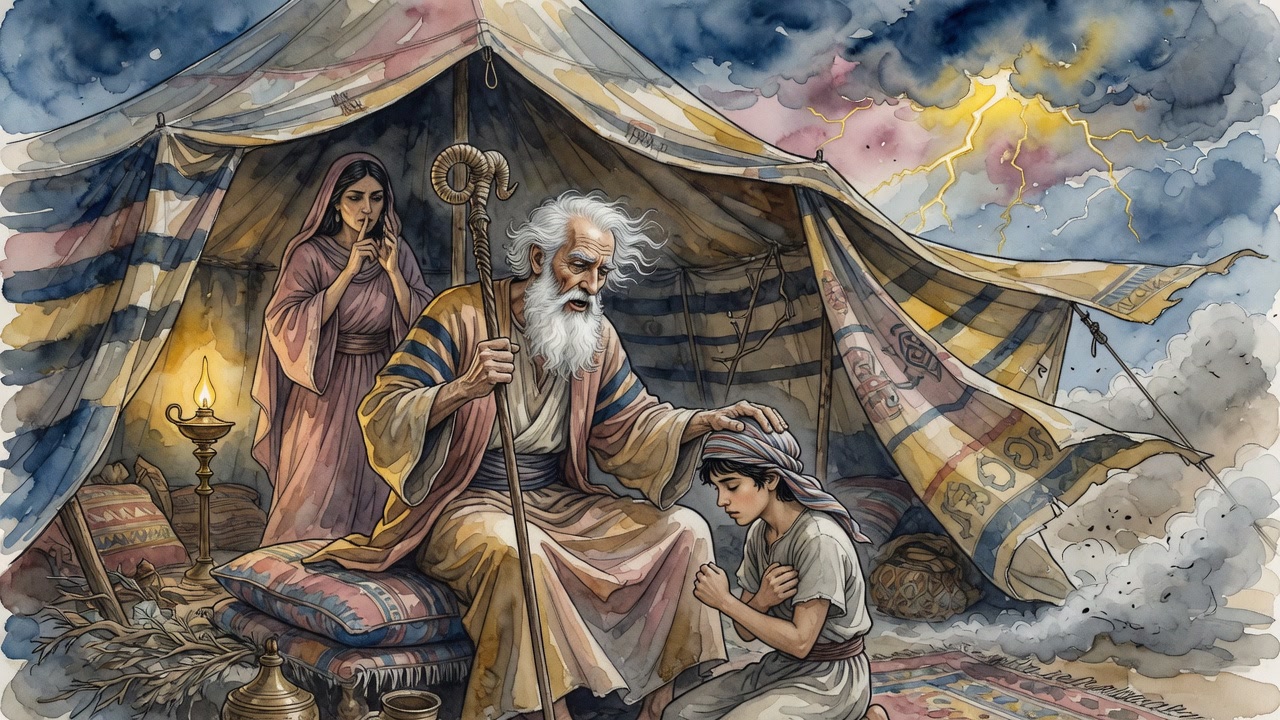
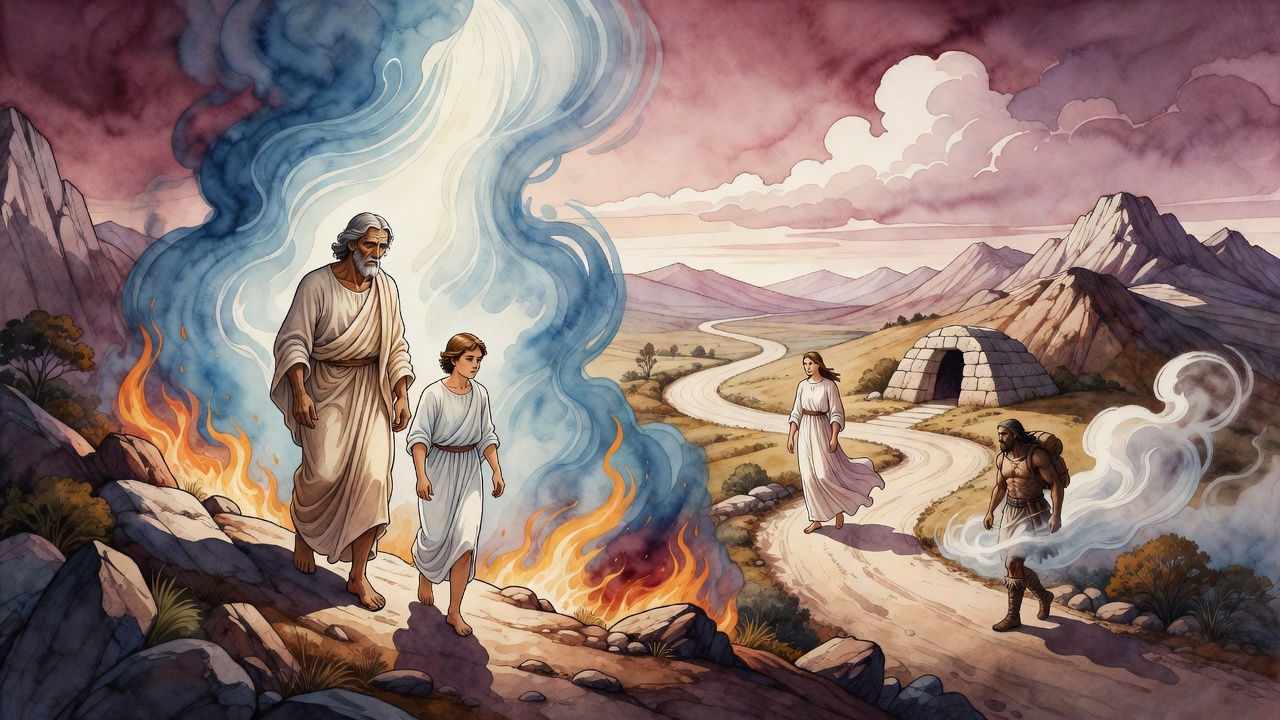
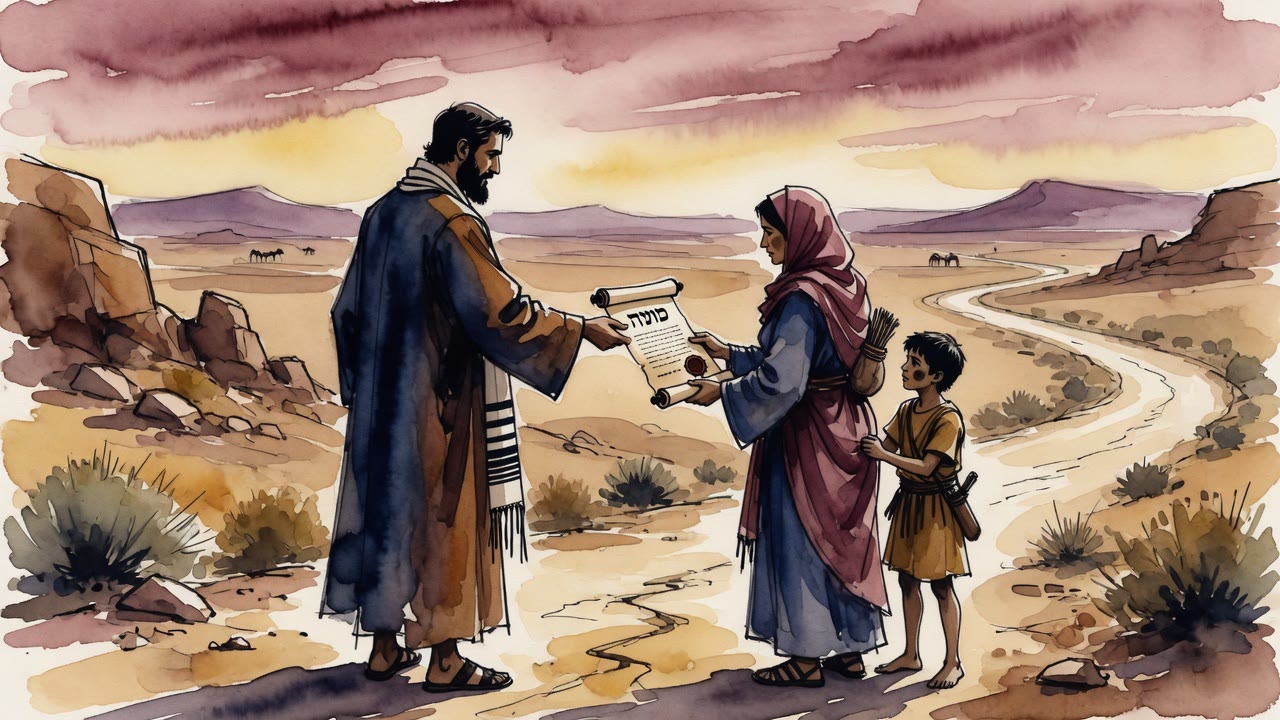
At the turn of the season the jugs waited under cloth. Mothers lifted lids and dropped a nail, a knife tip, a scrap of barzel (ברזל), iron, into the dark water. Outside, the year crossed its hinge. Inside, no one drank until the iron had claimed the vessel.

Iron of the Matriarchs Guards the Tekufah Water Click for full size

When Mazal Meant a Star

Mazal (מזל) first meant constellation, not luck. Only later did the word soften into fortune. Medieval Jews lived inside that older sense. Planets had archangels. Birth hours had governors. Cities sat under signs. Monday was a poor day to begin a venture. The Talmud already argued whether Israel sits under the stars at all (Shabbat 156a-b). Some sages said no. Popular practice often acted as if the answer were yes.

Abraham ibn Ezra wrote whole books of the sky. Abraham bar Hiya bound messianic hope to charts. The Beraita de Mazalot traveled with Sefer Raziel's circle of readers. Against them stood voices like Maimonides, who rejected astrology outright, and Moses of Tachau, who attacked Jews who made the stars a creed and harmed others by it. The argument never fully emptied the water jugs of iron.

The Poison at the Tekufah

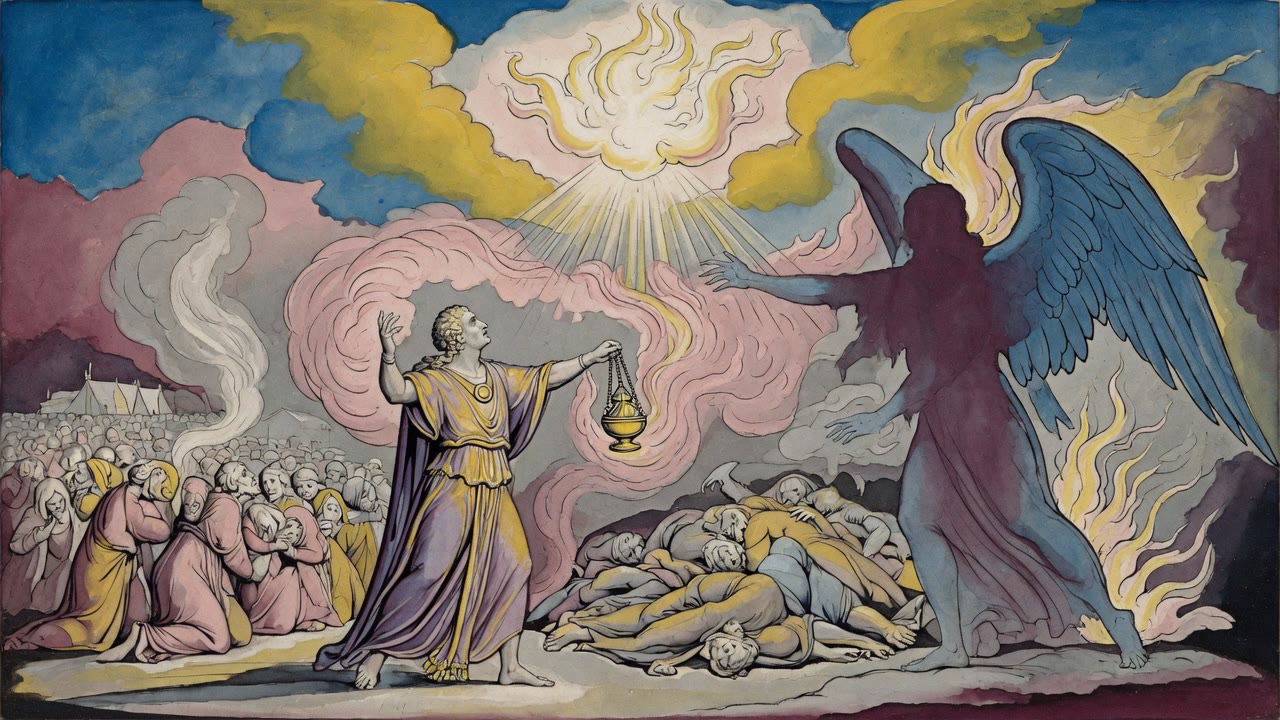
The sharpest fear gathered at the Tekufah, the solstices and equinoxes, when the balance of the year tipped. Folk teaching held that water turned dangerous then. Families covered cisterns or poured stores out. Others trusted metal. A piece of iron in the vessel was enough. The Shulhan Arukh later codified care around the turn. In some towns Jews named the season Wasserkalb, water-calf, a local nickname for the hazard.

Drinking at the wrong hour was said to bring dropsy. Whether the danger was spirit, star, or inherited caution, the body still paused at the lip of the cup. The calendar pressed on the throat.

Four Mothers Hidden in Iron

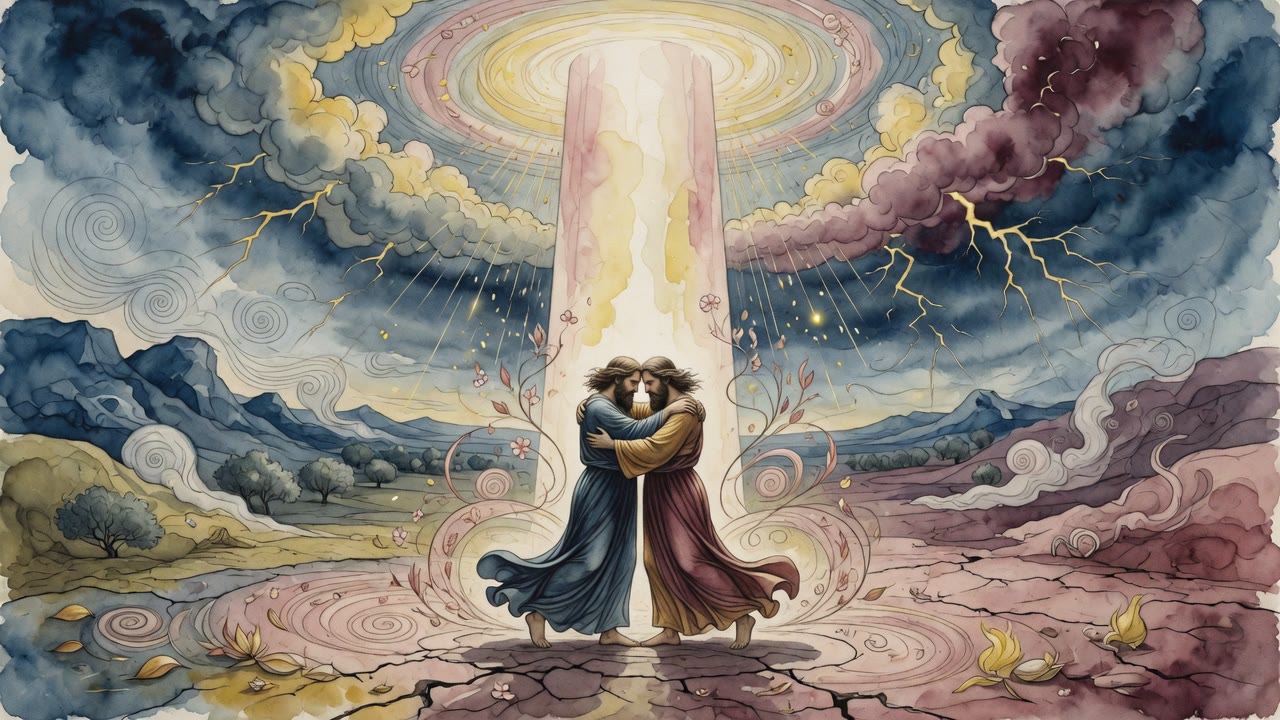
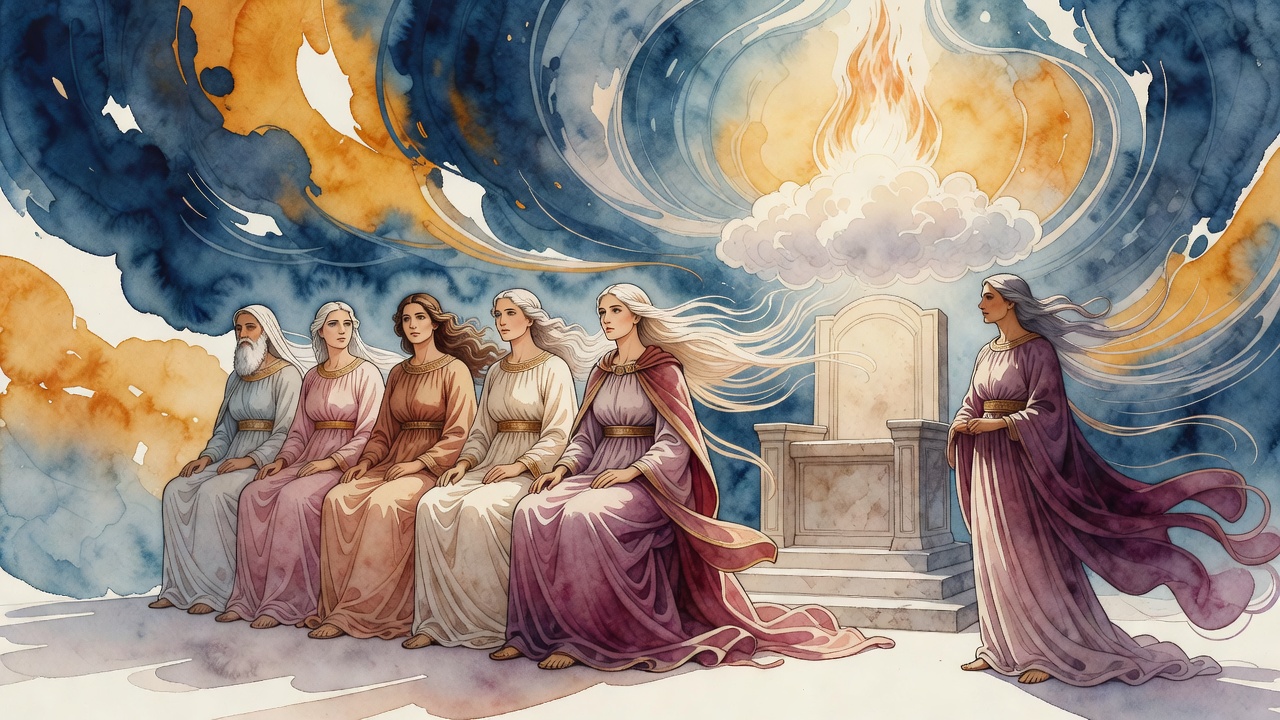
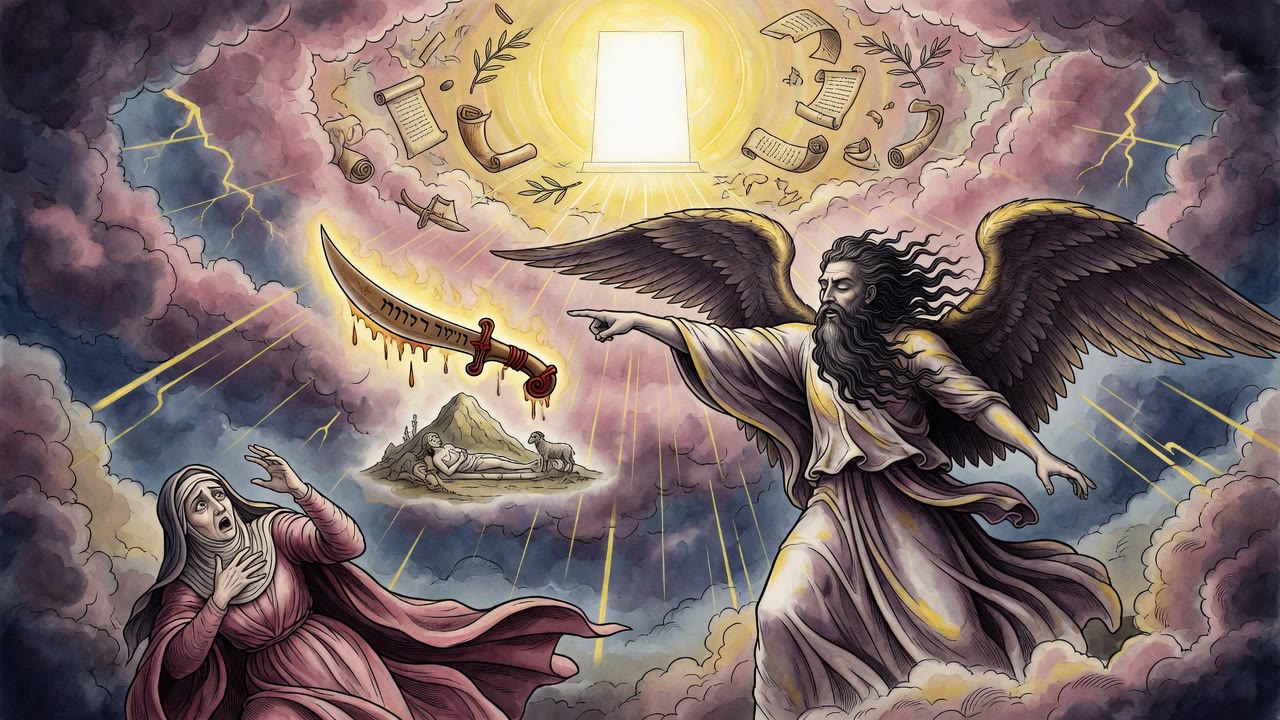
Kabbalists heard a name inside the metal. The letters of barzel are Bilhah, Rachel, Zilpah, and Leah, the four who built Jacob's house. Drop iron in the water and you drop the mothers into the jug. Their initials stand watch against whatever rides the equinox wind. Protection is not abstract. It is four women spelled in a nail.

The practice is domestic magic with a pedigree. It does not dethrone the Holy One. It threads matriarchal names through ordinary fear of seasonal change. A child watching the nail sink learns that the mothers still guard the house when the sky turns.

Shell Around a Spark

Elsewhere the fruit books of Kabbalah speak of soft flesh inside a hard shell. Ten kinds of fruit in the world of making wear kelippah (קליפה), husk, around a delicious center. The husk can hide divine spark and also keep it from scattering. "There is no physical thing here below that does not correspond to something above." A shadow needs a body to cast it. Iron in water is another shell: coarse metal around a drink the year has made uncertain.

As below, so above, the teachers say, not as foreign doctrine but as chain of influence. Ecclesiastes already knew levels guarding levels (Ecclesiastes 5:7). The nail is low. The mothers' names are higher. The decree of seasons is higher still. None of them cancel the first Bet of blessing. They only show how thick the world can get between a star and a cup.

What the Household Keeps Doing

Some later readers smile at Wasserkalb. Others still cover the barrel when the almanac marks the turn. The word mazal walks on, half star and half luck, in every "mazal tov" over a cradle. The iron may be gone from modern kitchens. The four letters of the mothers remain in every genealogy that lists Jacob's wives in full.

At the hinge of the year a hand still knows what to do: cover, discard, or seal. The person under pressure is ordinary and exact, a throat that will not swallow until the scrap of metal settles on the jug's floor.

In a wooden house near the river, a grandmother taught the gesture without a lecture. Cloth off. Iron in. Cloth on. Wait. She named Rachel first when she told the letters, because Rachel was her own mother's name. The child learned barzel as four women long before he learned it as metal from a smith. When the equinox wind hit the shutters, the jug did not feel like superstition. It felt like family on duty.

Not every sage blessed the custom. Some called it borrowed fear. Others kept the iron and also kept the confession that Israel has a Lord above any star. The tension never fully resolved. That is how living religions look: a code on the shelf, a nail in the water, an argument that travels generations without a final silence. Trachtenberg only wrote down what kitchens already knew.

On ordinary Tuesdays no one thought of Tekufah. On the marked day the whole street moved with the same small care. Covers. Discarded barrels. A few bold drinkers mocked and were watched for swelling later. Whether the poison was real, the solidarity was. A people can share a calendar of fear and still mean the same God when they bless bread an hour after the iron settles.


← All myths

From the tradition

Sources

2 sources

The texts behind this telling. Some cards carry a translation of the source; others are our own retelling of it, and each card says which. Every card links out to the original.

Jewish Magic and Superstition, Ch. 16Jewish Magic and Superstition (Trachtenberg, 1939)

Retold in our words. Read the original at the link below.Jewish Magic and Superstition, Joshua Trachtenberg (1939) · Public Domain

The Hebrew word mazal (מזל) originally meant "constellation" or "star." Only gradually did it shift to mean "luck". And the journey of that word tells the story of Jewish astrology itself. As Elias Levita noted in his 16th-century lexicon, "We call good fortune good mazal and the reverse bad mazal, in German it is Glück and in Italian ventura." Joshua Trachtenberg traced how astrology permeated medieval Jewish life despite fierce opposition from some of the tradition's greatest minds.

Maimonides rejected astrology categorically. Moses of Tachau attacked Jews who "busy themselves with astrology and believe in it and make it their creed, and thereby bring harm to others." But they were fighting against the tide. The Talmud itself (Shabbat 156a-b) records debates about whether Israel is subject to stellar influence, and the weight of popular practice came down firmly on the side of the stars. Abraham ibn Ezra composed major astrological works. Abraham bar Hiya HaNassi wrote the Megillat HaMegaleh, an astrological-messianic treatise. The Beraita de Mazalot, an astrological text attributed to ancient authorities, circulated widely and was heavily borrowed by Sefer Raziel.

Each planet had its own archangel, and each person was born under the governance of a specific star with its attending angel. The zodiac signs were mapped onto cities and countries, the Nehmad veNa'im lists which lands fell under which celestial sign. Days of the week carried astrological weight: Monday was considered unlucky for beginning new ventures, echoing a German proverb that "What one begins on Monday won't last a week."

The most dramatic astrological belief concerned the Tekufah, the solstices and equinoxes. At these moments, the cosmic balance shifted, and water became poisonous. Jews across medieval Europe covered or discarded all stored water during the Tekufah, a practice endorsed by major authorities and codified in the Shulhan Arukh. Some placed a piece of iron in their water vessels as protection. The Kabbalistic explanation was remarkable: the Hebrew letters of barzel (iron, ברזל) are the initials of Jacob's four wives, Bilhah, Rachel, Zilpah, and Leah. And these matriarchs protected the water against spirits.

The practice was so entrenched that the Ziyuni records Jews in many communities calling the Tekufah "Wasserkalb". And drinking during the Tekufah was believed to cause dropsy. Astrology was not abstract theory. It shaped when people married, when they traveled, and when they drank water.

Full source
Peri Etz Hadar 1:16Peri Etz Hadar

Retold in our words. Read the original at the link below.Pri Etz Hadar, Aharon N. Varady transcription and Miles Krassen translation · CC-BY

It teaches us about correspondences, about how the world below mirrors the world above. And sometimes, this mirroring is about more than just beauty – it's about the struggle between the sacred and… well, the not-so-sacred.

Let's Specifically, the ten kinds of fruit that correspond to the Olam Yetzirah (עולם יצירה), the World of Making. The text Peri Etz Hadar describes them as having a soft, delicious interior… but protected by a hard shell.

What does that remind you of?

The tradition uses this image to illustrate the concept of kelippah (קליפה), often translated as "shell" or "husk." The kelippot are seen as layers that obscure or conceal the divine light. Think of them as necessary, even, in a way – they protect the inner goodness – but also as potentially hindering spiritual growth.

The idea is that the kelippah takes a holy spark, a tiny piece of the Divine, within itself, in order to be enlivened. It's like a seed needing soil, even though the soil isn't the seed itself. The kelippah surrounds the spark, just like the shell encompasses the fruit. It's a protective layer, but also a potential barrier.

The outer layer, the kelippah, needs the inner spark to have life, and the inner spark needs the kelippah for protection and manifestation in this world.

This leads to a powerful idea: "There is no physical thing here below that does not correspond to something above." This isn't just poetic fancy. It's a core principle of Kabbalah. As Ecclesiastes (5:7) puts it: "For one is protected by another on a higher level, and both of these by still higher ones."

Each level influences the one below, and is influenced by the one above. What happens here on Earth, in our physical reality, has a reflection in the higher realms.

“As things are below, so they are above.” This phrase, often attributed to the Emerald Tablet and found in various mystical traditions, resonates deeply here.

Why? Because, the text continues, "there would be no shadow if there were no one to cast it." That's a powerful image. The shadow, the kelippah, only exists because there's something real, something substantial, something filled with light to cast it. The darkness defines the light, and the light defines the darkness. They are intertwined, inseparable aspects of the same reality.

Think about the spark of divinity hidden within. Think about the connection between the world you can see and the worlds you can't. And remember, everything is connected. Everything reflects something else, higher up the chain.

Full source