Isaac Signed the Treaty, Jacob Sent Messengers, Issachar Bent His Back
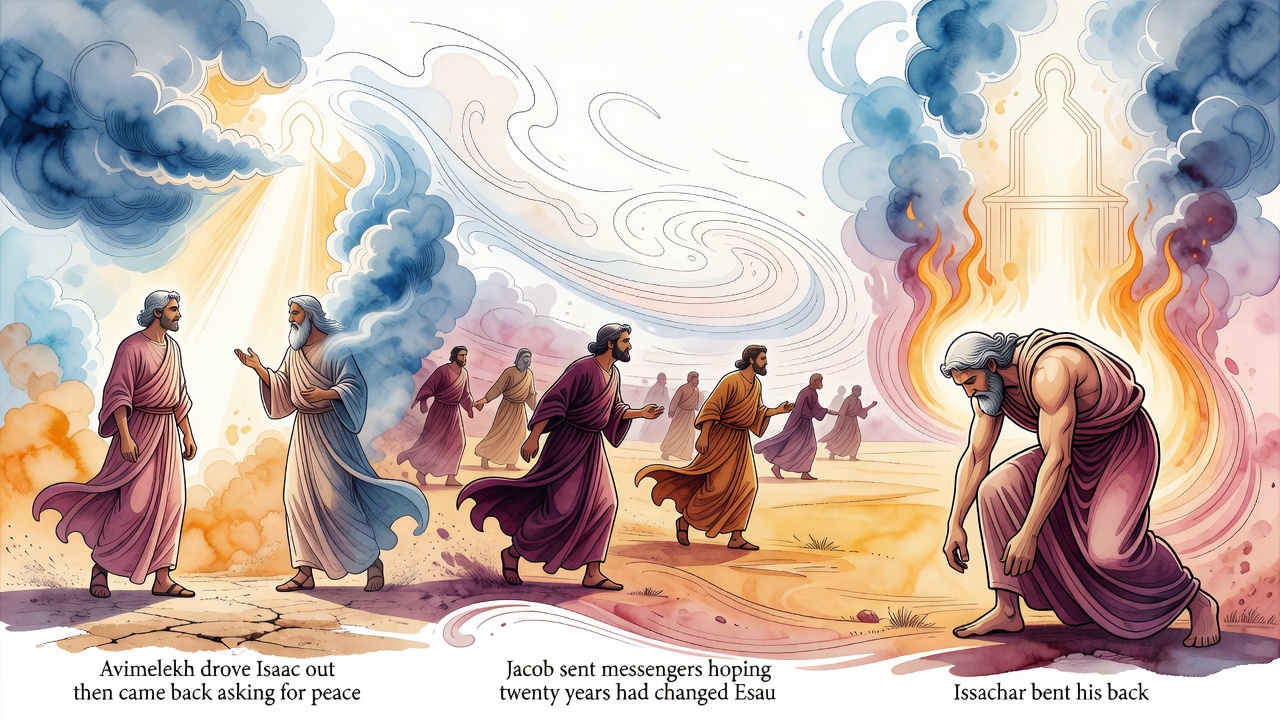
Avimelekh told Isaac to leave. Months later he rode back with his general and asked for a treaty Isaac did not trust.
Table of Contents
The trouble, Rabbi Hanin said, started with manure. Isaac's livestock had become so productive that people joked the droppings from his mules were worth more than all the silver and gold of Avimelekh the Philistine king. Genesis 26:13 says he grew very wealthy. The joke said how much.
 Click for full size
The Philistines envied him. Envy does not stay in the mouth. Avimelekh told him to go. The dismissal came with a jab. "All that growth, did it not come from us? In the past you had one flock. Now you have many. You built this on our soil."
Isaac heard the resentment in it. He moved without argument, dug new wells in the valley, settled elsewhere. He did not answer the jab.
The King Who Came Back Asking
Then Avimelekh came back with his general and his advisor and asked for a treaty.
Isaac asked him plainly. "Why are you here? You sent me away. You hated me. Now you want a covenant?"
Avimelekh had the grace to admit it. He had watched Isaac prosper at every turn and had finally concluded that this was not ordinary human luck. He wanted the protection of whatever was following Isaac around. The treaty was not affection. It was a request not to be on the wrong side of that.
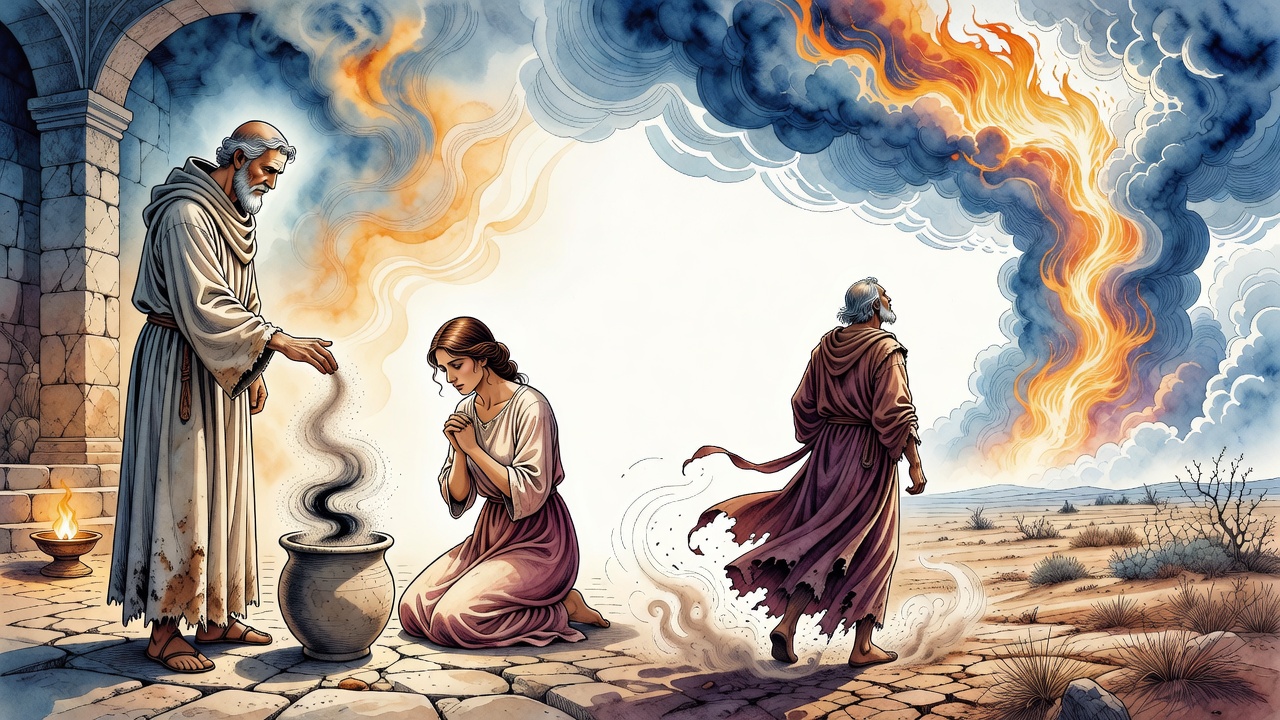
Isaac signed. Not because the relationship had healed. It had not. Not because Avimelekh had become trustworthy. He had not. A treaty was the only structure that could hold envy that had no cure, and Isaac knew it. Reconciliation, in that field, cost him a signature with a man who had already driven him out.
He paid it. He went on digging wells.
Twenty Years and Four Hundred Men
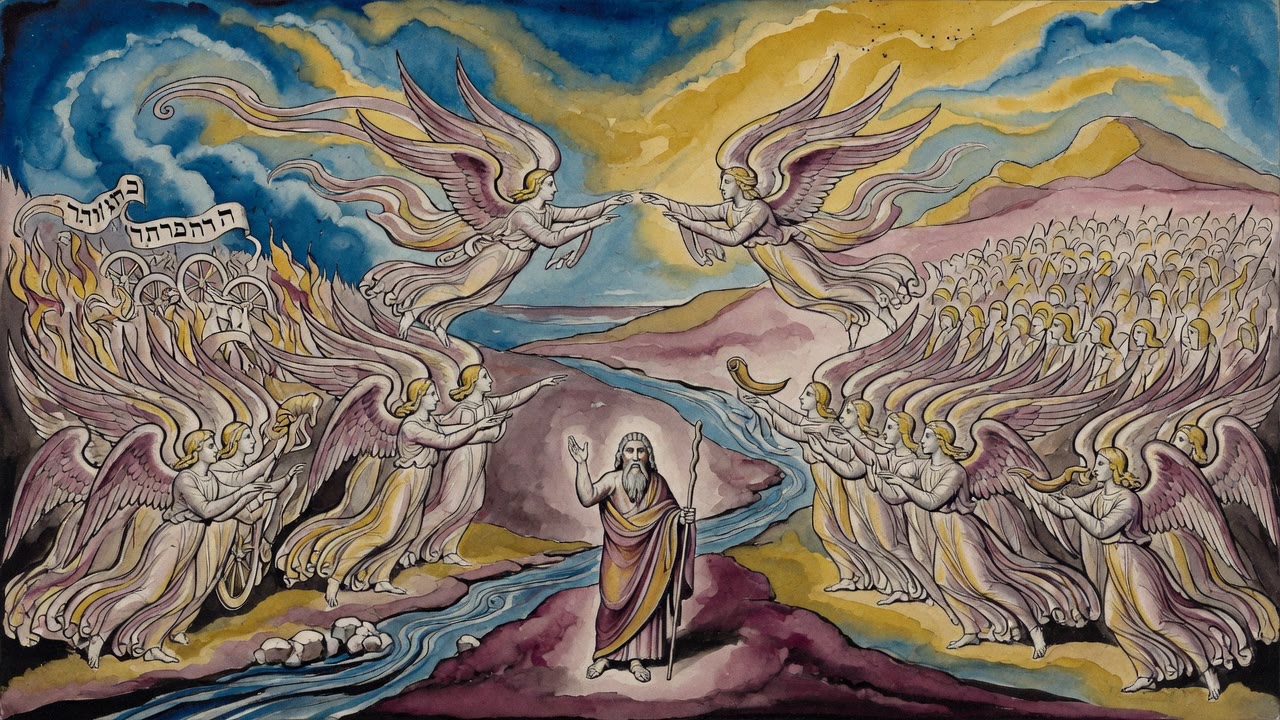
Jacob had been gone since the night he fled with nothing but his father's blessing and his brother's anger behind him. Twenty years in Laban's household. Fourteen years of labor for his wives. Six more earning his flocks. He was coming home now with women and children and servants and animals, and Esau was riding toward him with four hundred men.
Jacob sent messengers ahead. The message was careful. It named his time in Laban's house without bragging. It reported the animals he was bringing. It asked, without quite asking, whether Esau was still hostile or whether something had shifted. He hoped Esau had clipped his old hatred, cut it back the way a grower cuts a vine that has gone past its bounds.
He told the messengers to call Esau "my lord." He would say it eight times before the meeting was over. God heard the bowing. "As you live," He said, "I will raise eight kings from Esau's line before your children have even one."
The hope was not naive. Jacob had not spent twenty years with Laban without learning to operate in a world where people wanted things from him that he did not want to give. He sent the message. He also divided the camp into two groups, reasoning that if Esau attacked one, the other could escape. He was hedging while hoping. He was preparing for the worst while leaving room for something better. Reconciliation, if it came, would cost him gifts, a bent neck, and a split camp.
The Messengers Came Back Afraid
The messengers came back and reported that Esau was already on the road with four hundred men. Jacob was afraid. He had counted the animals, drafted the wording, split the camp, rehearsed the contingencies, and the preparation had not made him unafraid. He had done everything a careful man could do and the news still landed in his chest like a stone.
The man who had wrestled an angel was still listening for hooves. He still counted the four hundred and found no arithmetic that made them fewer. Hope and fear were not two moods. They were the same response to a brother he could not control. He had sent the careful message hoping Esau had clipped his hatred away, and he had divided the camp knowing Esau might not have, and now he stood between the two answers with no way to force the better one.
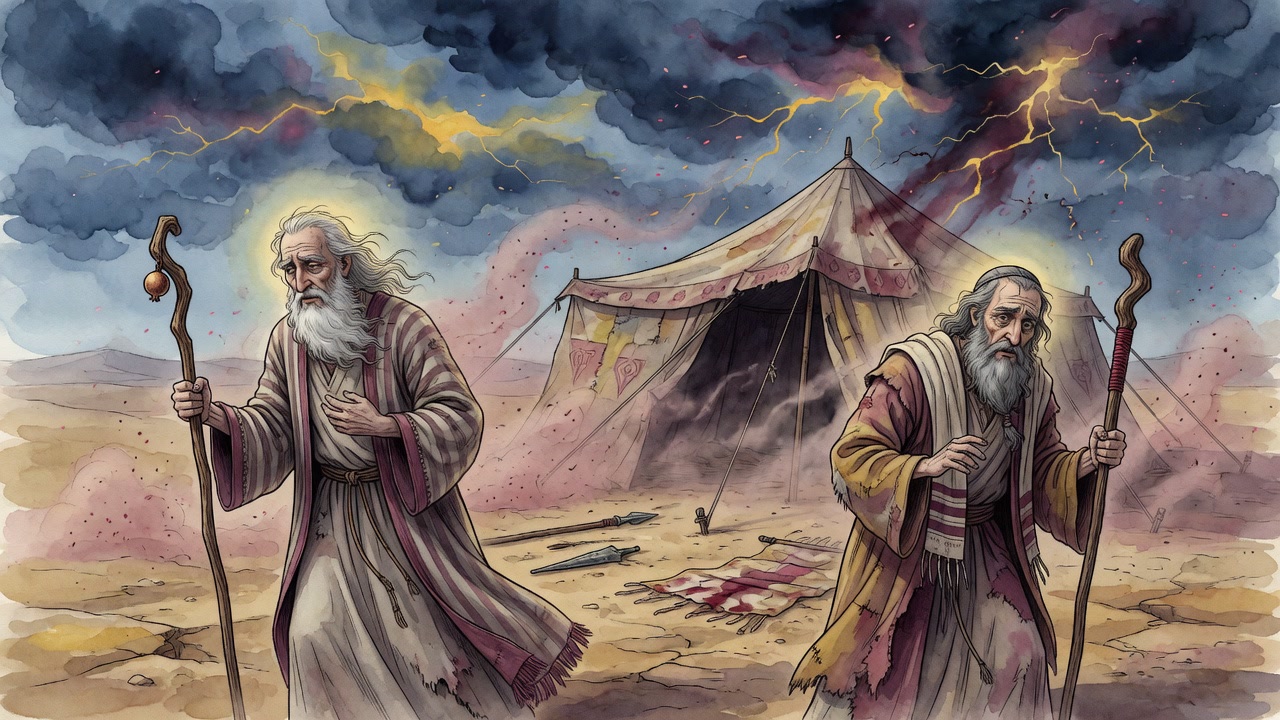
Isaac had signed with a king who hated him. Jacob sent word toward a brother who might still want him dead. The family kept paying for peace it could not trust.
Issachar Bent His Back
Jacob's blessing of Issachar uses a hard image. Issachar is a strong-boned donkey, crouching between the saddlebags (Genesis 49:14). A blessing that calls a son a pack animal and describes him under a load does not sound like a gift.
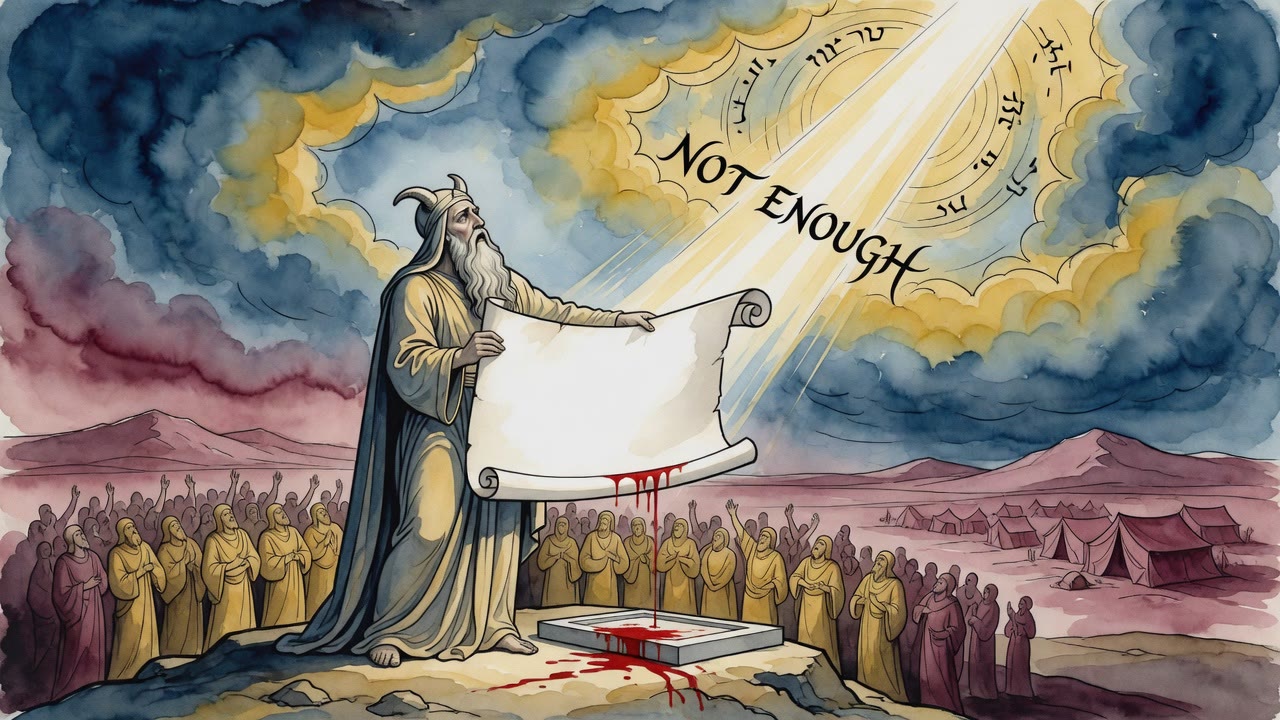
The load Issachar carried was Torah. He bent his shoulder not to a king's treaty and not to a brother's four hundred, but to learning. The tribute he paid was service, the service of teaching and keeping what he had learned. Other tribes came to him when a law reached its deepest difficulty. The sheepfolds became rows of students. He knew how to compute the new moon. He told the rest of Israel when to appear.
One reading pairs him with Zebulun. Issachar brings goods by donkey. Zebulun carries them by ship. Each tribe bears a different weight. Another reading hears, in the strong bone, the donkey that caused his birth, when Leah went out to meet Jacob on the road (Genesis 30:16-18). The animal in the blessing is also the animal in the night that made him.
Isaac signed. Jacob sent messengers. Issachar bent his back. Three prices, paid by three generations of the same house, and the last one looks like weakness until the load on the saddle is named. He sat down under the weight and stayed there. The load did not come off.
← All myths