5 min read

Jacob Fed the Posse That Chased Him Seven Days

Laban's men had ridden hard to catch him. Jacob stacked the border stones, killed animals for a meal, and sat the whole posse down to eat with him.

Curated by Arthur · Told by Maggid ·
Table of Contents
  1. From Posse to Guests
  2. The Blessing That Sent Rebekah
  3. What a Wife Builds From Wheat
  4. Household as Covenant Engine

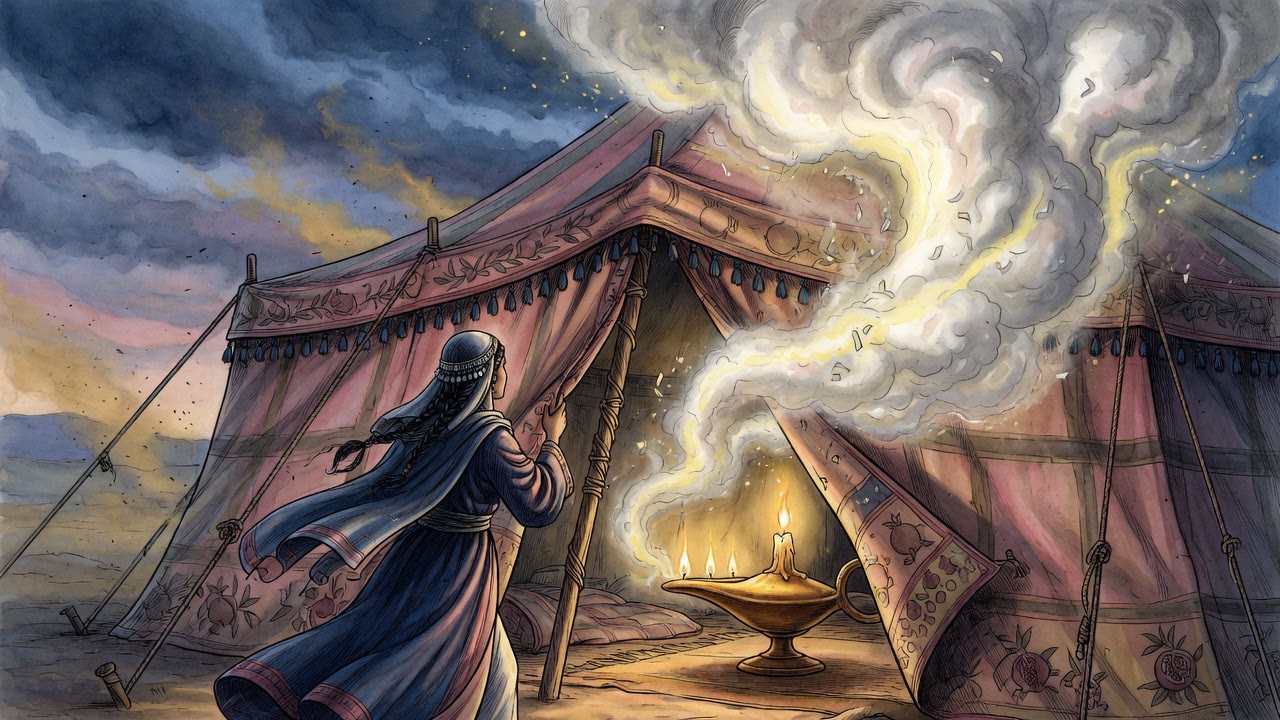
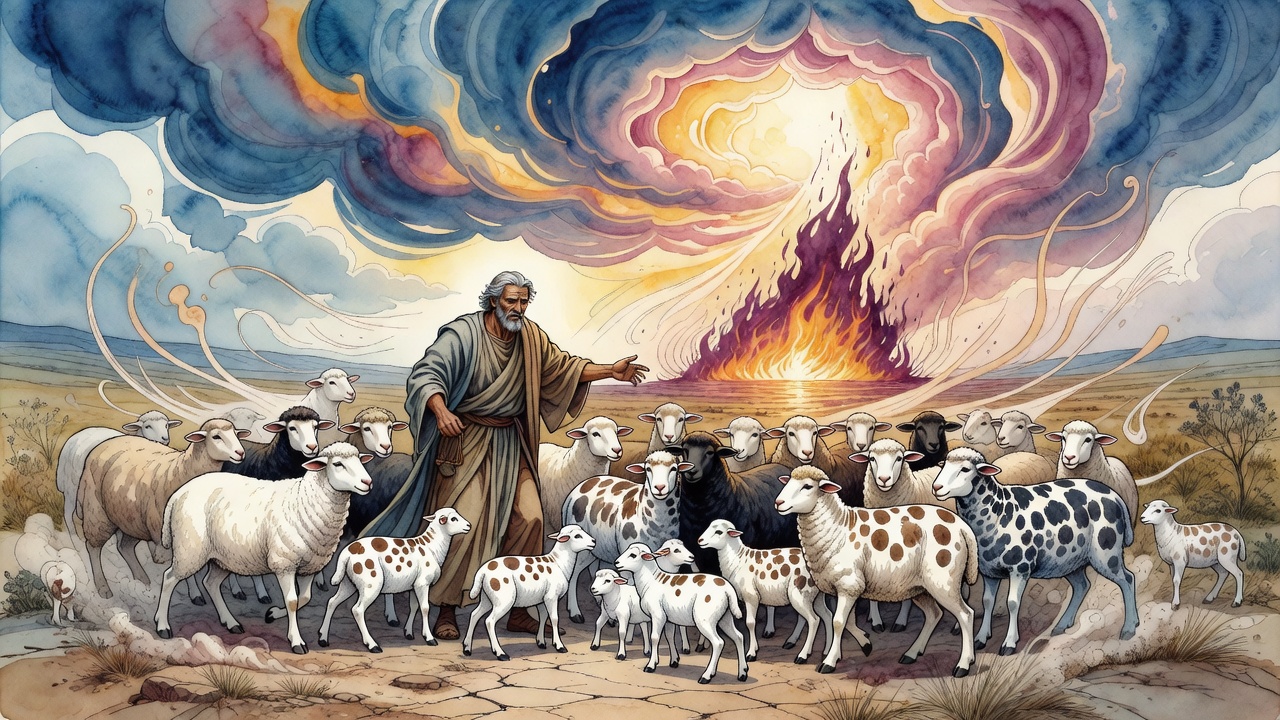
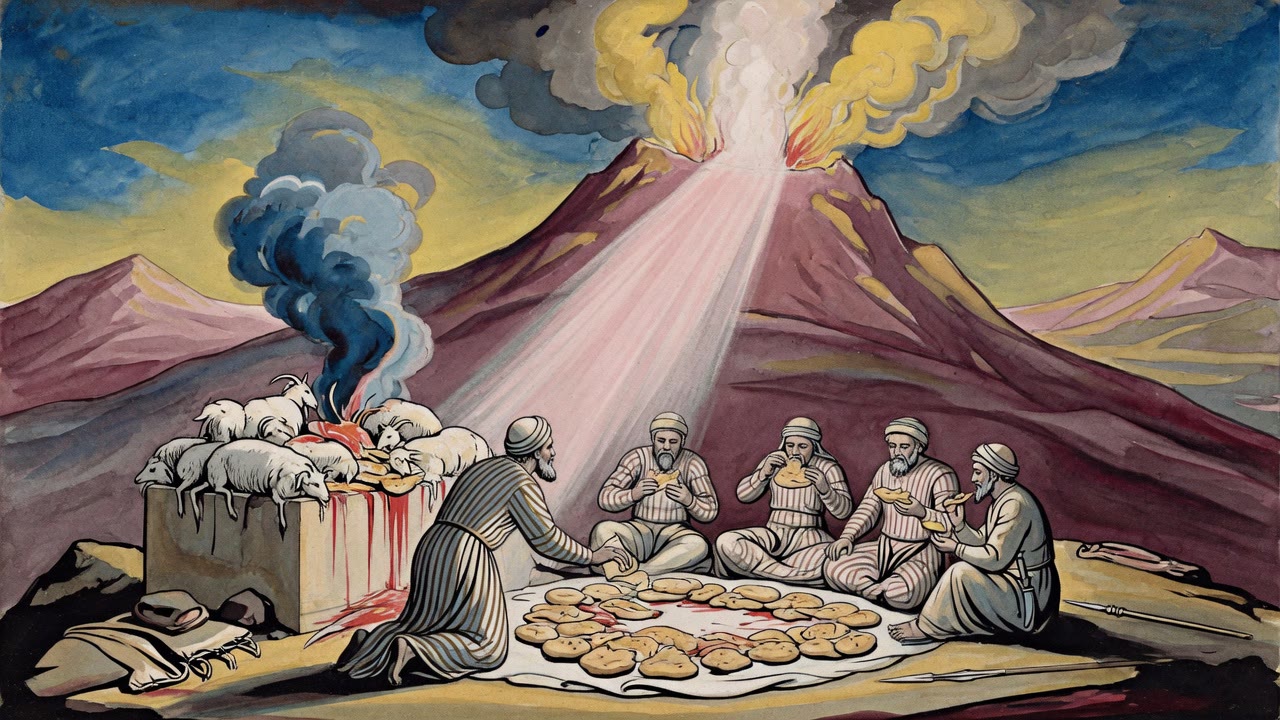
The stones were stacked. The border was named. Laban's men still smelled of seven days of hard riding, sweat and dust and the anger of a chase that had almost caught its prize. Jacob did not send them hungry into the dark. He slaughtered sacrifices on the mountain and called the kinsmen who had come with Laban to take bread (Genesis 31:54).
Jacob Fed the Posse That Chased Him Seven Days Click for full size

From Posse to Guests

Yesterday they were a posse. Tonight they sat at his table. The Targum makes the hospitality precise. They strengthened themselves with bread. They lodged on the mountain under the protection of the man they had ridden to punish. Jacob fed the household of the one who had hunted him across the ridge lines.

That is how the midrash reads the end of twenty years. Not a final gloat. Not a quiet flight. A sacrifice, then a meal. The covenant of stones was not finished until former pursuers chewed his food and slept in the circle of his fire. When heaven has delivered you from an enemy, feed the enemy's household.

The Blessing That Sent Rebekah

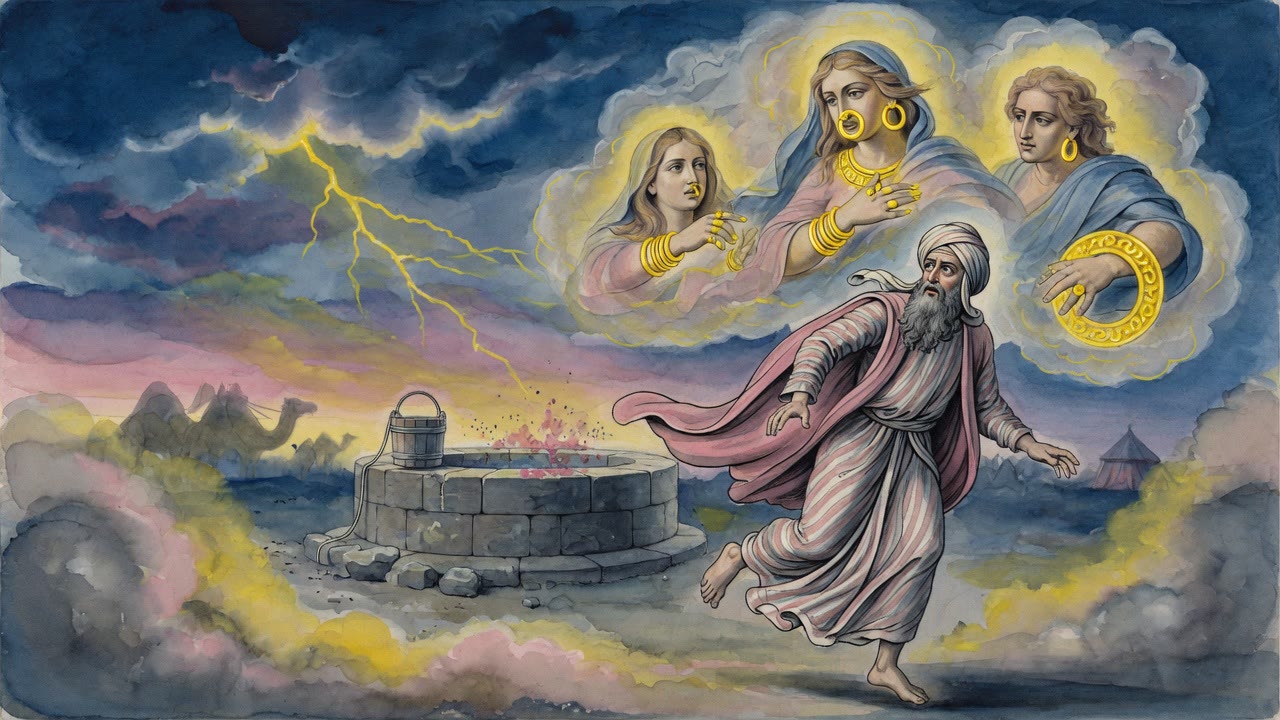
Generations earlier, on another morning of leaving, a different mountain of feeling rose around a young woman. Rebekah's mother and brother gathered as she prepared to ride toward Isaac. The Targum keeps their blessing with a careful addition. "Hitherto thou wast our sister; and now thou art going and art wedded to the righteous" (Genesis 24:60).

To the righteous. Not merely to a wealthy house. To a house measured by justice. Then the second half poured out: prosper so that from you may come thousands of myriads, and may your sons inherit the cities of those who hate them. An idol-cluttered household, newly raw with grief, still produced a sentence clean enough that Jewish weddings still lean on its echo at the veiling. Sometimes the purest prayer leaves a complicated mouth.

What a Wife Builds From Wheat

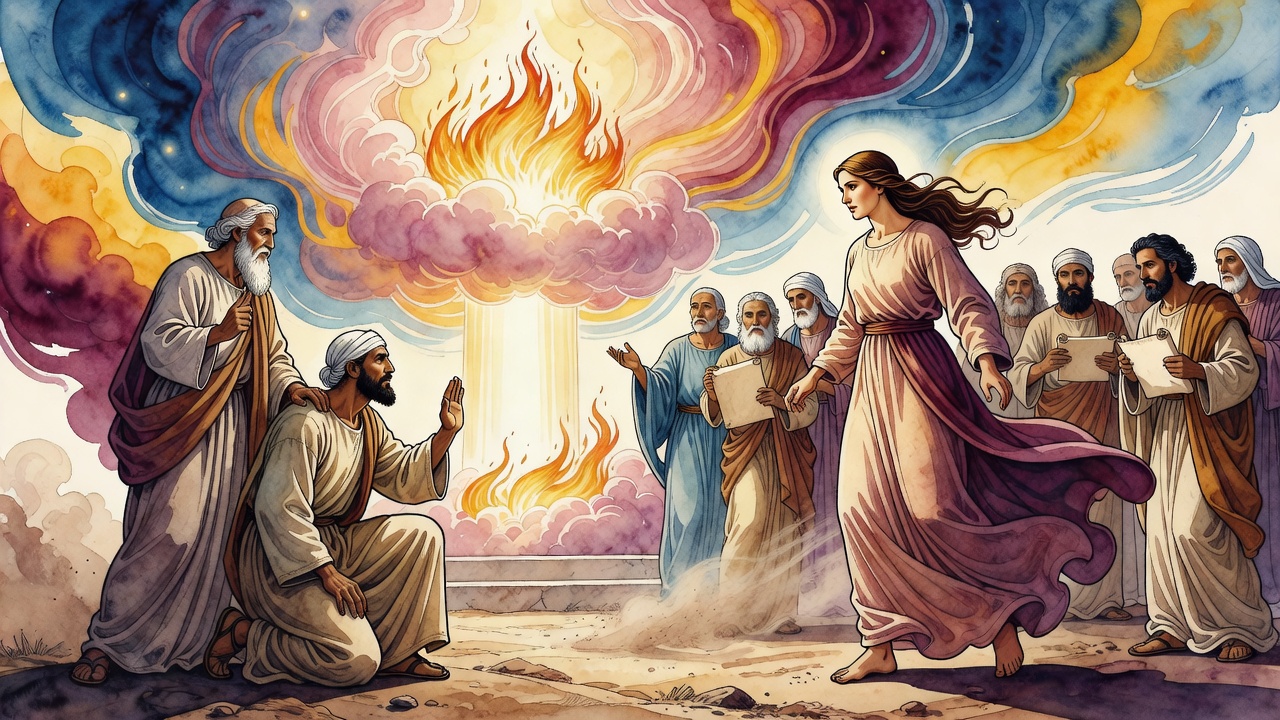
Rabbi Tanchum bar Chanilai later stacked the absences of a man without a wife until solitude looked like a stripped house: without good, without joy, without blessing, without Torah, without a wall, without peace. Rabbi Elazar pressed harder. Male and female together received the name Adam. A man alone is not yet complete.

Rabbi Yose asked Elijah how a wife helps. Elijah answered with work, not poetry. A man carries wheat through the door, but does he gnaw it raw? He carries flax, but does he wear it unspun? She turns harvest into bread and fiber into cloth. She brightens his eyes and sets him on his feet. The help is daily. The help is edible. The help is cloth against the cold.

Household as Covenant Engine

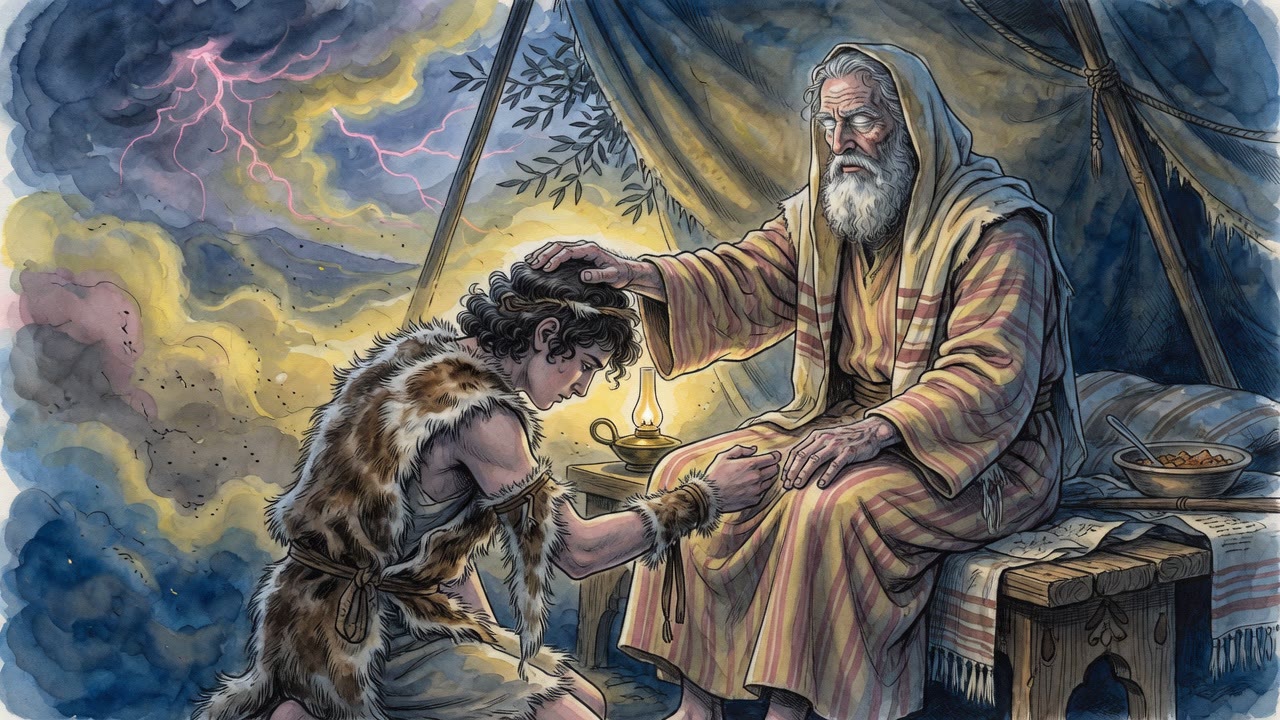
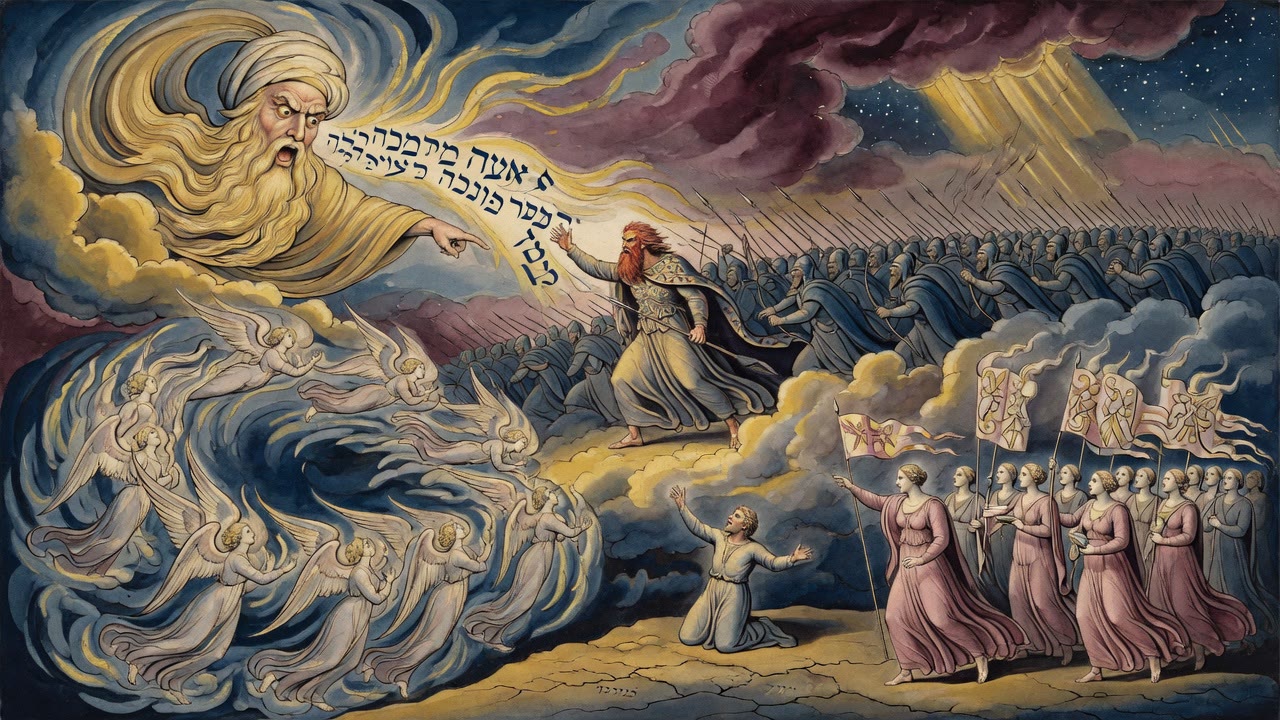
Rebekah rides out under a blessing aimed at thousands of myriads. Jacob ends a feud by seating Laban's riders at his own table. The unmarried man of the midrash lacks the wall and the peace that make a life livable. These are not separate lessons. They are one pressure: covenant travels through households that bless, feed, and turn raw grain into bread for the next body at the door.

Laban will still be Laban in the memory of the people. The brother who blessed Rebekah is not the hero of later chapters. Jacob's scars from the night of wrestling remain. Still the mountain meal stands. Still the bride's send-off stands. Bread broken for a pursuer. A blessing spoken over a sister leaving home. The line keeps moving because someone set a table and someone opened a mouth to bless.

Smoke from the mountain sacrifices climbed into the evening. Fat hissed. Bread broke. Laban's riders wiped grease from their beards and looked across the fire at the man they had meant to corner. The border heap of stones still stood, a mute witness that neither side would pass for harm. But the meal did a work stones cannot do. It turned pursuers into temporary guests and forced the body to practice peace before the heart fully agreed.

Rebekah's morning had its own smoke of a different kind: dust of camels, perfume of leave-taking, a mother's hands on a daughter's shoulders. The blessing named thousands of myriads while the girl's future still fit inside a single saddle bag. Households that will later fail still speak true sentences on the day God needs a true sentence. The tradition keeps that tension honest. Laban can fleece. The same family line can bless a bride toward righteousness.

Elijah's wheat and flax remain the domestic ground under both scenes. Covenant needs bread that someone baked and cloth that someone spun. Jacob's mountain table and Rebekah's send-off are not soft endings. They are the hard craft of making a people out of meals, marriages, and the refusal to let a chase be the last word.

Twenty years of Laban's wages sat in the flocks beyond the firelight. The ridge still held the memory of a night chase. None of that vanished because bread was broken. The meal did not erase the past. It closed a chapter without pretending the chapter was gentle. Hospitality after pursuit is not naivete. It is strength choosing a different last scene.


← All myths

From the tradition

Sources

3 sources

The texts behind this telling. Some cards carry a translation of the source; others are our own retelling of it, and each card says which. Every card links out to the original.

Targum Pseudo-Jonathan on Genesis 31:54Targum Pseudo-Jonathan on Genesis

Retold in our words. Read the original at the link below.The Targum of Jonathan ben Uzziel, trans. J. W. Etheridge, London, 1862 · Public Domain

After the stones were stacked, Jakob did something remarkable. Jakob slew sacrifices in the mount, and invited his kinsmen who came with Laban to help themselves to bread, and they helped themselves to bread, and lodged in the mount (Genesis 31:54).

Targum Pseudo-Jonathan makes the hospitality precise. The men who had ridden with Laban for seven days to overtake Jakob sat down at Jakob's table that night. They ate his bread. They strengthened themselves with it. Targum's parenthetical specifies the word. They lodged on the mountain under his protection.

Yesterday they were a posse. Tonight they were dinner guests. Jakob fed the men who had been riding to punish him. That is how the righteous end a conflict, with a sacrifice on an altar and bread broken for the former pursuers.

The Maggid teaches: when heaven has delivered you from an enemy, feed the enemy's household. The covenant is sealed not by the stones alone but by the meal that follows. Jakob ended twenty years with Laban not by winning, but by inviting Laban's men to be satisfied one final time at his own table.

Full source
Targum Pseudo-Jonathan on Genesis 24:60Targum Pseudo-Jonathan on Genesis

Retold in our words. Read the original at the link below.The Targum of Jonathan ben Uzziel, trans. J. W. Etheridge, London, 1862 · Public Domain

The mother and brother gather around Rivekah on the morning she is to leave, and they speak a blessing that the Jewish people have been whispering over their daughters ever since. Targum Pseudo-Jonathan on (Genesis 24:60) preserves it with a few careful additions.

"Hitherto thou wast our sister; and now thou art going and art wedded to the righteous." The Targum adds a word the plain Torah leaves implicit: to the righteous. She is not marrying into a wealthy family. She is marrying into a righteous one. That is the benediction's first claim.

Then: "so prosper thou, that from thee may come thousands of myriads; and may thy sons inherit the cities of those who hate them." Thousands of myriads. A phrase large enough to cover every Jewish generation still waiting in the shadow of her womb.

Tradition recites a version of this blessing over brides at weddings to this day. The line about inheriting the gates of enemies is quoted nearly verbatim at the bedeken, the veiling ceremony before a Jewish wedding. Rivekah's family, idol-cluttered, complicated, just one death into new grief, nevertheless produces a blessing so clean the tradition has never been able to improve on it.

The Maggid's observation is this. Sometimes the most mixed households generate the purest prayers. Laban will fleece Jacob later. The brother is not the hero of this book. But the sentence he speaks here, with his mother at his side, is a sentence the covenant people are still repeating thousands of years later. God can use any mouth to send a daughter out loved.

Full source
Yalkut Shimoni on Torah 23:1Yalkut Shimoni on Torah

Translation of the source text.Torat Emet (Yalkut Shimoni) · CC-BY-NC

Rabbi Tanchum bar Chanilai said: Any man who has no wife dwells without good, as it is written, "It is not good for the man to be alone" (Genesis 2:18); without joy, as it is written, "And you shall rejoice, you and your household" (Deuteronomy 14:26); without blessing, as it is written, "to cause a blessing to rest upon your house" (Ezekiel 44:30); without Torah, as it is written, "Is my help not within me?" (Job 6:13); without a protecting wall, as it is written, "A woman shall encompass a man" (Jeremiah 31:21); without peace, as it is written, "And you shall know that your tent is at peace" (Job 5:24).

Rabbi Elazar said: Any man who has no wife is not a [complete] man, as it is said, "Male and female He created them... and He called their name Adam [man]" (Genesis 5:2). Rabbi Elazar said: What is the meaning of the verse, "I will make him a helper corresponding to him [kenegdo]" (Genesis 2:18)? If he merits, she is a helper [ezer]; if he does not merit, she is against him [kenegdo]. Some say: if he merits, she is corresponding to him; if he does not merit, she strikes him [menagadto].

Rabbi Yose said to Elijah: In what way is a woman a help to a man? He said to him: A man brings home wheat - does he chew wheat raw? He brings home flax - does he wear flax unspun? Is she not therefore the one who brightens his eyes and sets him upon his feet?

Full source