Jacob Locked Dinah in a Chest and God Rebuked Him
He went back and forth across the Jabbok all night moving his own freight, like a bridge. One of the things he carried over was a locked box.
Table of Contents
Eleven children went across the Jabbok that night. Jacob had twelve.
 Click for full size
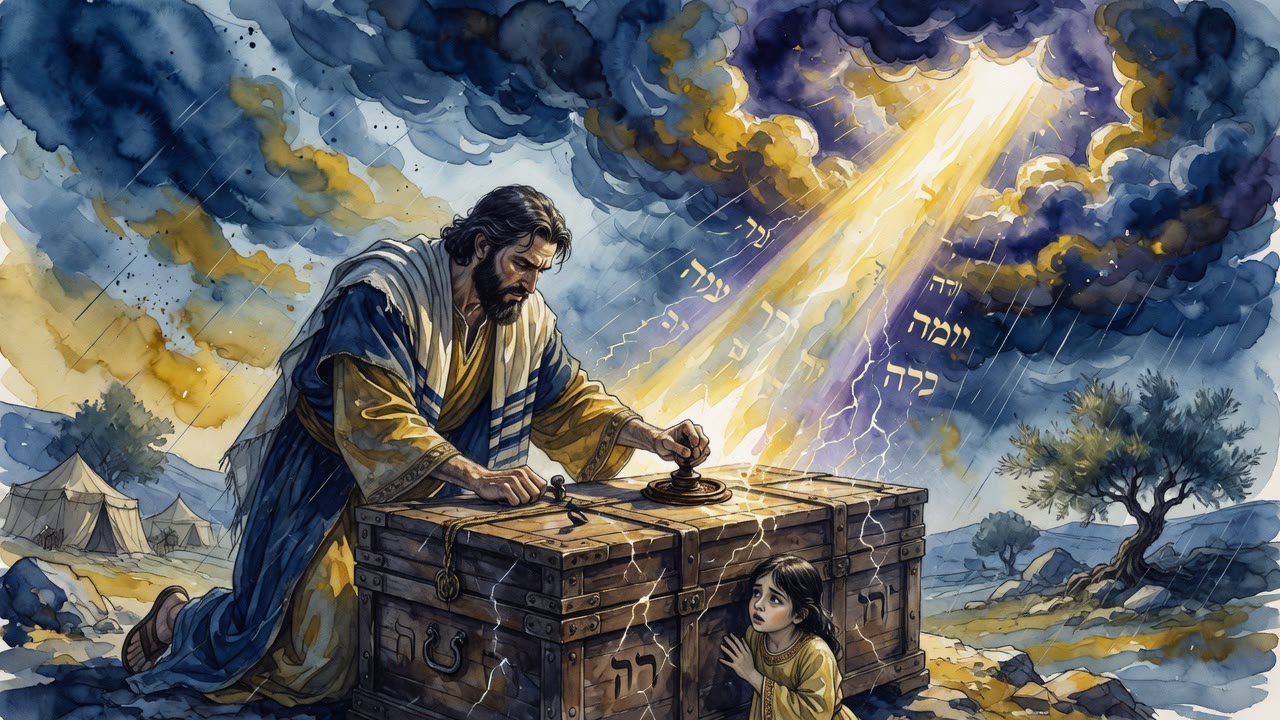
He moved the household over in the dark ahead of the meeting with his brother. Two wives, two maidservants, eleven sons, the flocks, the tents, the whole of it, load after load. He crossed and recrossed that water so many times that he stopped being a man fording a river and became a kind of bridge, lifting things off one bank and setting them down on the other.
One of the things he carried over was a wooden chest with a lock on it, and his daughter was inside.
The Covetous Eye
Esau was coming up the road with four hundred armed men, and Jacob had run the arithmetic a frightened father runs. Dinah was beautiful. Esau took what he wanted. A man cannot want what he never sees.
"That wicked one has a greedy eye," he said. "He will set it on her and take her from me."
So he put her in the box, shut the lid, turned the key, and walked her past his brother in the freight.
The Kindness You Withheld
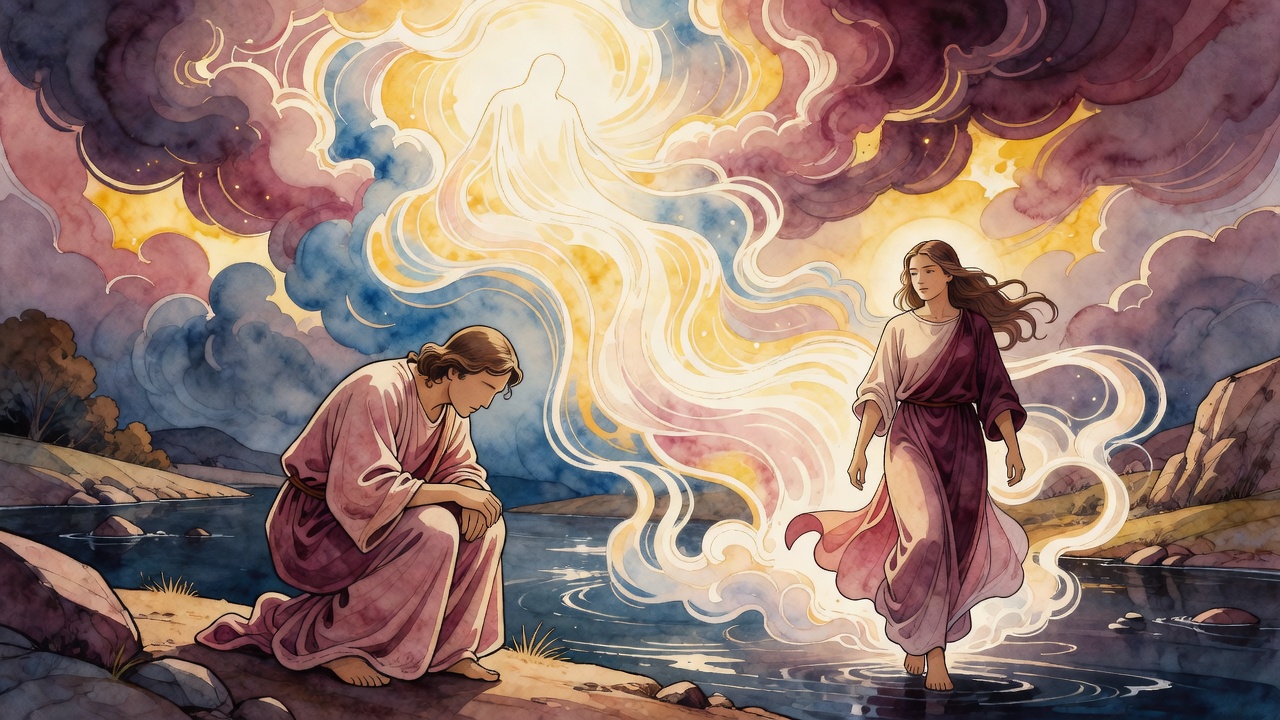
God rebuked him for it, across that same water.
"You withheld kindness from your fellow. You withheld kindness from your brother."
Esau was coarse and violent and had married women who made his parents' lives bitter, and he was still a man who could have been turned. A wife out of Jacob's own house might have done it. Nobody would ever find out, because Jacob shut that possibility in a chest along with his daughter and locked it.
And the rebuke carried its own sentence, which was the price. You would not seek to marry her to a circumcised man, so she will be taken by an uncircumcised one. You would not have it done in the permitted way, so it will be done in the forbidden way.
She Went Out of the Box
Afterward the record says that Dinah the daughter of Leah went out.
Out of where?
One other person in the Torah goes out like that, and what he went out of was a teivah. Noah came out of the ark after a year of black water, onto a scoured earth, with everything he had known drowned behind him. The same word carries Dinah. She came out of a teivah as well. Her father's box.
Shechem Saw Her Sitting With Her Mother
By then the family had come to rest outside the city of Shechem. Jacob bought a parcel of field from the sons of Hamor for five shekels, built a house, made booths for the cattle, and stayed a year and six months.
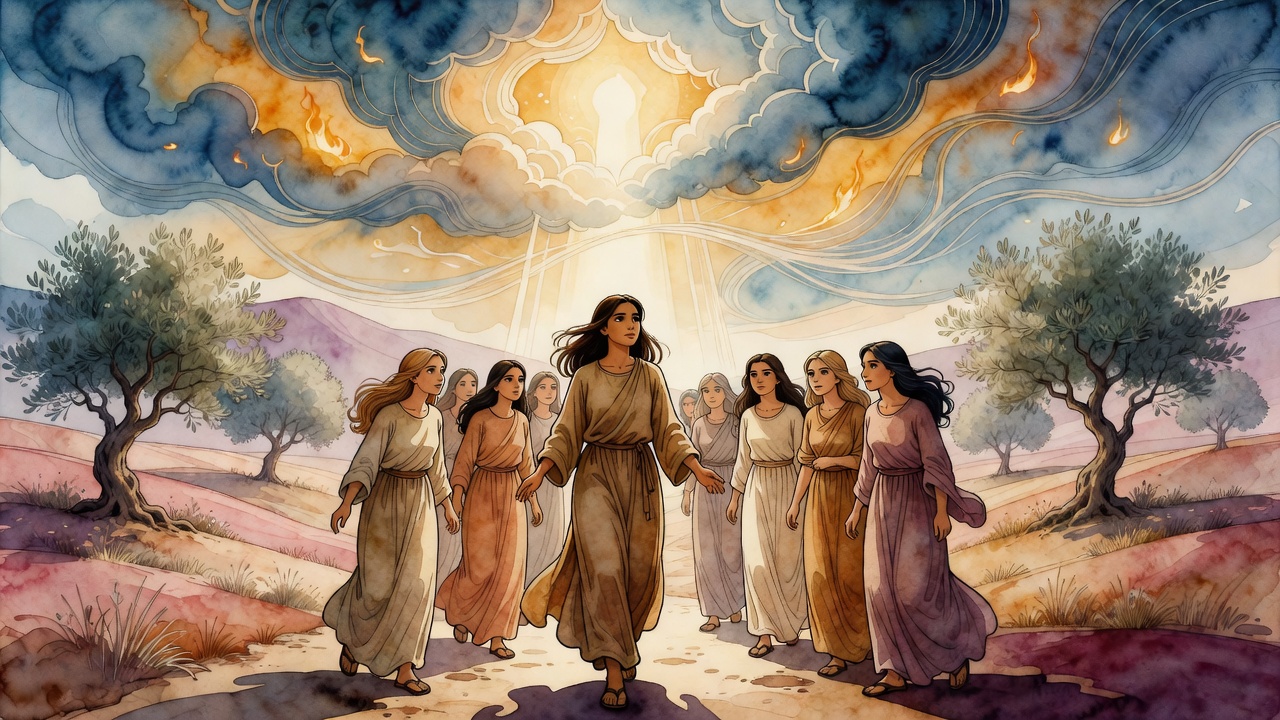
Then the women of the district went into the city to dance with the daughters of the town, and Rachel and Leah went in to watch the rejoicing, and Dinah went with them and sat down among the girls of Shechem with her mother beside her.
Everyone of any weight in that city was standing around the dancing. Shechem son of Hamor, the prince of the land, was one of them. He looked at the girl sitting by her mother and asked his friends whose daughter she was, because he did not know her.
They told him. The daughter of Jacob the Hebrew, who has been living out past the walls.
He sent men and had her taken by force, and he kept her in his house.
Twelve Servants Came Back Empty
Word reached the camp. Jacob sent twelve of his servants to bring her home.
Shechem came out with his own men and drove them off the doorstep, and would not let them near her, and then sat down with Dinah where they could see him and kissed her and held her in front of their eyes. They walked back and told Jacob exactly what they had watched.
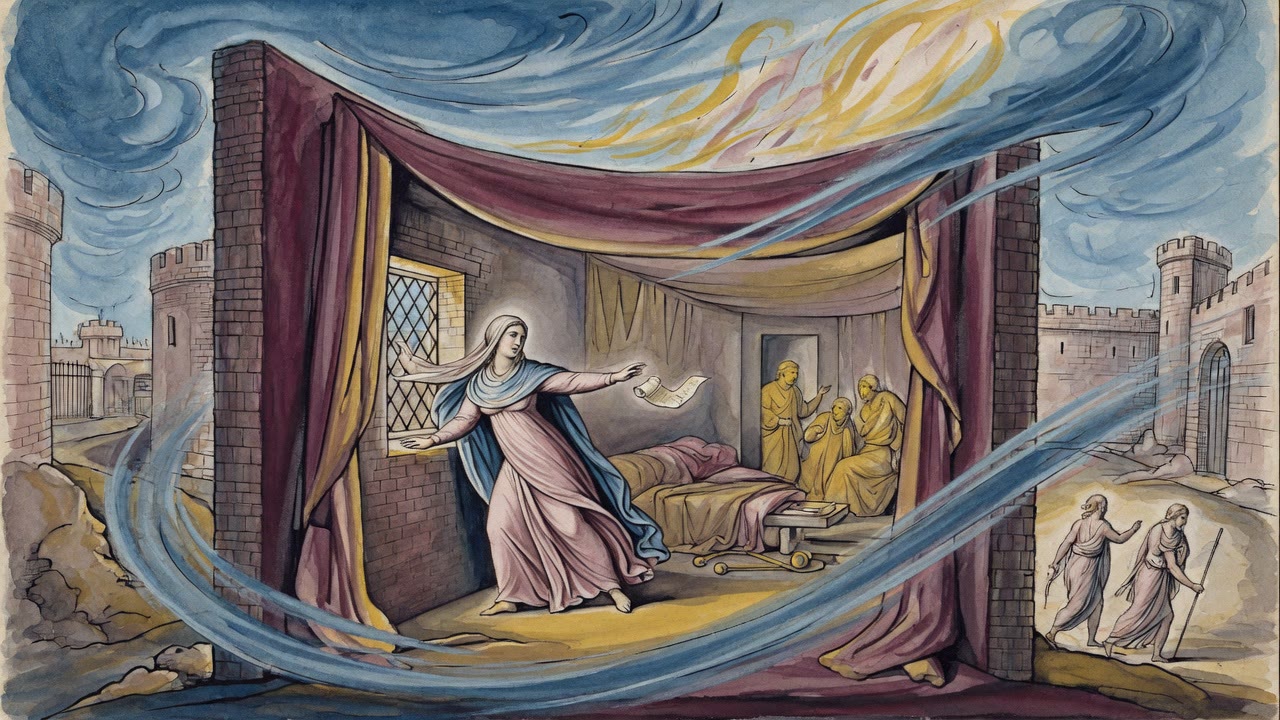
Jacob said nothing. His sons were out in the fields with the cattle, and he waited for them without a word. Before they came home he sent two of his servants' daughters into Shechem's house to stay with her and care for her, which was the whole of what he could do.
Go and Be Circumcised
The sons came in from the field before the cattle were penned, and they came in burning.
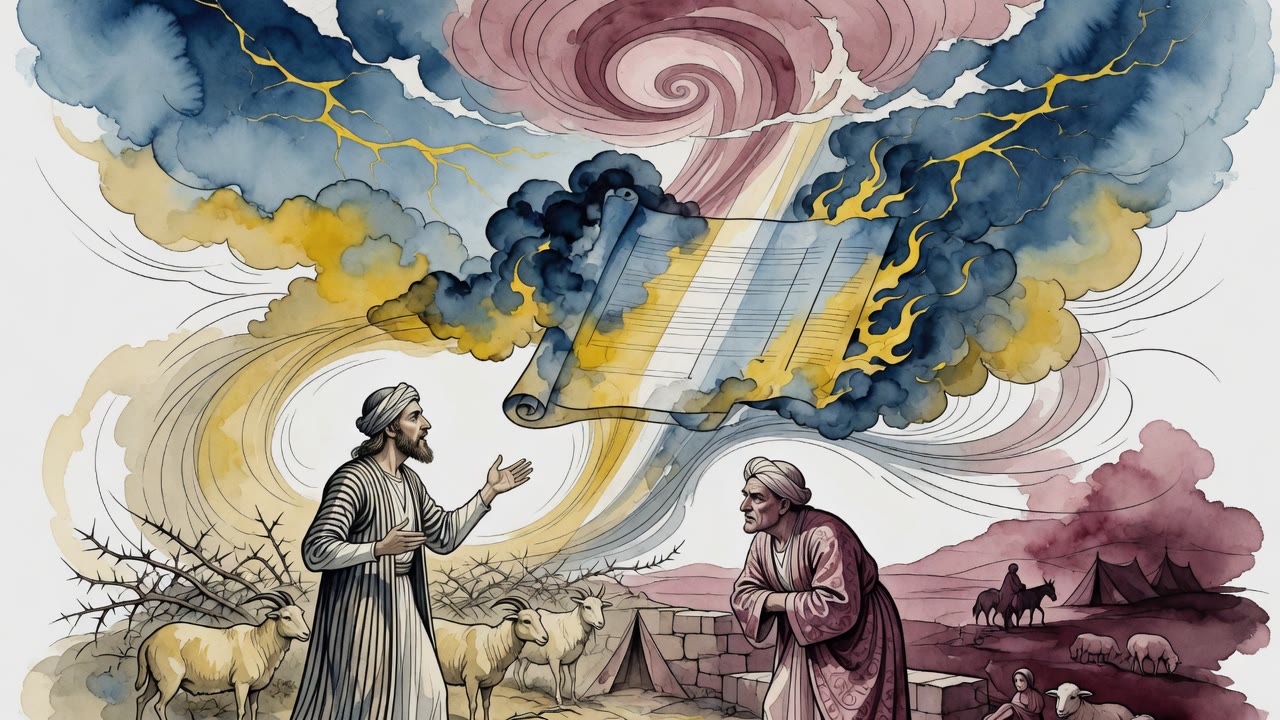
Hamor made his offer at the tent. Give us your daughters, take ours, live here, trade here, the land is wide enough for all of us. Shechem stood up behind his father and made his own. Name the dowry, any amount, whatever you say I will do, only give me the girl.
Simeon and Levi answered with guile, and the record says so plainly. It also gives the reason in the same breath, and the Divine Spirit does not take it back: because he had defiled Dinah their sister.
Their terms were simple. No daughter of ours goes to a man with a foreskin. It is a disgrace to us. Circumcise every male among you and we will be one people with you.
Hamor carried it to the gate and sold it to the town on the arithmetic. Their livestock, their property, all their animals, will they not be ours? The men of Shechem agreed to the knife because they had already begun dividing up Jacob's herds in their heads. They set out to strip him and were stripped.
The enthusiasm was not universal. A man would come in through the gate with a load on his back and be told to go and be circumcised, and he would set the load down and say it out loud: Shechem is the one getting married, and Magbai gets circumcised?
They did it anyway. Every male in the place, the prince and his father and the five brothers and the men at the gate, all in one day and the next.
At the ford Jacob had been told what the withheld kindness was going to cost. It was paid out in Shechem, counted man by man, in a town lying down and sore with the third day still ahead of it.
← All myths