Jacob Made Levi a Priest Generations Before Sinai
Centuries before a single Levite served in the Tabernacle, Jacob counted his sons at Bethel and picked one out for God. It was not the one you would expect.
Table of Contents
 Click for full size
The Vow at Bethel, Twenty Years Later
When Jacob had fled his brother's rage twenty years earlier, he had stopped at a place he did not yet know was holy. He slept on the ground with a stone under his head and dreamed of a ladder and angels and a voice promising him land and descendants and protection on the road he was about to travel.
He made a vow when he woke up. "If God brings me back to this place safely, then of everything God gives me, I will give a tenth back."
Twenty years passed. He came back with twelve sons, a daughter, four wives, flocks, cattle, servants, gold, vessels, and garments. He came back with the entire material evidence of a promise kept. He had to tithe everything he had brought over the Jordan.
Counting Sons at the Altar of Bethel
The Book of Jubilees, a second-century BCE Hebrew retelling of Genesis found in more copies at Qumran than nearly any other work, describes what happened when Jacob counted his sons against the vow.
He tithed everything that moved with him across the Jordan. Cattle, sheep, goats, vessels, garments. A tenth set aside from each category. And then he came to his sons.
He counted them. One through ten, eldest to youngest. The tenth fell on Levi.
Jacob did not choose Levi. He counted. Levi was simply the son the arithmetic of faithfulness landed on, which is the oldest form of divine selection in the tradition: not preference, not assessment, but the fall of the count.
The Books and the Charge
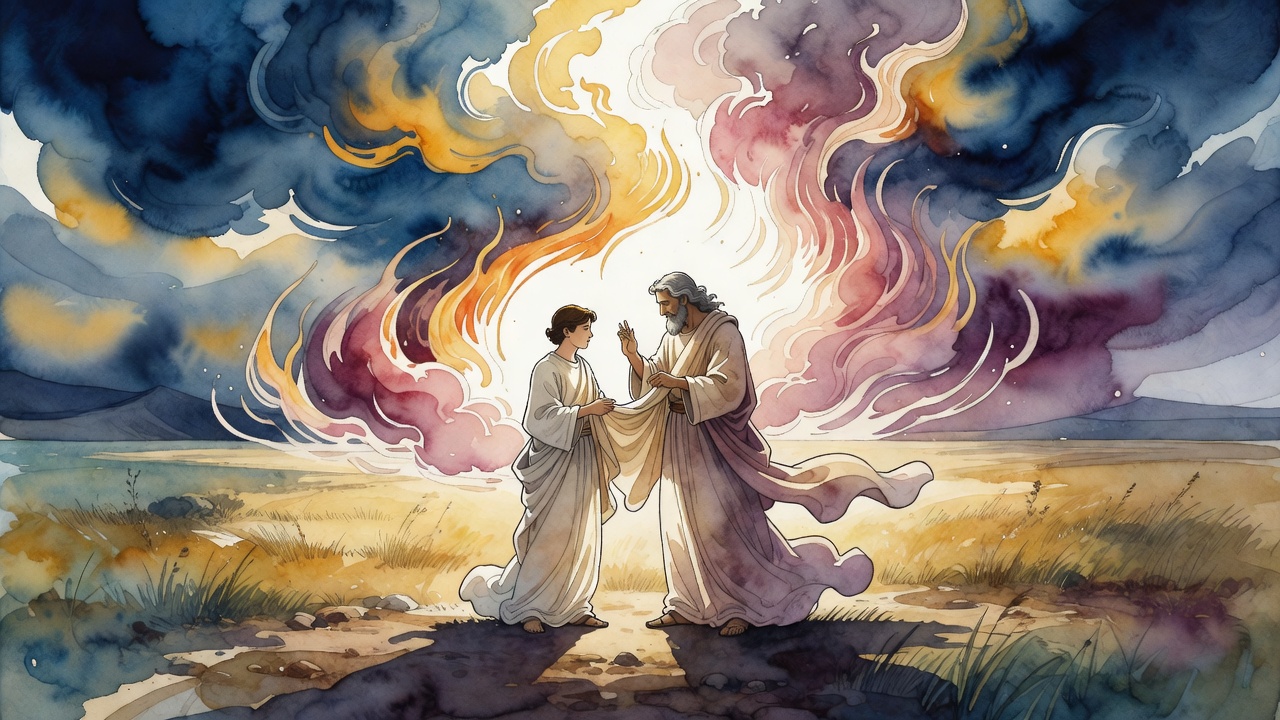
Jacob did not just set Levi apart. He handed him something specific. The text of Jubilees, in the passage about the end of Jacob's life, records that Jacob gave Levi all his books and the books of his fathers to preserve and renew for each generation. Not gold. Not the best land. Books. The sacred writings that had been carried since the time of Adam, the records of everything that had been learned about the structure of creation and the way the divine will moved through history.
He chose Levi to carry the memory, and he chose Levi for the altar.
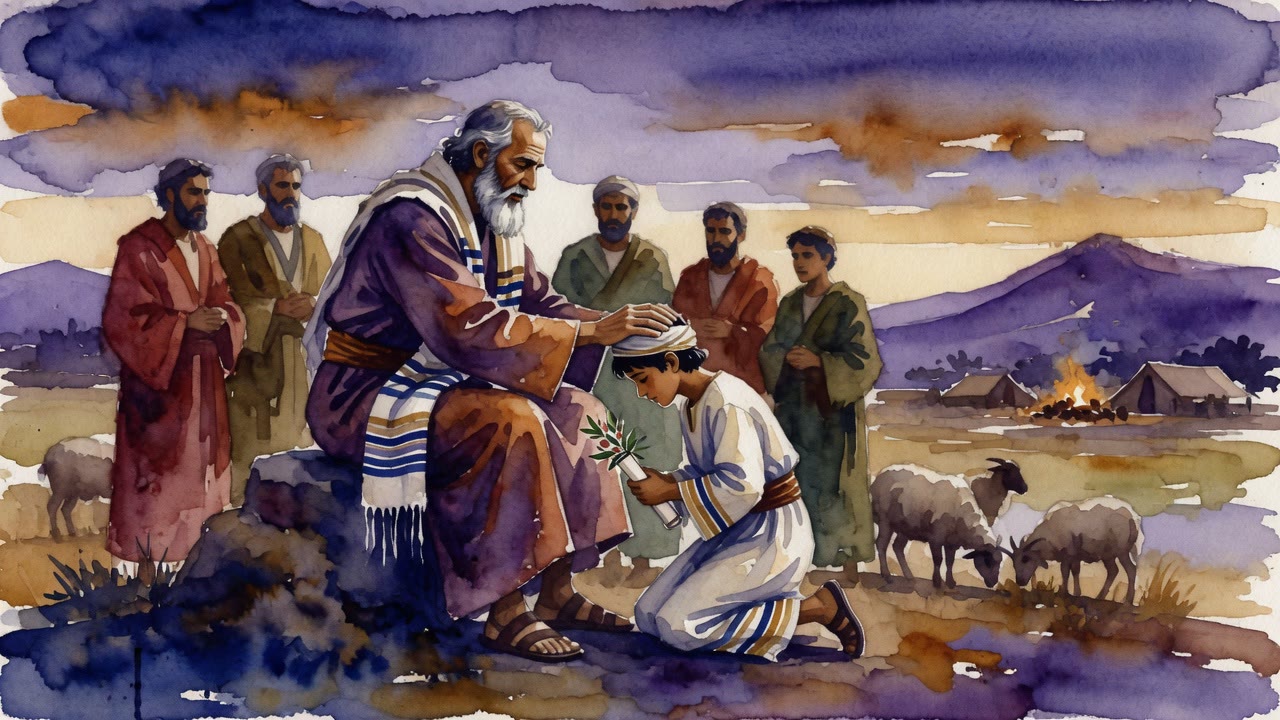
Jacob consecrated him with a ceremony: a tithe of the flesh, the unclean animals given to Levi in a different form, the clean animals offered as a burnt sacrifice. He appointed Levi as chief among his brothers, the leader of the priestly succession. He told his sons to ensure that a descendant of Levi would always stand in the priestly role, generation after generation, for as long as the line continued.
The Test That Came Centuries Later
Pirkei DeRabbi Eliezer, an eighth-century Palestinian narrative midrash, closes the story with the moment the priestly consecration was tested at its limit. When Israel built the Golden Calf at the foot of Sinai, while Moses was still on the mountain, tribe after tribe participated in the construction or the worship or the silence that allowed both.
The tribe of Levi did not. They stood apart. In a camp where the mass of Israel had just committed the worst collective act since the Tower of Babel, the men Jacob had set aside for God at Bethel remembered what they had been set aside for.
This was not coincidence, the rabbinic tradition said. Jacob had seen something in the count. Not in Levi himself necessarily, not yet, but in the position the tenth son would occupy in the structure of the family. The tenth position was the one that would be asked to hold the line when everything else collapsed.
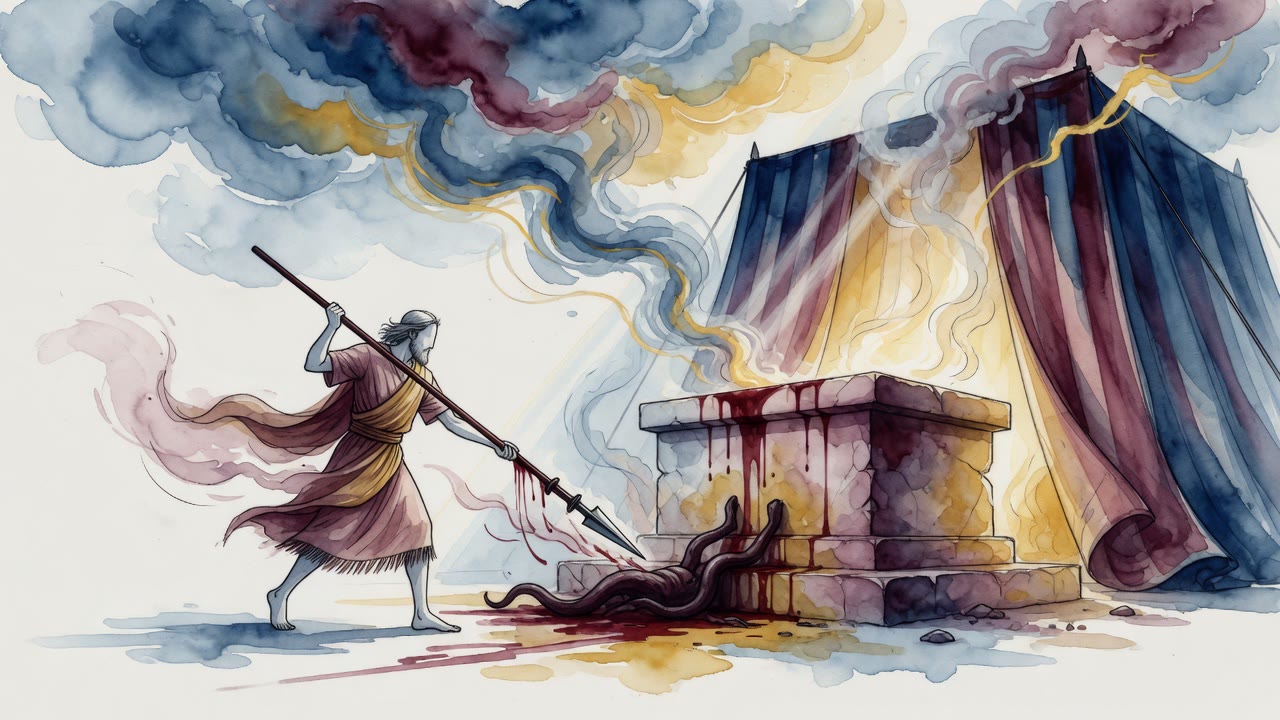
Moses came down from the mountain with the shattered tablets in his arms and called out: "who is for God, come to me." The entire tribe of Levi came. And the priesthood that had been consecrated in a field at Bethel, decades before any of them were born, proved that the count had fallen correctly.
← All myths