Jeroboam Demanded War and the Danites Walked Away
Jeroboam pressed the north to fight Judah. The people refused. When he turned to Dan's warriors, they swore by their ancestor and left the land.
Table of Contents
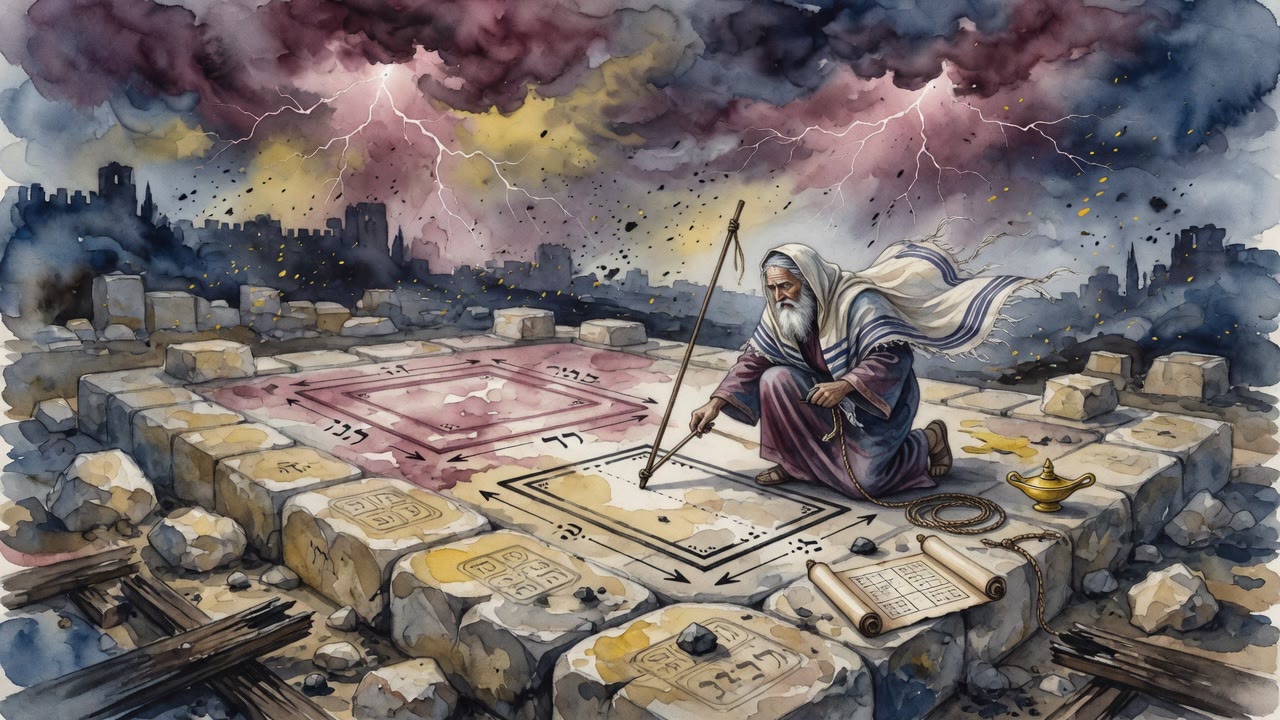
Jeroboam had the northern crown and still wanted blood. The kingdom had already split along a fault older than his reign. Judah held Jerusalem and the line of David. Israel held the ten tribes under a man who would not rest until brother faced brother with a spear and the southern ridge smoked.
 Click for full size
His own lineage carried an earlier attempt. Sheba son of Bichri had tried a similar rupture in David's day and failed. The legends say God would not allow that earlier split to harden until the Temple stood on the ground David bought. Timing mattered. The sanctuary had to rise before the kingdom could tear clean through. Now the Temple stood, and Jeroboam wanted war poured on top of the tear.
Brothers Who Would Not Lift Swords
He urged the Ten Tribes to march against Judah and Jerusalem. He pictured northern steel against the city that still carried David's name, and he spoke of it as policy, as necessity, as the only way to finish what the split had begun. The people refused. They would not raise arms against their brethren, and they would not raise arms against the descendant of David who sat in the south.
Jeroboam did not fold. He went to the elders of Israel and pressed them to sway the ranks with speeches and threats. The elders pointed him toward the Danites. If any company could be turned into a blade, it would be Dan. They were the most efficient warriors in the land, trained for hard edges, night marches, and short, finishing fights.
Jeroboam went to them with the same demand he had brought to the rest: war on Judah, war on the house of David, war that would make the split permanent in blood.
An Oath on Dan's Head
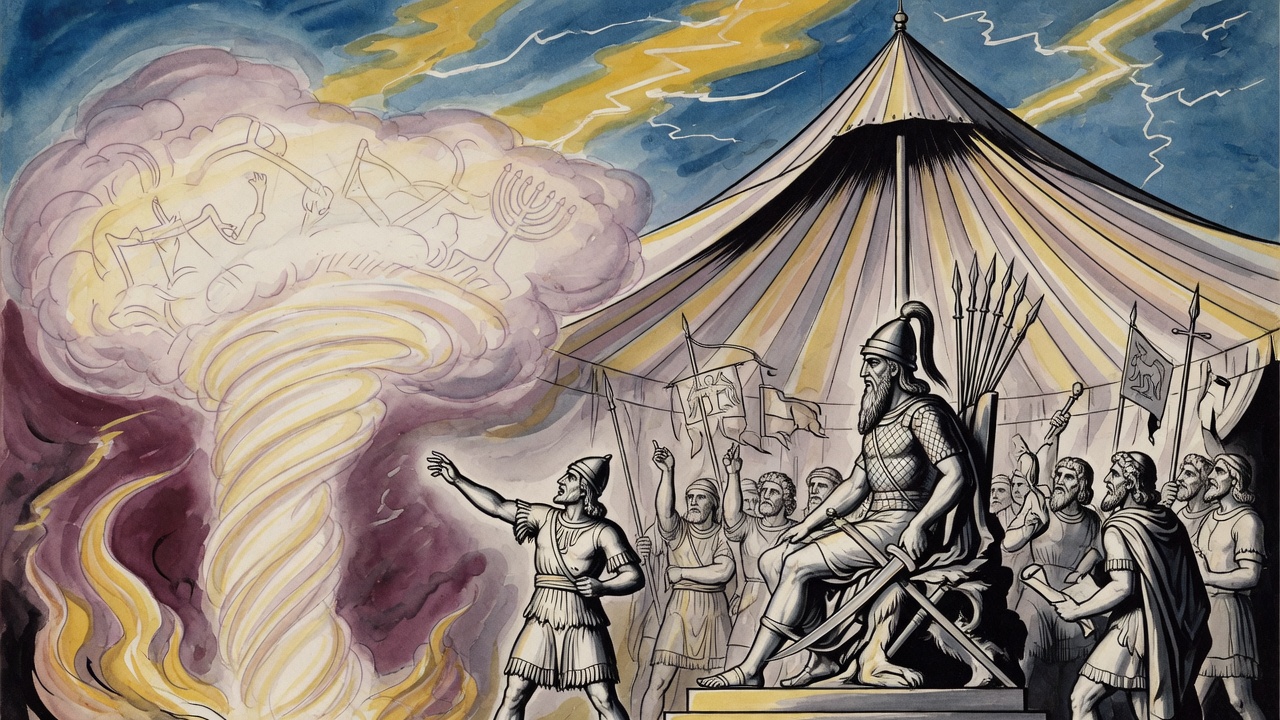
The Danites answered with an oath older than his crown. They swore by the head of their ancestor Dan that they would never shed the blood of their own brothers. The refusal was not soft. It climbed toward rebellion in the campfires and the armories. The fiercest fighters in Israel stood ready to turn on Jeroboam rather than march on Jerusalem under his order.
The northern king faced the worst kind of army: one that would not kill for him and might kill him if he kept pushing. Civil war threatened to open inside Israel before a single spear left for Judah. Captains watched the gap between the king's mouth and the Danite ranks widen with every new order.
What he wanted was a campaign against the Davidic house. What he got was a mutiny of conscience from the men he needed most, sworn on an ancestor's head and loud enough to shake the court.
Ground Bought for a Temple
Jerusalem's ridge was not abstract prize land in the old accounts. David had purchased the threshing floor from Araunah (called also Araniah and Aravnah in the variants) so that the altar and later the Temple would stand on bought ground, not seized ground. Silver had changed hands in open day. Blood was not supposed to be the deed of sale for the place where offerings rose.
Jeroboam's war would have poured brother blood toward that same ridge. The Danites' oath kept northern steel off the road that led to the house David bought. The sanctuary's ground remained, for that hour, outside the civil slaughter Jeroboam craved, still named by the purchase rather than by a northern siege mound.
Later ages would still find Araunah's name bound to that hill. When priests of a later Temple generation uncovered a skull said to be his, the unlearned among them fumbled the laws of purity around a dead bone on holy soil and drew rebuke for not knowing what to do. The ground remembered its first owner even when its keepers did not remember the law. Purchase and impurity scare both insist on the same fact: the mount is not ordinary dirt, and it does not take blood lightly.
Exile Instead of Fratricide
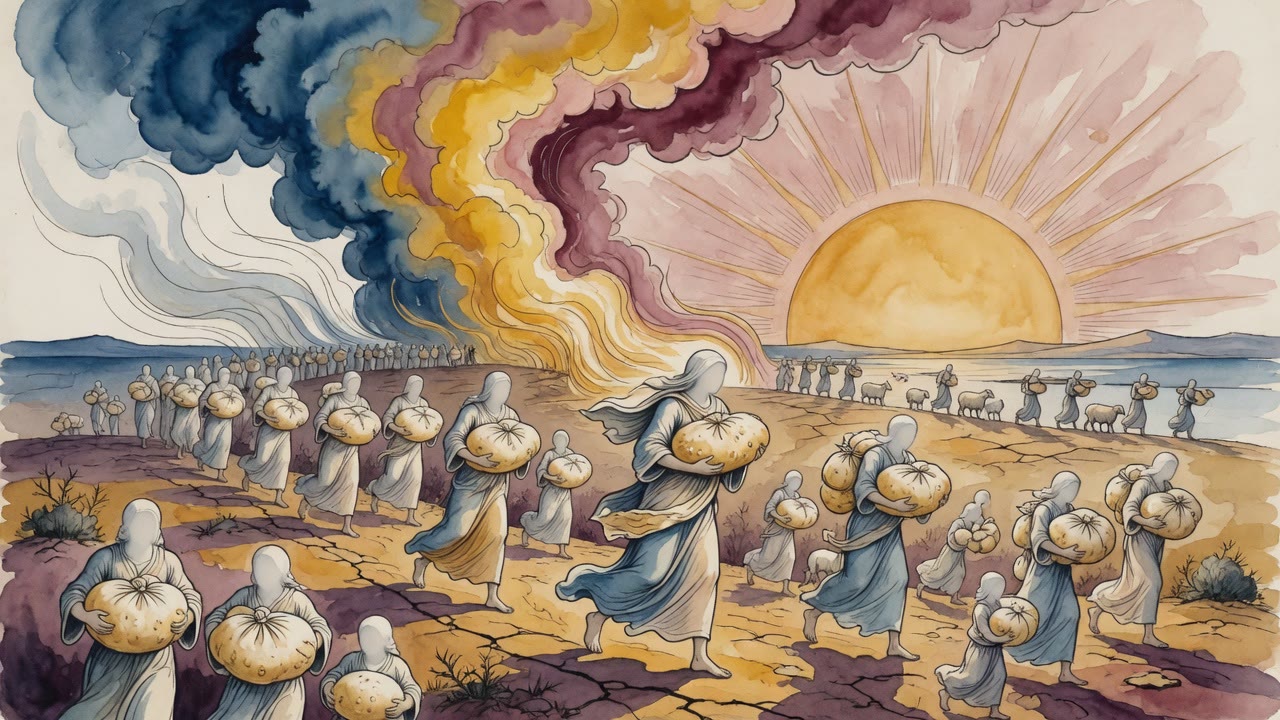
God intervened on the Danites' side of the pressure. Rather than leave them to rebel against Jeroboam in open blood, or to break their oath and march on Judah, the legends say God prompted the Danites to leave Palestine altogether. Pack animals were loaded. Roads north and out of the land opened under their feet.
They walked away from the country rather than become the engine of a war of brothers. Jeroboam kept his northern throne and lost the warriors he had counted on to finish David's house. The Ten Tribes did not pour south in the campaign he designed. No Danite company planted spears under Jerusalem's wall that season.
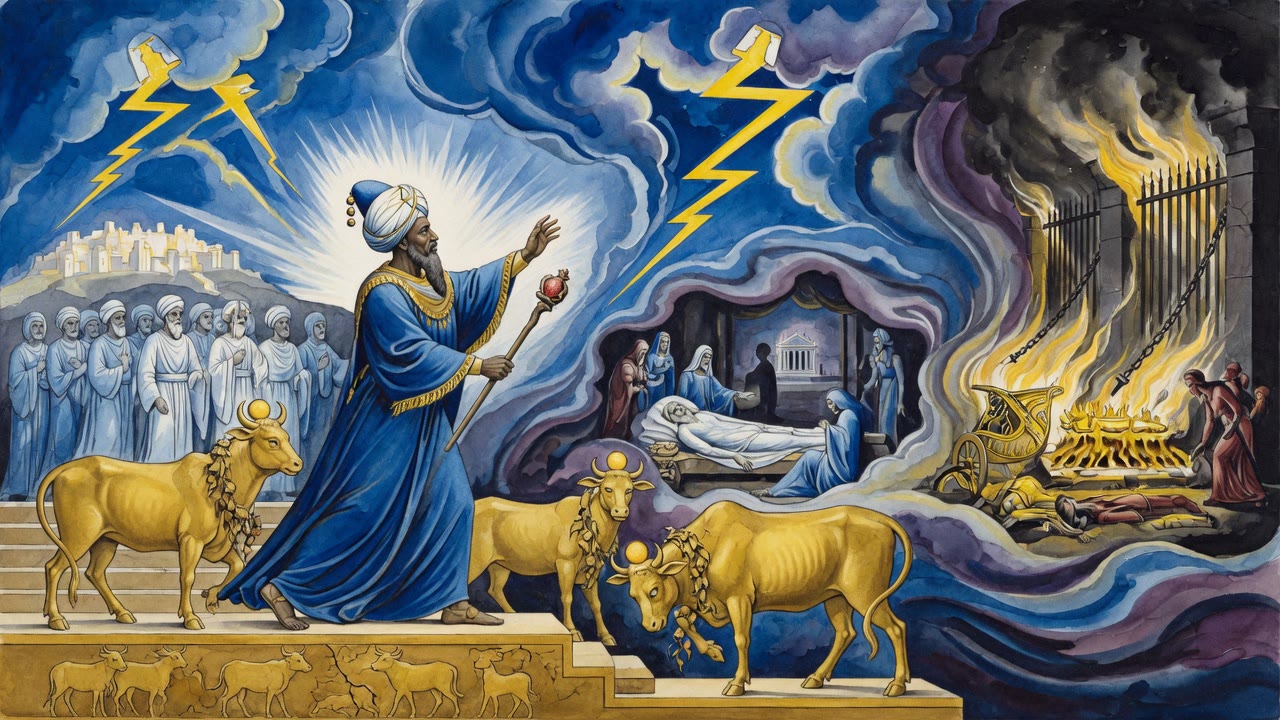
The king who wanted civil war watched his best fighters choose exile over the order he gave. Jerusalem still stood on Araunah's old threshing floor. The split remained political and spiritual, not a fresh field of northern dead on Judah's walls. Jeroboam would find other ways to harden the rupture, calves and alternate altars among them. On the day he demanded brother-blood from Dan, Dan answered with an oath and a road out of the country, and the Temple ridge stayed free of that particular slaughter.
← All myths