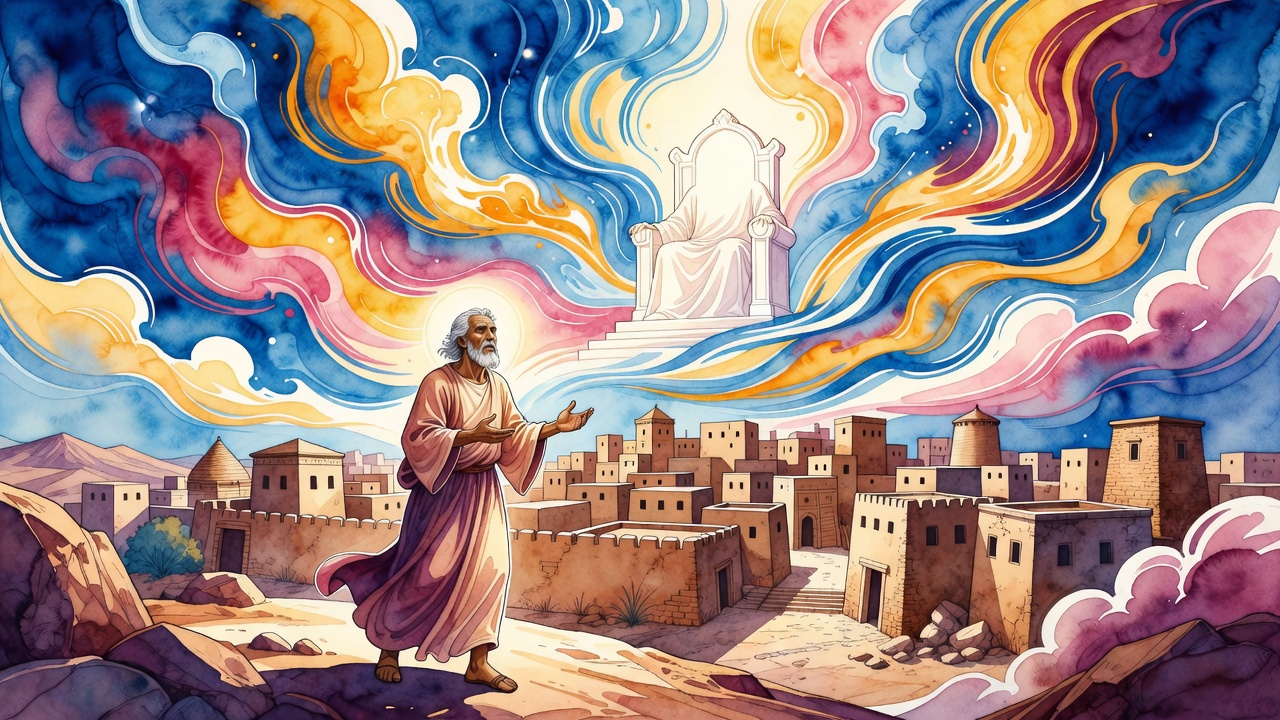
Joseph Returned the Silver His Brothers Never Saw
The brothers emptied their sacks in Canaan and found every man's money bundled inside. Simeon was still in an Egyptian cell, and the silver looked like a trap.
Table of Contents
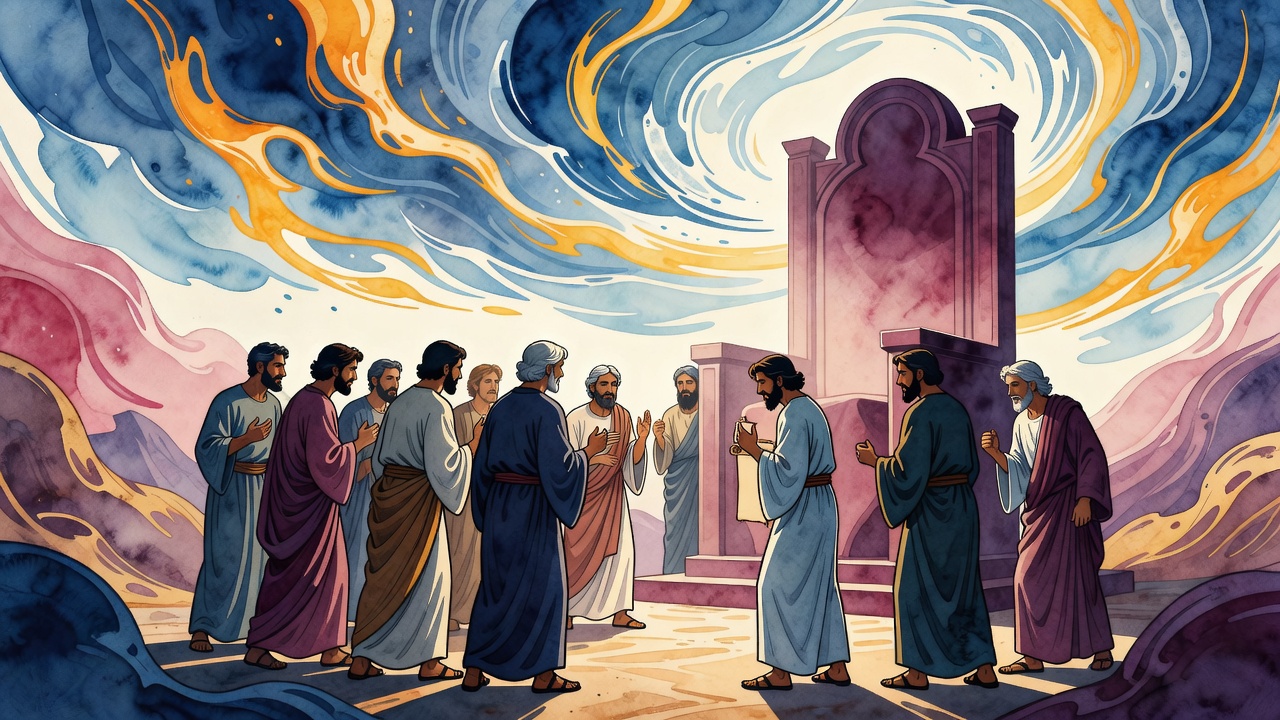
Joseph sealed the first version of the test with an Egyptian oath that tasted like the court he now served. "Send one of you and bring your brother," he said, "but you shall be bound, and your words proved. And if not, by the life of Pharaoh you are spies" (Genesis 42:16).
 Click for full size
He spoke in the language of the throne even while his blood ran Hebrew. Nine men under guard and one messenger sprinting north would have broken Jacob completely. Joseph watched their faces in the holding room and saw the math land: one road, one brother, a father already half dead from an older loss. He adjusted the knife before it cut the whole house down.
The Softer Prison
After three days he changed the terms. "If you are true, let one of your brothers be bound in the house of your confinement, and go, carry corn for the hunger of your house" (Genesis 42:19). One stayed. Nine left with sacks. The hunger of the house became an argument even a hard viceroy could not ignore without becoming a different kind of tyrant.
Simeon went into bonds. The others loaded grain and told themselves the story they would need on the road: we are not spies, we have a father, we have a younger brother, we will return. Joseph gave them one condition that mattered more than the rest. Bring your youngest brother, and I shall know you are faithful. Then I will restore your brother, and you shall transact business in the land (Genesis 42:34).
Benjamin was the price of truth. Benjamin was also the price of Joseph's own heart. The brothers left Egypt tasting the word spies and carrying a demand that would force Jacob to open the one room he had locked against the world.
Silver Where It Should Not Be
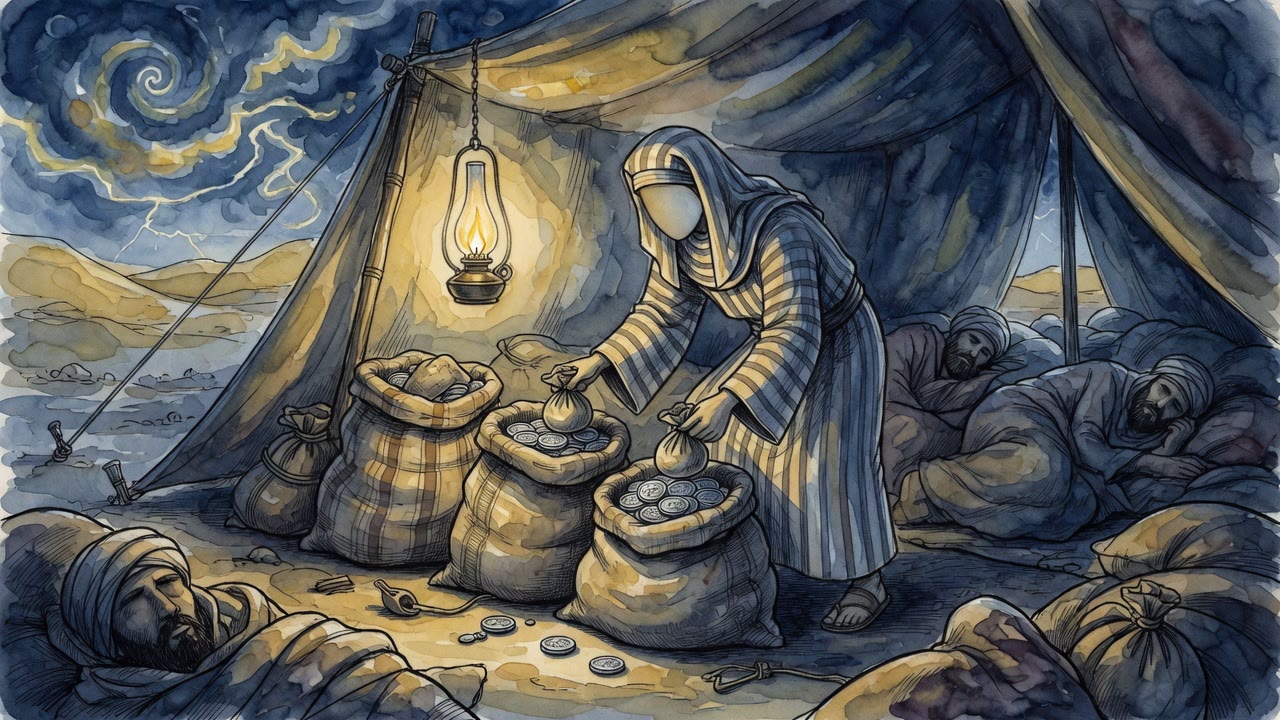
Before they left, Joseph commanded his servant to fill their vehicles with corn, return each man's money in his sack, and give them provisions for the way (Genesis 42:25). Three quiet mercies stacked under a public accusation. The brothers rode out still arguing about the official's hardness, not knowing their silver rode with them like a second trial.
The gift was not kindness without teeth. Money found at a border can look like theft. Money found at home can look like a trap set by a man who wants slaves. Joseph wanted them afraid enough to tell Jacob everything, and fed enough that Canaan's children would not starve while the fear did its work. He had been sold for coins. He returned coins without asking permission. The road between Egypt and Canaan became a classroom with no teacher visible, only sacks shifting on donkeys and a silence full of calculations.
The Bundles on the Floor
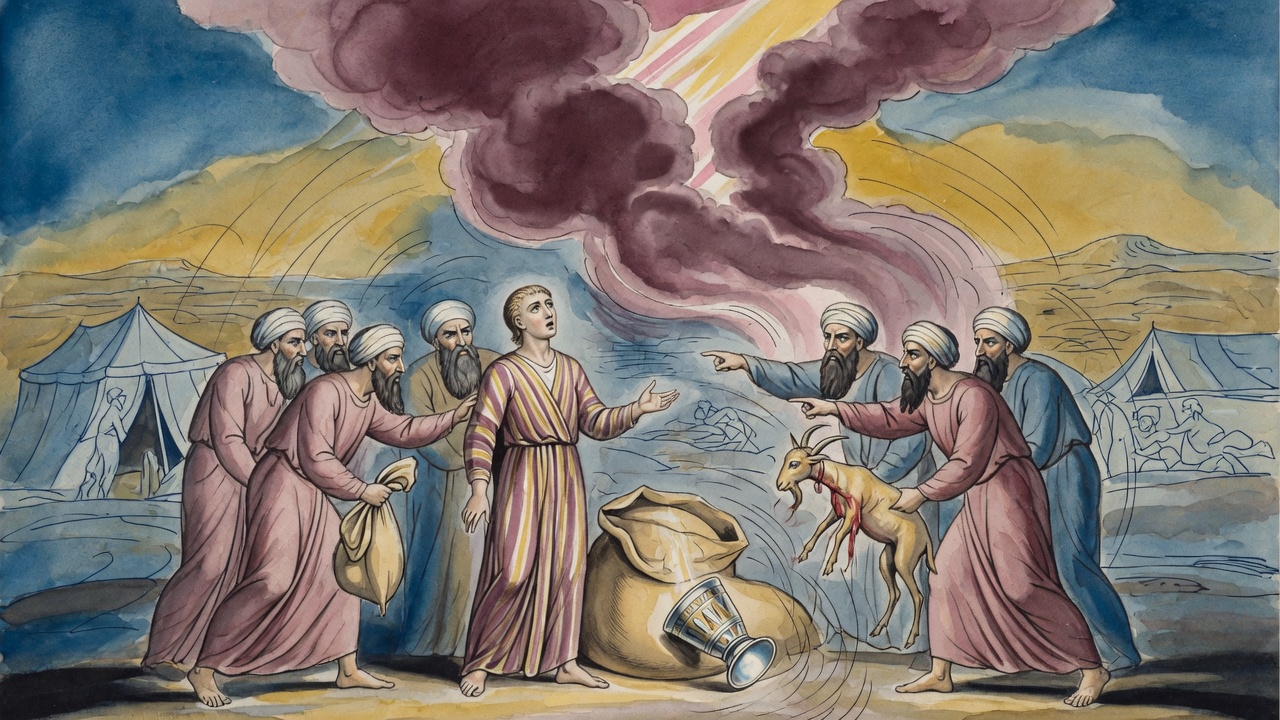
At home they emptied the baggages. Behold, every man's bundle of money was in his baggage. They and their father saw the bundles and were afraid on account of Simeon, whom they had left there (Genesis 42:35).
The room filled with the clink of returned silver and the older sound of men who once took silver for a brother. Jacob heard the story and felt the math: one son held in Egypt, one son demanded as proof, money that made them look guilty of a crime they had not planned this time. The famine did not care about their moral education. It only kept emptying jars. The brothers looked at the bundles and saw not a gift but a noose that would tighten if they ever went back without Benjamin.
Joseph, far south, could not hear the clink. He did not need to. He had designed the sound. Mercy and threat had been packed in the same sacks on purpose, because a family that once chose silver over a brother needed to feel silver become a problem again.
Mercy That Traveled in Disguise
They had sold him for coins. He returned their coins without their consent. They had left him in a pit. He left one of them in a cell and sent the rest home with bread. The oath by Pharaoh's life had been theater. The softer test had been strategy. The hidden silver was the line that connected both. When Jacob finally stared at the money on the floor, he was looking at a son's hidden hand, though he did not know the hand still belonged to his house.
Simeon sat in the house of confinement while the nine rode north. Joseph did not visit him with soft words. The test needed a hostage, not a reunion. Still the returned silver meant the brothers would arrive home fed and accused at once, which is a cruel kindness only a man who has been both prisoner and provider would invent. Canaan would hear the whole story in one evening: the hard official, the bound brother, the youngest demanded, and the money that should not have been there. Joseph waited for that evening the way he once waited for a cupbearer to remember a name.
← All myths