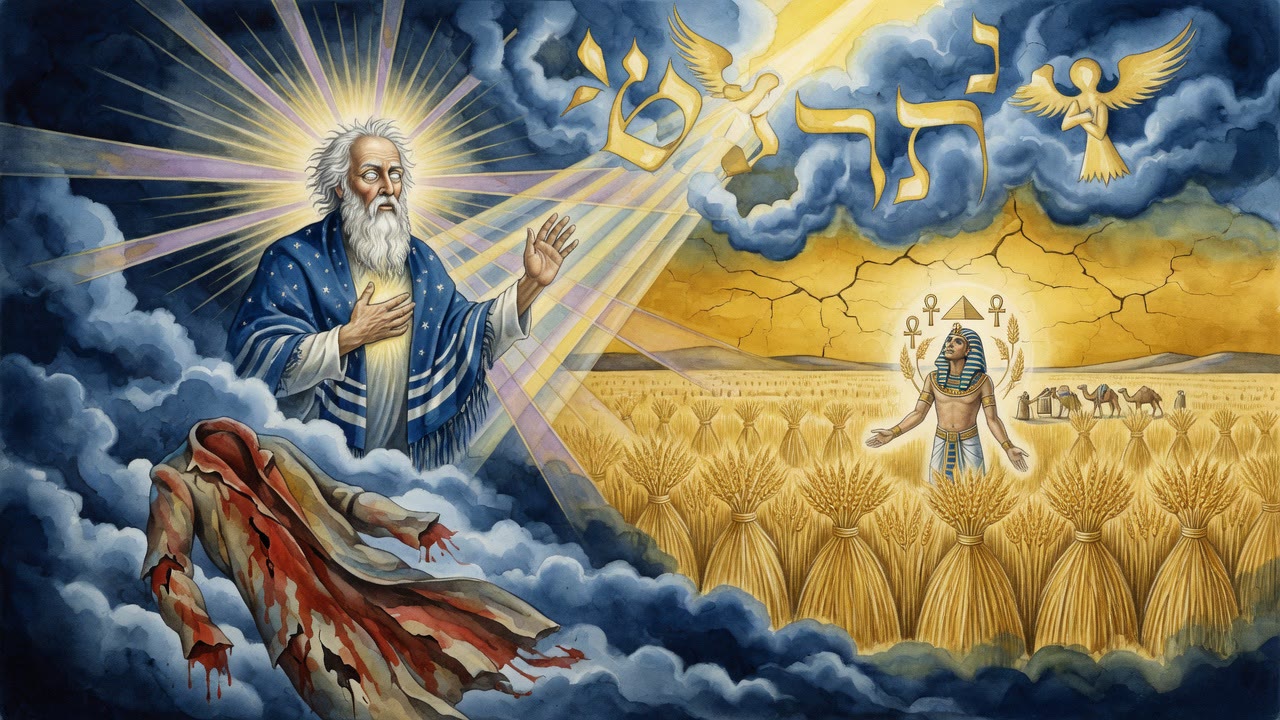
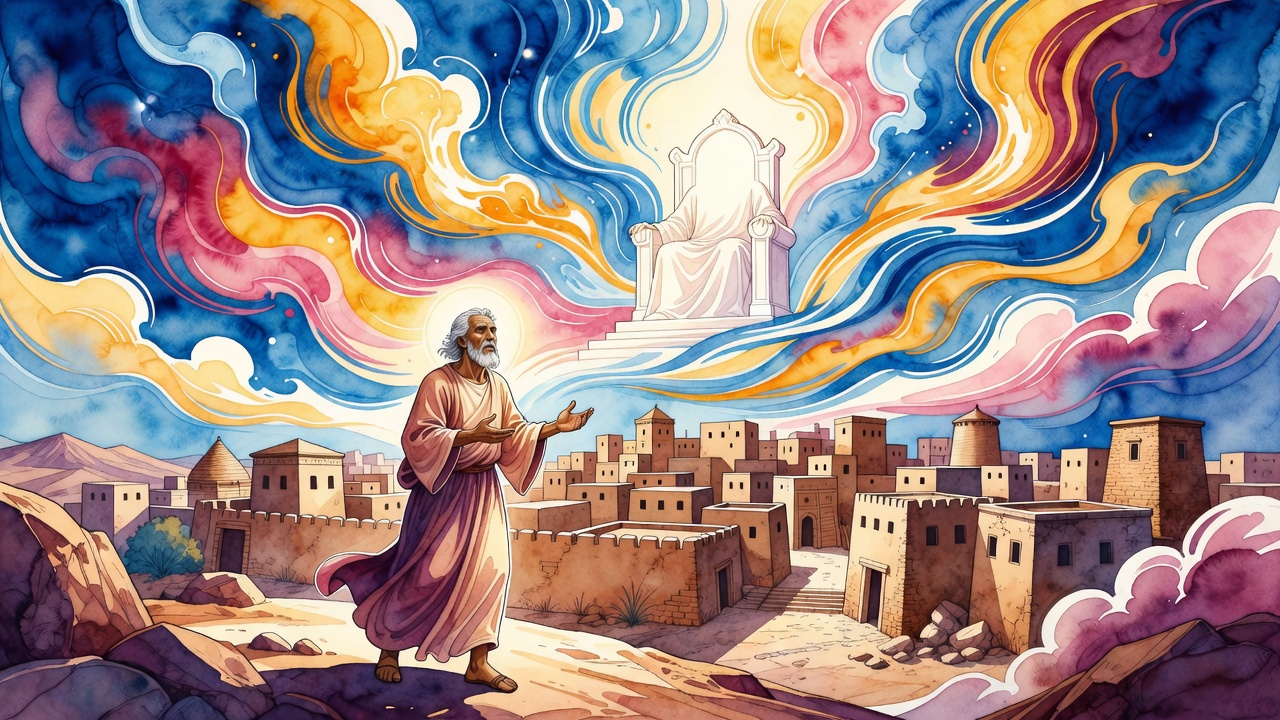
Joseph Rides While Egypt Throws Him Gold
Ten hungry men bowed to the viceroy, blind to who he was. Asked what they would do if a master kept their brother, they said they would kill the master.
Table of Contents
 Click for full size
Markets That Speak in a Dozen Mouths
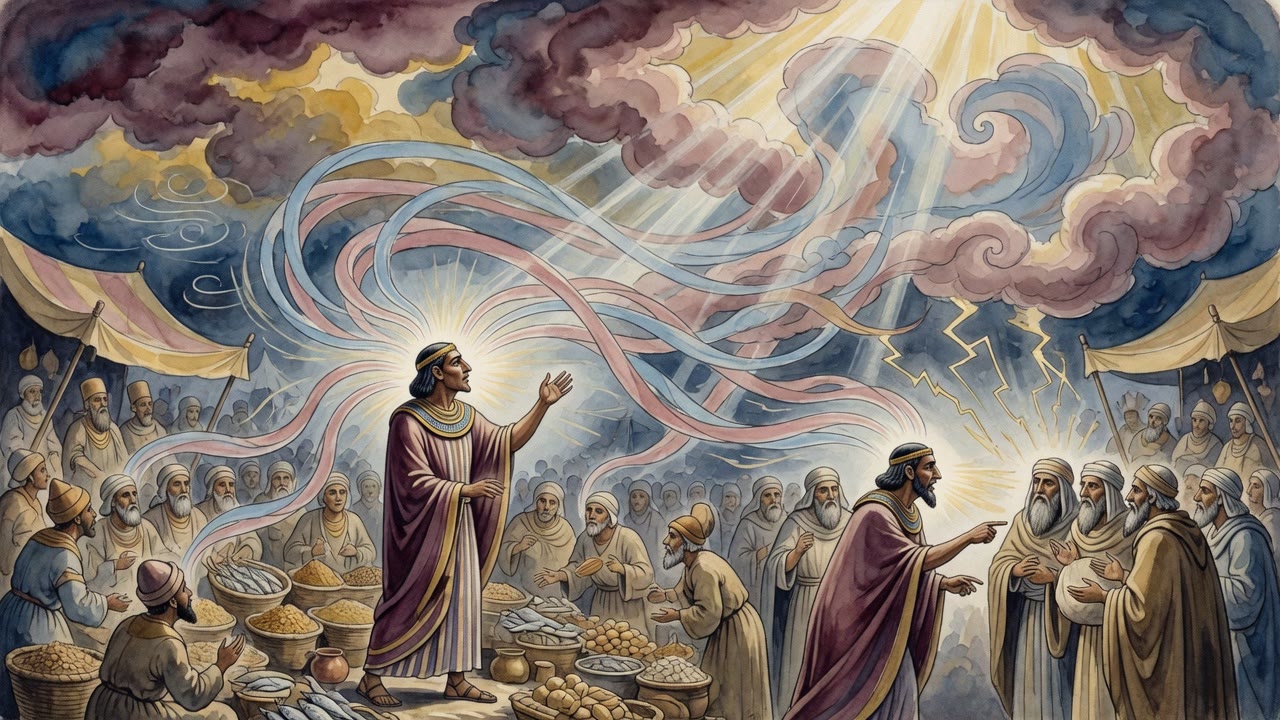
Joseph walked the Egyptian markets and the noise did not break him. Vendors shouted prices in dialects that should have been sealed rooms to a Hebrew sold as a slave. He understood them all. The gift was not charm alone. Pirkei DeRabbi Eliezer ties it to the psalm that sets a testimony in Joseph when he went out over Egypt and heard a speech he had not known (Psalms 81:5).
Grain dust hung in the heat. A sailor cursed a broken rope. A woman haggled over oil. Joseph's ears sorted every thread while his face stayed the face of a viceroy who could end a life with a nod. Power without language is half blind. Language without power is a tourist's toy. He held both.
Years earlier his brothers had thrown him into a pit and sold him. Now the same land that bought him fed the world from his storehouses. He did not forget the pit. He also did not let the pit speak for him in every sentence.
Gold Rings from the Walls
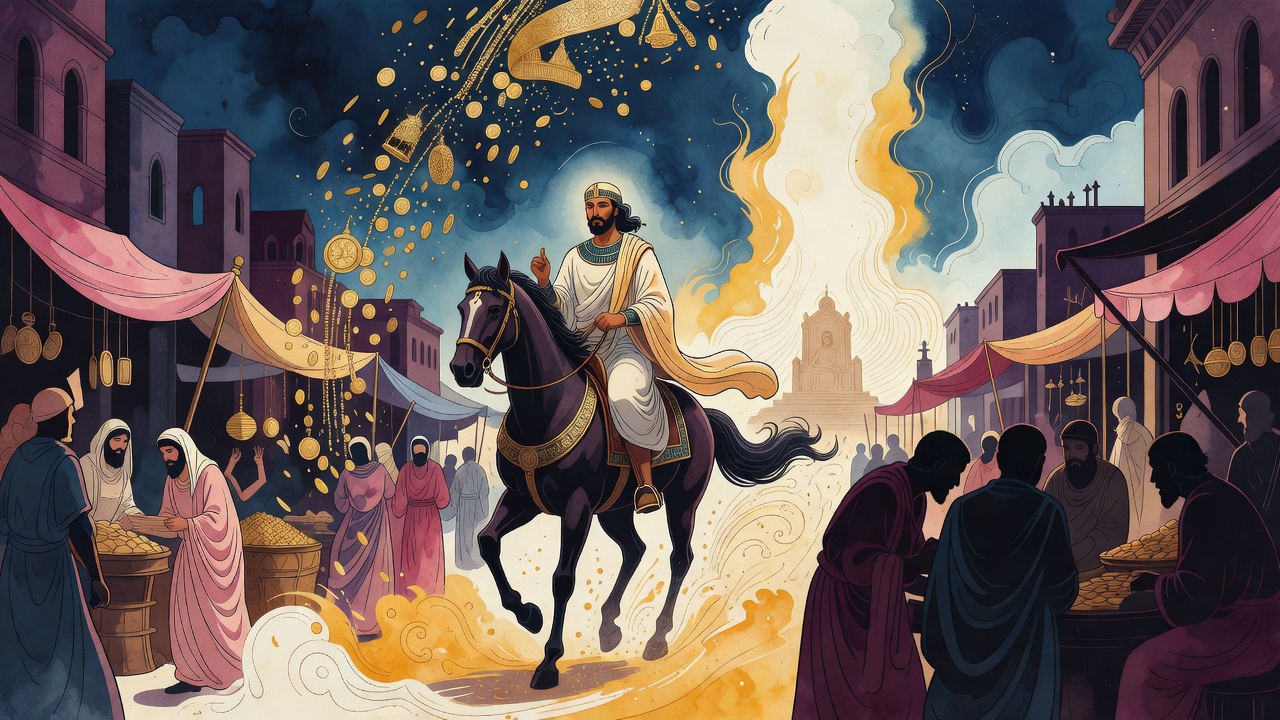
When he rode out in the chariot, Egyptian girls climbed the walls and threw golden rings, hungry for a glance. The midrash insists that nobody's eye degraded him. Admiration washed over him and left no stain. The blessing that calls Joseph a fruitful bough whose daughters run over the wall (Genesis 49:22) became, in this telling, a picture of magnetic honor that never buys the man it praises.
He kept his gaze forward. Horses struck sparks from the stones. Courtiers measured his silence for signs of favor. The foreign court could dress him in linen and gold, but it could not rename the God of his fathers into a local idol without his consent, and he did not consent.
Later polemicists would tangle his timeline with Moses, invent dreams of Isis, and inflate captive counts until the stories contradicted each other. Josephus in Against Apion (first century CE) tore those Egyptian tales apart for their clashing numbers and gods. The man in the chariot needed no Isis dream to explain him. He needed memory, grain, and a test still waiting for ten brothers.
Spies at the Table of Power
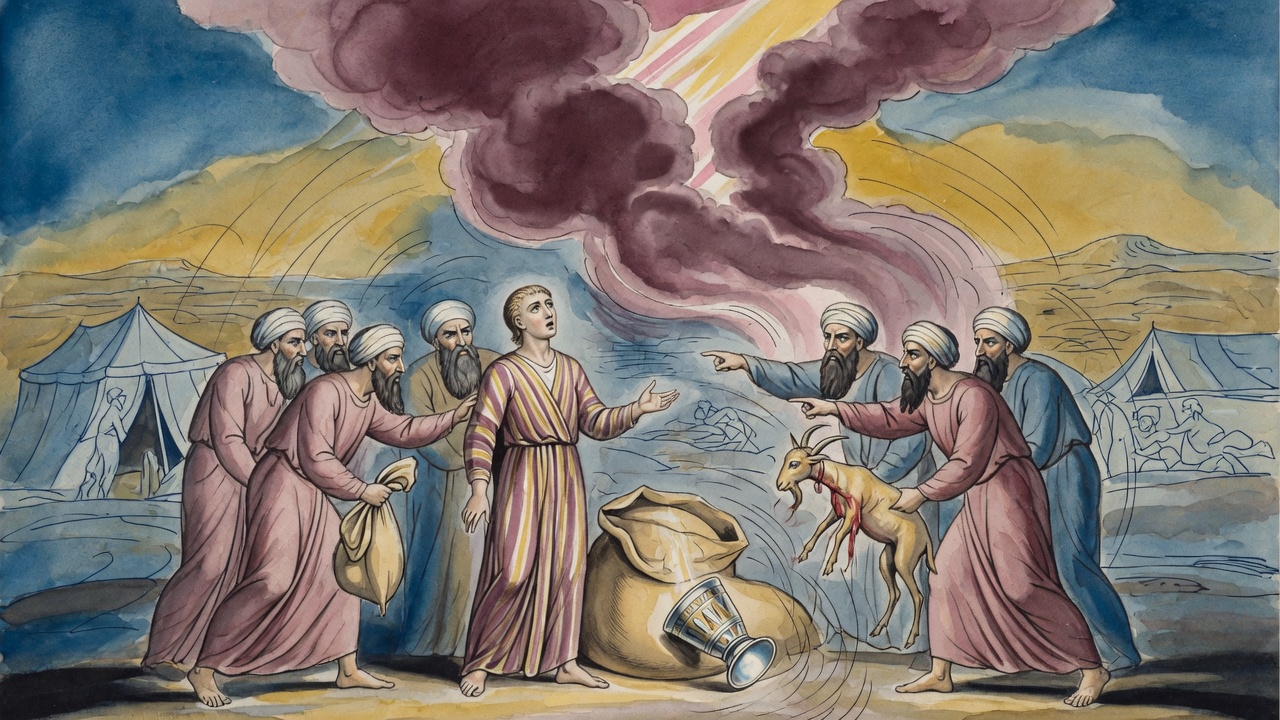
They came bowed, hungry, and blind to the brother they had sold. Joseph accused them of espionage, then pressed a knife of a question. Suppose a master would never surrender their missing brother for any price, what would they do? Their answer came cold. If he will not yield him, we will kill the master and take our brother.
Joseph struck. Now see how true my words were, that you are spies. By your own mouths you came to slay the land. Report already told how two of you massacred Shechem for a sister's wrong. Now you come to Egypt ready to kill for a brother. I will believe your innocence only if one of you fetches the youngest from home.
The accusation used their history like a hook. Violence at Shechem still lived in the air. Joseph twisted it until it pointed at Egypt. Whether revenge or pedagogy burned hotter in him, the brothers felt both. They did not know they were speaking to the master they once sold for silver.
Benjamin Named as the Price
The youngest, Benjamin, became the hinge. Without him, the test could not finish. Without him, Jacob would tear. Joseph demanded the boy the way a surgeon demands a pulse. The brothers left with grain and terror. Egypt's markets still roared outside. Inside the palace, a Hebrew viceroy waited for a face that shared his mother's blood.
He had heard every tongue in the street. He still needed one language from his family, the language of changed men. Would they abandon another brother? Would they fight? Would they tell the truth when the cup was found and the trap closed?
Gold rings on the road meant nothing if the brothers still sold blood. Language gifts meant nothing if the house of Jacob stayed a house of pits. Joseph set the terms and kept his Egyptian name like a mask that also was a mirror.
What the Test Was For
When they returned, the drama would deepen, but the seed was already planted in that spy charge. Joseph forced them to hear their own capacity for killing spoken aloud in a foreign court. He forced the missing brother into the center of the story. He forced Egypt, which had rewritten Hebrew history in hostile books, to host a reckoning no Manetho could invent cleanly.
In the markets, people still sold onions and cloth. In the palace, a family wound measured itself against famine. Joseph rode, listened, and waited. The gold on the walls stayed gold. The brothers' words stayed a verdict they had pronounced on themselves.
A man who understands every speech can still choose which speech to believe. Joseph chose the speech of pressure. He chose Benjamin as proof. He chose not to reveal himself until the test had teeth. The pit of his youth had taught him that soft words from brothers can hide a sale. He would not be sold twice by sentiment.
← All myths