4 min read

Joseph Spared the Priests Who Spared His Neck

Famine sold Egypt's fields to the throne, but Joseph ringed the temple estates. Years earlier those priests read a torn coat and refused his death.

Curated by Arthur · Told by Maggid ·
Table of Contents
  1. The Line Around the Temples
  2. The Garment Read Backward
  3. The Yoke Before the Throne
  4. Gratitude With Economic Teeth
  5. What Power Owes Its Judges
Joseph Spared the Priests Who Spared His Neck Click for full size

The Line Around the Temples

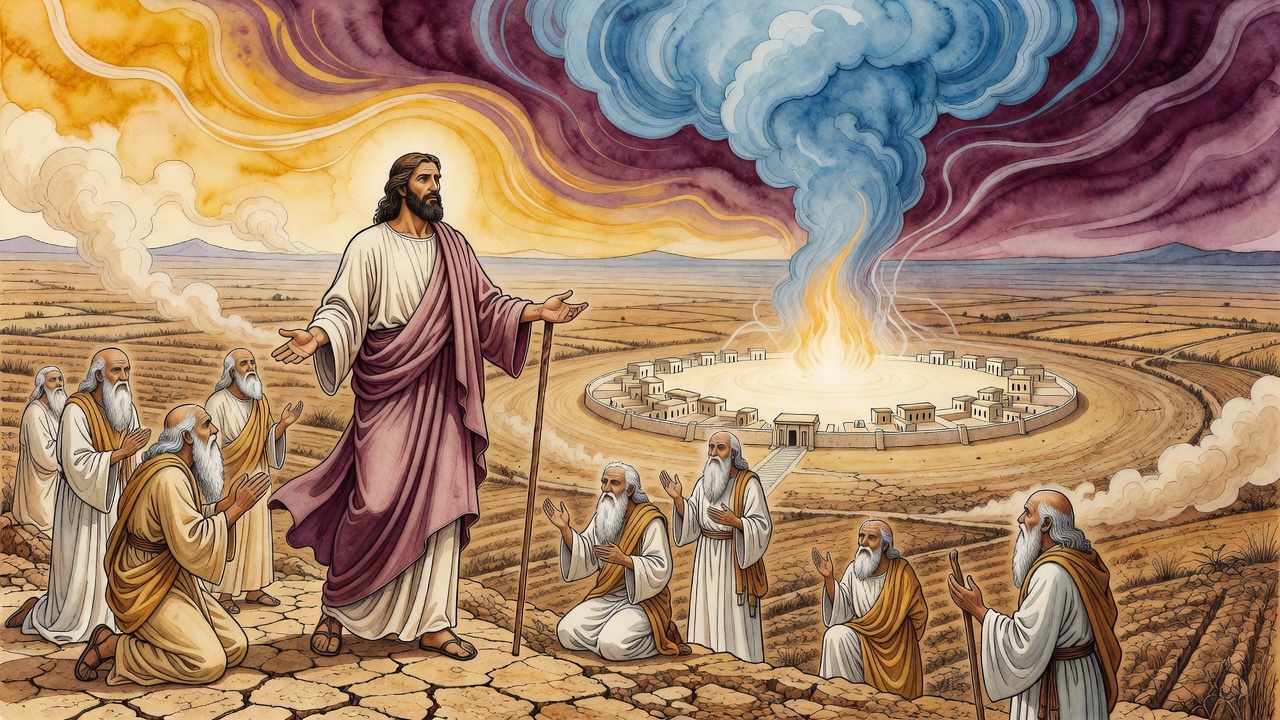
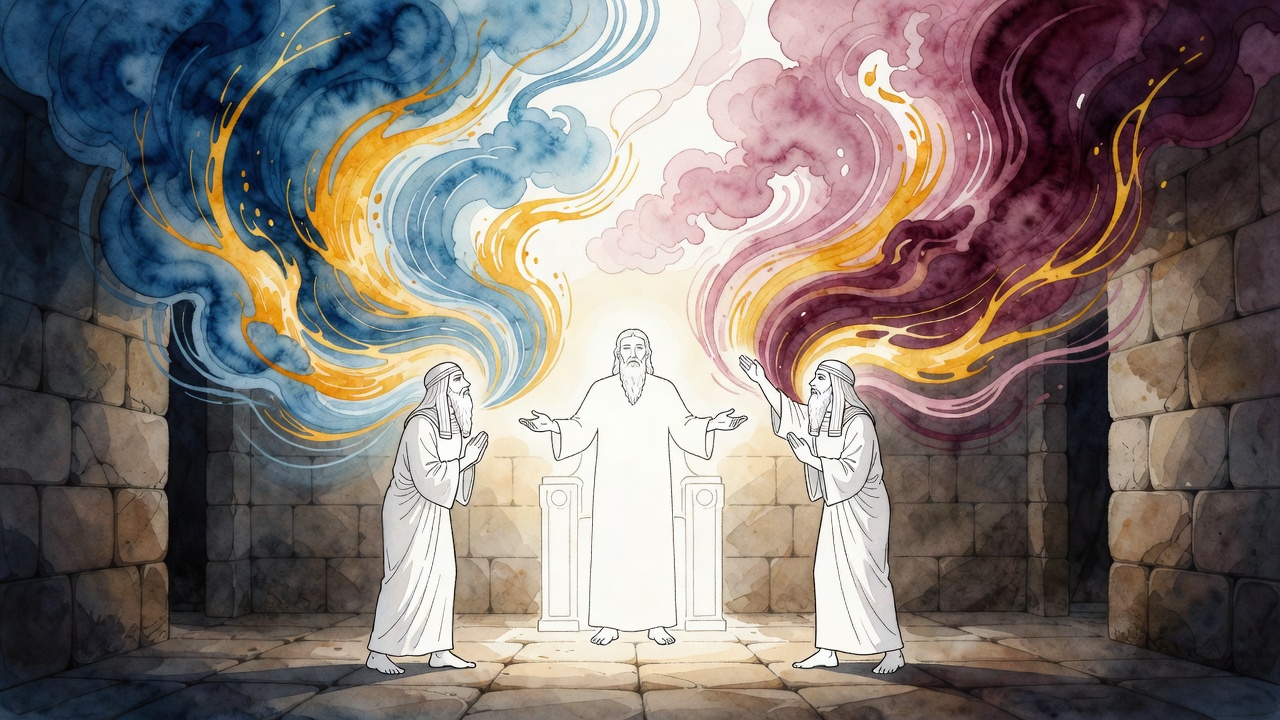
In the second year of famine, Joseph bought field after field for Pharaoh until private Egypt belonged to the crown. One class he did not touch. The priests kept their estates because, the plain verse says, Pharaoh fed them a portion (Genesis 47:22). The Aramaic telling sharpens the reason until it cuts. Joseph spared them because they had once judged him innocent when his master sought his death.

Power remembered the room where he had been powerless. The ledgers of Egypt still had a blank space shaped like gratitude.

The Garment Read Backward

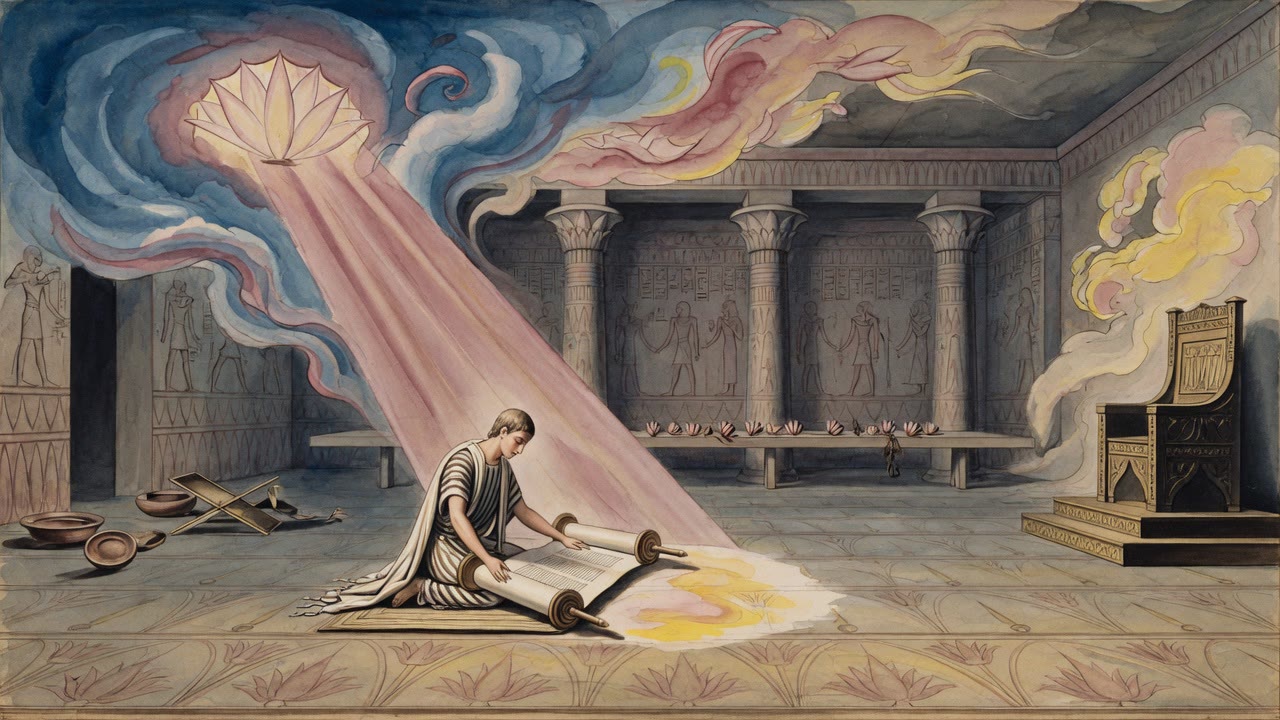
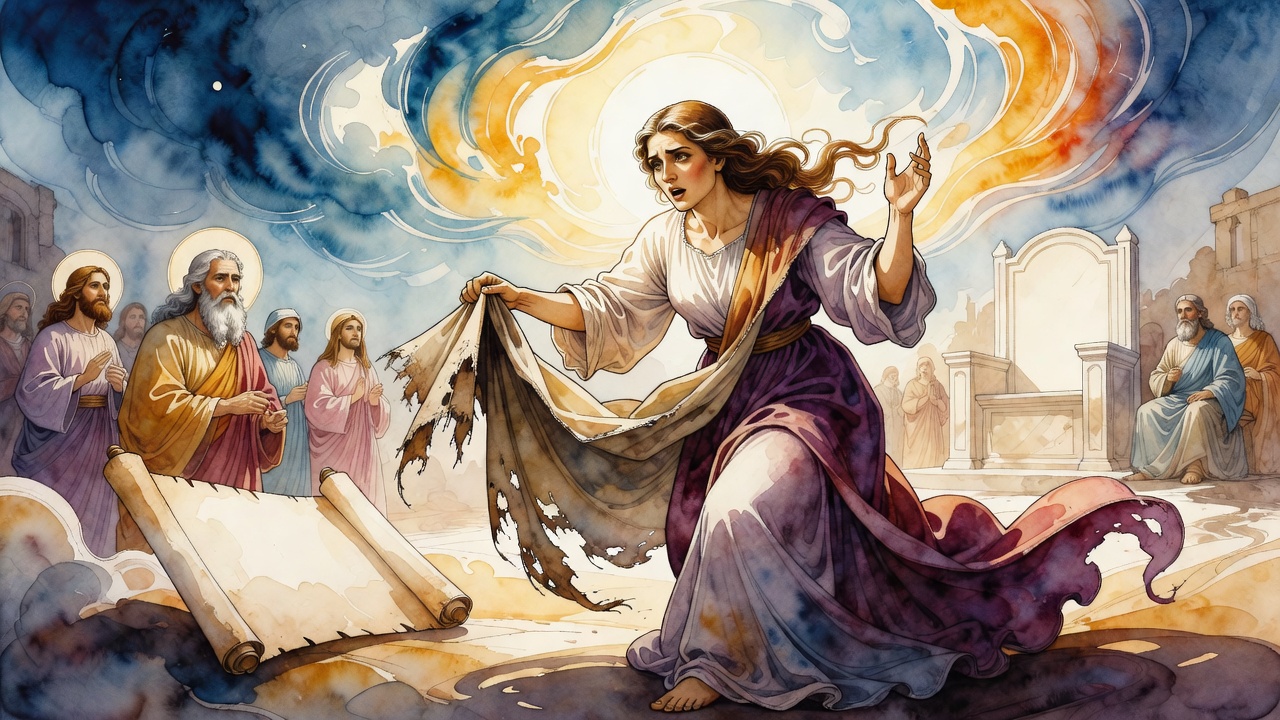
Years earlier, in Potiphar's house, a wife had screamed and a coat had been waved like proof. Egyptian law could have ended Joseph that day. Instead a council of priests examined the tear. The cloth was torn from behind, not from the front. A man fleeing leaves a different rip than a man attacking. Their verdict: innocent. Their compromise: prison for the master's honor, not the gallows.

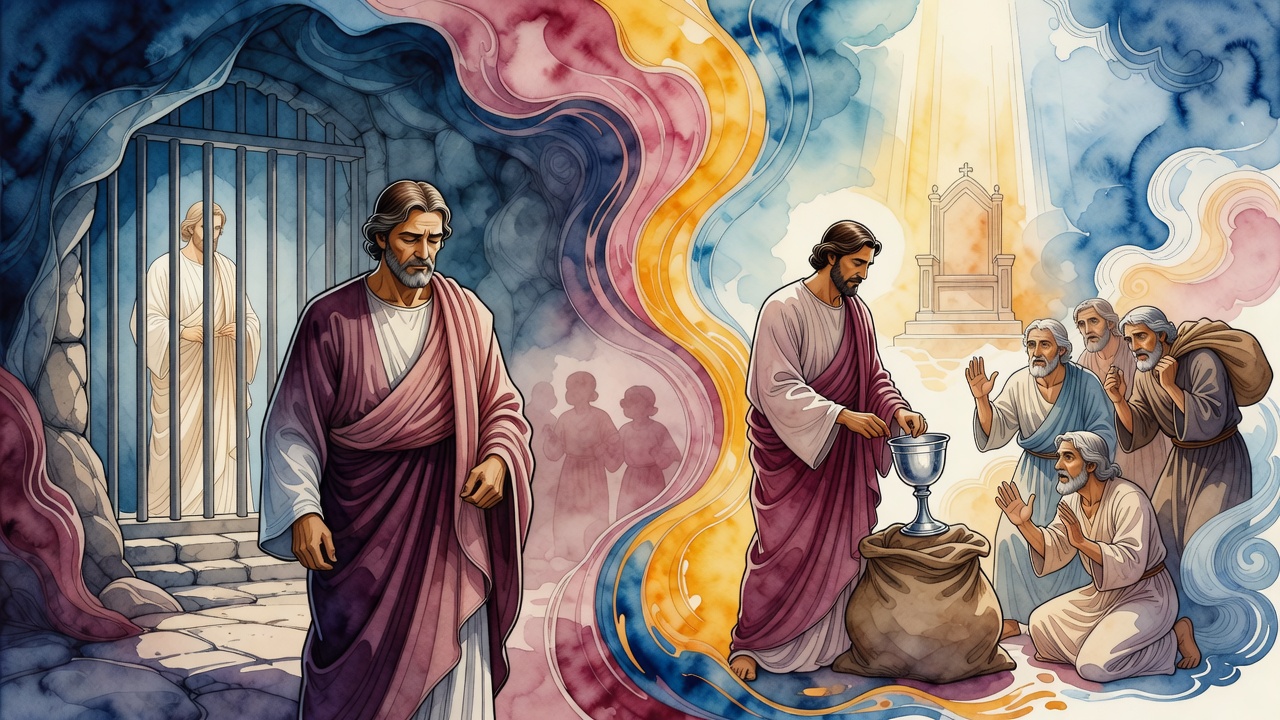
Joseph went down into the dungeon for twelve years. He went down alive. Dead men do not become viziers. Dead men do not spare temple lands. The priests had given him time, ugly time, but time.

The Yoke Before the Throne

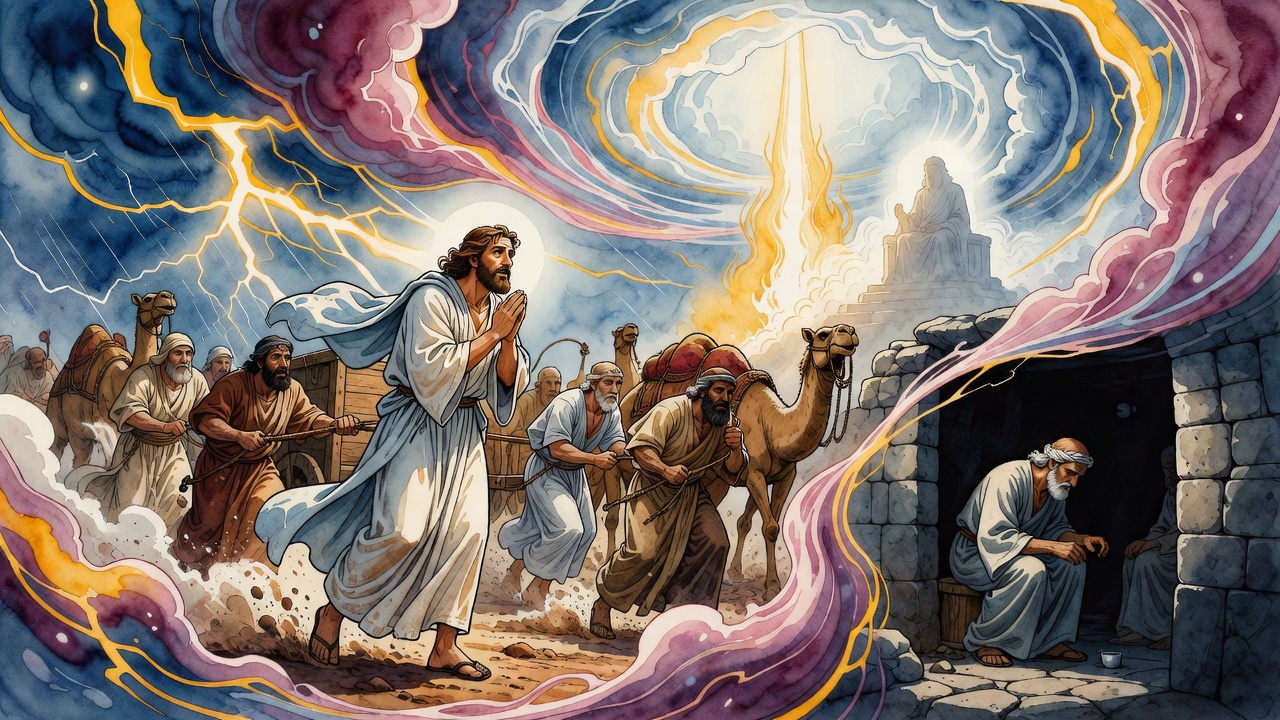
The rabbis read Joseph's silence as tempering, not mere luck. He sat alone, property of an officer, then property of a prison. Lamentations praises the man who sits alone and is silent, who bears the yoke, who puts his mouth to the dust and hopes, because the Lord will not cast off forever (Lamentations 3:27-29). No complaint is recorded from the pit, from the house, from the cell. He carried what was put on him and kept his dream-reading sharp even when the butler forgot him.

Darkness first. Then, in a single day, the leap from prisoner to viceroy. The yoke in the dark became the condition for the chair in the light. He learned what a false charge costs. He also learned what a careful judgment is worth when the easy path is death.

Gratitude With Economic Teeth

Now the same man held Egypt's granaries. He could have stripped temple estates as easily as farm plots. He drew a quiet line and said: not them. They did right by me when I had no name in the court. I will do right by them when every name bends.

Pharaoh's portion for the priests became Joseph's memory wearing the mask of policy. The famine still bit the common fields. The priests still ate. Revenge would have been easy to dress as administration. He chose a harder ease: leave their land alone.

What Power Owes Its Judges

Hold the two scenes until they burn together. A young slave under accusation, coat in another person's hand. Old priests reading cloth by light that cared only about edges. A vizier decades later refusing to nationalize their fields while the rest of Egypt signed itself over for bread. Here stands a Jewish prisoner who became a Jewish ruler and paid a debt of life with land left untouched.

Somewhere in the palace a record of the old verdict still mattered more than the new ledgers. Joseph's silence had not been emptiness. It had been storage for gratitude that would one day need economic hands. The temples kept their ground.

Joseph rode past a temple wall and did not send surveyors. The order traveled ahead of him like a soft fence.

In the prison years he had counted bricks by touch in the dark. Freedom made him count debts the same way: carefully, without spectacle.

Potiphar's house still stood somewhere in the city's memory. Joseph did not burn it. He simply refused to become it.

A priest's messenger bowed lower than needed. Joseph returned a shorter nod. Gratitude does not always need theater.

Grain wagons rattled toward the storehouses. Temple estates stayed off the lists. Scribes learned a new blank column.

At night he dreamed less of stars and more of a coat torn the wrong way for guilt. The dream had already been judged once.

In the prison years he had counted bricks by touch in the dark. Freedom made him count debts the same way: carefully, without spectacle.


← All myths
From the tradition

Sources

2 sources

The texts behind this telling. Some cards carry a translation of the source; others are our own retelling of it, and each card says which. Every card links out to the original.

Targum Pseudo-Jonathan on Genesis 47:22Targum Pseudo-Jonathan on Genesis

Retold in our words. Read the original at the link below.The Targum of Jonathan ben Uzziel, trans. J. W. Etheridge, London, 1862 · Public Domain

When Joseph bought up every private field in Egypt during the second year of famine, he left one class untouched. (Genesis 47:22) says he did not buy the land of the priests because "Pharaoh gave them a portion." The Targum Pseudo-Jonathan tells a sharper, more personal reason: "because they had considered him innocent at the time when his master was seeking to put him to death, and they had delivered him from the judgment of death."

The priests of Egypt, the Targum reveals, had once saved Joseph's life.

Rewinding to the House of Potiphar

The scene referenced here is the accusation of (Genesis 39), when Potiphar's wife falsely claimed Joseph had attacked her. In the plain Torah text Joseph is simply thrown in prison, which is strange, because by Egyptian law such an accusation carried the death penalty. Why was he spared?

The aggadic tradition, preserved in Midrash Rabbah at Bereishit Rabbah 87 and developed in the Testament of Joseph, answers that a council of priests reviewed the evidence. They examined the torn garment, noticed the tear was at the back rather than the front, and determined that Joseph had been fleeing rather than attacking. Their verdict: innocent. Their recommendation: imprison for the sake of Potiphar's honor, but do not execute.

Joseph spent twelve years in the dungeon. But he spent them alive. And he never forgot.

The Long Memory of Gratitude

Two decades later, as vizier of Egypt, Joseph held absolute economic power during the famine. He could have settled scores with the house of Potiphar. He could have confiscated temple estates. Instead, he drew a quiet line around the priestly class and said: not them. They had done right by him when he was powerless. He would do right by them when he was powerful.

The Targum Pseudo-Jonathan, whose final form was shaped between the 4th and 8th centuries CE, holds this up as a pattern for Jewish behavior in exile. The righteous do not forget the people in a foreign culture who treated them fairly. When the lever of fortune swings, the tzaddik uses it to reward those who showed mercy when mercy was rare.

A Contract Written in Decency

The takeaway reaches into our own century. Every Jewish community in exile has had a handful of outsiders who stood up for it, neighbors, judges, officials. The Joseph model says: remember them. Name them. Protect them when your own fortunes turn. The priests of On kept their land because, one afternoon years before, they had told the truth about a Hebrew slave.

Full source
Aggadat Bereshit 60Aggadat Bereshit

Retold in our words. Read the original at the link below.Sefaria Community Translation · CC0

Joseph was brought down to Egypt (Genesis 39:1). Lamentations gives the frame: "Good is the man who sits alone and is silent, for he will bear the yoke upon himself. He will put his mouth to the dust and hope that there may be hope, because the Lord will not cast off forever" (Lamentations 3:27-29). The rabbis read this as Joseph's biography in three verses.

He sat alone, seventeen years old in a foreign country, sold by his brothers, property of an Egyptian officer. He was silent, the Torah does not record Joseph complaining about what happened to him, not in the pit, not in Potiphar's house, not in the prison. He bore the yoke upon himself, everything that was given to him to carry, he carried. And he hoped. Even in prison, after Potiphar's wife lied and Pharaoh's butler forgot him, he kept his interpretation of dreams sharp, his faith unbroken.

Job's friends gave him the same counsel they later gave Job: your suffering is temporary; your end will be peaceful. The midrash reports that Joseph's suffering, too, was a preparation, not punishment, but tempering. God does not cast off forever. The darkness in Joseph's story is absolute, and the reversal, from prisoner to viceroy in a single day, is the most dramatic in Genesis. The yoke in the dark is the condition for the throne in the light. The rabbis told this story again and again because it is the story of every exile.

Full source