Potiphar Chose Prison to Hide His Wife's Shame
The traders were selling a free man, and Potiphar knew it. He still paid silver. He walked the boy home for himself.
Table of Contents
Potiphar stopped in the road, looked at the youth the Ishmaelites had for sale, and did not reach for his purse. The arrangement sat backwards. In every market he had ever done business in, the pale men of the north sold the dark men of Cush. Here the sellers were sons of Hagar and the merchandise had the skin and the manners of a free man's son.
 Click for full size
"This is no slave," he said.
The Traders Were Selling the Wrong Man
He made them produce a guarantor before he paid, somebody who would answer for the boy if a father ever came looking. The traders found one. Potiphar counted out the silver and walked Joseph home, and the whole sale sat crooked from top to bottom: a man descended from Canaan buying, the sons of a maidservant selling, and a free man walking away as property of them both.
He was an officer of Pharaoh and a fattener of calves for the idols, and the shrine he served was Baal Peor, where worship took a form no Egyptian gentleman described at his own table. He had not bought a steward. He had bought a boy he wanted for himself.
God Broke the Teeth of the Bear
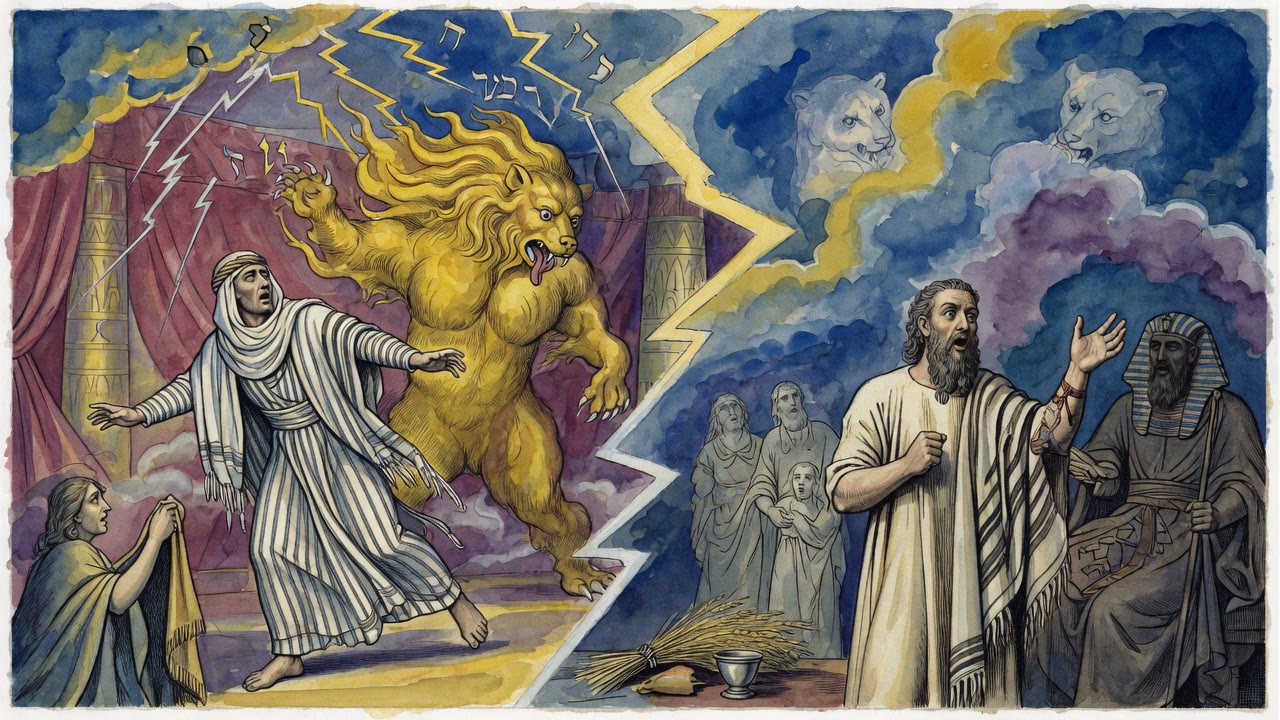
A man keeps a she-bear in his yard. The bear starts killing his children. He does not sell it and he does not weep over it. He says, "Break its teeth."
God did that to Potiphar. He bought Joseph for his bed and woke up a eunuch. The officer of Pharaoh had paid for a body and lost the use of his own, and the boy he wanted went on moving through the rooms of the house untouched.
The house did not suffer for the purchase. Slaves ruin the households they enter. This one did the reverse, and the Lord blessed the house of the Egyptian for Joseph's sake (Genesis 39:5). Slaves are watched for theft, and this one would one day gather every coin of silver in Egypt and carry it into Pharaoh's treasury without palming a shekel. Slaves are watched around the women of the house. She spoke to him day after day and he would not listen.
Potiphar handed him everything and stopped counting it.
What She Said in the Dark
His wife had stopped counting too. What she wanted out of her husband was not a verdict. It was a picture planted in his head where he could not get at it.
She said it in bed. She lay with Potiphar, and while he held her she said, "This is what your slave does to me."
Not once. Whenever she needed him angry.
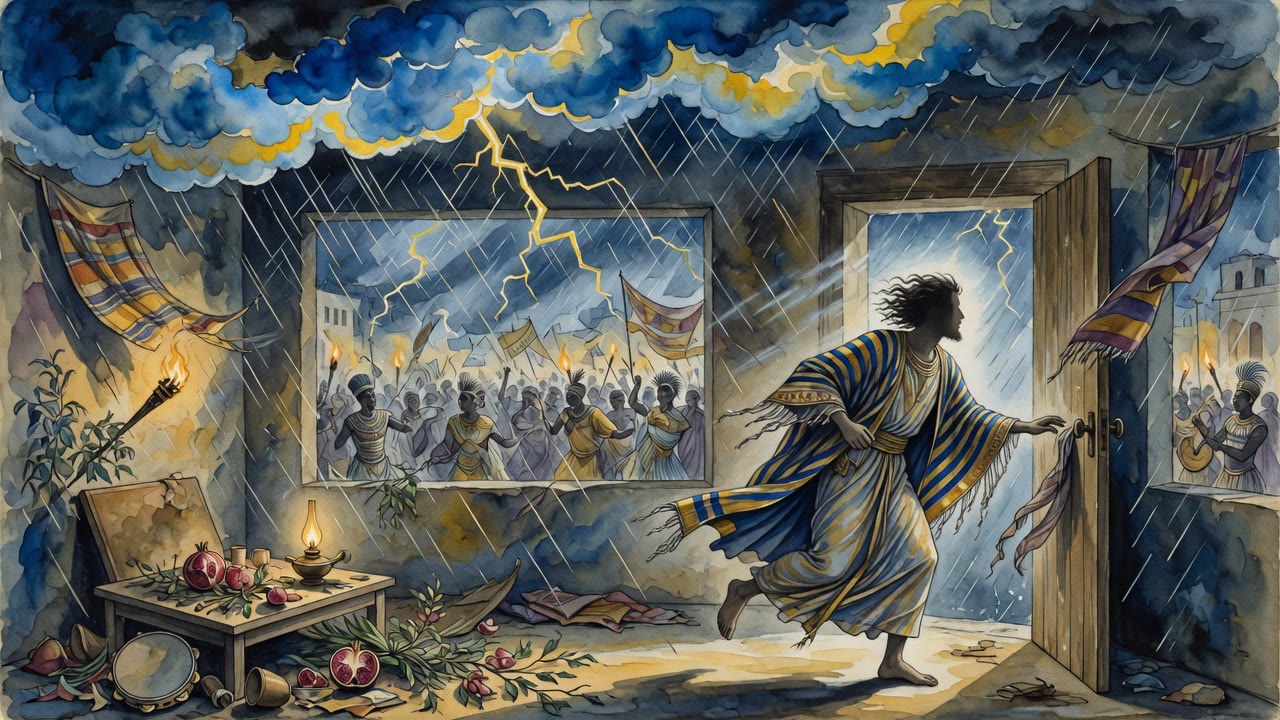
Then came the torn garment left in her hand, the household called in, and the public version of the same sentence. "Your slave did to me in this manner." His wrath was enflamed (Genesis 39:19). Any master's would be. No house holds a mistress who has been refused and the steward who did the refusing.
I Know That You Did Not Do This
If Potiphar had believed her, Joseph would have been dead before dark. An officer of Pharaoh needed no court to kill a Hebrew slave who had put a hand on his wife. What he had instead were years of accounts that always balanced, servants who had watched the woman work, and his own hands, which had signed the household over to a man who kept handing it back.
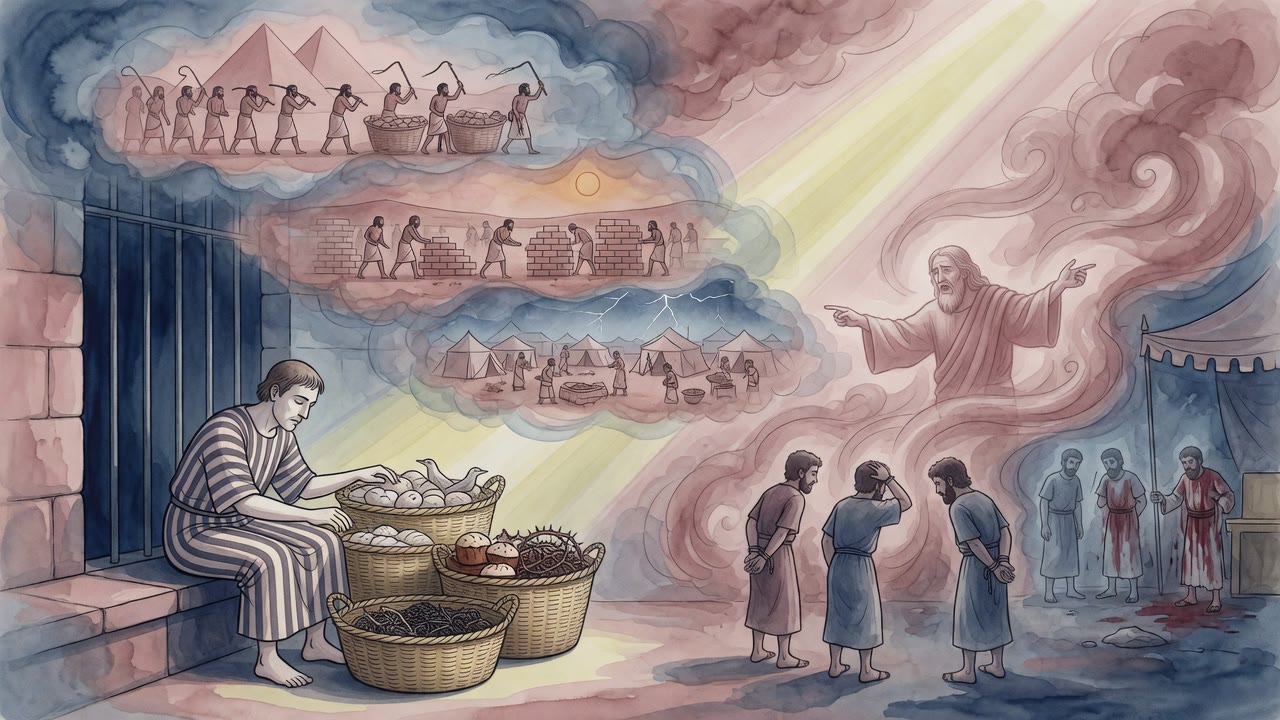
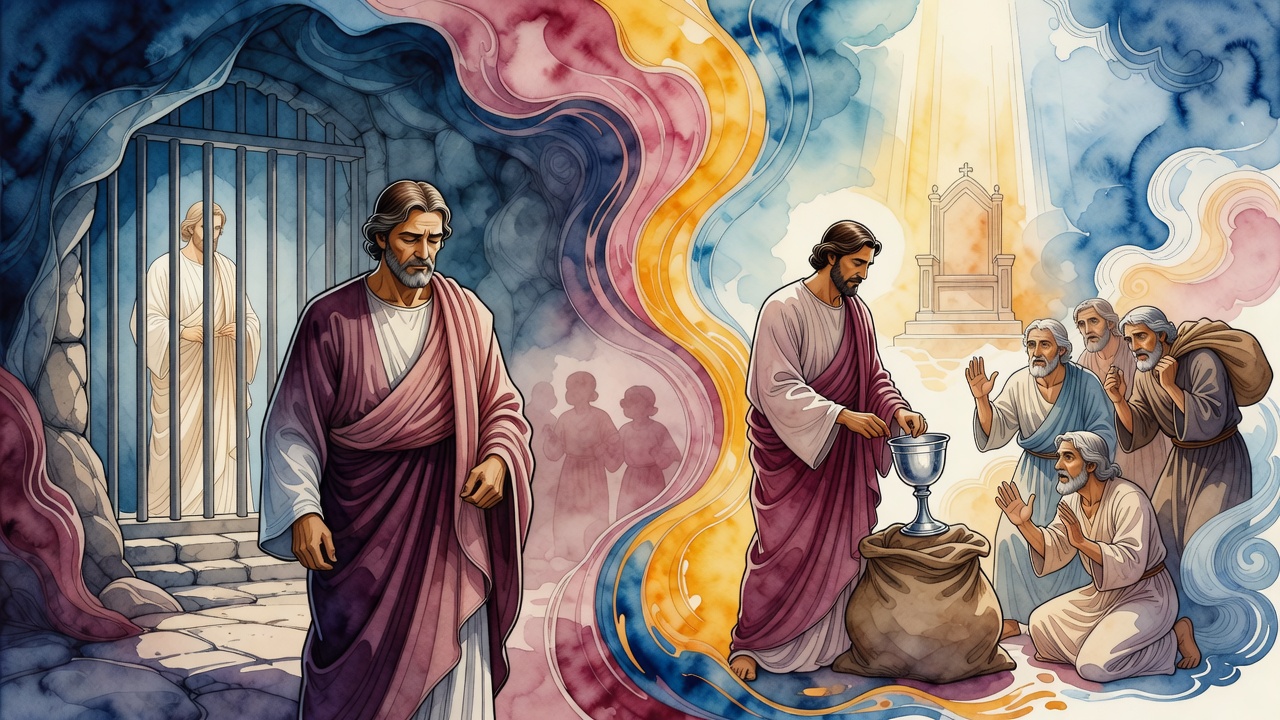
He walked Joseph to the prison where the king's prisoners were kept (Genesis 39:20), and on the way he told him the truth.
"I know that you did not do this."
Then he turned the key.
Free the slave and every street in Egypt reads the verdict backwards. The master knows his wife lied. The master knows what his wife is. That word travels to the market by evening and into his daughters' marriages the season after, and it does not die when he does. So the man who believed Joseph chose the cell, to hide his wife's shame from the street and keep the word off his children. The price of that choice was another man's youth.
The Silver Came Back Around
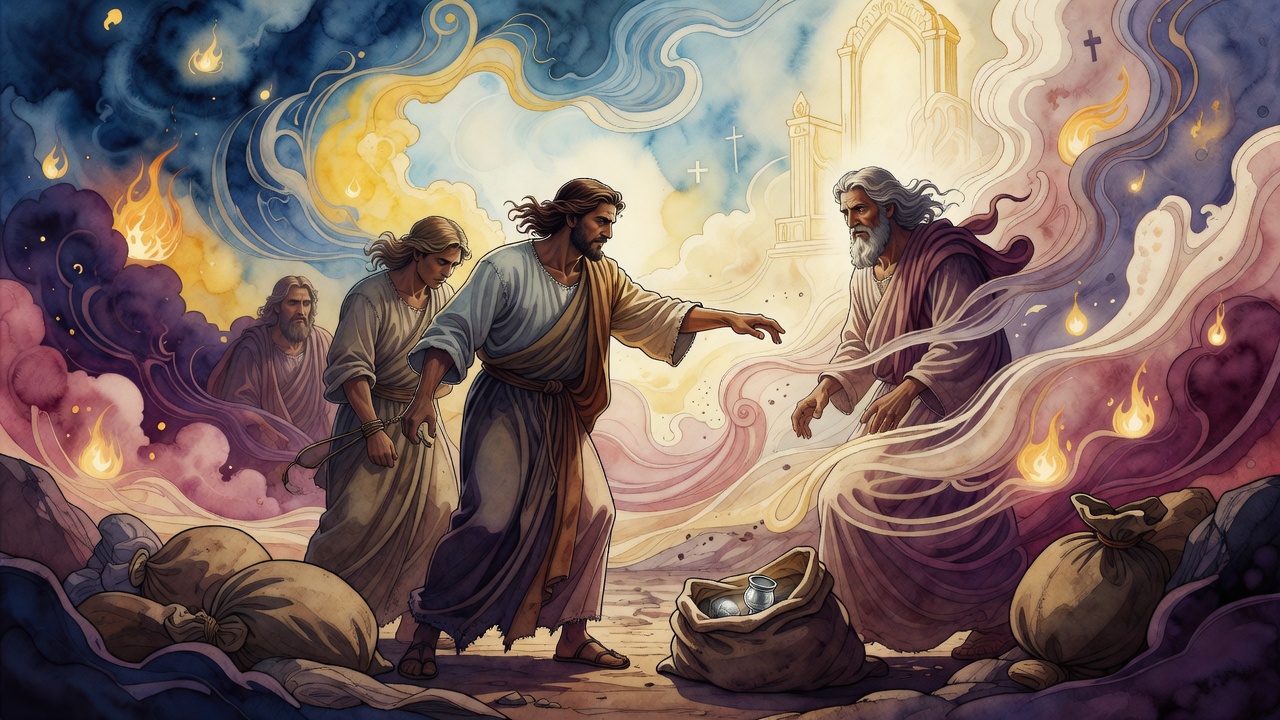
Joseph came out of that cell into Pharaoh's court, and years later he gave a steward an order before dawn. Fill their sacks with as much grain as the men can carry. Put every man's silver back at the mouth of his sack. Put my silver goblet in the sack of the youngest (Genesis 44:1-2). Morning broke, the brothers rode out with their donkeys, and a planted theft rode out behind them.
He had lived inside a staged crime in Potiphar's house. His master had used one to bury something true. Joseph used one to drag something up: whether the men who had sold a brother for silver would ride home and leave the youngest to the guards.
The news went through Pharaoh's house that Joseph's brothers had come, and it was good in Pharaoh's eyes and in the eyes of his servants (Genesis 45:16). A whole court glad about the arrival of a family of shepherds.
As for the officer who bought him at the roadside, Joseph married his daughter. Their own daughter married Elazar son of Aaron, and at that table she ate the priest's portion. A master feeds his slave. This master's line ate from his slave's hand.
← All myths