Joseph Wept at Rachel's Tomb and Gad Longed to Kill Him
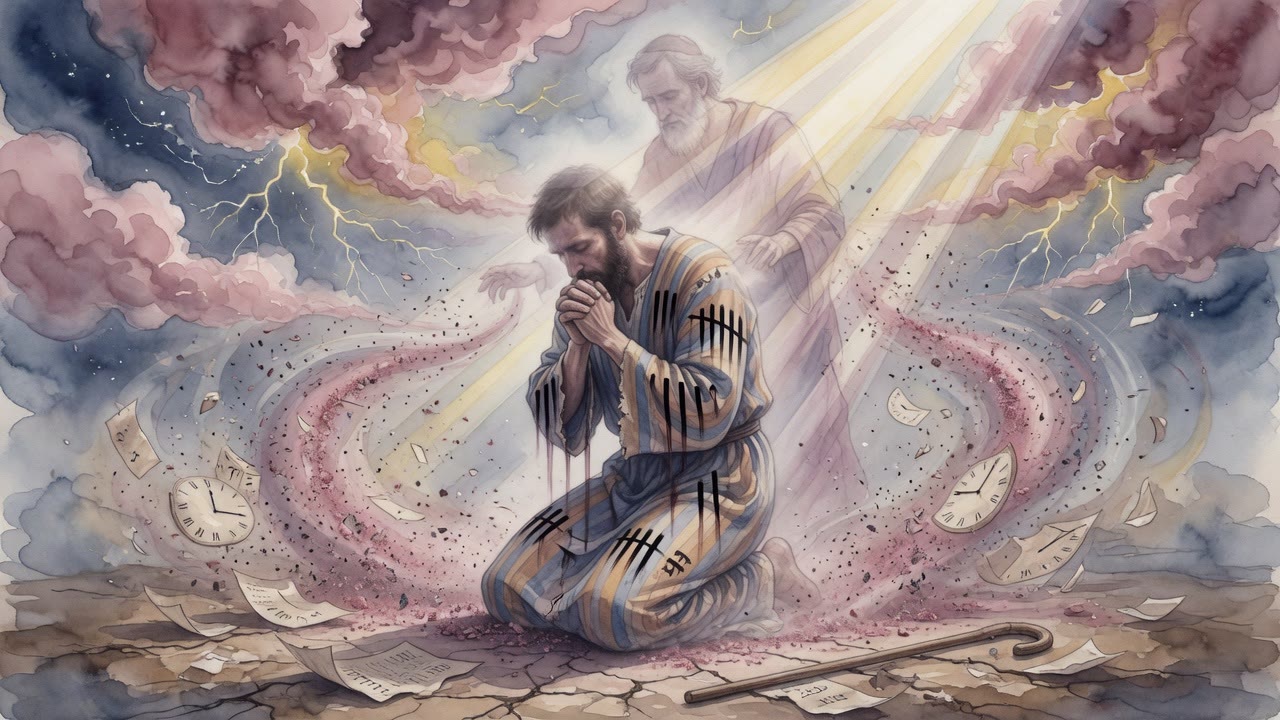
The ropes bit his wrists and the packs smelled of perfume. He threw himself on Rachel's grave. Gad later told his sons he had wanted the boy dead.
Table of Contents
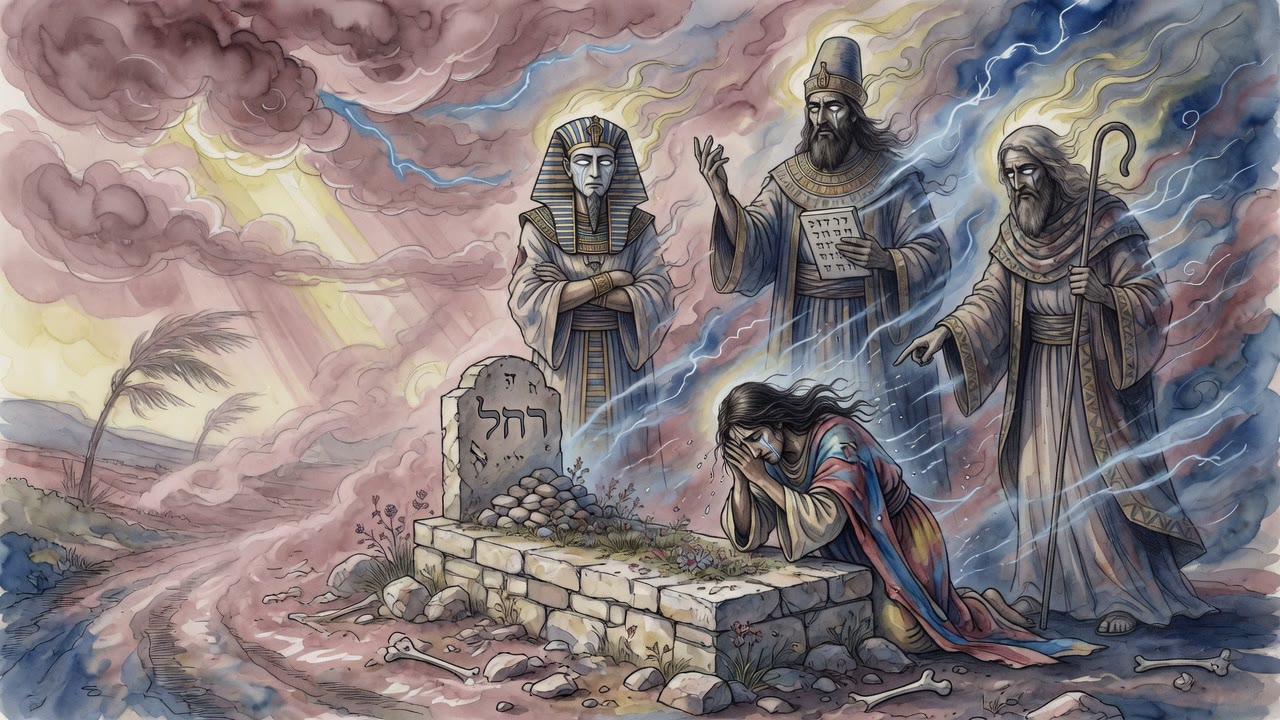
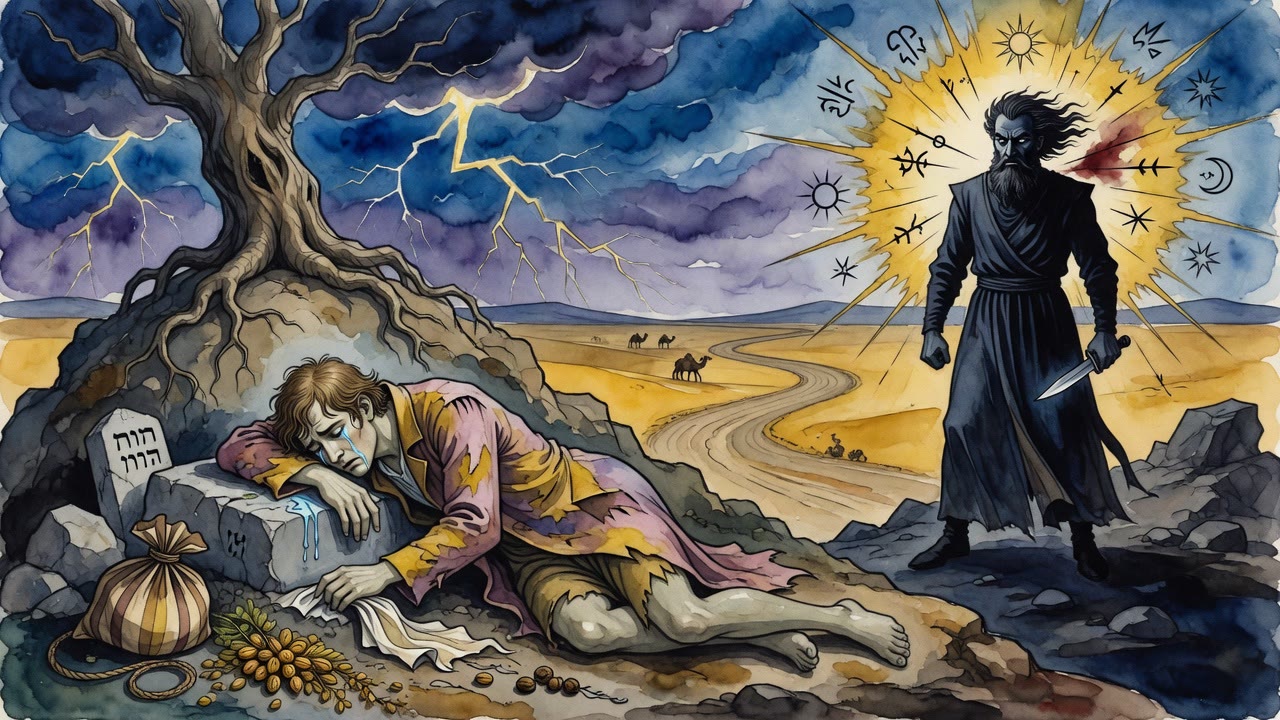
Joseph's cheek hit the dirt of his mother's place. The ropes still held his wrists. Camels stamped behind him, and the air over the packs was sweet, which made no sense on a slave road.
 Click for full size
"Arise, O mother," he cried. "Awake from thy sleep. See how my father is with me in his soul and in his spirit, and comfort him and ease his heavy heart."
The stone did not warm. Rachel did not sit up. He wanted her to plead his case before God. He wanted someone dead and beloved to witness what the living brothers had done. The men of the caravan put their hands under his arms and hauled him back into line.
Perfume Where Pitch Should Have Been
Hours earlier the road had been only dust and the bite of rope. Ishmaelite caravans usually stank of pitch and hides. This one did not. Providence had loaded the packs with fragrance so the sold son would not choke only on hate.
An Ishmaelite, thinking kindness, let him walk instead of ride. Joseph only sobbed harder, calling, "O father, father!" Another trader lost patience and struck him. The rest joined. Fists and sticks tried to beat Jacob's name out of the boy.
God saw the blows. The traders' hands locked rigid when they raised them again. Darkness and terror dropped over the camels. They staggered and did not know why their own fingers would not close.
The road kept moving toward Egypt. Joseph left a wet mark on Rachel's stone and walked south with a body that still answered to rope.
Gad Would Not Look at Him
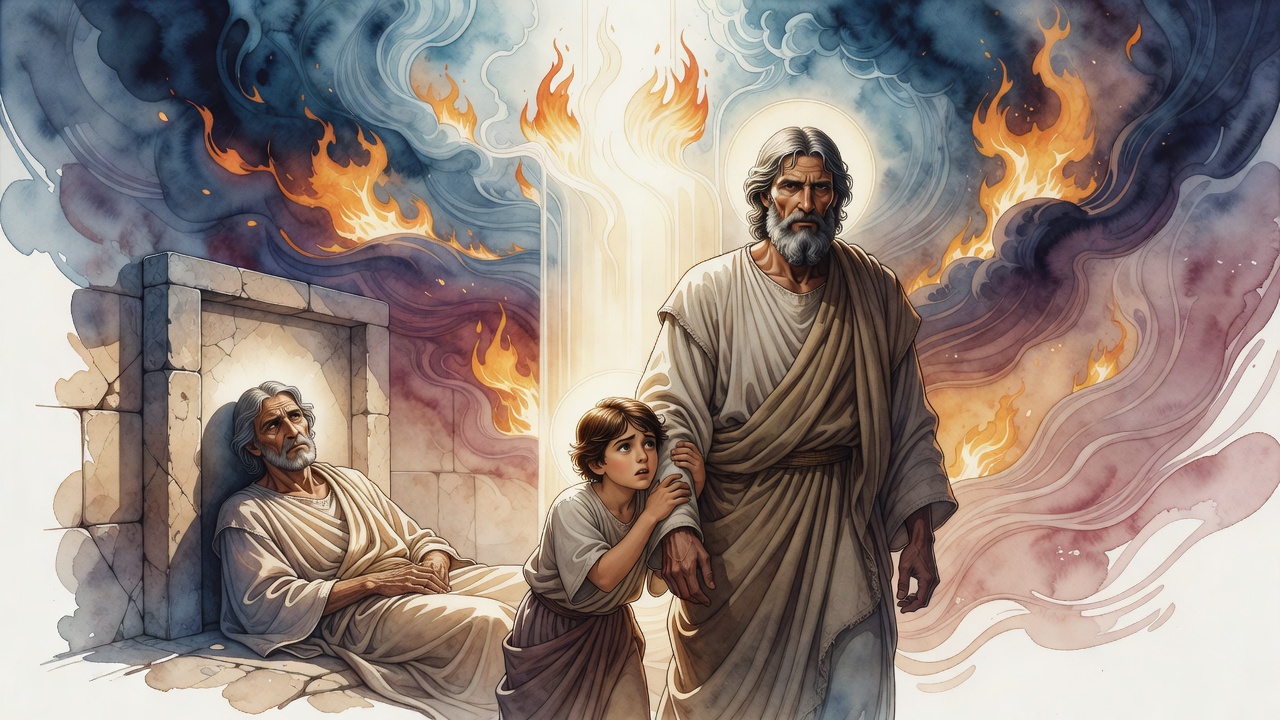
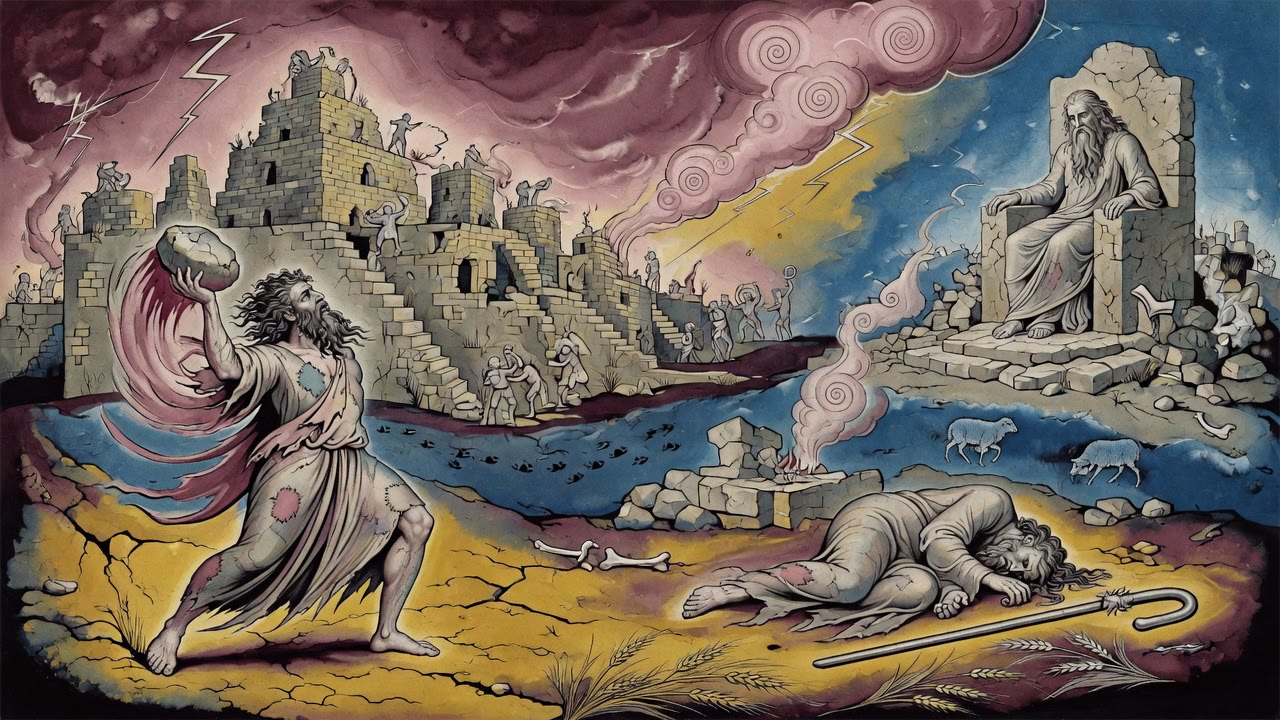
In the tents behind that road, Gad had already stopped using his brother's name. He was a shepherd who could pull a lamb from a bear and kill the beast. When the lamb was too torn to live, he ended its pain with a clean stroke. He saw himself as useful. Not a villain of the camp.
Joseph had tended flocks with them and then gone to Jacob. He said the sons of Zilpah and Bilhah, Gad among them, were slaughtering the best animals without asking Reuben and Judah. He told how Gad had rescued a lamb, killed the bear, and then slaughtered the injured lamb.
To Gad the report landed as talebearing that shrank his honor in their father's eyes. Hate took root while the boy still slept in the same camp. He would not look at Joseph. He would not hear his name.
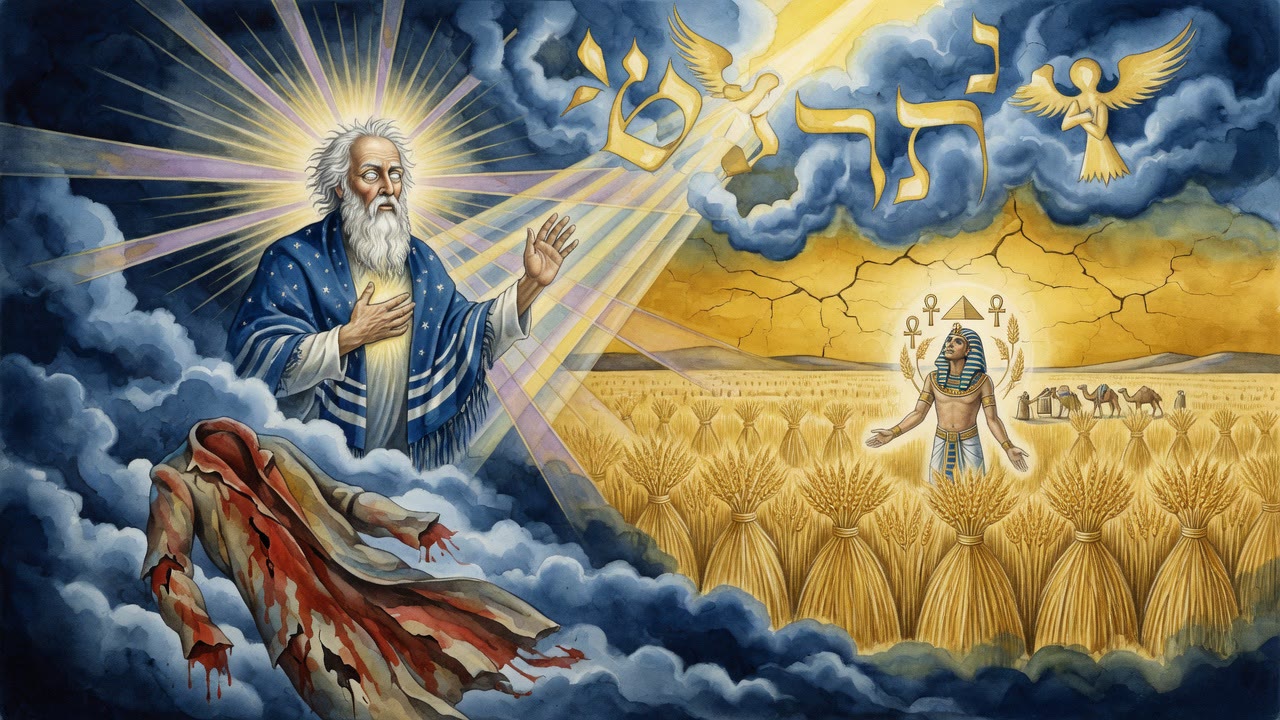
The dreams made the silence worse. Sheaves bowing. Stars bowing. Gad's hands, which knew how to finish a torn lamb, itched for a different finishing.
The Sale Was Not His Knife
When the brothers sold Joseph, Gad's longing found a shape that was not quite his own blade and not quite mercy. The boy went down to Egypt. Gad stopped looking. He stopped listening.
The hatred sat beside him like a second shepherd. It fed on small wounds. It twisted what Joseph had actually said. It bred a heat that could have become open war in Jacob's house.
Joseph, under masters in a foreign land, walked through pits and prisons. Gad grew old with the words still in his chest. The sale had frozen the hate instead of ending it. The face was gone from the camp, and so the chance to unmake the wish was gone with it.
At a Hundred Twenty-Five He Told the Truth
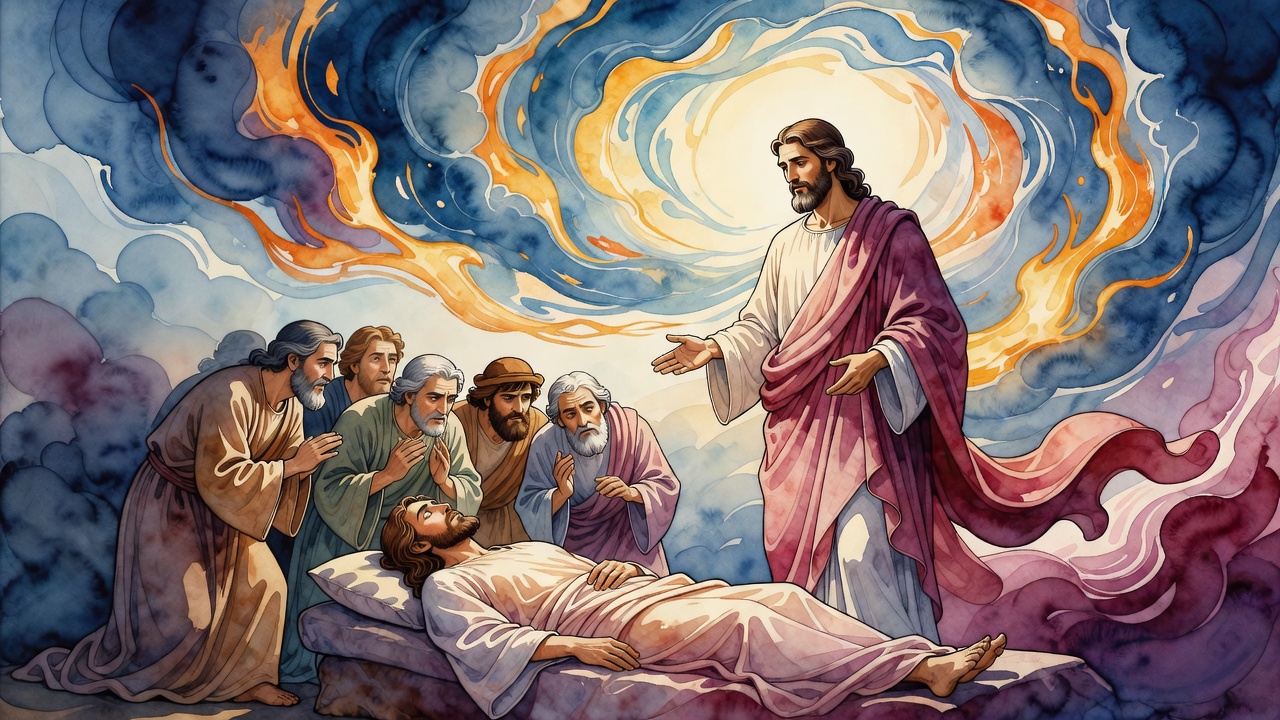
Gad lived to one hundred twenty-five years. Before he died he gathered his sons and did not polish the story. He named the shepherd's pride. He named the report that burned him. He named the years he refused Joseph's face.
"I was wroth with Joseph for his talebearing, until he was sold into Egypt," he said. "I would neither look upon him nor hear aught about him."
Then he went further. "Now I confess my sin, that ofttimes I longed to kill him, for I hated him from the bottom of my heart, and on account of his dreams I hated him still more, and I desired to destroy him from off the land of the living."
He did not call the sale justice. Joseph had already ruled, wept, and fed those same brothers in famine. The confession could not un-rope the wrists or un-strike the blows. It could only put the truth into the next generation's ears.
The perfume on the caravan never reached Gad's tent. The wet mark on Rachel's stone had dried years before he opened his mouth.
← All myths