Judah Named Himself Guilty and Heaven Answered
Tamar stood ready for the fire with Judah's staff on the table. He had a speech that could save his name. He did not give it.
Table of Contents
 Click for full size
Three Tokens on the Table
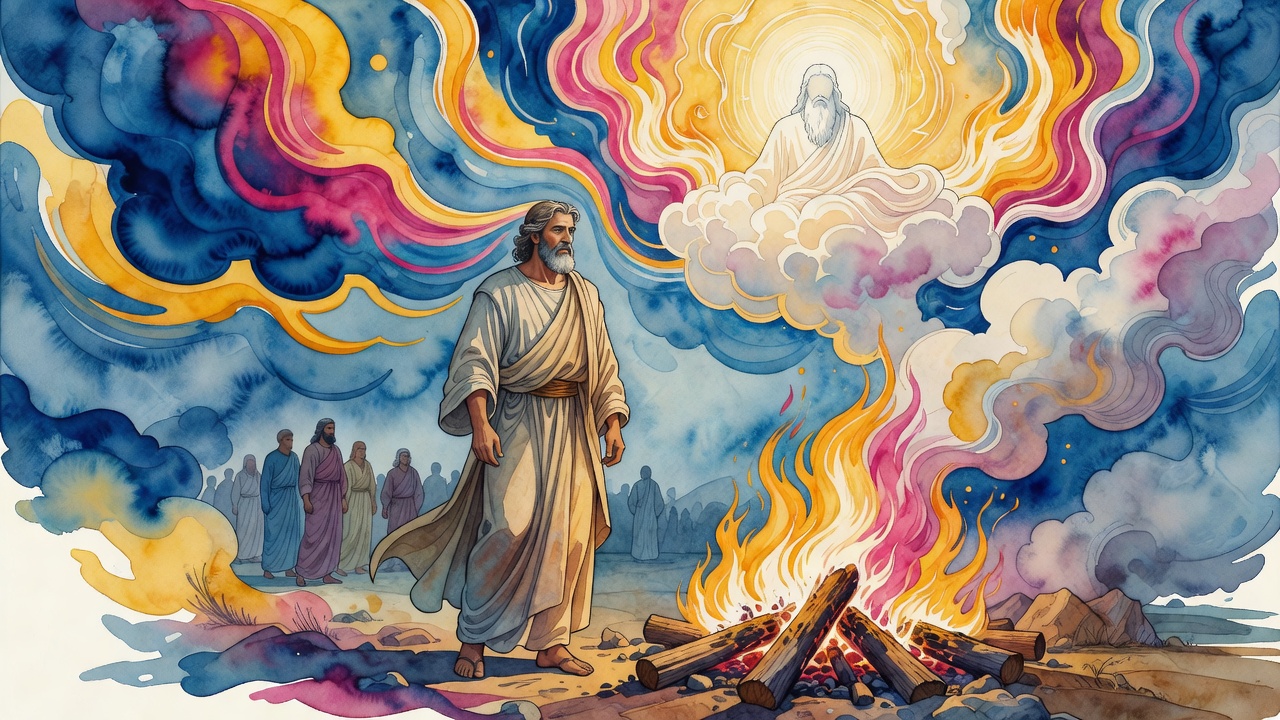
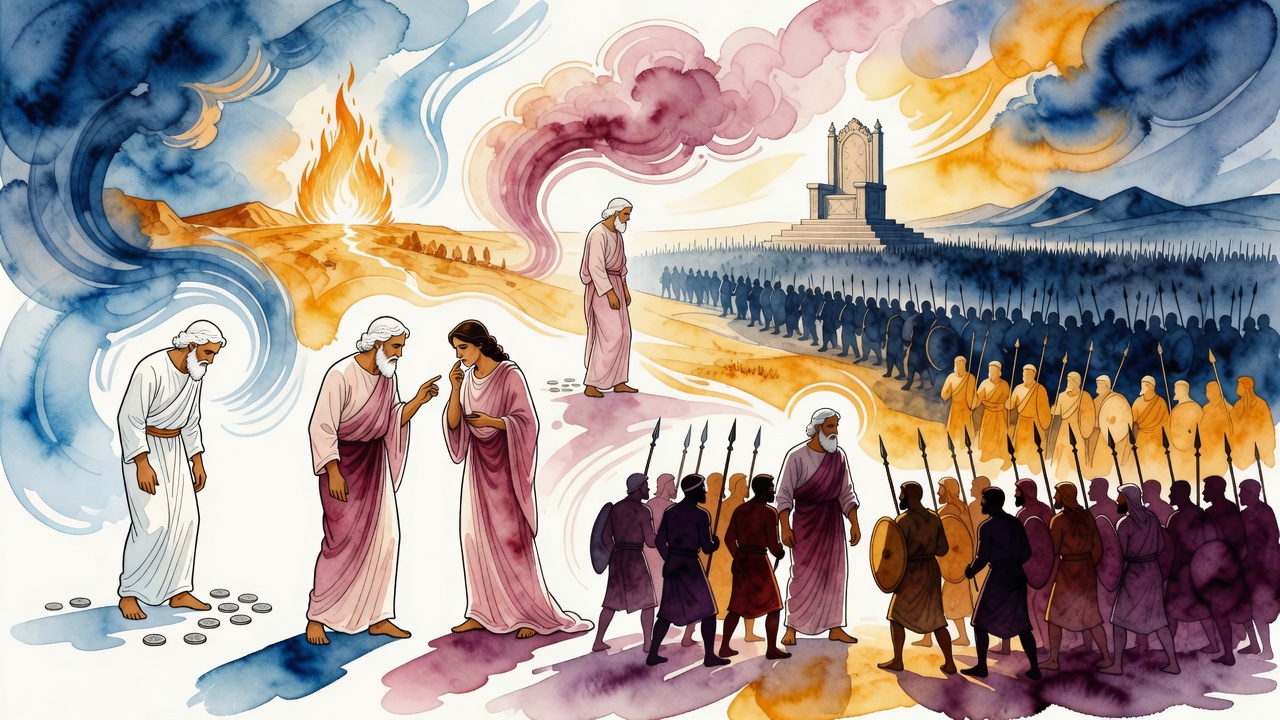
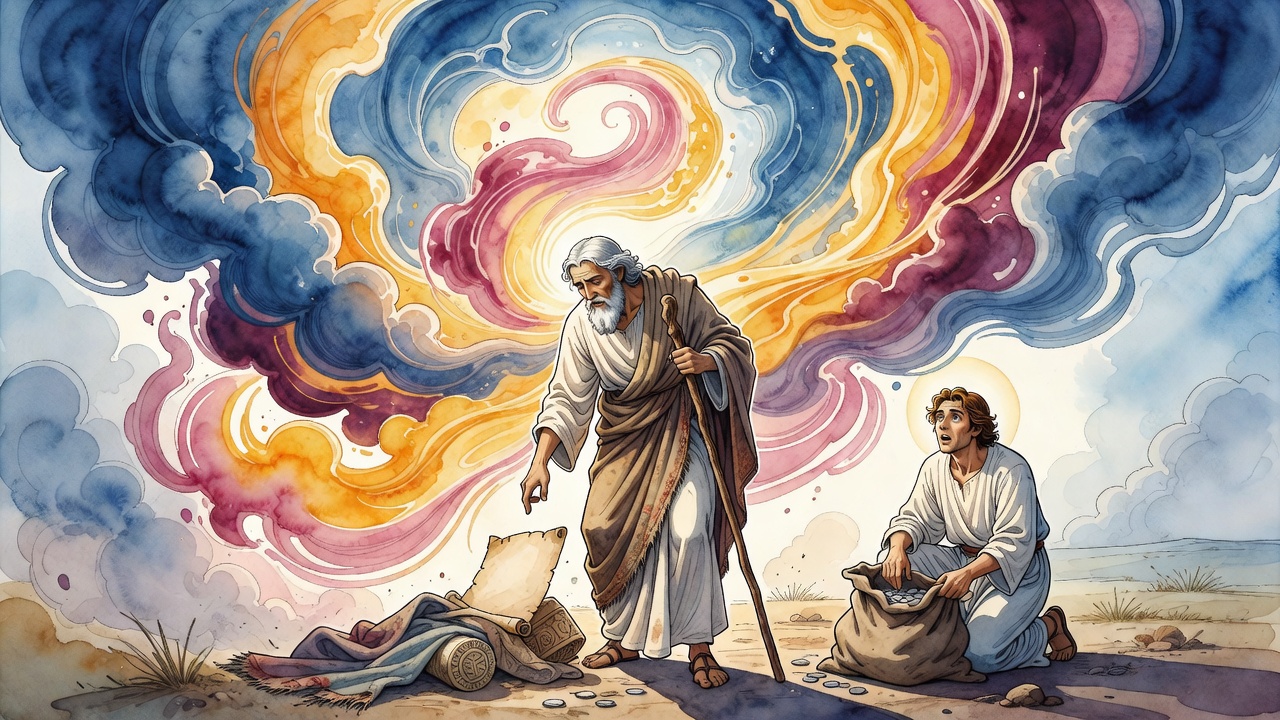
Judah stood in the place of judgment with his own seal, mantle, and staff laid out before him. The crowd had come for a burning. Tamar stood ready for the fire, chin up, the three pledges already in the court's hands. Judah had a speech that could save his name. He did not give it.
He looked at the cord, the cloth, the stick. They were his. Everyone in the yard could see it. Fear had written the last months in careful delays. He had withheld Shelah, his youngest, after two sons died, and left a widow waiting in her father's house with no future. Now the future sat in her body, and the tokens on the table would either burn her or break him.
The crowd waited for a defense. Judah opened his mouth and gave them the sentence that could destroy him.
She Is More Righteous
"She is more righteous than I," he said. "She is with child by me" (Genesis 38:26). Three Hebrew words, tzadkah mimenni (צדקה ממני), turned a public execution into a public confession. Tamar had risked everything to force the house of Judah to keep a promise it had shelved. He named that out loud.
"Because I gave her not to Shelah my son, this has happened to me." He did not stop at the pregnancy. He named the delay. He named the fear. He acknowledged the seal, the mantle, and the staff as his, even though the admission could strip him of standing.
Judah's name carries praise and acknowledgment. Here the name became a deed. He acknowledged Tamar before the people who had come to watch her die. Leadership in that family began with a man who refused to let a widow burn for his silence.
The Voice That Fell After
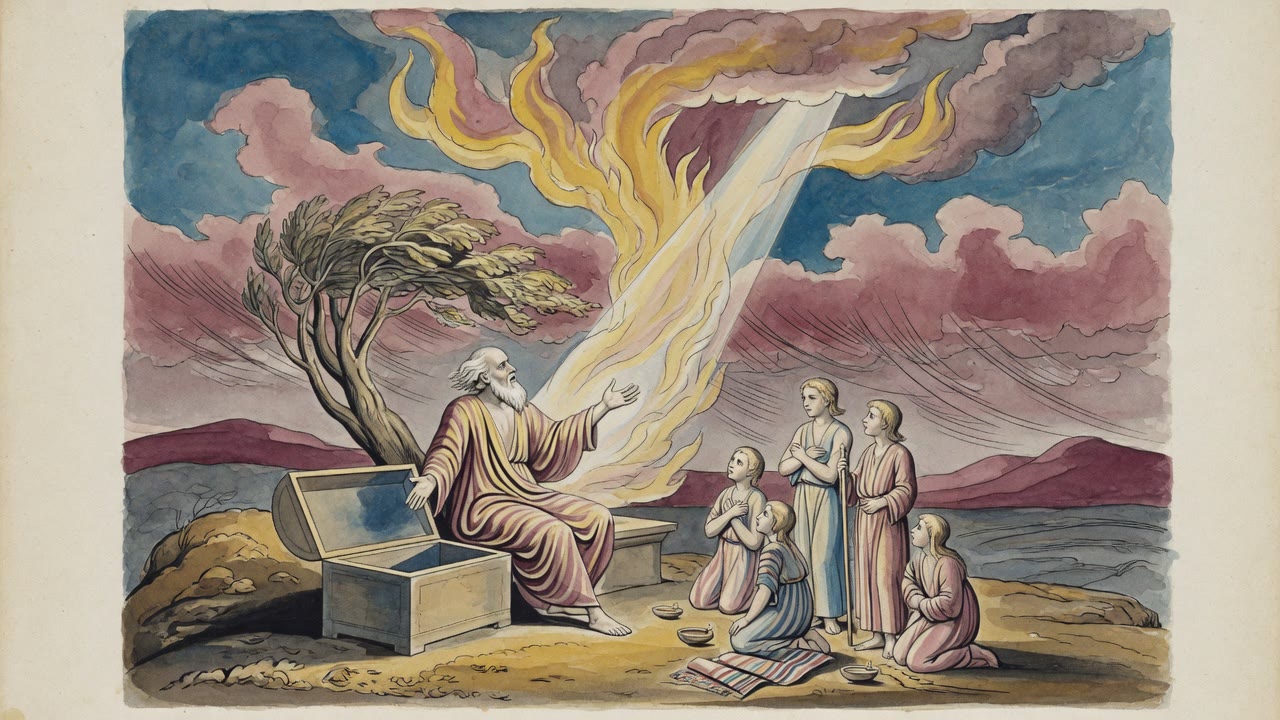
Then a bat kol (בת קול), a daughter of a voice, fell from heaven. "From before Me was this thing done, and let both be delivered from judgment."
Heaven did not clear Judah before he spoke. The voice fell only after the confession left his mouth. "From before Me was this thing done" did not erase his failure. It placed the road meeting, the pledges, and the pregnancy inside a larger design that would feed the line of David. The design still required a mouth willing to say she is innocent and I am not.
Without that mouth, the tokens on the table would have burned a woman and buried a future. Providence ran through a man's willingness to tell the truth in public, not through a miracle that spared him the cost of honesty. He added not to know her again. The confession closed one door as it opened another.
Levi Opens a Sack Alone
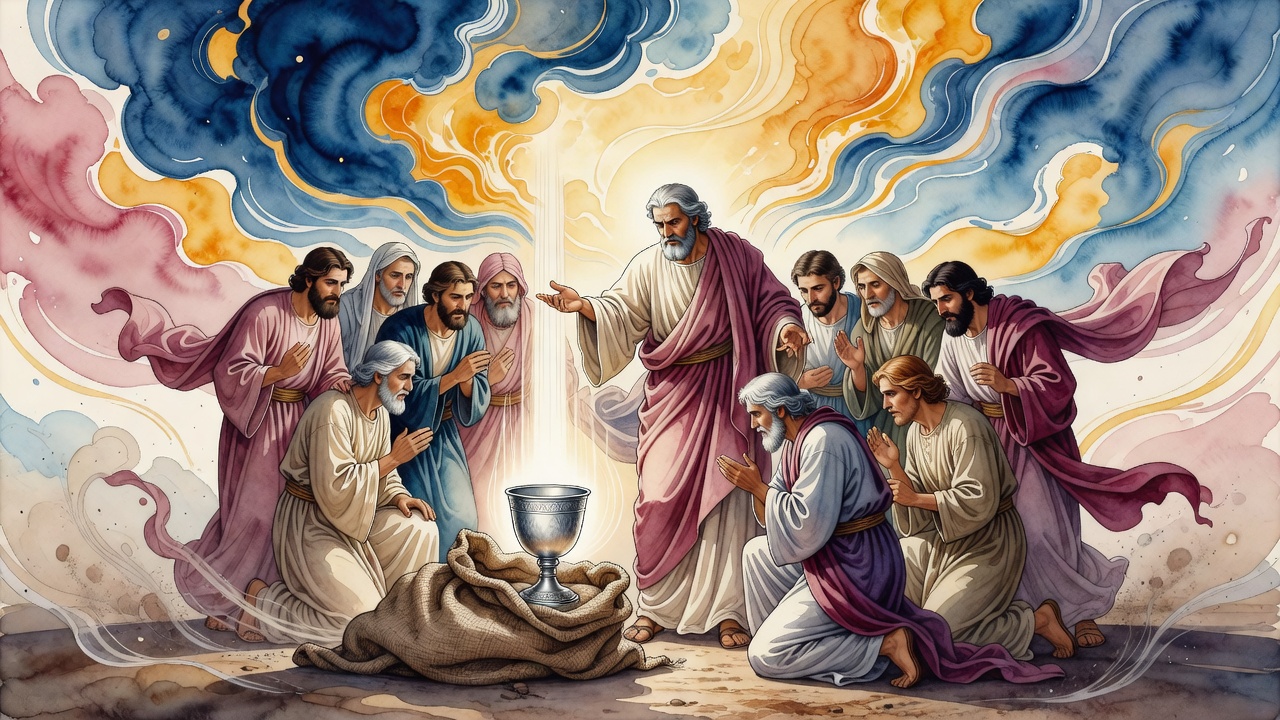
Years later the brothers went down to Egypt for grain and left one of their number behind. On the road home, at the lodging place, "one of them" opened his sack to feed a donkey and found his silver returned in the mouth of the bag (Genesis 42:27). The Aramaic names him Levi, "who had been left without Simeon his companion."
Simeon and Levi had been a pair, the brothers who once took Shechem together with a violence the family never fully digested (Genesis 34:25). They rode side by side. They ate together. They slept near each other on the long roads. With Simeon chained in an Egyptian prison on the word of a ruler they did not understand, Levi traveled without his shadow.
He untied the pannier. He reached in to feed the animal. Silver glittered under the donkey's nose, payment he thought he had left in Egypt, a coin that would not stay spent. The shock was not only money. The pair was broken. The house of Jacob was being sorted by a brother they did not yet recognize as the man they had sold. Guilt that began with a coat in a pit now sat in a sack like a ghost that had followed them north.
The Speech Still Ahead
Judah's scene was a mouth finally opening. Levi's scene was a bag finally opening. Both revealed what the brothers would rather keep sealed. One reveal saved a woman and a future kingship. The other frayed their nerves on the long road and prepared the later hour when Judah would stand again between a ruler and a threatened youngest son.
The man who once managed the sale of a brother would learn to stake himself for a brother. The confession before Tamar was practice for the speech before Joseph. Heaven's voice is rare. Judah did not wait for it before he spoke. That is why it could fall without turning honesty into a bargain.
When the brothers later stood before the Egyptian ruler and Benjamin's cup was found, Judah spoke again, longer and harder. A man who has already said "she is more righteous than I" can learn to say "take me instead." Seal, mantle, staff. Silver in a sack. Objects kept forcing the family toward truth until someone was willing to say the sentence that costs.
Judah walked away from Tamar's courtyard with his name heavier and cleaner. Levi rode north with silver he did not want and a missing brother riding in the empty space beside him. Hidden things were going to surface. Silence had already shown itself as a kind of theft.
← All myths