Judah Offers All Eleven Brothers for the Cup in Benjamin's Sack
Grain spilled. The vizier's cup rang on a stone at Benjamin's feet. Judah had sold a brother once. He would not walk home in peace again.
Table of Contents
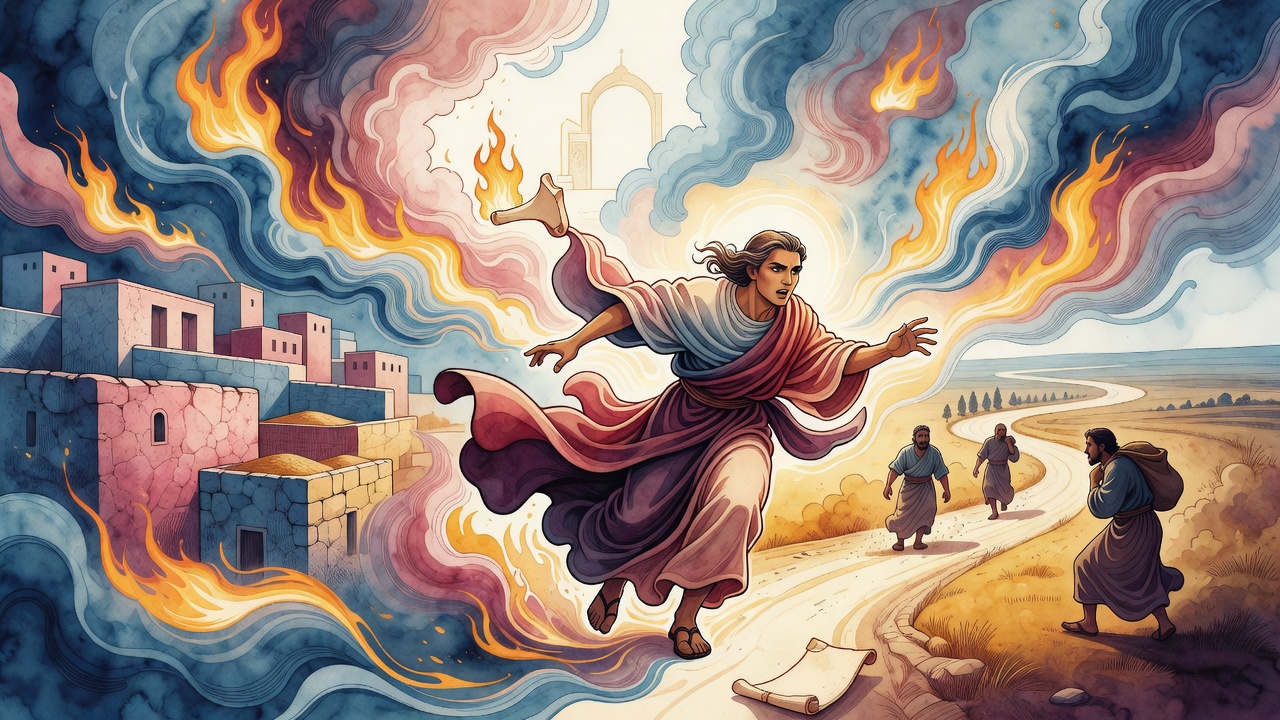
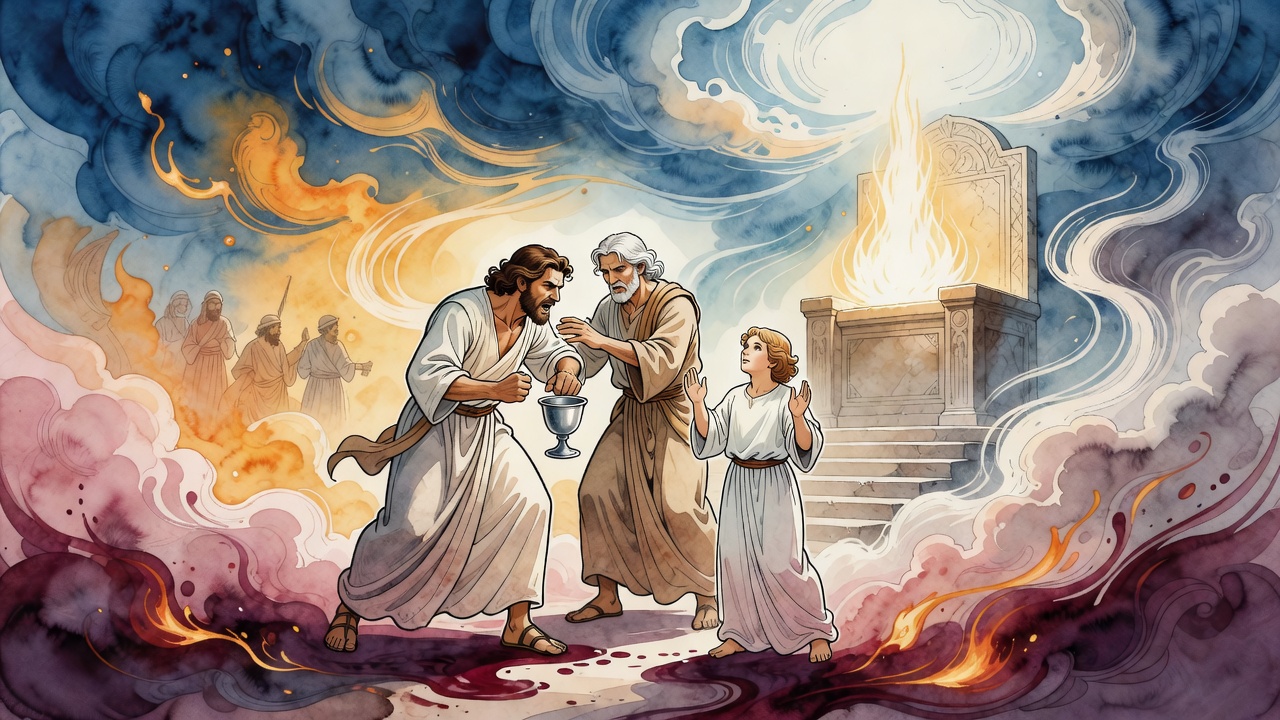
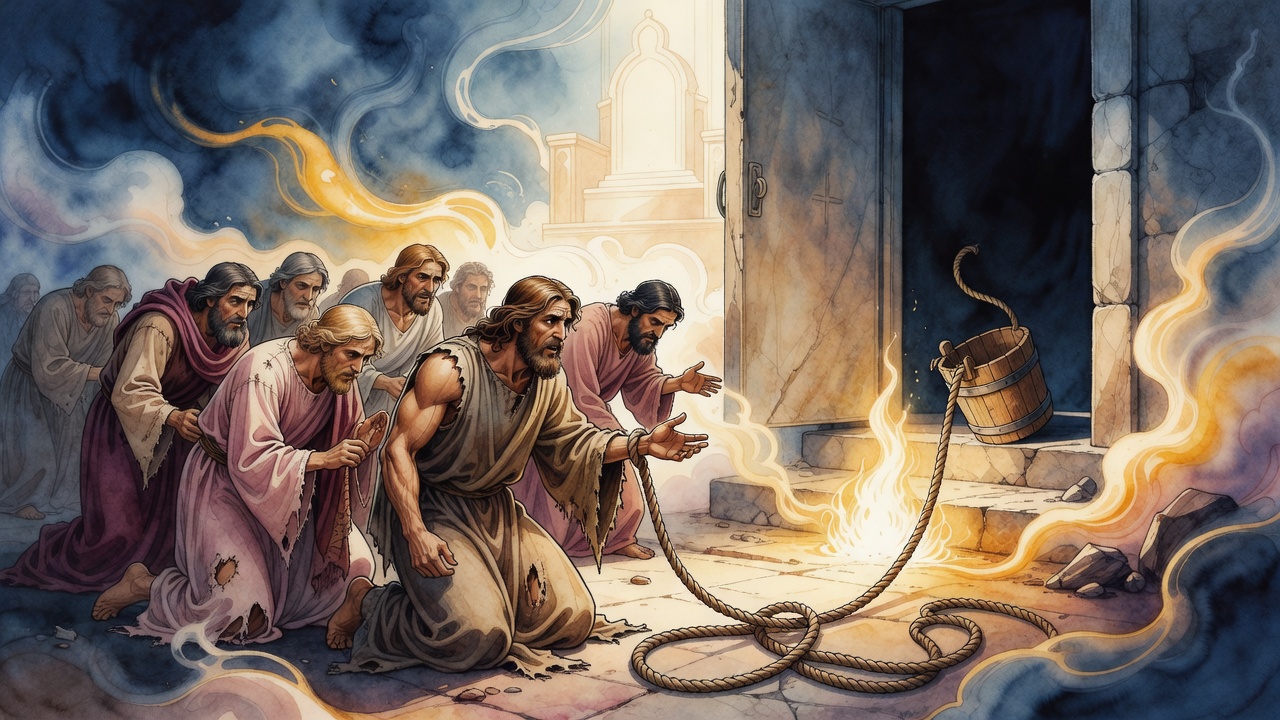
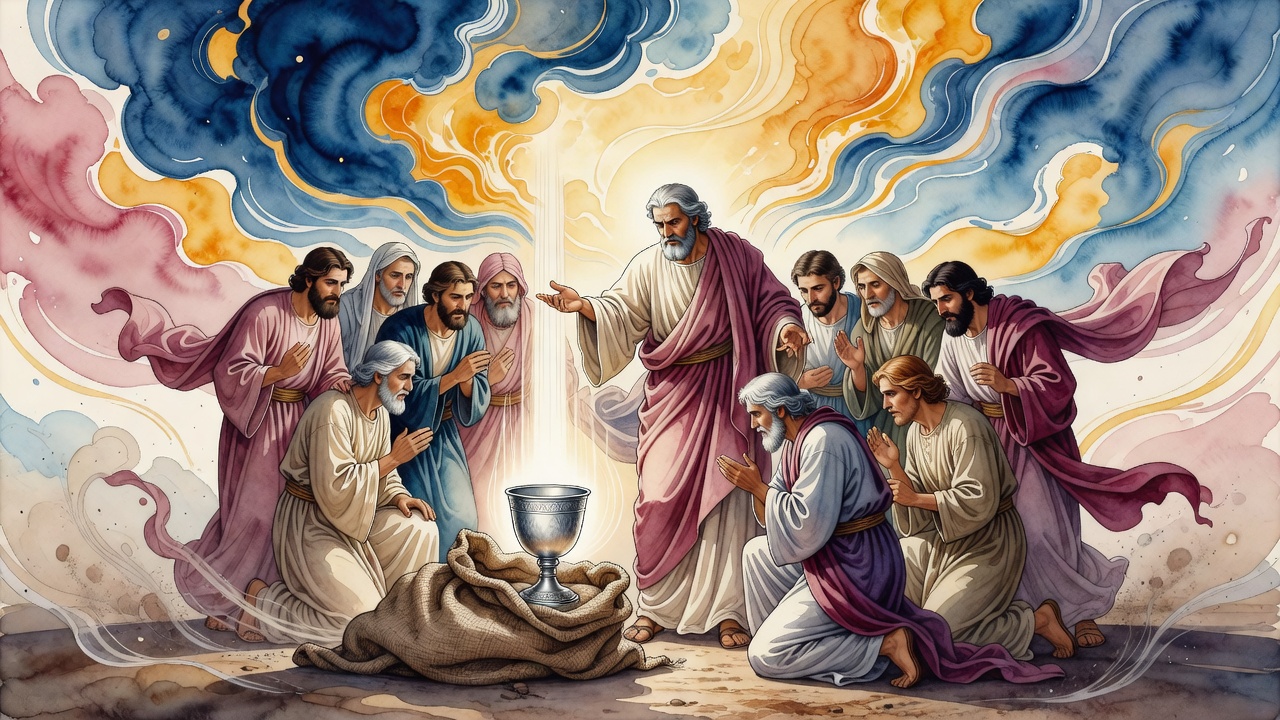
The steward cut the cords on the youngest brother's sack and turned it out onto the road. Grain went into the dust. Something heavy came with it and rang against a stone.
 Click for full size
The vizier's silver cup lay at Benjamin's feet.
The Sack That Would Not Stay Closed
Egyptian soldiers closed the circle. Ten men tore their clothes where they stood. Judah did not look at the cup and did not look at Benjamin. He looked at the road behind them, the one running north out of Egypt toward Canaan and an old man in a tent counting sons.
The steward had named the terms on the way out of the city. The man in whose hand the cup was found would stay in Egypt as a slave. The rest could go home in peace.
Judah had heard that arrangement before. It had been his own suggestion, twenty-two years earlier, in a field outside Dothan, with a brother in a dry pit and a caravan coming up the road. One life sold, the rest of them fed. They had gone home to their father with a torn coat and a story, and the arrangement had held for twenty-two years.
Someone behind him made a small sound. Judah put a hand back without turning and found a shoulder shaking under it.
"Not one word," he said. "Not one word that divides us."
From Before the Lord
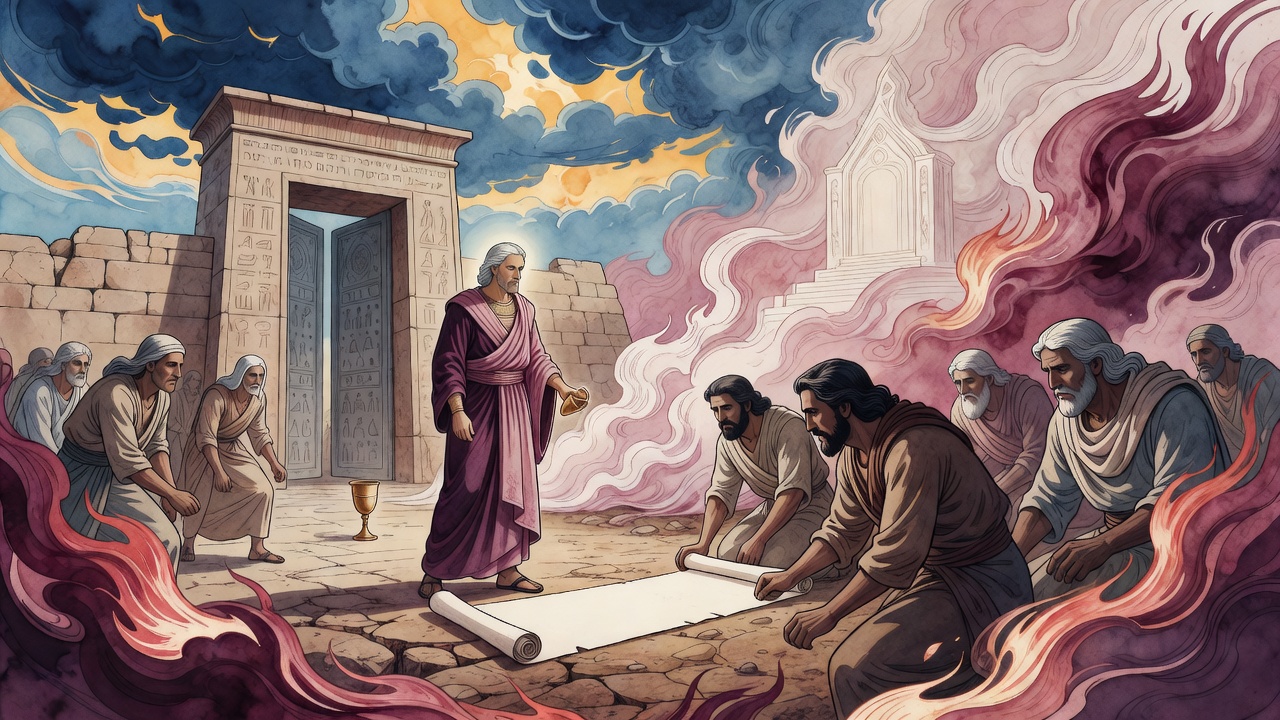
They were marched back into the house and went down on the floor in front of the vizier.
Judah got up off the floor to speak, and what came out of him was not a defense.
"What shall we say to my lord concerning the former money, and what concerning the latter money? And how shall we be acquitted concerning the cup?"
Every one of those questions had a clean answer. The first payment had turned up in their sacks on the road home and they had carried it back down to Egypt untouched. The second was in their hands. And nobody in that room had stolen a cup, and Judah knew it, and every brother behind him knew it.
He gave none of the answers.
"From before the Lord there is sin found upon your servants."
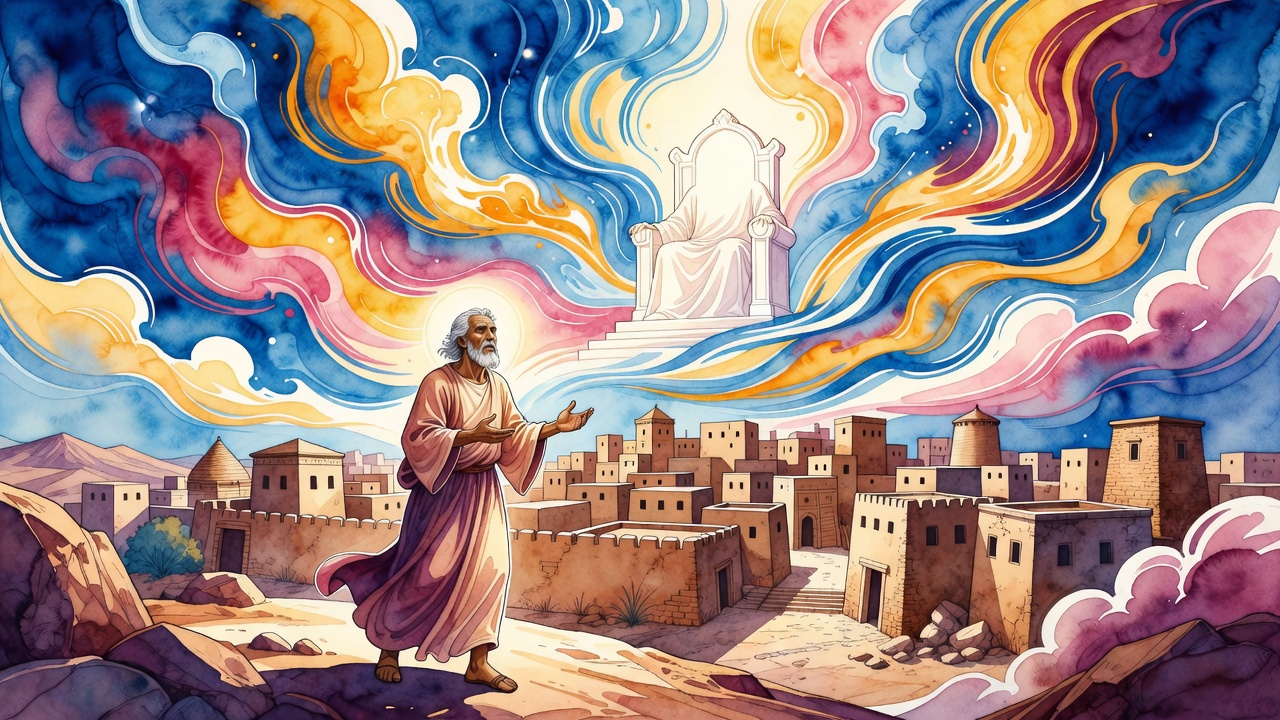
From before the Lord. Min kodam Adonai (מן קדם ה'). Not from before the vizier. Judah lifted the charge out of the Egyptian's hands and set it down in a different court, the one that had been keeping the account since Dothan. The cup was a lie. The verdict was not.
All of Us or None
"Behold, we are my lord's servants," Judah said. "We, and he in whose hand the chalice has been found."
All eleven. In one sentence he put every brother in the room into slavery, including the nine with nothing in their sacks who could have walked out the door.
The vizier refused it. Far be it from me, he said. The man in whose hand the cup was found shall be my servant. As for the rest of you, go up in peace to your father.
The same offer, and this time with a courtesy attached. Go up in peace to your father. The vizier did not appear to know what those words did to the men standing in front of him. They had gone up in peace to their father once already, with a coat in their hands.
Go Up in Peace to Your Father
Judah stepped forward until he was close enough to be struck.
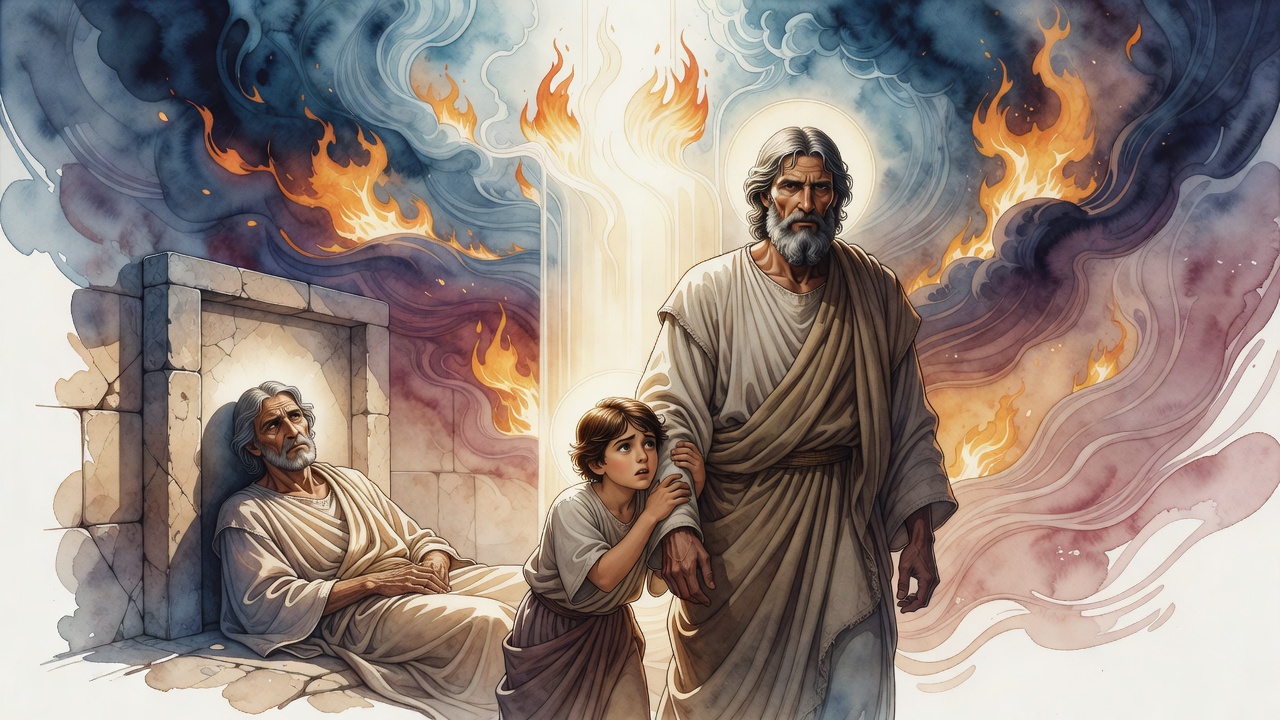
He talked about the old man. He said the boy's life was bound up in his father's life, and that if they came back to Canaan without him the old man would go down to the grave grieving and his sons would carry that. He said he had made himself surety for the boy with his own neck. He asked to stay in Egypt as a slave in the boy's place and let the boy go up with his brothers.
It was not an argument about a cup. It was a body put down between a child and a prison.
Twenty-two ordinary years stood behind that offer. Judah had gone home from Dothan and married and buried two sons and gone out to shear his sheep. Whatever he wanted to do he had done, and no bill had ever come. Then the rain failed in Canaan, and a famine pushed him down to Egypt for grain, and a cup he had never touched fell out of his brother's sack in front of foreigners with spears.
The Neck He Put Down
The vizier's face did not move. Judah did not know he was looking at the brother he had sold, or that the man behind that face had spent twenty-two years waiting to hear this exact sentence out of this exact mouth.
He had been the one who said sell him. He was the one now saying take me.
The five seconds in which that turn happened did not look like thunder. They looked like a man standing close enough to be hit, grain still in his brother's hair, asking to keep a promise he had made to an old man in a tent. Judah's mouth was dry. His neck was already in the sentence. He did not take the sentence back.
Benjamin stood between the soldiers with grain still in his hair and never had to say a word. The cup lay somewhere behind them on a table, still shining, already finished as evidence. The true court had moved, and Judah had walked into it on purpose.
← All myths