Judah Confessed His Guilt at Tamar's Pyre and Won His Tribe's Crown
Judah left his brothers after Joseph's sale. At Tamar's pyre he said she was more righteous. That confession bought the tribe its crown and lion name.
Table of Contents
 Click for full size
Descent From the Brothers
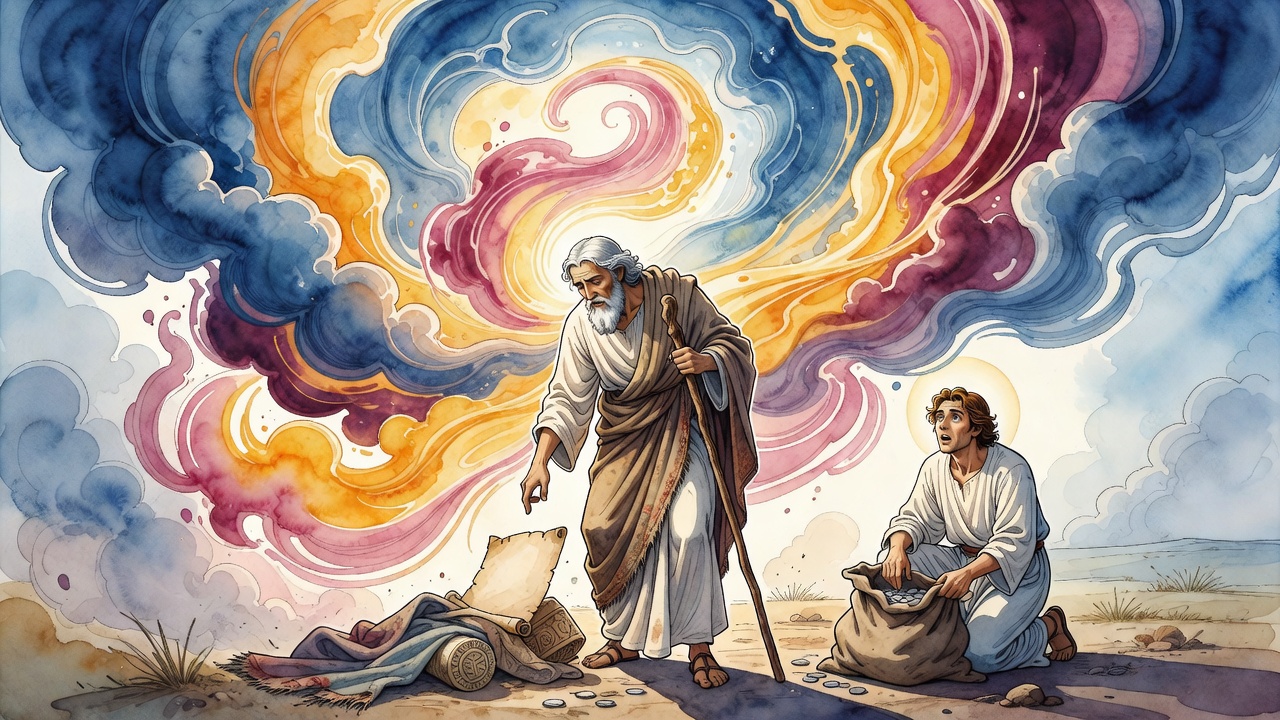
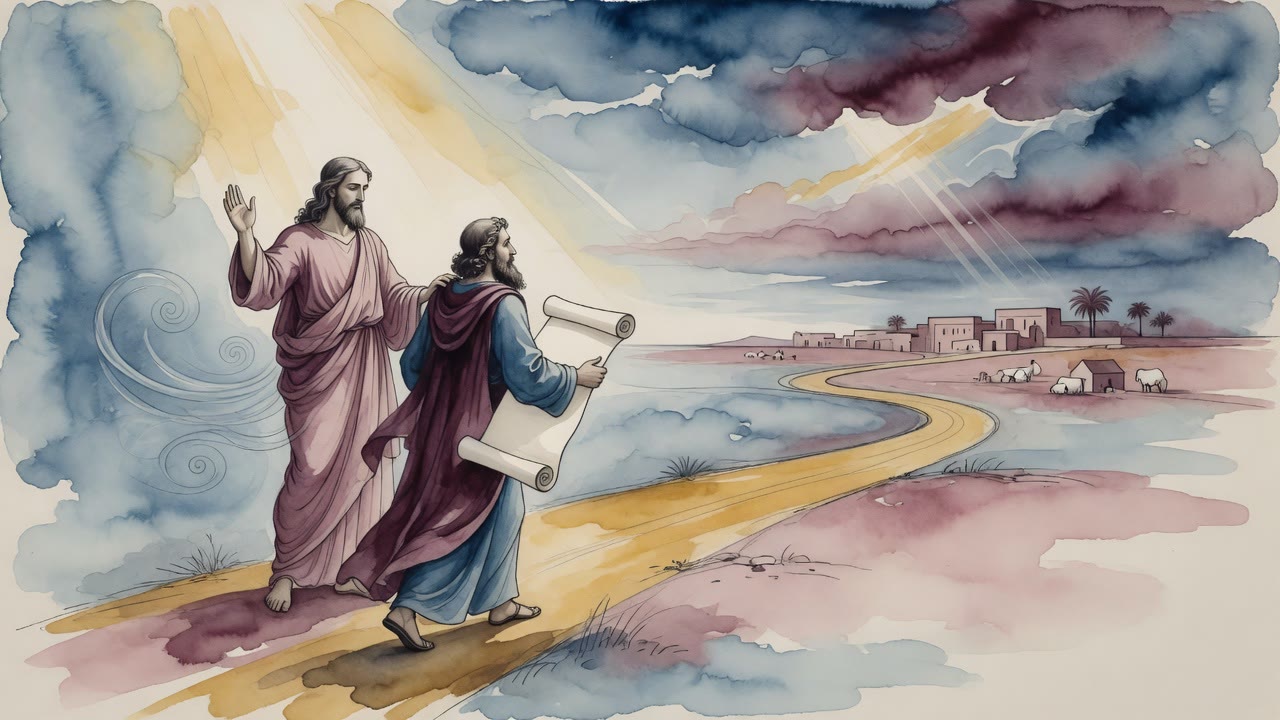
Judah went down from his brothers. The hill country of the family's sorrow could not hold him. After the sale of Joseph, after the bloody coat, after Jacob collapsed into a grief that would not lift, the brothers looked for someone to blame. You were our leader. You should have saved him. You gave us the plan. The twenty pieces of silver still lived in their purses like a fever.
So Judah separated himself. He left property and standing and walked down into Adullam, into friendship with a Canaanite named Hira, into a marriage that would give him three sons and two deaths and, at last, a woman named Tamar at a crossroads with a veil and a claim. Descent was geography, from high country to lower plains. Descent was also spirit, status, the quiet fall of a man who can no longer sit at the family fire. The road away from the brothers was the cost of what he had done at the pit, and that same road would become the path of return.
First Roar at Dothan
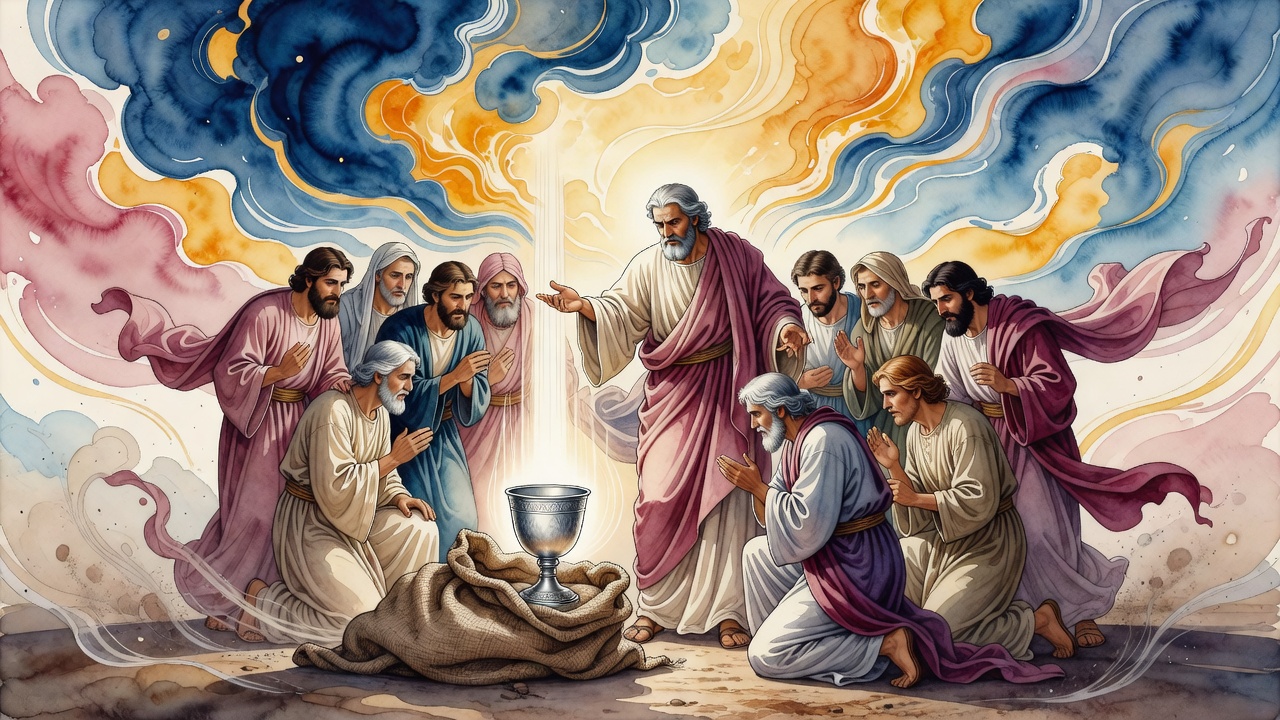
Years earlier, at Dothan, the brothers had wanted Joseph dead. The pit was open. The coat was already a problem they planned to solve with blood. Judah stood up in the circle of knives and found a sentence that was not pure mercy and not pure crime.
"What profit is it if we slay our brother and conceal his blood?"
He traded a murder for a sale. Ishmaelite traders, a price, a living body going south instead of a corpse going under sand. Joseph still went down to Egypt in chains. The rescue was not clean. A young lion had lifted his voice, and a brother lived. That incomplete mercy would haunt him all the way to Adullam, and it would also be counted when his father later named him among the tribes. Some rescues leave a scar that becomes a crown only after a second, harder roar.
She Is More Righteous Than I
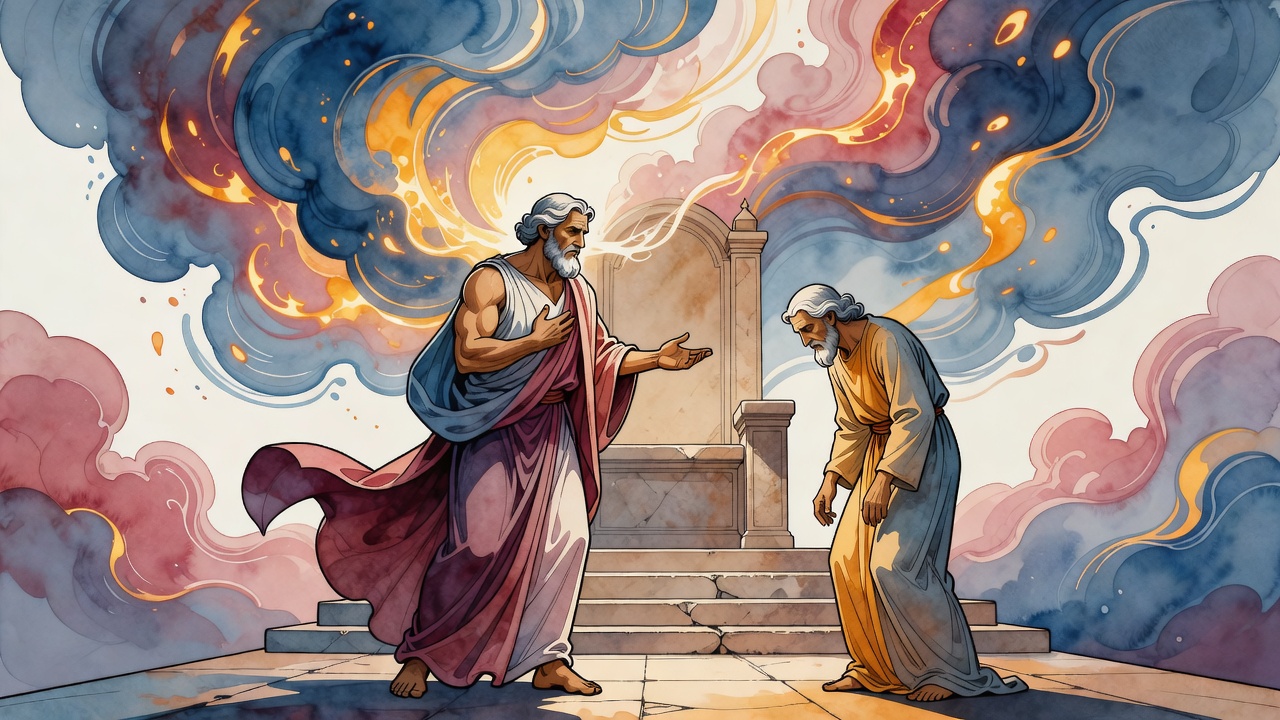
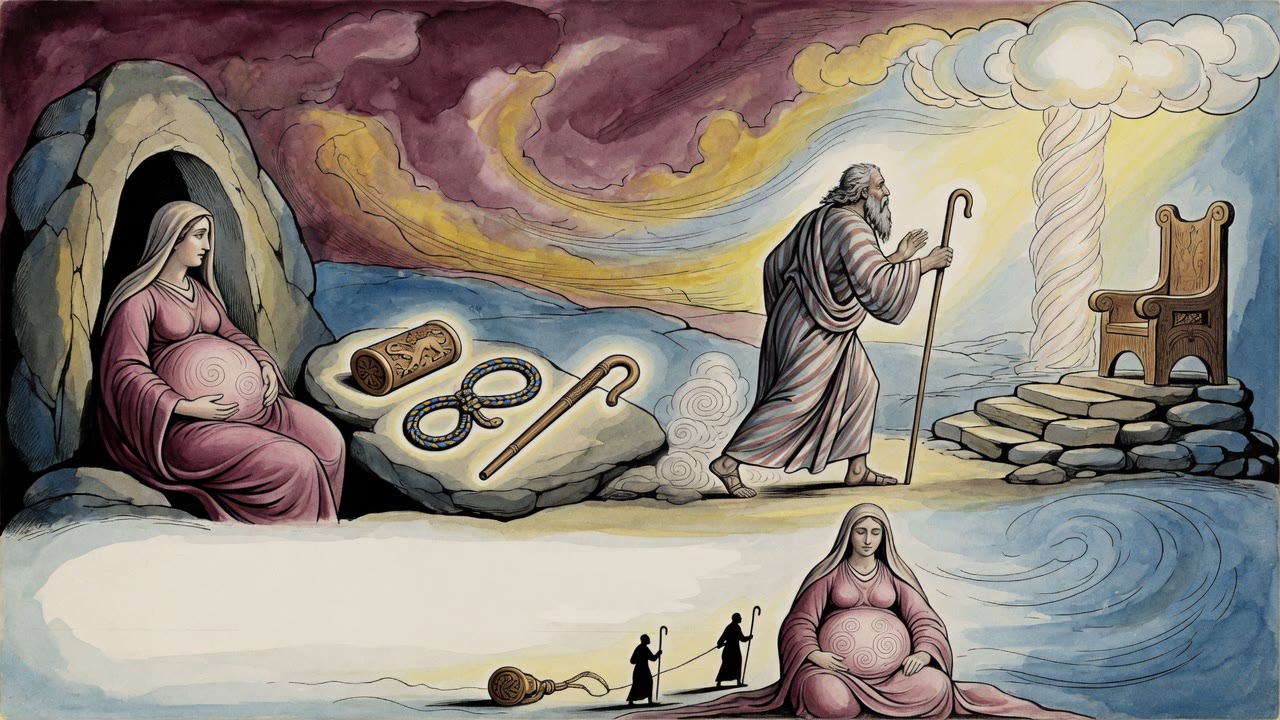
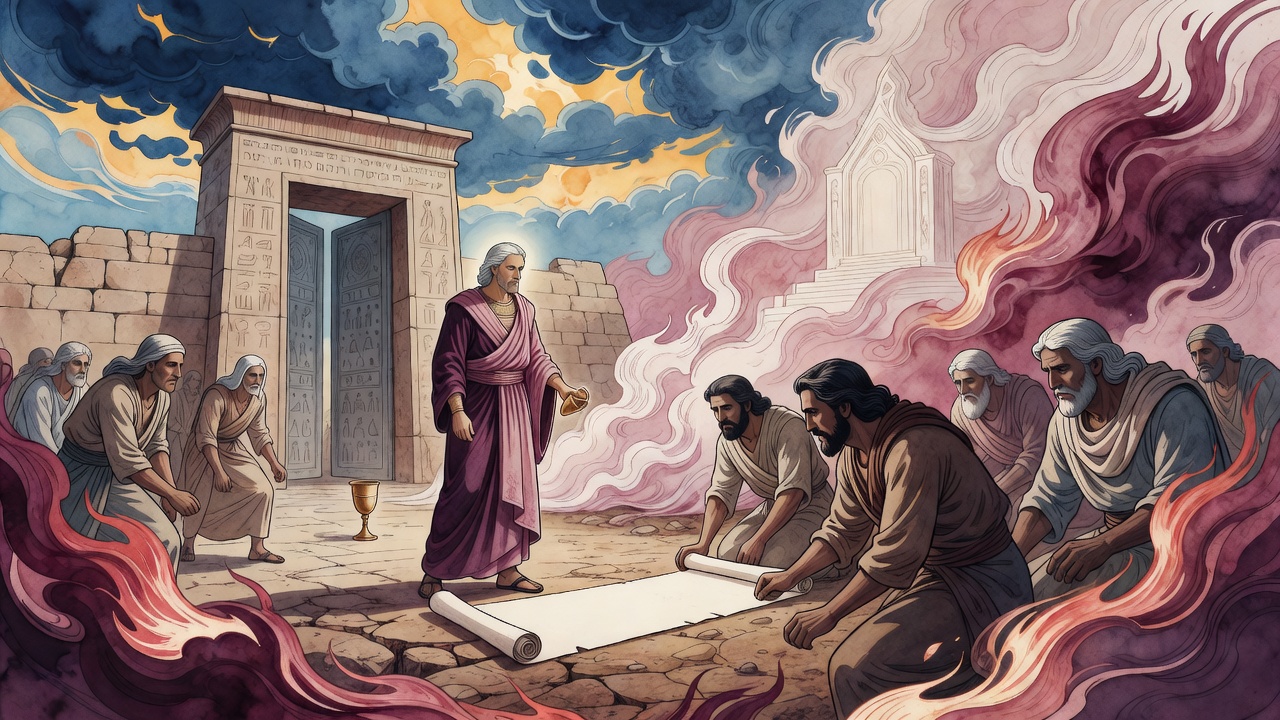
Tamar was dragged out to be burned for a pregnancy Judah himself had caused. The fire was prepared. The law of the place was ready to eat her. She sent him his staff and seal and cord and asked whose they were, a quiet courtroom held in three objects. One breath. Public shame or public truth. The crowd waited for the man who owned the signs of power to stay silent and let a woman burn.
"She is more righteous than I."
He confessed. He saved her life and his own soul in the same sentence. The name Judah comes from the root to acknowledge, to confess, to praise. The whole nation would one day be called Yehudim, Jews, because a man at a pyre learned to say he was wrong. A royal line requires a king who can bow his head. David, from that house, would say it again when Nathan confronted him over Bathsheba. The tribe of confession became the tribe of the crown, and the crown began in the ash-smell of a sentence almost not spoken.
Young Lion, Old Strength
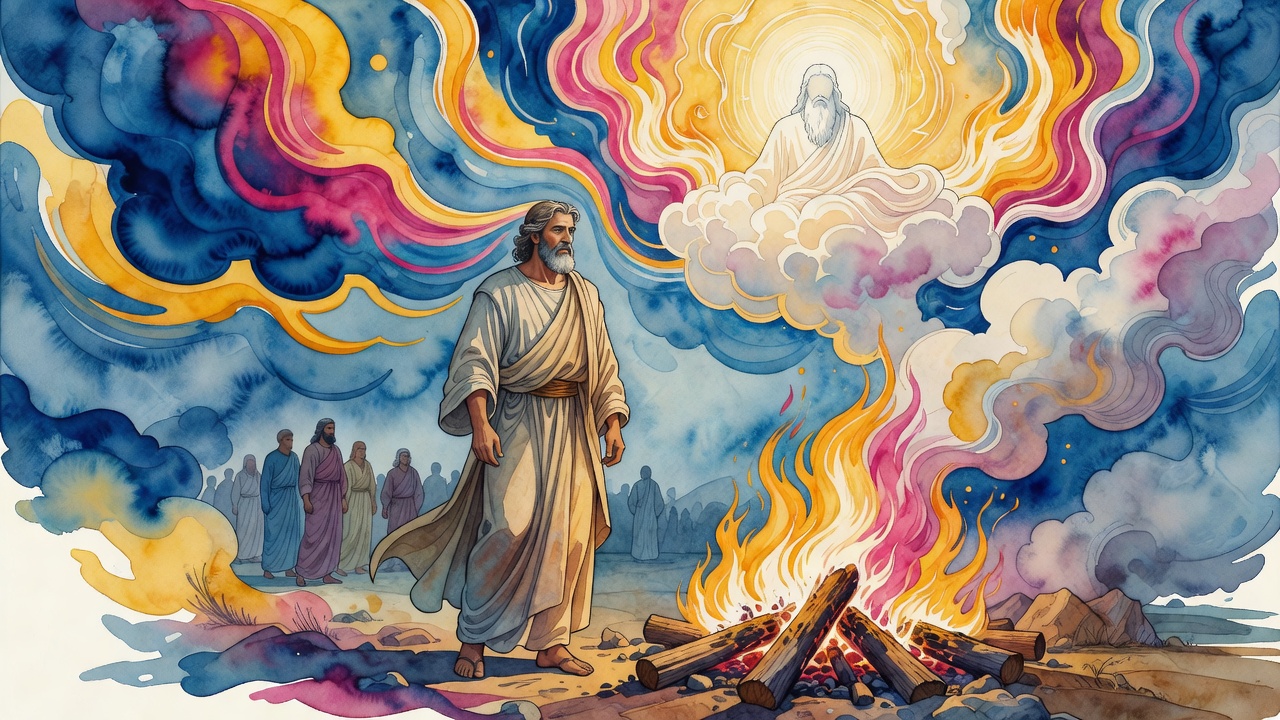
When Jacob blessed his sons at the end, he compared Judah to a lion's cub for those two rescues. From the killing of Joseph he had uplifted his soul. From the judgment of Tamar he was free. A lion is not only an animal of attack. A lion stands between the vulnerable and the blade and makes a sound that changes the air.
"He dwelleth quietly and in strength, as a lion, and as an old lion when he reposeth, who may stir him up?"
The house of kings in Israel begins here, not with a clean hero but with a brother who sold and later saved, who fled the family table and returned through a public admission at a fire. Descent first. Confession next. Crown after that. The young lion earned his name by roaring for life when silence would have been easier, twice, and the second roar cost him more because it cost him his pride in front of men who had come to watch a woman die.
Between Dothan and the pyre lay years of sons born and sons dying, of a widow waiting at the edge of a family's duty, of Judah's own mouth promising what his hand delayed. Distance does not clean a conscience. It only gives the conscience room to grow louder until a public fire forces a public word. Royalty in this house is not purity. It is the capacity to turn, mid-disaster, and choose the living over the convenient.
← All myths