Parshat Vayigash6 min read

Judah Bound His Eternity to Bring Benjamin Home

Judah told Jacob the Egyptian face was locked, then pledged guilt for all days. In the court he offered his body so Rachel's last son could walk free.

Curated by Arthur · Told by Maggid ·
Table of Contents
  1. The Face That Would Not Open
  2. Guilt for All the Days
  3. The Cup and the Closed Court
  4. Staff, Seal, and One Public Breath

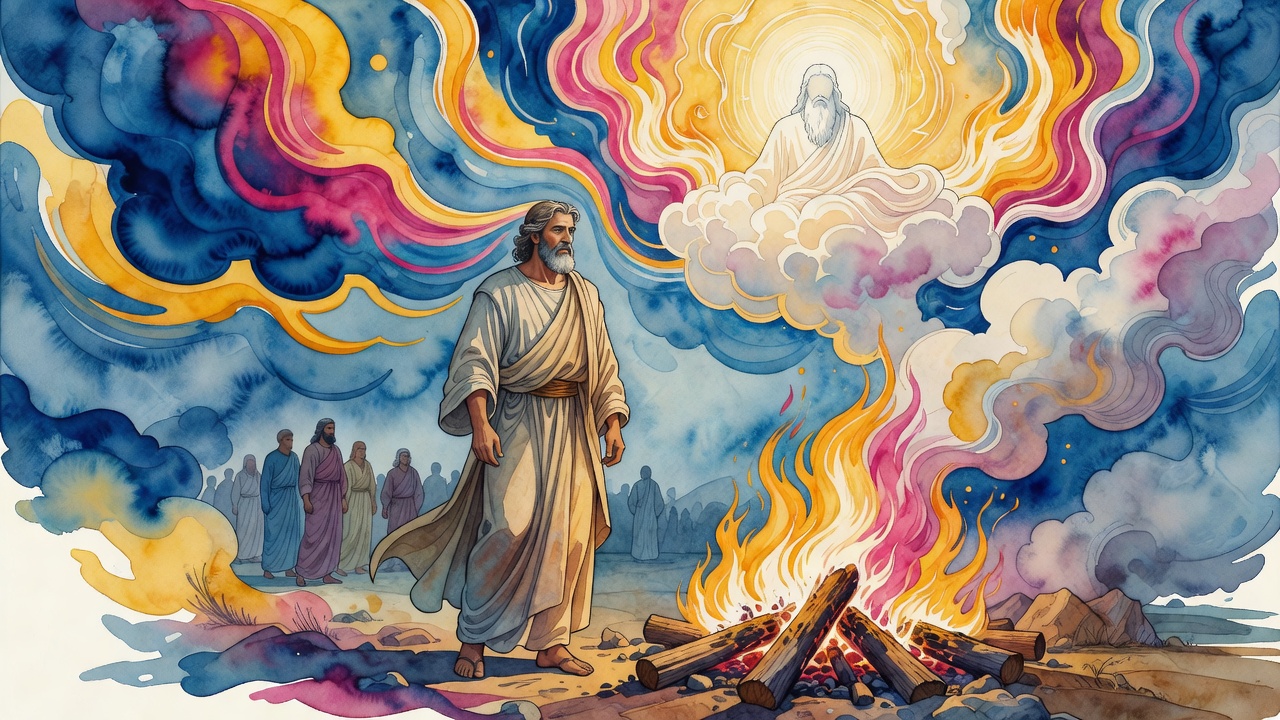
Judah stood in the doorway of his father's tent with famine grit still stuck to his heels. Grain waited in Egypt. Grain also waited behind a door no brother could open alone. The man who ruled the storehouses had sworn an oath that was not a bargain. Without the youngest son, there would be no face, no bread, no second chance.
Judah Bound His Eternity to Bring Benjamin Home Click for full size

Jacob held Benjamin the way a man holds the last warm thing in a cold house. Judah did not ask for soft terms. He named the lock.

The Face That Would Not Open

"The man attesting attested to us," Judah said, doubling the verb until the room felt it. The Egyptian ruler had not offered a maybe. He had testified. He had made the condition formal, hard as sealed clay. You shall not see the sight of my face unless your youngest brother be with you (Genesis 43:3).

Reuben had already failed this negotiation once, loud with sons offered as collateral. Jacob had not moved. Now the fourth son took the floor, the same mouth that years earlier had counted profit in a brother's sale to Ishmaelites (Genesis 37:26-27). Judah's voice rose because he needed it to. Leadership, in this house, was arriving through the man with the most unpaid debt.

Benjamin sat small between them, Rachel's last living boy, the brother whose absence would empty Jacob faster than any drought. Outside, the animals stamped. Inside, the air thinned around a single yes that had not yet been spoken.

Guilt for All the Days

Judah did not haggle. He put his own life into the scales as arev, guarantor, the body that stands where the borrower cannot.

"I will be surety for him," he said. "Of my hand shalt thou require him. If I bring him not to thee again, and set him before thee, the guilt be upon me before thee all days" (Genesis 43:9).

Kol yomaya. All the days. Not a fine measured in silver. Not a season of shame that fades when the harvest returns. Permanent blame, unbounded, the kind that follows a man into every remaining morning and into the world that comes after mornings end. He did not say, punish me if I fail. He said, let the guilt sit on me forever.

Years earlier he had sold a brother for twenty pieces of silver and walked away counting profit. Now he pledged himself without limit to keep the last son of Rachel alive. The wrong was still in his bones. The vow tried to walk back into that old hour and undo it with flesh instead of coin. Jacob heard the forever in the words. He sent Benjamin south.

The Cup and the Closed Court

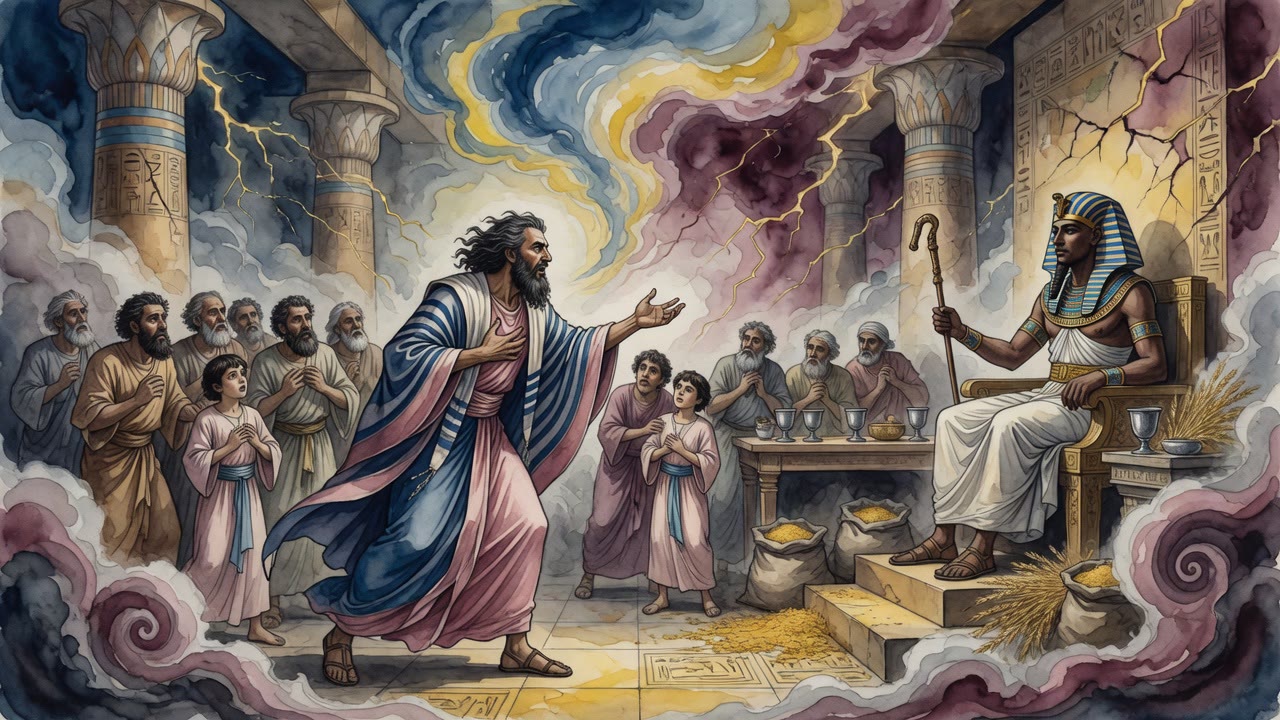
Egypt closed around them like a fist that already knew the answer. The silver cup was found in Benjamin's sack, planted there by the vizier's own design, and the sentence came clean: the boy stays as slave; the others may go home to their father with full bags and empty hands.

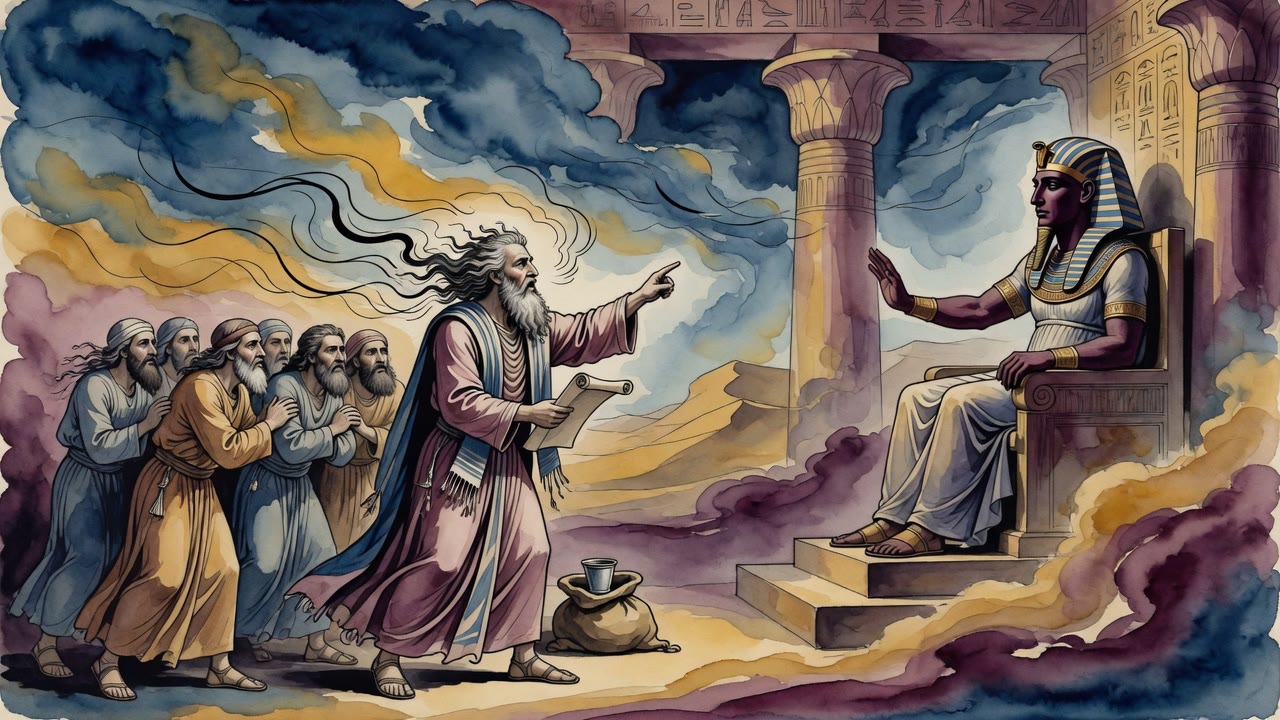
Judah stepped forward until the polished floor creaked under his weight. He did not begin with threats. He began with the same pledge that had unlocked Canaan, now spoken into a foreign throne room where every Egyptian ear was still listening.

"Thy servant became surety for the youth with my father, saying, If I restore him not to thee, let me be guilty before my father all the days" (Genesis 44:32). Chayav kodam abba kol yomaya. Guilty before my father all the days. The circle locked shut. The vow from the tent had become the argument of the court. It was not rhetoric. It was operative. It was the ground under every word he would say next.

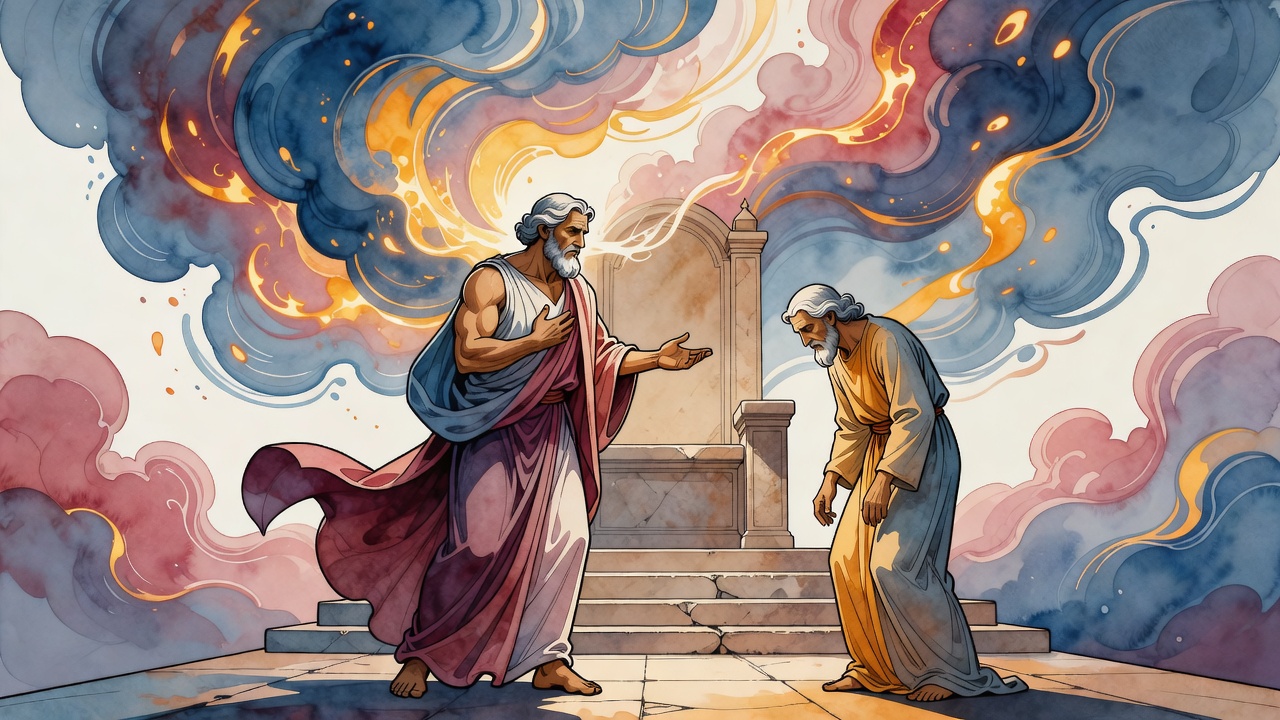
He told the vizier the math of an old man's heart. One son of Rachel already gone. This one clutched for twenty years like a man who has learned how fast love can leave. If Benjamin did not climb the road home, Judah would live every remaining day under a curse, in this world and the next. So take the servant instead. Keep the older body. Let the boy go up to his father.

He offered to stay in Egypt as slave so the last of Rachel could walk free. The cord holding the vizier's secret snapped. Egyptians were cleared from the room. The next words in the world would be, I am Joseph.

Staff, Seal, and One Public Breath

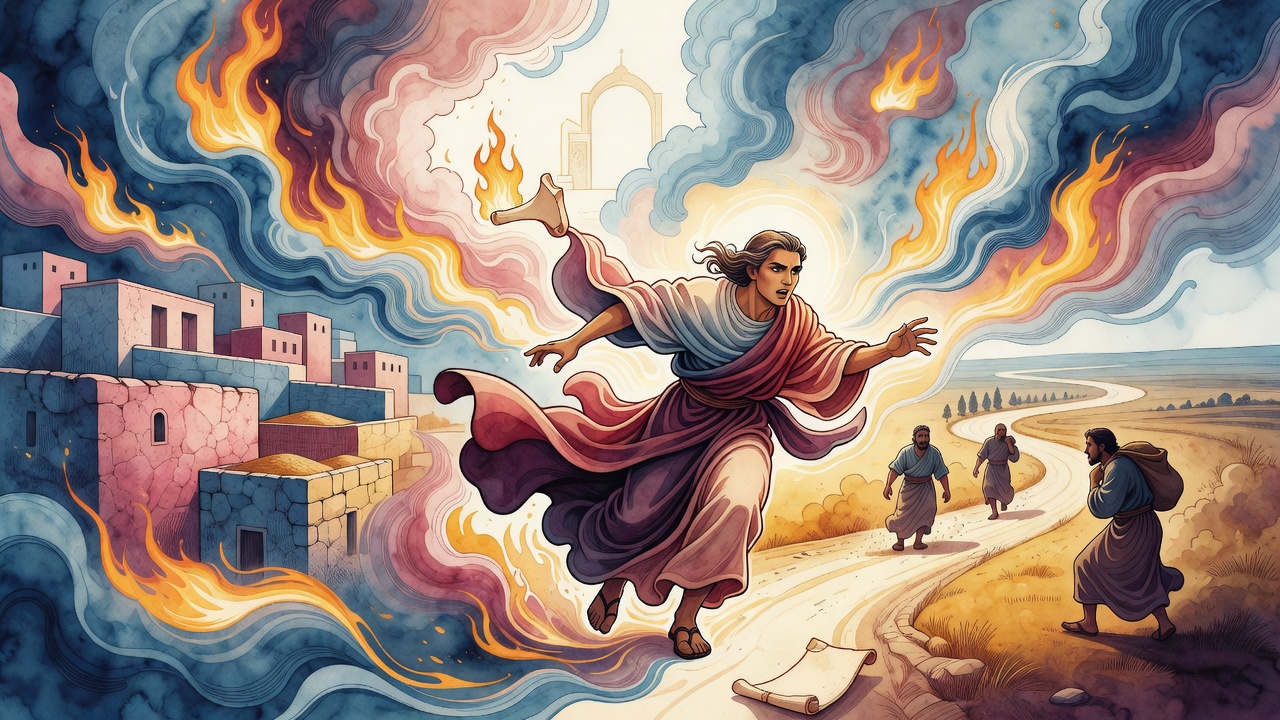
Long before the Egyptian floor, Judah had already learned the shape of a bowed head. Tamar, his daughter-in-law, stood near the fire with a pregnancy the village meant to burn out of her. She sent him his own staff and seal and asked whose they were. He had one breath to choose silence or truth.

"She is more righteous than I," he said (Genesis 38:26). The confession left his mouth in public. Her life stayed. His soul, which had been edging toward another sale of a vulnerable body, turned.

Years later, when Jacob gathered his sons for blessing, the old man would not let the name pass as decoration. Judah, Yehudah, from the root y-d-h, to acknowledge, to confess, to praise. Because he confessed in the matter of Tamar, his brothers would confess him, and a nation would one day be called Yehudim from that name (Genesis 49:8). Jews, named for a man who could say he was wrong while the fire still waited for its fuel.

No crown sat on Judah's hair in Egypt. David was centuries away. The messianic line that would run through Ruth's generations had not yet been born. But the kingship of Israel began in the moment a guarantor put forever on his own neck and a confessing mouth chose truth over face. Privilege did not invent that line. The willingness to step between danger and a younger body, permanently, did.


← All myths
From the tradition

Sources

4 sources

The texts behind this telling. Some cards carry a translation of the source; others are our own retelling of it, and each card says which. Every card links out to the original.

Targum Pseudo-Jonathan on Genesis 43:3Targum Pseudo-Jonathan on Genesis

Retold in our words. Read the original at the link below.The Targum of Jonathan ben Uzziel, trans. J. W. Etheridge, London, 1862 · Public Domain

Judah steps up with the reminder. Targum Pseudo-Jonathan on (Genesis 43:3) records his words to Jacob: "The man attesting attested to us saying, You shall not see the sight of my face unless your youngest brother be with you."

The doubled verb

The Aramaic paraphrase, whose final redaction belongs to the Land of Israel around the seventh or eighth century CE, preserves the Hebrew's emphatic construction, ha'ed he'id, "attesting attested." In biblical Hebrew, doubling a verb intensifies it. Judah is saying that Joseph did not merely warn them; he swore. He testified. He made the condition absolute and formal. The Egyptian ruler's demand was not a bargaining position. It was a locked door.

Judah takes over from Reuben

Notice what has shifted. In Genesis 42, it was Reuben who tried to negotiate with Jacob and failed. Here in Genesis 43, Judah begins the argument. This is the same Judah who had originally proposed selling Joseph to the Ishmaelites (Genesis 37:26-27). The rabbinic tradition in Bereishit Rabbah 85:2, a commentary on Genesis compiled in the Land of Israel around the fifth century CE, reads Judah's emergence as leadership as the beginning of the Messianic line, the line that will run through his descendant David (Ruth 4:18-22) and beyond. The brother who once failed Joseph is now the brother who will save Benjamin.

The takeaway

Leadership in the Torah often emerges from the person who has the most to atone for. Judah's voice rises in this chapter because he needs it to.

Full source
Targum Pseudo-Jonathan on Genesis 43:9Targum Pseudo-Jonathan on Genesis

Retold in our words. Read the original at the link below.The Targum of Jonathan ben Uzziel, trans. J. W. Etheridge, London, 1862 · Public Domain

Judah does not haggle with his father. He does something stranger. He offers a guarantee so total that it extends beyond time itself.

"I will be surety for him," he says. "Of my hand shalt thou require him. If I bring him not to thee again, and set him before thee, the guilt be upon me before thee all days" (Genesis 43:9). Targum Pseudo-Jonathan preserves this vow in Aramaic with a weight the English barely conveys. Kol yomaya, all the days. Not a fine, not a penalty, but permanent, unbounded blame.

The sages read Judah's wager as the beginning of his correction. Years earlier, he had told his brothers, "What profit is it if we slay our brother?". And sold Joseph for twenty pieces of silver. Now he pledges himself, without limit, to safeguard the one remaining son of Rachel.

Notice the grammar of the oath. Judah does not say if I fail, punish me. He says let the guilt be upon me forever. In Jewish thought, this is the language of arev, the guarantor who stands in the borrower's place. It is also the language of teshuvah, repentance, the wrongdoer returning to the exact moment of the wrong to undo it with his own body.

The Talmud (Bava Metzia 115a) treats this kind of surety as binding even when a life is at stake. Judah knows the cost. He accepts it. And in accepting it, he becomes the ancestor from whom David and, one day, the messiah will descend. Not because he was blameless, but because he was willing to pay without end.

Full source
Targum Pseudo-Jonathan on Genesis 44:32Targum Pseudo-Jonathan on Genesis

Retold in our words. Read the original at the link below.The Targum of Jonathan ben Uzziel, trans. J. W. Etheridge, London, 1862 · Public Domain

The speech closes where it began. Judah returns, at the end, to the same pledge he gave his father at the beginning of the story, and makes it explicit.

"Therefore thy servant became surety for the youth with my father, saying, If I restore him not to thee, let me be guilty before my father all the days" (Genesis 44:32). Targum Pseudo-Jonathan locks the circle shut. The pledge in (Genesis 43:9) has become the argument in (Genesis 44:32). The vow is not rhetorical. It is operative. It is the ground of everything Judah is about to offer next.

The Aramaic phrase chayav kodam abba kol yomaya, guilty before my father all the days, is the same terminology of unlimited surety used earlier. The word kol yomaya is crucial. Not for a while. Not until the matter is settled. Forever.

Judah is telling the vizier: I have staked my eternity on Benjamin. My father already lost one son. He will not lose this one. If he loses this one, I am the one who lives every remaining day under a curse, in this world and the world to come. So let me, your servant, stay here in Egypt instead, and let the boy go up to his father.

The sages see in this moment the birthright of kingship. Judah does not yet wear a crown. David will not be born for centuries. But the kingship of Israel begins right here, because kingship in the Jewish tradition is not privilege, it is the willingness to step between danger and your people, permanently.

Joseph listens. The cord holding his secret snaps. He clears the room of Egyptians. The next verse will be, I am Joseph.

Full source
Targum Pseudo-Jonathan on Genesis 49:8Targum Pseudo-Jonathan on Genesis

Retold in our words. Read the original at the link below.The Targum of Jonathan ben Uzziel, trans. J. W. Etheridge, London, 1862 · Public Domain

The name Judah (Yehudah) comes from the Hebrew root y-d-h, to acknowledge, to confess, to praise. Jacob knows this, and Targum Pseudo-Jonathan will not let the wordplay pass unused. "Jehuda, thou didst make confession in the matter of Tamar: therefore shall thy brethren confess thee, and shall be called Jehudain from thy name" (Genesis 49:8).

The whole nation Israel will one day be called Yehudim. Jews, because of a confession. The specific confession was brutal. Tamar, Judah's daughter-in-law, was about to be burned for a pregnancy Judah himself had caused. She sent him his staff and seal and asked whose they were. Judah had one breath to decide. He said: "She is more righteous than I" (Genesis 38:26). He confessed in public. He saved her life and his own soul.

The Targum reads this moment as the origin of Judah's kingship. A royal line requires a king who can say I was wrong. David, Judah's descendant, would say it when Nathan confronted him (2 Samuel 12:13). The Messiah, the tradition teaches, will come from a house that learned early to bow its head. The tribe of confession became the tribe of the crown.

Full source