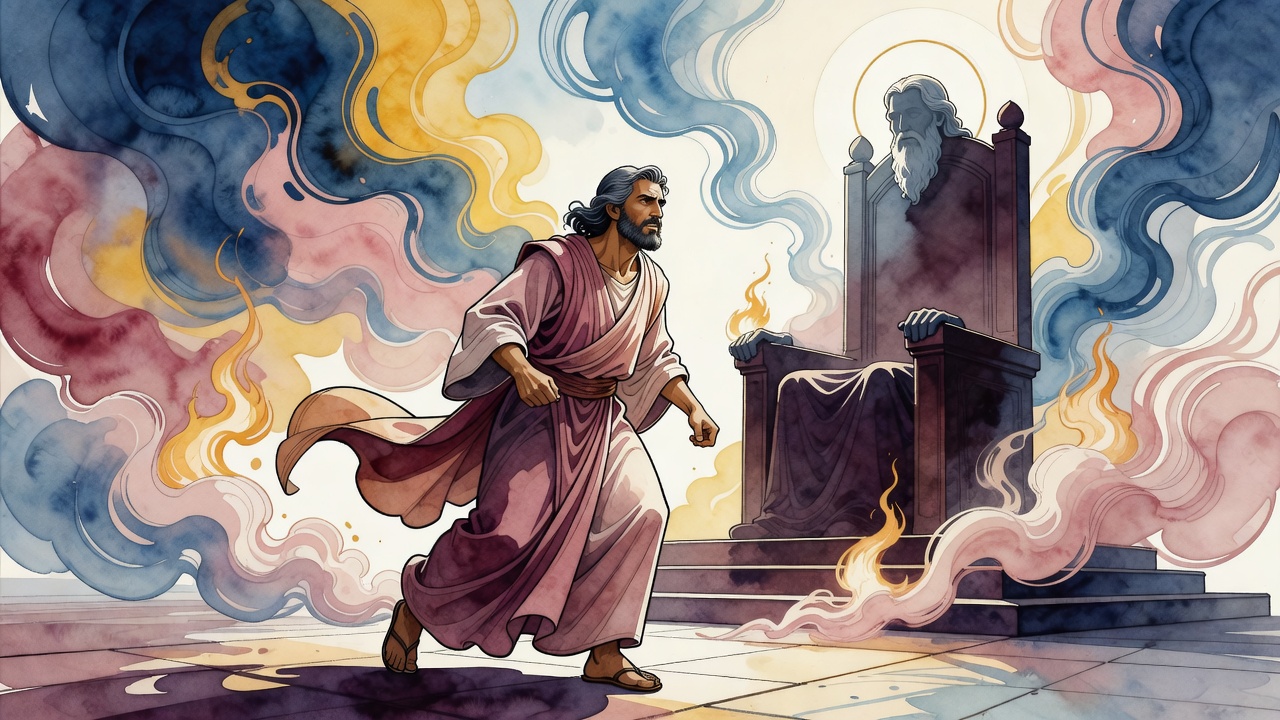
Jacob Called Judah a Lion, Benjamin a Wolf, and Joseph a Bull
The sons standing in the tent still smelled of flocks. Their father named animals, and the animals were kingdoms that had not been built yet.
Table of Contents
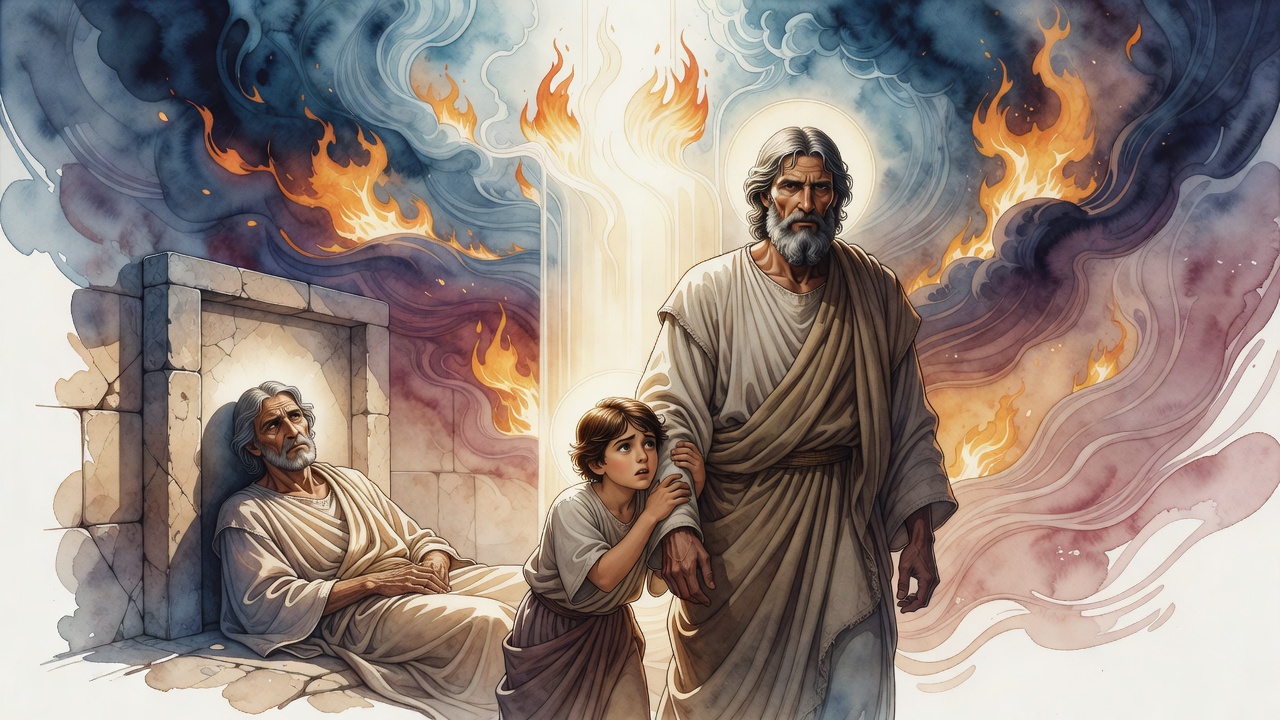
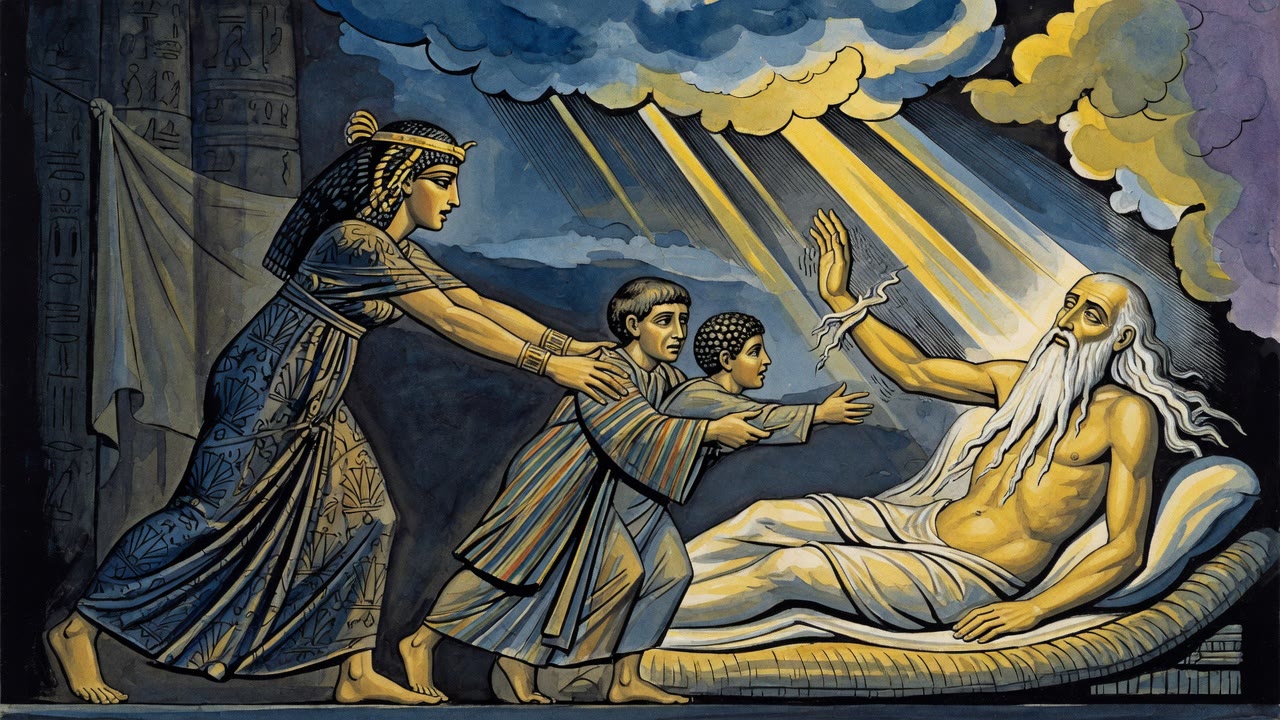
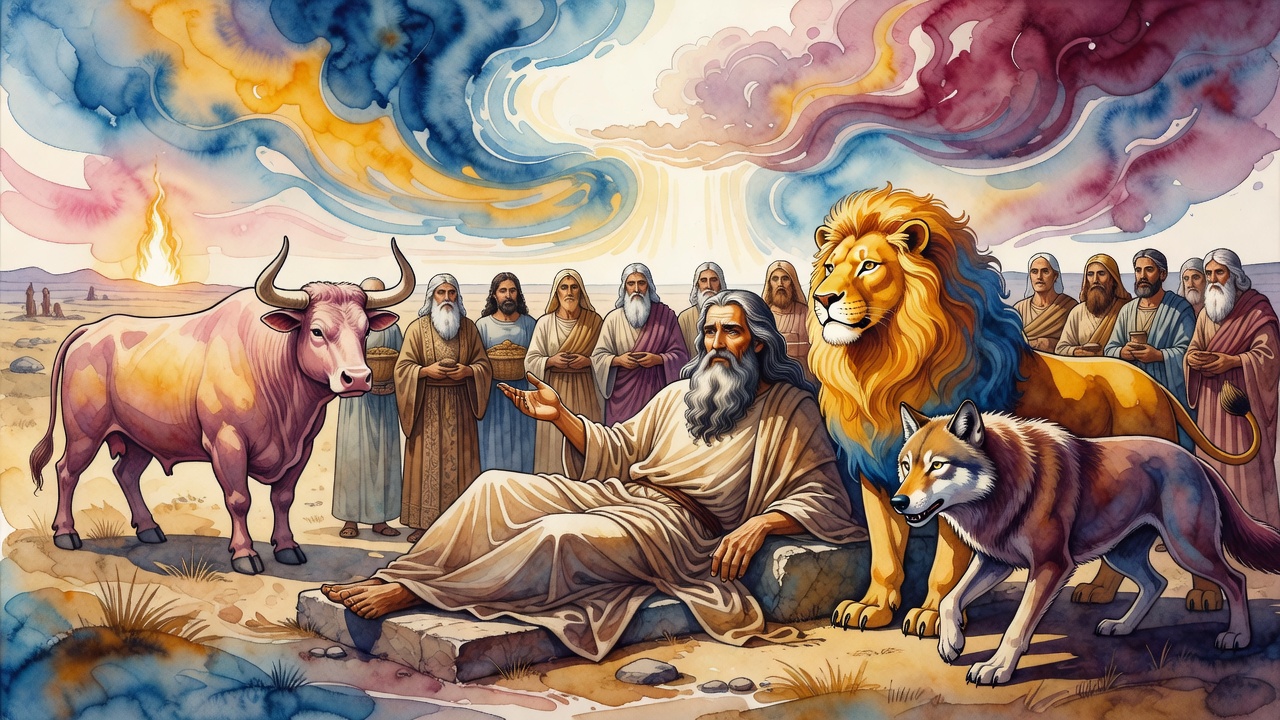
The sons standing in the tent still smelled of flocks. Jacob was dying, and he was not decorating them with zoo metaphors. When he called Benjamin a wolf, Judah a lion, and Joseph a bull, the animals stood for kingdoms that would rise and fall against Israel.
 Click for full size
Babylon wore the lion. Media wore the wolf. A later kingdom of wickedness waited for the bull's weight. Descendants would finish what the animals promised. Daniel from Judah would bring Babylon down. Mordecai the Benjamite would break Media's power in the Purim reverse. Joseph's line would subdue the final horned beast before the days of the Messiah.
Wheat Must Cross the Tent Lines
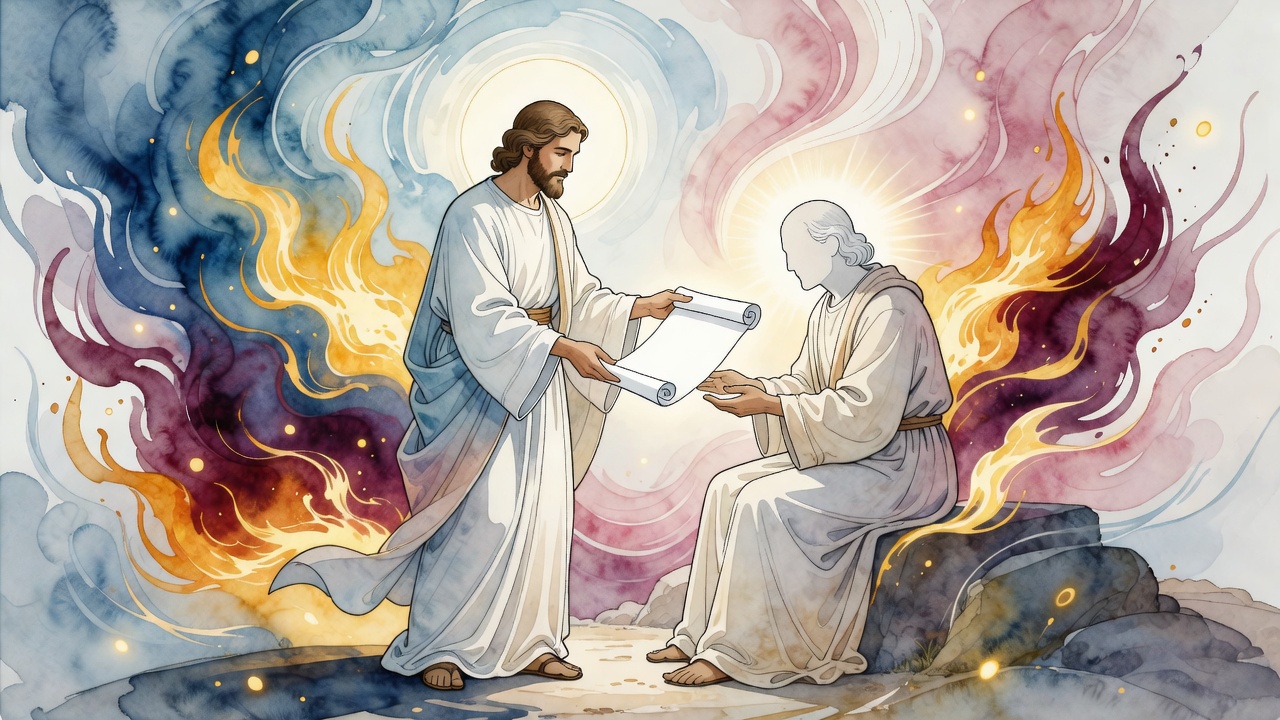
Jacob knew his mouth could not complete every word. A future prophet, Moses, would continue and complete the blessings. Then the patriarch forbade hoarding. Judah must share Benjamin's fine wheat. Benjamin must taste Judah's goodly barley. Gift locked inside one tribe was failure. Gift moving between tents was the design.
The lion's strength and the wolf's night and the bull's charge only mattered if the camp still fed itself as one body. Deathbed speech can turn into museum labels. Jacob turned his into a rule about grain moving across tribal lines. He had lived long enough to see sons sell a brother. He would not die leaving them a theology of private barns.
Simeon Closed His Children's Thrones
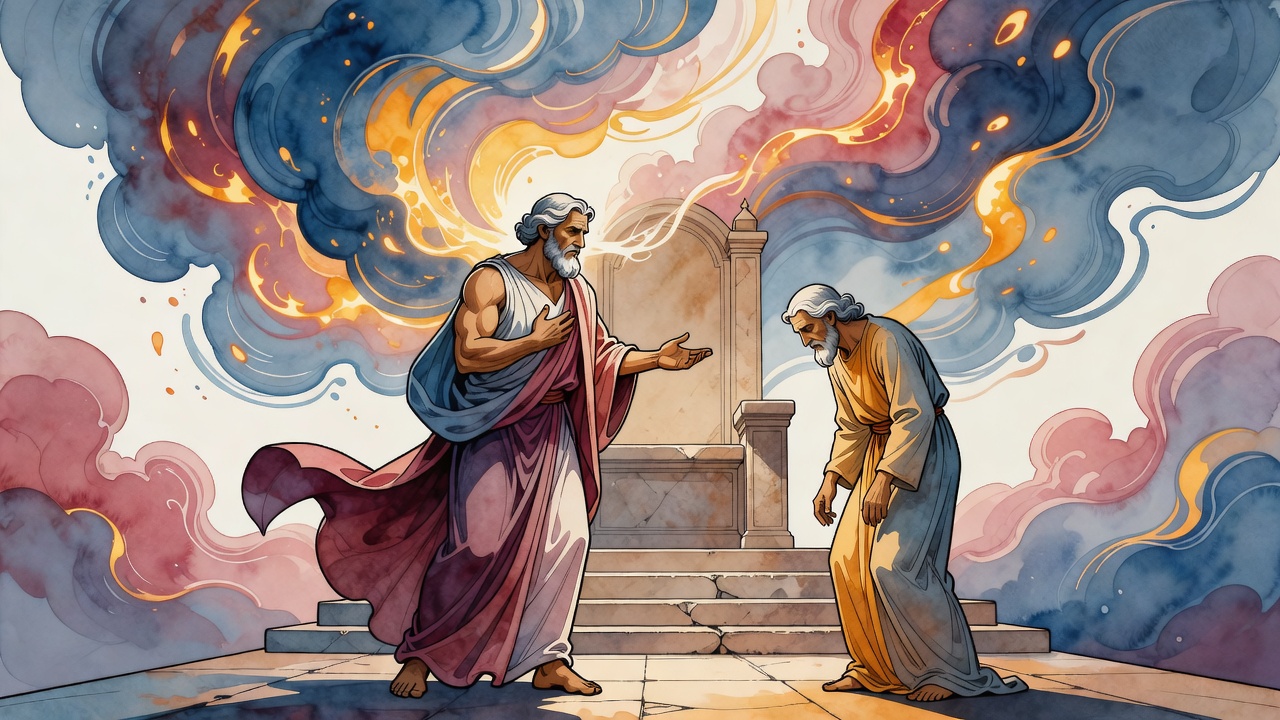
Simeon gathered his children in the same season of last speeches and named unchastity the mother of all evil. It separates a man from God and hands him to Behar. In the writings of Enoch he had seen his own sons corrupted through that vice, raising swords against the sons of Levi.
He promised they would fail. Levi's war would be the war of the Lord, and Levi would vanquish their armies. Simeon's seed would scatter as a small remnant among Levi and Judah. None would rise as judge or king, just as Jacob's earlier word had already cut that path short.
While Jacob mapped empires onto animals, Simeon mapped shame onto his own house. One father opened futures. Another closed thrones his children might have wanted.
Zebulun Filled Nets for Strangers
Zebulun called his children near the end and ordered mercy for neighbors and even for animals. He traced his own health to pity. Brothers fell ill. Their children nearly died for lack of pity toward Joseph. Zebulun's sons stayed strong. He read the difference as heaven's arithmetic.
By the sea he built the first boat he knew for rowing and fished the coasts for Jacob's table. He did not keep every catch. Poor and stranger ate from his nets. If a man was sick or well on in years, Zebulun prepared a savory dish with his own hand and gave according to need. "He that gives aught to his neighbor receives it back from the Lord with great increase." Fish multiplied where pity opened the baskets.
Summer on the water. Winter with the flocks. Five years of that rhythm, and the lesson never shifted. Many drowned in those waters. Zebulun came away unharmed. Compassion was not decoration on a blessing. It was how a blessing stayed alive.
The Camp Still Had to Bury Him
Jacob named animals that would outlive empires. Simeon named a vice that would thin a tribe. Zebulun named mercy that filled nets. The same household heard power, warning, and pity in the space of one generation's last speeches.
Lion, wolf, and bull still need bread. Shared wheat and barley were Jacob's answer to the danger that strong tribes become private kingdoms. Simeon's scattered remnant and Zebulun's open boats argued the same truth from opposite sides of the heart.
When later courts of Babylon and Media rose, the deathbed map would look less like poetry and more like a ledger. For the sons standing in the tent, it was already enough. Their father was dying, their brothers were speaking last truths, and the camp's future hung on whether blessings would move or rot in one man's barn.
A deathbed is a narrow stage. Jacob used it like a map table. Lions and wolves and bulls moved across centuries while his actual sons still smelled of flocks and old quarrels. Daniel and Mordecai were not yet names in the tent. The animals carried them anyway.
When the last speech ended, the camp still had to bury a father and live with brothers. Empires could wait. Pity and restraint could not. The animals would find their courts later. The grain had to move now.
← All myths