Judah Stood Guarantor for Benjamin in Egypt
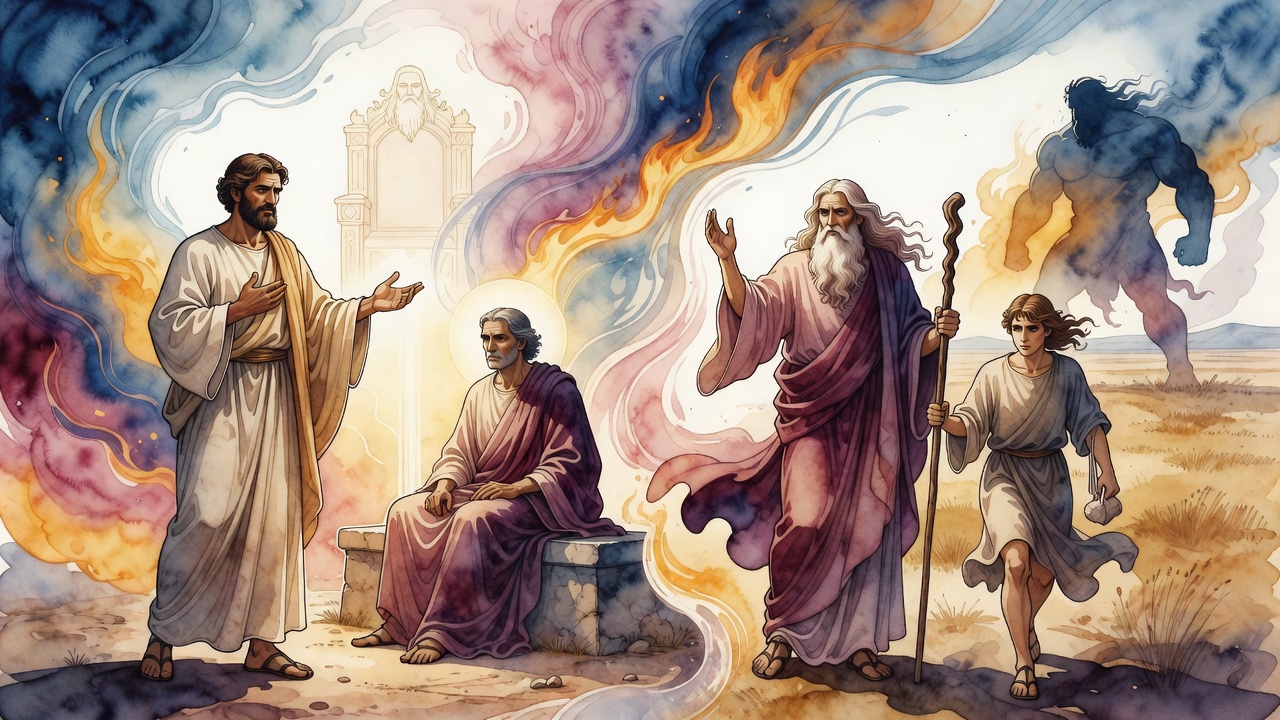
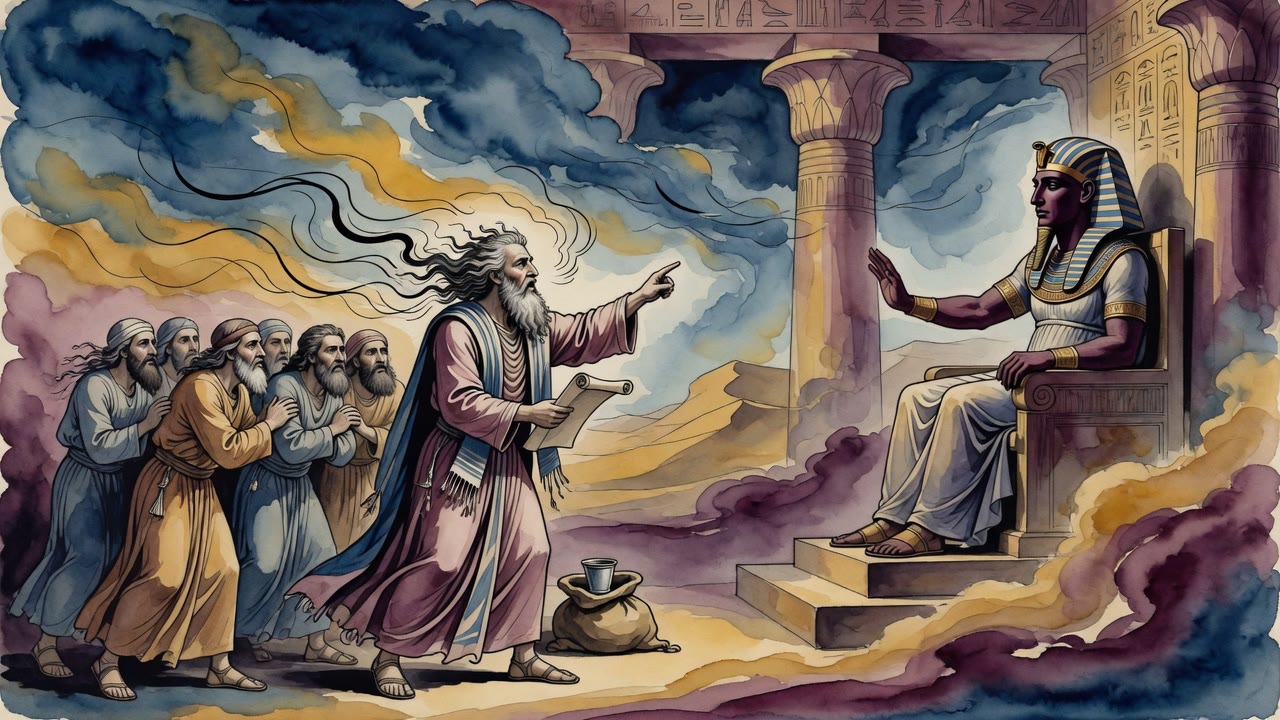
The cup was in the youngest sack. Their father was waiting in Canaan for Rachel's last son. Judah moved closer to the chair.
Table of Contents
 Click for full size
The Floor Under His Sandals
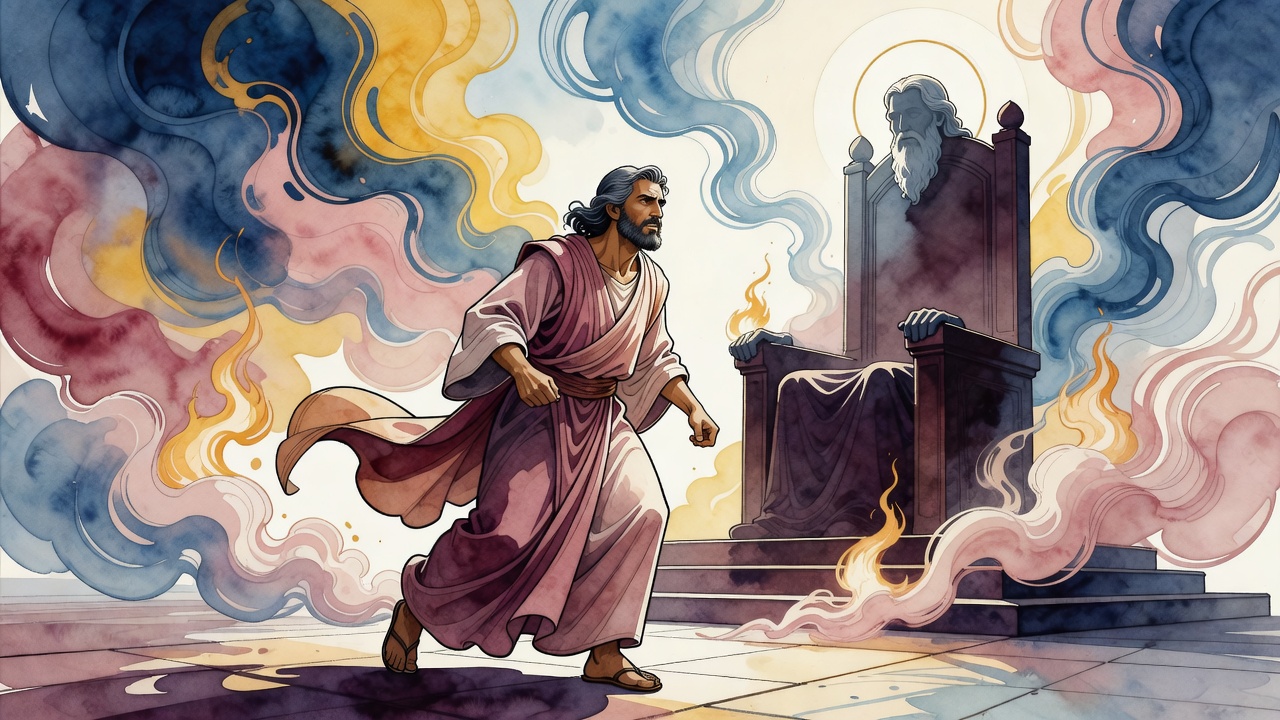
Judah felt the Egyptian floor under his sandals and heard his own pulse louder than the court. The man on the chair was not Pharaoh, yet he wore Pharaoh's power the way a blade wears oil. Beside Judah, Benjamin stood small in the wide room, the last son of Rachel, the boy their father had almost refused to send.
Judah had promised. Before they left Canaan he had put his own life into Jacob's hands as bond. "If I do not bring him back, I will have sinned against my father all my days." A guarantor's mouth closes a trap on the guarantor. He knew the proverb's teeth. He stepped forward anyway.
"My lord, let your servant speak a word in my lord's ears, and do not be angry with your servant, for you are like Pharaoh."
The Vow That Walked Him South
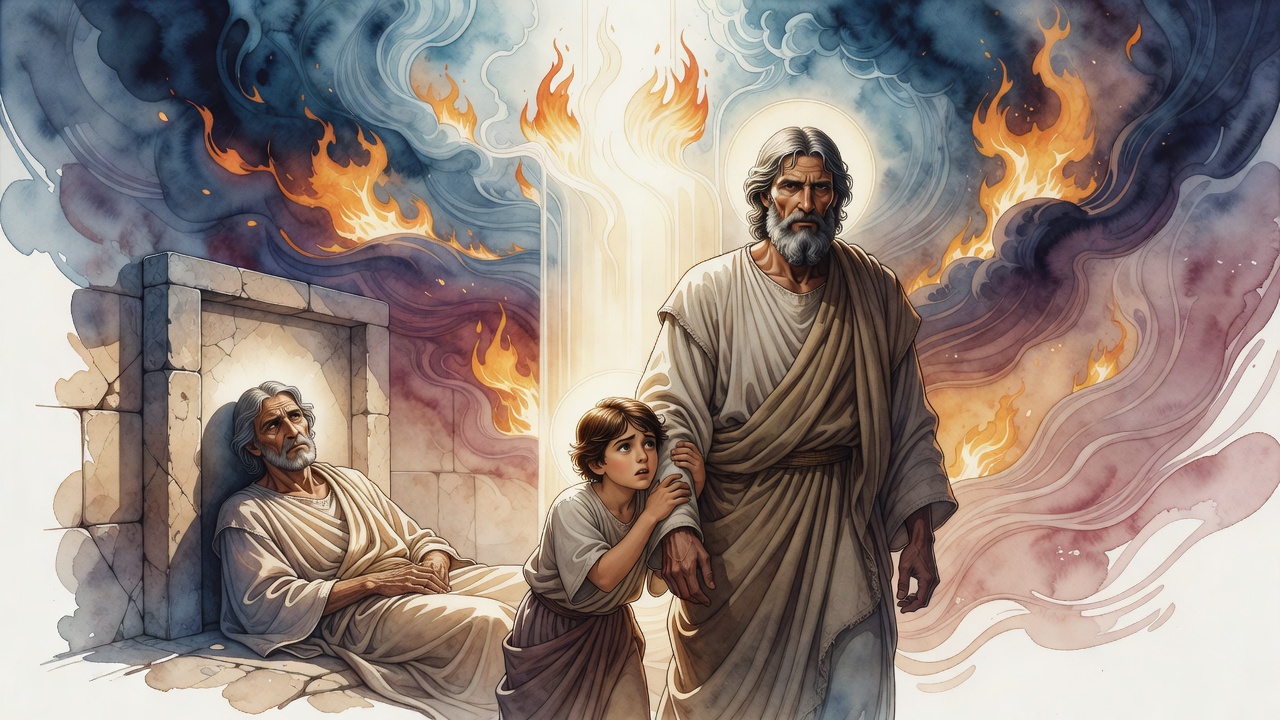
Years earlier, good news had once lifted Jacob's feet on the road east. The heart carried the body the way joy carries blood. That lightness was gone. The house in Canaan had lived on grief since Joseph vanished. Benjamin was the remaining thread of Rachel, and Jacob held him the way a drowning man holds rope.
Judah had broken that hold with a pledge. Not Reuben's old offer of sons as surety. Judah's own neck. The brothers had watched him say it. Now the neck was in Egypt, and the boy was accused of theft, and the man on the chair wanted Benjamin as a slave.
Judah's hands stayed open at his sides. A closed fist would look like a weapon. He needed the official to hear a father die in advance if the boy did not come home. Behind him the brothers shifted, sand still in the folds of their clothes from the road, none of them ready to speak over the one who had signed his life against the boy's return.
A Court That Once Missed the Dream
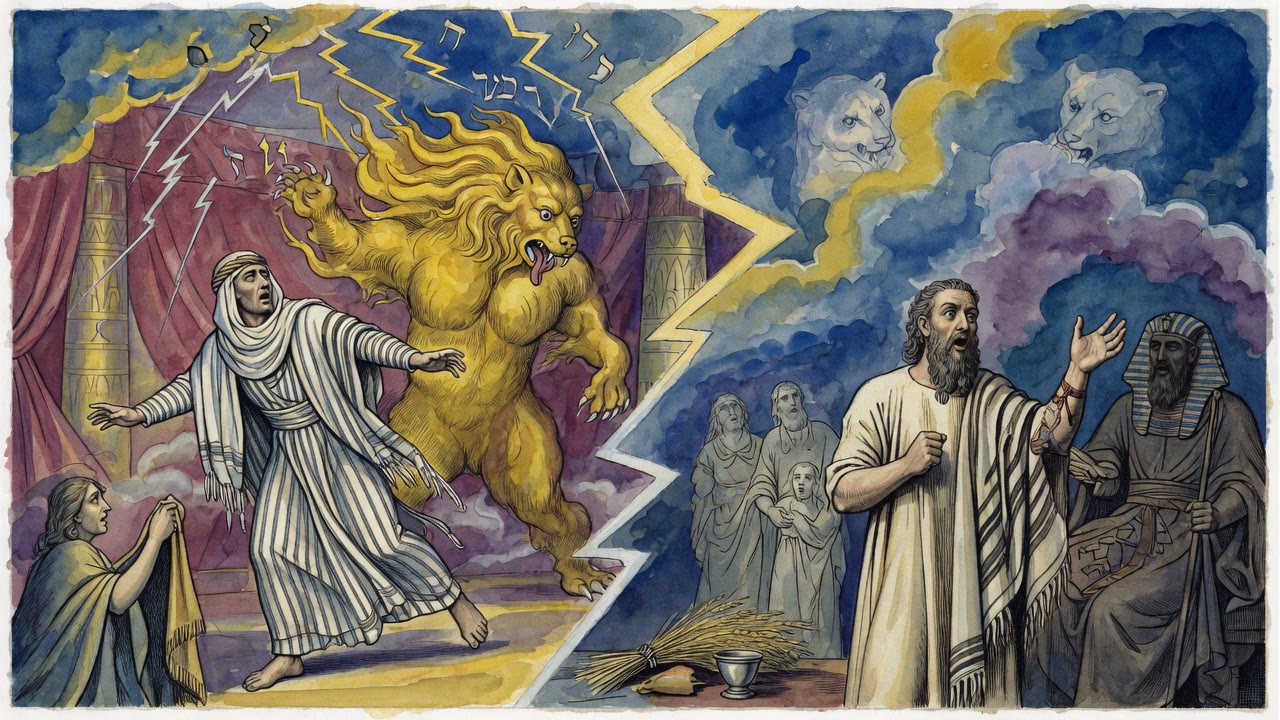
This same court had once been thick with magicians. When Pharaoh dreamed of cows and grain, they offered answers that slid off the royal ear. Seven daughters born, seven daughters buried. Kingdoms rising, kingdoms rebelling. Knowledge that never entered. Then a Hebrew from prison spoke once, and the kingdom bent around his words.
Judah did not know he was speaking to that Hebrew. He only knew the room had learned to trust one man's reading of hidden things, and that man now held Benjamin the way Egypt holds grain in famine years.
The brothers had come for food. They had found a test. Silver in sacks. A cup in the youngest's bag. A sentence waiting like a door about to shut. Judah moved closer to the chair. Distance was safety. He chose the opposite.
He Spent the Pledge Out Loud
He told the official about the old man at home, about the brother who was dead, about the remaining son of the beloved wife. He put Jacob's soul into the room without bringing Jacob's body. "If the boy does not return, your servant our father will die. The hair that has gone white will go into Sheol, the shadowy underworld of the dead, in sorrow."
Then he spent the vow out loud. "Let your servant stay instead of the boy. I became guarantor for him. How can I go up to my father if the boy is not with me?"
Attendants froze mid-breath. Benjamin's shoulder brushed Judah's arm, a small animal seeking a larger one. Judah kept his eyes on the man in power and did not look at his brothers. Looking would have made him calculate again. Calculation had already failed them once, in a pit years ago.
He had come to Egypt as a hungry son among hungry sons. He stood now as a man offering to vanish so another could live. The guarantor's trap closed, and he stepped into it on purpose.
The Name Joseph Filled the Room
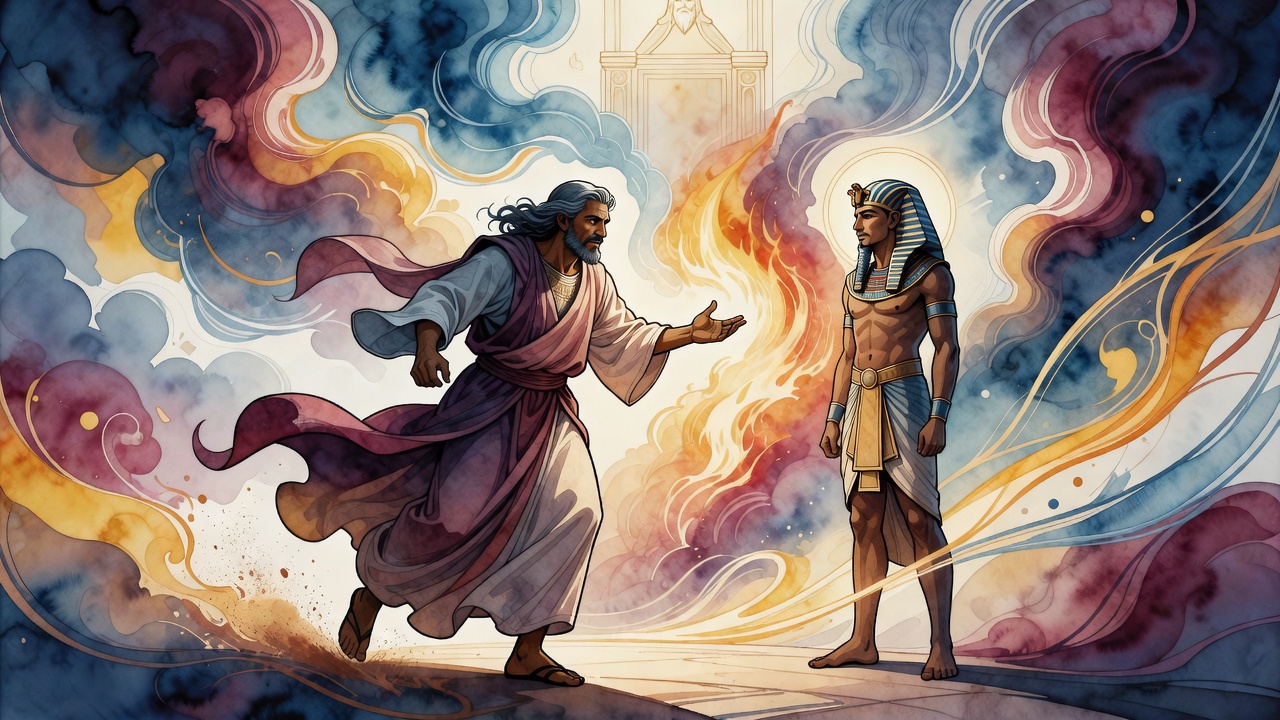
The official's face worked. Orders snapped. Everyone else out. The room emptied until only the family remained, though they still did not know it was a family. Then the voice that had condemned them broke into a language of home, and the name Joseph filled the stone chamber like water filling a dry well.
Judah's knees remembered the floor. The guarantor had paid, and the debt turned into recognition. Benjamin was not taken. Jacob would not die of this particular grief. The pledge had done its work by nearly destroying the man who made it.
Outside, Egypt still rationed grain. Inside, a brother who had once sold a dreamer wiped his face and reached for the boys who had come to buy bread. Judah stood in the wreckage of his own speech, throat raw, the bond fulfilled in a way no proverb had bothered to describe.
He had wanted one thing when he opened his mouth: Benjamin free, father alive. He got both, and a brother returned from the dead, which no guarantor writes into a contract. The feet that once lifted Jacob east would have a road home again. Judah had walked south under a bond, and the spent pledge was what broke the mask.
← All myths