Lions Guard the Grain While Pilgrims Ascend
Farmers leave fields empty for the festival, and God posts lions and wildcats so no stranger seizes what obedience left behind.
Table of Contents
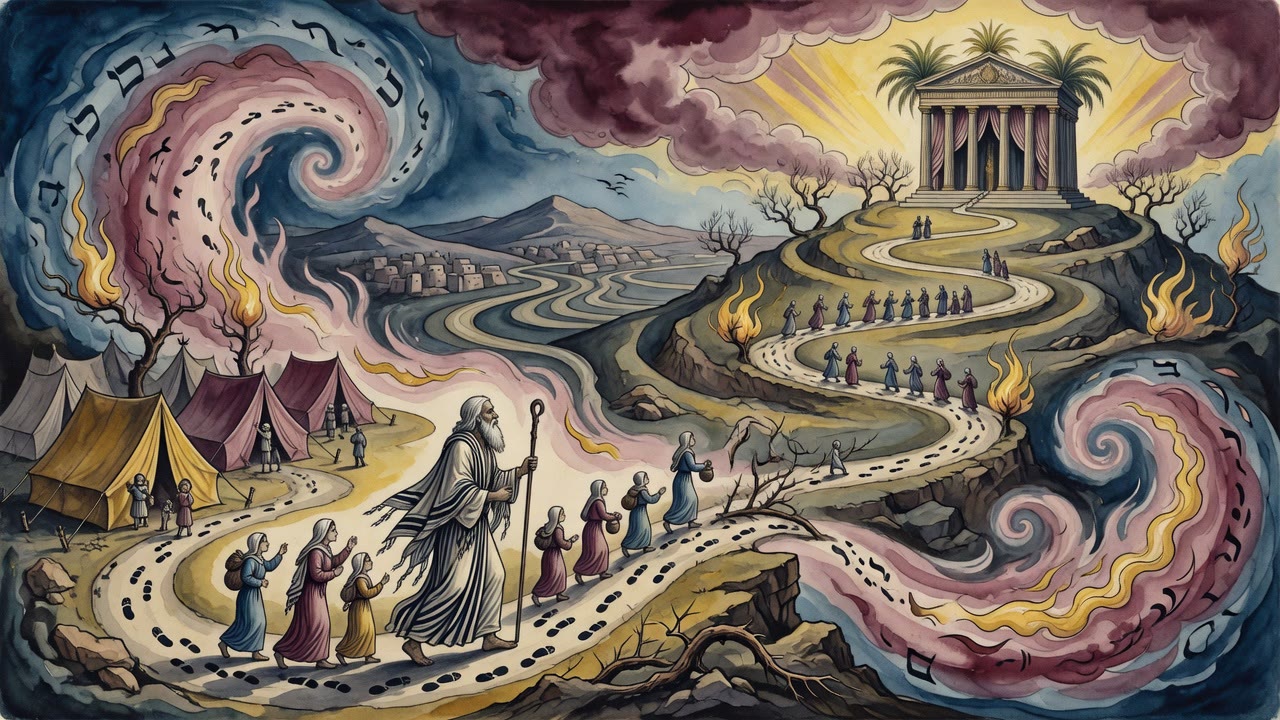
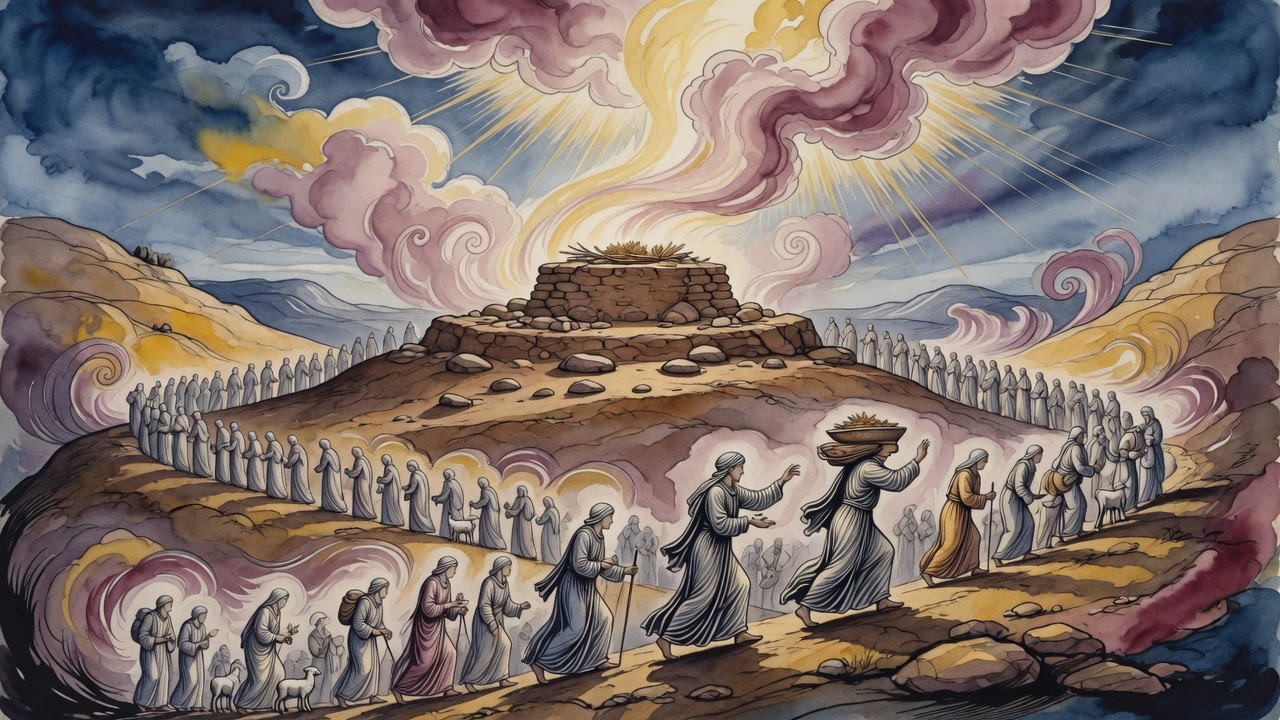
The farmer stood at the edge of his threshed grain and hated the commandment for one long breath. Three times a year the whole nation was to leave home and go up to Jerusalem. Houses empty. Vineyards open. Fields without a human shadow. To a man who had fought birds and thieves for a harvest, the road to the Temple looked like an invitation to ruin.
 Click for full size
He loaded the cart anyway. His wife tied the last knot on the food bundle. Behind them the grain heap shone in the afternoon light, naked as a throat.
The Fear Named Aloud
The sages of the Mekhilta hear the worry forming and do not mock it. How can we walk away from our land, our houses, our fields and vineyards, leaving them empty for the pilgrimage? Surely strangers will move in and seize what we left behind.
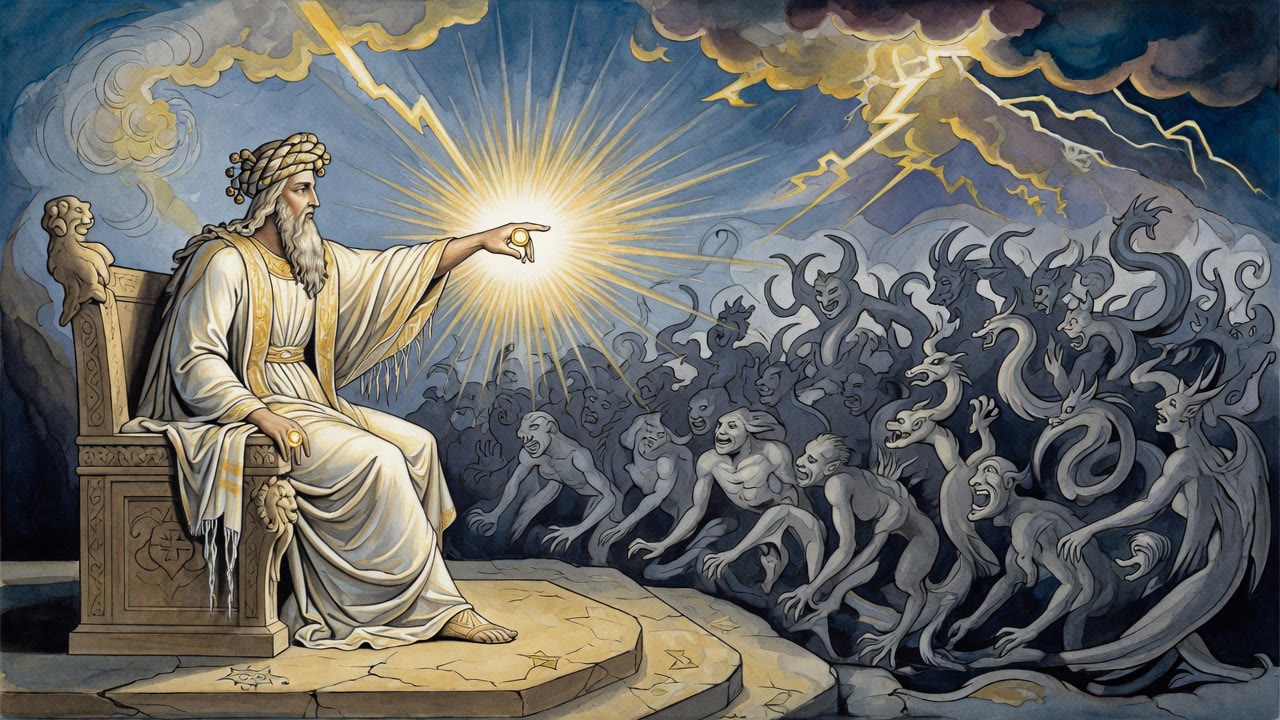
Against that fear the Torah places a promise that is almost too large for a farmer's mouth. No one will covet your land while you go up to appear before Me. The act of obedience will not cost the inheritance. The Holy One, blessed be He, posts a watch that never goes up to Jerusalem and never comes down.
Then the sages push the assurance further. Not even wild and harmful creatures receive permission to damage what the pilgrim abandoned for the festival.
Lions at the Heap and Cats at the Coop
One man left his heap of threshed grain and returned to find lions standing guard around it rather than thieves. Another left his chicken coop and came back to discover the wildcats that should have raided it lying torn open at its entrance. The stories are short because the point does not need embroidery. The Keeper of the land keeps what His people risked for His face.
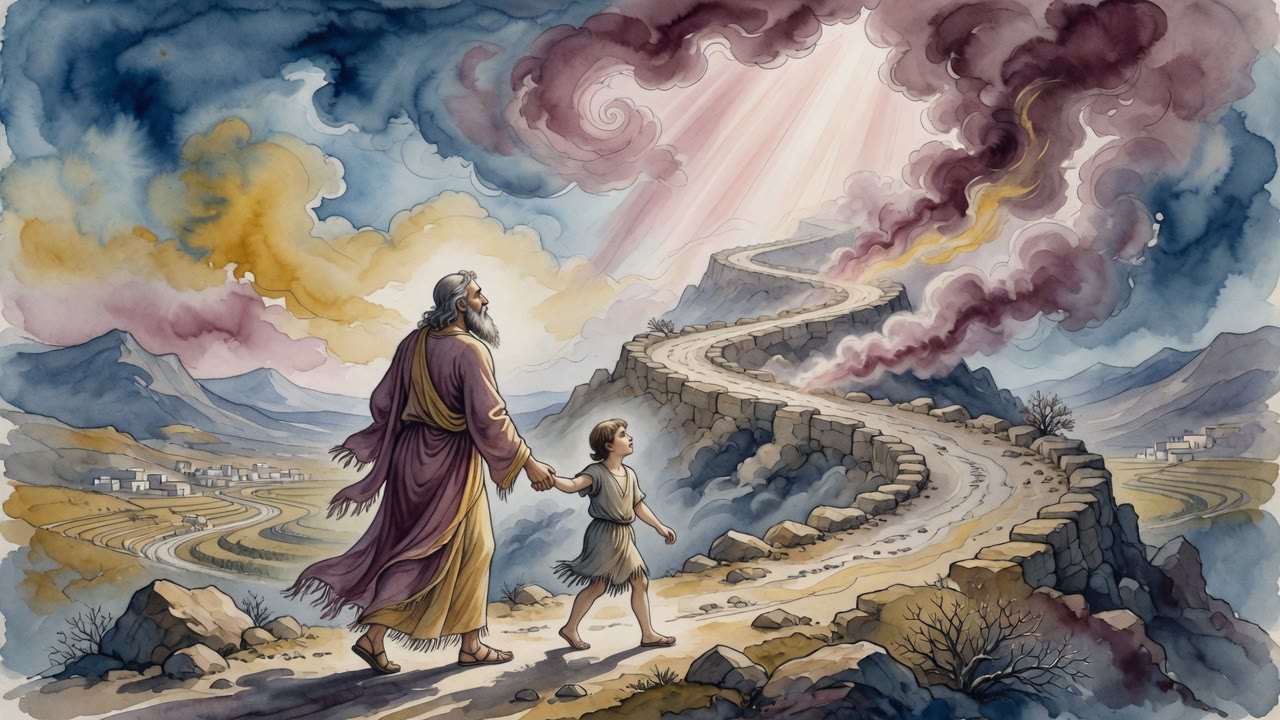
On the road the farmer tells himself the stories and still listens for distant shouting behind him. Faith here is not a mood. It is the sound of cartwheels and the refusal to turn around.
A Song Directed Toward the Ascents
Psalm language does not say only a song of ascents. It reads as a song to the ascents, aimed toward Him who will assign elevations to the righteous in the world to come. Rebbi speaks of thirty distinct levels, one above the other, and the worry rises at once. Will the lower envy the higher?
The answer comes from the stars. Those who turn many to righteousness shine as the stars forever, and among the stars there is no hatred, no rivalry, no scramble for a brighter neighbor's place. A judge who rules according to pure truth shines with a particular firmament-brightness. The ascent is not a ladder of humiliation. It is a sky of different lights.
The pilgrim climbing the road to Jerusalem practices that sky in small form. He does not need his neighbor's field to complete his own festival.
Footsteps That Must Clean Home First
Joshua heard another promise that can be misread as license. Every place the sole of your foot treads will belong to Israel. The borders were already fixed. Why the open pledge? The order of operations is strict. The Land itself must be cleansed of idolatry before any campaign abroad. Settle and sanctify home ground, then expand.
King David is set in the dock for the opposite sequence. He marched far north and subdued Aram Naharaim and Aram Zobah, yet commandments never took root there, because he left the Jebusite living in Jerusalem near his own palace while he chased distant rivers. You could not clear the enemy at your doorstep, and you ran off to seize foreign waters?
The pilgrim who leaves his field under divine guard is doing the home work first. Appearance before the Lord is not escape from the land. It is the land's proper center of gravity.
When the Face Turns Toward the Climber
The verse about appearing before the presence of the Lord is read as more than travel. If Israel dedicates itself to the pilgrimage, the Holy One frees Himself, as it were, from other affairs and occupies Himself with them alone. The three festivals mark a year-long window. One is not immediately guilty for missing the first if the cycle still holds a chance. Rabbi Shimon insists the festivals keep their order, with Sukkot (the autumn festival of booths) last. The relationship has deadlines, but also patience built into the calendar.
The farmer reaches the city gates with dust on his teeth and the grain heap somewhere behind him in the dark. He cannot see the lions. He can only trust the Keeper. In the court he will be seen, and the midrash dares to say that he is also, for that hour, fully attended.
When he returns, the heap is still there. Sometimes with a lion's print in the dirt that no thief would dare cross. The commandment that looked like ruin has kept the house better than a locked gate.
← All myths