Mercy Arrived Like Rain on Cracked Earth
He asked his friends for water and silence, and they gave him theories. Then the first drop hit his wrist and left a clean spot in the dust.
Table of Contents
 Click for full size
Cracks in the Field
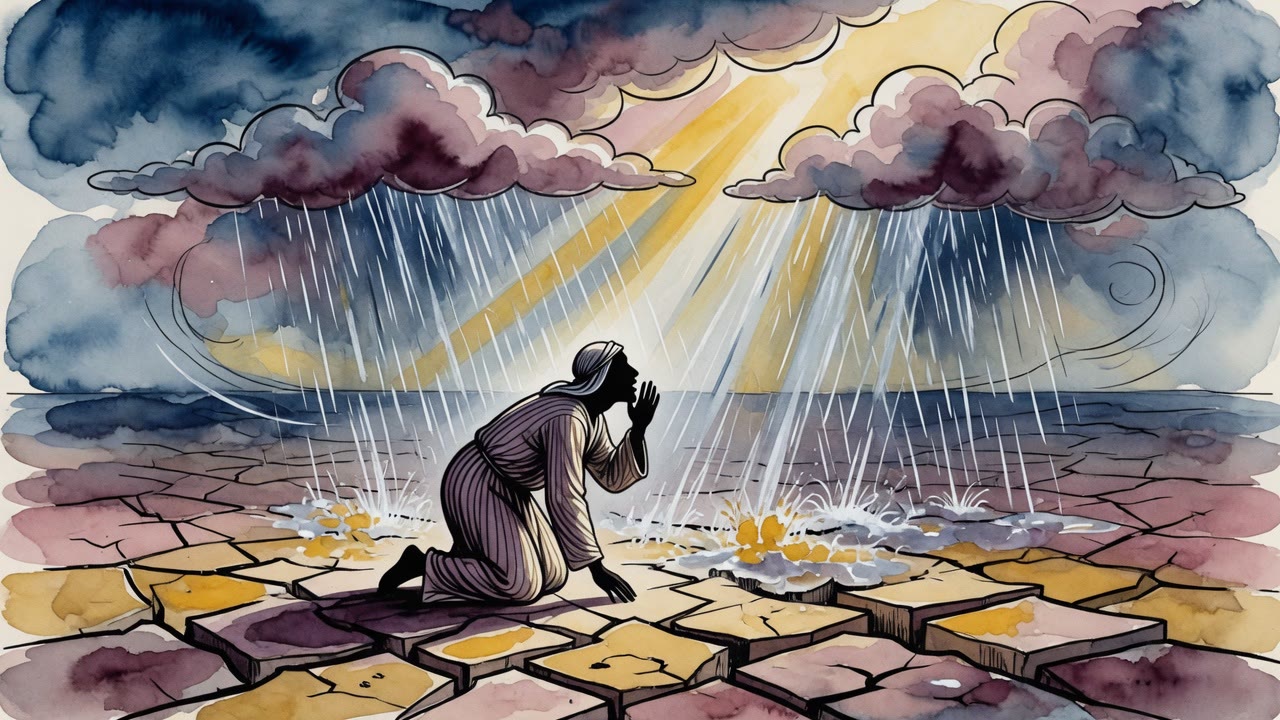
The ground opened in plates of dry mud. He walked the edge of what had been a garden and felt the soil break under his heel like old pottery. No rain for too many weeks. His own life had cracked in the same pattern: losses stacked until friends spoke like prosecutors. He did not have Job's full script, but he had Job's weather. At night he whispered for rahamim, mercy, and the sky stayed blank.
Cloud in a Season of Drought
Ben Sira had written that mercy from the Lord in time of affliction is as a cloud of rains in a season of drought. Not a sprinkle for manners. A cloud heavy enough to change the color of the air. The sufferer held that image the way a thirsty man holds a rumor of a well. He wanted the downpour that makes dust remember it was once mud that could grow.
He prayed, "Save us, O God of all," and asked that the fear of God, the awe that steadies rather than freezes, be lifted high over the nations and over his own panicked heart. Yirat Adonai was not terror for its own sake. It was the posture that keeps a person from calling the drought a god.
Harmony Is Not Softness
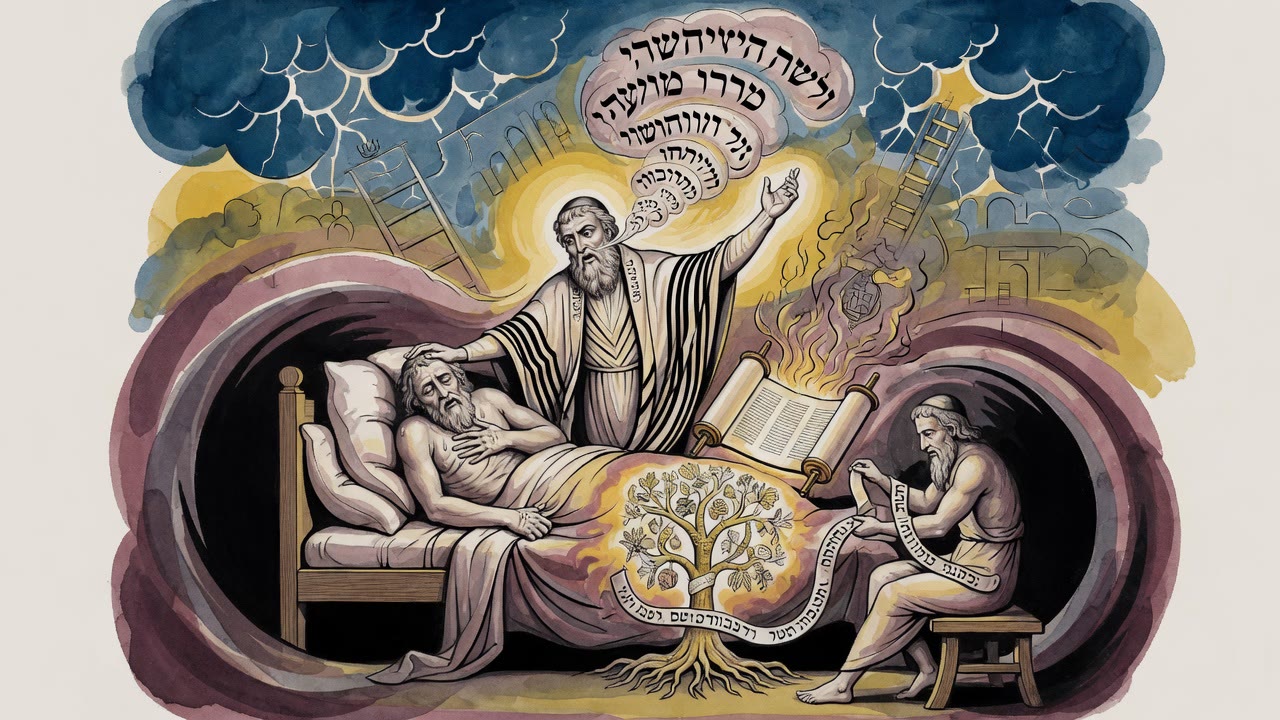
Elsewhere Ben Sira names three things that bring harmony before God, and elsewhere still he speaks hard lines about beginnings of sin that later ages would argue over. The sufferer did not need the whole wisdom book in his pocket. He needed the part that refuses to call affliction proof of divine absence. Mercy and moral seriousness sat in the same author's hand. Harmony before heaven was not a smile painted over cracked earth. It was order restored when justice and compassion stop fighting each other for the last word.
Friends arrived with explanations. He asked them for water and silence. They gave him theories. He kept the cloud image and let their theories dry out in the sun.
Choosing Zion Forever
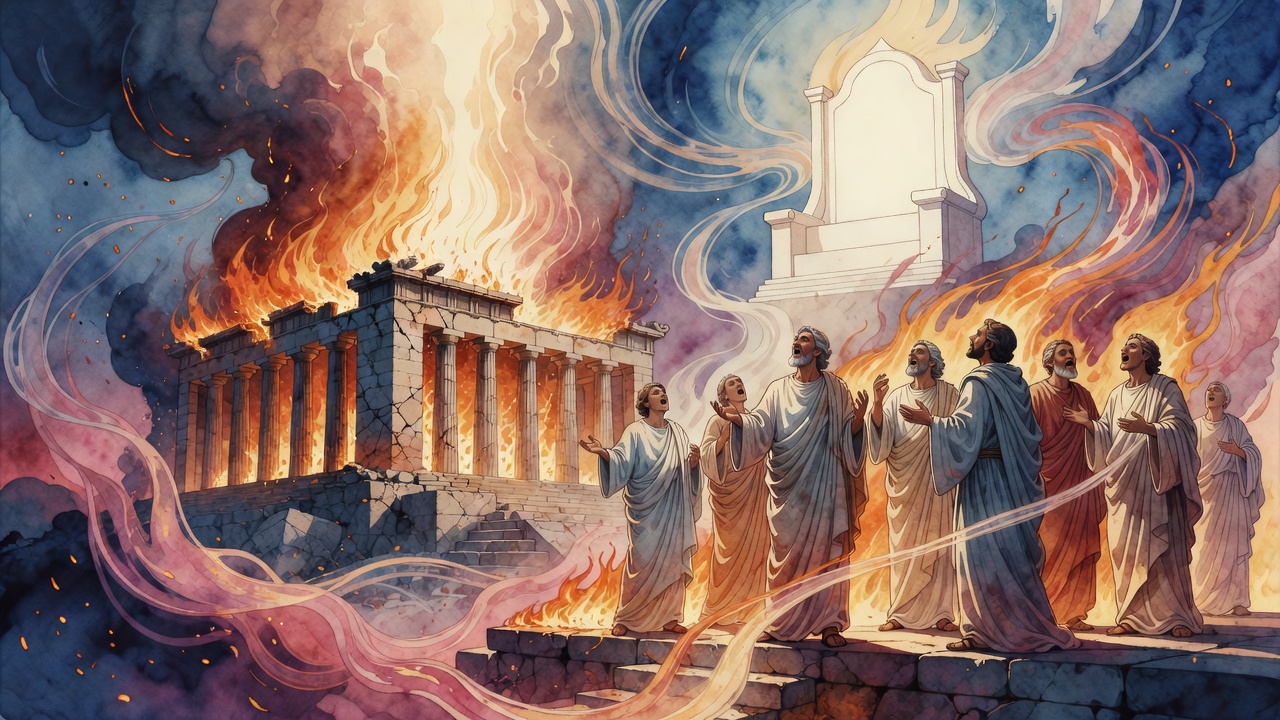
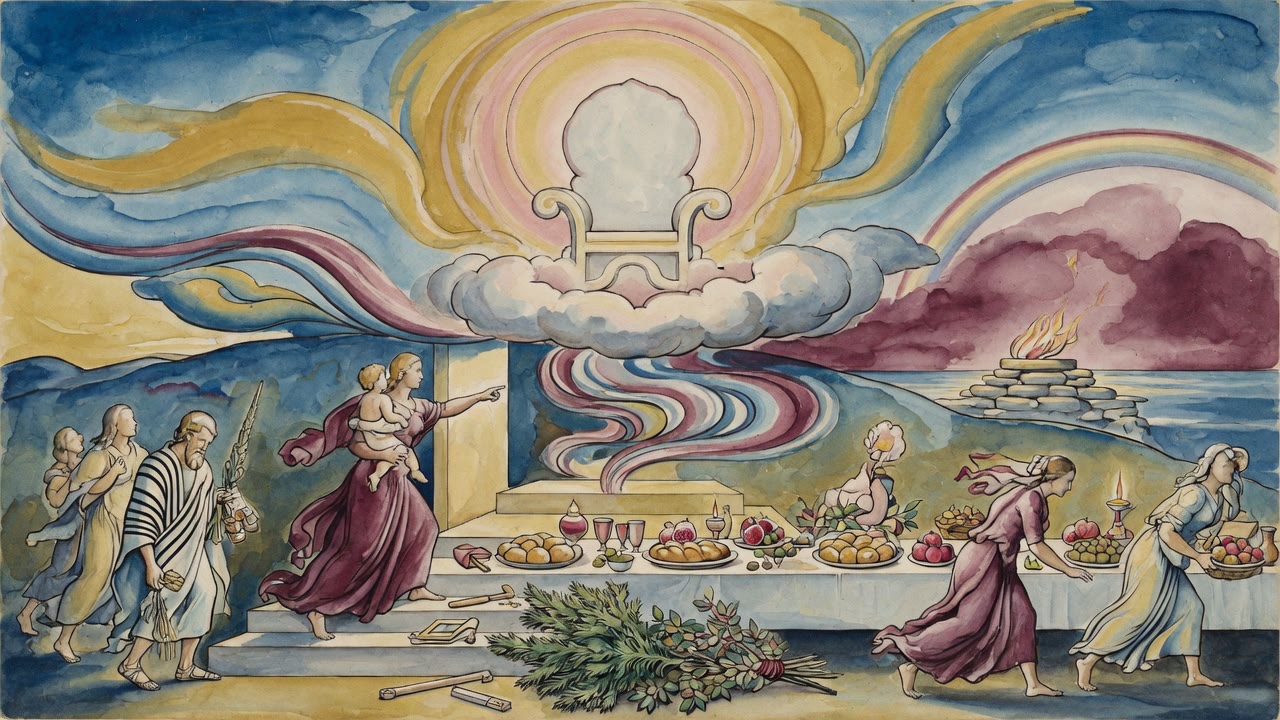
In a lost psalm's line he had once loved, desire turns toward a habitation in Zion, a choosing of Jerusalem forever. Not a tourist's wish. A lifelong alignment. In drought, Zion became the name he gave to the place where presence still dwells when local weather fails. He could not walk to the mountain that week. He could choose the city as a direction of the heart: study, hope, the refusal to let exile of rain become exile of meaning.
Choosing Jerusalem while the field died felt almost foolish. He did it anyway. Folly and faith sometimes share a posture: face toward a center you cannot yet touch.
The First Drop
When the cloud finally rose, it did not lecture. It darkened. The first drop hit his wrist and left a clean spot in the dust. Then the sound on the hard ground became a thousand small drums. He stood in it until his clothes stuck to his skin and the cracks in the field began to darken at the edges. Mercy did not erase the months of loss. It interrupted the lie that interruption is impossible.
He said the Name quietly, not as a transaction, as acknowledgment. Somewhere a psalm about Zion still waited to be sung by a fuller choir. Somewhere Job's story still argued harder questions than one rain could close. For this afternoon the cloud was enough. The earth drank. He drank. The prosecutor-friends went home damp and less certain. The garden would need more than one storm, but the season of absolute drought had broken its own reputation.
Before the rain, he tried to bargain with smaller mercies: a cooler night, a jar borrowed from a cousin, a friend's silence lasting a full hour. Some arrived. None rewrote the season. Ben Sira's cloud stayed the image he refused to retire. He walked the field at dusk and named the cracks as if naming them might shame the sky into movement. The sky did not shame. It waited on its own counsel.
When friends quoted hard wisdom about sin's beginnings, he did not debate Eve or the species of blame. He said, my field is cracked, my name is thin, send cloud or leave. One friend stayed and sat in the dust with him without a thesis. That human mercy was a small rain of its own. It did not open the sky. It kept the sufferer from becoming only a prosecutor of heaven.
After the storm, worms rose into air they had not felt in weeks. He laughed once, surprising himself. Zion remained the forever name; the field remained work; affliction remained a fact that had not been paid off in full. Still he slept that night to the sound of water in places that had forgotten water, and for the first time in a month his dreams were not only arguments.
← All myths