Each Mitzvah Carves the Capacity for Joy in the World to Come
Levi set down the leather boxes and asked if he was painting gold onto the sun. A cracked wall on the walk home was stuffed with rags.
Table of Contents
 Click for full size
Gold Paint on the Sun
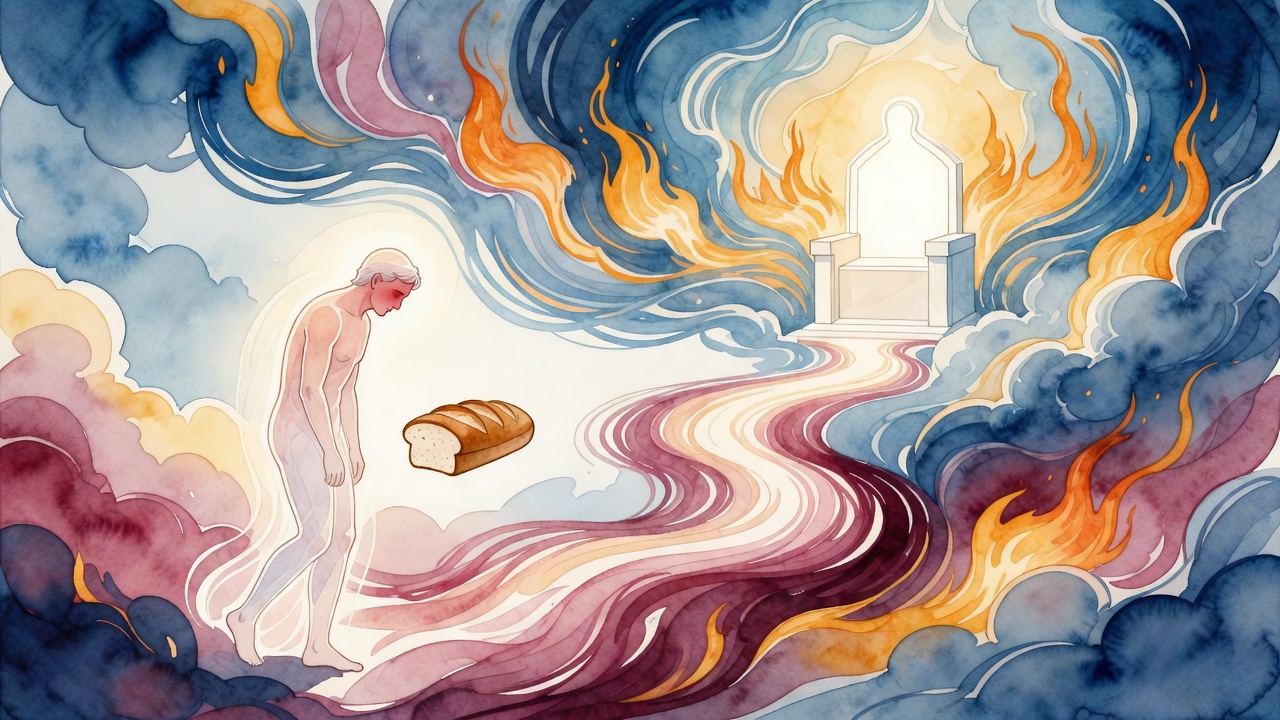
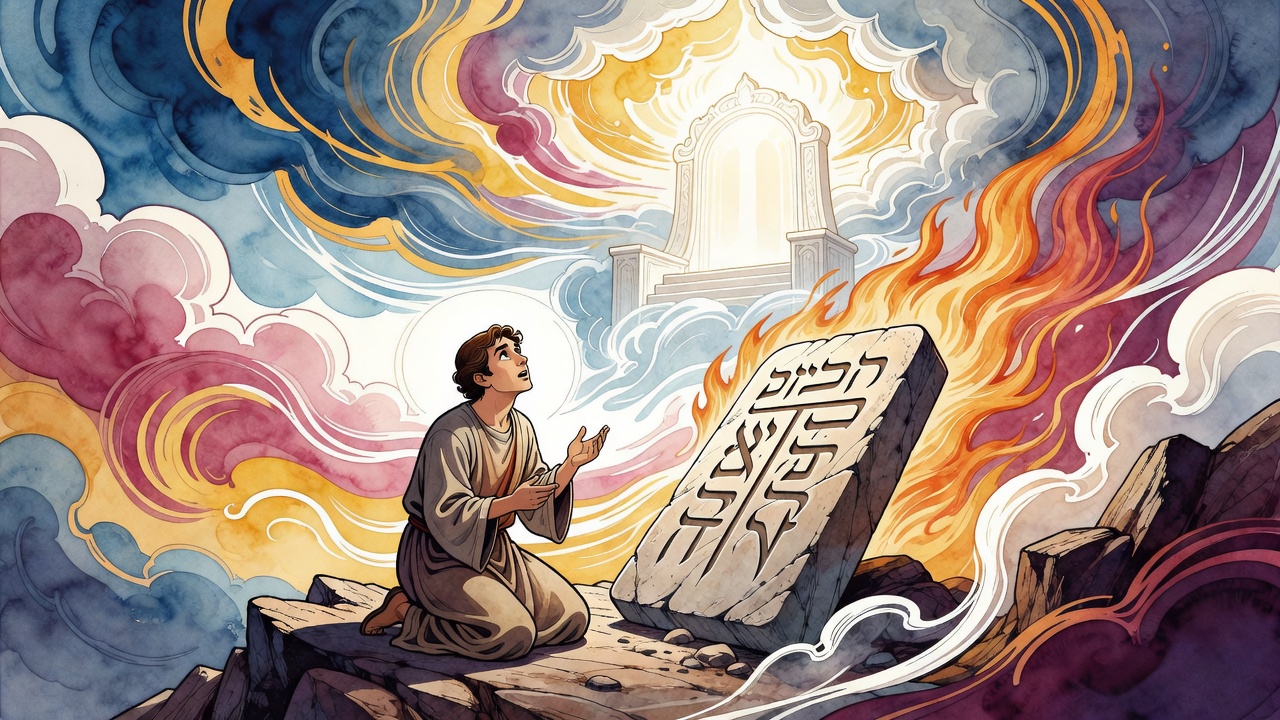
Levi set down his tefillin (תפילין), the leather prayer boxes bound to arm and head, and spoke toward the ceiling of a small room. "If You are already perfect, why these straps, these blessings, these refusals? Am I painting gold onto the sun?"
The room did not collapse. A quieter pressure answered. Absolute perfection, if it alone filled every corner, would leave no need for service. Nothing improves the already complete. The meaning of mitzvot (מצוות), the commandments, begins exactly where a gap is allowed to show.
Levi's hands shook. He had feared his labor was theater. Theater flatters an audience. Avodah repairs a world that was left repairable on purpose.
"You are not feeding My lack," the pressure said without a voice. "You are becoming able to hold My oneness when it is shown."
He looked at the black boxes on the table. Leather. Ink. Knots tied the way his father taught. Small objects. A large job. The mismatch no longer felt like mockery. It felt like design scaled to a human hand.
One Root Under the Commands
A master builder does not scatter bricks without a plan. The Supreme Will did not toss commandments like dice. Merit and reward could have been tied to any tasks at all. The Will wanted more. One system. Consistent in its parts. Aimed at one focus.
That focus is the showing of oneness in actuality. Every fitting command, from the smallest blessing to the hardest restraint, is a tool for that unveiling. Service that only collects points without aiming at unity is still obedience, but it misses the root that makes the system one.
Levi saw his day rearrange. The morning straps were not a private score. They were a hand on a veil. Charity was not a mood. It was a crack where oneness could show between two bodies. Shabbat was not only rest. It was a weekly refusal to pretend that work is god.
He laughed once, short and stunned. The law had always been heavy. Now it was heavy with a plan.
In the market he heard men argue which mitzvah counts more. He bought bread instead and paid the full weight, because a lie on a scale is a second god of convenience.
A Crack Stuffed With Rags
If no lack existed, tikkun (תיקון), a repair, would be a word without a job. Limitation is chosen so that human action can matter. God makes the field of the incomplete and then invites creatures to close gaps without ever becoming makers of the field itself.
What opposes oneness gets a temporary stage so that oneness can be shown when it is turned. "Today to do them," the verse says, "and tomorrow to receive their reward" (Deuteronomy 7:11). Service has a season. The reward is not endless homework. The reward is attainment.
Levi walked home past a cracked wall. Someone had stuffed the crack with rags against the wind. The repair was ugly and kind. He stood there longer than a passerby should. Ugly kindness still closes a gap.
That night he failed a small vow and felt the old theater fear return. Then he repaired the vow in the morning with more care than pride. Failure is also a stage if it becomes return.
The Cup That Would Not Crack
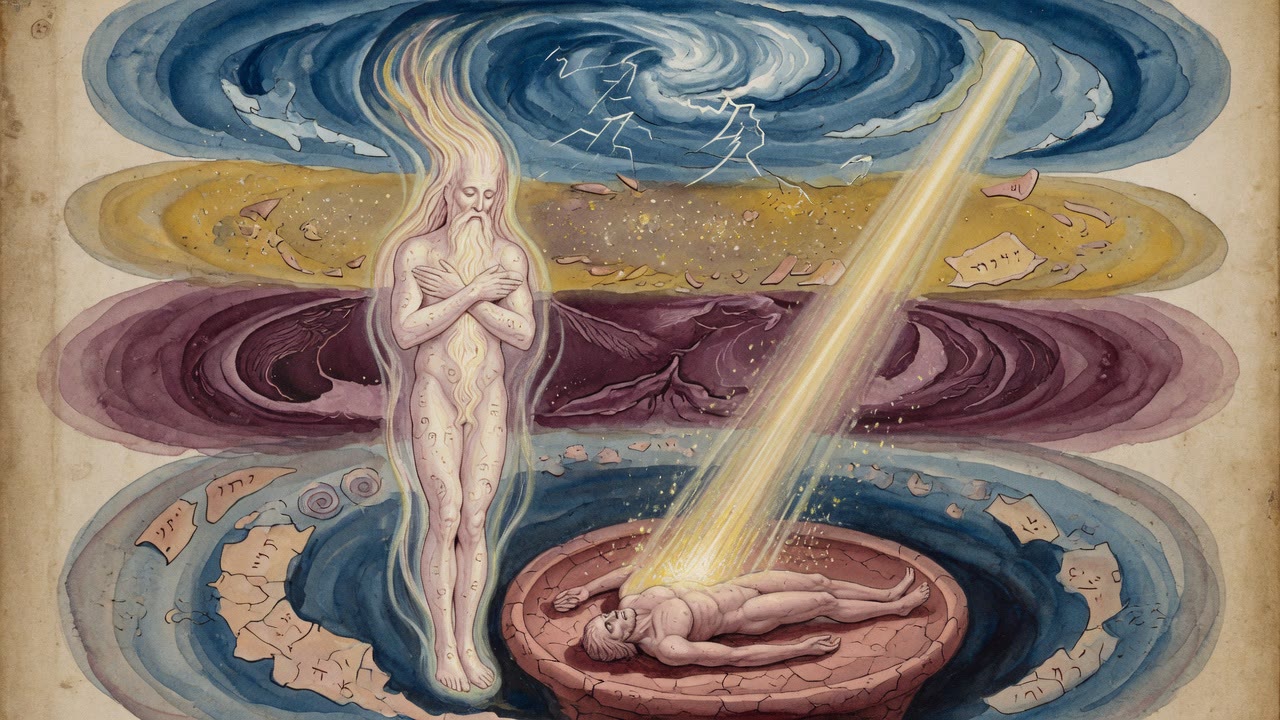
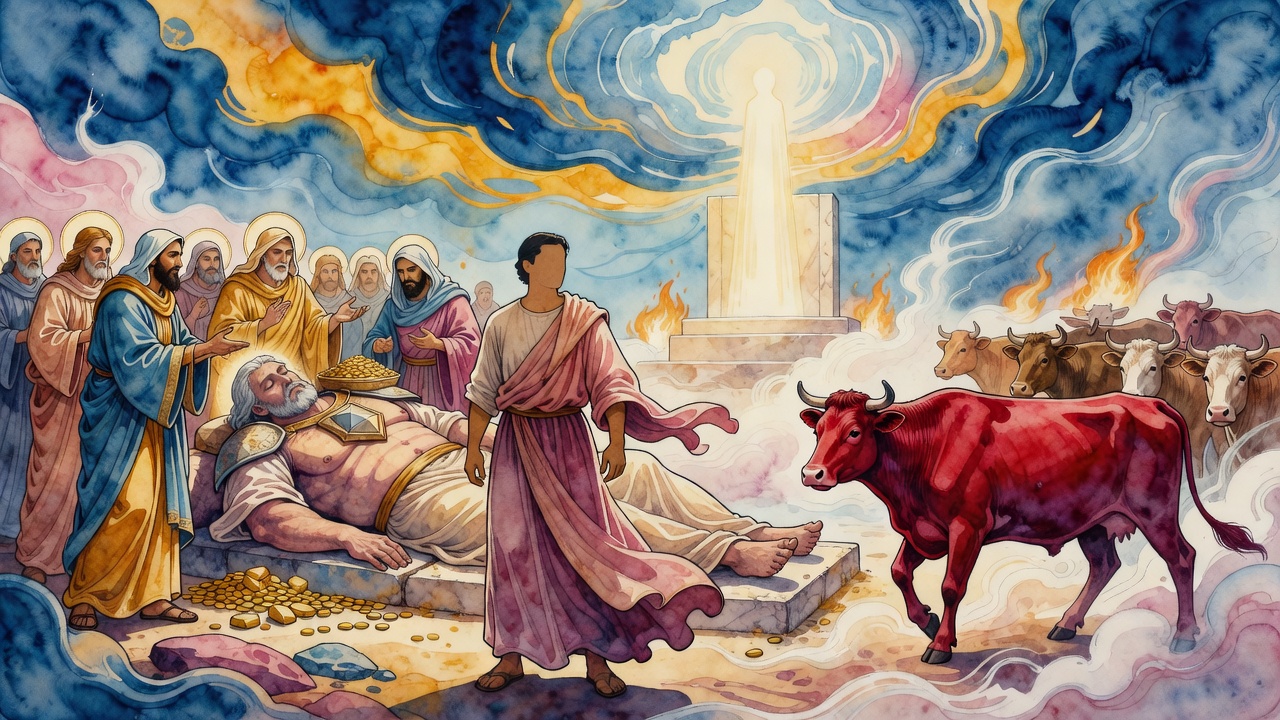
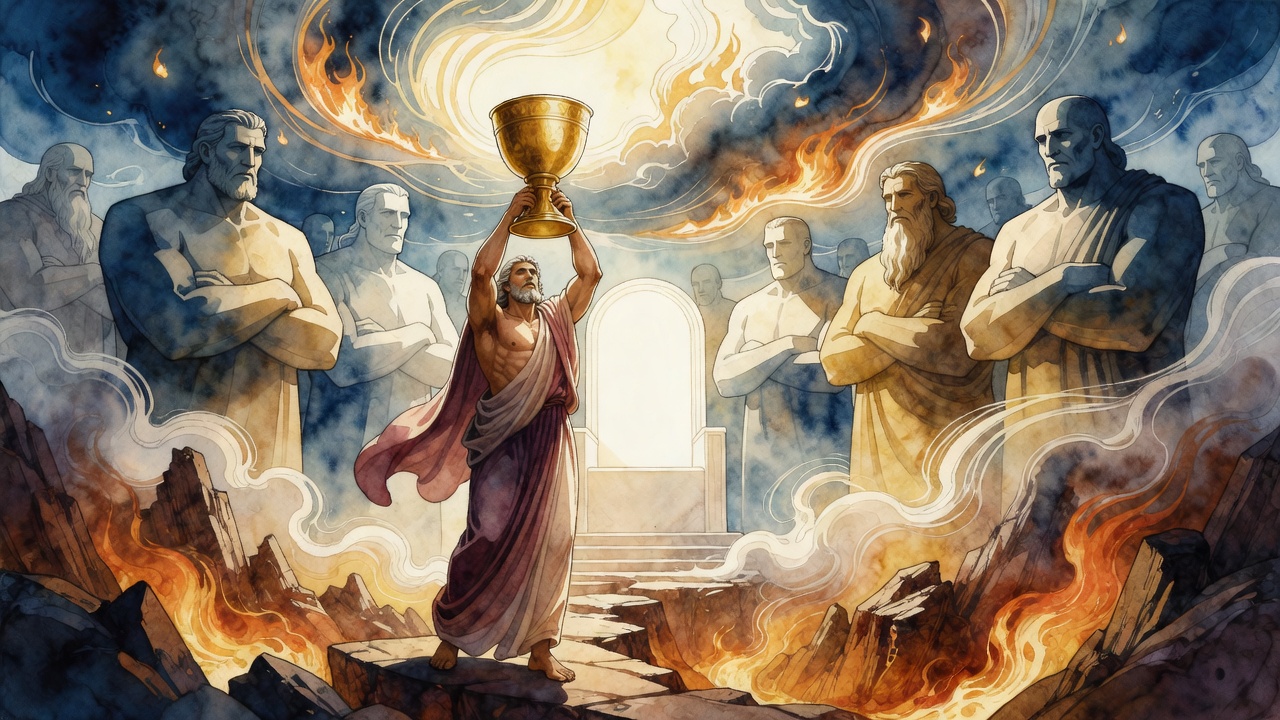
Night brought a vision of return. Souls went back toward their root, the root of all creation. Delight there was not a flat prize handed to every name alike. Joy matched what a life had grasped. The more a person had embodied unity, the wider the vessel for light.
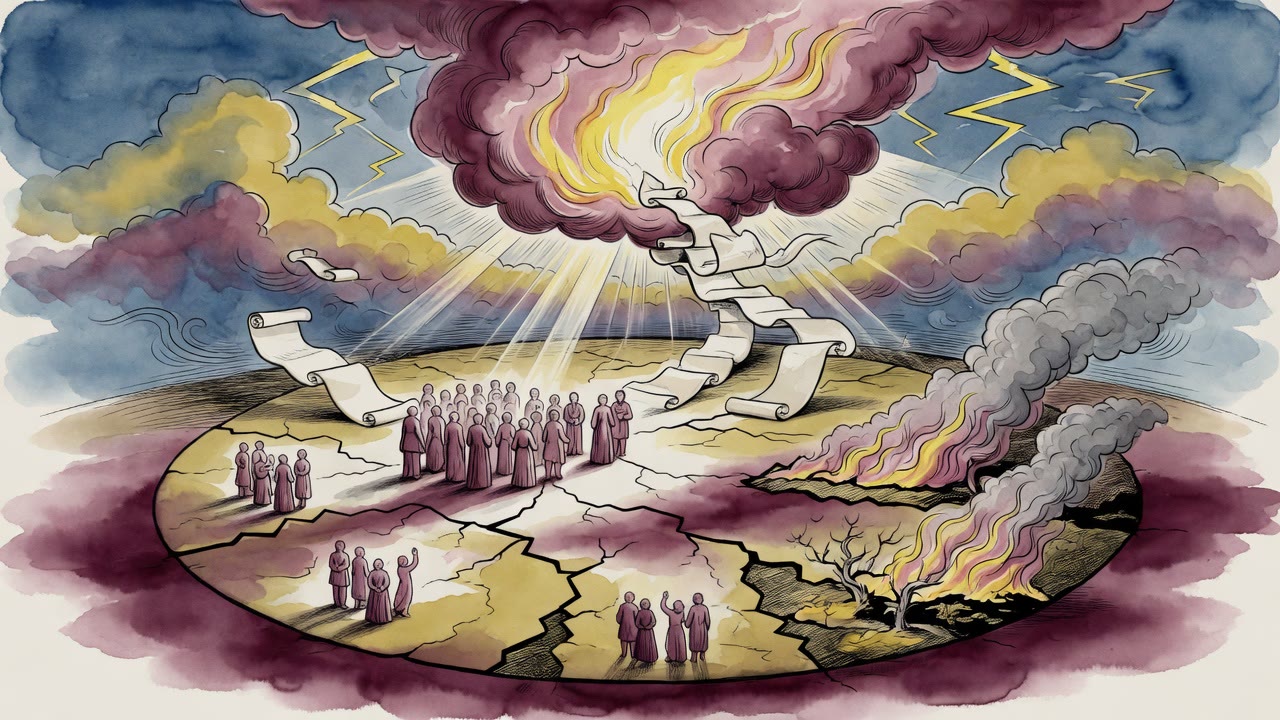
When the full showing comes, barriers fall. The light of perfect unity is the greatest delight a soul can know. That is the true wages of commandments, not fully cashed in this world. King Messiah's age is not flattery for the exhausted. It is the public face of a unity servants already practiced in private.
Levi woke with salt on his lips. He had not seen a throne of gold. He had felt capacity, like a cup fired so it would not crack when filled.
He told his wife only that the straps matter more than he had admitted. She nodded as if she had known, and handed him bread he had not earned by speech. He blessed it anyway, because gratitude is also a mitzvah with a face.
Morning Bound the Straps Again
Morning returned the same small room. Straps. Blessings. A world still cracked. He bound the leather and did not ask whether God needed him. He asked whether he could become large enough for the joy already prepared.
Outside, someone waited for kindness that would cost an hour. Levi went. The hour was a mitzvah with a human face. The root under it was the same root under Sinai's many words. Reveal the One in actuality.
When he died years later, no ledger of theater points followed him. Capacity followed him. The world to come does not invent joy from nothing. It fills what service carved.
The ceiling of the small room kept its silence. The silence was no longer empty. It was waiting for the next pair of hands. In the alley, a boy practiced tying knots on scrap leather and did not yet know he was learning how to hold light.
← All myths