5 min read

Moses and Joseph Went Out to Meet Their Fathers

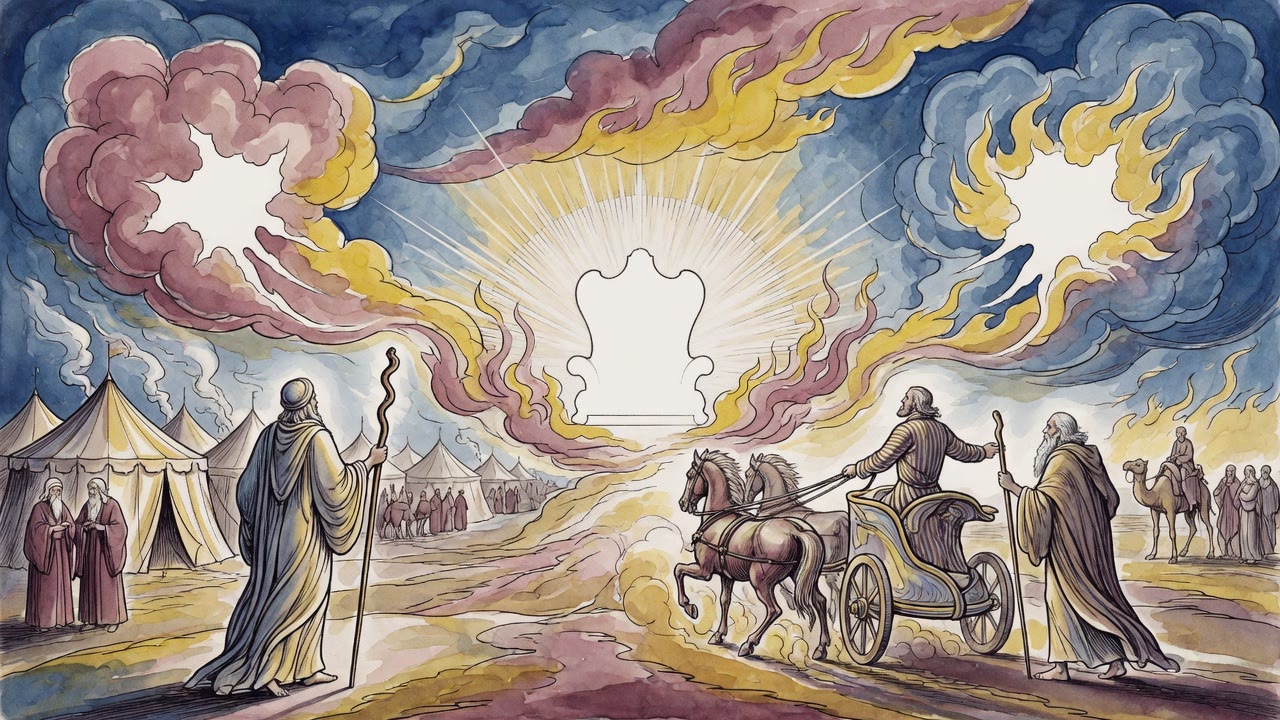
Moses left the camp for Jethro. Joseph harnessed his chariot for Jacob. Heaven calls that honor the inheritance of the wise and the glory of elders.

Curated by Arthur · Told by Maggid ·
Table of Contents
  1. Two Men Above All Homage
  2. Flock at the Edge of the Wilderness
  3. The Lord Went Before Them
  4. Honor Now, Glory Later
  5. What the Road Still Teaches
Moses and Joseph Went Out to Meet Their Fathers Click for full size

Two Men Above All Homage

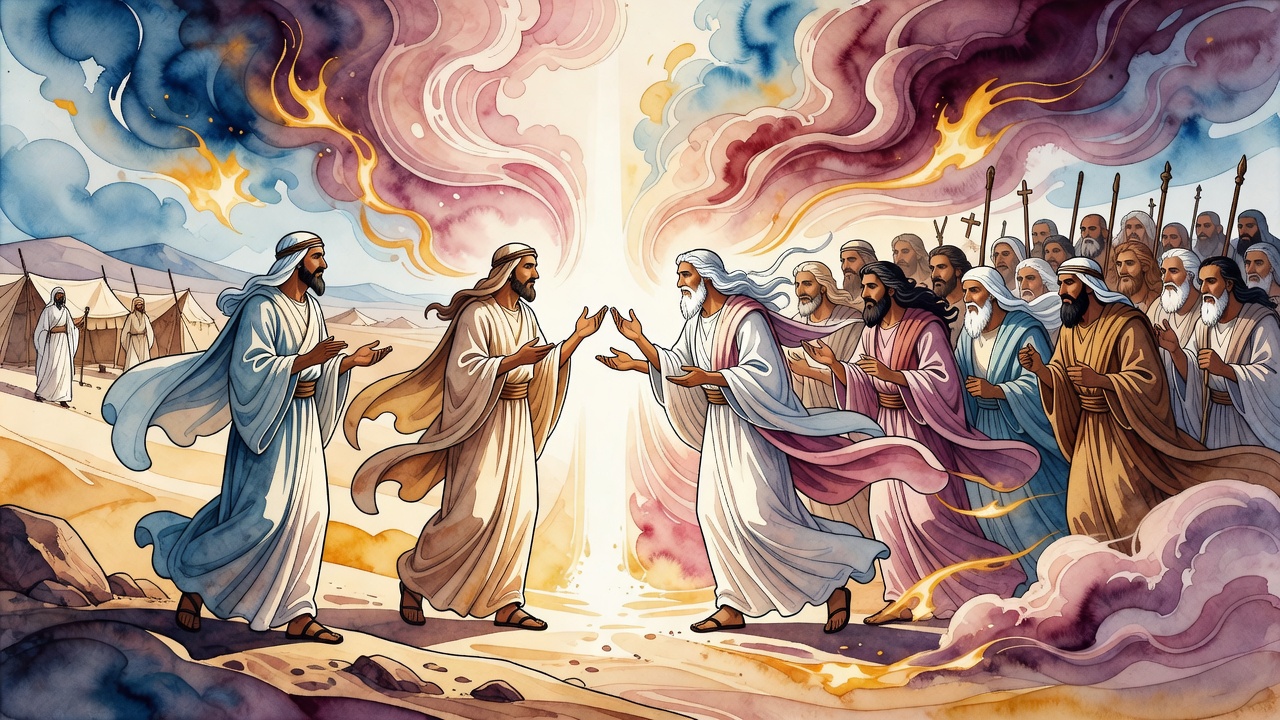
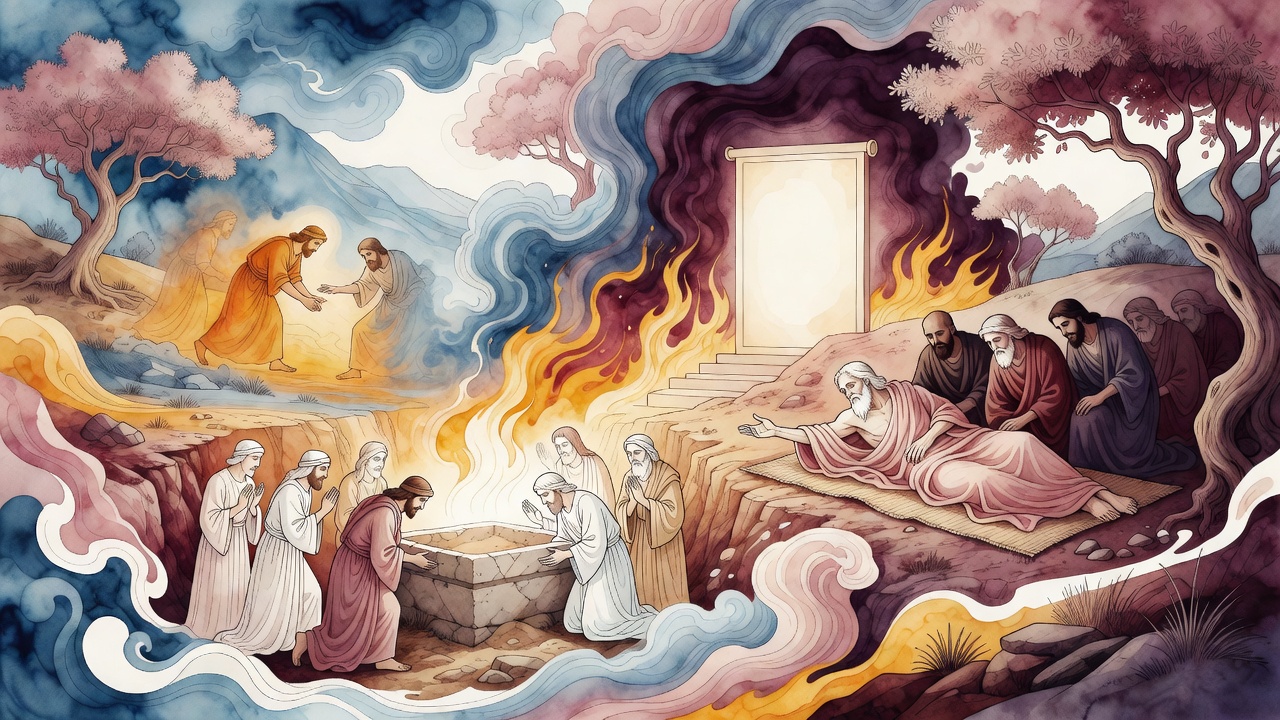
Rabbi Yudan said in the name of Rabbi Aibu that two men received more homage than any others in the world. Jethro and Jacob. When Jethro came to Moses, Moses went out to meet his father-in-law (Exodus 18:7). Who imagines Moses walking out alone? Leaders of thousands and hundreds go with him. The seventy elders go. Aaron the high priest goes. All Israel goes. The midrash fills the road with a nation learning how a son-in-law honors a father who once took him in as a stranger.

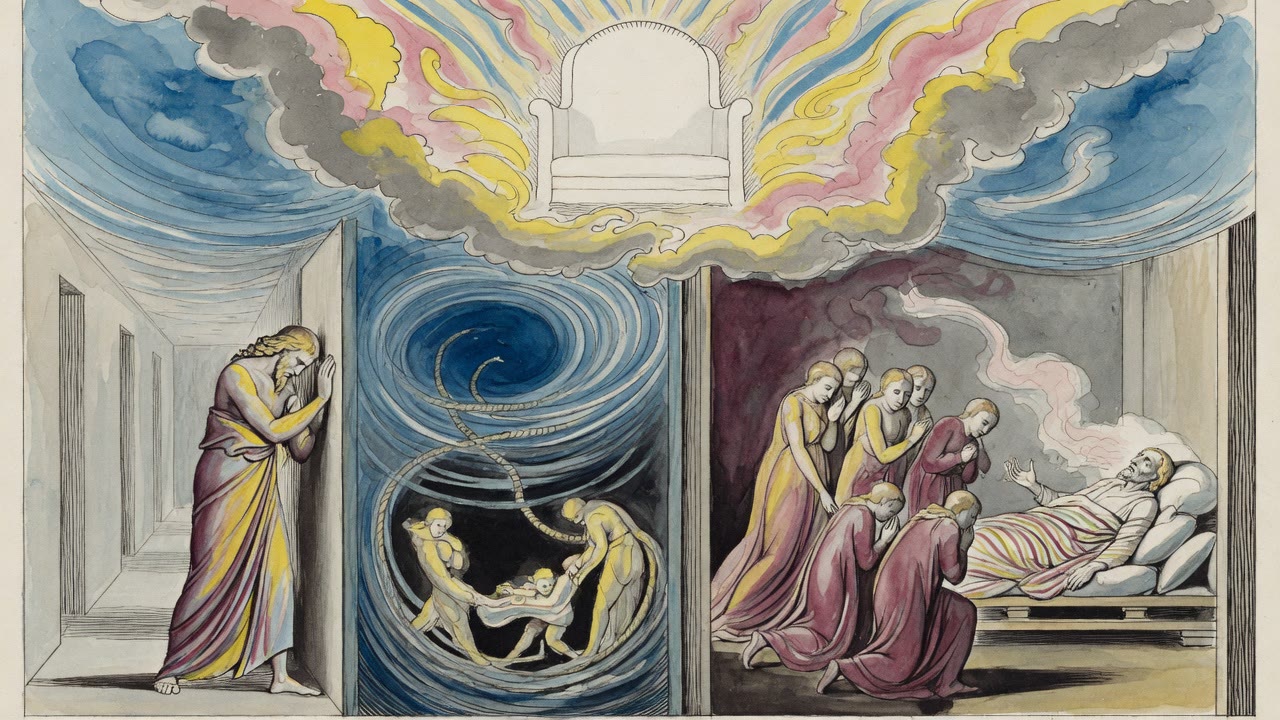
When Jacob came down to Egypt, Joseph made ready his chariot and went out (Genesis 46:29). Who sees the viceroy harness horses for an old shepherd and stays home? Pharaoh's servants go. Elders of the household go. Elders of Egypt go. Joseph fulfills the proverb. The wise shall inherit honor (Proverbs 3:35). Homage is not flattery. It is public motion toward the one who gave you life or law.

Flock at the Edge of the Wilderness

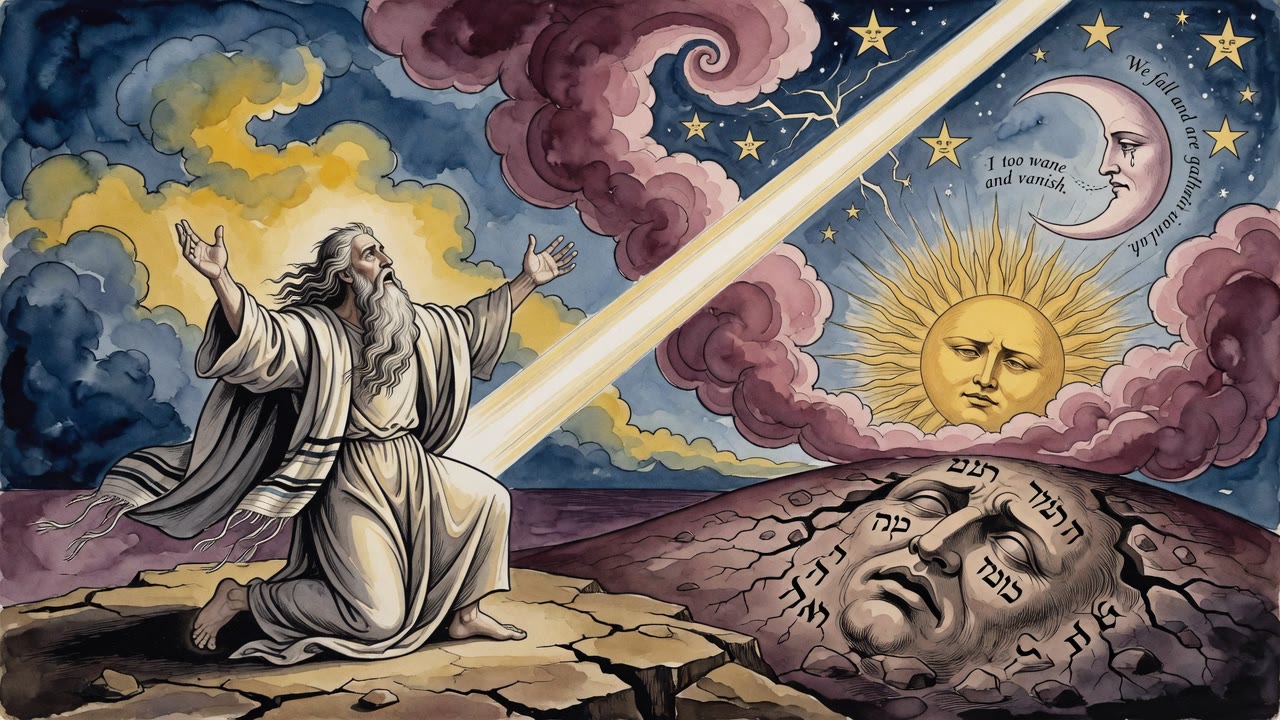
Before that meeting, Moses led Jethro's flock to the farthest end of the wilderness (Exodus 3:1). Rabbi Johanan said he went because he foresaw that Israel would be exalted through the wilderness. Ascent from Egypt, Torah, manna, quail, Tabernacle, Shekhinah (the Divine Presence), priesthood, kingship, well, and clouds of glory all happen in that emptiness. The mountain of God at Horeb waits at the edge of emptiness, not in a palace court.

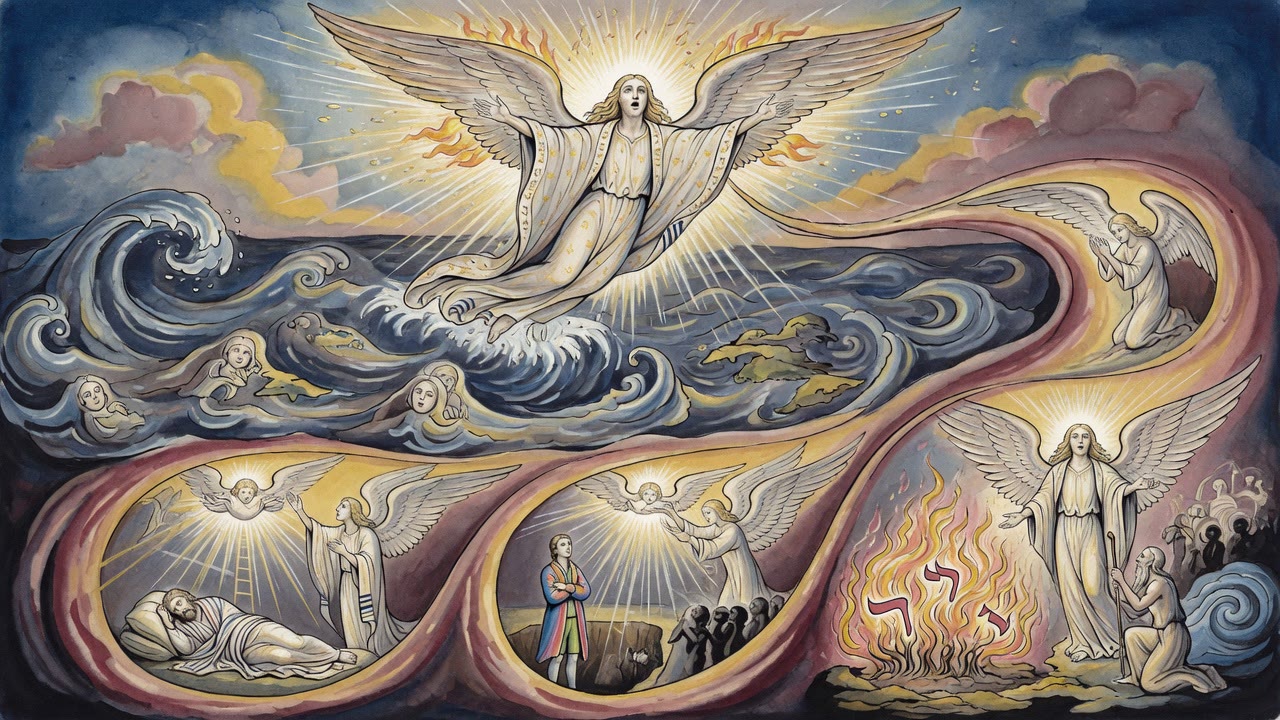
The flock also signs his future. He will lead Israel through desert for forty years and die with that flock still outside the land. When Moses later pleads for Israel's needs like a lover asking after midwives, pregnant women, nuts for infants, and potions for the mothers, God answers with the footsteps of the flock. Learn the people by walking their path. The angel appears in fire only after the shepherd has gone far enough into waste to become a leader of a nation of sheep.

The Lord Went Before Them

"And the Lord went before them by day" (Exodus 13:21). Does He not fill heaven and earth? Why say He went before them? To show the nations the extent of His love for Israel, so they would pay homage. They did not. They slaughtered them. Joel's judgment gathers nations to the valley of Jehoshaphat not only for idolatry or bloodshed in the abstract, but for scattering God's people and heritage among the nations.

Homage refused becomes indictment. The God who walked ahead of a freed people still measures how the world treated the ones He led. Egypt shall be desolation and Edom a wilderness while Judah is inhabited. Blood held as not innocent waits for the day the Lord dwells in Zion. Honor denied on earth is not forgotten in Heaven's docket.

Honor Now, Glory Later

The Holy One said, in this world I have allotted honor to the elders, but in the future world, before His elders shall be glory (Isaiah 24:23). Moses going out for Jethro and Joseph going out for Jacob are not private family manners. They are rehearsals of a cosmos that ranks age, teaching, and parenthood above rank. The viceroy's chariot and the prophet's feet teach the same lesson from opposite ends of power.

A people that will not go out to meet its teachers will one day face nations that would not go out to meet Israel either. The Maggid pairs the family road with the pillar of cloud so honor stays thick, not sentimental.

What the Road Still Teaches

Leave the tent for the father-in-law. Harness the chariot for the father. Walk the flock into the wilderness until fire speaks. Remember that the God who goes before you still judges the nations that refused homage and chose slaughter. Soft religion wants warm feelings about grandparents. Hard Tanchuma wants a full camp on the road and a future glory reserved for elders.

Moses did not send a messenger. Joseph did not wait in the palace. Honor goes out on foot. The wilderness flock and the pillar of cloud frame that presence as Israel's whole story from Midian to the sea.

See the dust of the Sinai approach when Jethro's caravan appears. Moses does not calculate dignity against dignity. He spends dignity on the man who gave him a home when Egypt wanted him dead. The camp learns by watching the greatest among them become small on purpose.

See Joseph's wheels turn toward Goshen while Egypt's court scrambles to follow. The son who once wore a coat of many colors now wears empire, and still the first motion is toward an old man who blessed him in a Canaanite field. Wisdom inherits honor by moving first.

See the wilderness that looked empty become the warehouse of revelation. Torah, bread from heaven, water from rock, and the Presence itself chose the place without cities. Moses learned the map by herding sheep until the bush burned.

Go out. Lead far. Walk ahead with God and demand that the nations learn what love looks like when it leads a people. When they refuse, judgment already has its valley named.


← All myths

From the tradition

Sources

3 sources

The texts behind this telling. Some cards carry a translation of the source; others are our own retelling of it, and each card says which. Every card links out to the original.

Midrash Tanchuma, Vayigash 7Midrash Tanchuma

Retold in our words. Read the original at the link below.Townsend 1989 translation of Midrash Tanhuma, S. Buber Recension · CC-BY

And Joseph made ready his chariot (Gen. 46:29). R. Yudan said in the name of R. Aibu: Two men were accorded more homage than any other men in all the world; they were Jethro and Jacob. It is written that when Jethro came to Moses, Moses went out to meet his father-in-law (Exod. 18:7). Who would imagine Moses going out and other people not going out with him? Would not the leaders of the thousands and the hundreds go out, and would not the seventy elders and Aaron, the high priest, go out?, if he went out, would not all Israel go out with him to meet Jethro? Similarly, when Jacob came to live with Joseph, it is written: Joseph made ready his chariot and went out. Who, upon observing Joseph going out to meet his father, would fail to accompany him? Would not Pharaoh’s servants go out, would not the elders of his household and the elders of Egypt go out? He went out to fulfill the verse The wise shall inherit honor (Prov. 3:35).

The Holy One, blessed be He, said: In this world I have allotted honor to the elders, but in the future world: Before His elders shall be glory (Isa. 24:23).

Full source
Midrash Tanchuma, Shemot 14Midrash Tanchuma

Translation of the source text.Midrash Tanchuma -- Torat Emet · Public Domain

"And he led the flock behind the wilderness" (Exodus 3:1). Rabbi Yochanan said: Why was he heading toward the wilderness? Because he saw that Israel would be raised up from the wilderness, as it is said, "Who is this coming up from the wilderness?" (Song of Songs 3:6). The ascent is from the wilderness, the Torah is from the wilderness, the manna and the quail are from the wilderness, the Tabernacle is from the wilderness, the Divine Presence is from the wilderness, the priesthood and the kingship are from the wilderness, the well is from the wilderness, the clouds of glory are from the wilderness. Therefore, "And he led the flock behind the wilderness."

"And he came to the mountain of God, to Horeb" (Exodus 3:1). Rabbi Shimon ben Yosi said: Moses's flock went forty days and tasted nothing, just as Elijah, may his memory be a blessing, went, as it is said, "And he arose and ate and drank, and went in the strength of that food forty days and forty nights" (1 Kings 19:8).

"And he led the flock behind the wilderness": it foretold to him that Israel, who are called a flock, would perish in the wilderness. "And he led the flock": it hinted to him that he would lead Israel forty years. And he too would be confined with the flock in the wilderness. And even when Moses asked about the needs of Israel, when the Holy One, blessed be He, said to him, Go on My mission, Moses said to Him, "Tell me, you whom my soul loves" (Song of Songs 1:7): how many pregnant ones are among them, how many are with young among them, how many bundles have You prepared for them, how many remedies have You prepared for the pregnant ones among them; "tell me, you whom my soul loves." The Holy One, blessed be He, answered him, "If you do not know, O fairest among women..." (Song of Songs 1:8). Therefore, "And he led the flock behind the wilderness." Once he reached Horeb, immediately "the angel of the LORD appeared to him in a flame of fire" (Exodus 3:2). Why in a flame of fire? In order to encourage his heart, so that when he would come to Sinai and see that fire, he would not be afraid of it.

Another interpretation: And why in a flame of fire (labbat esh)? From the two parts of the thornbush upward, for the heart (lev) is set from the two parts of a person upward. And why from within the thornbush, and not from within a great tree, and not from within a date palm? The Holy One, blessed be He, said: I wrote in the Torah, "I am with him in trouble" (Psalms 91:15). They are placed in subjugation, and I too am in the thornbush, in a narrow place. Therefore from within the thornbush, which is all thorns.

Full source
Midrash Tanchuma, Beshalach 5Midrash Tanchuma

Retold in our words. Read the original at the link below.Townsend 1989 translation of Midrash Tanhuma, S. Buber Recension · CC-BY

And the Lord went before them by day (Exod. 13:21). Has it not already been said: Do not I fill heaven and earth? (Jer. 23:25), and also: The earth is full of His glory (Isa. 6:3)? Why, then, does Scripture say: And the Lord went before them? In order to reveal to the nations of the world the extent of His love for Israel, so that they would pay homage to them. However, not only did they not pay homage to them, but they slaughtered them most cruelly. Because of that it says: I will gather all the nations, and will bring them down to the valley of Jehoshaphat; and I will enter into judgment with them there for My people and for My heritage Israel, whom they scattered among the nations (Joel 4:2). It does not say “Because they committed idolatry” or “committed sexual crimes” or (were guilty) “of shedding blood,” but rather: For My people and for My heritage Israel whom they have scattered among the nations. And it says also: Egypt shall be a desolation, and Edom shall be a desolate wilderness (ibid., v. 19), while at that very time Judah shall be inhabited forever, and Jerusalem from generation to generation. And I will hold as innocent their blood that I have not held as innocent (ibid., v. 20). When will that be? When the Lord dwelleth in Zion (ibid.).

Full source