Moses Asked How God Waits Out the Wicked
Cloud clung to the rock. Moses wanted the map, not a soft word. He could not stomach a marketplace where the wicked laughed. A stone rolled under his sandal.
Table of Contents
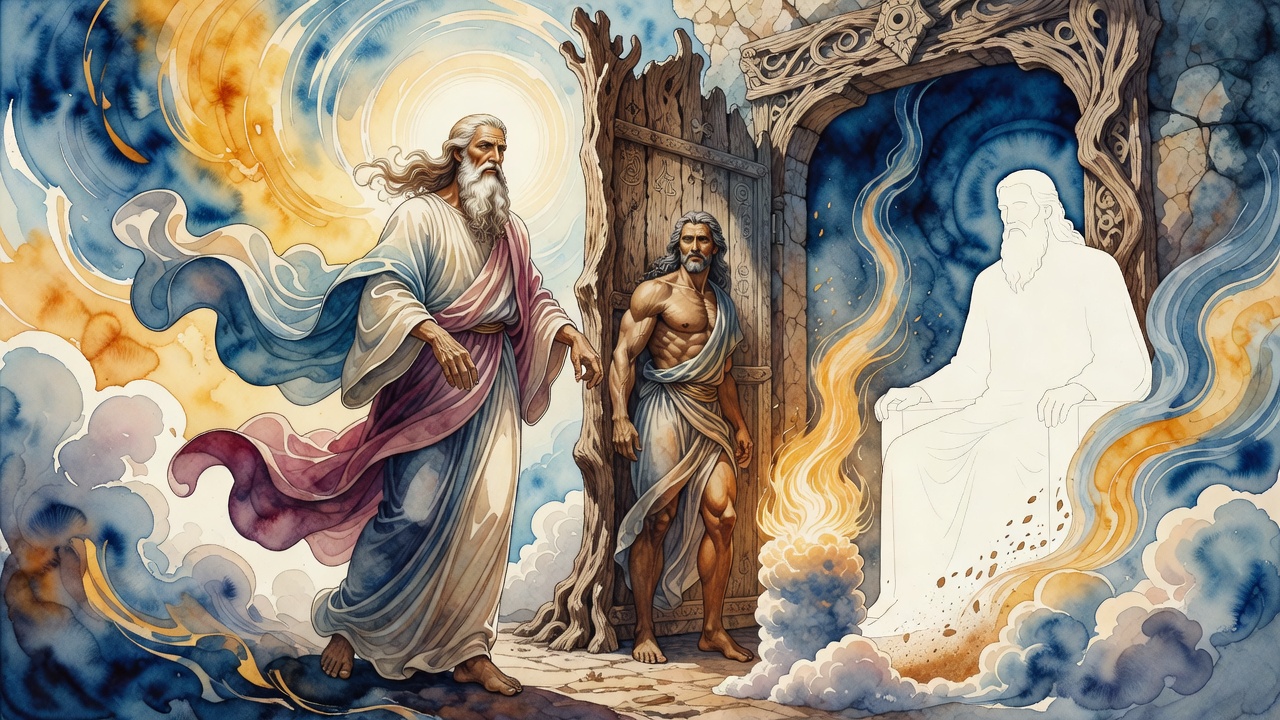
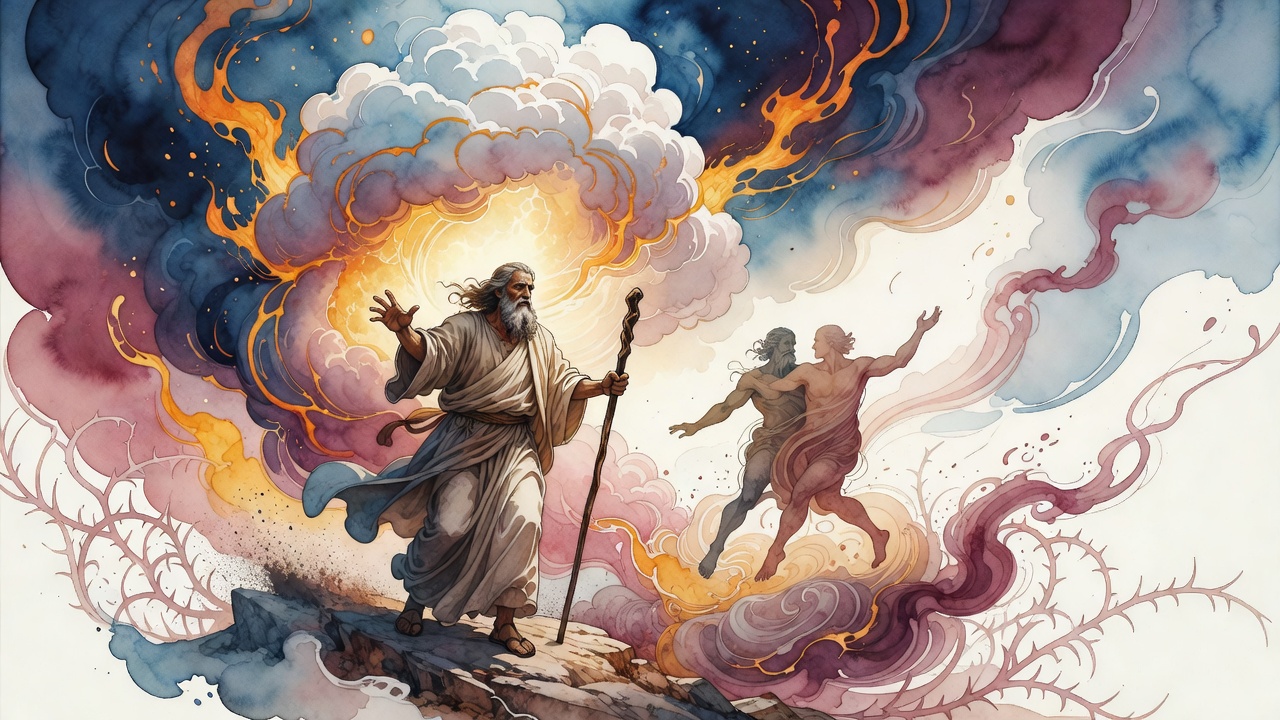
Moses climbed the last shelf of rock with dust on his tongue and did not ask for a soft word. He asked for the map. Cloud clung to the stone. He pressed God for the ways that run the world when the wicked laugh in the marketplace and the righteous count their bruises. "Please make known to me Your ways," he said, and the request was not philosophy. It was a man who had led a stiff people and still could not stomach the books that seemed to balance wrong.
 Click for full size
God did not hand him a chart of abstractions. "You ask for My ways, but you will know My life," came the answer, close enough to burn. The ways were not a lecture. They were the living patience that holds a world together long enough for a few good deeds and a few bad ones to finish their work.
Abundance That Refused to Drip
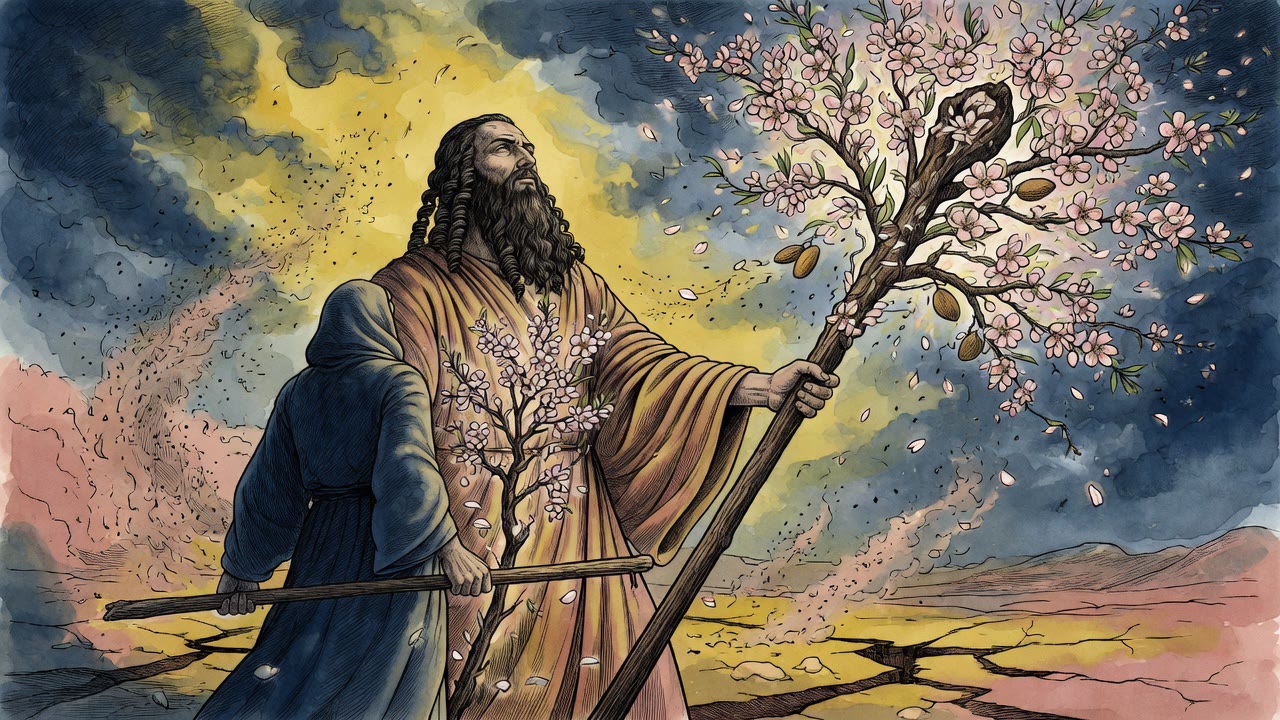
Righteous deeds belong to the Lord, the teaching runs, and then the measures open wider than a dry season expects. Pardon poured full from Isaiah's call to return, for He will abundantly pardon (Isaiah 55:7). Redemption stacked the same way from the psalm that waits for the Lord more than watchmen for morning (Psalms 130:7). Deliverances came in the plural, a God of salvations, not a single emergency exit (Psalms 68:21).
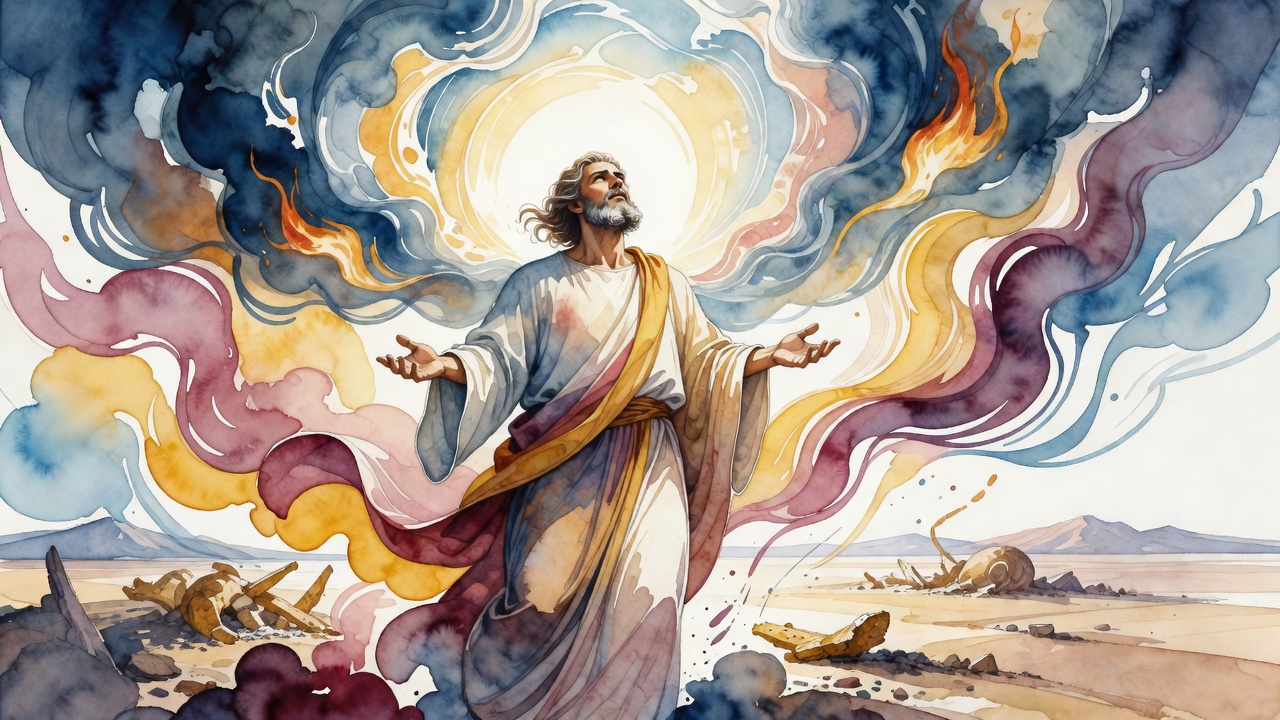
Moses lifted his face into that rain while a people who still remembered thirst waited below. Forgiveness was not a thin channel scratched in dust. It fell like water that finally finds the cracked field and does not apologize for flooding the furrows. He had seen Pharaoh's stubbornness. He had seen Israel's. The abundance did not erase either. It outlasted both long enough for a path to open through the sea.
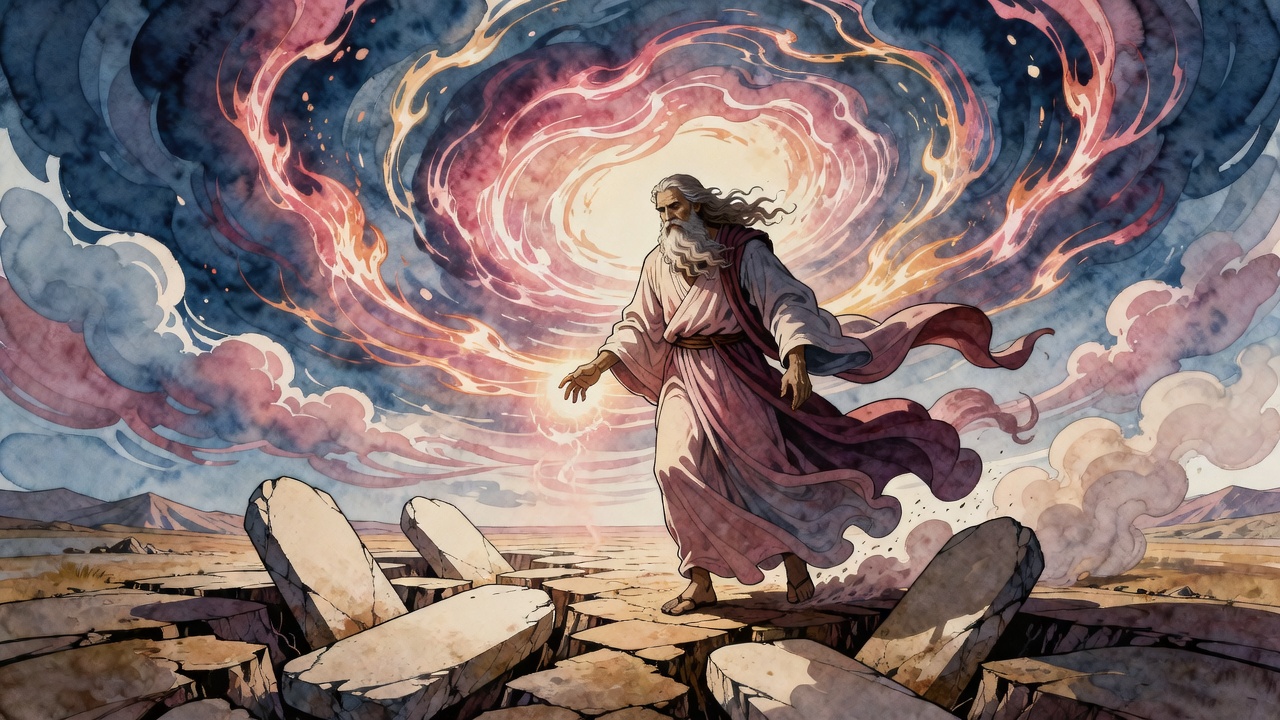
A stone rolled under his sandal. He stepped aside, caught his balance, and kept his face toward the Presence that had just refused to make mercy look scarce.
The Double Ledger of Patience
Justice still stood in the old song: His ways are justice, a God of faithfulness without iniquity, righteous and upright is He (Deuteronomy 32:4). Beside it sat a harder counterpoint. God prolongs His spirit with the wicked and pays them in this world for the few good deeds they managed, so that the account can close clean when destruction comes. He prolongs His spirit with the righteous and lifts from them the few bad deeds they carried, then returns them toward quiet.
Moses turned the bitterness over on his tongue. In the valley of the vision a wicked man walked free under a full sun while a careful man limped and paid a tax he did not earn. Early coin for early sins. Early subtraction of the righteous person's small failures so the rest can stand. The world does not always show the final page at noon.
"Therefore the wicked will not stand in judgment," the psalm concludes in another register. The wise are Israel, who recognized the holiness of the Ark overlaid with pure gold (Exodus 25:11). The fools turn away, estranged, or worse, call the world a jest and empty the morning and evening of God's name. God spoke the charge clean: I created the world, and it was so (Genesis 1:7). You say otherwise. Denial of the making is the first refusal to stand when the court finally sits.
It would be good if the wicked judged others only as they would judge themselves. The standard they love for strangers would crush them at home. Moses heard that and did not laugh. He bound the saying into the same staff he carried down every hard mountain.
Back and Forth in the First Dust
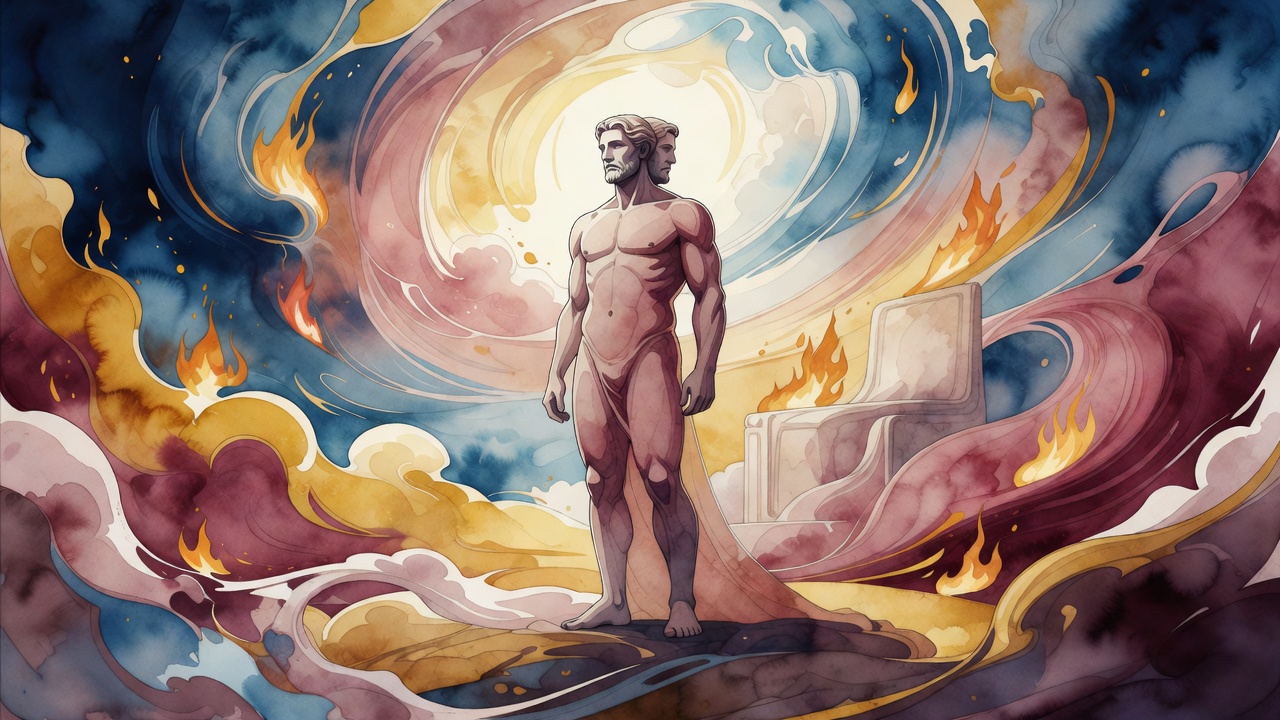
Before any ledger of nations, dust had already been shaped under a double pressure. "Back and forth You formed me," the psalm sings of the first human frame (Psalms 139:5). One master says two faces, front and back, a creature already looking both ways. Another says a face and a tail, a form still half-beast until the human settles. A third pair lands harder: "back" as the act of creation itself, "forth" as the punishment that follows when the creature fails the gift.
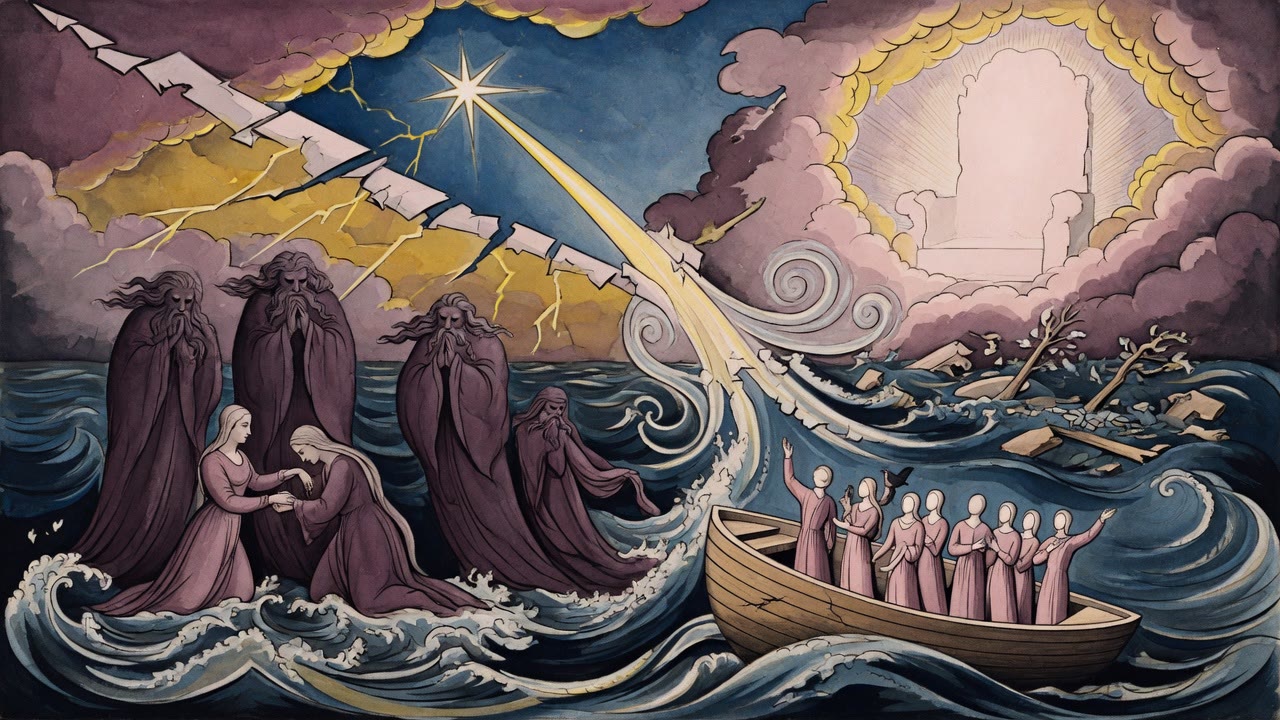
The Flood sat in that "forth." God blotted out every living substance from the face of the ground (Genesis 7:23). Moses watched water rise in the telling until roofs sank and mouths closed. The same hands that pressed Adam from dust later washed the world that dust had filled with violence. Creation and judgment shared one grammar. Moses, who already knew water as both path and grave, felt the old pair lock into place: form, then the cost of what the form chose.
Adam rose from the ground able to face both worlds if he proved worthy, back and forth as a double portion, or else to arrive only to give account with the hand of God still heavy on him. Dual dust. Dual destiny. No neutral clay. Moses reached toward the image as if he could steady the first man, then dropped his hand because the Flood had already answered what unsteadied dust becomes.
The Answer Moses Had to Carry Down
Moses came off the height with no neat proverb for the camp. He carried rain that pardons more than the eye expects, a patience that pays the wicked early and trims the righteous early, and a first human shaped for two directions before the Flood ever rose. The people would still watch scoundrels prosper. The people would still ask why. He could at least refuse the lie that God had no system, only mood.
At the foot of the mountain a child chased a goat through thorn. Moses stepped aside and let them pass. Somewhere above the cloud, the double ledger kept its slow count. Somewhere below, Adam's children still walked with faces that could turn toward life or toward the water that erases.
He drove his staff into the dust, pulled it free, and walked toward a camp that would need both justice and the rain that refuses to drip. Behind him the rock held the heat of the question he had thrown. Ahead of him tents waited with men who wanted simple fairness by nightfall. He carried neither simple nor fair. He carried the ways.
← All myths