Moses Cast Lots for Two Hundred Seventy-Three Firstborn
Twenty-two thousand Levites cover Israel's firstborn, but two hundred seventy-three sons still owe five coins. Moses fills an urn so no father can cry foul.
Table of Contents
 Click for full size
A Remainder That Could Split a Camp
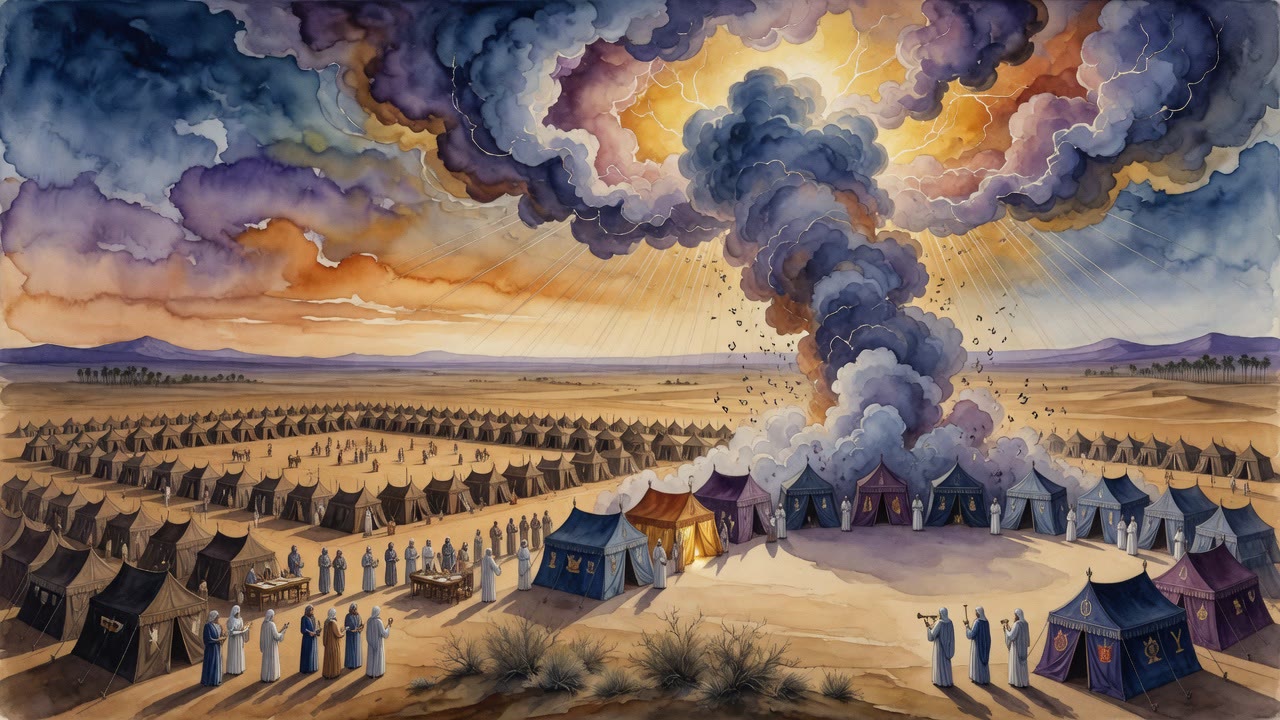
The Levites were counted to stand in place of Israel's firstborn, body for body, service for service. The numbers almost closed. Then the remainder appeared like a crack in a wall: two hundred and seventy-three firstborn for whom no Levite could be exchanged. Each owed five sela'im for his redemption. The question that followed was not arithmetic. It was peace.
How was Moses to decide, fairly and without grievance, which firstborn would be covered by a Levite and which must pay? A wrong choice in public would teach the camp that heaven plays favorites with fathers' sons. One house freed by a nod. Another taxed by a frown. That kind of memory festers longer than any coin debt.
Tickets in the Urn
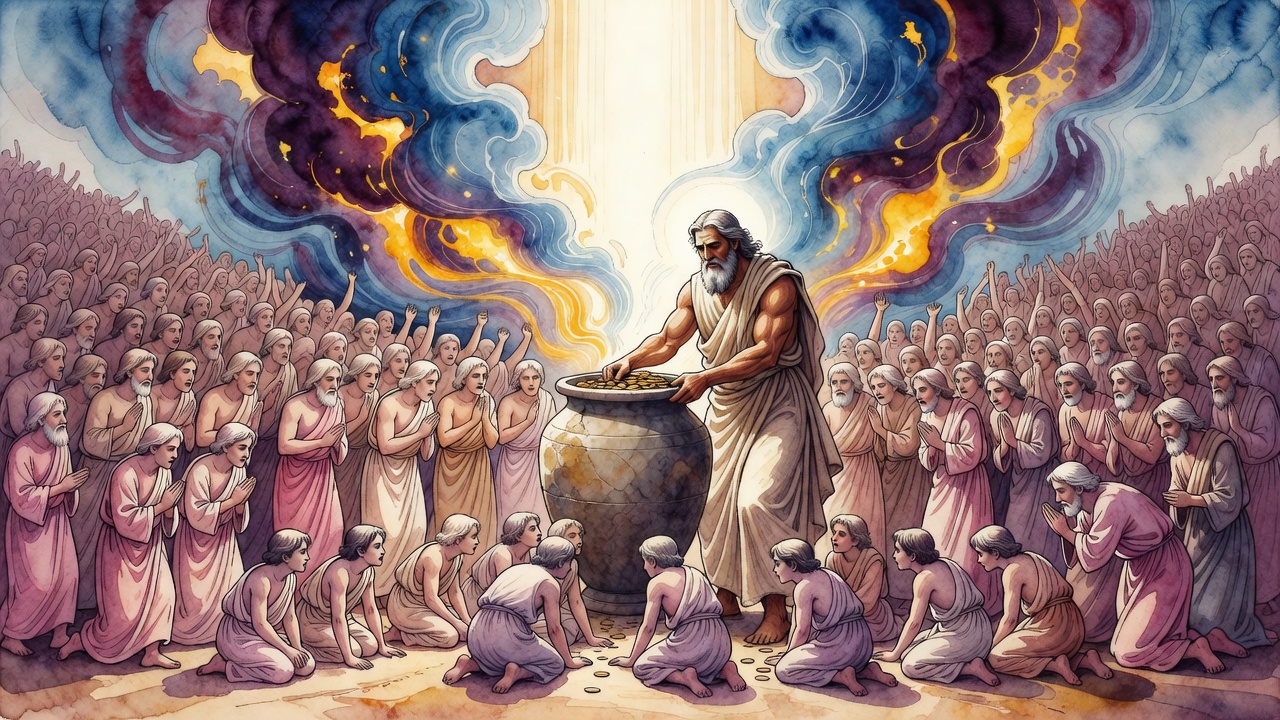
Rabbi Judah taught that Moses wrote tickets. On twenty-two thousand he inscribed "Levi, Levi." On two hundred and seventy-three he wrote "five sela'im." He shuffled them all and cast them into an urn. Each father of a firstborn reached in. Whoever drew "son of Levi" went free. Whoever drew "five sela'im" paid his five coins. No man could complain, for the lot had decided.
Rabbi Nehemiah pushed further. A man could still grumble: perhaps no "Levi" ticket remained for my hand to find. So Moses prepared the tickets to match the firstborn exactly, "son of Levi" and "five sela'im" alike. When a father drew the payment, the appointed officer answered any complaint plainly: a "son of Levi" ticket still lies in the urn. The lot has simply ruled that you were not the one to be redeemed by a Levite. Heaven's reckoning left no room for resentment. The hand that shook as it drew still had to accept the ink.
The Verb That Does More Than Count
When the Holy One commands, "Enroll every firstborn male" (Numbers 3:40), the verb is pakad, a word with many faces. Here it numbers sons set apart for Heaven. In Hannah's story the same root means to remember in mercy: the Lord remembered her, and she conceived. In Job's bitter speech it means to guard: Your providence has watched over my spirit. In Isaiah it crowns the city: I will make your overseer peace.
So the command that musters an army of firstborn is the same root by which God blesses a barren woman and shelters a trembling soul. The urn in Moses' tent was not cold chance. It was pakad wearing the face of fairness: number, remember, guard, and leave peace where quarrel could have grown.
The Palm in the Census of Levi
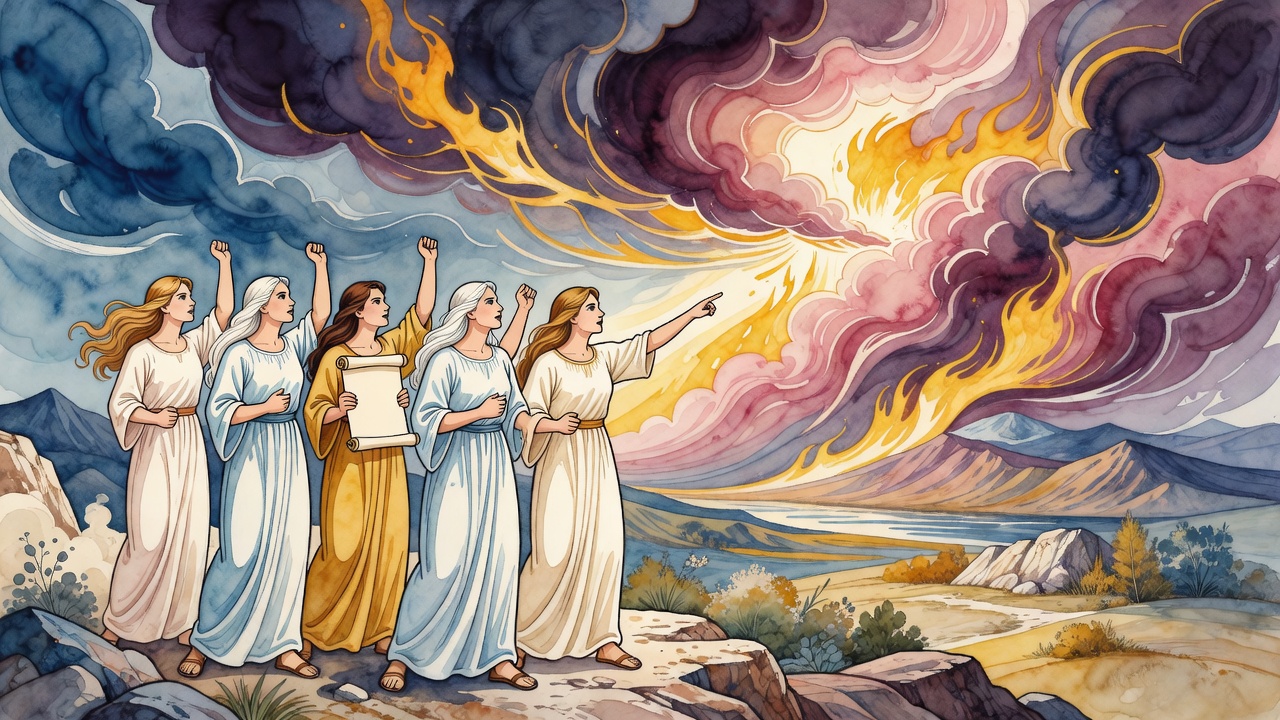
When God says, "Enroll the children of Levi" (Numbers 3:15), another verse hums under the count: "The righteous one shall flourish like the palm" (Psalms 92:13). The palm's trunk shoots up bare and tall, so its shade falls only far away. The reward of the righteous ripens at a distance, not handed out on the spot. The patient soul must trust that the shade will reach the ground in its own time.
The palm also yields two kinds of fruit: dates that ripen sweet, and novelot, dates that wither before their season. So with Israel. Among the counted are sons of Torah, ripe and ready, and among them the unlettered who do not come to fullness. The same tree bears both. Only the One who tends the orchard knows which fruit will at last be gathered in. Some who stood in the wilderness count entered the land. Some did not. The census never pretended all fruit sweetens on the same day.
Five Coins and a Quiet Camp
Imagine the line of fathers. Dust on sandals. A child's name heavy in the mouth. The urn sits between Moses and the people like a small altar of chance that is not chance. One man draws freedom. Another draws silver owed. The officer's voice steadies the second man before envy can speak. A ticket still waits in the dark clay for someone else. Your lot is payment. His is exchange. Both are seen.
That is how a remainder that could have split the tribes became a story of procedure. Moses did not point at favored houses. He let heaven speak through ink and hands. The firstborn who paid still belonged to the people counted as pearls. The Levite who stood in another's place still had to flourish like a palm, shade delayed, fruit uncertain until the end.
By nightfall the two hundred seventy-three coins were not only a tax. They were proof that holiness can be exact without being cruel, and that a prophet's job is sometimes to invent a fair urn when the raw numbers refuse to come out even. Fathers went home with either a free son or a lighter purse, but not with a story of bias they could retell for forty years. In a camp that complained about water and meat, that silence was its own miracle.
← All myths