Moses Claims the Sour Vineyard After the Calf
God called Israel Moses's people after the calf. Moses would not take the gift. He held the mountain and answered like a tenant.
Table of Contents
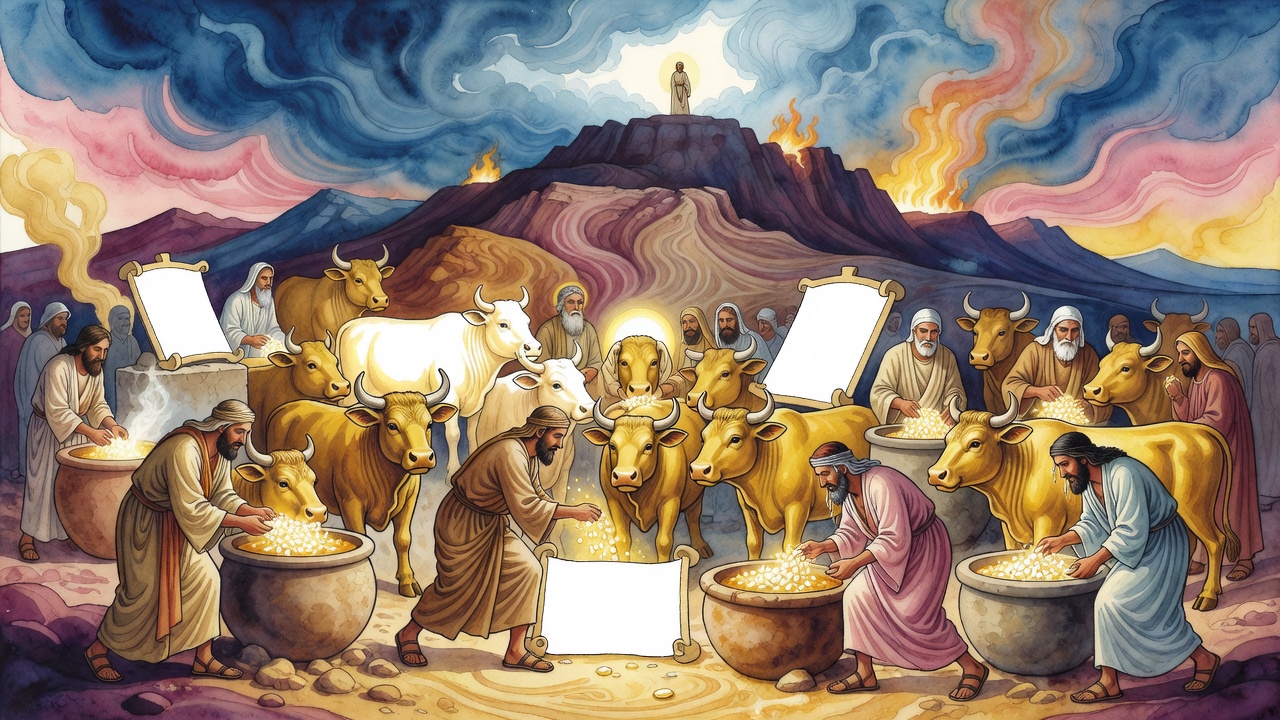
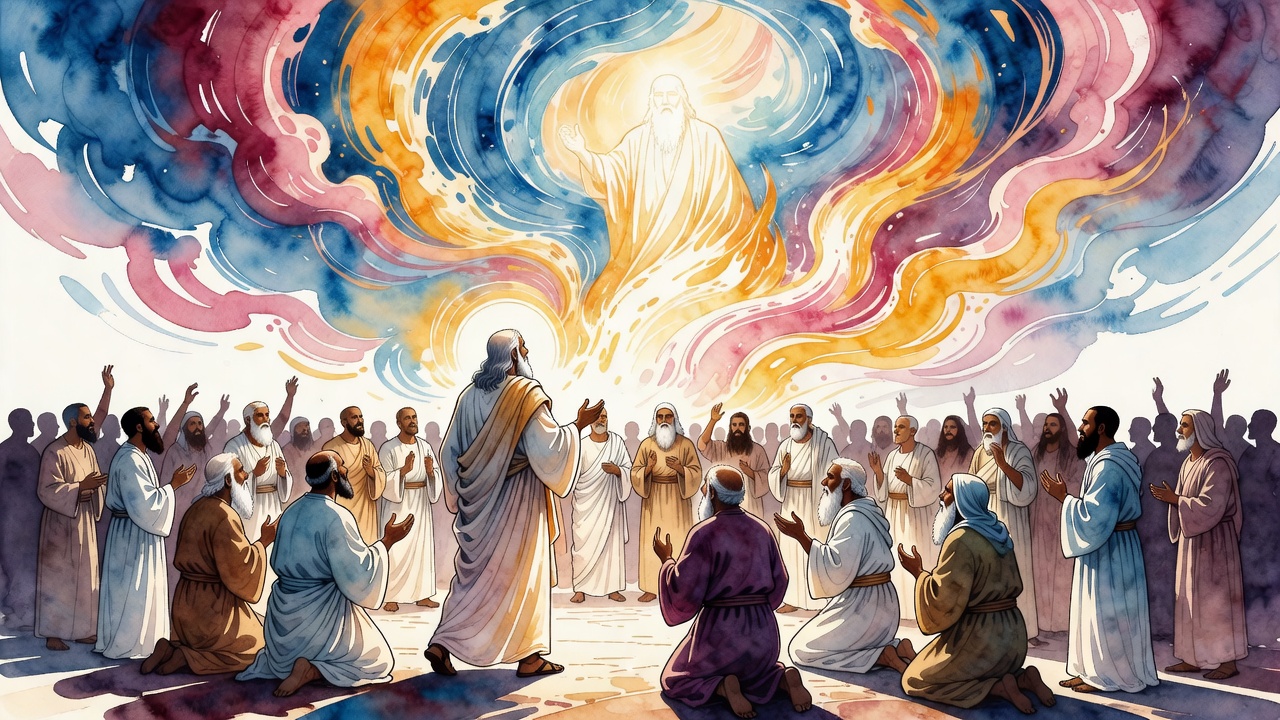
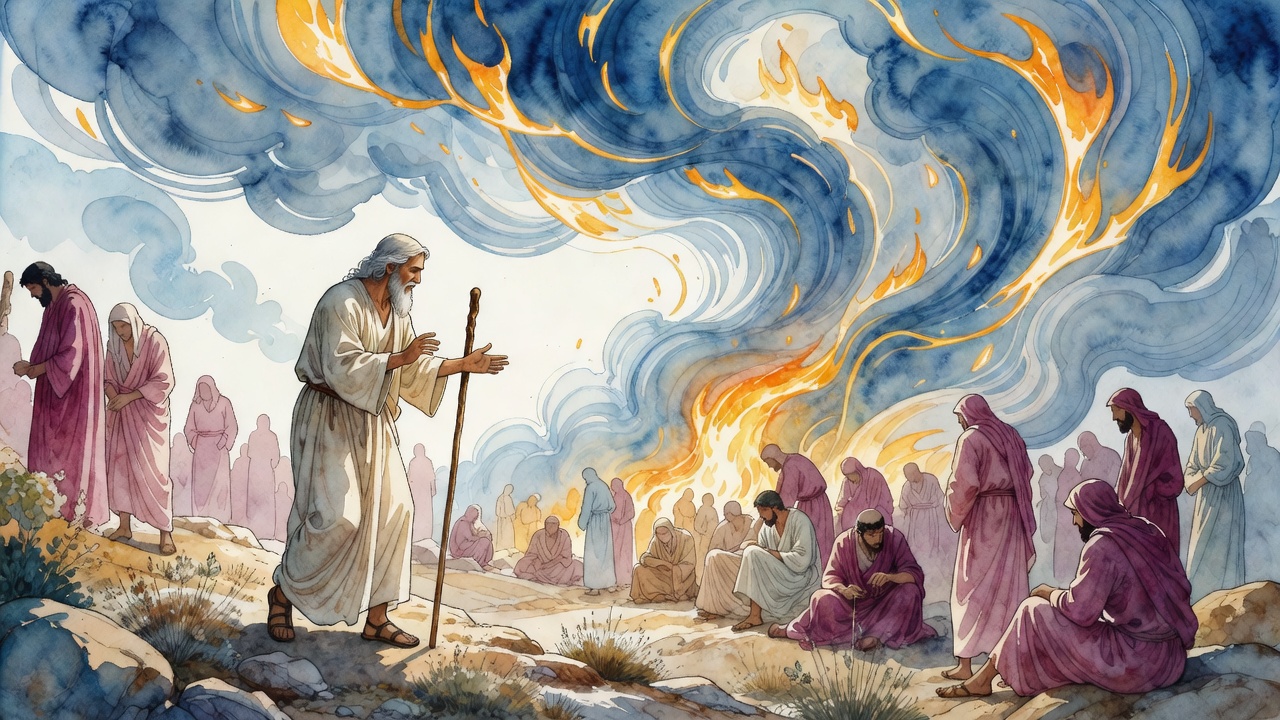
Moses came down the mountain with stone still warm in his arms and found the camp roaring around a calf of gold. Smoke. Song. The smell of sacrifice that did not belong to Heaven. He shattered the tablets. He ground the idol. He looked up and heard the most dangerous reclassification in Scripture.
 Click for full size
At the start God had said, "Go and bring forth My people, the children of Israel." After the calf the word changed: "Go down, for your people have acted corruptly." Your people. Not Mine. Moses refused the gift of that distance.
Your People Have Acted Corruptly
He stood between the broken stone and the noise. If the people were his, then the covenant had become a fair-weather contract. He would not manage a rented nation. He would advocate for an owned one, sour wine and all.
"Why should Your anger burn against Your people?" he said. He did not deny the crime. He denied Heaven's right to disown the criminals.
Fear of his delay had poured into the metal. Hunger for a visible god had poured in after it. Old Egyptian habits of form and festival had filled the rest. When Moses broke the tablets, he was not only angry. He was refusing to let holiness paper over a camp that had already chosen a different center.
The Tenant Answers the King
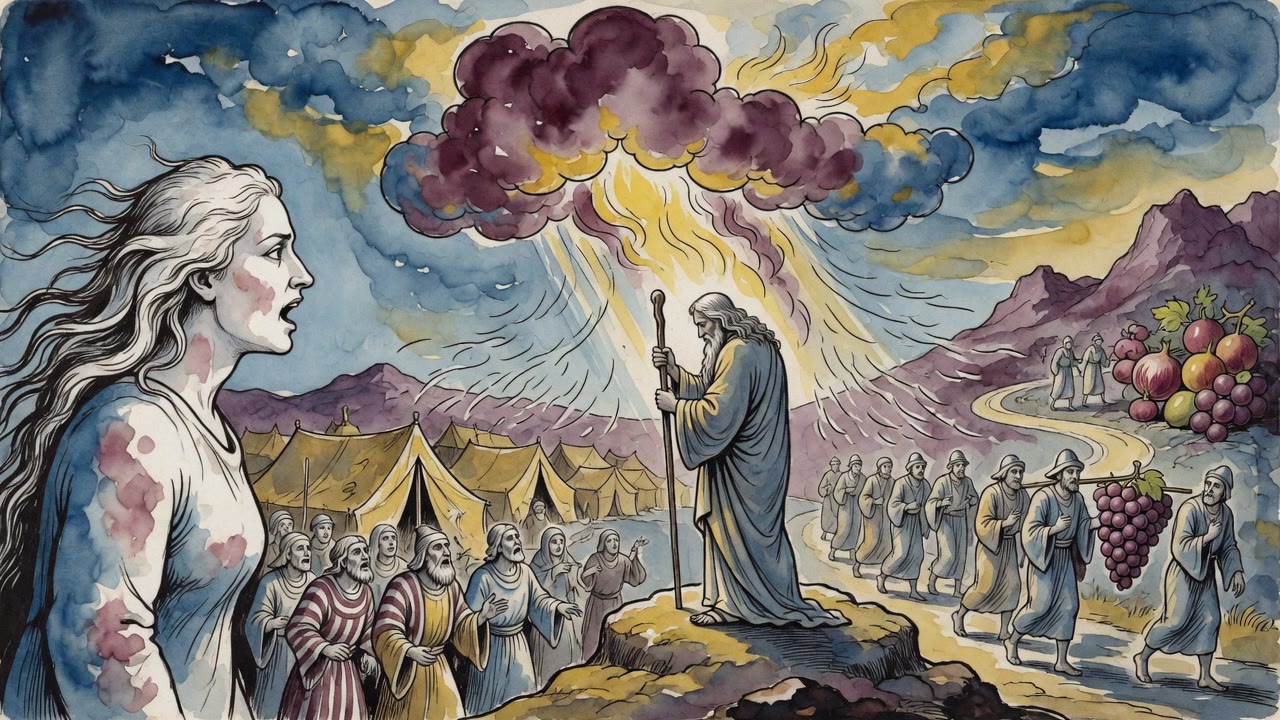
A king once leased a vineyard to a tenant. When the harvest made good wine, the king crowed, "How fine is the wine of my vineyard." When the wine turned sour, he sniffed, "How sour is the wine of my tenant's vineyard."
The tenant caught the trick at once.
"My lord the king, when it is good it is yours, and when it is bad it is suddenly mine? Good or bad, the vineyard is yours."
Moses threw that logic back at Heaven. When they stand righteous they are Yours. When they sin they become mine? Whether they sin or stand, they remain Yours, Your people and Your inheritance. He would not take a nation on loan. He held the mountain and waited for the Name to turn.
Three Hands on the Calf
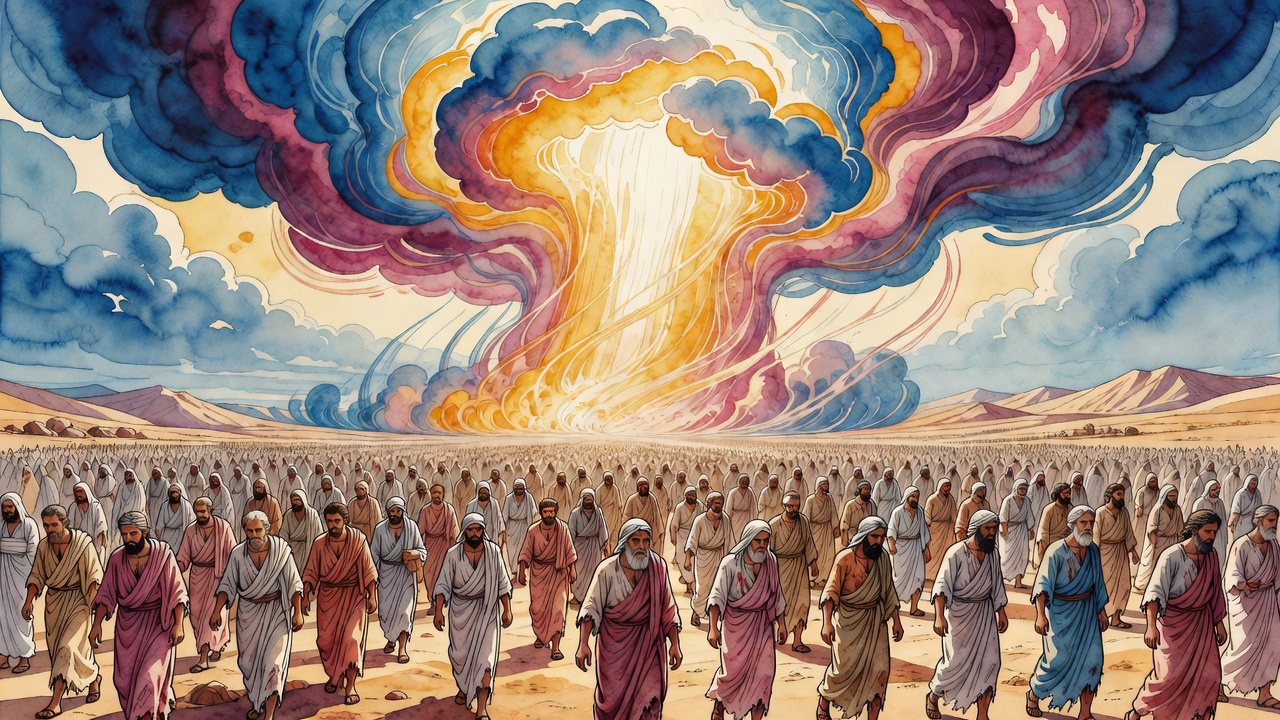
Inside the camp, justice still sorted dancers from slaughterers. Mercy for the nation did not erase differences among the guilty. Moses walked the dust where the gold had been. He found three kinds of hands.
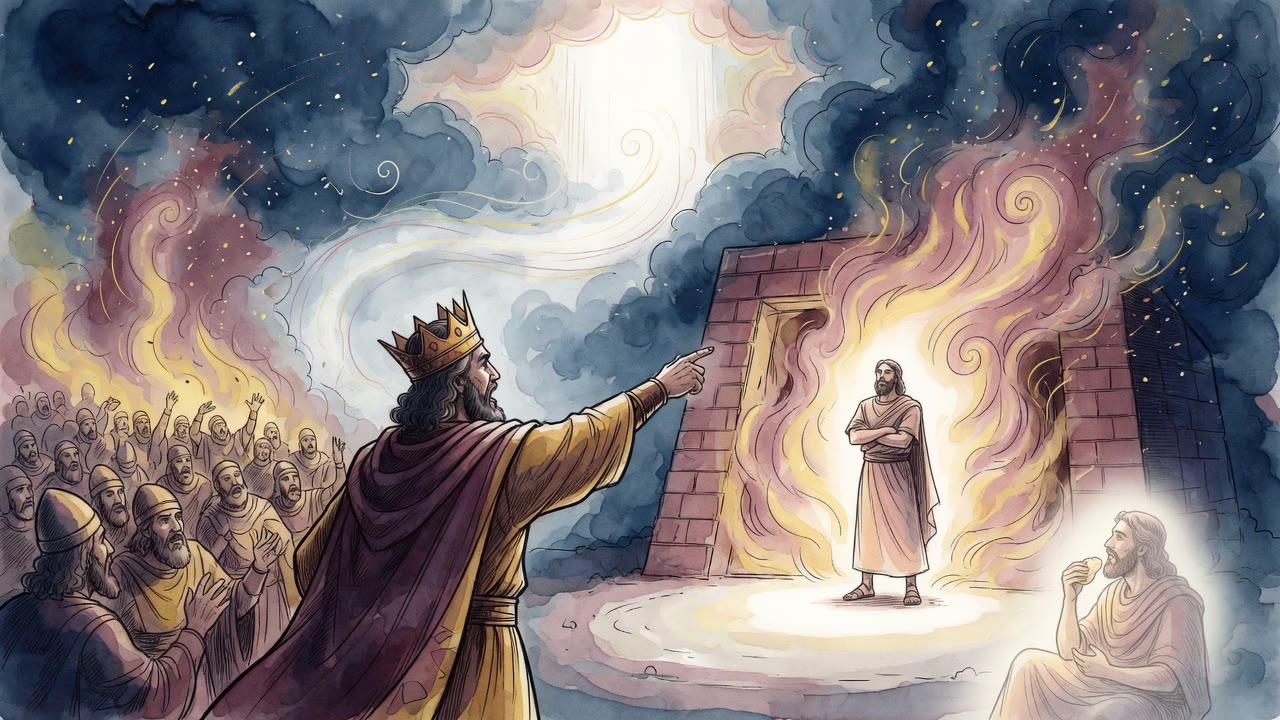
A man who had cut a throat and poured blood for the calf stood in one rank. A man who had embraced the gold and kissed it stood in another. A man who had only danced around it stood in a third. One fire. Three distances. Heaven read the crowd grain by grain.
A Roman matron later pressed Rabbi Eleazar with a sharp question. For the single sin of the golden calf, why three kinds of death? Eleazar did not answer her in public. He opened the answer for his students afterward. There was not one sin at the mountain. There were three, and each earned its own punishment. The Torah does not punish a crowd in the lump.
The Mouth That Named Gold a God
In the study house a student tried to wriggle free of a slip.
"If a man says to an idol, You are my god, by mistake," he said, "why should he owe an offering? The blasphemer who curses the Name is cut off, and Scripture warns him. The man who merely speaks to a calf has no such written threat."
Rabbi Akiva bound two acts in one breath. "They sacrificed to it and said, These are your gods, O Israel." Sacrifice and declaration stand together, so the law binds them together. A person can drift into idolatry without intending defiance and still owe a reckoning, because the worship itself offends, not only the malice behind it.
To bow before the calf and to revile Heaven are two faces of one rebellion. Moses kept arguing for the field. Akiva kept reading which hands had poured blood and which hands had only clapped in the circle.
God Takes Back His People
Moses did not ask Heaven to call the slaughter a dance. He asked Heaven to keep the field it was judging. Ownership by God did not mean equal sentences. It meant the Judge still claimed the vineyard.
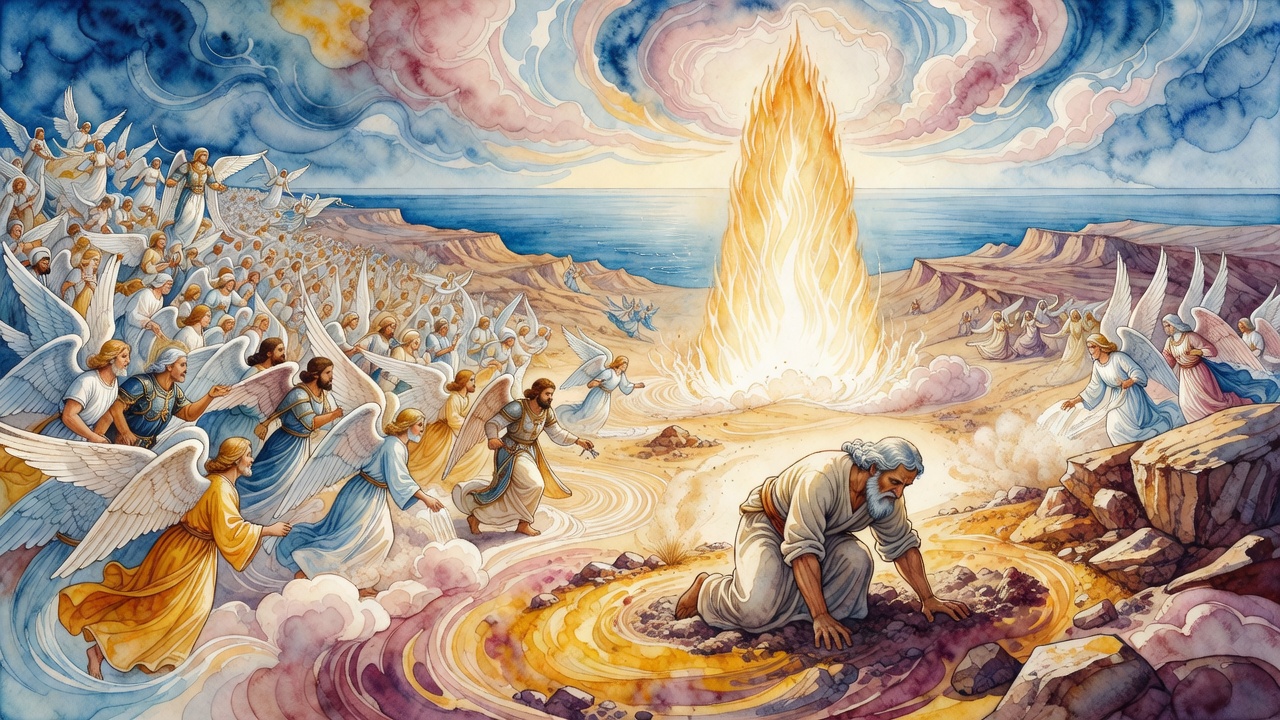
Then the Name turned. God relented from the harm He had spoken to do to His people. His people. The tenant had won the argument. The wine was still sour. The vineyard had a king again.
Moses came down a second time with new stone in his arms. The camp was quieter. Gold dust still clung to the ground. The three ranks were already being sorted. He did not look away from either fact: the people were still God's, and the hands were not all the same.
← All myths