Moses Counted Israel After the Golden Calf
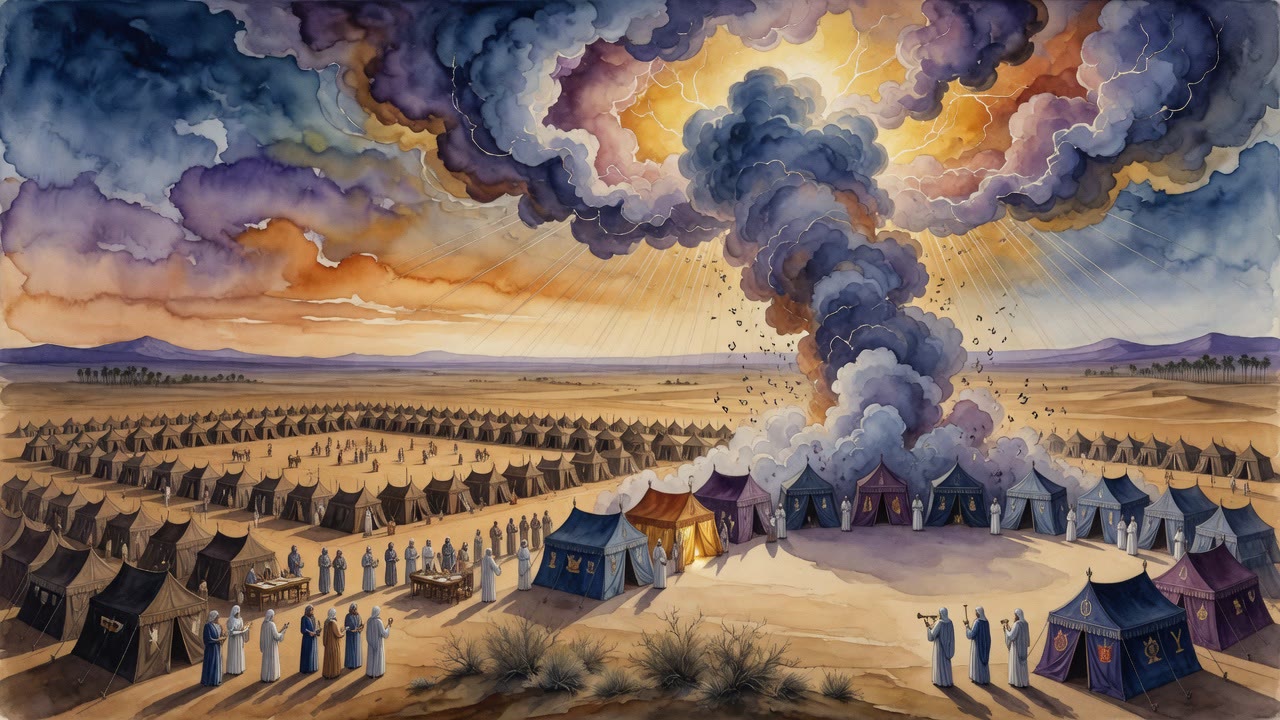
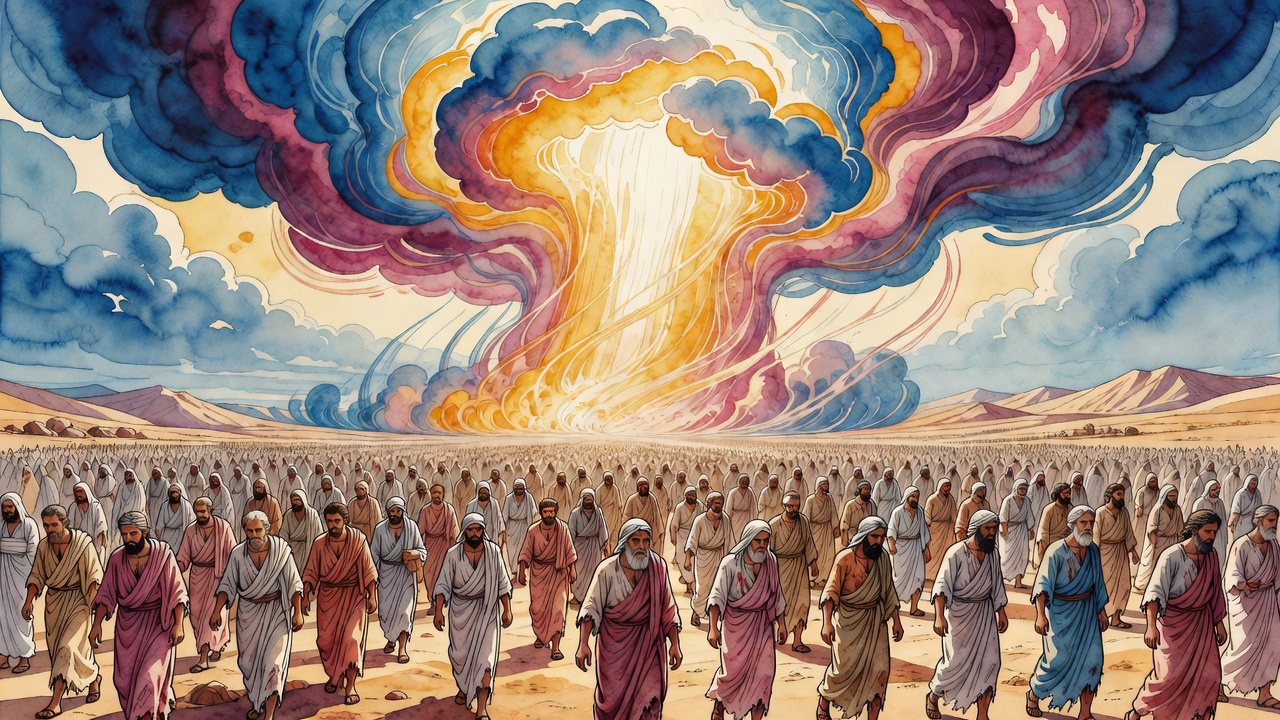
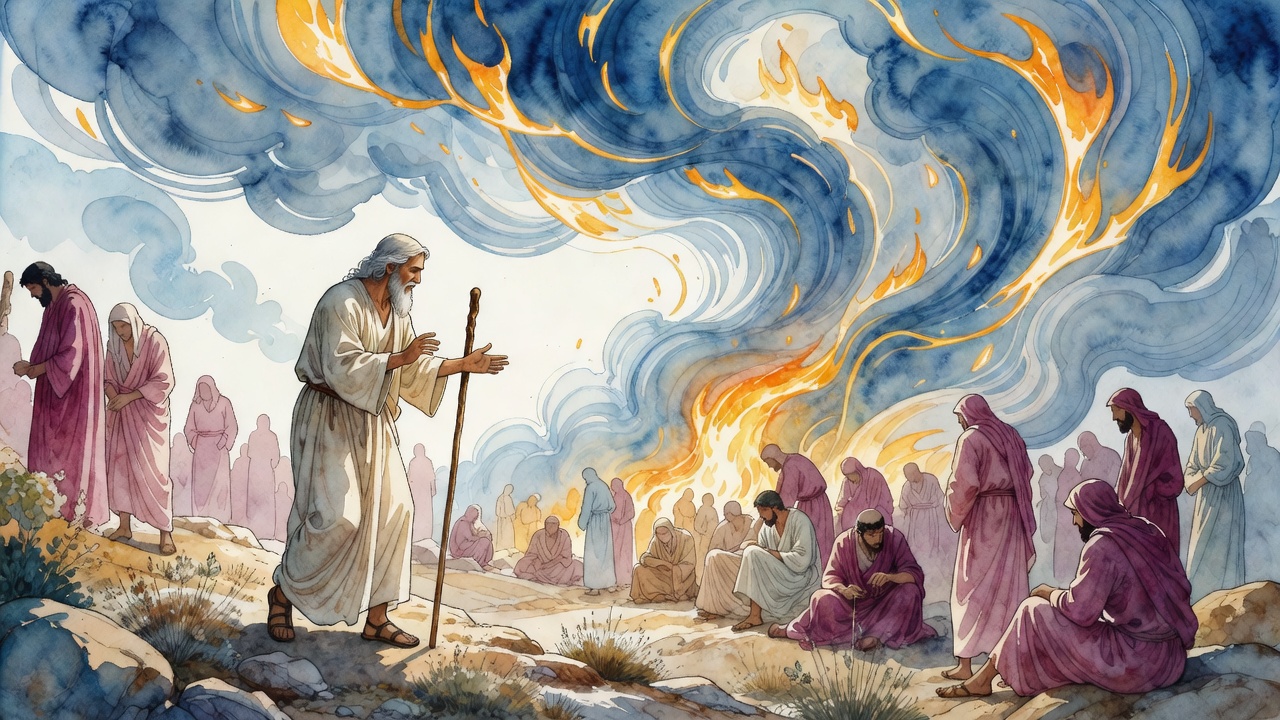
After the calf thins the camp, God tells Moses to number the tribes by their initials, a shepherd counting sheep after wolves, not a king counting for pride.
Table of Contents
 Click for full size
The Uncountable Must Be Counted
Moses freezes when the command comes. God has sworn this people will be as numberless as dust, stars, sand of the sea. How do you count what was promised to be uncountable without insulting the promise?
God answers that the counting is not vanity. There is arithmetic hidden in the first letters of the tribes. Resh of Reuben. Shin of Simeon. Down the line to the aleph of Asher. Add them and the total appears: five hundred ninety-seven thousand. The letters become a ledger. Names become numbers without becoming trash.
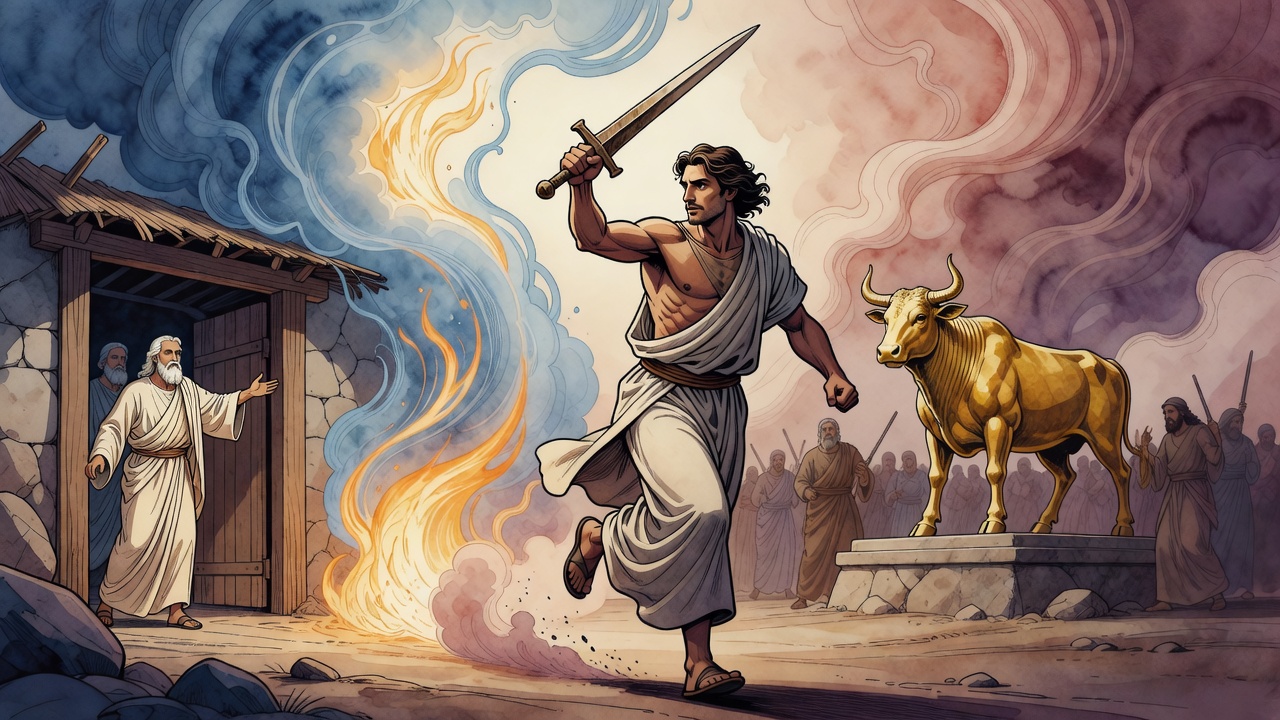
Three thousand are missing from the round figure. They fell in the days of the calf, when the sons of Levi answered Moses and the camp was thinned by its own sin. The count is a shepherd's grief written in initials. Every sum is also a silence where a voice used to answer roll call.
Wolves in the Fold
A parable walks into the scene so the heart can keep up with the math. A king's flock is raided by wolves that break the fold. The king tells his shepherd to count, not for pride, not for tax, but to learn how many were lost and how many still breathe. So God tells Moses to number Israel, to know the cost of what happened at the mountain of the calf when gold became a god and knives answered loyalty.
Sand offers another comfort and another warning in the same breath. Press a hollow into sand at dusk and by dawn the hollow has closed, grains drifting back until the wound looks healed. So Israel is refilled after loss, as in the days after David's plague when Solomon's reign could again say Judah and Israel were many as the sand of the sea. But a counting done without need brings harm. Moses counts at God's command and no one is diminished by the tally itself. David's needless census is followed by plague. The difference is not the act of numbering. The difference is whether the number serves heaven or a king's appetite to know his own size.
Half-Shekel as Shield
"They shall give every man a ransom for his soul" (Exodus 30:12) spoke to Moses' days, when the giving itself was the safeguard. Coin for soul. Gift for count. "That there be no plague among them when you count them" spoke forward to David's failure, when the safeguard was forgotten and the number stood naked under judgment. Numbering a people is never neutral. Done for God's purpose it builds. Done for pride it tears down.
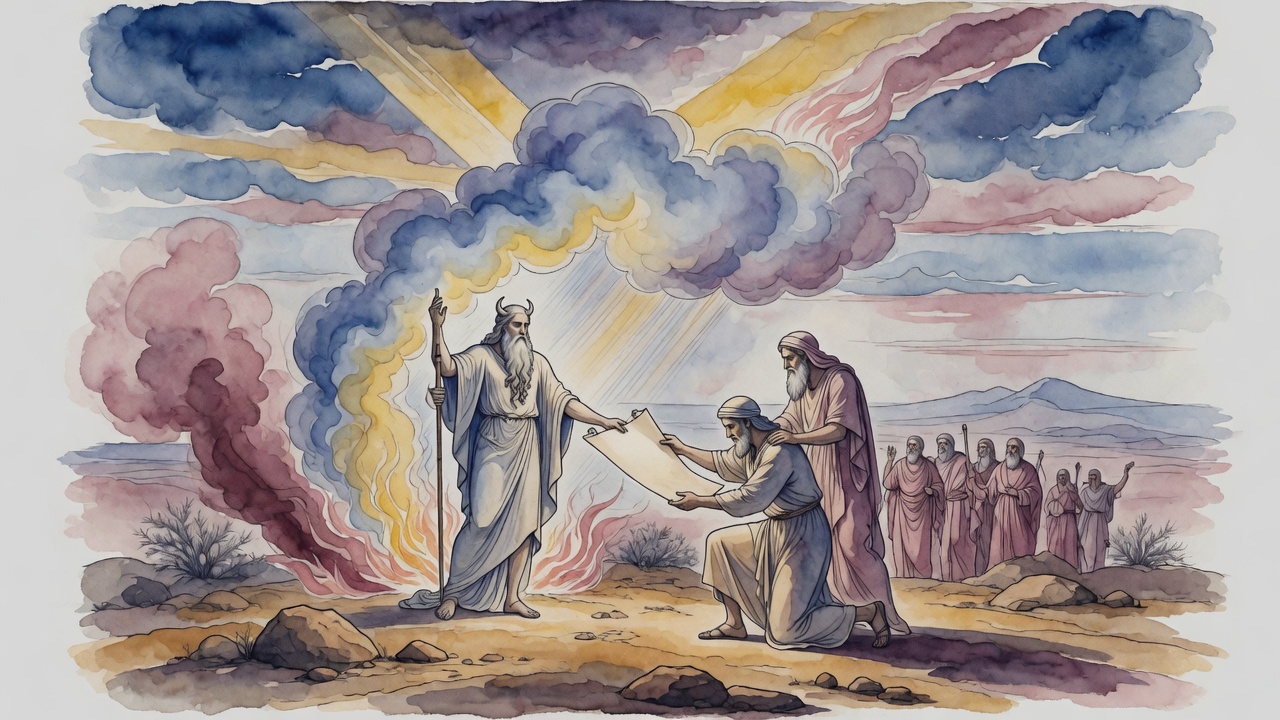
Moses does not enjoy the arithmetic. He is the shepherd after the wolves. Each tribal initial is a name that still lives. Each missing thousand is a gap in the camp where a tent used to lean and a mother used to call a son to eat. He does not count to decorate a report. He counts to face what the calf cost.
Ten Countings Across the Ages
The midrash stacks ten countings across Israel's history, from the seventy souls who went down to Egypt to a day still ahead when the flock will again pass under the hand of the One who counts them, every soul named and none lost. The present count after the calf is one hinge in that chain: grief, not vanity, and a promise that sand can refill a hollow without erasing the fact of the raid.
Between Egypt's seventy and the last future tally stand all the thin and full years, all the kings who counted wrong and the prophets who watched the cost. Moses' letter-sum sits among them as the model of need: commanded, protective, honest about the missing.
What the Shepherd Carries Away
Moses lifts the tally. The letters hold. The missing three thousand remain missing. The living stand numbered under a God who both thins and restores, and who will not let the shepherd pretend the wolves never came. Pride would have wanted a round number and a parade. Love wants the true count and a half-shekel shield.
Years later another king will count for the wrong reason and learn what plague tastes like. The sand will refill again under Solomon. The hollow of loss will look smooth. Still the midrash keeps both images: the shepherd after wolves, and the sand that heals without lying that nothing was bitten. Israel can be numberless in promise and carefully numbered in grief. Both are true. Both belong to the same God who told Moses to count when counting hurt.
In the quiet after the tally, Moses still hears the mountain and the gold and the knives. The letters of the tribes do not erase that noise. They only force him to name how many still stand, how many do not, and how a shepherd's job is to know both numbers without lying about either to the King who ordered the count.
← All myths