5 min read

Moses Offered to Be Erased for Israel's Sin

After the calf Moses asked to be wiped from Gods book if Israel were not forgiven. David later stood in a plague and called the people his sheep.

Curated by Arthur · Told by Maggid ·
Table of Contents
  1. Erase Me from Your Book
  2. These Sheep, What Have They Done
  3. The Debt Runs Both Ways
  4. A Blessing Heavier Than Others
Moses Offered to Be Erased for Israel's Sin Click for full size

Erase Me from Your Book

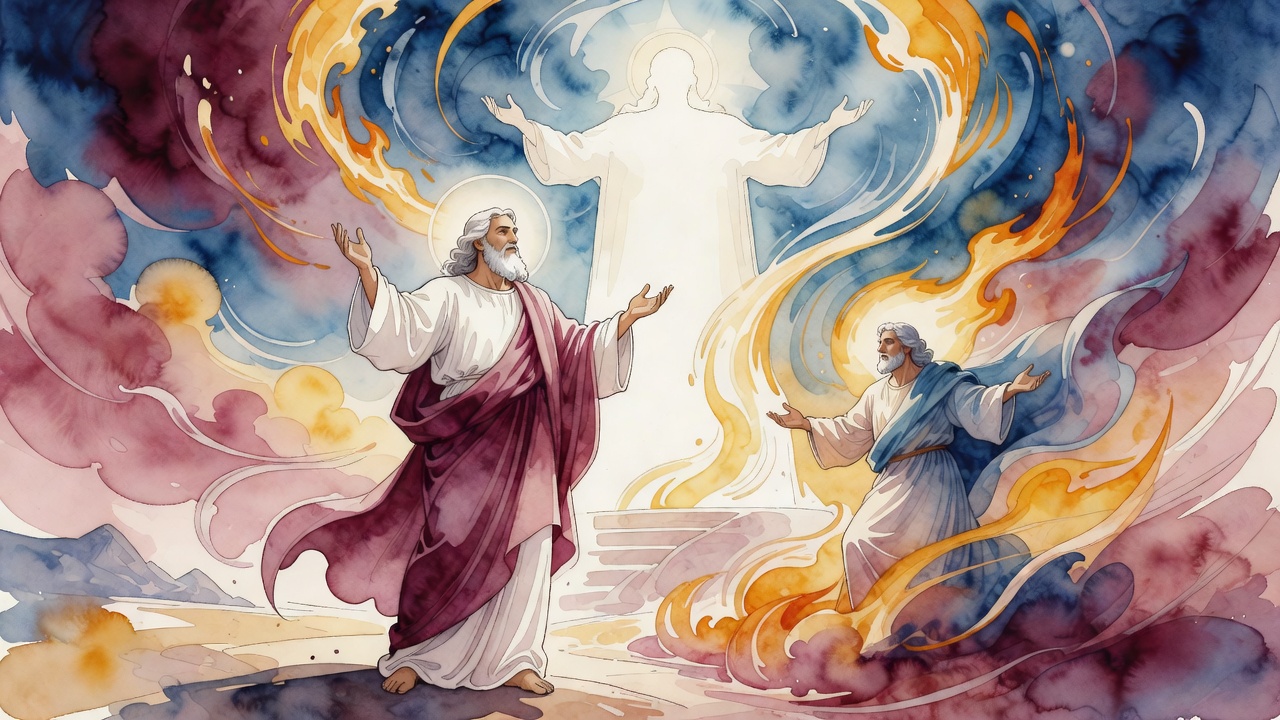
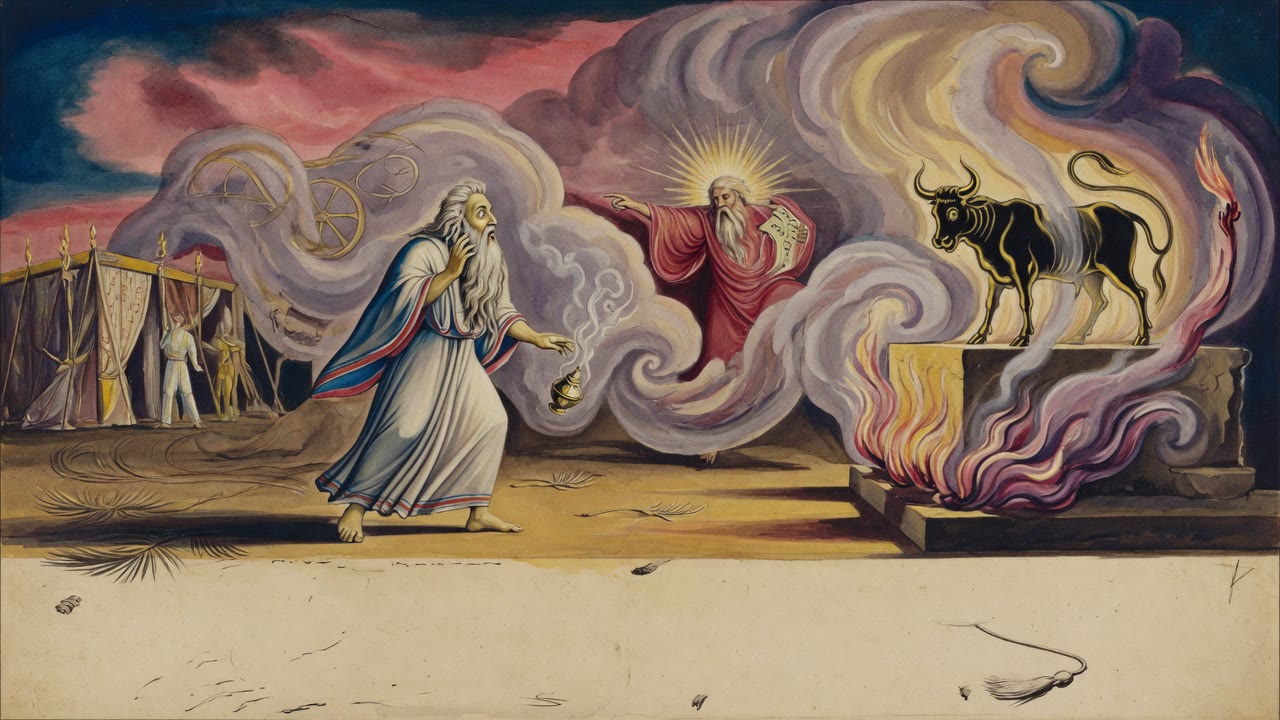
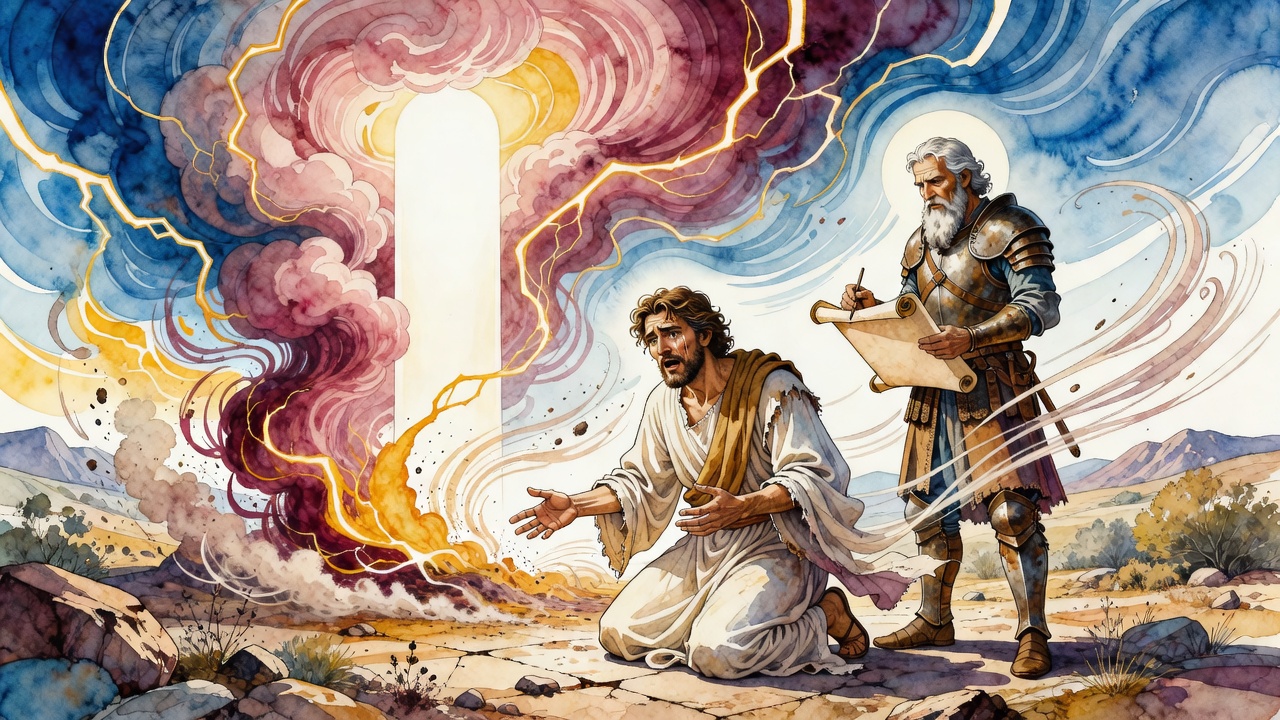
The calf still threw light off gold when Moses climbed back into the argument. Tablets already broken at the mountain's foot. The camp still tasting its own panic. He did not offer a partial deal. "And now, if You will bear their sin, good, but if not, erase me, I pray You, from Your book that You have written" (Exodus 32:32).

Erase me. Not demote me. Not retire me to Midian with a pension of memory. Remove the name from the only record that matters. Leadership, in that moment, was a willingness to vanish so the people could remain written.

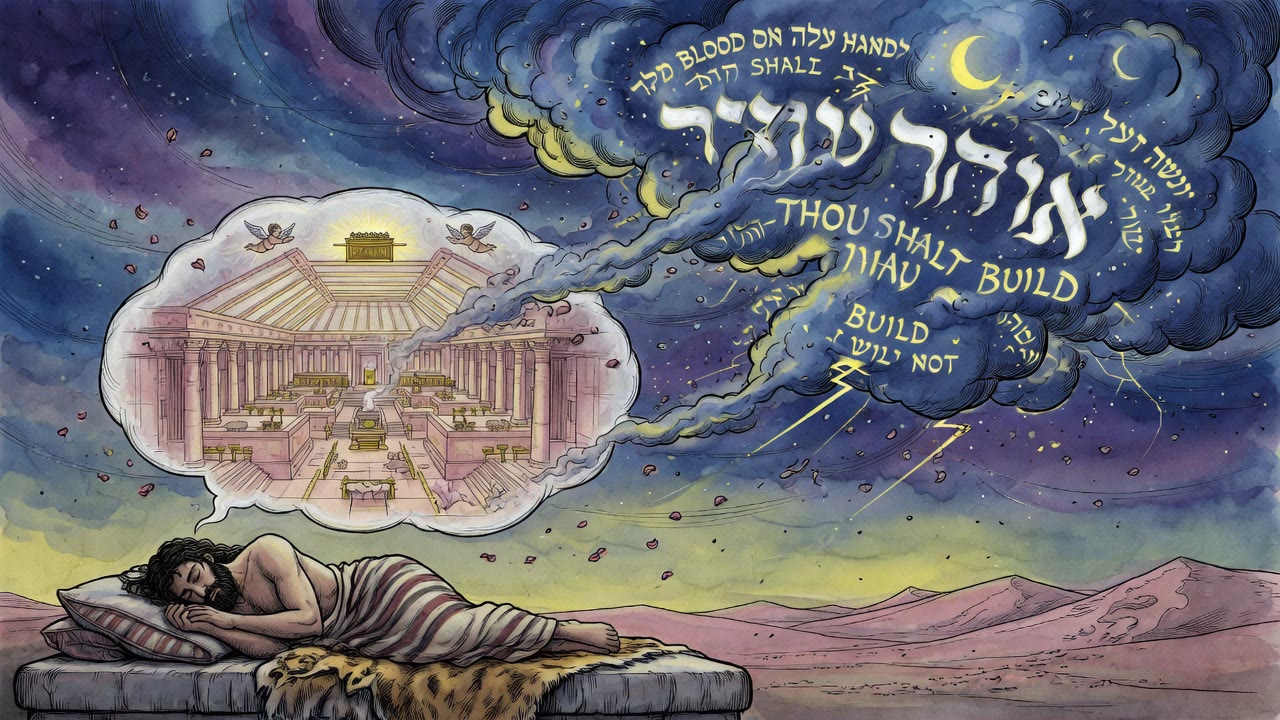
He had argued before. He would argue again. This was the argument that put his own line on the altar. The book open in Heaven waited for a stroke that would cut Moses out if Israel could not stay in. He preferred the blank where his name had been to a full page without them.

These Sheep, What Have They Done

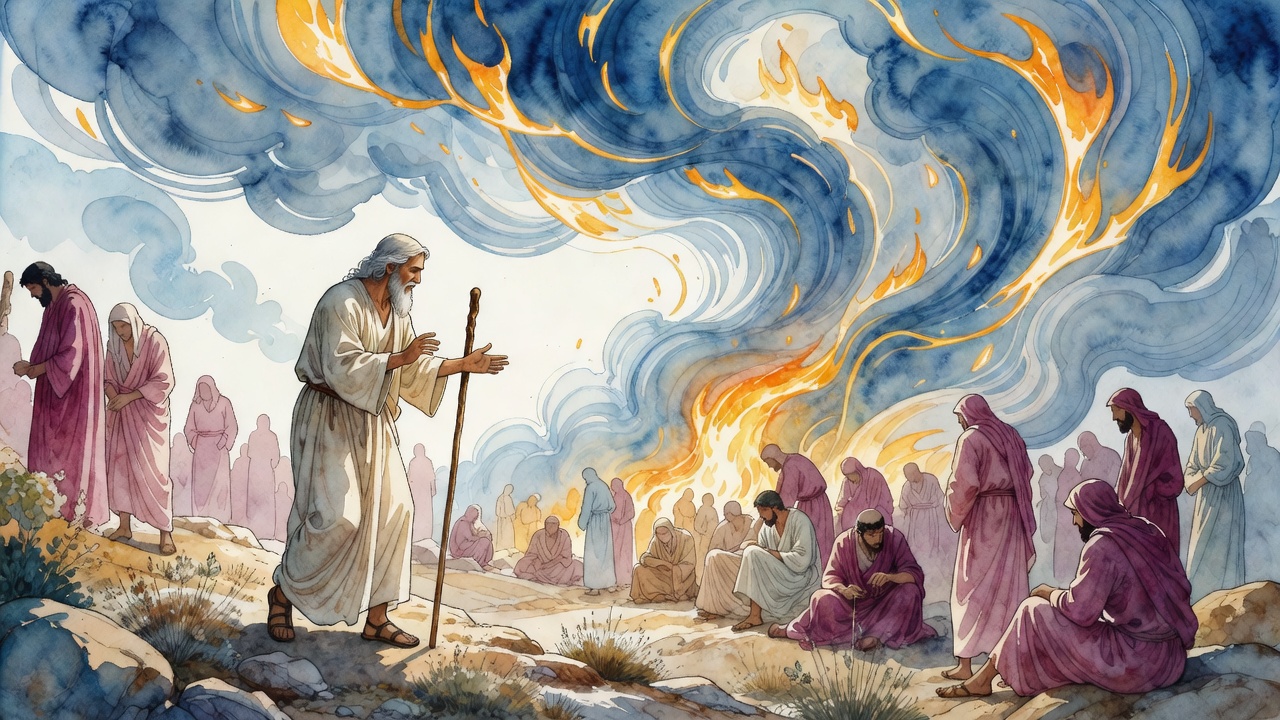
Centuries later David ordered a census and watched a plague walk the land. Bodies at the edges of fields. A sword of pestilence counted faster than scribes. He did not point at the corpses and call them culprits. "I have sinned and I have transgressed, but these sheep, what have they done?" (II Samuel 24:17). The king named himself the guilty shepherd and the nation a flock caught in his error.

Holy ones, the midrash says, are leaders in God's hand, men who plant themselves at the divine feet under lash and captivity and still bear the words. Moses and David are the pattern: bodies offered as substitutes for a people they refuse to disown.

David stood where the plague could see him and made himself the clearer target. Moses stood where the book could hear him and made himself the erasable line. Same office. Two centuries. One refusal to let the flock pay alone for the shepherd's crisis.

The Debt Runs Both Ways

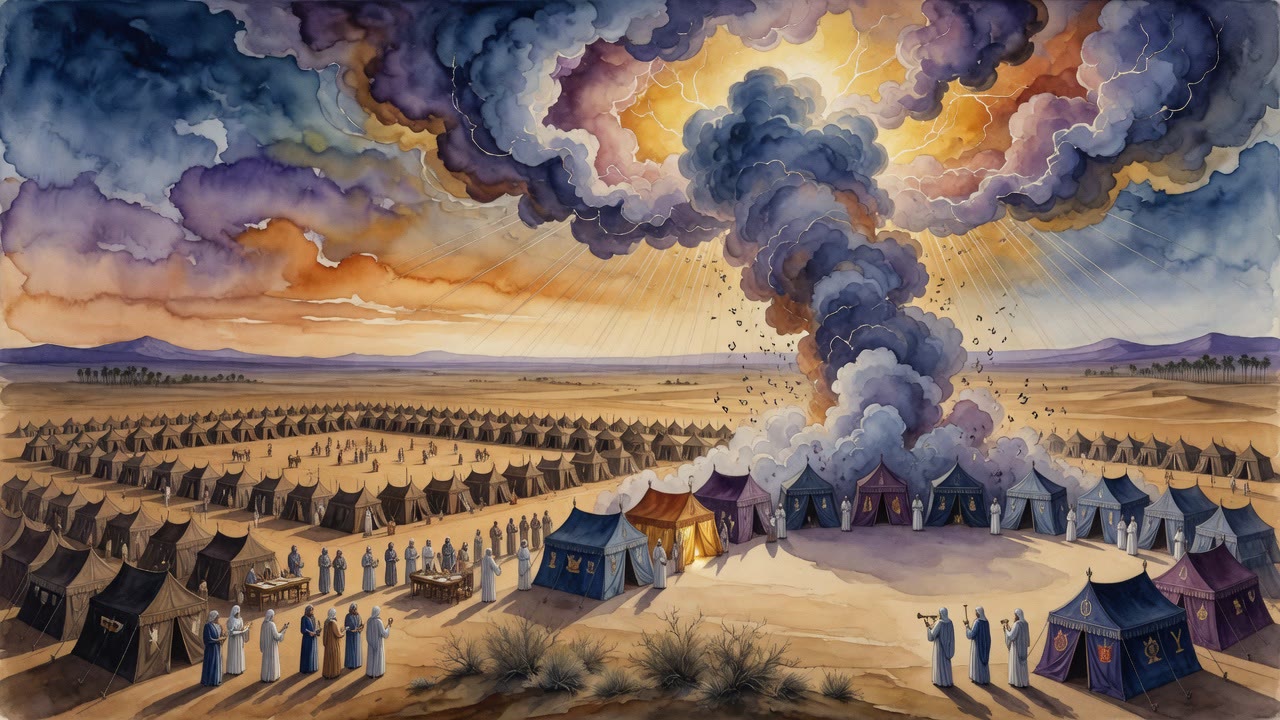
Moses also knew he owed Israel. The command to teach children "to keep and to do all the words of this Torah" (Deuteronomy 32:46) is not only download from above. It is a leader admitting that without a people who receive, his mouth is wind on an empty plain. He charged them because they made his charge real. Their ears completed his work.

Na'aseh v'nishma, "we will do and we will hear" (Exodus 24:7), had already bound them before full understanding. Moses' offer to be erased answers that earlier yes. They had stepped under the yoke. He would step under deletion rather than watch the yoke crush them alone while his name stayed gold in the book.

Debt here is not resentment. It is the bond that makes substitution possible. You can only offer to be erased for a people you know you belong to, and who know they belong to you.

A Blessing Heavier Than Others

When Moses blessed Israel at the end, the midrash weighs his words against every prior blessing and finds them heavier. "Wherewith Moses the man of God blessed the children of Israel" (Deuteronomy 33:1). Man of God is not a soft title after the calf. It is the name of someone who has already put his own line in the book at risk for theirs.

David's sheep speech and Moses' erase-me speech are the same office in two centuries. The leader stands in the blast zone and renegotiates the blast onto himself. The people live. The name that offered to vanish remains written because Heaven preferred a living intercessor to a blank page.

The book stayed open. The flock stayed named. The man who asked to be cut out kept speaking until the last blessing left his mouth on the plains of Moab, heavier than the blessings that came before because it came from a throat that had already offered silence forever. He blessed them before his death, with breath still able to carry life, the same breath that once said erase me if you will not forgive them.

Leadership that can vanish for a people can also speak life over them until the last hour. The midrash wants both scenes in one frame: the threat of erasure and the surplus of blessing, the plague and the sheep, the calf and the book, the shepherd who will not let the flock die in his place without a fight.

On the day of the calf, golden light still flickered on faces that had heard Sinai's fire. Moses did not wait for the light to fade before he put his name in play. On the day of the plague, David did not wait for the full count of the dead before he called himself the sinner. Speed matters in substitution. Delay looks like self-protection.

The midrash stacks them so later leaders cannot pretend the office is only ceremony and seat. The office is a body willing to be the first loss. Erase me. These sheep. Two sentences that still test every throat that claims to speak for Israel.


← All myths
From the tradition

Sources

3 sources

The texts behind this telling. Some cards carry a translation of the source; others are our own retelling of it, and each card says which. Every card links out to the original.

Sifrei Devarim 344:3Sifrei Devarim

Retold in our words. Read the original at the link below.Sifrei by Rabbi Shraga Silverstein · CC-BY

That feeling of responsibility, that urge to protect the ones you care about.. But what if that feeling extended to an entire nation? What if you were willing to sacrifice yourself for the sake of your people?

That's the kind of leadership Sifrei Devarim 344 specifically highlights the incredible dedication of Israel's leaders. It says, "All of his holy ones are in Your hand." But who are these "holy ones"?

Well, according to this passage, they're the leaders of Israel, the ones who stand tall, ready to give up everything for their people. And to illustrate this immense dedication, the text gives us two powerful examples: Moses and David.

Think about Moses. After the Israelites commit the grave sin of worshipping the Golden Calf, what does he do? He doesn't just scold them. He doesn't just throw down the tablets. He pleads with God, saying, as we read in (Exodus 32:32), "And now if You will bear their sin, (good), but if not, erase me, I pray You, from Your book that You have written." He is literally offering to be erased from existence for the sake of his people's salvation.

Then there's David. Remember the story in II (Samuel 24:17)? After David orders a census of the people, a plague sweeps through the land. Overwhelmed with guilt, David cries out, "I have sinned and I have transgressed, but these sheep, what have they done?" He takes responsibility for the suffering of his people, even though they weren't directly responsible for his actions. He sees them as his flock, his responsibility, his burden to bear.

The passage continues, stating that "they planted themselves at Your feet." What does this image evoke? It speaks of steadfastness, unwavering commitment, even in the face of adversity. "Though under constraint, though under the lash, though in captivity," they remained devoted.

And finally, "they bore Your words." This refers to the acceptance of the Torah, the yoke of Torah as it's sometimes called. The passage references (Exodus 24:7): "All that the L-rd had spoken, we shall do and we shall hear." In Hebrew, this is na'aseh v'nishma – "we will do and we will hear." It's a powerful declaration of commitment, an acceptance of divine law and responsibility. Even before fully understanding, they committed to action.

So, what can we learn from these ancient words? What does it mean to be a true leader? It's not about power or prestige, is it? It's about empathy, sacrifice, and unwavering dedication to the well-being of others. It's about being willing to carry the weight of a community, to stand up for what's right, even when it's difficult. It's about embodying na'aseh v'nishma

These stories of Moses and David aren’t just historical accounts; they're timeless reminders of the kind of leadership. And the kind of commitment to community, that can truly change the world. Perhaps we can all strive to emulate that spirit, in our own way, in our own communities, today.

Full source
Sifrei Devarim 335:2Sifrei Devarim

Retold in our words. Read the original at the link below.Sifrei by Rabbi Shraga Silverstein · CC-BY

This question sits at the heart of a beautiful passage from Sifrei Devarim, a collection of legal midrashim (rabbinic interpretive commentary) on the Book of Deuteronomy. It revolves around the verse, "which you shall command your children to keep and to do, all the words of the Torah." It’s more than just a commandment; it’s a chain of responsibility, a recognition of interdependence across generations.

That Moses, no less, addressed the people with these words: "I must acknowledge my indebtedness to you for fulfilling the Torah after me." Moses, the one who received the Torah at Sinai, felt indebted to the people for keeping it alive! It's a profound statement about the collaborative nature of tradition.

The charge continues: "You, too, must acknowledge indebtedness to your children for fulfilling the Torah after you." It's a cyclical relationship. We receive, we cherish, and we pass it on, knowing that its survival depends on those who come after us.

The passage illustrates this point with a story about Rabbeinu, likely referring to Rabbi Judah ha-Nasi, the compiler of the Mishnah (the earliest code of rabbinic law). He once came from Ludkia (possibly Lod or Lydda), and R. Yossi b. R. Yehudah and R. Elazar b. Yehudah came to sit before him. Rabbeinu, recognizing their dedication, said to them, "Come closer, I must acknowledge my indebtedness to you for fulfilling the Torah after me. You, too, must acknowledge your indebtedness to your children for fulfilling the Torah after you."

What's so striking about this anecdote? It highlights the humility of even the greatest scholars. They understood that their knowledge and efforts were not enough. The Torah's continued relevance depended on the commitment of future generations.

The text concludes with a powerful statement: "Moses was (undeniably) great, but if others did not come after him, his Torah would be valueless, we, how much more so!" If the Torah, even with Moses as its conduit, required others to sustain it, then how much more do we, ordinary individuals, rely on the generations to come?

We are all links in a chain, each dependent on the others to keep the tradition alive. It’s not enough to simply learn and understand; we must also transmit, inspire, and empower the next generation to carry the torch.

So, what are we passing on? And how are we ensuring that it will be cherished and kept alive for generations to come? The answer, perhaps, lies in recognizing our own indebtedness, both to those who came before us and to those who will follow.

Full source
Sifrei Devarim 342:6Sifrei Devarim

Retold in our words. Read the original at the link below.Sifrei by Rabbi Shraga Silverstein · CC-BY

Sifrei Devarim, a collection of legal midrashim (rabbinic interpretive commentary) (interpretations) on the Book of Deuteronomy, gives us a fascinating insight into this idea, focusing on Moses's final blessing to the Israelites.

The verse states: "wherewith Moses the man of G-d blessed the children of Israel." Sounds straightforward. But the Sifrei digs deeper. It points out that even if others had blessed Israel, their blessings would have had an effect. But because MosesMoshe Rabbeinu, our teacher – blessed them, we learn something profound: that Moses was uniquely fit to bless Israel, and Israel was uniquely fit to be blessed by Moses. It wasn’t just about the words being spoken. It was about the connection, the relationship, the shared history between the one giving the blessing and the ones receiving it. The siddur (prayerbook) is full of prescribed blessings. But this is an entirely different level!

Title: "the man of G-d. It implies a closeness, a direct line to the Divine. And apparently, Moses wasn't alone in holding this title. The Sifrei goes on to list ten individuals in the Tanakh, the Hebrew Bible, who are also called "the man of G-d." It’s almost like a divine club!

Who else made the list? There's Elkanah, as we see in I (Samuel 2:27), when "And the man of G-d came to Eli." Then comes Samuel, no stranger to these stories, of course, mentioned in I (Samuel 9:6): "Behold, there is a man of G-d in this city."

Even David, the king of Israel, makes the cut. (Nehemiah 12:24) tells us of his commands, "by the command of David, the man of G-d." Think about the weight of that – his leadership seen as divinely inspired!

The list continues. We have Shemayah (I Kings 12:2), to whom "The word of the L-rd came… the man of G-d." Then there's Iddo (I Kings 13:1), who came from Judah "by the word of the L-rd" as "a man of G-d." And who could forget Eliyahu, Elijah, the prophet, featured in II (Kings 1:13), where someone pleads, "Man of G-d, may my soul be worthy in your eyes." We also have Elisha, Elijah's successor (II Kings 4:9), whom a woman recognizes as "a holy man of G-d."

Rounding out the list are Michah (I (Kings 20:2)8), who "came and spoke to the king of Israel," and Amotz (II Chronicles 25:7), to whom "a man of G-d came."

What does this list tell us? It's not just about performing miracles, though some on the list certainly did. It’s about a deep connection to G-d, a conduit for divine will, and a unique ability to impact the world through that connection. Each of these individuals, in their own way, embodied a profound relationship with the Divine.

It's not just about the words, but about the person, the relationship, and the potential for a truly transformative connection. Who are the "men (or women) of G-d" in your life? And how can you strive to create that same kind of connection in your own life?

Full source