5 min read

Moses Falls at Elazar's Feet and Sees Hebron

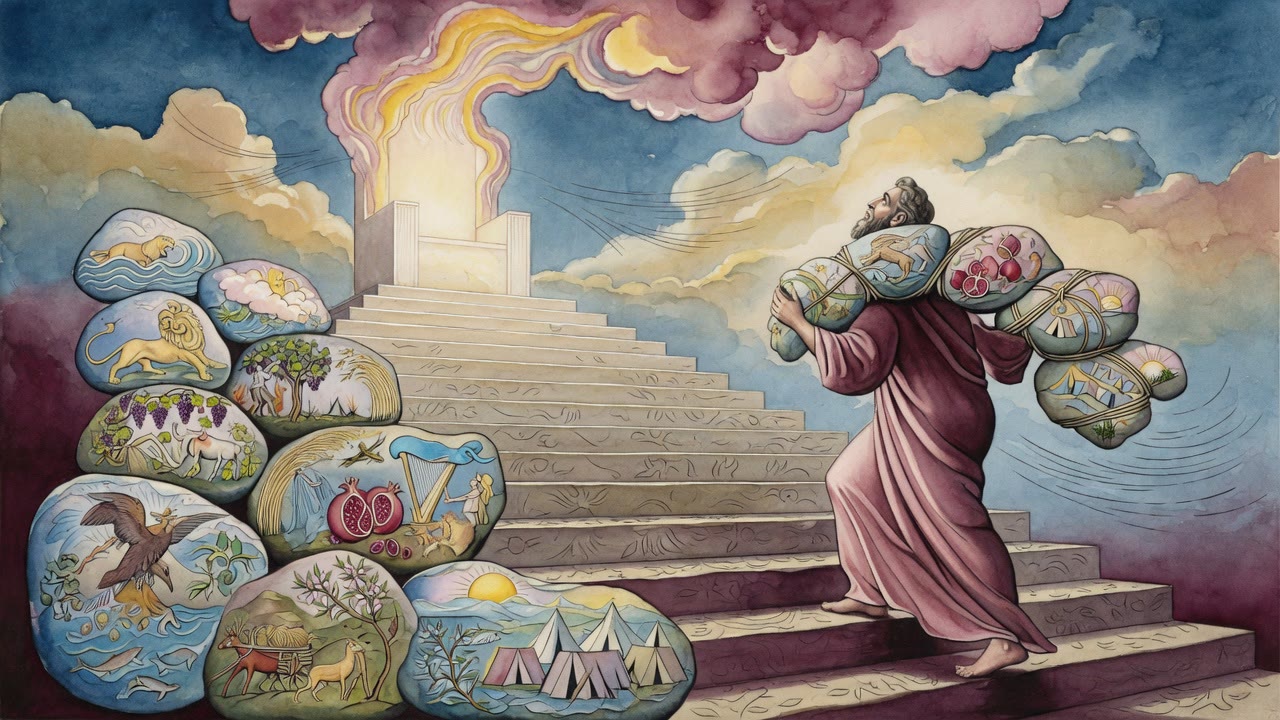
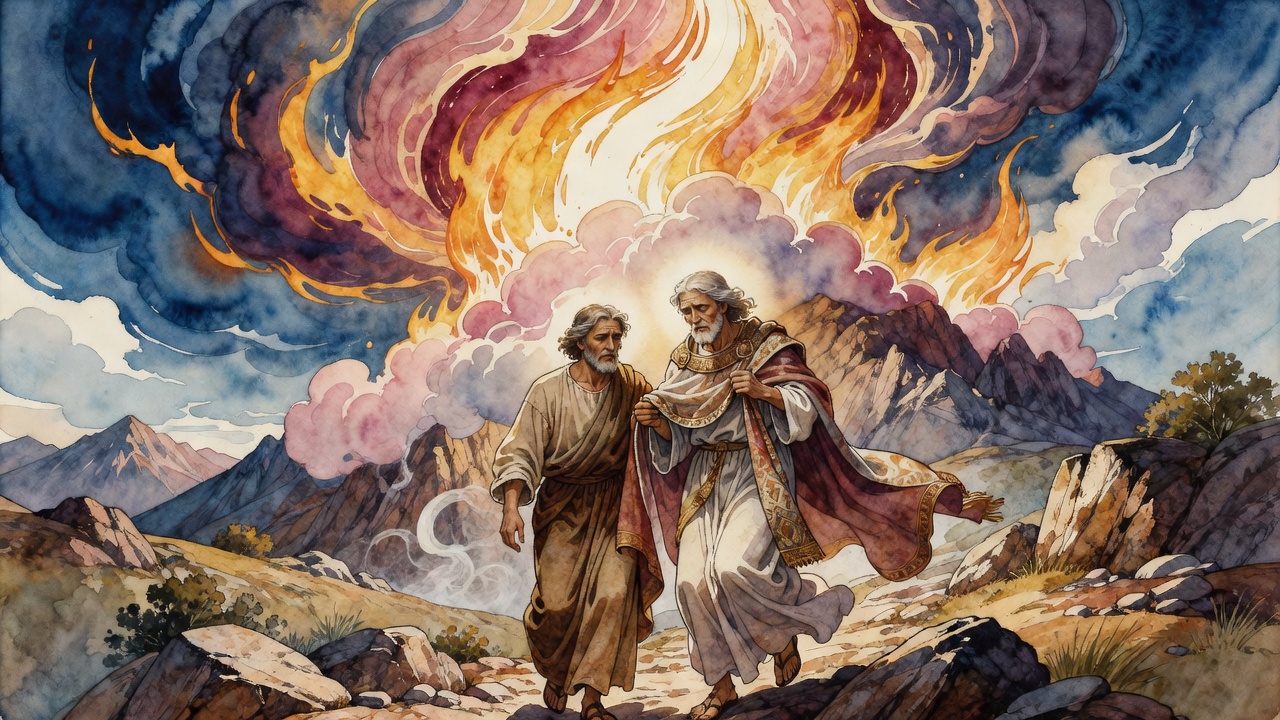
Moses begs his nephew Elazar for the mercy he once won for Aaron. The decree holds. From Pisgah he is shown even the graves of the fathers in the south.

Curated by Arthur · Told by Maggid ·
Table of Contents
  1. The Debt Called In
  2. Because of You
  3. Bad Neighbor Memory
  4. The South Is Graves
  5. Eyes Across the River
Moses Falls at Elazar's Feet and Sees Hebron Click for full size

The Debt Called In

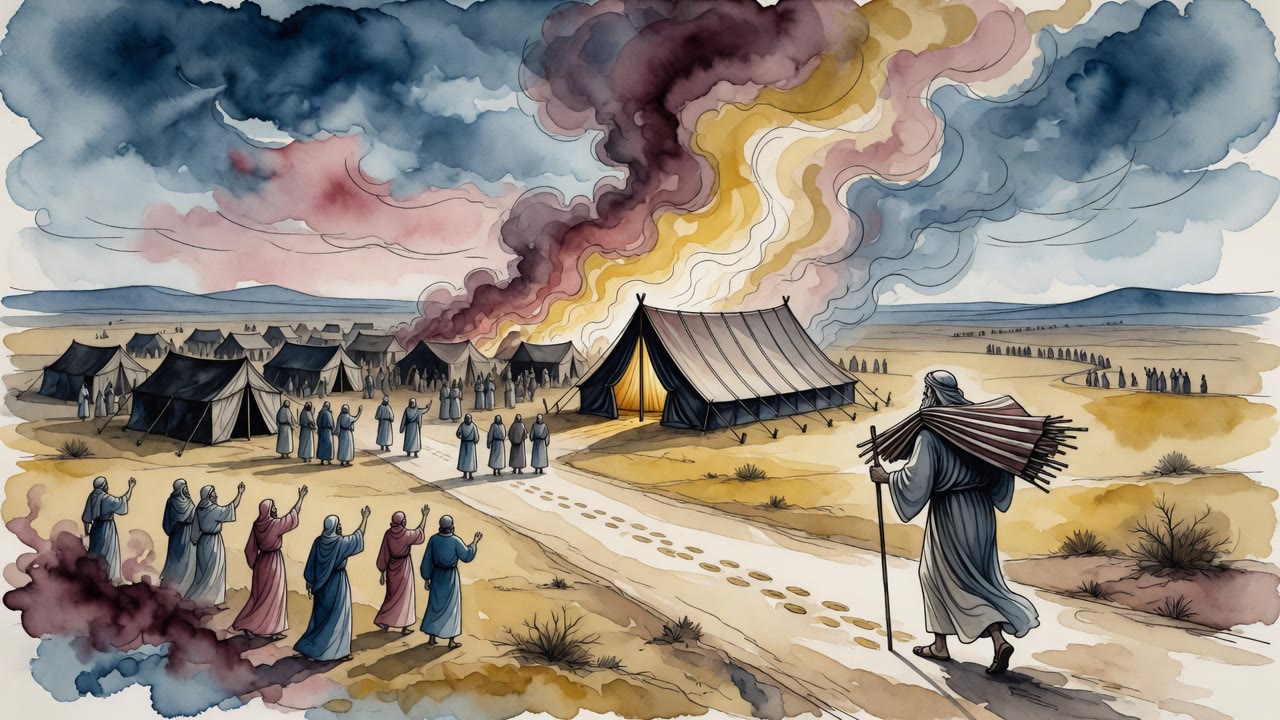
Every plea had already failed. Moses turned to his nephew Elazar, son of Aaron, and threw himself at his feet. "Elazar, my brother's son, implore mercy for me, as I once did for your father Aaron." He quoted the old crisis: "The LORD was very angry with Aaron to have destroyed him: and I prayed for Aaron also" (Deuteronomy 9:20). In the hour of the calf, Moses' prayer had stood between Aaron and annihilation.
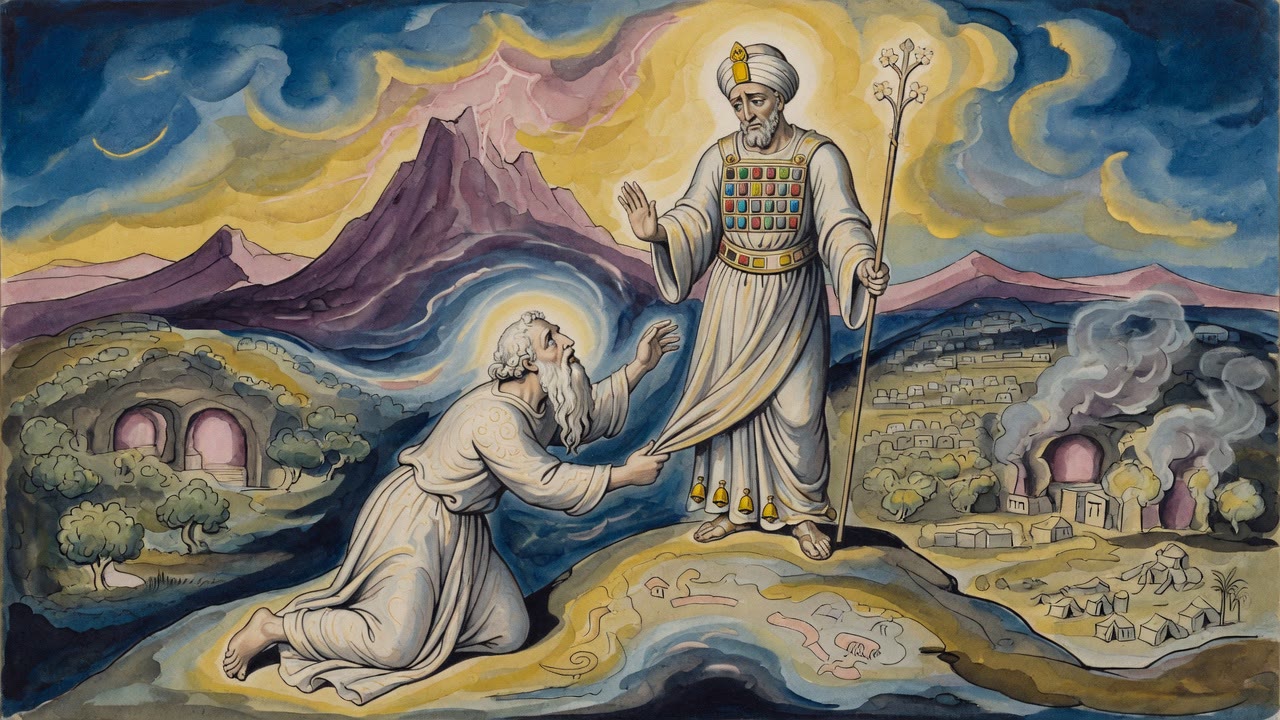
Now the intercessor needed an intercessor. The man who spoke with God's face to face pressed his face to a younger priest's feet and asked for a prayer, not a throne. Family loyalty was the last human lever left.

The lever did not move the decree. Heaven had closed a door Moses could open for others but not for himself.

Because of You

Moses told Israel, "The LORD was wroth with me for your sakes" (Deuteronomy 3:26). Rabbi Elazar ben Shamua heard double music in the little word bi. It means "with me," and it also sounds like polite pleading, the please of a petitioner before power. The plea to God still echoed inside the report to the people.

Then the sharper edge: lest anyone say the bar was Moses' private unworthiness, the verse pins the anger "because of you." The people's rebellions, the tests, the water quarrels, the weight of a nation that would not trust, all pressed into the decree. Moses does not escape responsibility, and Israel does not escape its share.

A leader can be both guilty and burdened by those he leads. The midrash refuses a single simple villain in the ban from the land.

Bad Neighbor Memory

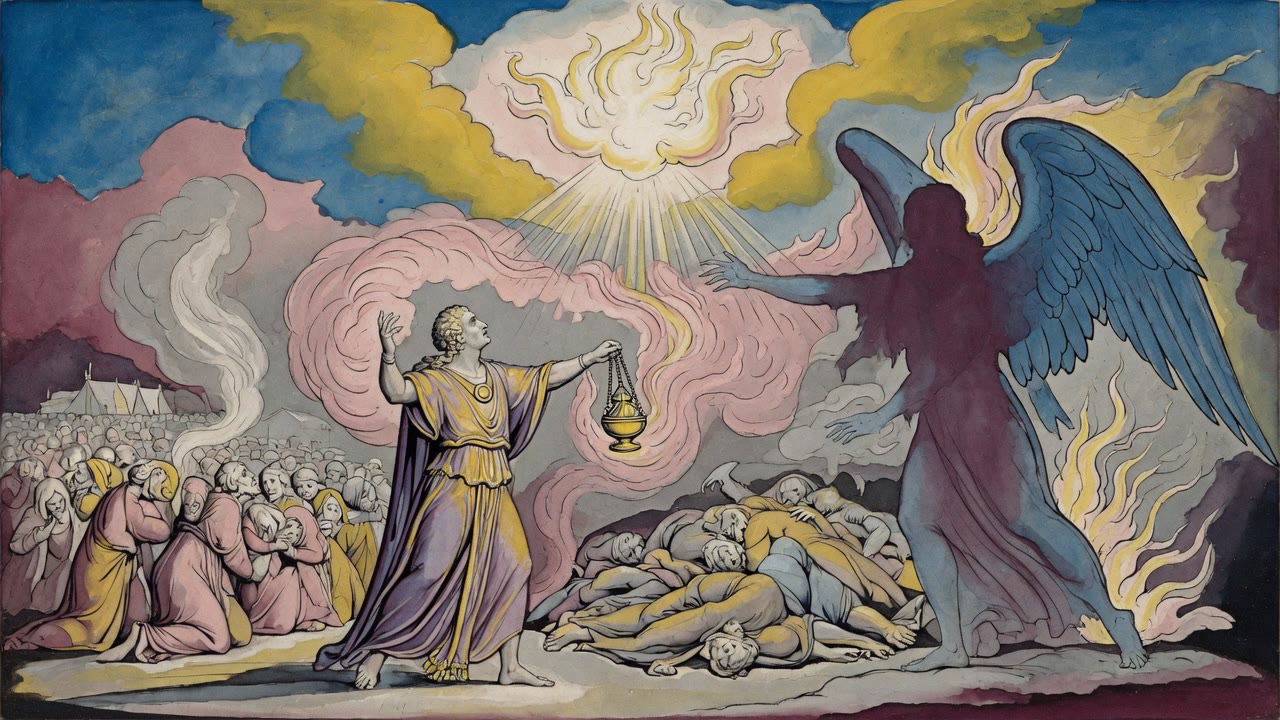
"Behold, thy days approach that thou must die" (Deuteronomy 31:14). Moses flinches. He reminds God of praise once spoken before all Israel: "Behold, the heaven and the heaven of heavens is the LORD's thy God, the earth also, with all that therein is" (Deuteronomy 10:14). He had lifted the divine name, and now he is told his time is done.

The reply is exact. You are like a bad neighbor who sees what comes into the house and does not see what goes out. Moses remembers the compliment and forgets the wound he dealt his own people, when he said, "Behold, the children of Israel have not hearkened unto me" (Exodus 6:12). That early slander against the redeemable is weighed beside his finest praise.

Even the greatest prophet is audited for what he says about Israel. Words about the people are not free.

The South Is Graves

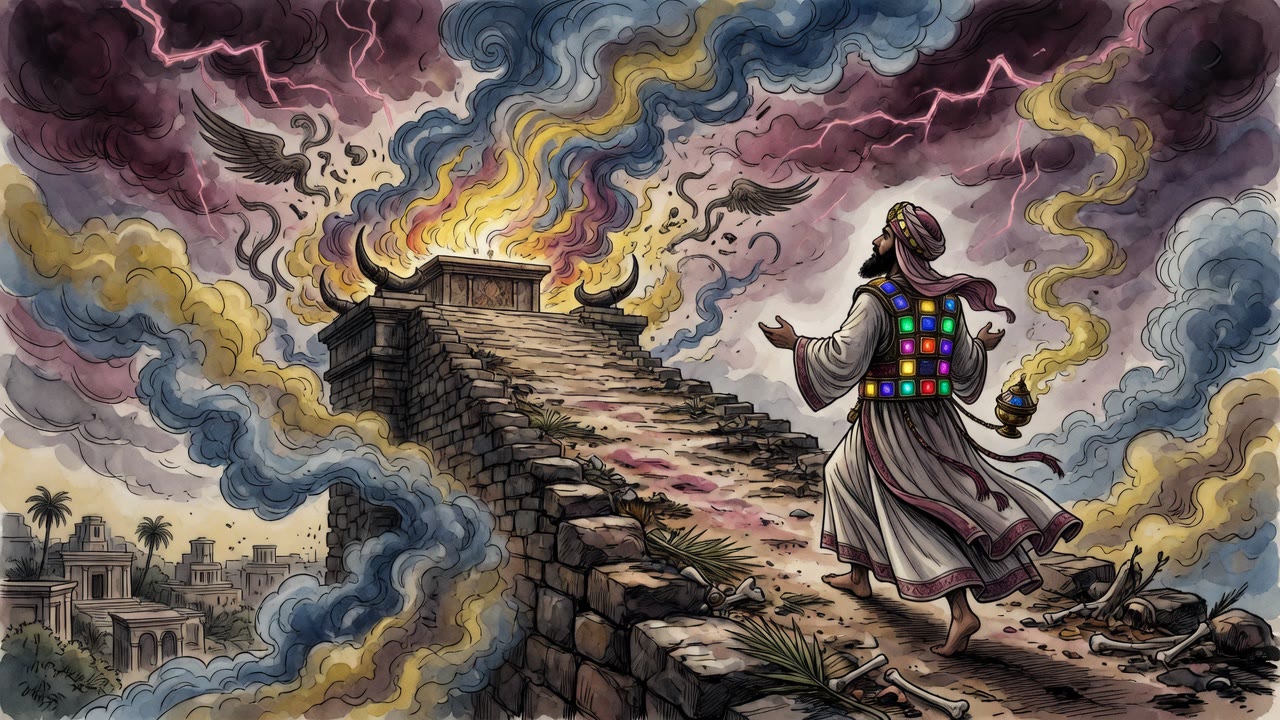
At last the reduced request is granted. Go up to Pisgah. Lift your eyes. Feet stay east of the river. Eyes may cross. "And the south" (Deuteronomy 34:3) is read with "And they went up by the south, and came unto Hebron" (Numbers 13:22). Hebron means the Cave of Machpelah: Abraham, Isaac, Jacob, Sarah, Rebecca, Leah.

Moses sees the future of tribes and also the beds of the dead who already rest inside the promise. The fathers lie in the land. Only he remains outside. The vision is gift and knife in one glance.

He will not walk Hebron's dust. He will know it is there, full of the bones of the covenant he carried.

Eyes Across the River

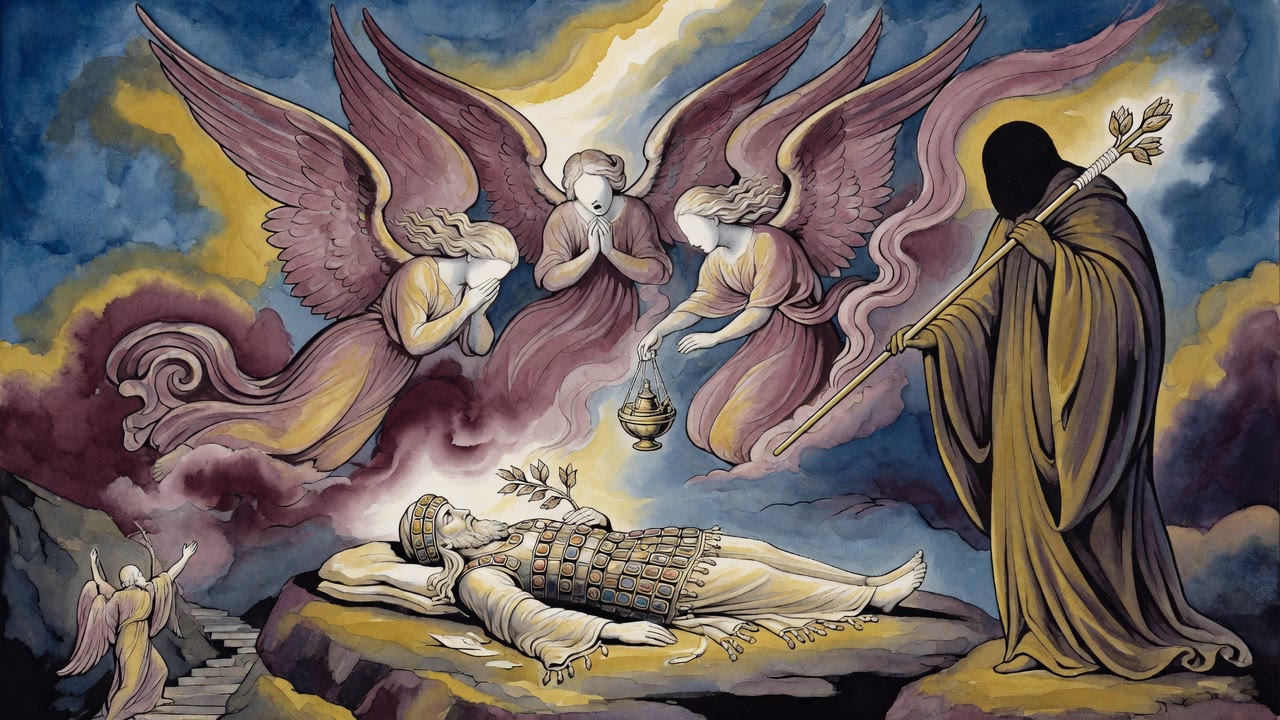
Feet at Elazar's feet. A word that is both plea and blame. A neighbor's half-sight corrected. Graves in the southern light. Moses' end is a sequence of lowerings that still ends in seeing.

The land receives his gaze and refuses his step. The people receive his Torah and carry the weight that helped close his road. God receives his praise and still counts his slight against Israel.

On the mountain the air is clear. The river shines. The caves of the south hold quieter bodies than his will be. He looks until looking is enough, because walking will not be given.

The greatest intercessor face down at a nephew's feet is the story's cruelty and its honesty. Moses can save Aaron and not himself. The debt of prayer does not convert into a ticket across the Jordan. Heaven's bookkeeping is not a human ledger of favors owed.

Pisgah's south view of Machpelah adds a quieter cruelty. The dead are home. The living prophet is not. He sees graves he will not visit and a land he will not pace. Mercy is the seeing. The closed road is still closed. Both sentences stand.


← All myths

From the tradition

Sources

4 sources

The texts behind this telling. Some cards carry a translation of the source; others are our own retelling of it, and each card says which. Every card links out to the original.

Mekhilta Tractate Amalek 2:16Mekhilta DeRabbi Yishmael

Retold in our words. Read the original at the link below.Mechilta, translated by Rabbi Shraga Silverstein · CC-BY

After every other plea had been rejected, Moses turned to his nephew Elazar, the son of his brother Aaron. And threw himself at his feet. "Elazar, my brother's son," Moses said, "implore mercy for me, as I once did for your father Aaron."

This was not an idle comparison. Moses reminded Elazar of a specific moment when Aaron himself had faced annihilation. "The Lord was wroth against Aaron to destroy him," Moses recalled, quoting (Deuteronomy 9:20), "and I prayed for Aaron too." When the crisis of the golden calf threatened to consume Aaron along with the guilty, it was Moses' prayer that saved him. Now Moses was calling in the debt, not for gold or power, but for a prayer.

The appeal to family loyalty is devastating. Moses was the greatest prophet who ever lived, the man who spoke with God face to face. And here he was, prostrate before his nephew, begging for the same mercy he had once shown Aaron. The mighty intercessor needed someone to intercede for him.

When even this failed to reverse the decree, Moses made his final, most reduced request: "Lord of the universe, if none of this can be changed, let me at least see the land with my eyes." And to this, at last, God said yes. "Go up to the top of Pisgah and lift up your eyes" (Deuteronomy 3:27). Moses would see everything, the land, the mountains, the river. But only from a distance. His eyes could cross the Jordan. His feet could not.

Full source
Mekhilta Tractate Amalek 2:9Mekhilta DeRabbi Yishmael

Retold in our words. Read the original at the link below.Mechilta, translated by Rabbi Shraga Silverstein · CC-BY

When Moses recounted his frustrated plea to enter the Promised Land, he told the Israelites: "And the Lord was wroth with me because of you" (Deuteronomy 3:26). The Hebrew word "bi", meaning "with me", caught the attention of Rabbi Elazar ben Shamua, who saw a double meaning hiding inside two small letters.

The word "bi," Rabbi Elazar explained, is also a conventional form of polite request in everyday speech, like saying "please" or "I pray you." It is the language people use when making a plea to someone more powerful than themselves. Moses was speaking to Israel, but the echo of his original plea to God lingered in the word itself.

Then came the sharper point. "Lest you say it lies in me", lest anyone think Moses was personally unworthy, that some secret sin or flaw of his own character barred him from the land, the verse specifies "because of you." The fault was not Moses' alone. It was the people's rebellions, their constant testing of God, their complaints at the waters of Meribah, that sealed his fate.

Moses was making a precise legal distinction. He was not saying he was blameless. He was saying the punishment exceeded his personal guilt. The decree came down on him, but the weight of Israel's sins tipped the scale. "Because of you, and not because of me, I cannot enter the land." One of the most devastating lines a leader can speak, I am paying the price for what you did.

Full source
Mekhilta Tractate Amalek 2:27Mekhilta DeRabbi Yishmael

Retold in our words. Read the original at the link below.Mechilta, translated by Rabbi Shraga Silverstein · CC-BY

The Mekhilta continues cataloguing everything God showed Moses from Mount Pisgah. The question this time: how do we know that God showed him even the graves of the forefathers?

The clue is hidden in the word "the south." When the verse describes what Moses saw, "and the south" (Deuteronomy 34:3), the Mekhilta connects it to another passage about the south: "And they went up into the south, and they came to Hebron" (Numbers 13:22). That verse describes the spies who scouted the land of Canaan and made their way to Hebron, the ancient city where Abraham, Isaac, Jacob, Sarah, Rebecca, and Leah are all buried in the Cave of Machpelah.

By linking these two verses through the shared reference to "the south," the Mekhilta concludes that when Moses looked southward from the mountaintop, he was seeing Hebron. And specifically, the burial place of the patriarchs and matriarchs.

This detail adds an extraordinary layer of emotion to Moses' final vision. He was not only seeing the future of the nation, the tribal territories, the Temple, David's kingdom. But also the past. He saw where his ancestors lay buried in the earth, the physical resting places of the people whose covenant he had spent his life fulfilling. Moses stood on one mountain looking at graves he would never visit, belonging to forefathers whose promise he had carried but could not complete. Even the dead were in the land. Only Moses remained outside.

Full source
Midrash Tanchuma, Vayeilech 3Midrash Tanchuma

Retold in our words. Read the original at the link below.Townsend 1989 translation of Midrash Tanhuma, S. Buber Recension · CC-BY

The verse that opens this passage is (Deuteronomy 31:14) "Behold, your days to die have approached." The midrash hears in it a sting, and imagines Moshe protesting. He reminds the Holy One, blessed be He, of a moment when he had spoken in praise of God before all Israel, declaring (Deuteronomy 10:14) "Behold, to the Lord, your God, is the Heavens and the Heavens of the Heavens, the earth and all that is in it." Moshe, in this telling, feels that he had once complimented his Master, lifting the divine name before the people, and now he is being shamed by being told that his time has ended.

The reply is sharp and exact. Said the Holy One, blessed be He, to him, "You are similar to a bad neighbor who sees what comes in to the house, but does not see what goes out." In other words, Moshe remembers the moment he honored God but forgets the moment he wronged Israel. For when God first sent him to Pharaoh, Moshe had said (Exodus 6:12) "Behold, the Children of Israel will not listen to me." The midrash treats those words as slander against God's children, a prejudgment that they would refuse the redemption. The rabbis read these two verses against each other to teach that a single careless word against Israel is weighed alongside a man's finest praise, and that even the greatest prophet is held to account for what he says about his own people.

Full source