Translation of the source text.Sefer HaYashar, Livorno 1870 · Public Domain
In those days there was a great war between the children of Kush and the children of the East and Aram, who rebelled against the king of Kush. Kikianus, king of Kush, went out with all the children of Kush, a very great multitude, to fight Aram and the children of the East and bring them back under his hand. When Kikianus went out, he left Balaam the diviner and Balaam's two sons in the city, to guard the city and the gate of the land.
Kikianus fought Aram and the children of the East, struck them, took many captives, and subdued them as before. But Balaam son of Beor, whom the army of Kush had left to guard the city, rose and counseled the people of the land to rebel against King Kikianus so he could not enter when he returned. The people listened to him, swore to him, made him king over them, and appointed his two sons as commanders of the armies. They raised the walls on two sides and built a very strong structure. On the third side they dug countless pits between the city and the river that surrounded the whole land of Kush, and they split the water of the river there. On the fourth side they gathered many serpents by their incantations and magic. They fortified the city and sat inside it, with no one going out and no one coming in before them.
When Kikianus, king of Kush, drew near to his city with all his officers, they lifted their eyes and saw that the walls had been built very high. The men were astonished. They said to one another that the people must have seen how long they had delayed in war and grown afraid, so they had raised the walls to protect themselves from the kings of Canaan. But when the king and the soldiers reached the city gate, every gate was shut. They called to the gatekeepers, "Open for us, and let us come into the city." The gatekeepers refused at Balaam's command and would not let them enter.
They fought at the gate that day, and one hundred thirty men from the army of Kikianus fell. On the second day they tried to fight from the side of the river. They wanted to cross, but could not, and some sank in the pits and died. The king ordered wood to be cut and rafts made so they could cross, but when they came to the place of the pits, the waters rolled around them like millstones, and two hundred men drowned that day on ten rafts. On the third day they tried to fight from the side of the serpents, but they could not approach; the serpents killed one hundred seventy men. So they stopped fighting against Kush and besieged it for nine years, with no one going out and no one coming in.
At that time, while the war and siege against Kush were underway, Moses fled Egypt from Pharaoh, who wanted to kill him because he had struck the Egyptian. Moses was eighteen years old when he fled from Egypt before Pharaoh, and he escaped to the camp of Kikianus, which was then besieging Kush. Moses stayed in the camp of Kikianus, king of Kush, for nine years, all the days they were besieging Kush. Moses went in and out among them. The king, the officers, and all the fighting men loved Moses, for he was great and honored. His stature was like a mighty cedar, his face like the sun, his strength like a strong lion, and he became an adviser to the king.
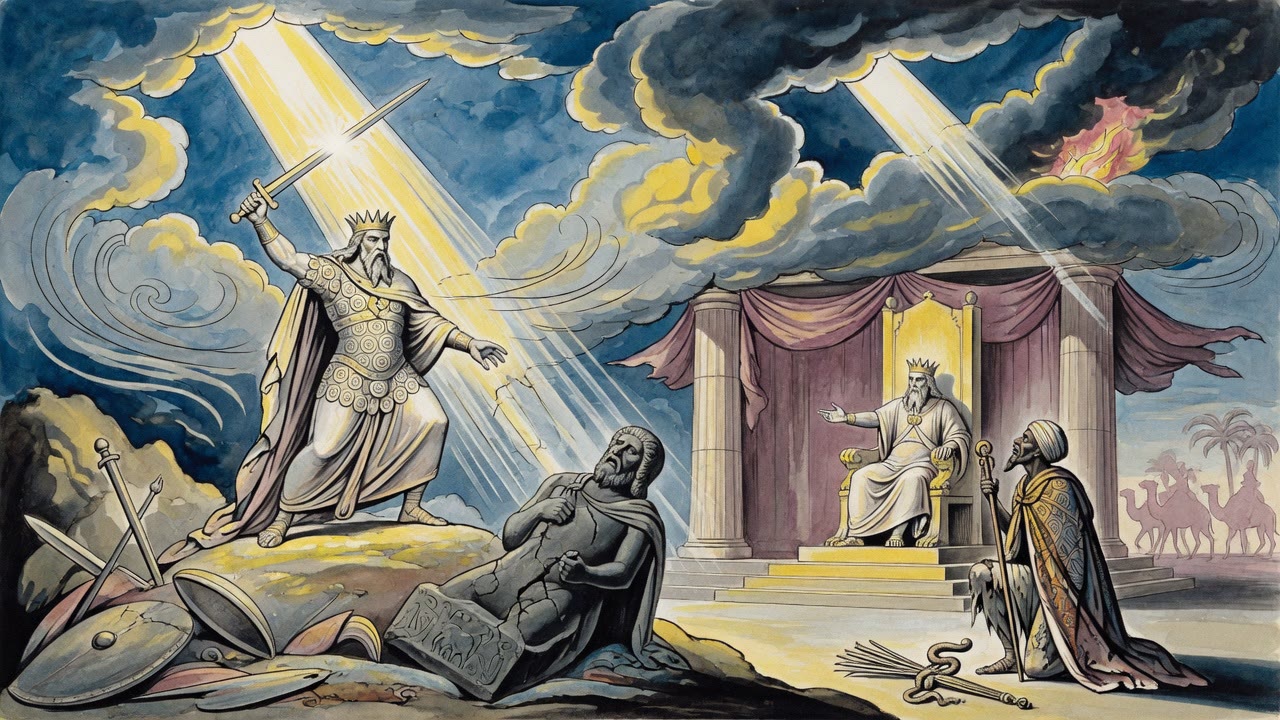
At the end of nine years, Kikianus fell ill with the illness from which he would die. His sickness grew severe, and he died on the seventh day. His servants embalmed him, carried him, and buried him opposite the city gate that faced the land of Egypt. They built over him a beautiful, massive, very high structure and set great stones above it. The scribes of Kikianus wrote on those stones all the mighty deeds of Kikianus their king and all the wars he had fought, and they remained written there.
After Kikianus died, his men and soldiers were deeply distressed because of the war. They said to one another, "Give us counsel. What shall we do now, after sitting in the wilderness outside our homes for nine years? If we say, Let us fight against the city, our soldiers will fall and we will die. If we sit here under siege, we will also die. Now the kings of Aram and the children of the East will hear that our king is dead, and they will suddenly come against us in war and leave no survivor. Let us appoint a king over ourselves and remain in the siege until the city is given into our hand."
That day they looked through the whole army of Kikianus for a man to make king, but found no one fit to choose over them like Moses. Quickly each man removed his garment and threw it on the ground, and they made a great platform and seated Moses upon it. They rose, blew shofarot, and called before him, "Long live the king, long live the king." All the people and all the officers swore to give him Adoniah, the Kushite queen, wife of Kikianus, as a wife, and they made Moses king over them that day.
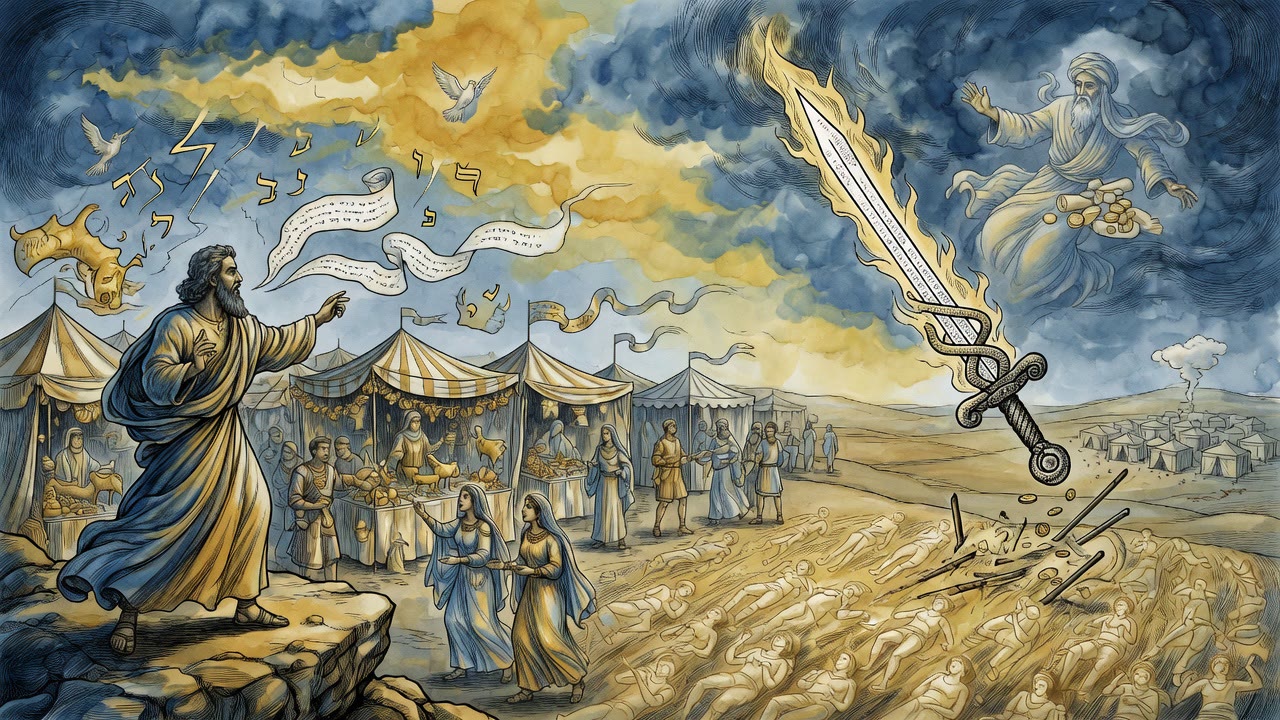
The people of Kush proclaimed that each person should give Moses something from what he had. They spread a cloak over the platform, and each man cast onto it one gold ring or one coin from what was in his hand. The children of Kush also threw onyx stones, bdellium, precious stones, silver, and a great amount of gold to Moses on the platform. Moses took all the silver, gold, vessels, bdellium, and onyx that they gave him and put them in his treasuries. Moses became king over all the children of Kush that day in place of Kikianus. Moses was twenty-seven years old when he became king over Kush, and he reigned forty years. The LORD gave Moses favor and kindness in the eyes of all the children of Kush, and they loved him greatly.
On the seventh day of his reign, all the children of Kush assembled, came before Moses, bowed to the ground, and said, "Give us counsel, and let us see what to do with this city. For nine years we have sat in siege against it and have not seen our sons or our wives."
The king answered them, "If you listen to my voice in everything I command you, the LORD will give the city into our hands and we will capture it. If we fight them as we fought before the death of Kikianus, many of us will fall as before. Here is counsel in this matter, if you will listen to my voice." All the soldiers answered, "Everything my lord commands, your servants will do."
Moses told them to proclaim throughout the camp: "So says the king: go to the forest, and let each man bring a young stork in his hand. Whoever disobeys the king's word and does not bring a young stork shall die, and the king shall take all that he has. When you bring them, keep them with you, raise them until they grow, and train them to swoop like hawks." The children of Kush did as Moses commanded. They went to the forest, climbed the cypresses, took young storks, brought them back in the evening, raised them, and trained them to swoop.
When the young storks had grown, the king commanded that they be starved for three days, and the people did so. On the third day the king said to them, "Strengthen yourselves and be warriors. Let each man put on his weapons, gird his sword, ride his horse, and take his young stork in his hand. Let us rise and fight the city from the place where the serpents are." The people did according to the king's word. When they reached the place of the serpents, the king told them, "Let each man release his young stork upon the serpents." They released them, and the young storks ran at the serpents, ate them all, and removed them from that place.
When the king and the people saw that the serpents were gone from that place, all the people raised a great shout. They came near, fought the city, seized it, captured it, and entered it. That day eleven hundred of the city's inhabitants died, but not one person from the besieging army died. Then every child of Kush came to his house, his wife, his children, and all that he had.
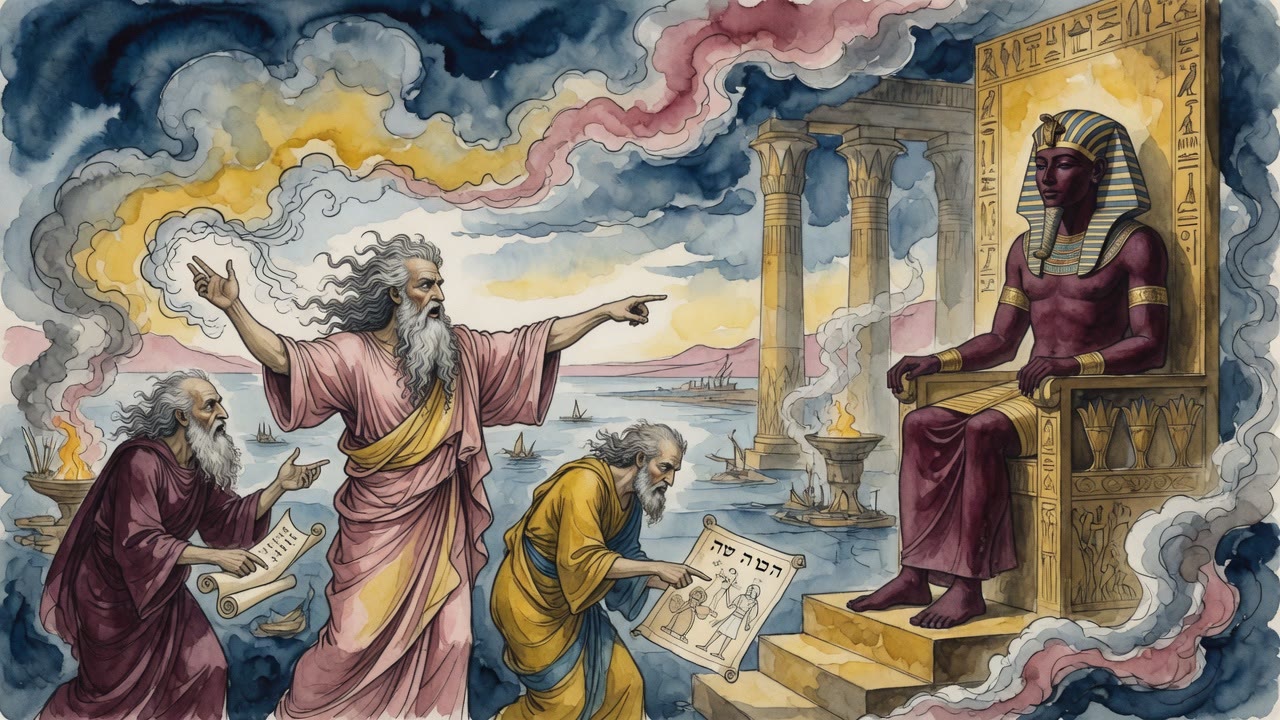
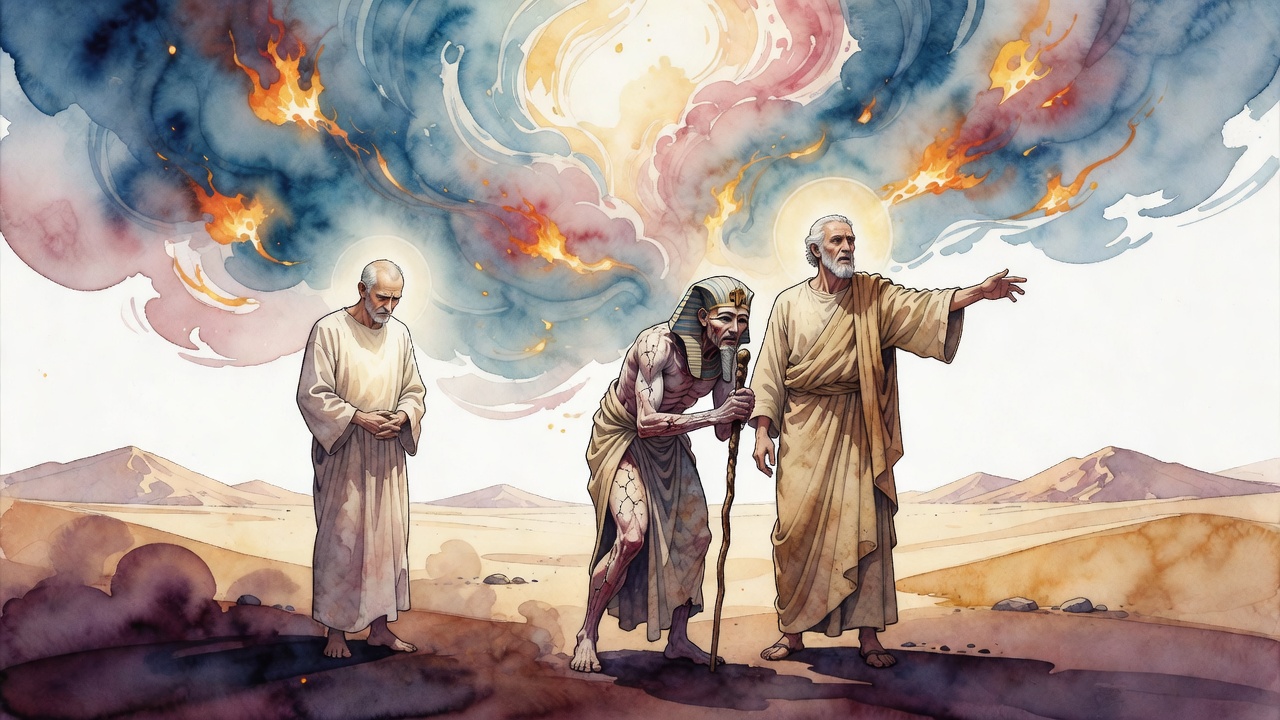
When Balaam the diviner saw that the city had been captured, he opened the gate and fled with his two sons and eight brothers, returning to Egypt to Pharaoh, king of Egypt. They were the magicians and sorcerers written in the Torah, the ones who stood against Moses when the LORD brought all the plagues upon Egypt. Moses captured the city by his wisdom, and the children of Kush seated him on the royal throne in place of Kikianus, king of Kush. They placed the royal crown on his head and gave him Adoniah, the Kushite queen, wife of Kikianus, as a wife.
But Moses feared the LORD, God of his fathers, and he did not come to her or turn his eyes toward her. Moses remembered what Abraham had made Eliezer his servant swear, saying, "Do not take a wife for my son Isaac from the daughters of Canaan." Isaac had also done this when Jacob fled from his brother, commanding him not to take a wife from the daughters of Canaan and not to intermarry with any of the children of Ham. Therefore Moses did not turn his heart or his eyes toward the wife of Kikianus all the days of his reign over Kush. Moses feared the LORD his God all his days and walked before the LORD in truth, with all his heart and all his soul. He did not turn from the good path all the days of his life, neither right nor left from the way Abraham, Isaac, and Jacob had walked.
Moses grew strong in the kingdom of the children of Kush, governed them justly by his wisdom, and succeeded in his reign. The children of Aram and the children of the East heard that Kikianus, king of Kush, had died, and they rebelled from under the hand of Kush. Moses gathered all the children of Kush, a very heavy force of about thirty thousand men, and went out to fight Aram and the children of the East. The LORD gave the children of the East into Moses' hand, about three hundred of them fell, and they turned their backs and fled. Moses and the children of Kush pursued them, subdued them, and made them pay tribute as before. Moses and all the people with him then crossed to Aram for war. The men of Aram came out against them and fought them, and the LORD gave them into Moses' hand. Many of the men of Aram fell. Aram also submitted before Moses and before Kush and paid tribute as before. Moses subdued Aram and the children of the East under the hand of the children of Kush, then returned with all his people to the land of Kush. Moses grew strong in the kingdom of the children of Kush. The LORD was with him, and all the children of Kush feared him.
In the fortieth year of Moses' reign over Kush, Moses sat on the royal throne, with Queen Adoniah before him and all the officers seated around him. Adoniah spoke before the king and the officers: "What is this thing you have done, children of Kush, for so many days? You know that this man has reigned over Kush for forty years, but he has not come near me and has not served the gods of the children of Kush. Now listen, children of Kush. Let this man no longer reign over you, for he is not of your flesh. My son Mankaros has grown; let him reign over you. It is better for you to serve the son of your lord than a foreign man, the servant of the king of Egypt."
All the people and all the officers of the children of Kush heard the words Queen Adoniah spoke in their ears. The whole people deliberated until evening, and early in the morning they made Mankaros son of Kikianus king over them, king of Kush. The children of Kush were afraid to lay a hand on Moses, because the LORD was with Moses and because they remembered the oath they had sworn to him. So they did him no harm. All the children of Kush gave Moses many gifts and sent him away from them with great honor. Moses went out from the land of Kush and went on his way, and he ceased to reign over Kush. Moses was sixty-seven years old when he left the land of Kush, for the matter was from the LORD: the appointed end from ancient days had come, to bring Israel out from the affliction of the children of Ham.

 Click for full size