Moses Stood at the Tent and Would Not Enter
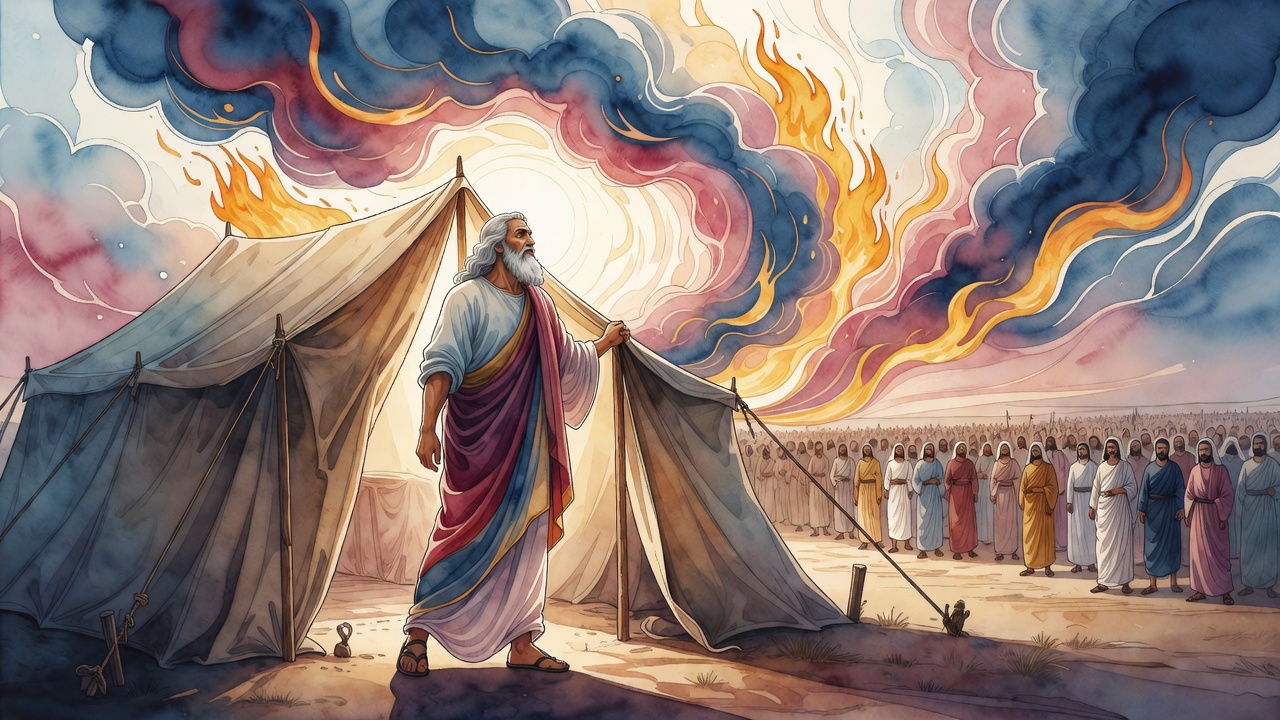
Moses halted at the tent flap with the whole people waiting. He would not cross until the voice called his name first.
Table of Contents
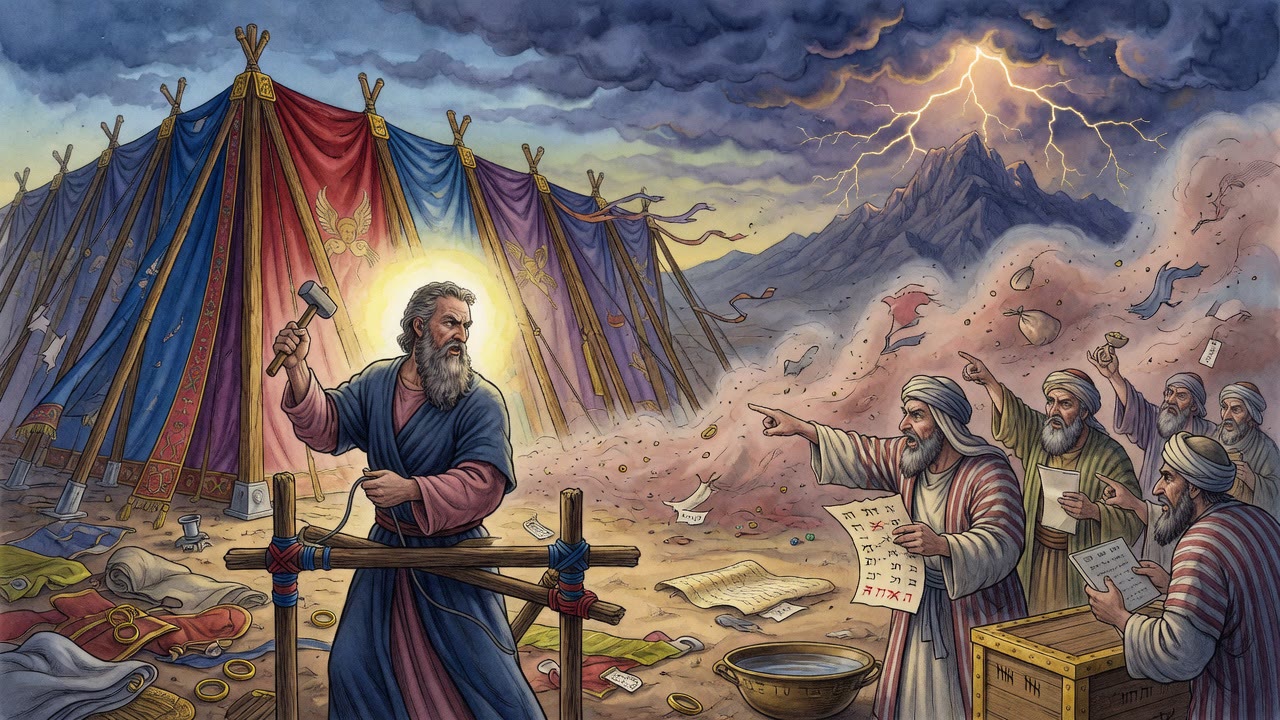
Moses stopped at the tent flap with dust still on his sandals. Behind him the camp waited for law, for mercy, for a word from the Presence. He did not push the curtain aside. He stood with his hands at his sides and let the silence do its work.
 Click for full size
Inside, the boards of the Tabernacle held their quiet like a held breath. The people had watched him climb mountains and argue with kings, yet here he waited like a student at a teacher's door. The man who had faced Pharaoh would not walk uninvited into the chamber of the King.
The Call Before the Speech
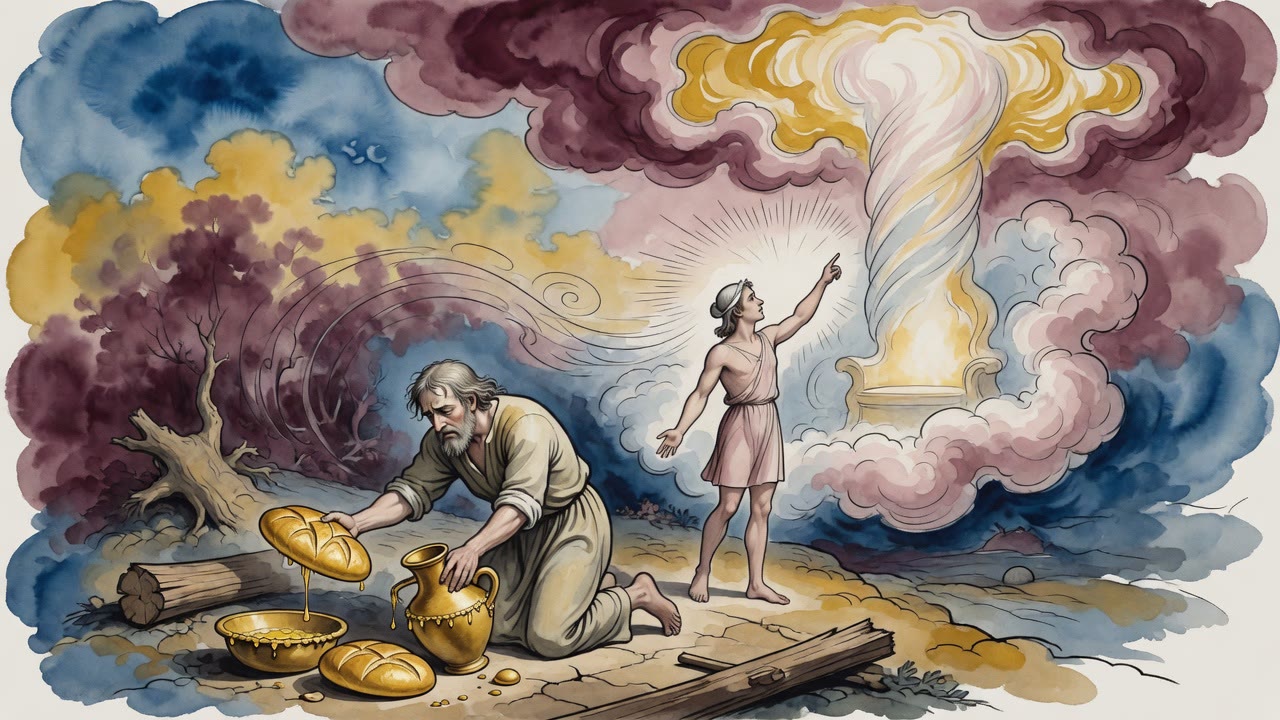
When the voice came, it came as a call first, then as speech. Not a flood of command poured onto an unready ear. A name, clear and personal, then the words that followed. The order mattered. The Holy One taught courtesy before content.
A person must not launch words at another the way a stone is thrown. He calls first. He waits for the face to turn. Only then does he speak. The same rule that softens a household argument stood at the threshold of heaven. Moses, father of prophets, accepted the rule without protest.
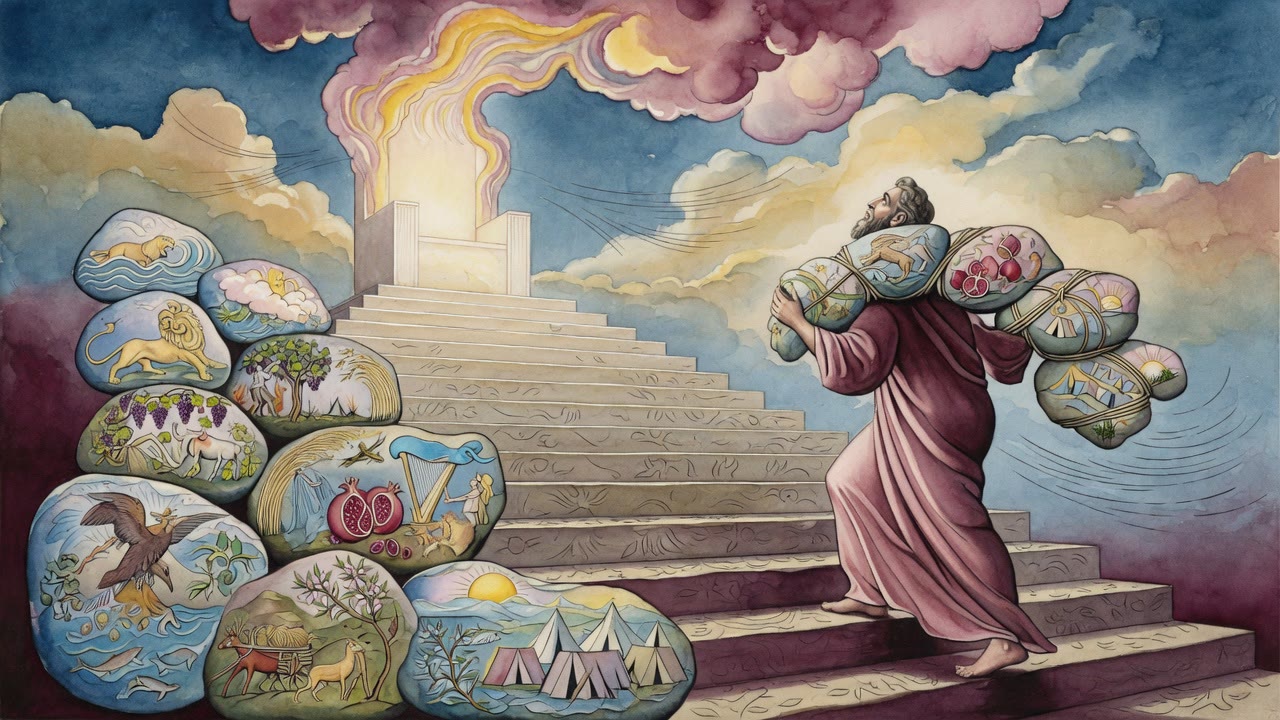
Scholars later said a hard thing about this scene. A man may hold all the learning of the ages, yet if he lacks manners and discernment he is worth less than a carcass left by the road. Knowledge without the pause before speech is noise. Moses had both the knowledge and the pause.
Collateral of Boards and Bodies
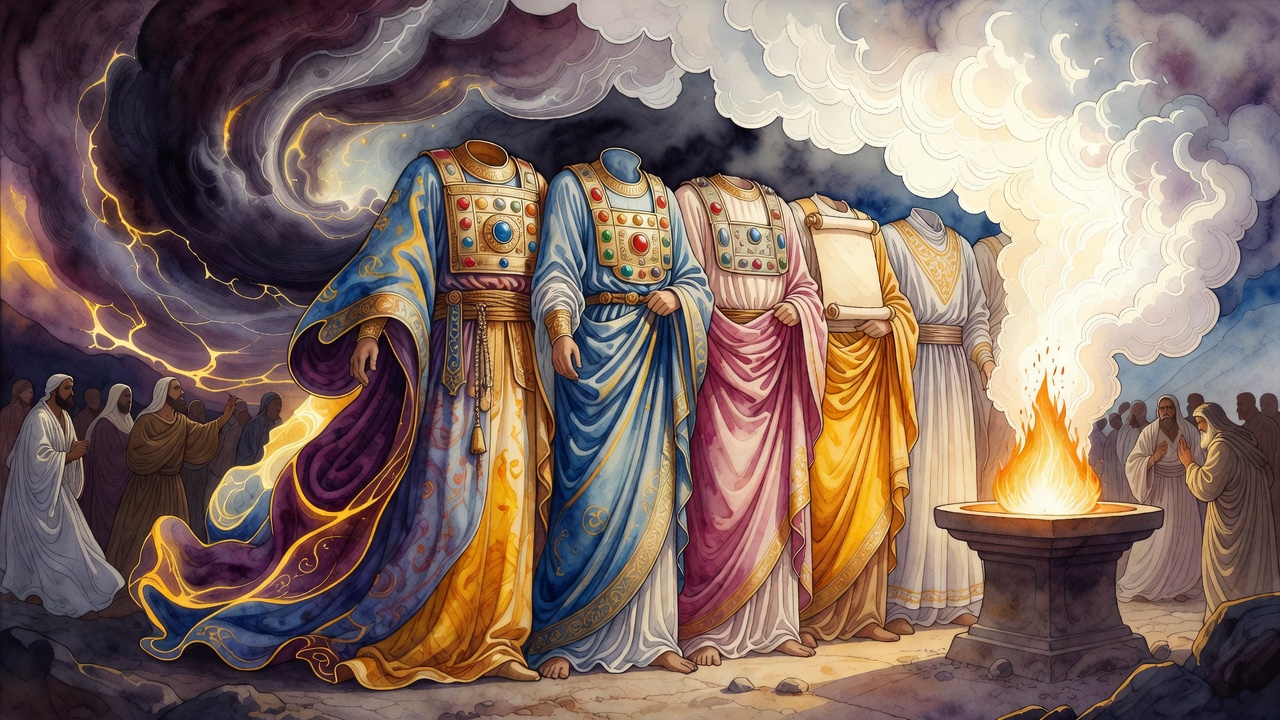
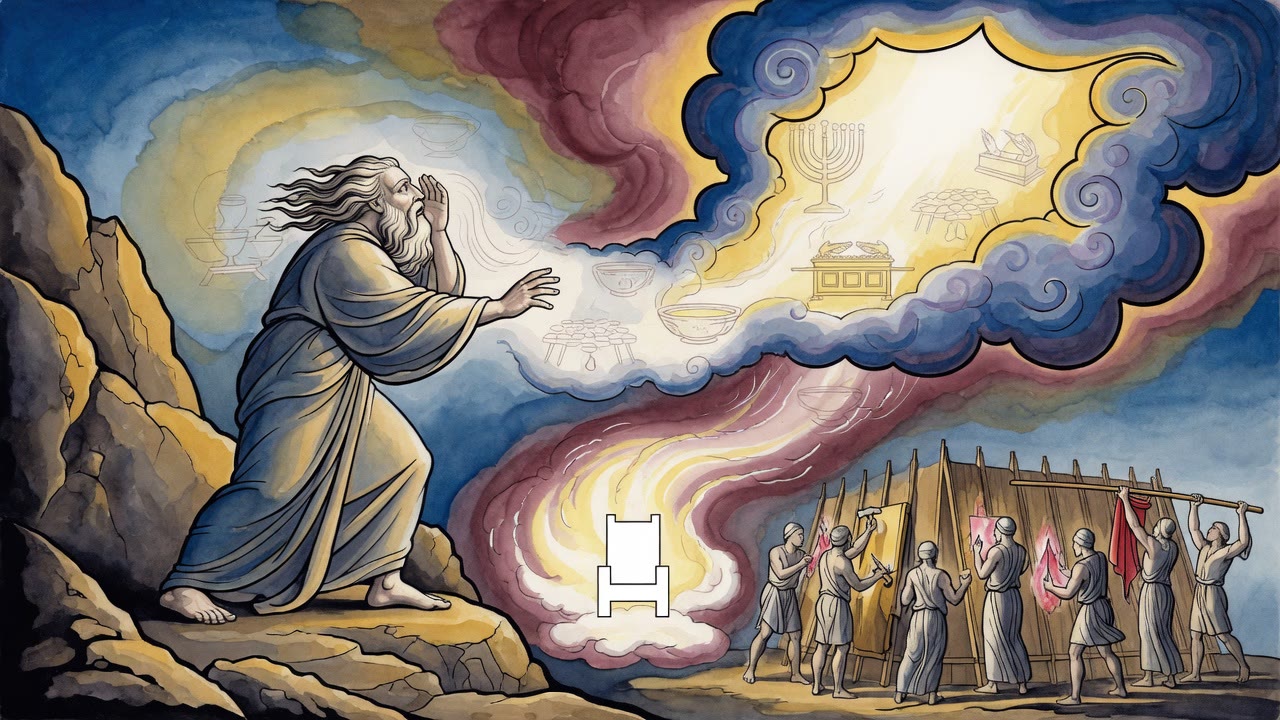
The boards of the Tabernacle were not only timber. They stood as collateral. If Israel deserved ruin, the sanctuary could be taken first, a substitute standing in the breach so the people might live. Moses heard that logic and pressed further.
"What happens when there is no Tabernacle?" he asked. "What happens when the boards are ash and the vessels are carried away?"
The answer came back like a second call. Then a righteous one from among them would stand as collateral. Flesh would take the place of wood. One life of integrity could cover many failures. Moses felt the weight of that bargain settle on every shoulder in the camp, including his own.
The sanctuary was a building, and it was also a warning. Holiness was never only architecture. When the architecture failed, the people themselves would have to become the wall.
How an Offering Is Named
In the language of sacrifice the order of words was guarded as carefully as the order of approach. A person was not to say, "To the Lord, a burnt offering," and then trail off, as if the Name could hang unfinished in the air. He was to say, "A burnt offering to the Lord," completing the gift before the Name, so no half-sentence would desecrate what it meant to honor.
The same care that kept Moses outside the flap kept the Name from careless mouths. Approach and speech were twin disciplines. No one enters without a call. No one names the Holy without finishing the sentence that honors Him.
Moses carried both disciplines into every audience. He waited to be invited. He spoke only what he was given. Between the two silences, the people of Israel learned how a nation stands before its Maker.
The Camp Learns the Pause
Outside the tent, elders watched the prophet's stillness and copied it in smaller ways. A judge delayed a verdict until both parties faced him fully. A parent called a child's name before a rebuke. A husband waited for his wife's eyes before hard news. The Torah's first lesson at the sanctuary was not a statute of blood or oil. It was the art of not rushing the other.
Still the people pressed. They wanted answers faster than courtesy allowed. Moses did not yield the habit. If the King of kings called before He spoke, the servant would not invent a ruder custom for earth.
When the cloud lifted and travel began again, the memory of that stance traveled with them. Boards could be dismantled. The pause could not. A people who had learned to wait for a call would not forever be a people who only shouted.
What Remained When the Flap Closed
At dusk the curtain fell shut and the camp lights rose one by one. Moses stepped back into the dust of ordinary night with the Name still ringing in his ear. He had not forced the door. He had not finished a sentence that should not start. He had stood, been called, and only then received the word Israel needed.
The Tabernacle would one day fall. The Temple would rise and fall after it. The call-and-answer remained the spine of approach. Anyone who wanted the chamber of the King still had to learn what Moses learned at the flap: first the name, then the speech, and never the reverse.
← All myths