Naboth's Spirit Tipped Heaven Against Ahab
Ahab wanted a vineyard, so he had Naboth killed for a crime he never did. In the court of heaven the dead man stepped up and tipped the scales.
Table of Contents
 Click for full size
A Vineyard Bought With a Charge of Treason
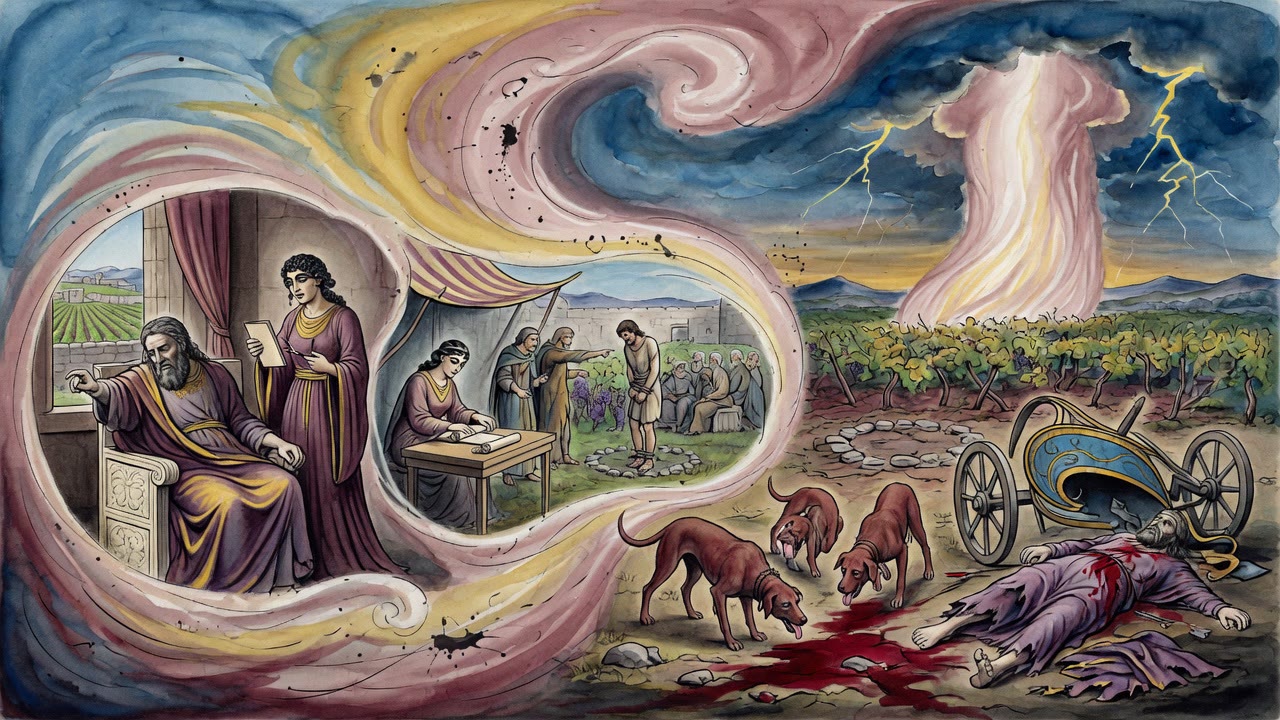
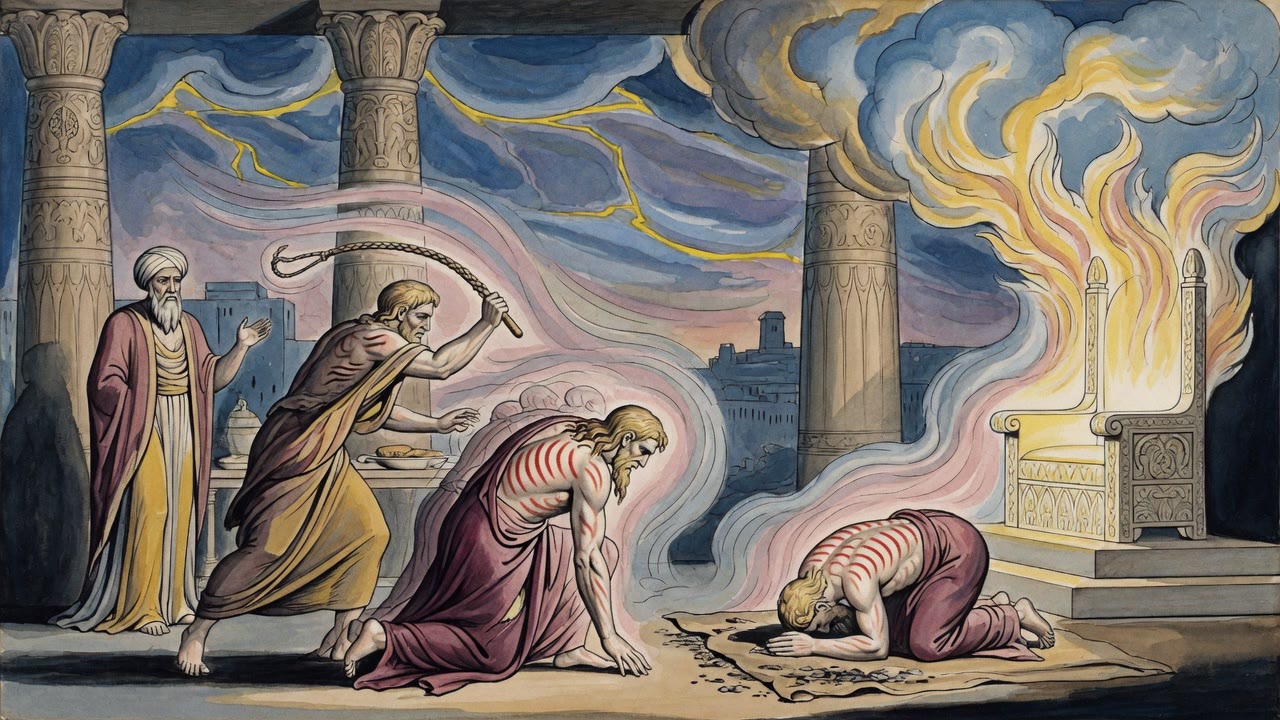
Ahab wanted land that was not his. Naboth owned a vineyard near the palace and would not sell the inheritance of his fathers. The king ordered an execution on a charge of treason and stepped into the dead man's wealth. The official story was law. The real story was appetite with a seal.
Naboth had been a pious man. He went up to Jerusalem for the festivals. He sang so well that other pilgrims followed the sound of his voice into the Holy City. Once he failed to make his customary pilgrimage. Then the false conviction fell. The midrash does not call the punishment random. It calls it severe, and still not empty of measure. Absence from the festival and a king's greed met in one death.
Penance That Softened Only a Dynasty
Under Jehoshaphat's counsel Ahab did penance. Heaven answered the penance by delaying the cut-off of his house. The throne would not vanish at his own death the way it might have. Mercy for a line is not mercy for a man. The blood of Naboth still waited for a fuller accounting.
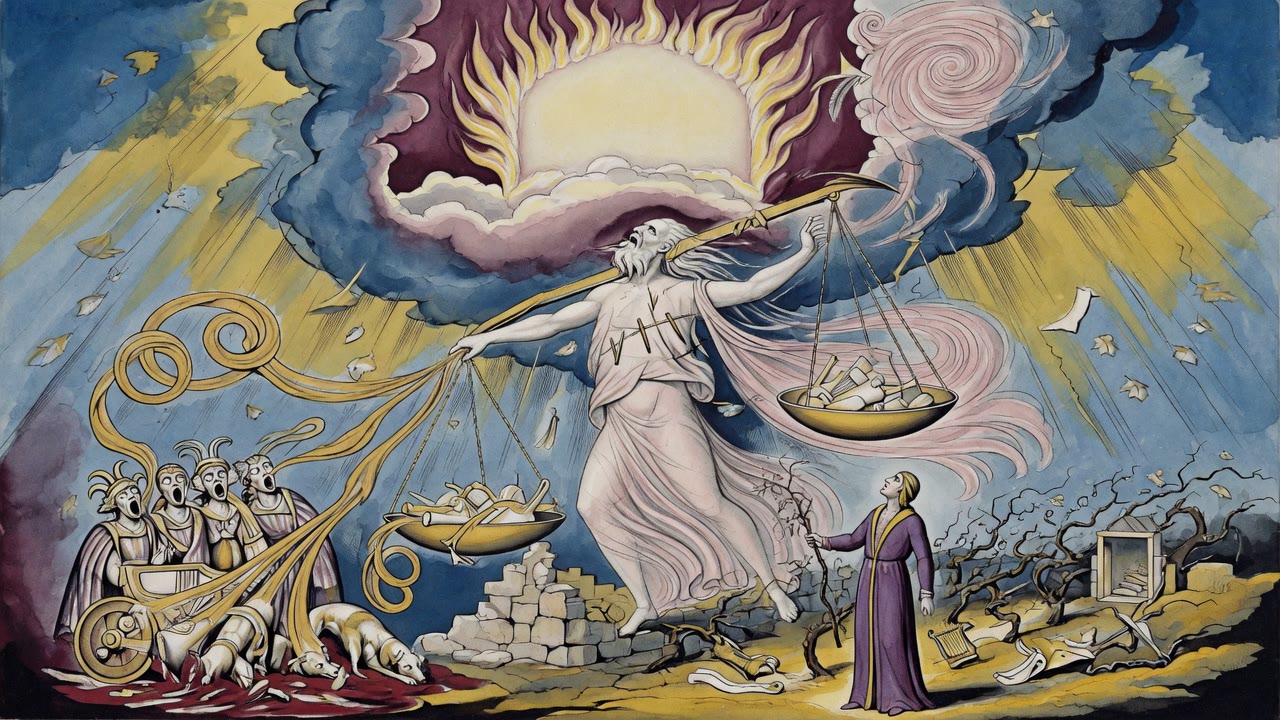
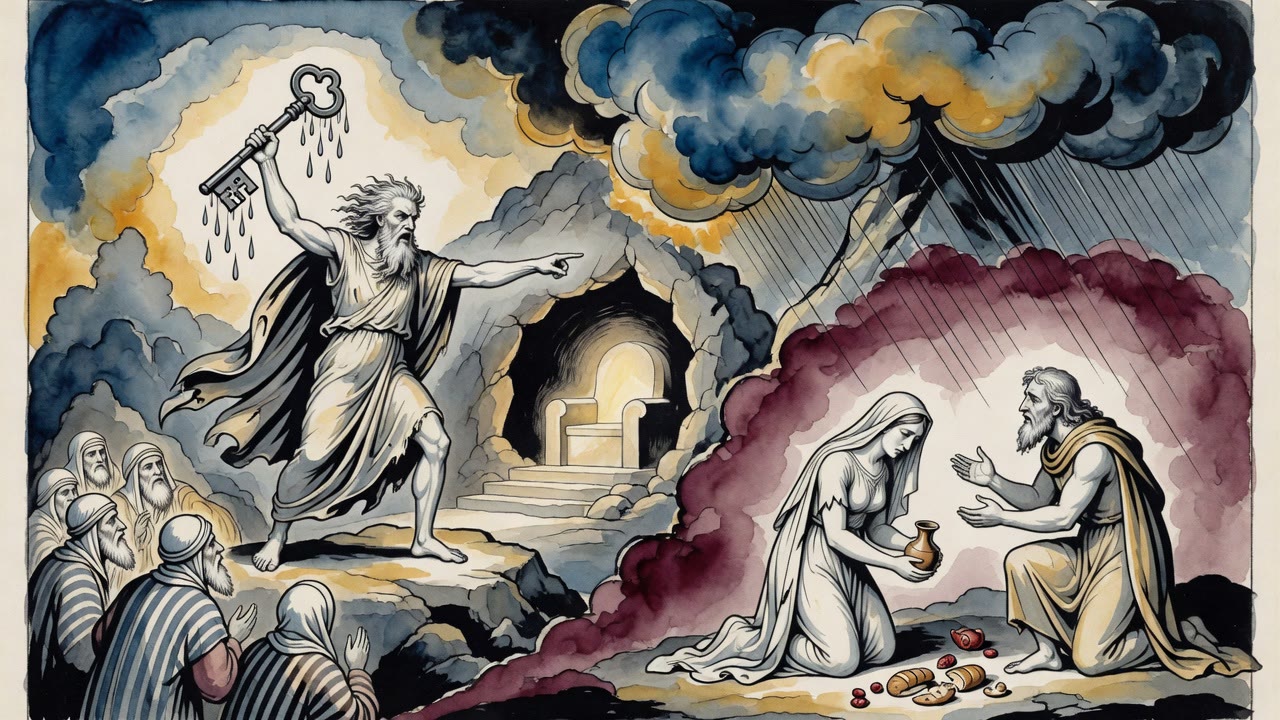
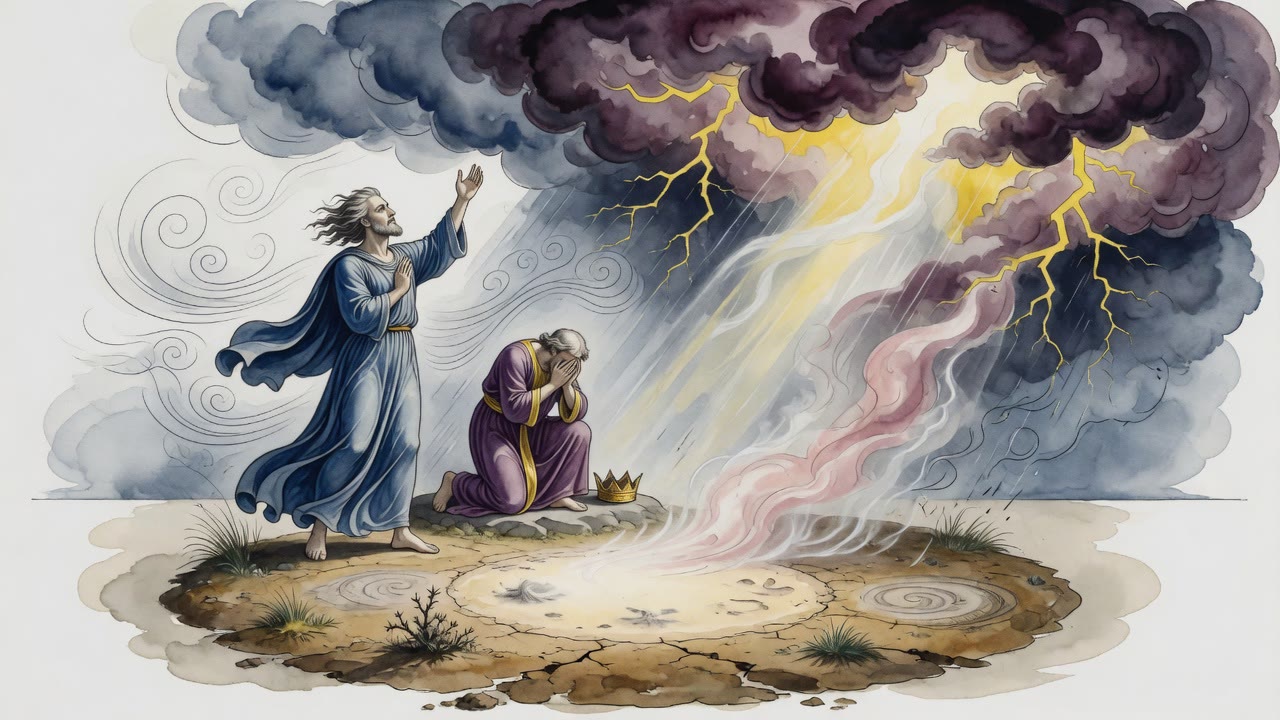
In the heavenly court the witnesses for and against Ahab balanced until numbers and words canceled each other. Then the spirit of Naboth appeared and tipped the scale. The murdered singer became the decisive testimony. A vineyard case rose to the docket of heaven and would not leave until the king's name sat under a verdict.
One Script in Many Prophetic Mouths
That same spirit led Ahab's prophets astray when they promised victory at Ramoth-gilead. They all used the same words. Literal unanimity. Jehoshaphat heard the chorus and grew suspicious. He asked for a prophet of the Lord, because true messengers do not sound like one throat speaking through rented bodies. The ghost of the vineyard owner had written a single script of doom and handed it to flattering seers.
Ahab went up to battle wearing the weight of a scale that had already fallen. Naboth's blood had become strategy. The king who stole a field found the field's owner standing in the war room of heaven, rearranging every oracle that tried to comfort him.
Bullocks That Refused Baal
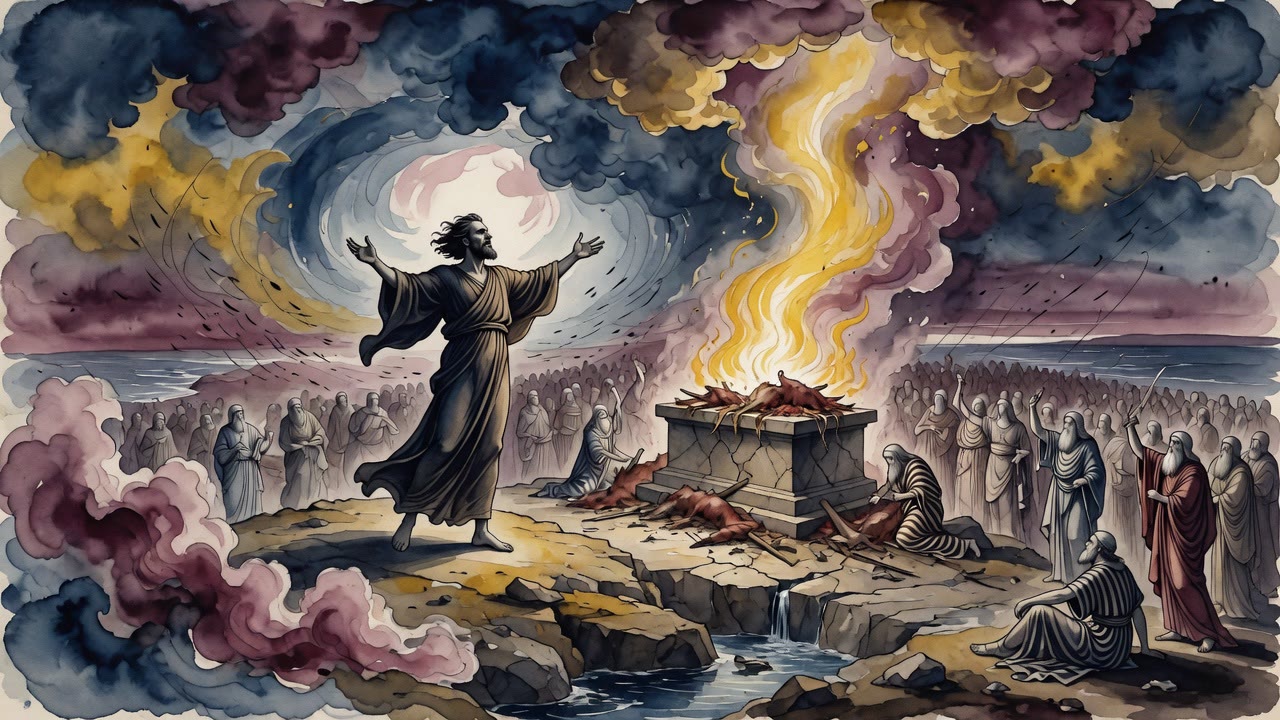
On another stage, Elijah faced four hundred fifty priests of Baal and four hundred of the asherah with twin bullocks raised together. Lots assigned one beast to God and one to Baal. Elijah's animal walked to the altar without fight. The priests of Baal could not move theirs an inch. Eight hundred fifty men pulled. The bullock planted its feet.
Elijah spoke to the animal of Baal. The bullock opened its mouth. "We two, yonder bullock and myself, came forth from the same womb, we took our food from the same manger, and now he has been destined for God, as an instrument for the glorification of the Divine Name, while I am to be used for Baal, as an instrument to enrage my Creator." Elijah urged it to follow so the priests would have no excuse, and promised it a share in the glory. The bullock swore it would not move unless Elijah himself delivered it. The prophet took it by the hand, as it were, and gave it over. Even a beast refused to serve the king's god without coercion from the man of truth.
Two Witnesses Against One Throne
Naboth's spirit and Baal's bullock stand on the same side of the ledger. One speaks in the court above. One speaks on the mountain of contest. Both refuse Ahab's world, where property is taken by indictment and worship is taken by force. The king can kill a singer. He cannot silence the singer's ghost. He can fund a priesthood of Baal. He cannot make a twin bullock love the altar of a lie.
Fire would fall later on Elijah's soaked wood. Dogs would have their portion later at the place of Naboth's blood. Between those hours sits a simpler terror. Heaven keeps the files. A vineyard is never only a vineyard when a pilgrim's voice has led Israel to Jerusalem, and a contest of gods is never only theater when even the livestock knows which Name is not to be enraged.
A Singer Who Led Pilgrims
Before the vineyard case, Naboth's name meant a voice on the road to Jerusalem. Festival seasons thickened when he sang. Men who might have stayed in their towns followed the sound into the courts. Ahab did not only kill a neighbor. He killed a magnet for pilgrimage. The city lost a throat that had pulled Israel upward.
That is why the ghost has standing. Not as a private grudge alone, but as a public loss wearing a personal face. When the heavenly witnesses deadlocked, Naboth did not arrive as a technicality. He arrived as the man whose absence from one festival had already been priced in blood, and whose presence in the court would price a king's blood in return.
Carmel answers the same reign from another angle. Ahab's household sponsors Baal's staff. Elijah stacks the odds against himself with water on the wood and still wins by fire. Before the fire, the bullock's speech strips the contest of neutrality. Creation itself declines to be raw material for rage against its Maker. The prophet must personally hand the animal over, or the priests of Baal stand exposed as men who cannot even lead a beast.
Between vineyard and mountain, Ahab's world is one where property, prophecy, and livestock are all pressed into royal theater. Naboth's spirit ruins the theater from above. The bullock ruins it from below. The king stands in the middle with a signed death warrant and a chorus of identical false seers, and still cannot buy a clean future. Dogs will know the place. Fire will know the altar. The legends leave both appointments on the book.
← All myths