Translation of the source text.Pesikta Rabbati, ed. Meir Friedmann (Ish-Shalom), Vienna 1880 · Public Domain
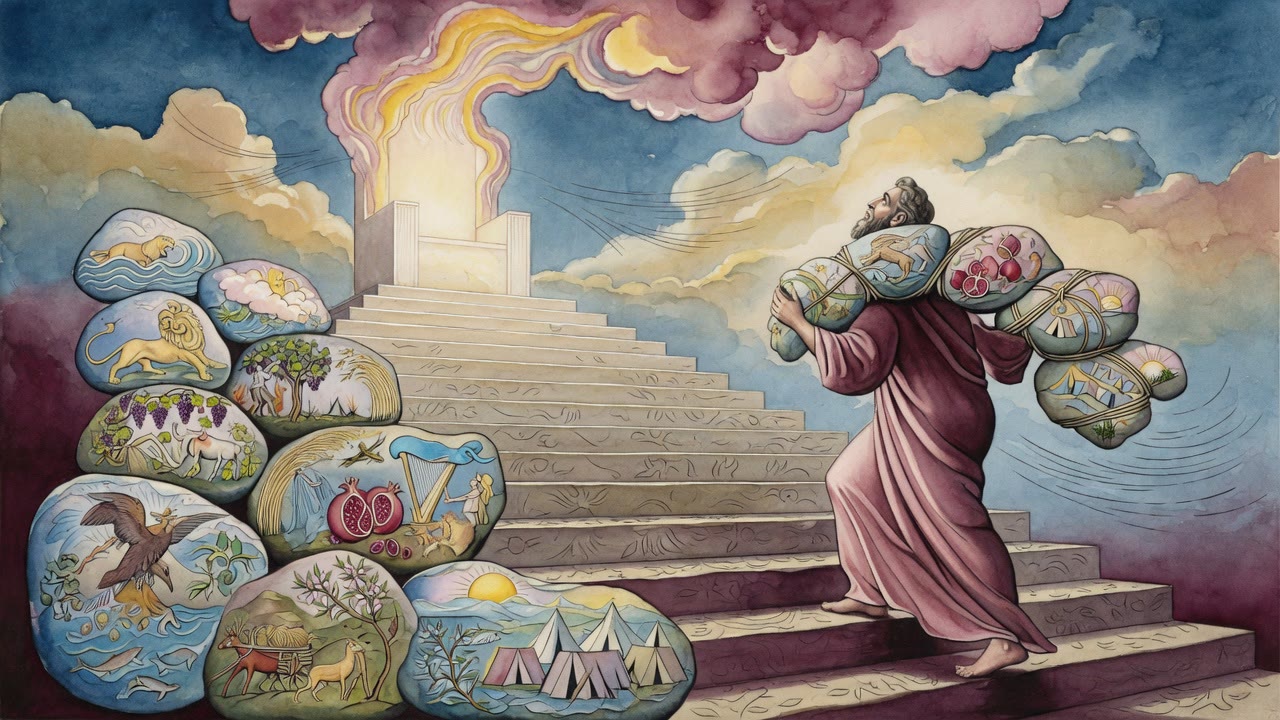
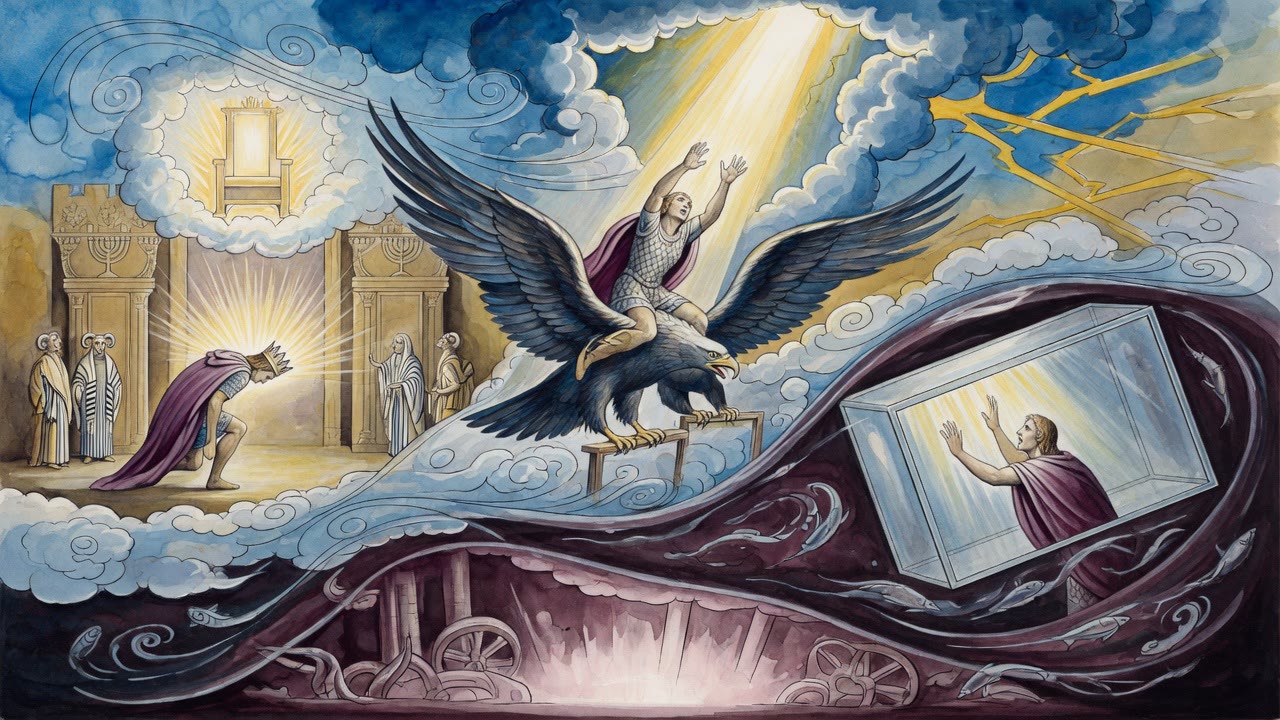
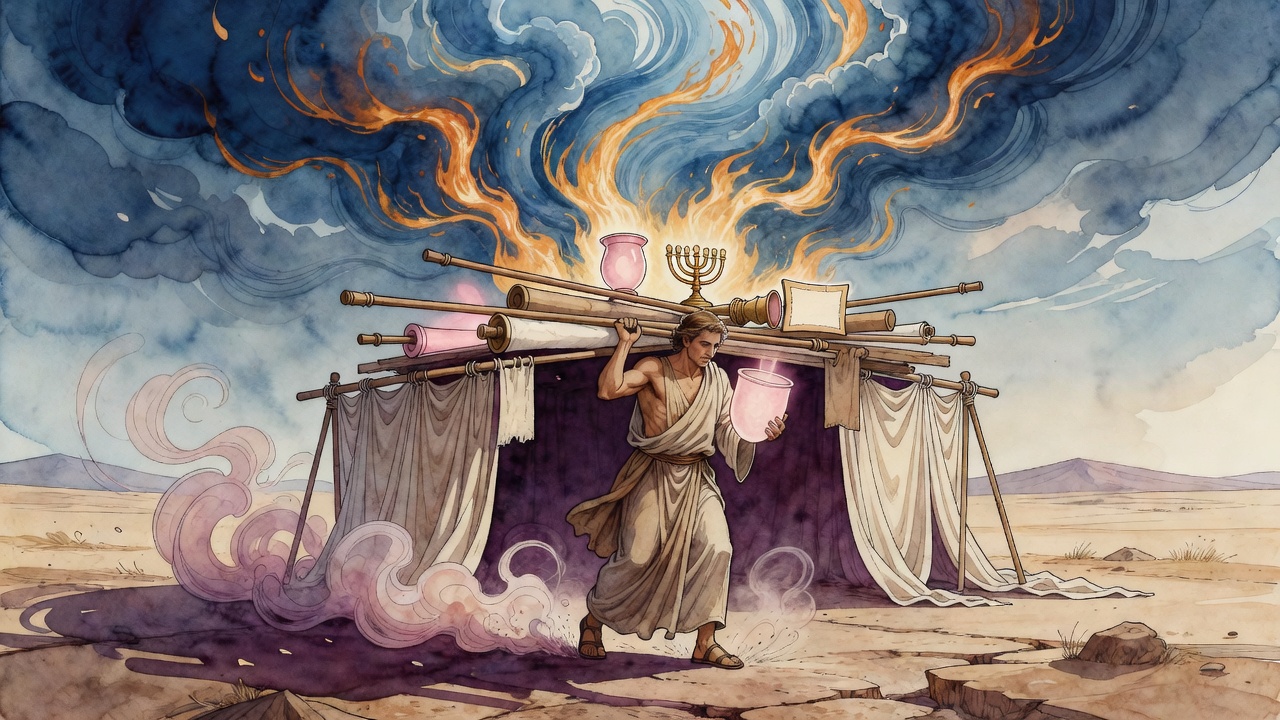
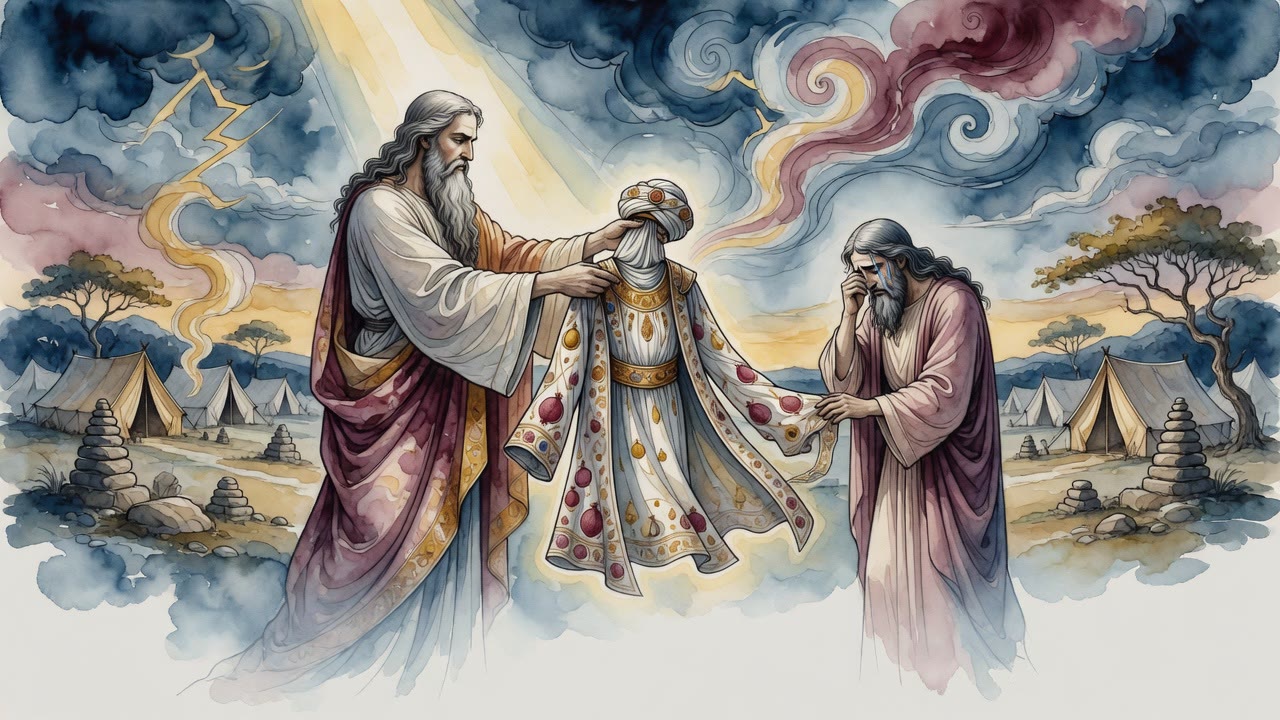
"And the one who offered his offering on the first day was Nachshon son of Amminadab, of the tribe of Judah" (Numbers 7:12). Let our master teach us: One who goes up to the altar - in which direction does he turn his face? Thus our masters taught: All who go up to the altar go up by way of the right and circle around and come down by way of the left (Zevachim 6:4), for it had a ramp. Rabbi Yulimna ben Avdi said in the name of Rabbi Yitzchak: at sixty talents (kintarin) of gold did it stand the High Priest each year - why? Because the altar was the atonement of Israel. You find that when the Holy One, blessed be He, said that they should make the Tabernacle, they immediately bestirred themselves at it, as it is written, "And every wise-hearted one did, etc." (Exodus 36:8). And when the Tabernacle was set up, the princes came to offer. They said to him, "Moses, who shall offer first?" Rabbi Shimon bar Yochai said: The Holy One, blessed be He, said to him, "He who sanctified My name at the sea shall offer first" - this was Nachshon, and he immediately offered first. How do we know? From what we read concerning the matter, "And the one who offered on the first day was Nachshon son of Amminadab, etc." ["And the one who offered, etc."] Thus opened Rabbi Tanchuma son of Rabbi Abba: This is what Scripture says by the Holy Spirit through Solomon: "A man's pride shall bring him low, but the lowly in spirit shall obtain honor" (Proverbs 29:23). "A man's pride shall bring him low" - this was the first man, who transgressed the command of the Holy One, blessed be He, and ate of the tree. The Holy One, blessed be He, sought that he do repentance and opened for him an opening, but the man did not seek it; "And the LORD God said, Behold, the man has become like one of us, knowing good and evil, and now, lest he put forth his hand, etc." (Genesis 3:22). Rabbi Abba bar Kahana said: What is "and now"? Rather, the Holy One, blessed be He, said to him, "Even now do repentance and I will receive you," and the man said, "I do not want to." The Holy One, blessed be He, says "and now," and the man says "lest - I do not want to." Rabbi Shimon ben Lakish said: When the man went out from the judgment, he began to revile and blaspheme. It says here 'cherubim': "And He drove out the man... the cherubim" (Genesis 3:24), and it says concerning Sennacherib, "O LORD of hosts, God of Israel, who dwells upon the cherubim" (Isaiah 37:16) - just as 'cherubim' there means revilings and blasphemies, [so 'cherubim' said here means revilings and blasphemies]. Thus "a man's pride shall bring him low" - once he grew proud against the Holy One, blessed be He, from doing repentance, He brought him low, and he was driven out of the Garden of Eden. "But the lowly in spirit shall obtain honor" - this is that man, the great one among the Anakim (Joshua 14:15), who was greater than the first man, who humbled himself and said, "I am dust and ashes" (Genesis 18:27); therefore the Holy One, blessed be He, called him "the great man among the Anakim." Another interpretation: "A man's pride shall bring him low" - this is Pharaoh, who grew proud against Moses and said, "Who is the LORD that I should obey His voice?" (Exodus 5:2). "But the lowly in spirit shall obtain honor" - this is Moses: "For when shall I entreat for you?" (Exodus 8:5); "As I go out of the city I will spread out my hands, etc." (Exodus 9:29). [Another interpretation:] "A man's pride shall bring him low" - this is Amalek, who grew proud against the Holy One, blessed be He, with his revilings and blasphemies, and with the branch - for he would take the branch (the circumcised member) of Israel and throw it heavenward and revile and say, "In this You have chosen?" "But the lowly in spirit shall obtain honor" - this is Joshua and Eleazar. Another interpretation: "A man's pride shall bring him low" - this is Tabor and Carmel, who came from the end of the world boasting and saying, "We are high, and upon us the Holy One, blessed be He, will give the Torah." "But the lowly in spirit shall obtain honor" - this is Sinai, which humbled itself, saying, "I am low," and through this the Holy One, blessed be He, sustained honor upon it, and the Torah was given upon it, and it merited that the Holy One, blessed be He, descended upon it and stood upon it, as it is said, "And the LORD descended upon Mount Sinai, etc." (Exodus 19:20). Another interpretation: "A man's pride shall bring him low" - this is a great path; but let us come to the matter: this is Judah, who humbled himself before Joseph for Benjamin's sake: "Let your servant, I pray, speak a word in my lord's ears" (Genesis 44:18); "And now, let your servant, I pray, remain instead of the boy" (Genesis 44:33). Rabbi Berakhiah in the name of Rabbi Levi: The Holy One, blessed be He, said to him, "You humbled yourself before your brother who was younger than you, for the sake of your brother who was the youngest of the young. By your life, when the Tabernacle is set up and the tribes come to offer offerings, no man shall offer before you; behold, I apportion you honor, and you shall offer first - 'And the one who offered on the first day was Nachshon son of Amminadab, of the tribe of Judah.'" Thus "the lowly in spirit shall obtain honor." Another interpretation: "On the first day." Rabbi Samuel bar Mata said: What is "on the first day"? From the first day on which the Holy One, blessed be He, created the world, He desired to dwell with His creatures in the lower realms. See what is written in the creation of the first day, "And there was evening and there was morning, one day" (Genesis 1:5) - it does not say here "the first day," but "one day." And just as one says "the second day, the third day," why did He say "one day"? Because so long as the Holy One, blessed be He, was alone in His world, He desired to dwell with His creatures in the lower realms; until then He did nothing. But once the Tabernacle was set up and the Holy One, blessed be He, caused His Shekhinah to rest in it, and the princes came to offer, the Holy One, blessed be He, said, "Let it be written that on the first day the world was created." "And it came to pass on the day the Tabernacle was set up" - it does not say here "on the day it was set up," but "on the first day"; what is "the first"? First to the creation of the world. Another interpretation: "On the first day" - first to the work of Creation, first to the priesthood, first to the princehood, first to "And I will dwell among My people Israel" (Exodus 29:45), first to the service, first to the New Moons, first to the prohibition of the high place, first to the slaughtering on the north, first to the descent of the fire. Another interpretation: "And it came to pass" (vayehi). Rabbi Shimon bar Abba said in the name of Rabbi Yochanan: Wherever 'vayehi' is written, there is joy in it and there is trouble in it. When did the princes offer? There was joy before the Omnipresent like the day on which the world was created. Why does it say 'vayehi'? Because it was foreseen before the Omnipresent that they would go with Korah in his dispute; therefore it is said 'vayehi.' Rabbi Yehuda son of Rabbi Sima said in the name of Rabbi Levi ben Parta: It is like a bathhouse-attendant's son who stole in the bathhouse, and the bath-keeper was afraid to say his name; nevertheless one fine youth dressed in white exposed him. So, even though He did not specify the names of the princes who disputed with Korah and went with him, He exposed it by a hint: "the princes of the congregation, those called to the assembly, men of renown" (Numbers 16:2); therefore it is written 'vayehi.' Another interpretation: "The one who offered, etc., and his offering, etc." - and all of them, "and his offering" - why? Rabbi Berakhiah the Priest son of Rabbi said: For Judah's sake, who offered first. The Holy One, blessed be He, said, "If he comes to grow proud over his brothers and say, 'I am more honored than you, for I offered first,' they answer him and say to him, 'You are the one who offered last.'" Another interpretation: Why is "and his offering" written of the first? Rabbi Yudan said: Because all of them offered their offering as one. Another interpretation: "And the one who offered, etc., Nachshon" - why did Nachshon offer first? Because he sanctified the name of the Holy One, blessed be He, and went down into the breaker (nachshol) of the sea first. For all the tribes were standing at the sea when it was split, and of them all Benjamin gave his life to enter into it and sanctify the name of the Holy One, blessed be He: "There is Benjamin the youngest ruling them (rodem)" (Psalm 68:28) - do not read it so, but 'went down to the sea' (rad yam). When Judah saw him, what did he do? They began to stone him, that he went down first. The Holy One, blessed be He, said, "Since Judah went down first into the sea and sanctified My name, he shall offer first - 'And the one who offered on the first day.'" Another interpretation: "And it came to pass on the first day" - this is what Scripture says: "You are all fair, my love, and there is no blemish in you" (Song of Songs 4:7). It speaks of Israel. How? When Israel received the Torah, they were all whole, for there was among them neither lame nor blind nor mute nor deaf; once they sinned in that deed, immediately they all became afflicted with discharge and leprosy, as it is written, "And Moses saw the people, that they were unrestrained" (Exodus 32:25), and "The leper in whom the plague is - his garments shall be torn and his head shall be unbound, etc." (Leviticus 13:45). Another interpretation: "You are all fair, my love" - it speaks of the tribes. And if you say, behold, Jacob their father blessed the tribes and rebuked Reuben, Simeon, and Levi, how can you say this? Rabbi Eliezer said: Even though he blessed the latter tribes and rebuked the first, he then returned and blessed them, as it is written, "All these are the tribes of Israel, twelve" (Genesis 49:28). What is "And this is what their father spoke to them, and he blessed them" (Genesis 49:28)? Rabbi Eleazar said: He made them draw nourishment one from another. Therefore Rav Huna and Rabbi Levi said that he counts them by themselves in the book of Exodus and reckons their lineage alongside Moses and Aaron: "These are the heads of their fathers' houses: the sons of Reuben... and the sons of Simeon... and the sons of Levi" (Exodus 6:14). Thus Rav Huna and Rabbi Levi expounded but did not explain. And why does he reckon their lineage alongside Moses and Aaron? What do you say? Because their father rebuked them and counted the three of them by themselves - good - but why does he set them next to Moses and Aaron, "And the LORD spoke to Moses and to Aaron, etc." (Exodus 6:13)? Rabbi son of Rabbi Simon said in the name of Rabbi Samuel son of Rabbi Yitzchak: Because they accepted the rebuke of their father, they merited to be reckoned alongside Moses and Aaron, to fulfill what is said, "An ear that hears the reproof of life shall lodge among the wise" (Proverbs 15:31). Another interpretation: "You are all fair, my love" - come and see how beloved all the tribes are before the Holy One, blessed be He, from the offerings. You learn how they are all beloved and equal: Judah offers first, and it says "and his offering," and afterward it says "his offering," and it need not say so; rather, the one who offers first should say "his offering," and the one who offers after him should say "and his offering" - and why is it not written so? Rabbi Berakhiah the Priest son of Rabbi said: So that if he comes to grow proud, "I offered first," they say to him, "You are the last." And so you find at the end, "This was the dedication of the altar on the day it was anointed, etc." (Numbers 7:84) - it does not say here "after it was anointed," but "on the day it was anointed" - all of them as if they offered on one day. Why? "You are all fair, my love, and there is no blemish in you." Another interpretation: Because Jeremiah said, "Rejected silver they are called" (Jeremiah 6:30), and Ezekiel calls them dross, as it is said, "The house of Israel has become dross to Me" (Ezekiel 22:18), Zechariah came and said, "And behold, a lampstand all of gold" (Zechariah 4:2) - all of it is of gold. Why? "You are all fair, my love, and there is no blemish in you."

 Click for full size