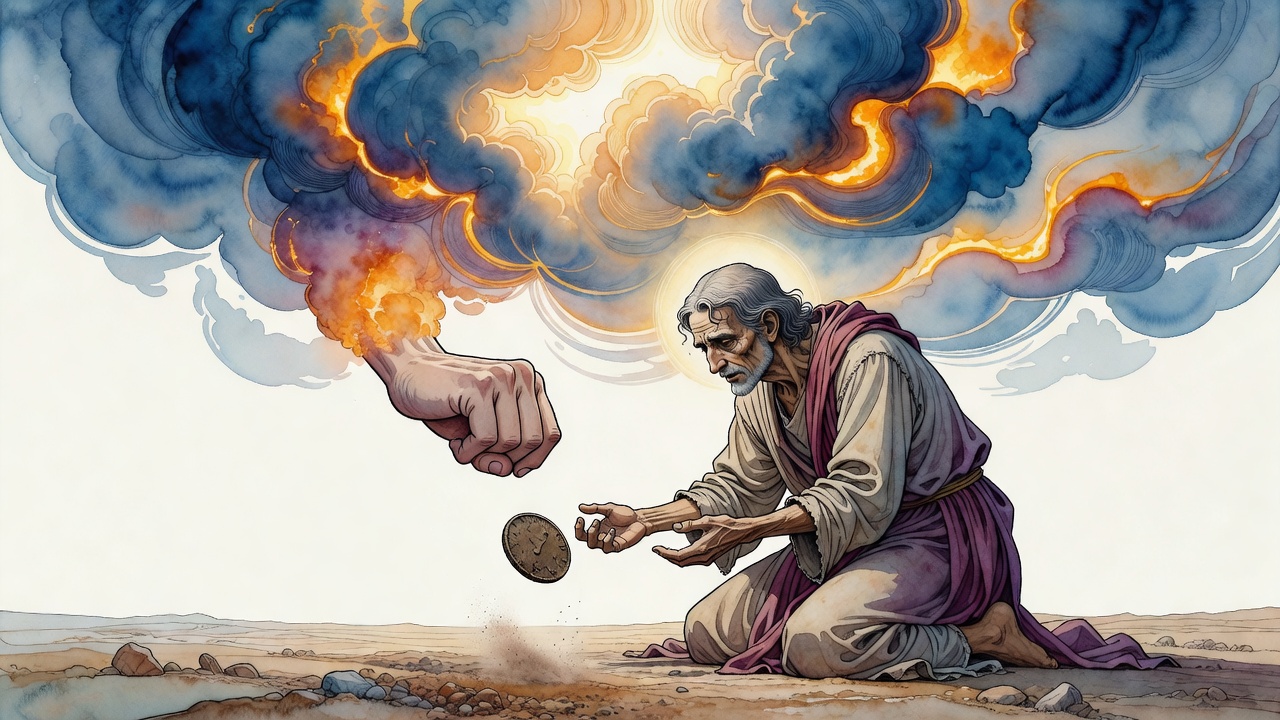
The New Husband Who Left the Battle Line Behind
A man finishes the wedding canopy and is pulled toward muster. The Torah sends him home for a year. One battle begins at a table with warm bread.
Table of Contents
 Click for full size
The Muster and the Canopy
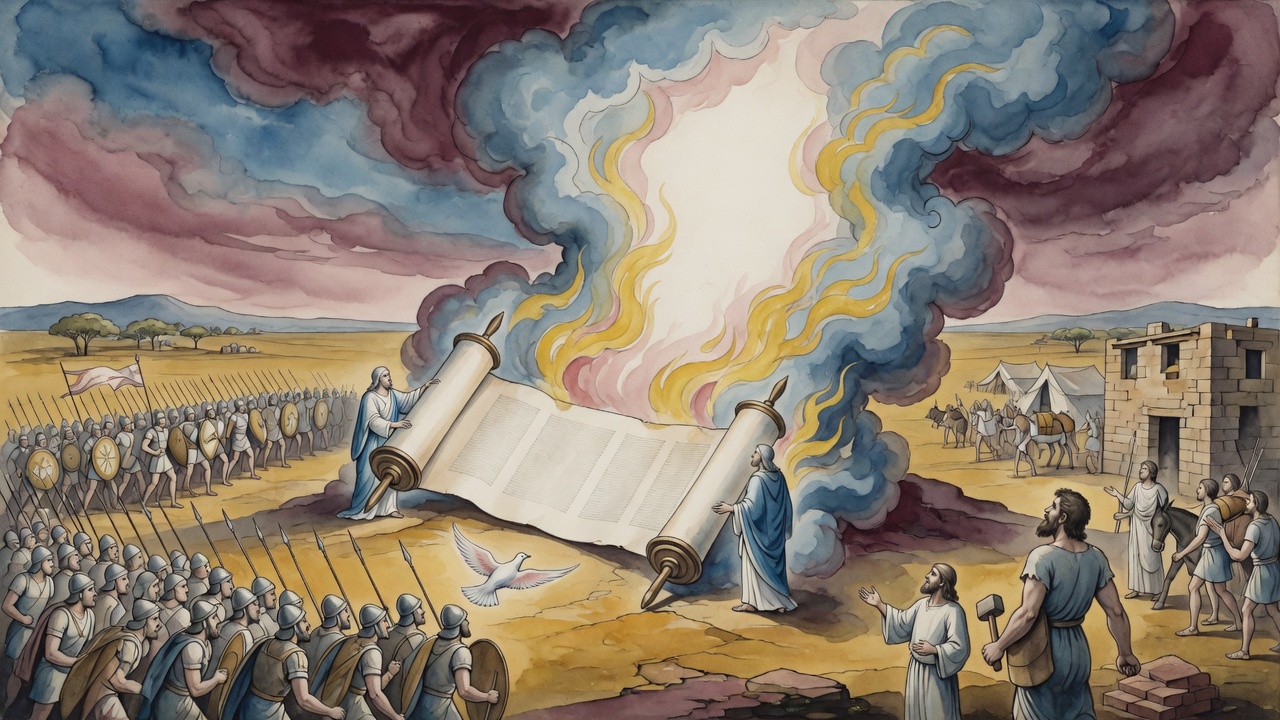
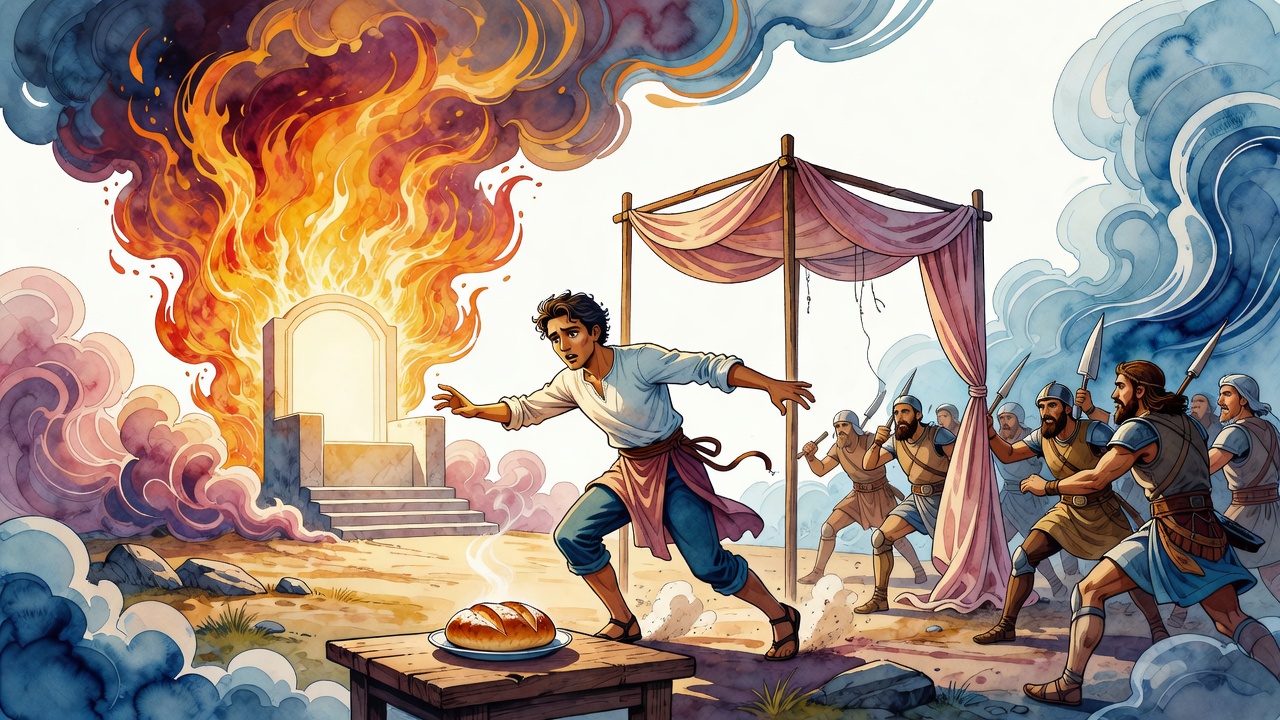
The bridegroom heard the horn from the road and felt his body answer before his mind did. Men were forming ranks for a fight that would not wait on wedding songs. His friends were already tying sandals with the quick fingers of those who expect to kill or be killed by week's end.
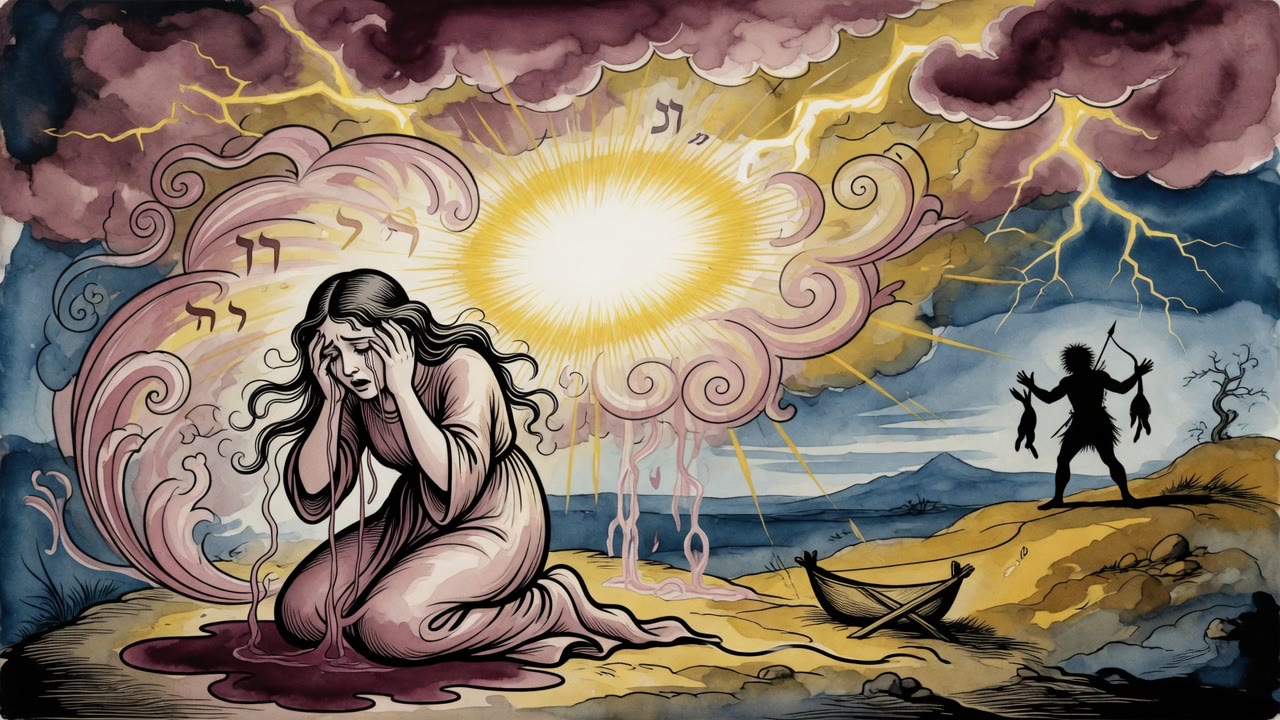
His wife stood in the doorway of a house so new the wood still smelled like the tree. She did not hold him back with both arms. She only asked, with a voice meant for him alone, whether the Torah had made a room for this hour.
It had. He shall not go out in the army. And it shall not impose upon him for any thing. Not only the sword. Not the water detail. Not the quiet jobs that still feed a war while a man pretends he is only "helping." Complete release for a bond the covenant wants protected.
House, Vineyard, Wife
The same stretch of law names other men the muster must spare for a time. One who built a house and has not dedicated it. One who planted a vineyard and has not harvested it. One who betrothed a woman and has not taken her in. Life has battles that are not yet public, and the Torah refuses to pretend the only courage is the kind that bleeds on a ridge.
The midrash sharpens the edge. These exemptions are not a general holiday from every communal burden. They target the army's claim. Other duties may still find you. War does not get to eat every beginning simply because war is loud.
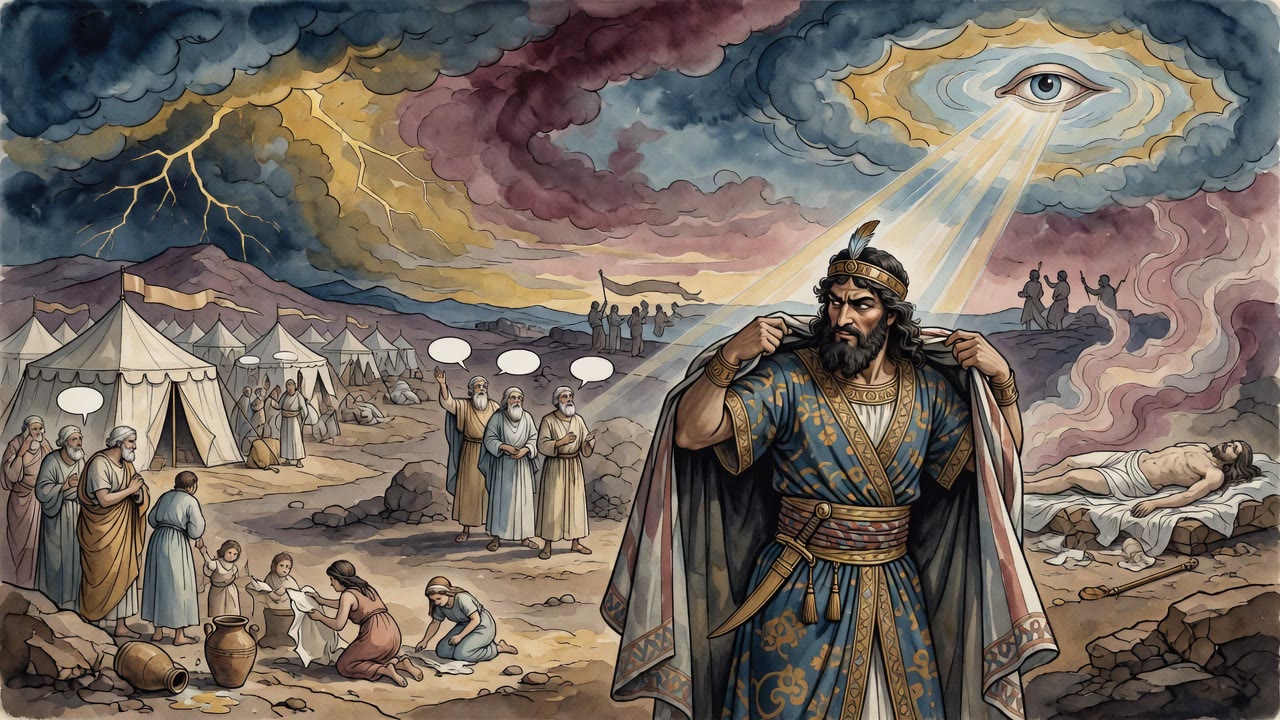
He walked to the officers and named his week-old marriage without shame. One officer spat. Another nodded as if remembering a verse his own father had used to send him home once. The spit and the nod traveled together in his chest all the way back to the new door.
What Counts as a House
On the road home he passed a lean-to too small to be called a dwelling in the old measures. Four by four handbreadths and the law stops treating a structure like a house. No railing duty of the same kind, no mezuzah (the scroll fixed to a doorpost) in the same way, no battlefield release for a man who only built a box and called it a home.
Size becomes a legal soul. A true house is not only walls. It is a place the covenant recognizes as heavy enough to pull a man out of ranks. His own house cleared that bar. He touched the doorpost when he entered and felt, for the first time, that the wood was not only property. It was an argument Heaven had already accepted on his behalf.
His wife had set bread out. Warm. Ordinary. Ordinary is what armies destroy first, without noticing.
Sanctuary and Settlement
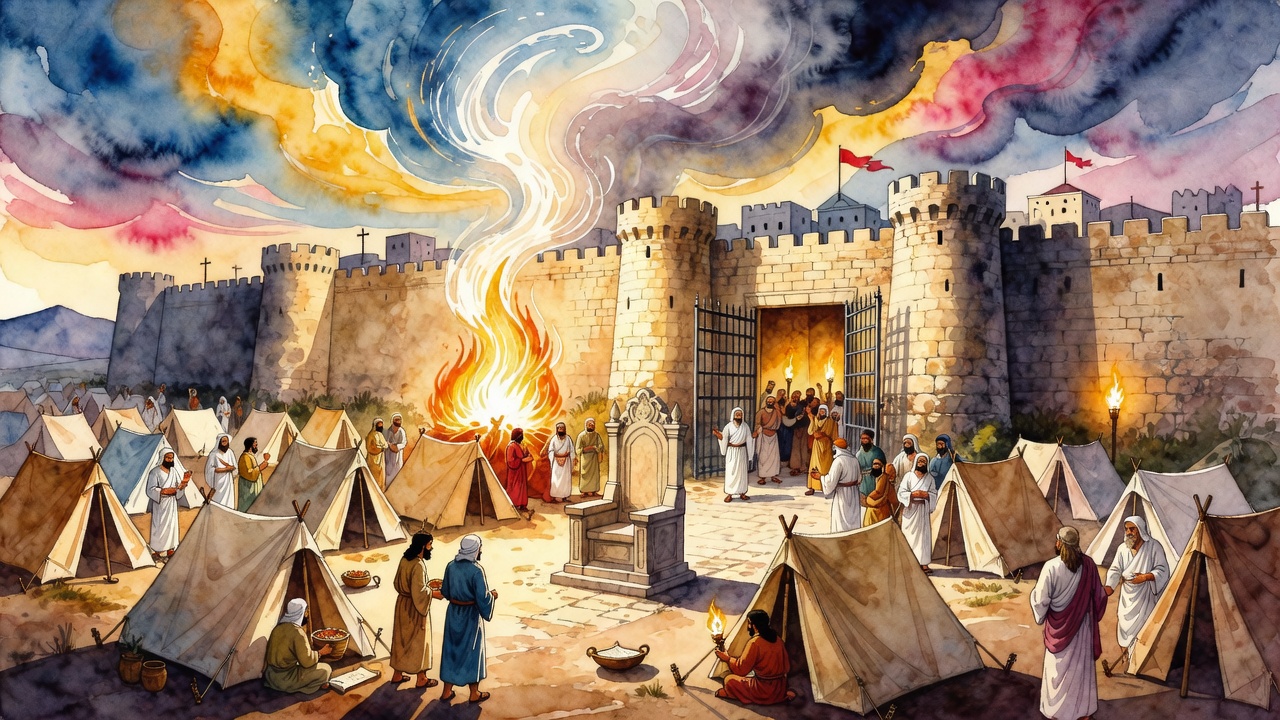
While men his age slept in dust under arms, he learned the quieter drill of a household. Whose hunger speaks first. How to settle a quarrel before it becomes a second war at the table. Settling land in the wider teaching includes making room for the stranger who flees a master, not shoving him to the edge of town. A home that cannot practice welcome will not long deserve the exemption that protected its beginning.
He thought of the ger who must dwell in the city itself, in the midst, where sustenance can be found, not exiled from gate to gate. Marriage, too, is a kind of midst. Two people either make a camp holy or make it a place God would rather walk around.
Opposing directives can be spoken in one breath. Rest and sacrifice. War and release from war. The covenant holds tensions without dissolving them into a single cheap slogan. He lived inside one of those tensions for a year, hearing horns far off and choosing the table anyway.
When the Year Turned
When the protected time ended, he went to the line without the swagger of men who have never been allowed to love a doorway. He fought. He returned, or in some versions of such lives he did not. The midrash does not guarantee outcomes. It guarantees that beginnings get a fence.
In Midrash Aggadah, the bridegroom's release remains because a people that only knows how to muster will forget how to dwell. Dwelling is also obedience. Soft bread on a new table is also a kind of strength, the kind that makes a later battle worth surviving.
His wife kept the horn-sound in her memory as the day the law stood in the road and turned a man around. She told their children not that their father had feared war, but that war had been ordered to fear a wedding long enough for a house to become real.
← All myths