5 min read

Ninety-Nine Deaths Walked With the Evil Eye

Sages argue whether envy, cold, or heaven ends most lives, while a sons death is read as purification and hard loss.

Curated by Arthur · Told by Maggid ·
Table of Contents
  1. From You
  2. Cold Against Envy
  3. Death of the Son
  4. What a Body Tries to Guard
  5. After the Count
Ninety-Nine Deaths Walked With the Evil Eye Click for full size

From You

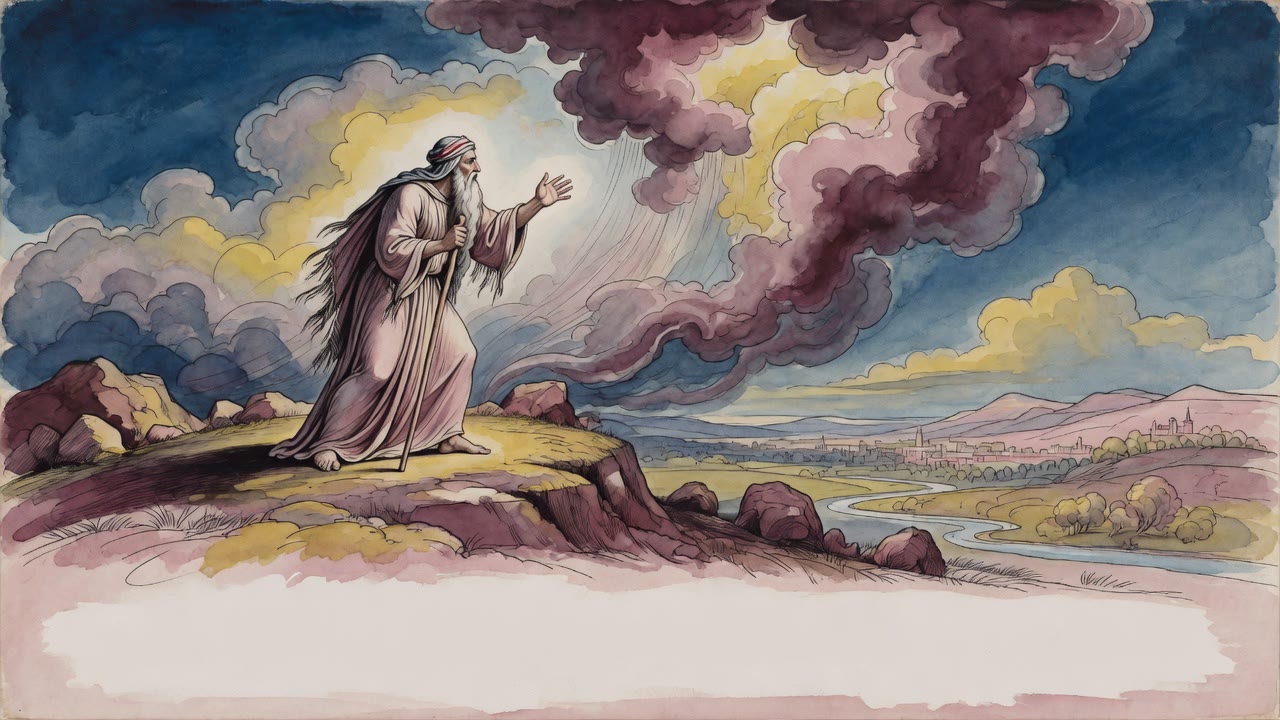
Rabbi Aha put the responsibility close to the skin. "The Lord will remove all illness from you" (Deuteronomy 7:15). He heard the phrase "from you" as a demand, not only a gift. Protect what can be protected. Do not hand the body to what a person can refuse.

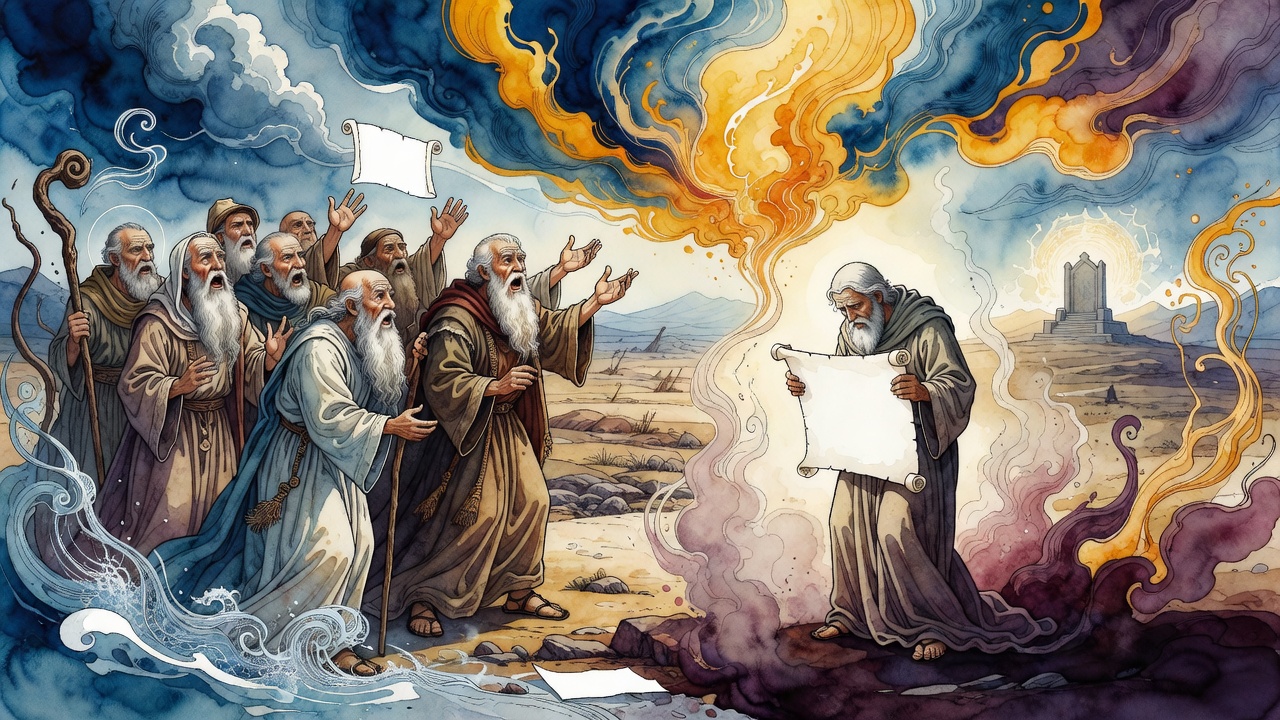
Rabbi Avin twisted the word until illness sounded like the yetzer hara (the evil inclination), sweet at first taste, bitter after. Rabbi Tanhuma and Rabbi Menahama, citing Rav, named the illness the ayin hara (עין הרע), the evil eye, envy that lands on a person like a weight. Rabbi Elazar went further with a number that still shocks. Ninety-nine of a hundred deaths, he said, come by the evil eye. Only one comes by the hand of Heaven. Rav agreed from Babylonia, where envy was believed to move like weather.

Cold Against Envy

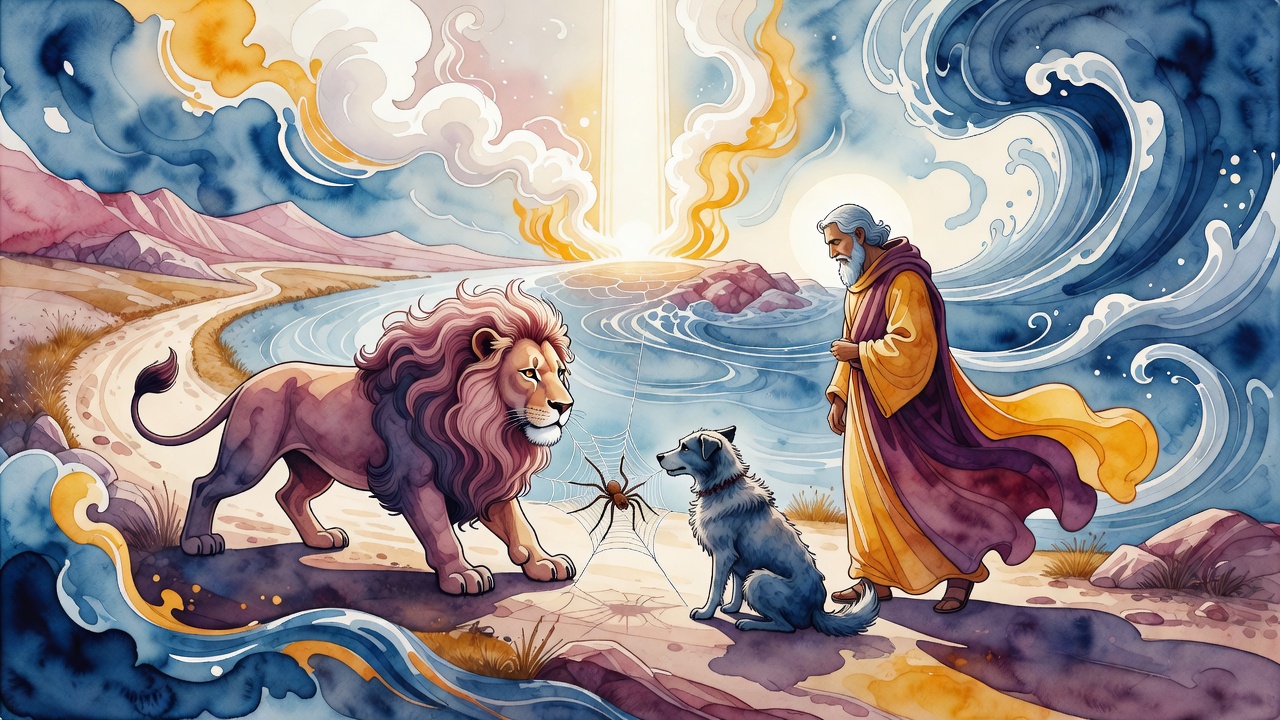
Rabbi Hanina and Rabbi Natan answered with a different census. Ninety-nine deaths by cold. One by Heaven. Rav's Babylon was thick with the evil eye. Their places knew winter as the quieter killer. The midrash does not force the two counts into one arithmetic. It lets climates of fear stand side by side. Some communities die of glances. Some die of frost. Both refuse the comfort that death is always a pure decree without human or worldly pressure.

A man who locks his gate against night still opens his window to gossip. A woman who wraps her child against wind still flinches when a neighbor's praise lingers too long on the child's beauty. The evil eye in these rooms is not a cartoon curse. It is attention that wants to own what it sees.

Death of the Son

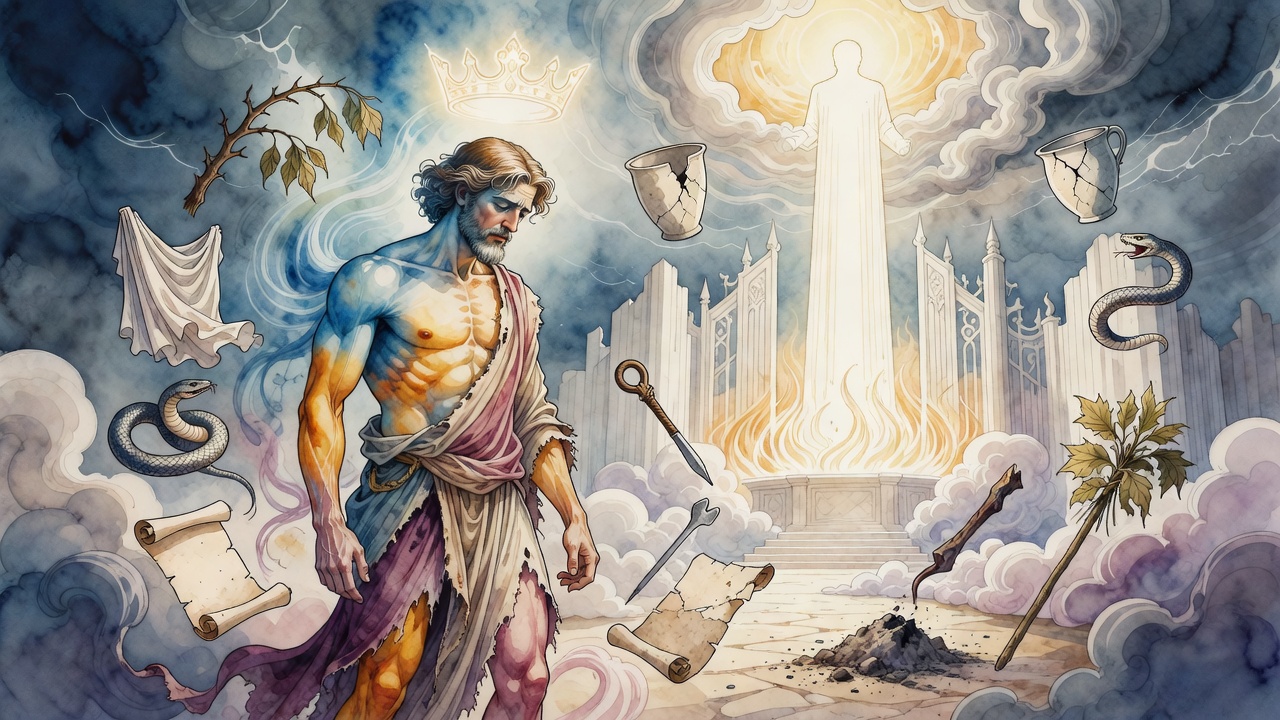
Midrash Tehillim turns a hard phrase, "death of the son," until it shows several faces. One face says that what God decrees upon "your son" can be purification for the people, because Israel is called God's child. Hardship lands as cleansing fire, not only as punishment. Another face says the death is the sins a son commits, and Yom Kippur arrives to atone and wipe the ledger. The Day of Atonement walks into the house like a second chance with a broom.

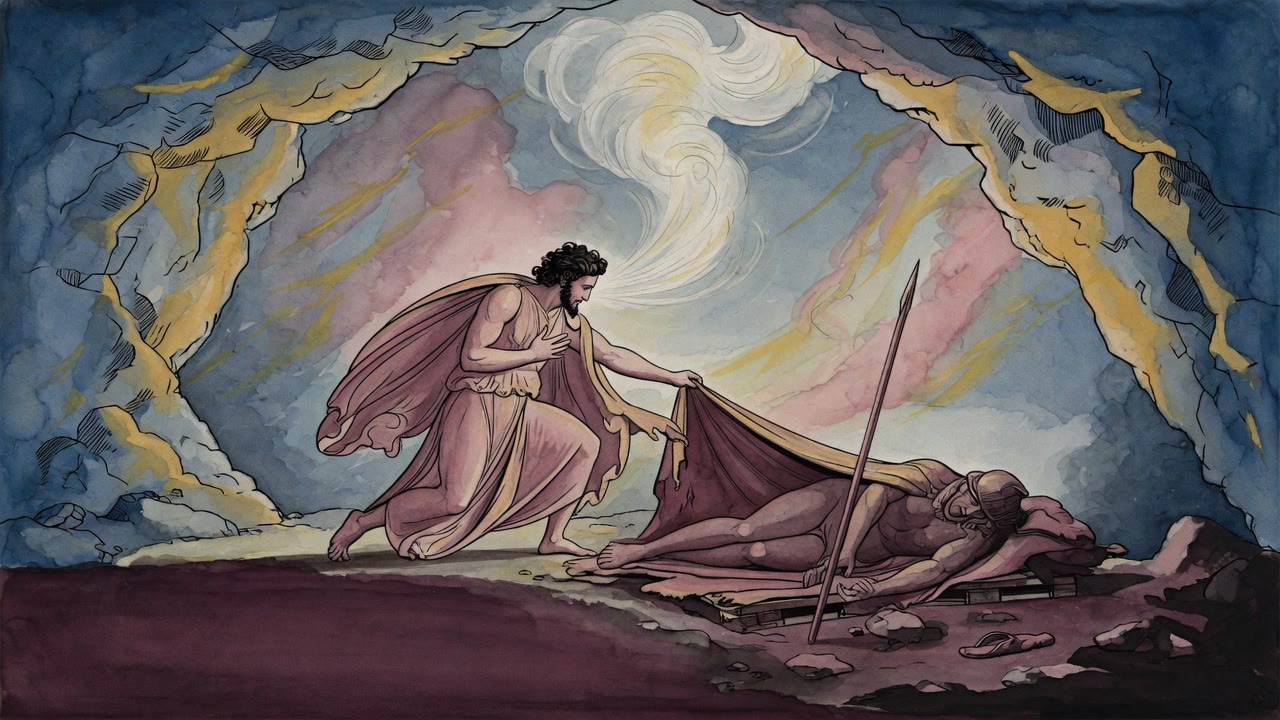
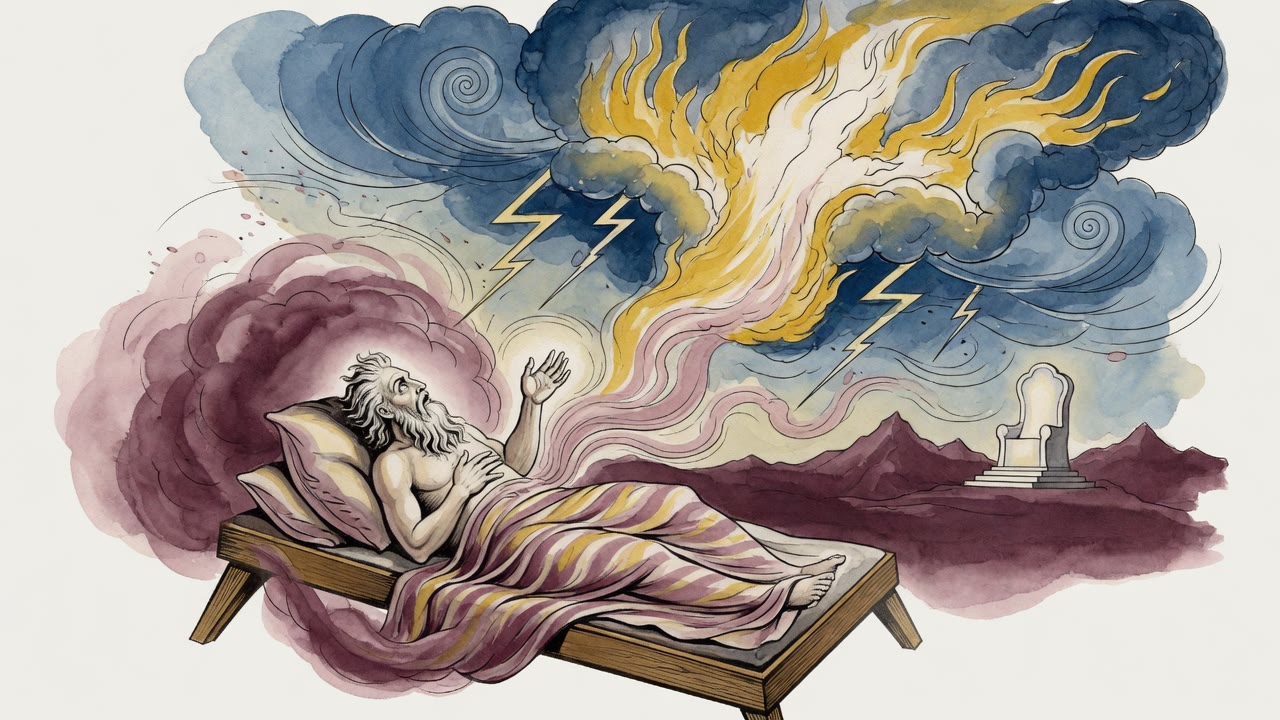
Then the most severe face. As long as a son lives, his heart is like the heart of the Almighty upon him. When the son dies, that nearness changes. The midrash does not soften the void. It lets grief stand as a change in divine attention that human parents already know in their bones.

What a Body Tries to Guard

Rabbi Aha's "from you" meets the ninety-nine. Guarding is not arrogance against Heaven. Guarding is refusal to feed envy, refusal to strip the body for cold, refusal to treat the yetzer as a pet. The person who says everything is only Heaven's hand may be dodging the work of doors, coats, and lowered eyes.

Still the one death in a hundred remains. The midrash never pretends human care cancels every decree. It only refuses to let the ninety-nine be blamed on mystery when envy and frost are standing in the room with their hands already dirty.

After the Count

A household after a burial hears both teachings at once. Someone says the evil eye found him. Someone says the cold found him. Someone says Heaven found him. The psalm midrash adds purification, atonement, and the unbearable sense that a living son's heart had carried a share of divine nearness now altered.

No single speech wins the night. The lamp burns low. The living still have coats to fasten and praises to speak carefully, and a Day of Atonement waiting on the calendar whether or not the dead can hear it. Protection and mourning share the same doorway until dawn forces a choice of which foot steps out first.

In Babylonia a woman covered her child's face when strangers praised the boy's eyes too slowly. In a colder town a man stacked wood higher than pride required because Rabbi Hanina's census of frost lived in his habits. Both gestures were "from you" made practical. Neither gesture canceled the one death in a hundred that still arrives with no neighbor to blame.

After a funeral the two censuses argue in low voices near the bread. Envy. Cold. Heaven. Purification. Atonement. A heart that was like the Almighty's and is no longer mapped the same way. The living fasten coats and watch their mouths. The dead do not vote on which teaching wins. The calendar still carries Yom Kippur toward the house whether the house is ready or not.


← All myths
From the tradition

Sources

2 sources

The texts behind this telling. Some cards carry a translation of the source; others are our own retelling of it, and each card says which. Every card links out to the original.

Vayikra Rabbah 16:8Vayikra Rabbah

Retold in our words. Read the original at the link below.The Sefaria Midrash Rabbah, 2022 · CC-BY

In Vayikra Rabbah, a collection of rabbinic interpretations on the Book of Leviticus, we find a fascinating discussion about the source of illness, one that goes far beyond simple biology. Rabbi Aḥa kicks things off by stating that it's actually up to each of us to protect ourselves from illness. His proof text? (Deuteronomy 7:15): "The Lord will remove all illness [ḥoli] from you." Rabbi Aḥa emphasizes the "from you" – implying that we have a responsibility to ensure that illnesses don't befall us in the first place.

What exactly does that mean? What kind of illness are we talking about?

Rabbi Avin offers an intriguing interpretation. He equates "illness" (ḥoli in Aramaic, which also sounds like the word for "sweet") with the yetzer hara, the evil inclination. It's a clever play on words, hinting that the evil inclination, though initially tempting and "sweet," ultimately leads to bitterness and suffering.

Then we have Rabbi Tanḥuma and Rabbi Menaḥama, who, citing Rav, suggest that the "illness" is actually the ayin hara, the evil eye. Now, the concept of the evil eye might seem a bit superstitious to modern ears, but it represents the destructive power of envy and negative energy. Rabbi Elazar takes this idea even further, claiming that a staggering ninety-nine out of one hundred deaths are caused by the evil eye, with only one attributed to "the hand of Heaven," meaning natural causes.

This idea is echoed by Rav, who also believed that the evil eye was responsible for the vast majority of deaths. But Rabbi Ḥanina offers a different perspective. He, along with Rabbi Natan, argues that ninety-nine out of one hundred deaths are due to cold, with only one from Heaven. Why the discrepancy? Well, the text explains that Rav lived in Babylon, where the evil eye was believed to be particularly potent, while Rabbi Ḥanina lived in Tzippori, a colder region.

It's fascinating how their environments shaped their understanding of the causes of death. It wasn't just about abstract theology; it was about their lived experiences.

There's even a little story involving Antoninus and Rabbi Yehuda HaNasi, the compiler of the Mishnah (the earliest code of rabbinic law), often referred to as "our saintly Rabbi." Antoninus asks Rabbi Yehuda to pray for him. Rabbi Yehuda offers a prayer to be spared from the cold. Antoninus replies, essentially, "I can just put on another layer!" He then asks Rabbi Yehuda to pray that he be spared from the heat, recognizing that protection from the heat is something beyond human control, as (Psalm 19:7) says, "None escapes its heat."

Rabbi Yishmael ben Rabbi Naḥman, in the name of Rabbi Natan, chimes in, saying that ninety-nine die from heat and one from Heaven. Finally, "the Rabbis" offer a more general explanation: ninety-nine die from negligence and one from Heaven.

So, what are we to make of all of this? Is it the evil eye, the evil inclination, the cold, the heat, or simple negligence that leads to illness and death? Maybe it's all of the above. Perhaps the key takeaway is that we have a responsibility to be mindful of our actions, our thoughts, and our environment. We need to protect ourselves not only from physical threats but also from the destructive forces of envy, negativity, and our own harmful impulses.

This passage from Vayikra Rabbah invites us to consider the many-sided nature of health and well-being. It's not just about avoiding germs; it's about cultivating a life of mindfulness, responsibility, and connection – to ourselves, to others, and to something greater than ourselves. Maybe, just maybe, that's the secret to a longer, healthier, and more fulfilling life.

Full source
Midrash Tehillim 9:3Midrash Tehillim

Retold in our words. Read the original at the link below.Rabbi Mike Feuer, Jerusalem Anthology · CC-BY

This particular midrash (rabbinic interpretive commentary), or interpretive commentary, grapples with a powerful phrase: "death of the son." But what does it truly mean? It’s not a straightforward reading, and the rabbis of old offer several interpretations, each layering meaning upon meaning.

One understanding suggests that when God decrees something upon "your son," it's actually an act of purification for us. Who is this "son?" Here, the midrash boldly identifies the Israelites themselves as the children of God. So, in this light, any hardship, even a metaphorical “death,” that befalls the Jewish people can be seen as a divine act intended to cleanse and elevate.

Another perspective shifts the focus to individual sins. The midrash proposes that the "death of the son" refers to the sins that a son commits. But there's a hopeful turn: the Day of Atonement, Yom Kippur, arrives and atones for those sins, forgiving them completely. It's a comforting thought – that even in our failings, there's a path to redemption, a chance for renewal.

Then comes a particularly striking, almost heartbreaking, interpretation. The rabbis suggest that as long as a son is alive, his heart is like the heart of the Almighty upon him. This is powerful imagery! It speaks to a deep connection, a shared essence. But, the midrash continues, once the son dies, it becomes clear that this connection is severed; God's heart is no longer upon him in the same way.

This final explanation is the most enigmatic. Is it suggesting that God feels the loss of a child with an intensity akin to a parent’s grief? That the death of a son creates a void not just in the earthly realm, but also in the divine? It leaves us pondering the profound mystery of the relationship between the human and the divine, and the enduring impact of loss.

Midrash Tehillim 9 doesn't offer easy answers. Instead, it invites us to contemplate the many-sided nature of suffering, atonement, and the enduring bond between parent and child, both human and divine. And perhaps that is the most comforting thought of all.

Full source