Noah's Birth Made the Rebellious Earth Obey Again
Before Noah, wheat could produce oats and the ground resisted human hands. His birth restored order to the soil before the Flood.
Table of Contents
Before Noah, the earth did not reliably answer what was planted in it.
 Click for full size
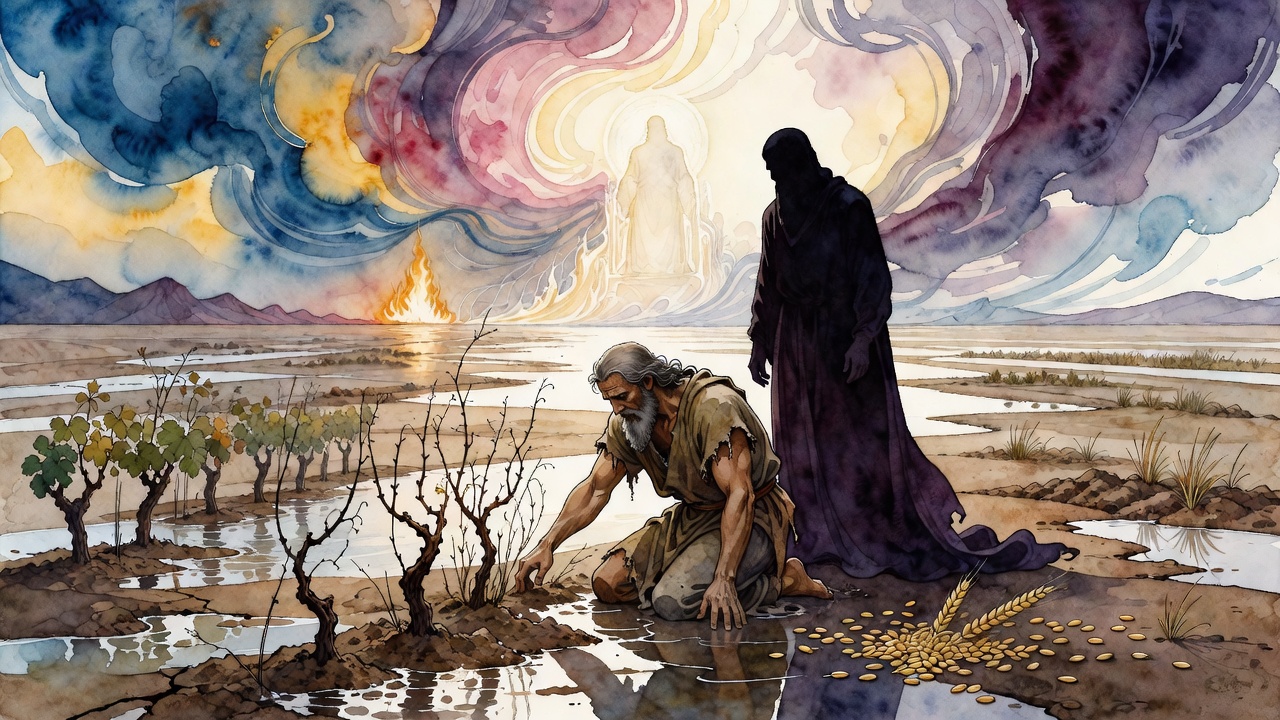
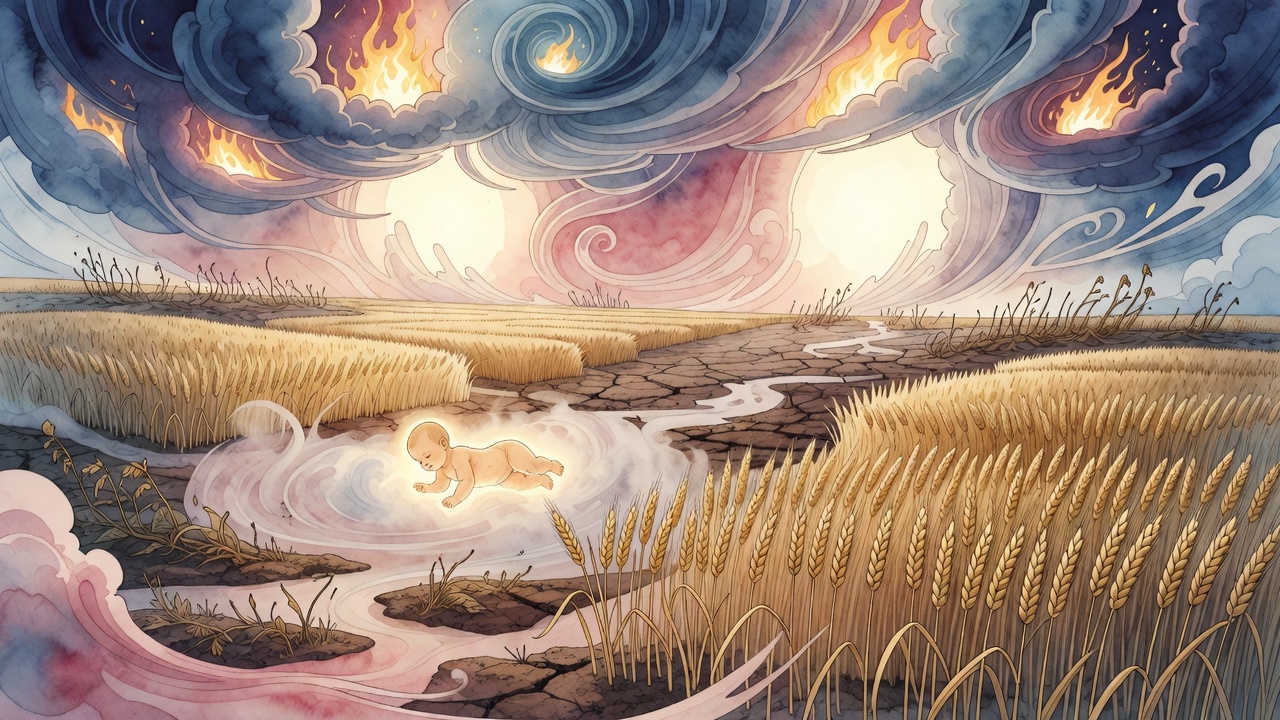
A man sowed wheat and watched oats come up. The furrow resisted. The cow refused the plowman. The ground behaved like a servant who had stopped recognizing the master's voice. Adam's old dominion had cracked, and the crack ran through soil, seed, animal, and hand.
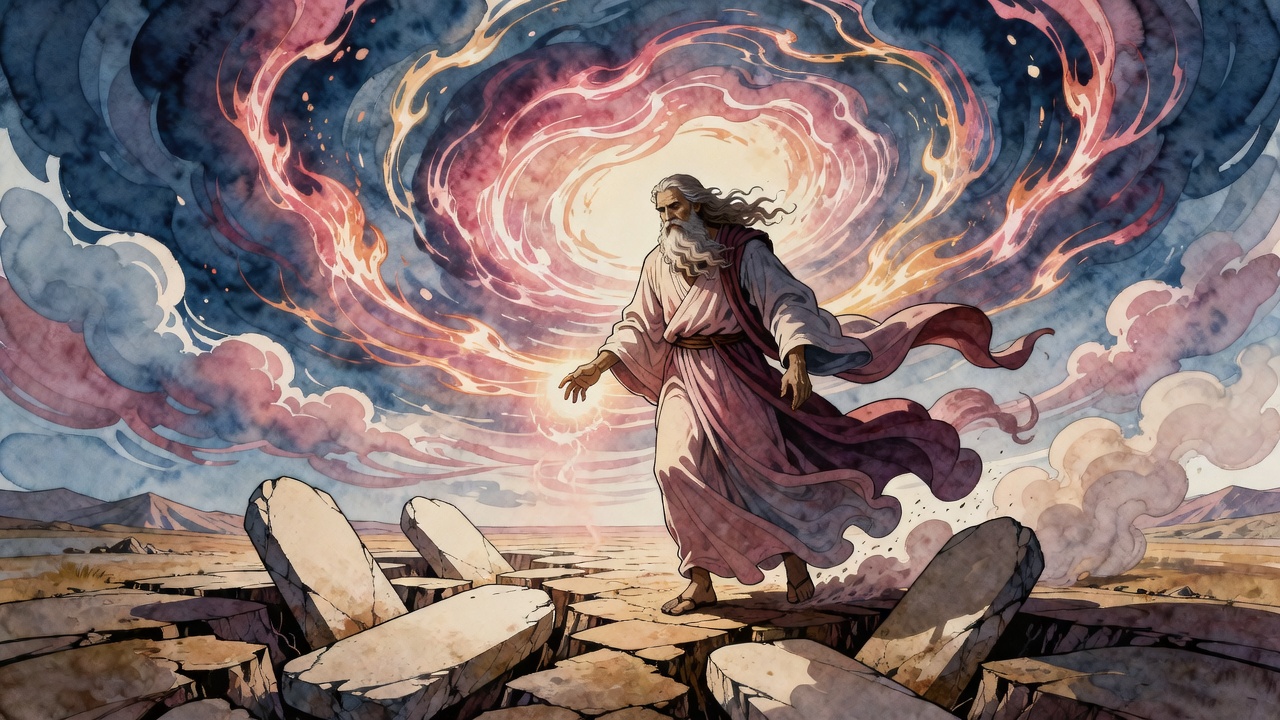
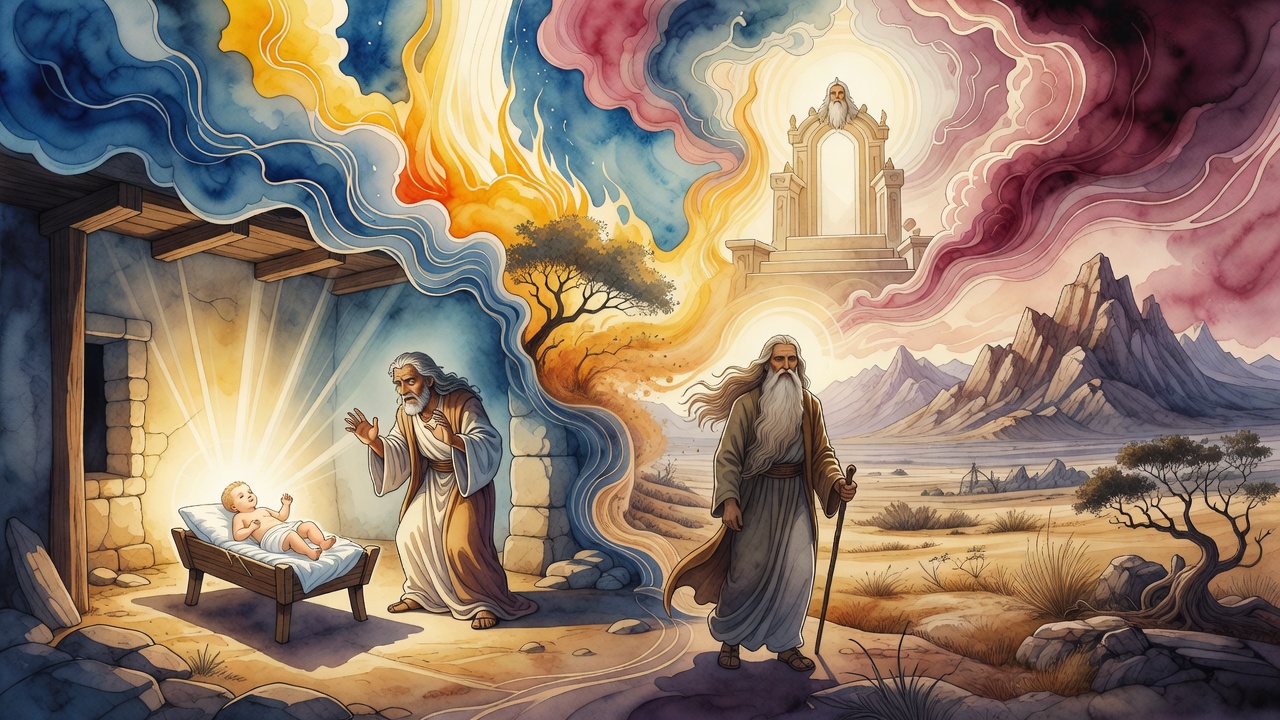
Then Noah was born.
The Soil Remembered Its Work
With his birth, the earth began to cooperate.
Wheat produced wheat. The ground received seed and returned what had been entrusted to it. The world did not become innocent, not with the flood still ahead, but some portion of order stirred in the soil. Creation recognized in the newborn a future restorer.
The name Noah carries rest, comfort, easing. It was not sentimental. It was agricultural first, dirt under fingernails, backs bent over ground that had become hostile. The comfort began when the earth stopped lying about the seed.
That was already a prophecy in mud.
Lamech named his son out of that relief. The child did not yet build an ark, preach to a violent age, or gather animals into a floating house. His first sign was quieter. Fields began telling the truth again.
He Put Tools Into Human Hands
Noah did not only receive a more obedient earth. He changed how human beings worked it.
Before him, men labored with bare hands. The land demanded everything from the body. Noah made tools: plow, scythe, hoe, implements that turned human strength into craft. He did not remove labor from the world. He made labor possible without crushing the laborer.
That matters because the curse after Adam had made the ground a place of sweat and resistance. Noah's tools did not undo Eden's loss, but they answered it. A plow is not paradise. It is mercy after paradise, a way to survive the world east of the garden.
The child whose name promised rest grew into the man who gave the hand a handle.
Every tool was an argument against despair. A hoe says the ground can still be addressed. A scythe says the harvest can still be gathered. A plow says the curse has not become the only voice in creation.
The Tenth Generation Stood Apart
Philo heard another kind of name in Noah.
Noah became a surname of righteousness, a sign that intellect can find rest from wickedness, sorrow, fear, and the body's pull toward lower appetite. The flood complicates that rest because Noah's age was not peaceful. Wickedness grew violent enough to drown the world. But he stood as the tenth generation from Adam, the mark of a cycle reaching its end and beginning again.
Righteousness did not mean the age around him became gentle. It meant one man could become the place where rest survived while everything else moved toward water.
The ground obeyed at his birth, but humanity did not. That contrast is the whole tragedy before the flood.
Plants listened before people did. Furrows softened before hearts softened. The earth recognized rest while the generation around Noah kept walking toward violence.
The Families Spread After the Waters
After the flood, Noah's sons filled the earth with names.
Japheth's line spread through seven sons. Ham's line ran through Cush, Mitzraim, Phut, and Canaan. Shem's line carried Elam, Ashur, Arpachshad, Lud, and Aram, and through that line the road would one day reach Terah and Abraham. The rescued family became peoples, territories, rivalries, kings, and languages.
The same genealogies also remember Nimrod, mighty in garments taken from the line of Adam and Noah. The new earth was not safe simply because it was new. Power rose again. Theft rose again. Names multiplied, and with names came division.
Still, Noah's first sign remained true. The world can resist and then answer. The soil can rebel and then receive seed. A child can be born, and the earth, before people understand him, can begin to obey.
That obedience did not save the old world from water. It did give the new world a farmer who knew that order could return after rebellion.
Noah was born before the ark, but the soil had already begun preparing for him.
← All myths