Outsiders Turned the Jewish Year Into Crimes
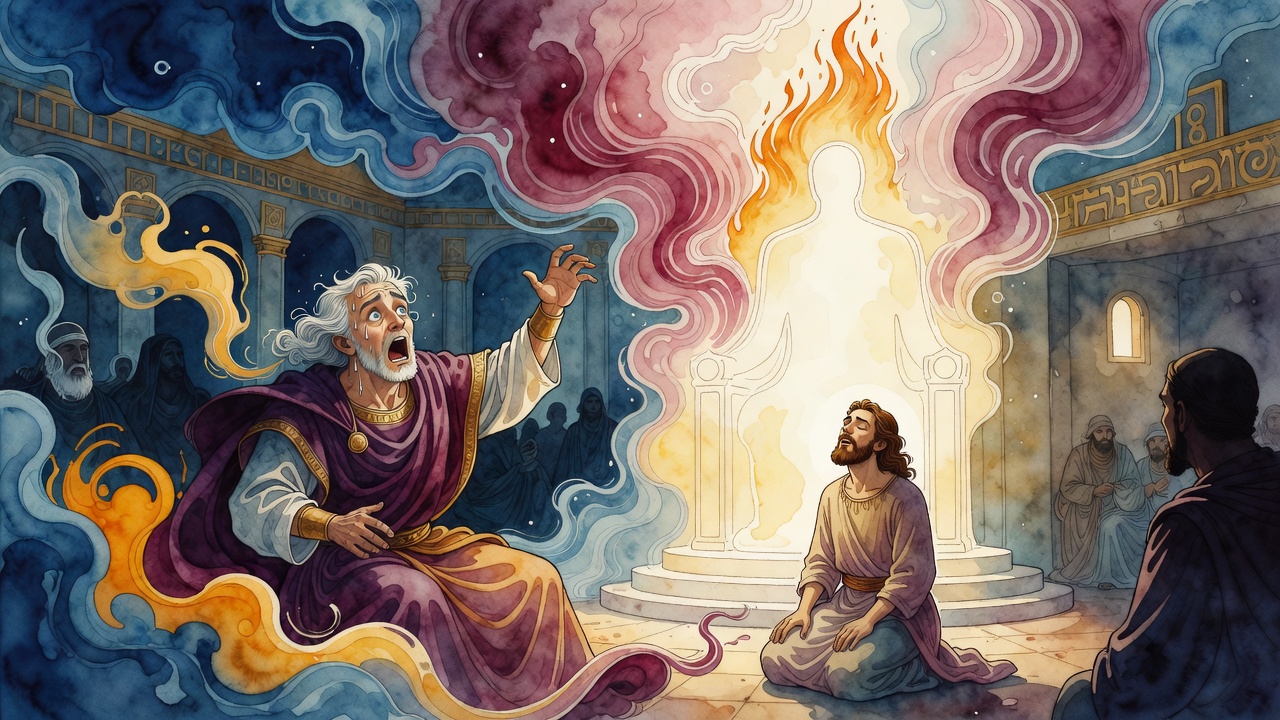
She came up from the river with her hair still wet. On the bank a clerk wrote that the women had dirtied the water on purpose.
Table of Contents
She walked into the river after seven days. The clerk on the bank did not wait for her head to come up. He wrote that the women pollute the waters with their ritual baths.
 Click for full size
The bath was a mikveh (מקוה), living water after niddah. She came out shaking, hair stuck to her neck, and went home clean by the law she kept. His tablet already had her down as a stain on the town's water.
The Cut He Called Cruelty
On the eighth day her neighbor carried a son into the courtyard. The knife was small. The boy cried once. The father said the cut would mark them apart from the nations, a brit milah in the flesh. The clerk wrote "mercilessly." He wrote that they do it so they can be told from everyone else. What the father called covenant the tablet called cruelty.
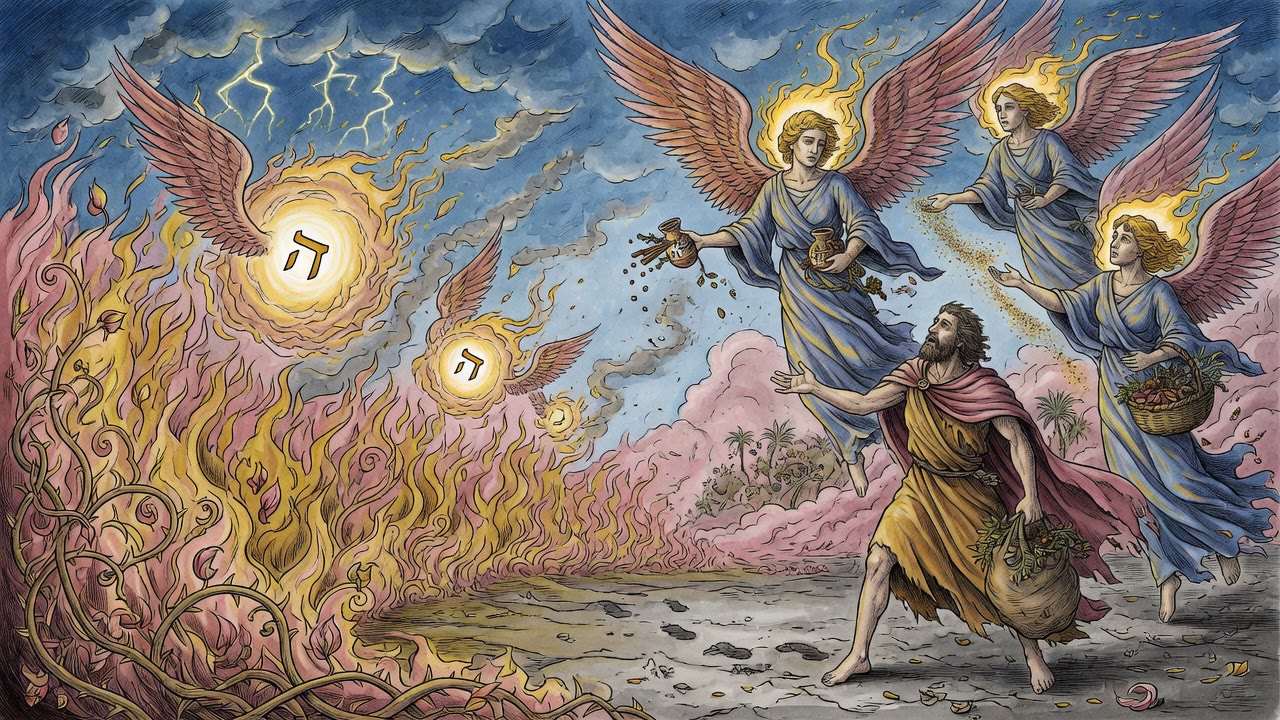
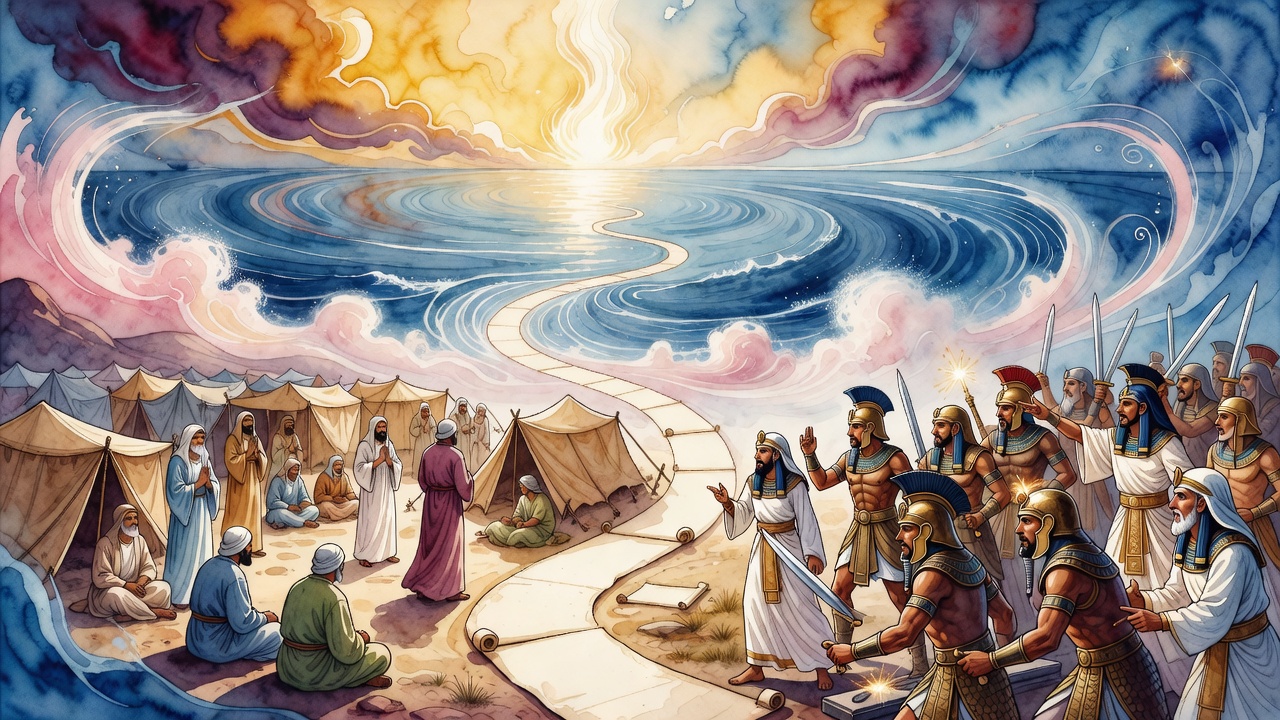
When Nisan turned, the same street kindled brushwood and burned the leaven. Children ran with crumbs to the fire. They said, "This is the day our fathers were redeemed from Egypt." They named the week Pesah. In the synagogue they read, then translated from the Prophets, and a voice added, "As the leaven has been removed out of our houses, so may this wicked dominion be removed from over us."
The clerk smiled without warmth. A spring festival had just become a wish against the throne. He had already decided that Jewish bodies were a civic problem. From that slant every later feast would look like a plot.
The Horn He Named a War Signal
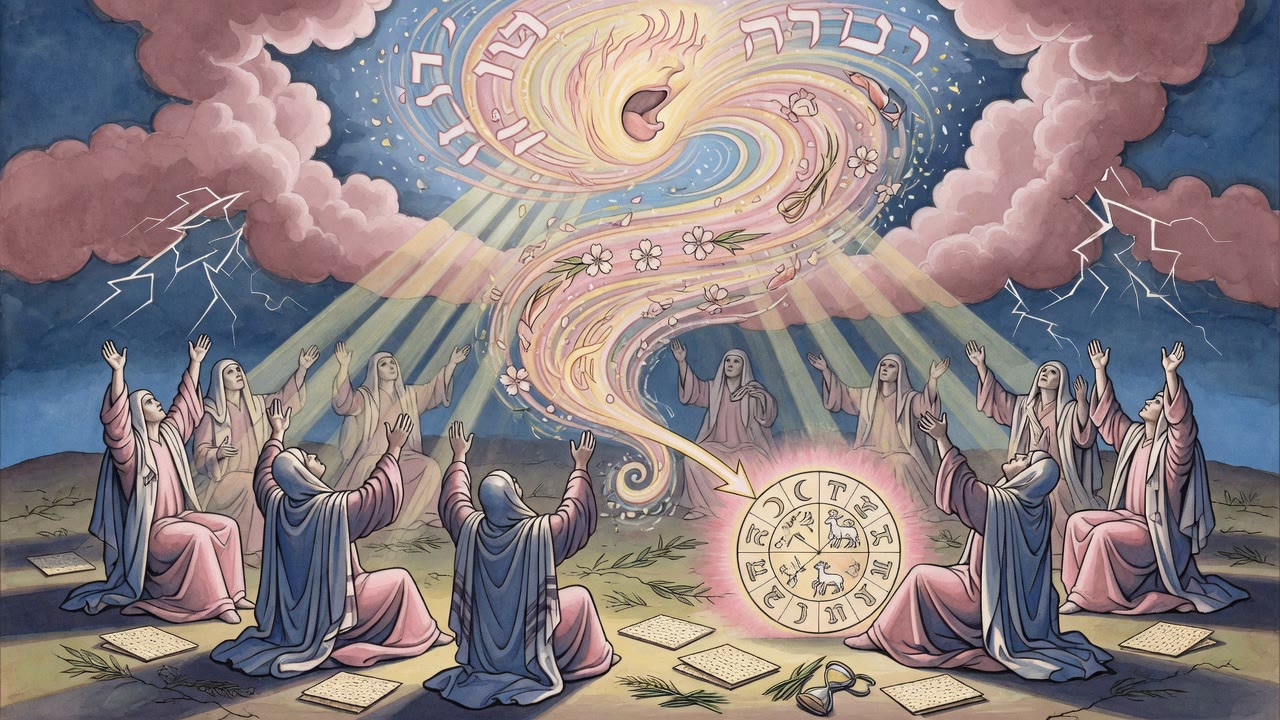
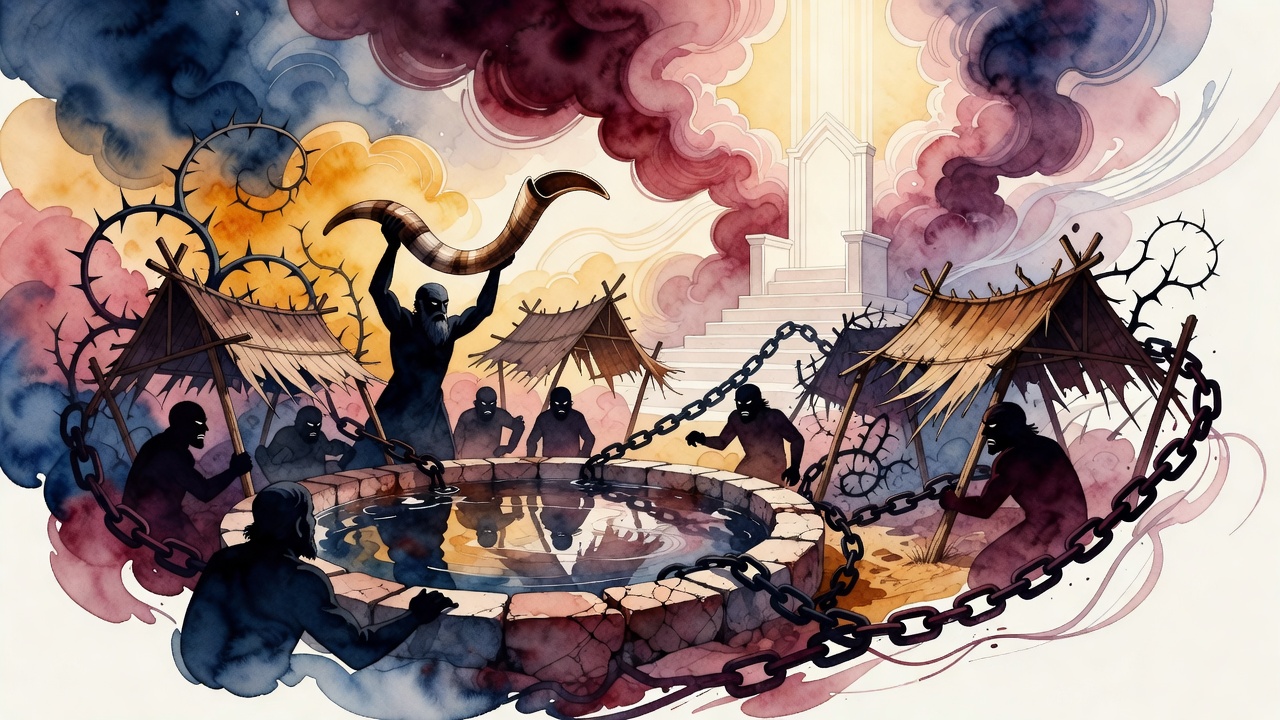
On the first of Tishri the ram's horn rose. The shofar (שופר) is not a parade instrument. Its blasts are meant to wake a sleeping will, to call the year to judgment, to beg that the Holy One remember mercy. They went to the synagogue, read, translated, and said, "On this Day of Memorial may we be remembered unto good, and our enemies unto evil."
Through the clerk's ear the same sound became a military drill. Trumpets for war. A curse on the king. He wrote that they execrate the government while they blow.
On the ninth they slaughtered cattle, geese, and poultry. Wives, sons, daughters sat to a heavy table because the tenth would be empty. He wrote gluttony. He did not hear the fear under the meal.
The tenth they called the Great Fast. All of them fasted, even the little ones, and he wrote that they torture their children without mercy. They said their sins were pardoned that day and piled onto the sins of their enemies. They prayed that the empire be wiped off the earth like those sins. He heard only that a people who stop for a day might be plotting something larger than lunch.
They Covered the Roofs with Leaves
On the fifteenth the roofs changed. Foliage covered houses. They went to the parks, cut palm, plucked the etrog, and broke hedges for willow, the hoshanot. They said, "As does the king in the triumphal procession, so do we." Then they made circuits in the synagogue, jumping and skipping, and the clerk wrote that no one could tell whether they cursed or blessed.
That is Sukkot. They sat under a roof that leaked starlight and remembered desert fragility and the shelter of God more than timber. While it lasted they did none of the king's service, because work was forbidden those days. He wrote laziness. He did not taste the wind through the schach.
When the seventh year came, the land rested. Fields lay unsown. They would not sell the neighbors grain from a field that was supposed to lie fallow. At fifty years the jubilee loosened debts. The clerk wrote the cruellest line of all. "In this way they waste the whole year with tomfoolery and fiddle-faddle, only in order to avoid doing the king's service." He added that those who lived among them die of hunger. Rest became treason. A commandment about soil was rewritten as a dodge aimed at the throne.
He closed the year with the weekly stop. Every seventh day, he wrote, they say the Lord of the world rested. Even that looked to him like another way not to show up for the king.
Apples Fell from the Synagogue Roof
In Sivan they kept two days. They recited the Shema, prayed, read Torah, and translated from the Prophets. This they called Azarta, the closing festival, the season others know as Shavuot, because on these days the Torah was given at Sinai.
Then they climbed to the synagogue roofs and threw down apples. Crowds below scrambled. A cry rose with the fruit. "As these apples are gathered up, so may we be gathered together from our dispersion among the heathen."
Hope for ingathering, made visible in falling fruit. The clerk added that they cursed the king and execrated the government. Whether that charge was true, half-true, or invented, he had already trained his hand. The same pen that turned the mikveh into pollution turned apples into uprising.
The woman from the river still kept the year. The father still brought sons on the eighth day. The horn still cracked the air in Tishri. The booth still leaked. The field still rested when the count demanded it. The apples still fell toward a gathering that has not finished. The outsider's tablet listed their rites as crimes. His tablet grew yellow. Their circle did not.
← All myths