God Spoke Twice So Exile Could Still Hear
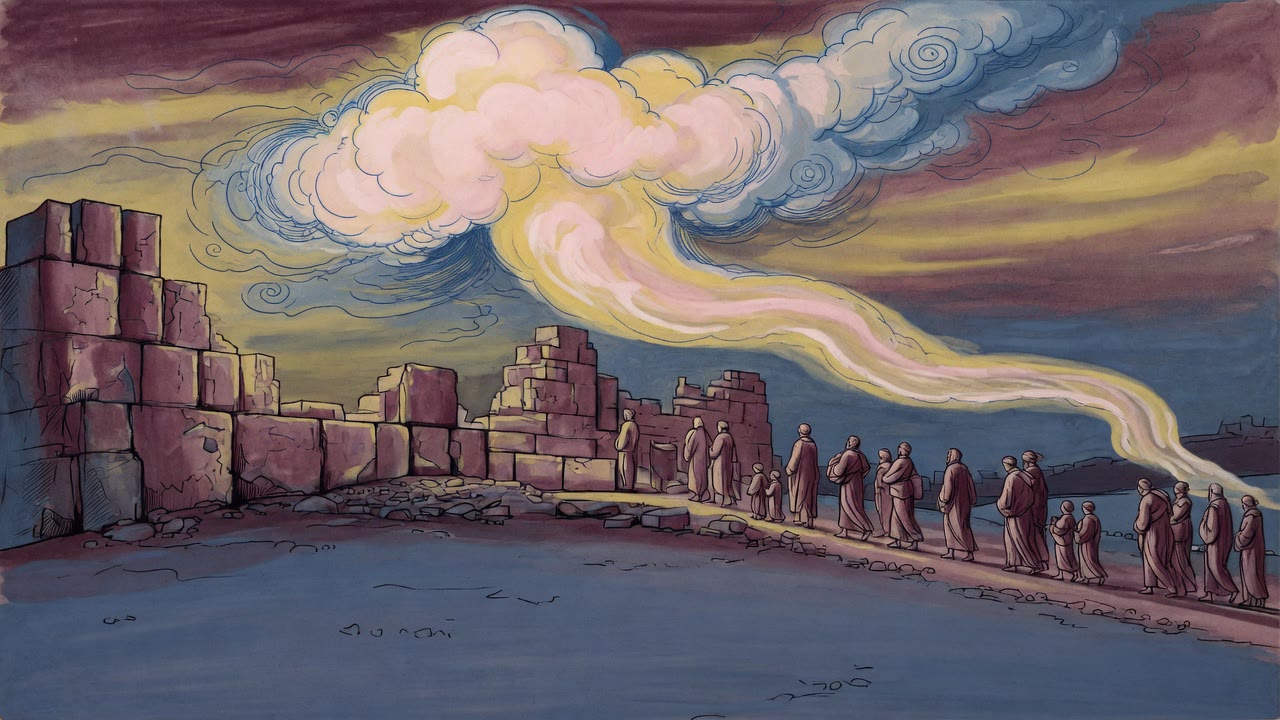
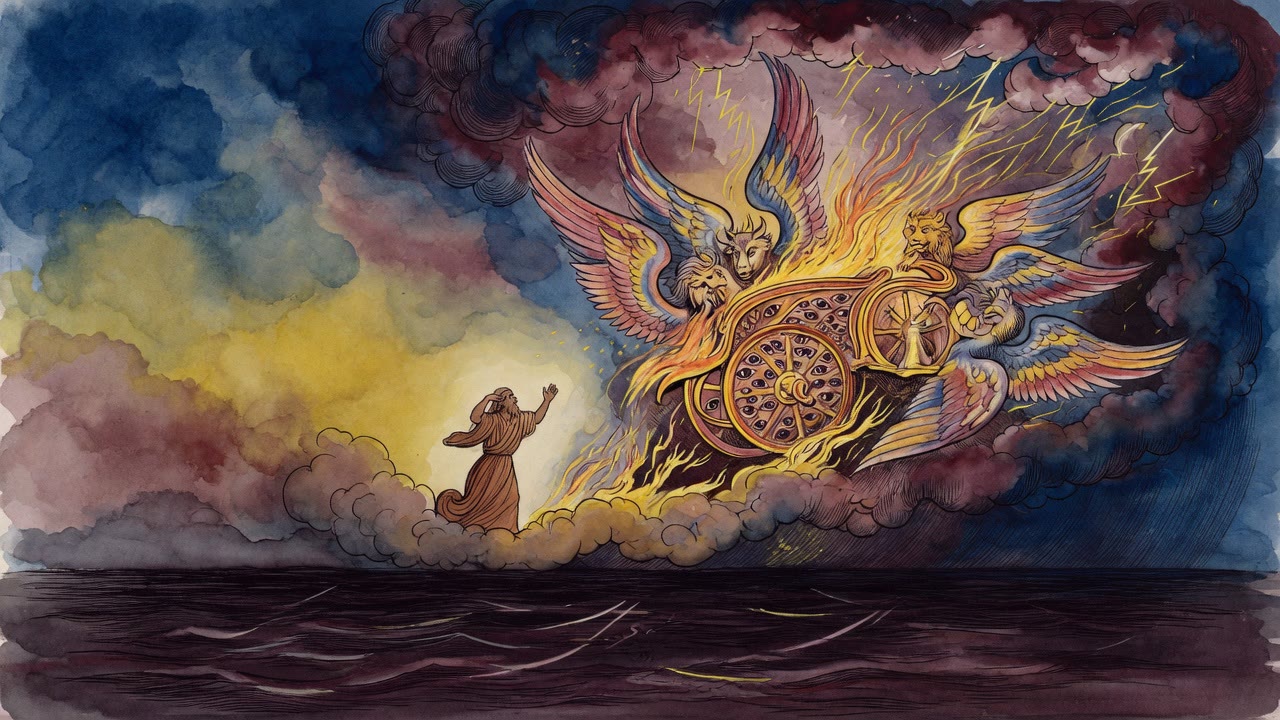
Ezekiel opens with a stutter, hayoh hayah, the word of the Lord was, was. The first marks prophecy in Israel, the second in Babylonia among the exiles.
Table of Contents
 Click for full size
Hayoh Hayah in a Foreign River City
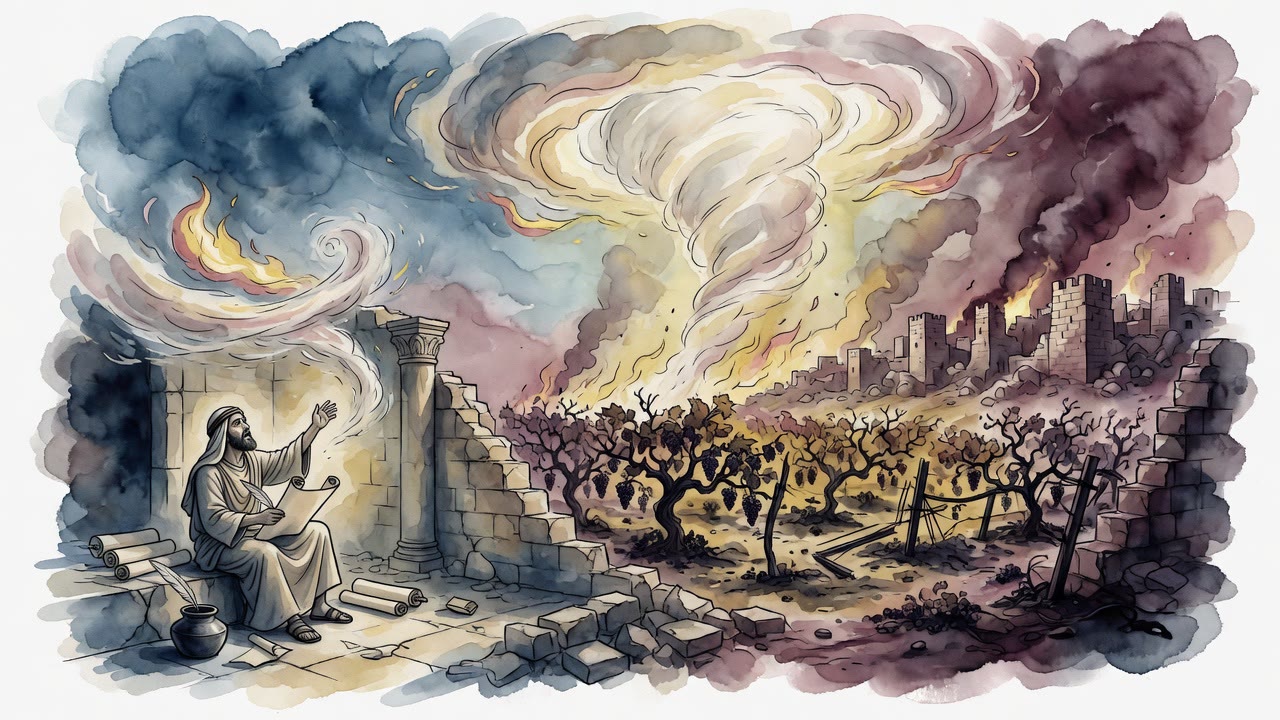
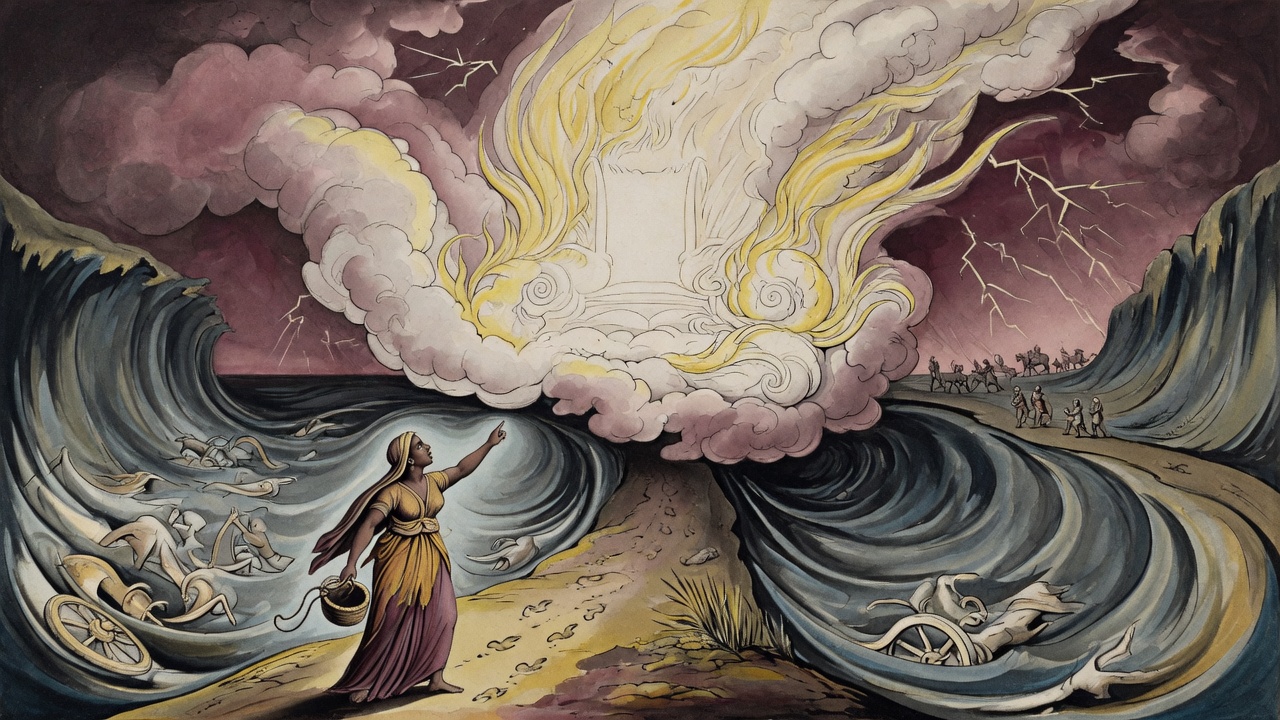
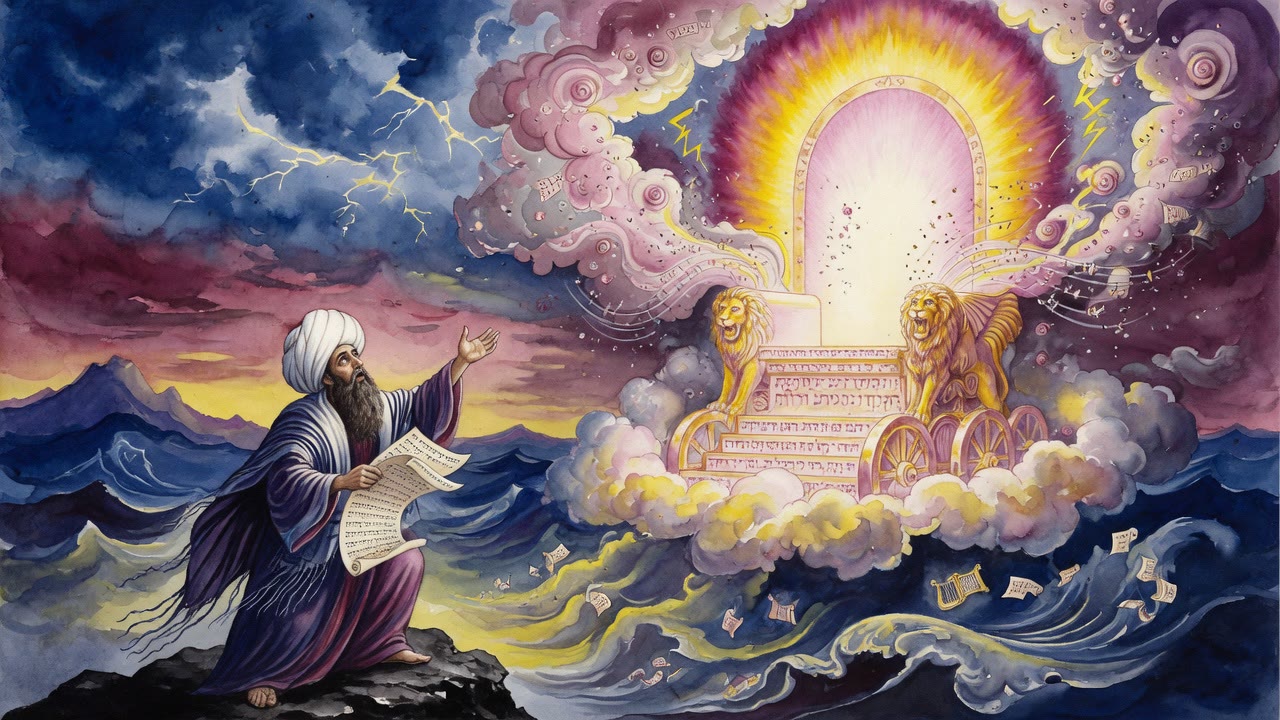
The book of Ezekiel opens with a stutter that ordinary Hebrew would not need. "The word of the Lord was, was" (hayoh hayah). Some readers called it style. The sages of the Mekhilta refused the shrug. The first "was" marked revelation in the land of Israel. The second "was" marked revelation in Babylonia, where the prophet lived among the exiles. One doubled verb held two geographies.
The question under the grammar was survival. Could God still speak outside the Holy Land? Some held that prophecy stopped at the border, that foreign soil muted heaven. The Mekhilta's reading cut that fence. Babylonia was not beyond the wire. The Temple could fall and the word could still arrive. For a people who had lost stone and altar, a redundant verb became a rope thrown across a river.
Spring That Will Not Be Cheated
Rabbi Yirmiyah took another clock seriously: the season of Passover. Uncleanliness can push a person to the Second Pesach a month later (Numbers 9:10). A late spring can push the whole calendar. He matched the measures. As impurity delays by no less than thirty days, so an unready spring must add a full leap month, not a scrap of time. Could one shrink the year backward if spring came early? "You shall keep this statute of Pesach in its time" (Exodus 13:10) answered no. You may add to its time. You may not subtract. The festival stretches forward to keep spring. It does not collapse to suit impatience.
Years That Begin Where Law Points
Rabbi Nathan and Rabbi Tzaddok pressed the same care into leases and house rentals. When does a year start for different obligations? The first of Nissan rules where the law of the new year for festivals and holy reckonings applies. A contract is not free to invent a private cosmos. The calendar of Israel is a public spine. Rent, offering, and feast lean on shared beginnings so no one can redefine time to his private profit.
Exile, season, and civil year all answer one fear: that sacred time might dissolve when power shifts. The Mekhilta answers by binding clocks to verses, not to moods.
A Lamb That Must Always Have Owners
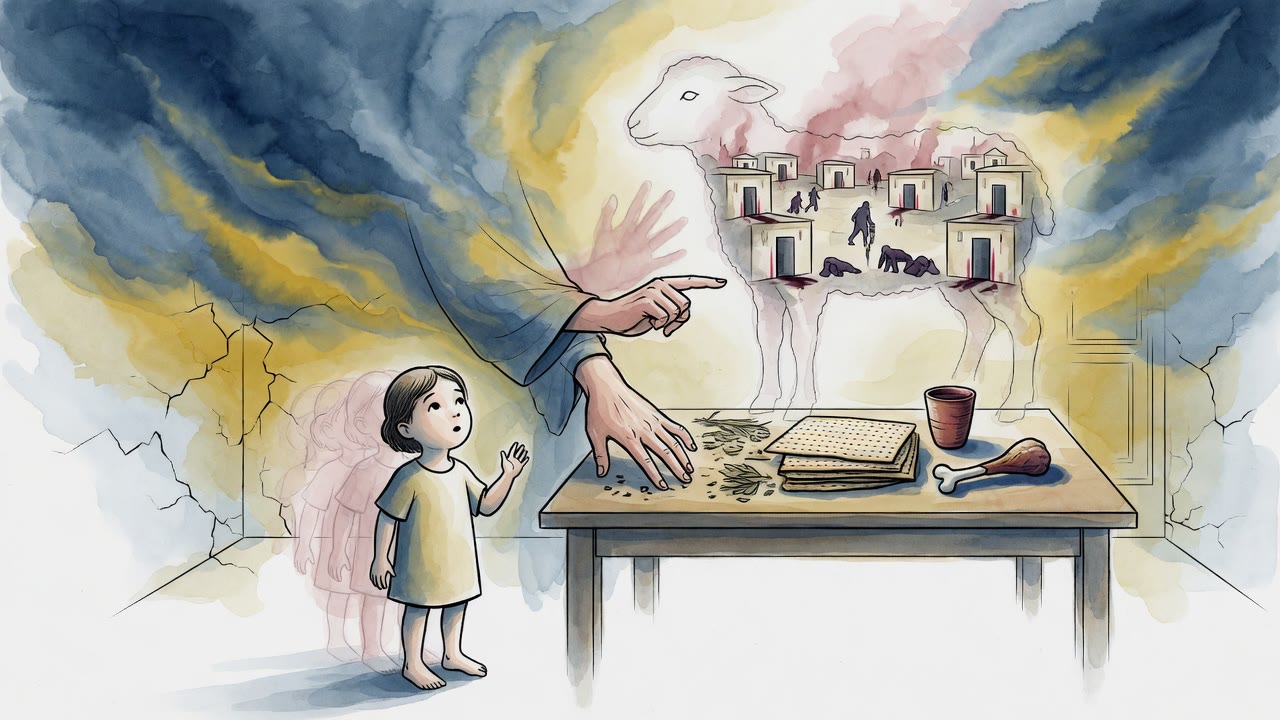
Passover law meets a small household that cannot finish a whole lamb (Exodus 12:4). Neighbors may join. The Mekhilta widens the hinge. People may be added to a lamb or withdrawn from it until the moment of slaughter. The group stays fluid while the animal lives. After the knife, the roster freezes. One hard rule remains: the lamb must never sit ownerless. A Passover offering without a responsible company is a rite in limbo, belonging to no one and freeing no one.
Communion is not optional scenery. The Torah built flexibility so every person could find a table and every animal a name, and it forbade the vacuum of abandoned holy meat.
Two Lands, One Appointed Time
Doubled speech in exile. A year lengthened for spring. A year counted from the right first day. A lamb shared until the blade and never left without hands upon it. The Mekhilta's drama is continuity under pressure. Geography does not mute God. Season does not erase the feast. Small houses do not fall out of the covenant because they cannot eat alone.
Israel in Babylonia still heard "was, was." Israel in any age still adds a month rather than steal spring from the poor calendar. Israel at the table still joins houses so no one is shut out and no sacrifice floats without a people. The word travels. The clock holds. The meal keeps its owners.
The doubled verb is a small engine that pulls a heavy train. If God spoke in the land and spoke again by the rivers of Babylon, then every later synagogue in a foreign street has a precedent. Prophecy in the strict sense may shift with the ages, but the Mekhilta's insistence remains: heaven is not a local landlord who loses jurisdiction at a border stone. The people who copied that reading into their study halls were people who needed to know that exile is geography, not abandonment.
The calendar teachings work the same refusal of abandonment into months and meals. Spring must still meet Passover. A household too small for a lamb must still meet a neighbor. A year of rent must still know which new year governs it. These are not dry footnotes. They are how a people keeps appointed time when emperors change the maps. The knife on the lamb is a deadline. The leap month is a mercy. The second "was" is a promise that the first "was" was not the last time God knew how to find them.
Set beside one another, speech and season and sacrifice say that holiness travels with the people and still demands exactness. You may join a lamb late. You may not orphan it. You may lengthen a year for the barley. You may not shrink the feast to fit a private convenience. You may live far from the mountain and still hear that the word "was" twice, once for home and once for the place you did not choose.
← All myths