28 myths
Each story names the sources it was written from.
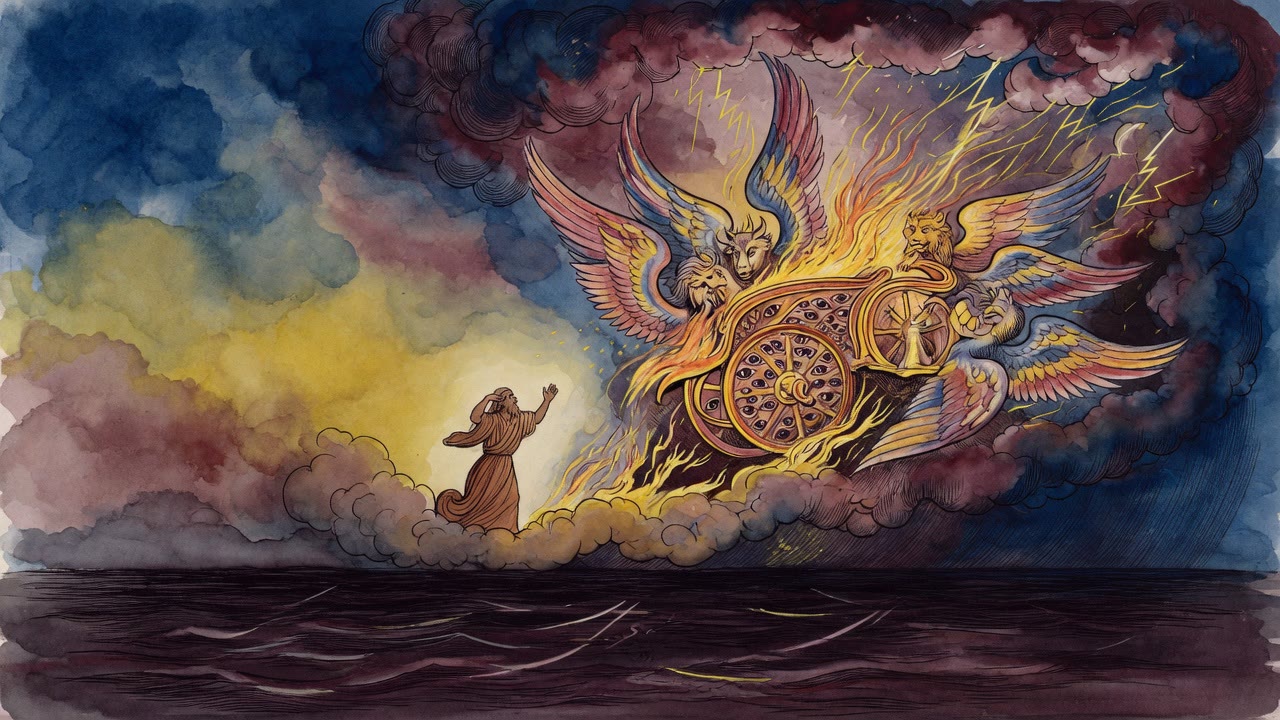
The wings thundered like a flood, then folded. Ezekiel, a priest on a Babylonian canal, was the only living man left in that quiet.
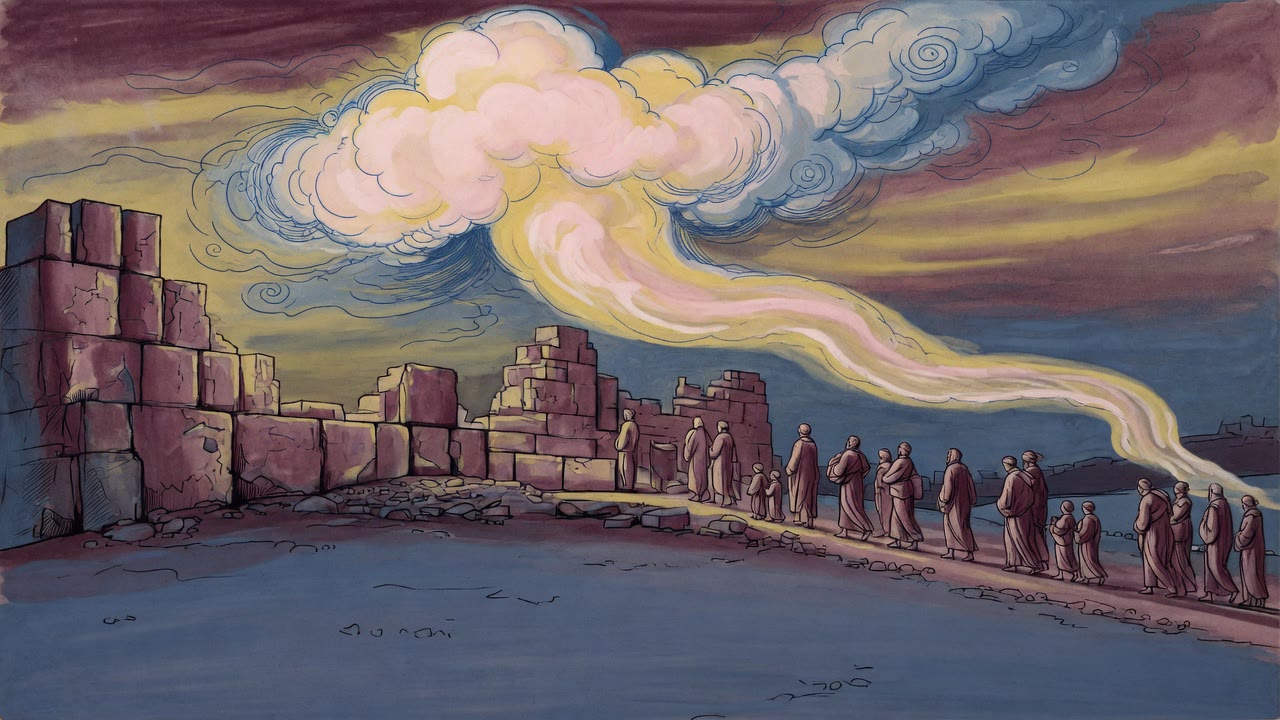
When the Temple burned the Presence wept at the last wall and walked out with Israel, as she had walked into Egypt, Babylon, Eilam, and Edom.
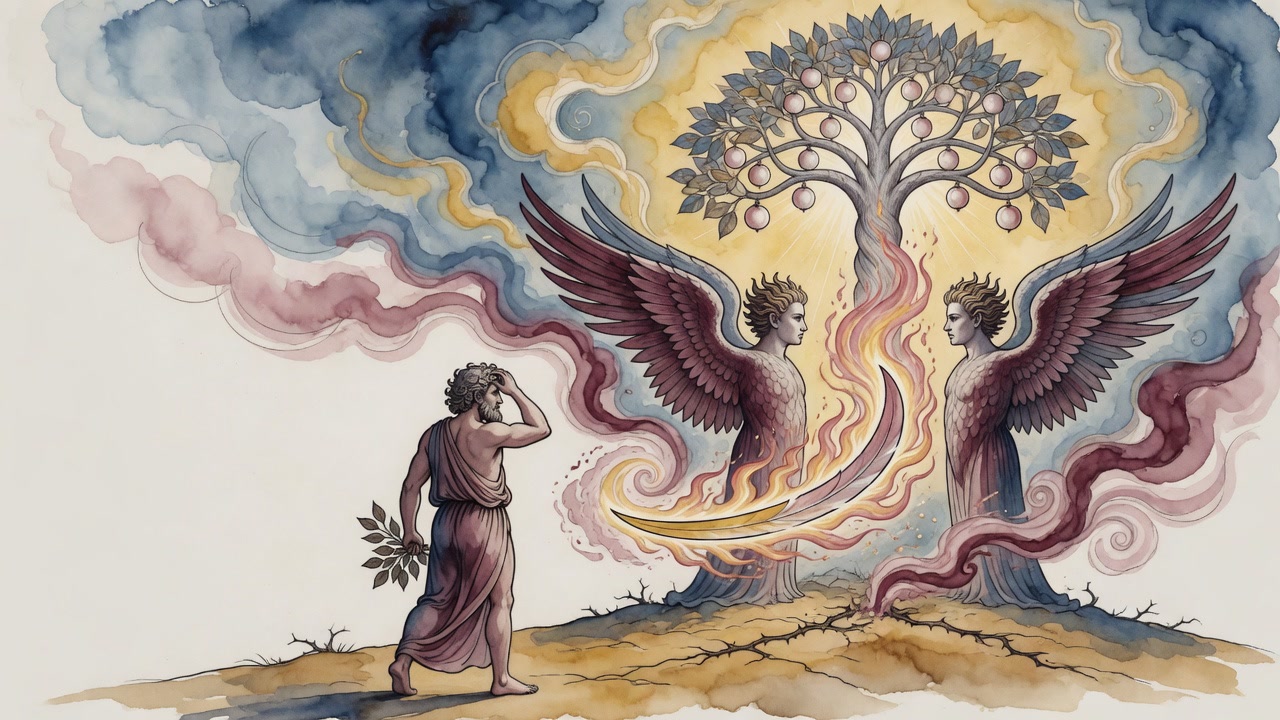
Adam stood east of the garden and watched a blade of fire turn without a hand. Two keepers breathed. The path behind them was not sealed.
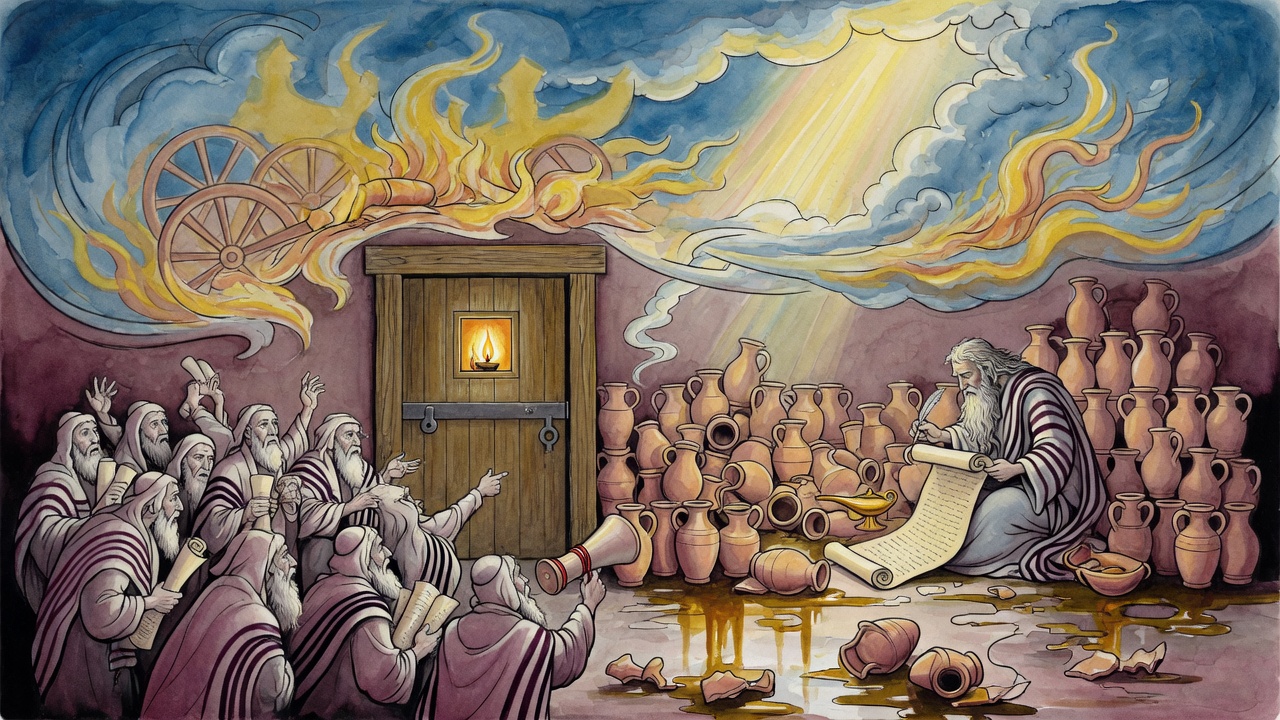
The rabbis nearly voted to suppress the Book of Ezekiel. One sage locked himself away with 300 jugs of oil and refused to stop until the book was safe.
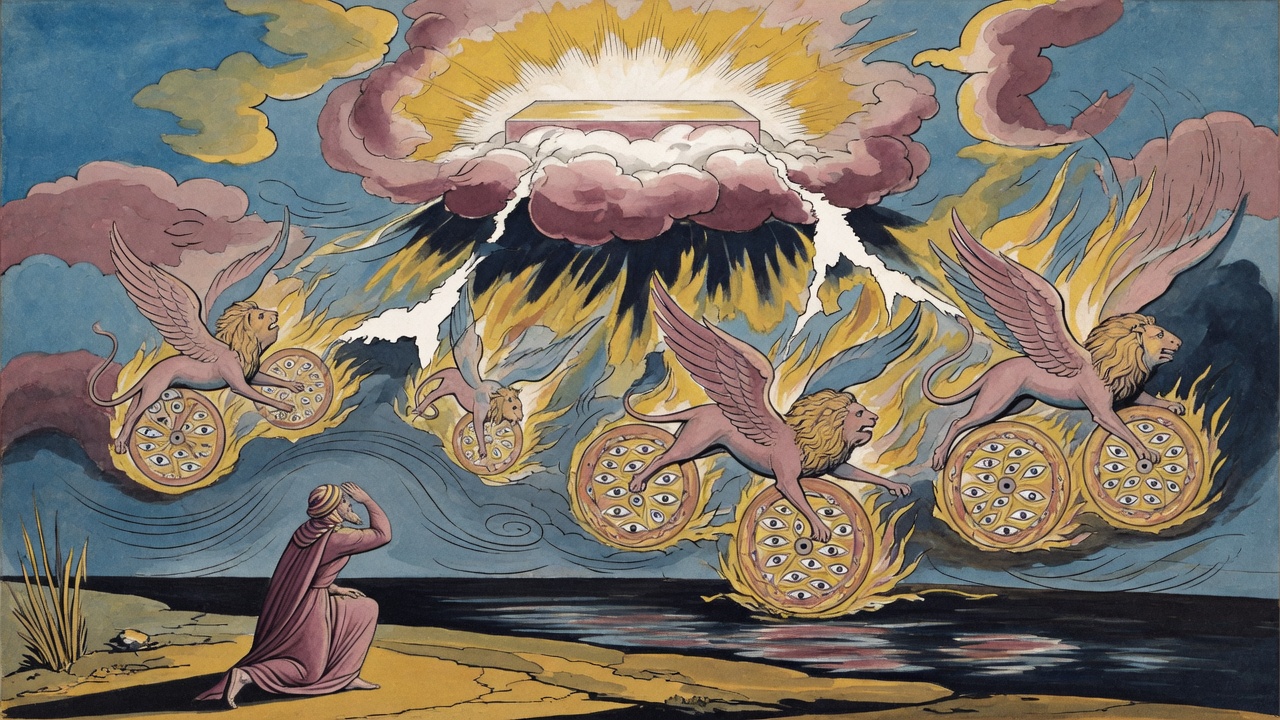
In Babylonian exile, Ezekiel watches the sky tear open. Fire, wheels full of eyes, and four impossible creatures arrive bearing the throne of God.
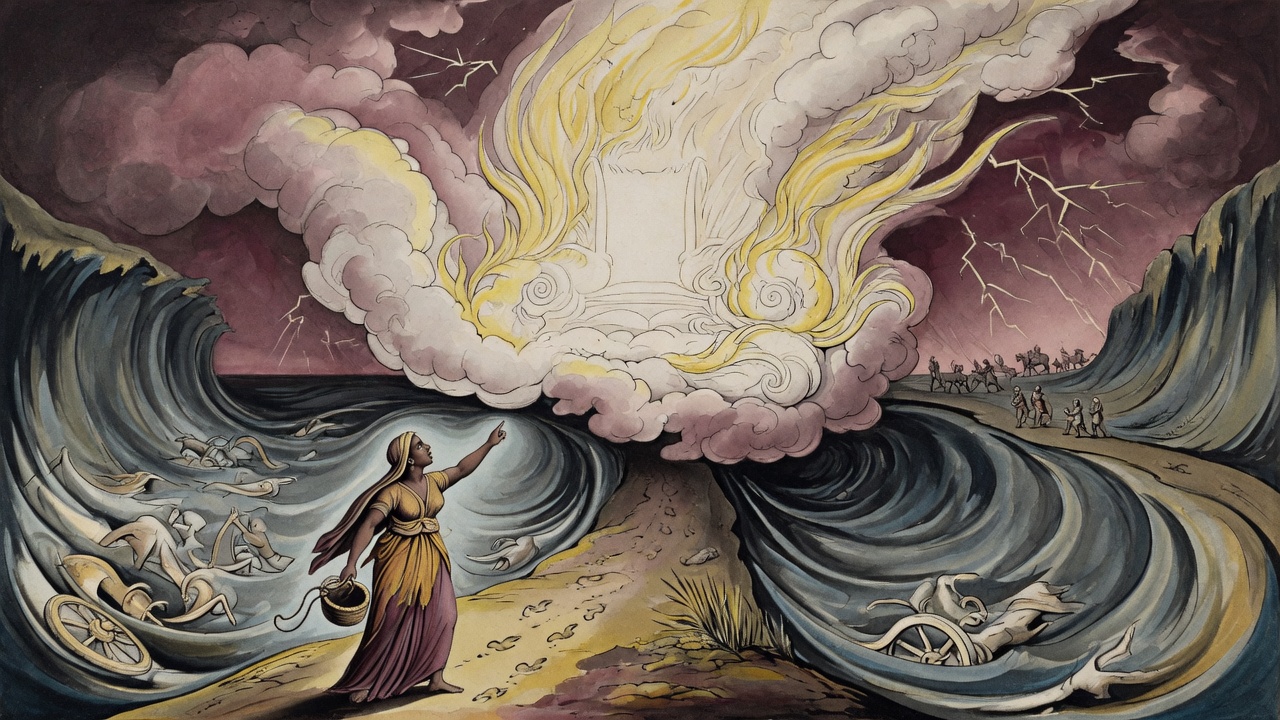
Ezekiel gave an uncertain answer about rescue. The three men declared they were ready to die regardless. That declaration was when the rescue became certain.
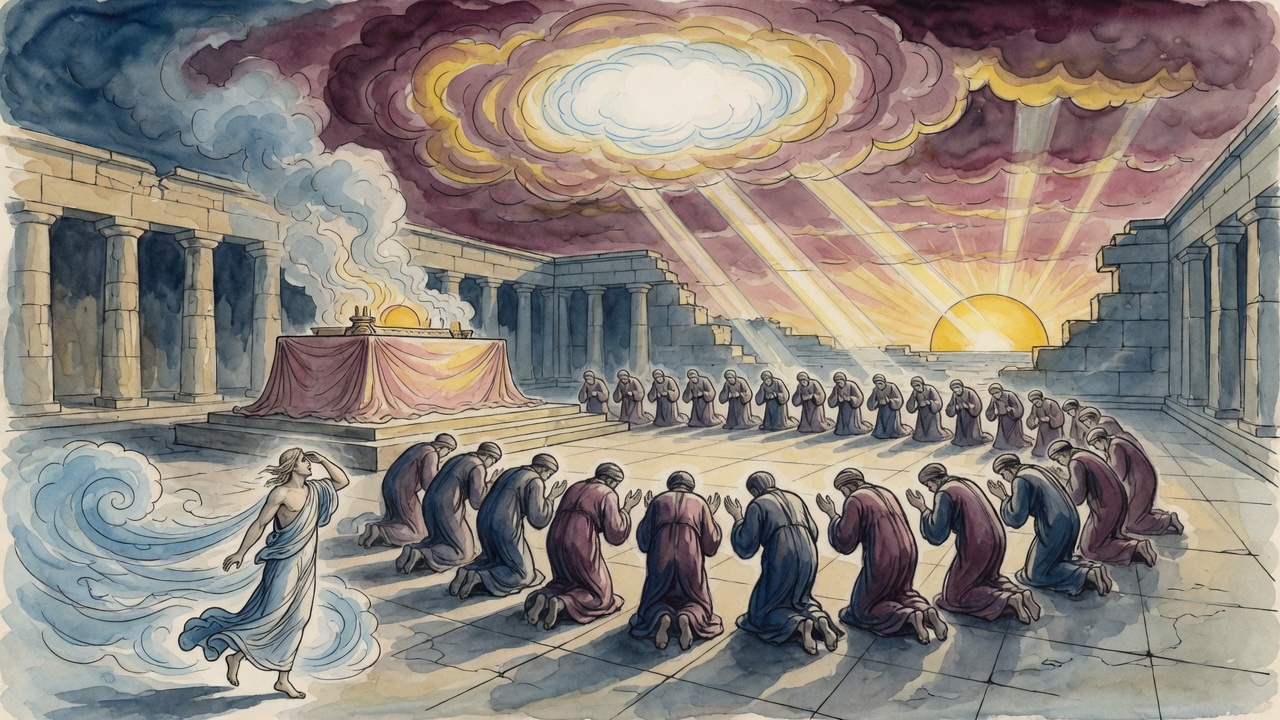
Ezekiel was a priest by a canal in Babylon with no altar to serve. The sky opened over the ditch, and four creatures came out of the fire.
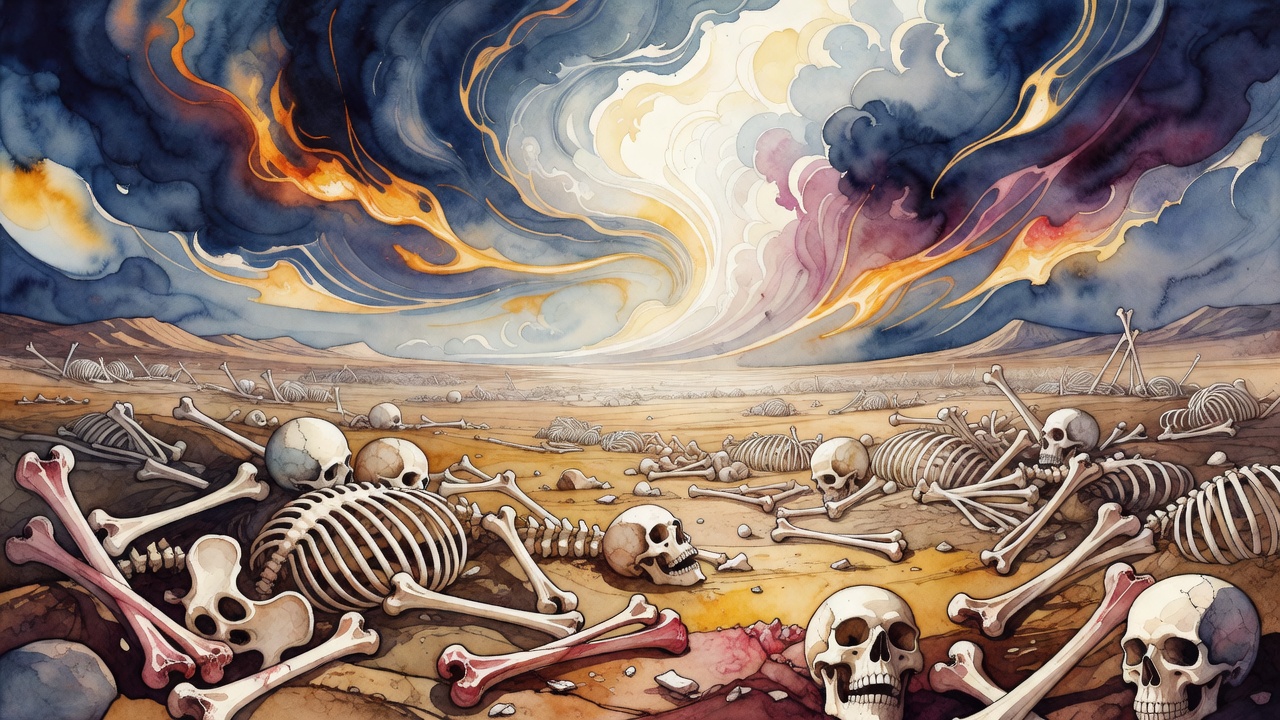
Two hundred thousand Ephraimites left Egypt thirty years early, fought the Philistines, and died. Their bones became Ezekiel's valley.
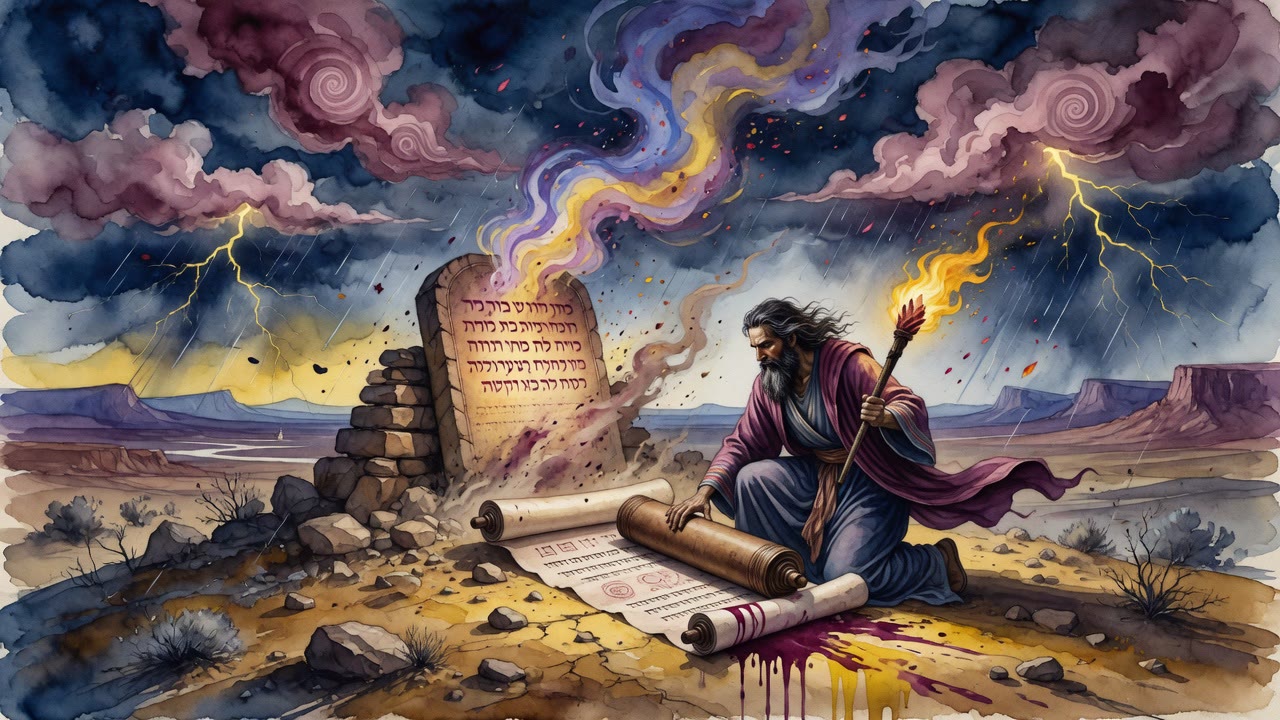
Vayikra Rabbah says a prophet sees God the way a candle is seen through a window. Abraham got nine clouded panes. Moses got one clear one.
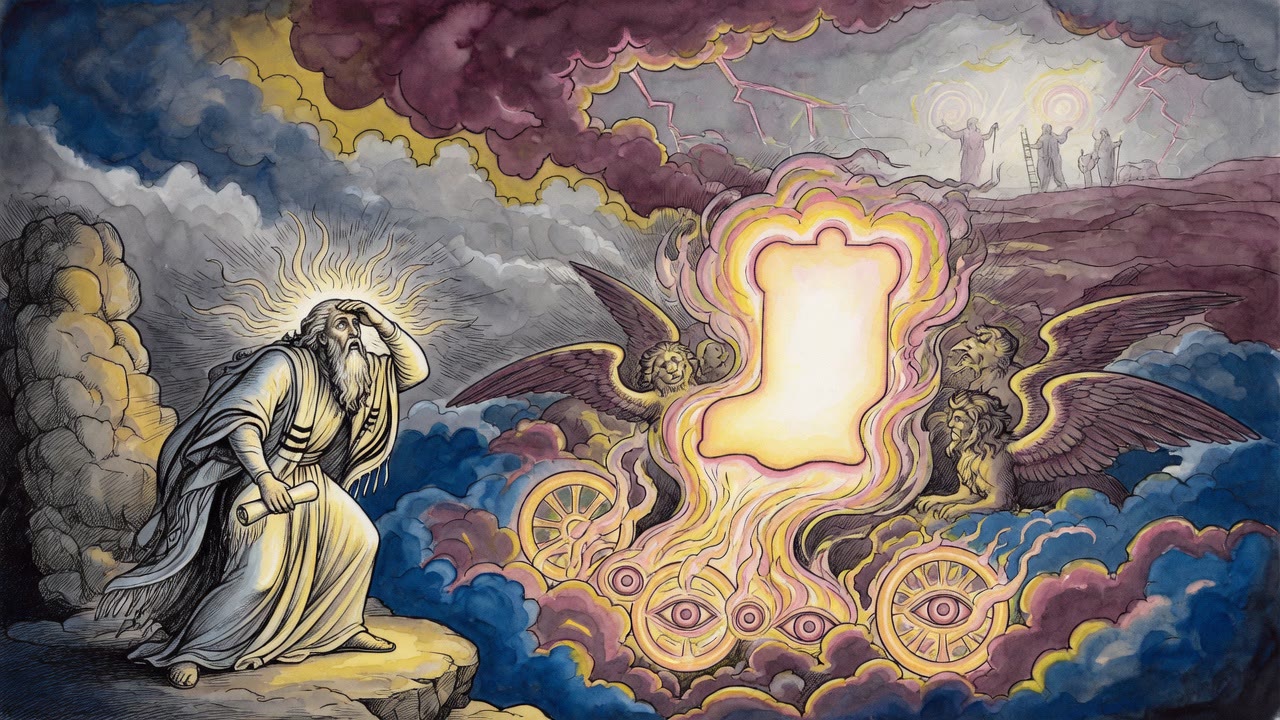
Moses sang about divine arrows drunk with blood on the edge of Canaan. Six centuries later, Ezekiel announced that the day Moses described had finally arrived.
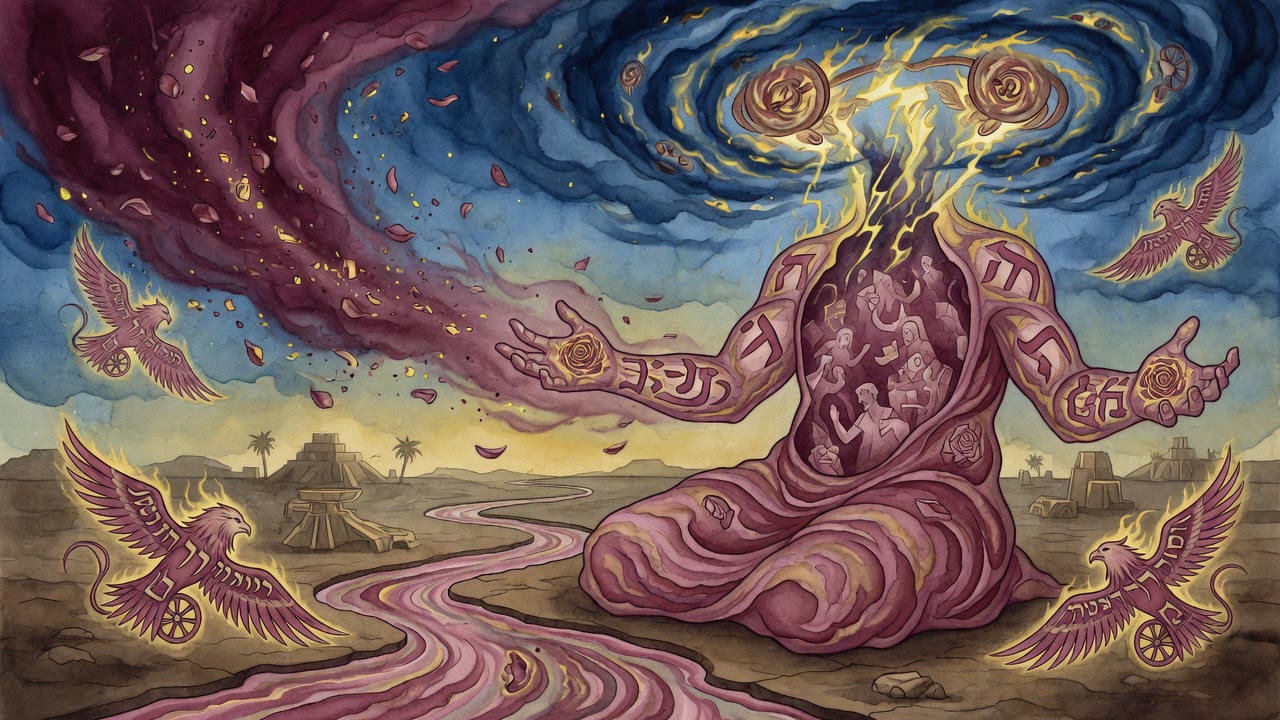
Moses saw God most clearly of all the prophets. Ezekiel saw through nine clouded panes. So why is Ezekiel's vision so much stranger and more detailed?
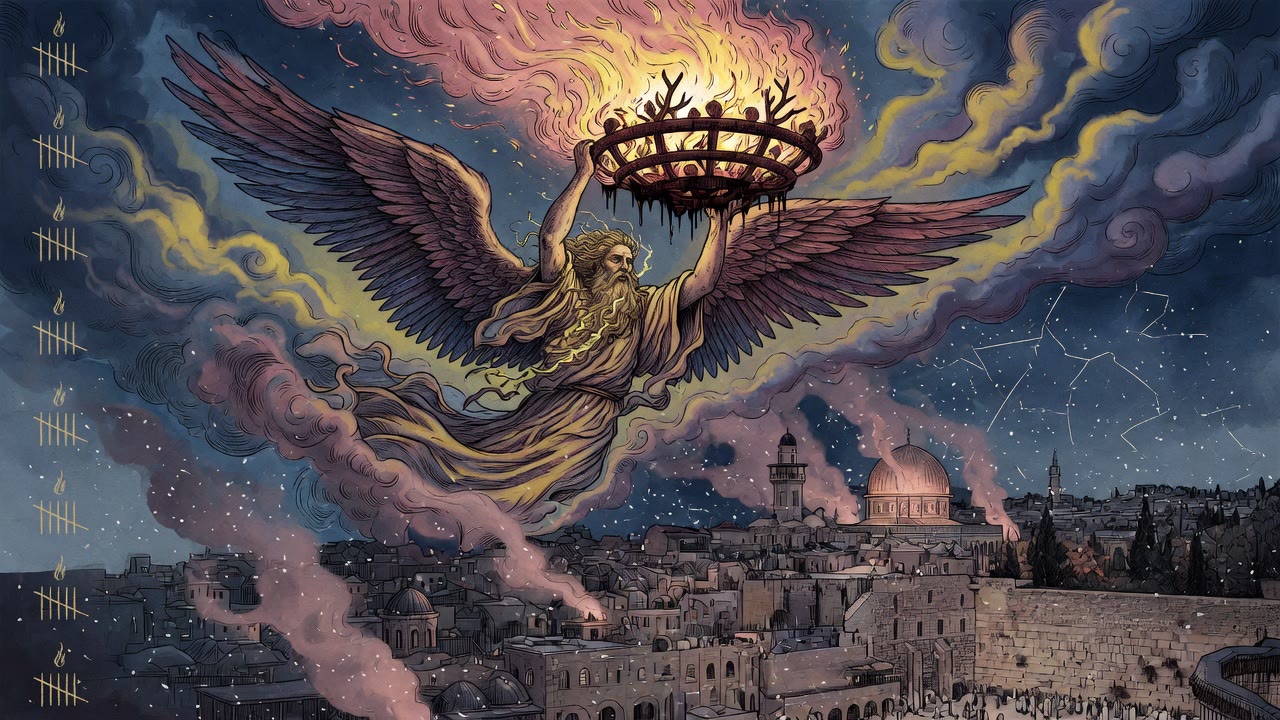
Ezekiel was a priest of a temple that no longer stood, sitting by a canal in the wrong country. The sky came open over Babylon anyway.
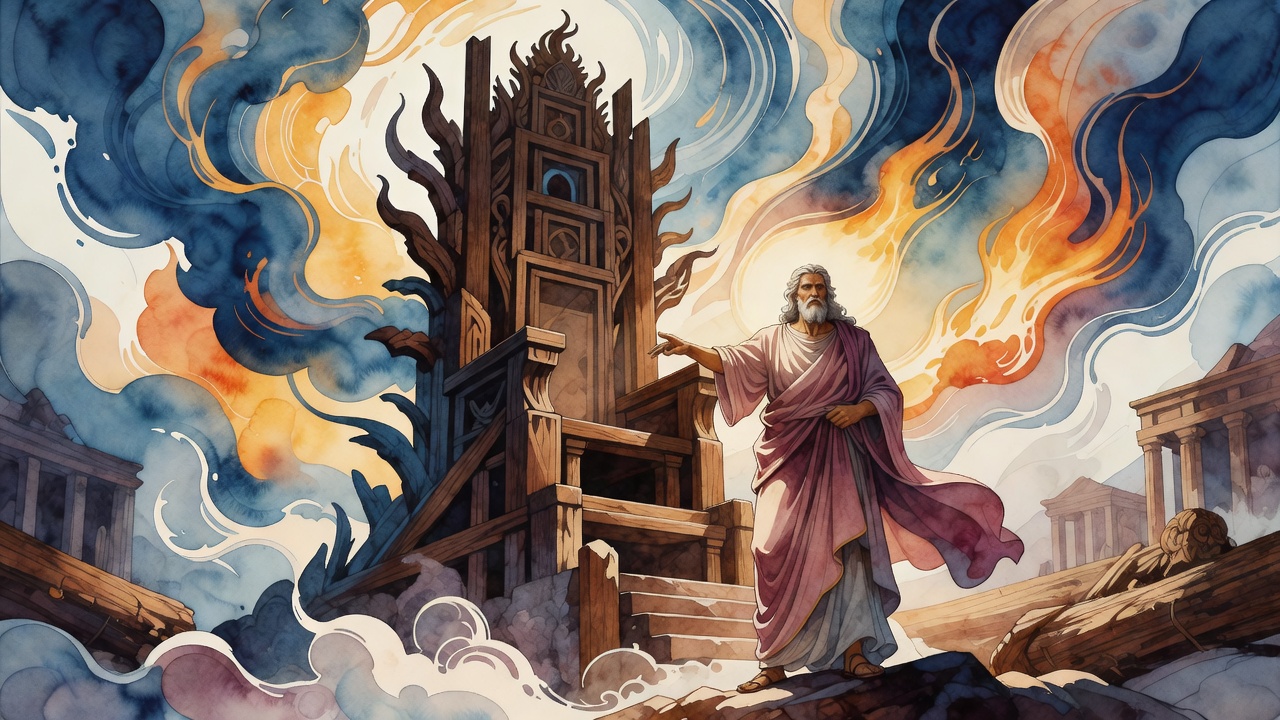
Hiram sat on a gold couch above six false skies. Ezekiel rode a wind up there and asked why a man born of a woman called himself God.
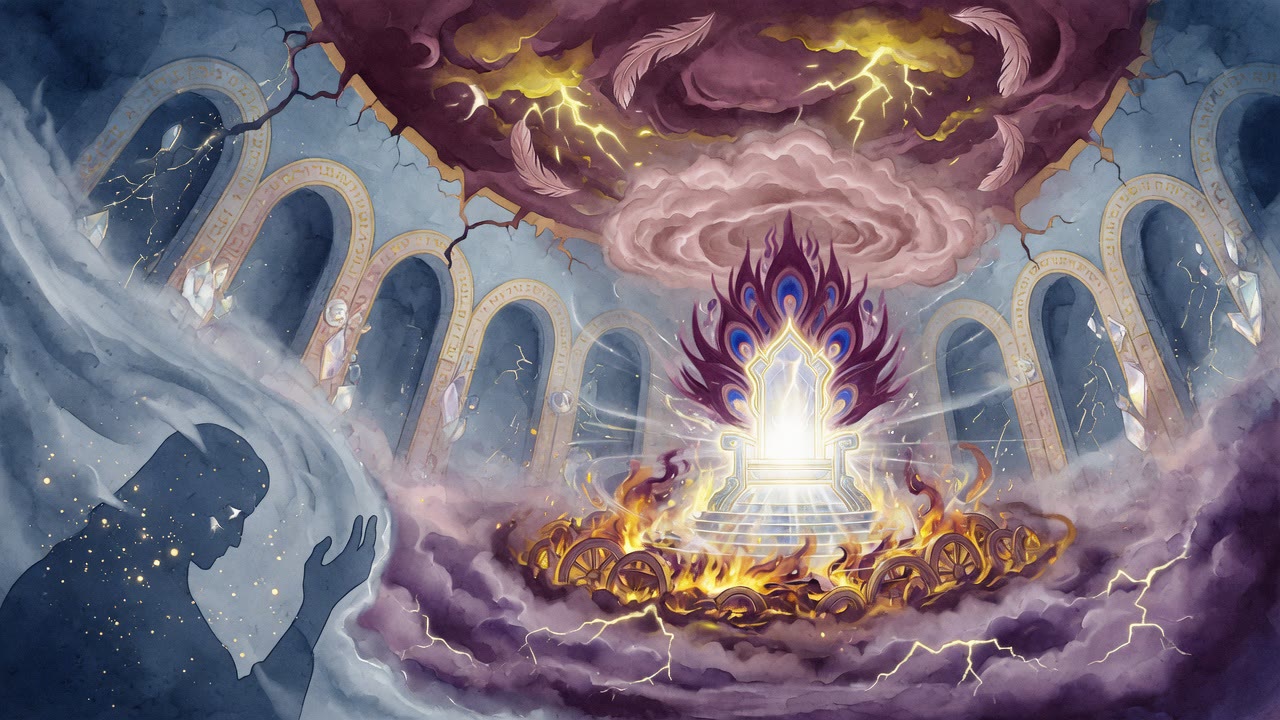
Jehoiachin walked out of Jerusalem to save it. Zedekiah watched his sons die, and his own tears finished the work iron could not do.
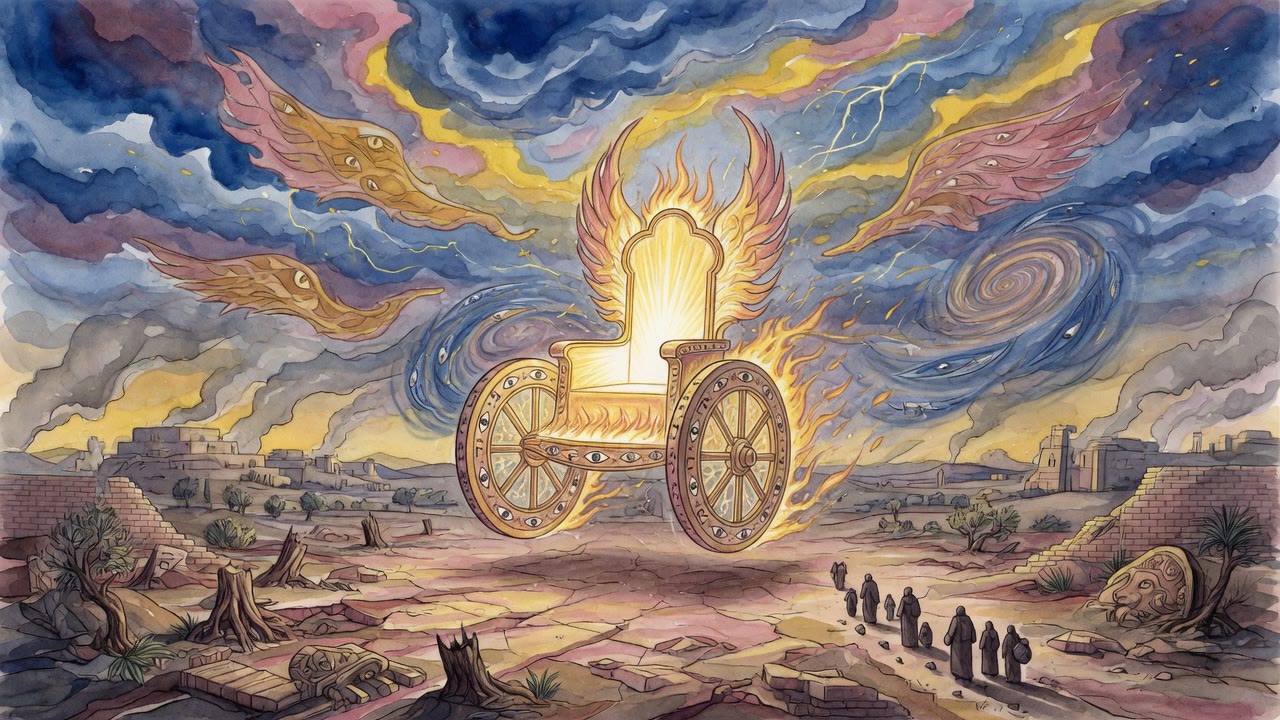
Targum Jonathan counts sixty-four faces and 256 wings on the throne. Ezekiel watches the glory move out through the east gate and waits for it to return.
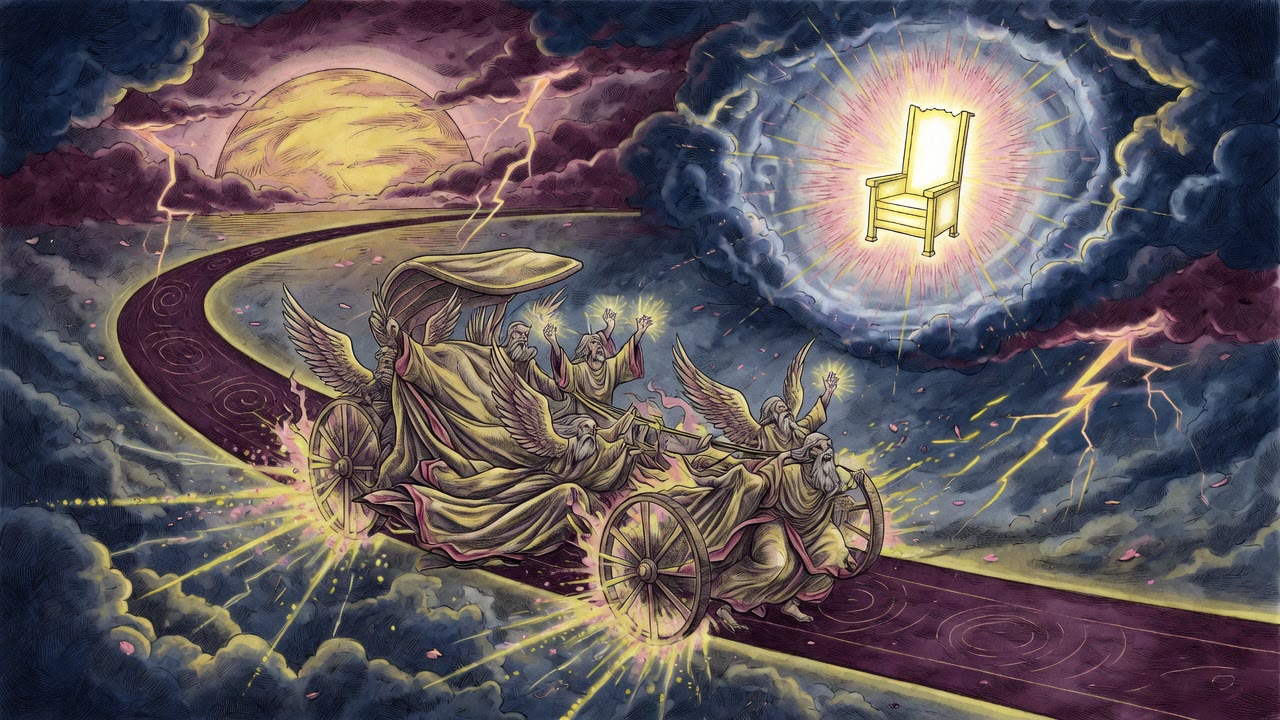
The four living creatures strain forever under the Throne, crying blessed be the glory, and not one of them knows where that glory is.
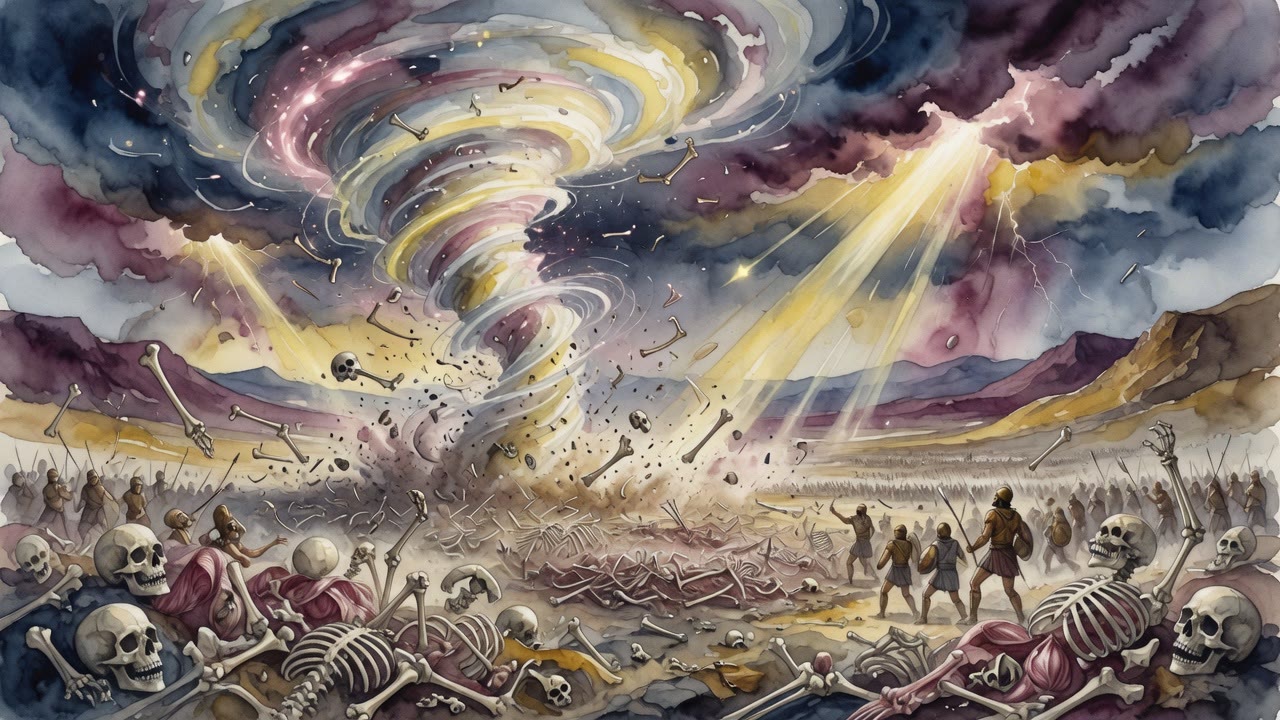
In exile beside a Babylonian canal, Ezekiel is shown a Temple no hand will build, and a river from its threshold that wakes the dead salt sea.
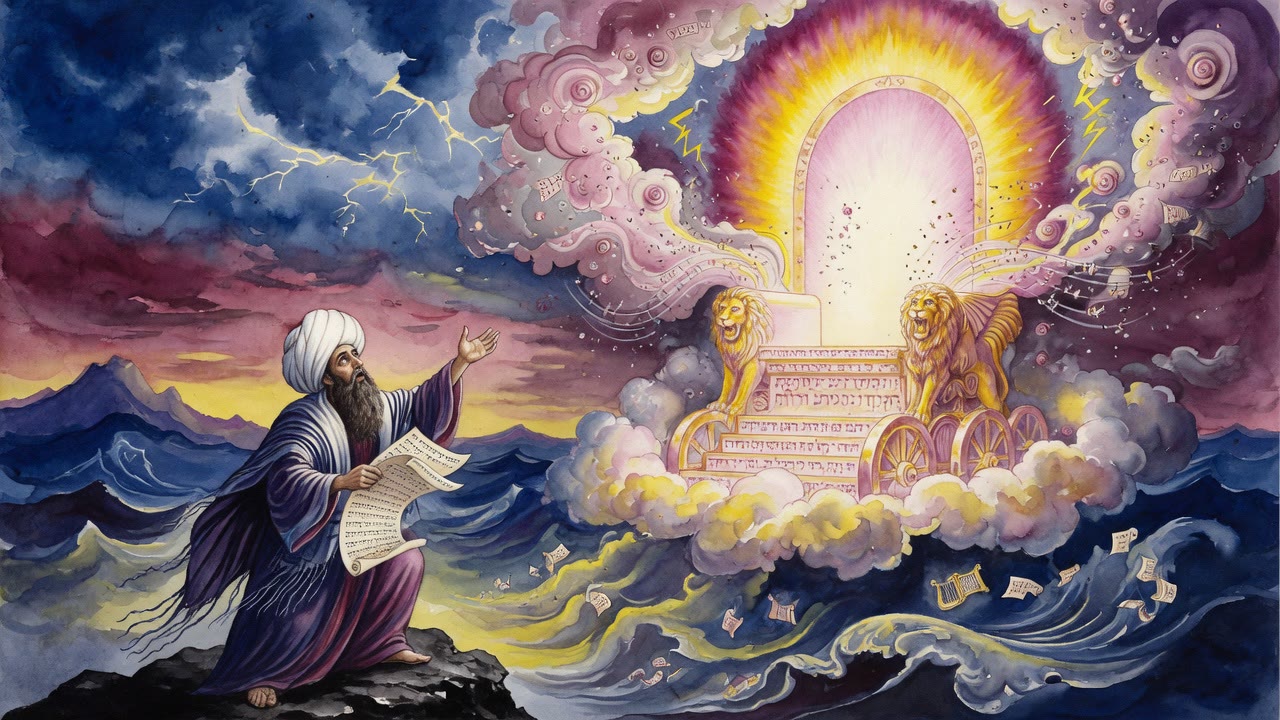
Ezekiel opens with a stutter, hayoh hayah, the word of the Lord was, was. The first marks prophecy in Israel, the second in Babylonia among the exiles.
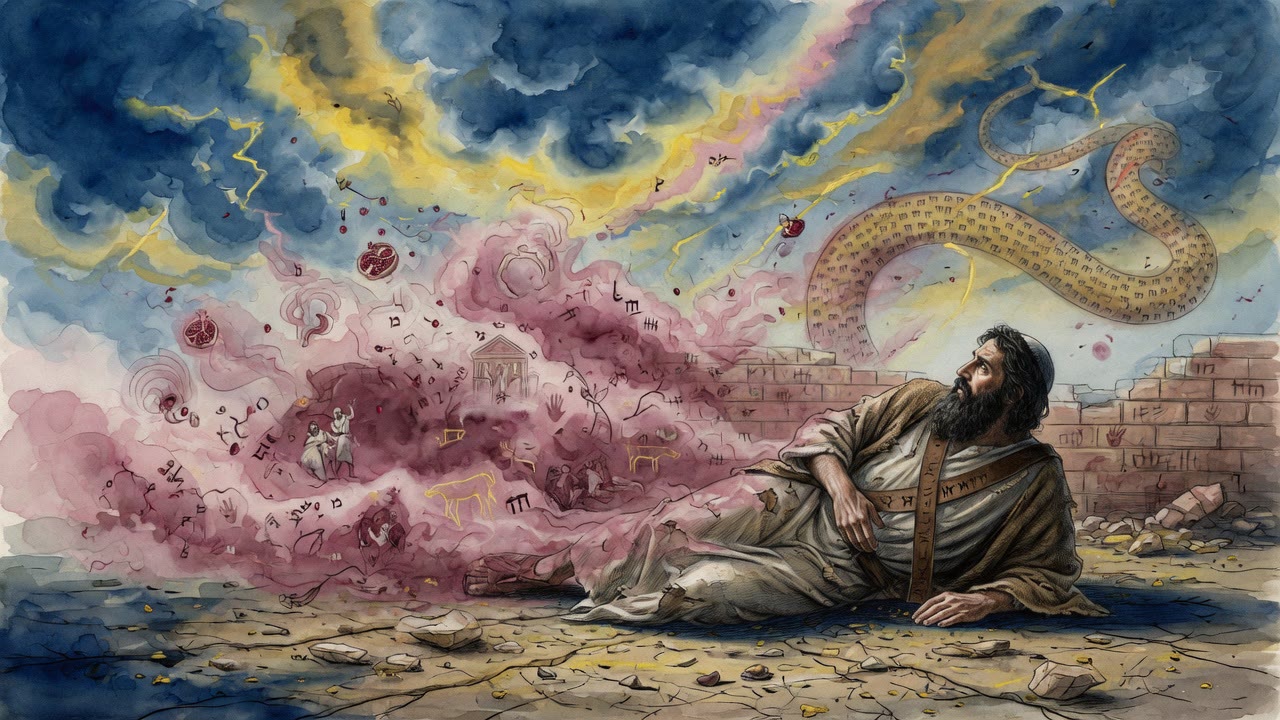
God orders Ezekiel to lie on his left side, then his right, until the prophet's body becomes a bed for the guilt of Israel and Judah.
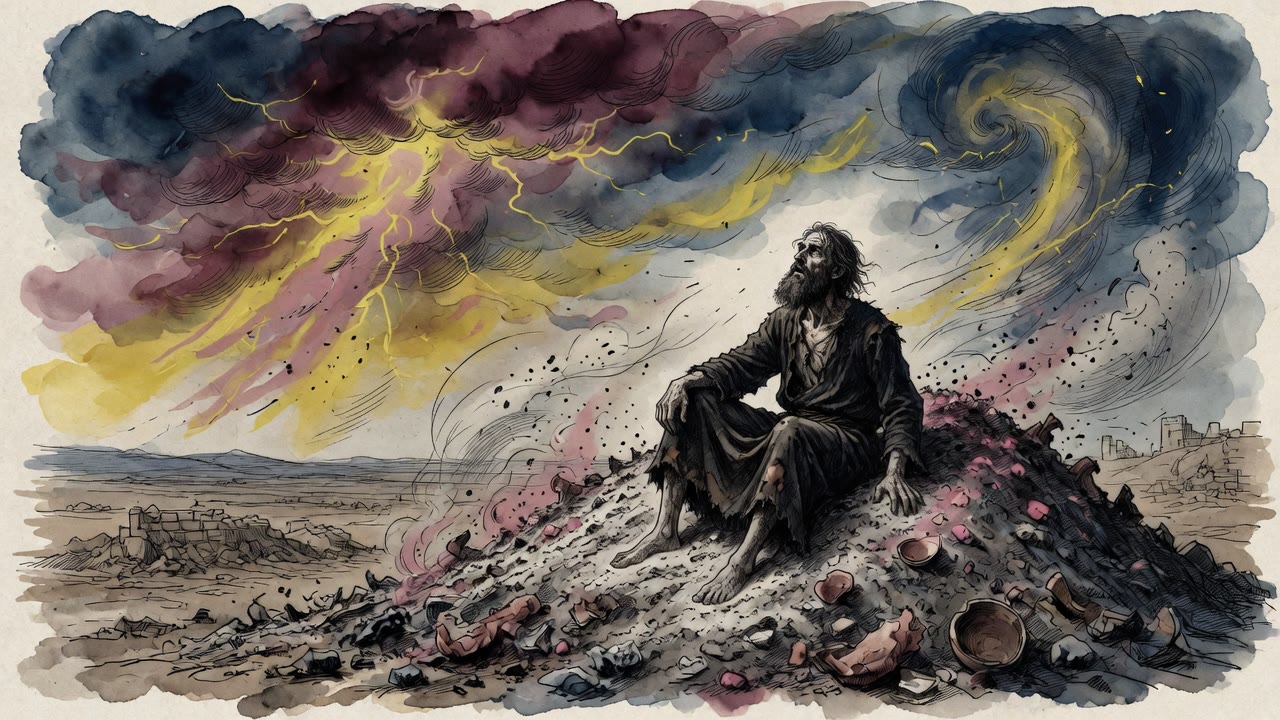
Daniel's knees were still marked by the floor. The angel's voice was tired. Persia had held him at the gate, and Greece was already on the road.
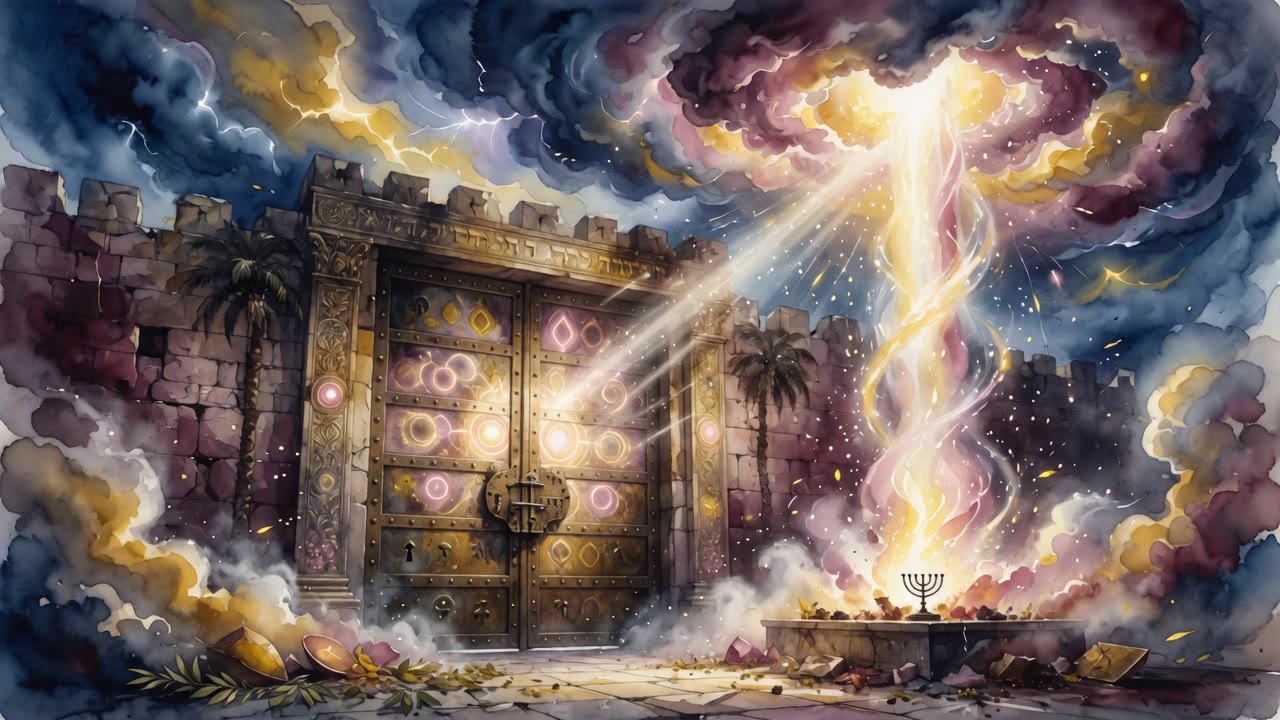
Sand filled Ezekiel's mouth by the river of exile. The north wind carried fire. His knees wanted the ground and would not have it.
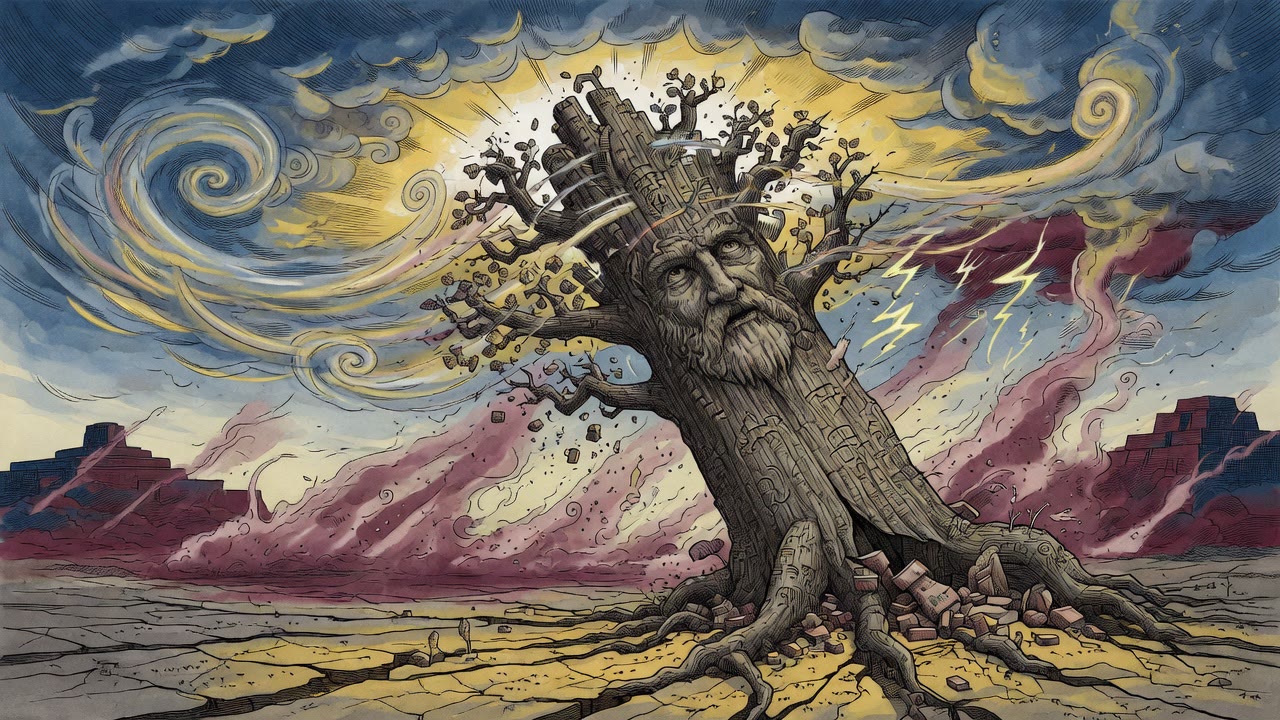
Nimrod walked the brickworks as if the sky were a roof he could raise. Crews asked for brick and heard the word for water instead.
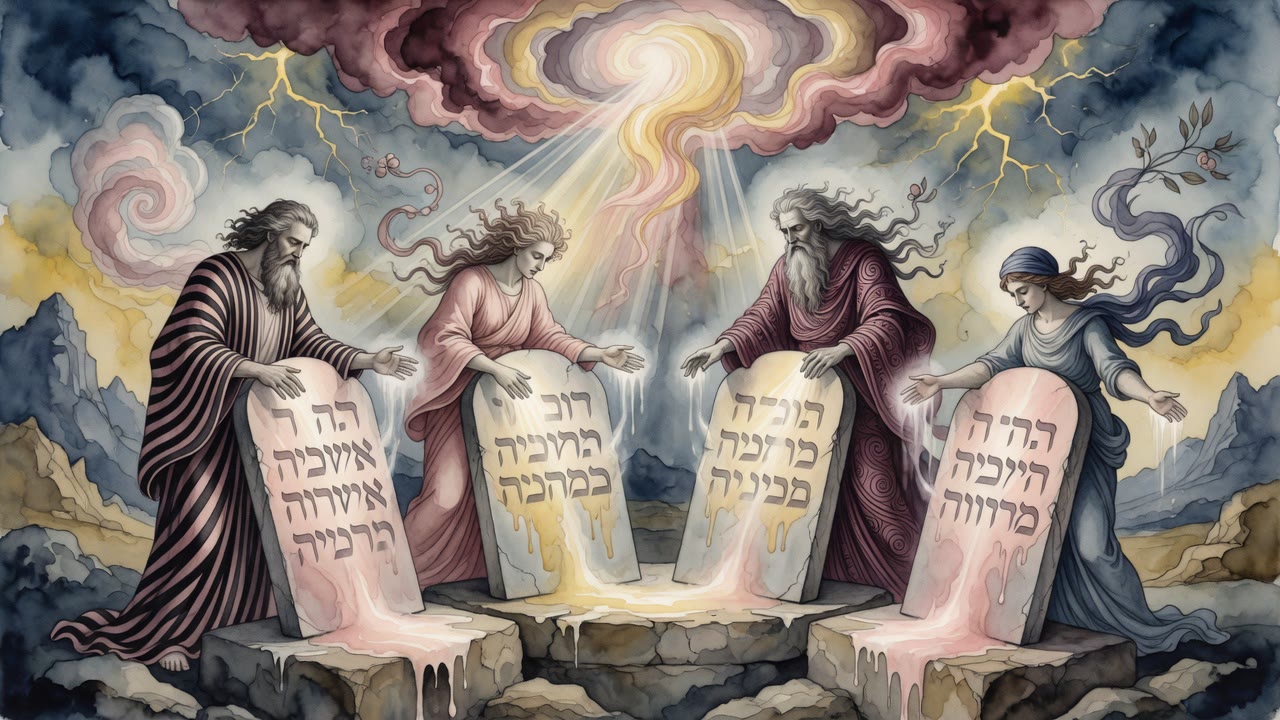
Moses spoke four hard judgments over Israel. Centuries later Amos, Jeremiah, Ezekiel, and Isaiah rose and mercy-read each decree until heaven agreed.
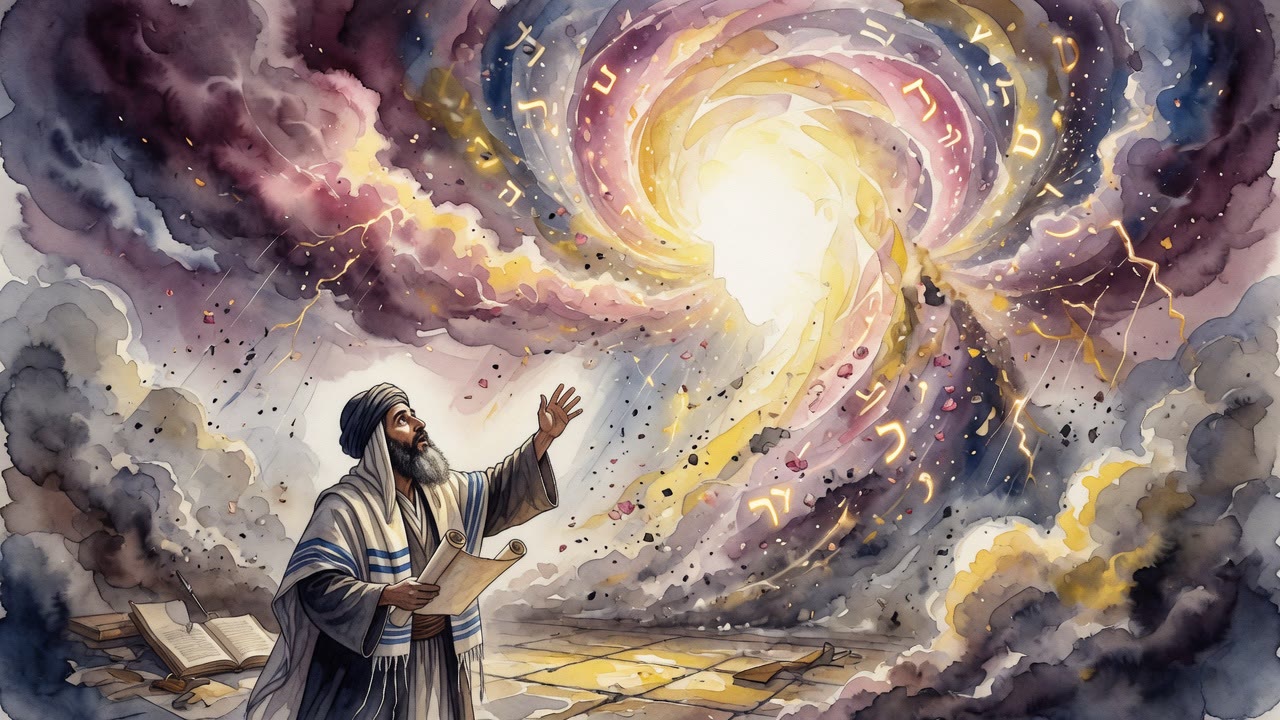
By the river Chebar Ezekiel sees wheels and living beings, then the shapes of letters themselves begin to teach what he saw.
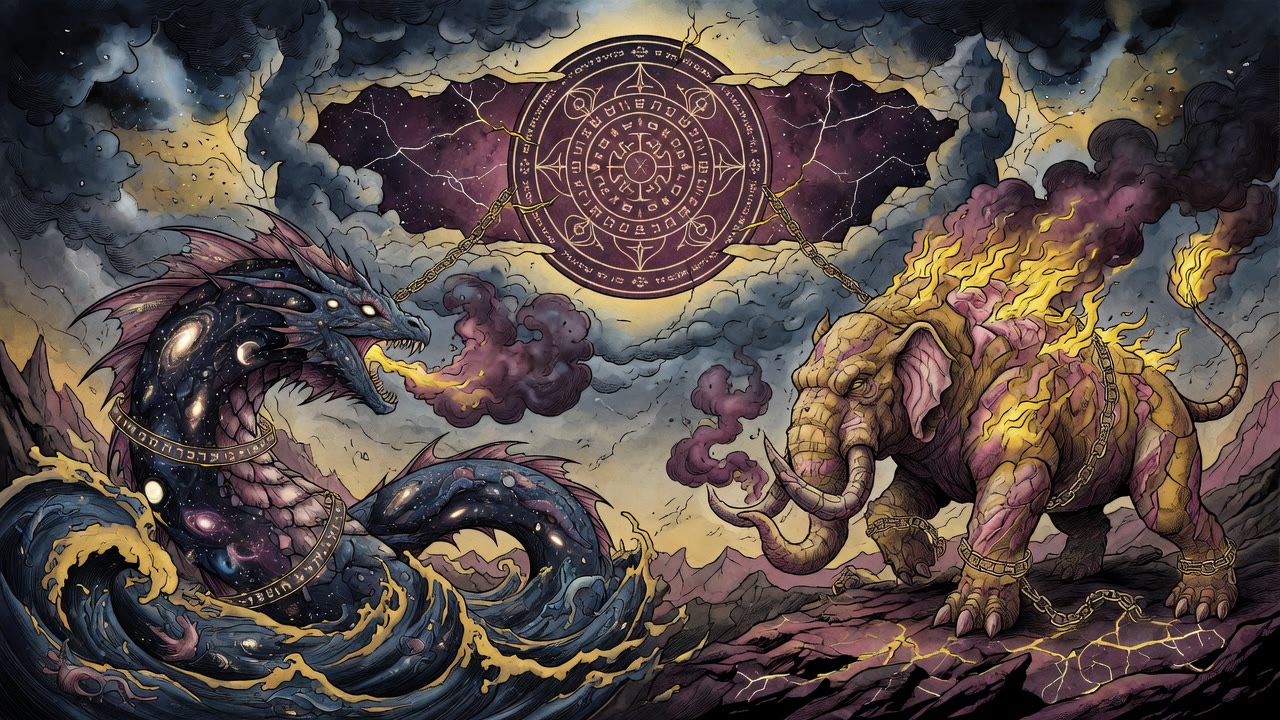
A drunk priest at a banquet said his people were kinder than the Jews. Rabbi Judah answered with a riddle about a master who stores dishes in many houses.
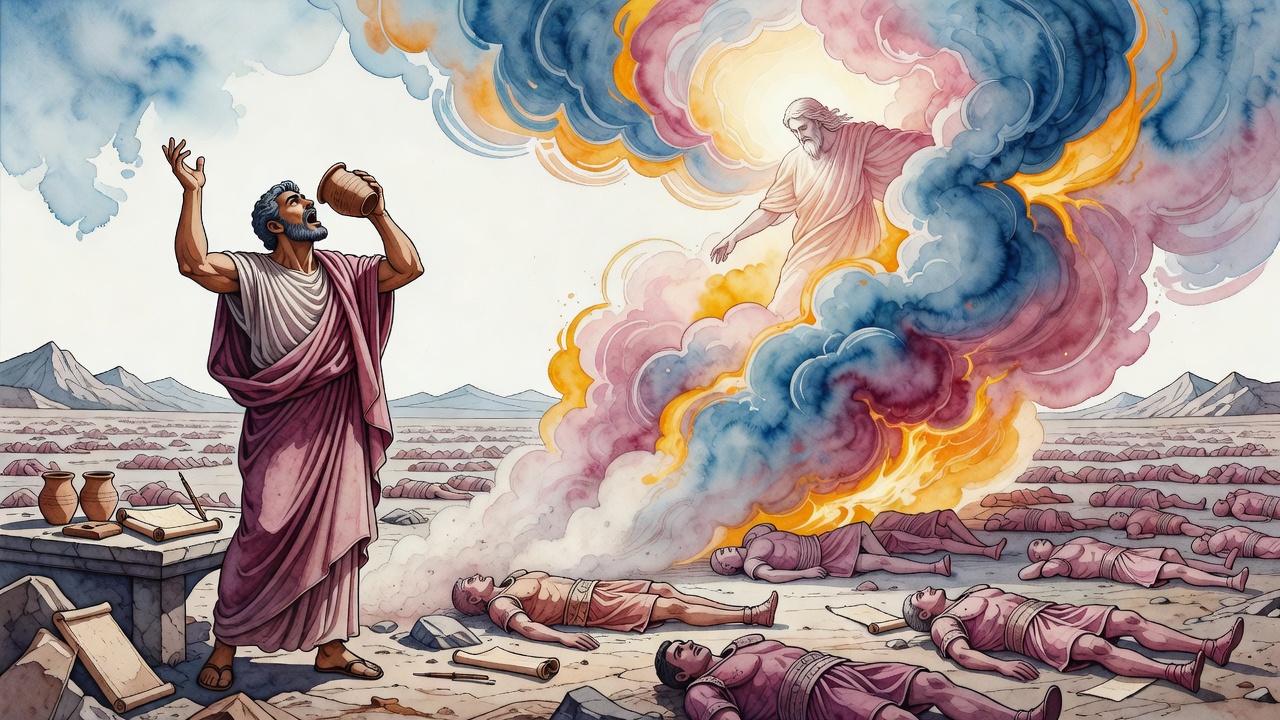
The Assyrian king drinks the water of strangers and counts his hosts, then an angel answers with a body count of one hundred eighty-five thousand.
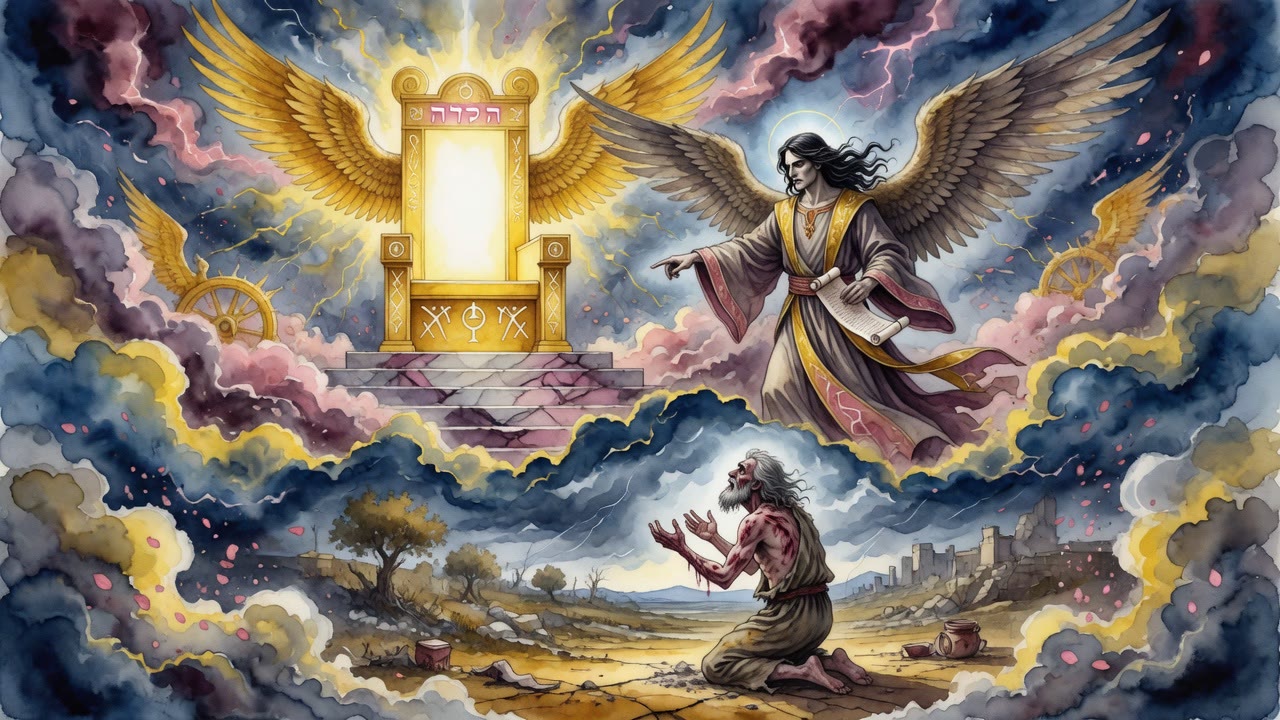
On his last day Moses orders Israel to put heart, eye, and ear into the words. Torah hangs like mountains on a hair, and a slip drops the range.
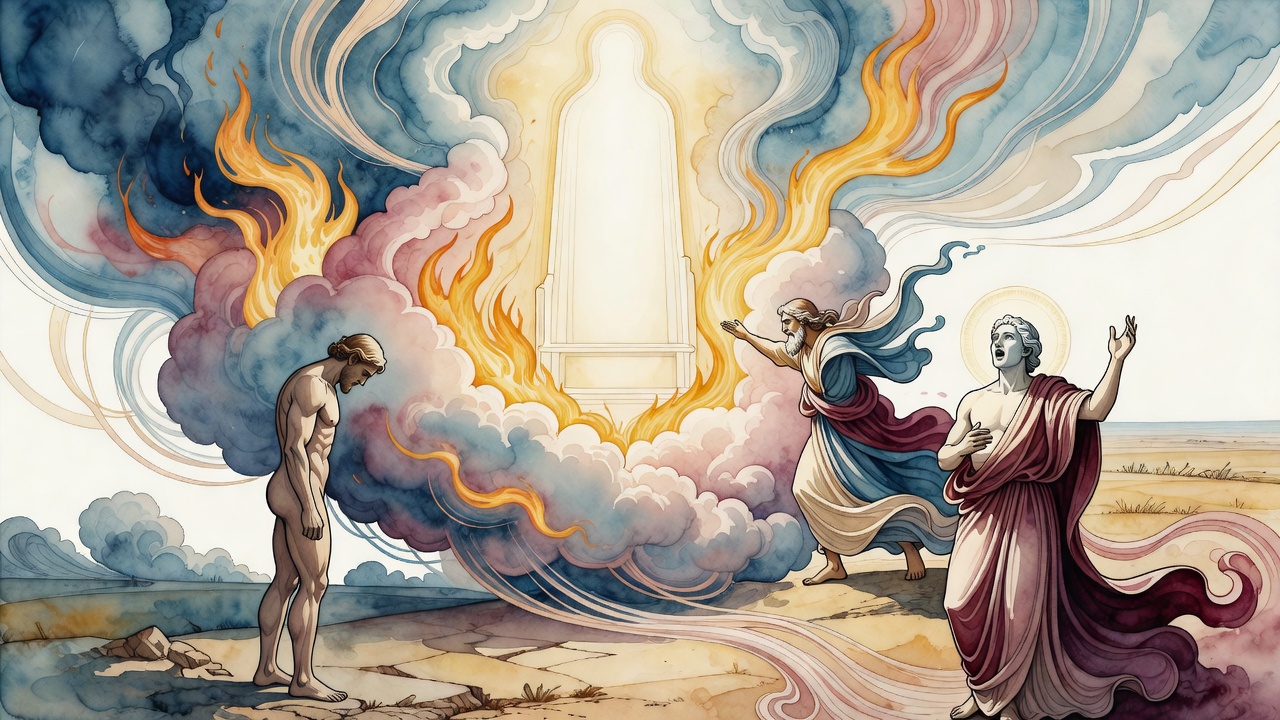
David sang that God's humility crowned him. The rabbis found the same stooping God waiting on naked Adam and beating Ezekiel to the plain.
