Parshat Vaera5 min read

Pharaoh Asked Who the Lord Was and the Sea Answered Him

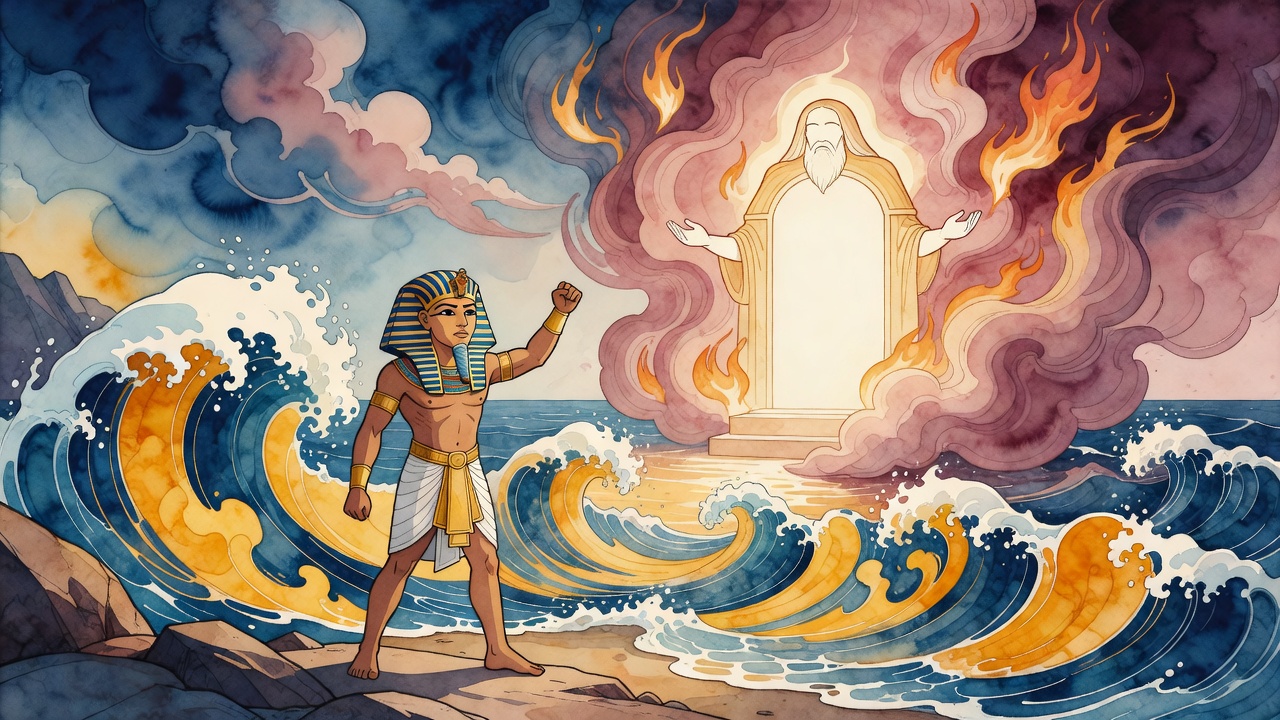
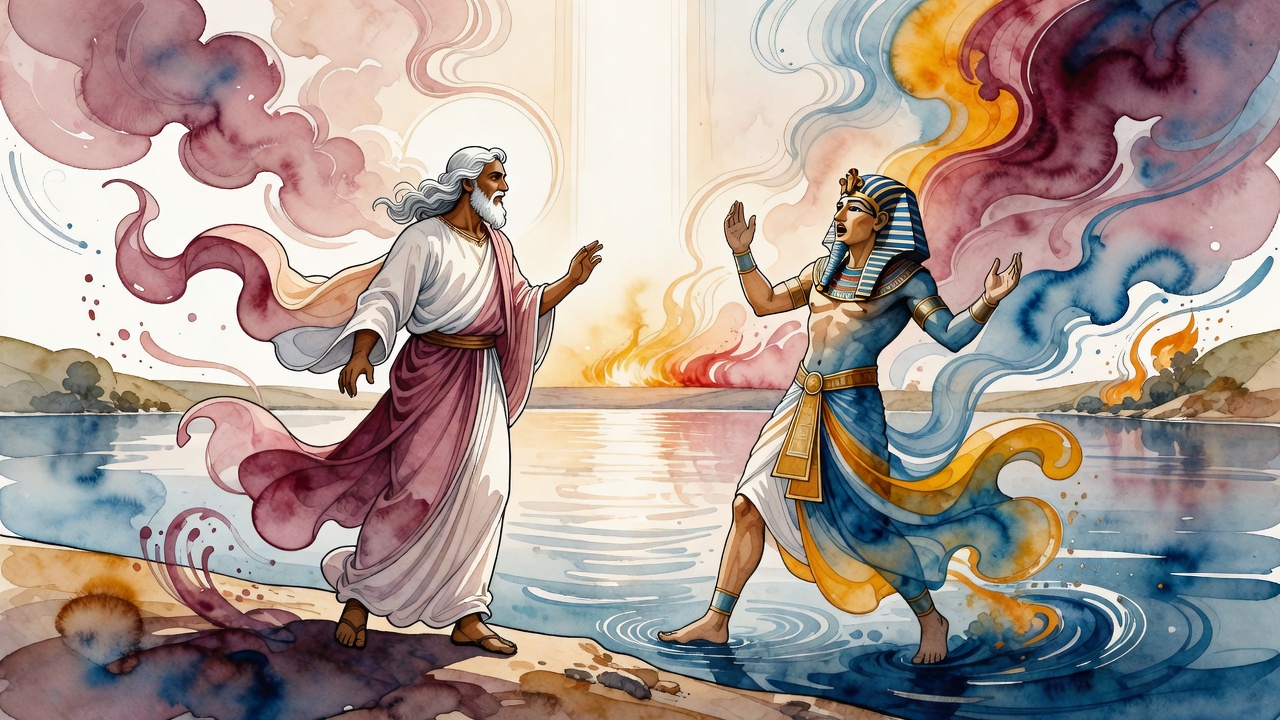
Pharaoh sneered mi, who is the Lord. Heaven reversed the letters into yam, the sea that would swallow his boast.

Curated by Arthur · Told by Maggid ·
Table of Contents
  1. Straw to Afarayim
  2. Every Boast Bent Back
  3. From Pestilence to Darkness
  4. The Rod and the Proverb
  5. At the Sea the Letters Finish

When Pharaoh sneered, "Who (mi) is the Lord that I should heed His voice?" he did not know he was naming his own undoing. The Holy One, blessed be He, answered him in the grammar of the boast itself.

Pharaoh Asked Who the Lord Was and the Sea Answered Him Click for full size

You said mi, who? By your life, by that very word you will be struck. Turn mi backward and you spell yam, the sea. At the sea you will learn at last who I am.

Straw to Afarayim

Before Moses and Aaron ever crossed the threshold, Heaven leaned close and told them exactly what awaited. When Pharaoh asks for a wonder, say to Aaron, take your rod.

They stood before the throne. Pharaoh smirked. Produce your wonder. Aaron cast down his rod. A fool vents all his spirit, but a wise man stills him in the end.

Pharaoh laughed in their faces. Moses and Aaron, what do you imagine? That you have come to mock me? I fear nothing you carry. All of Egypt overflows with sorcery. There are fools who carry straw to Afarayim, and fine gold to Rekem. You bring magic to the land that invented it.

The fool emptied his whole spirit into the court. The rod waited on the floor for an answer longer than laughter. The court scribes did not yet know that the joke had already been filed as evidence against the jester.

Every Boast Bent Back

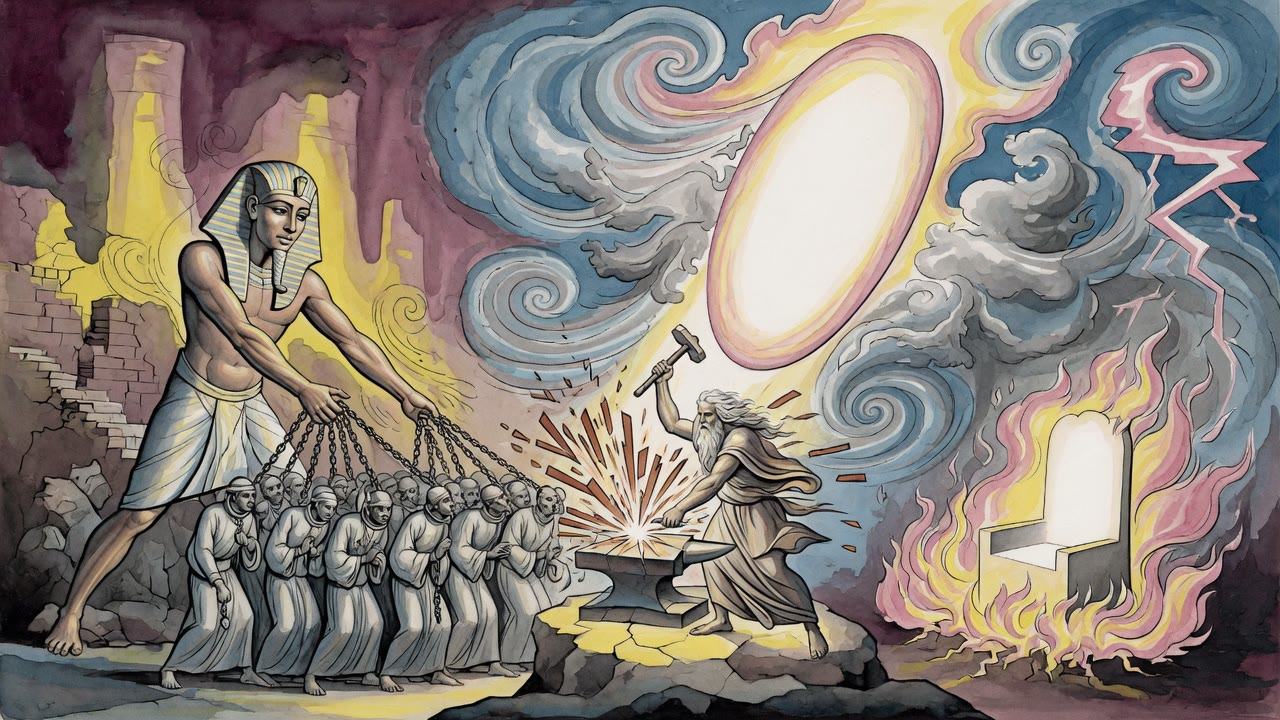
Measure for measure, every line of Pharaoh's mouth was bent back upon him. You said, I do not know the Lord? Tomorrow you will cry out, The Lord is the righteous one, and I and my people are the wicked. You said, I will not let Israel go? Tomorrow you will seize each one by the hand and beg him to leave.

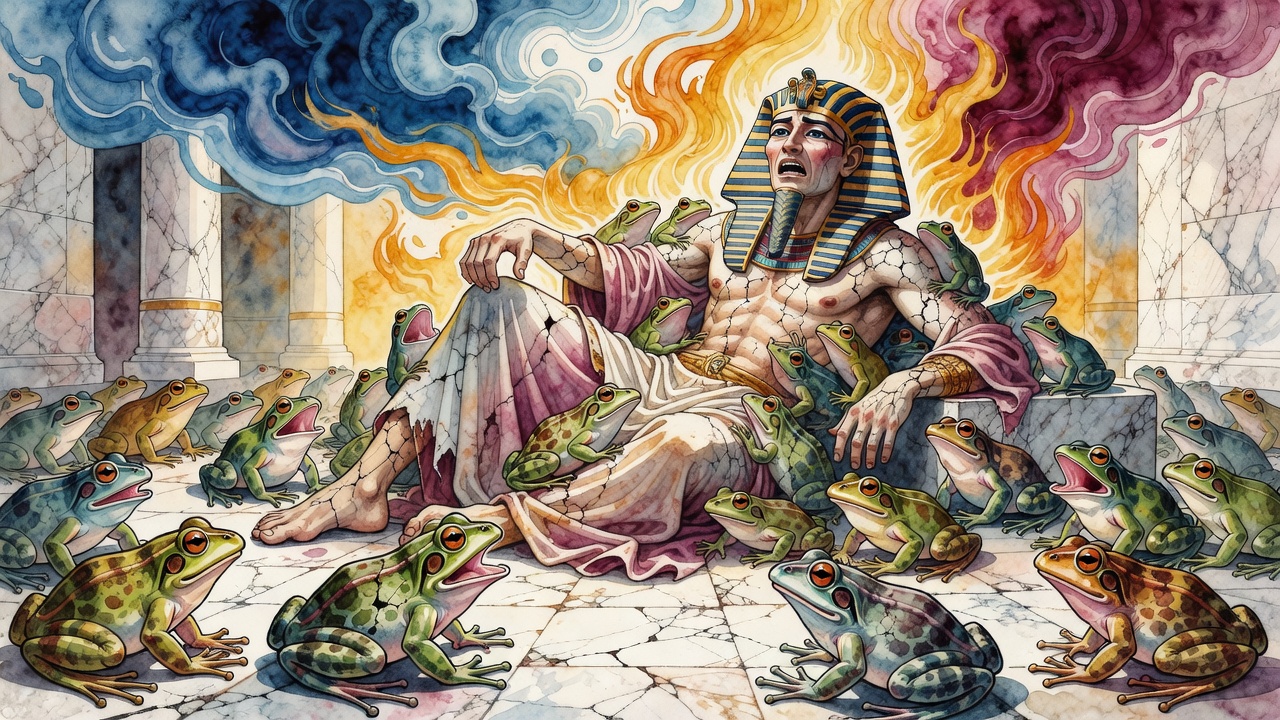
The schemes of Egypt became the schedule of the plagues. They wanted Israel as drawers of their water. Their Niles turned to blood, and they could not drink. They wanted them laden like porters. Frogs came and scorched them. They wanted them digging in the soil. The dust rose up as gnats.

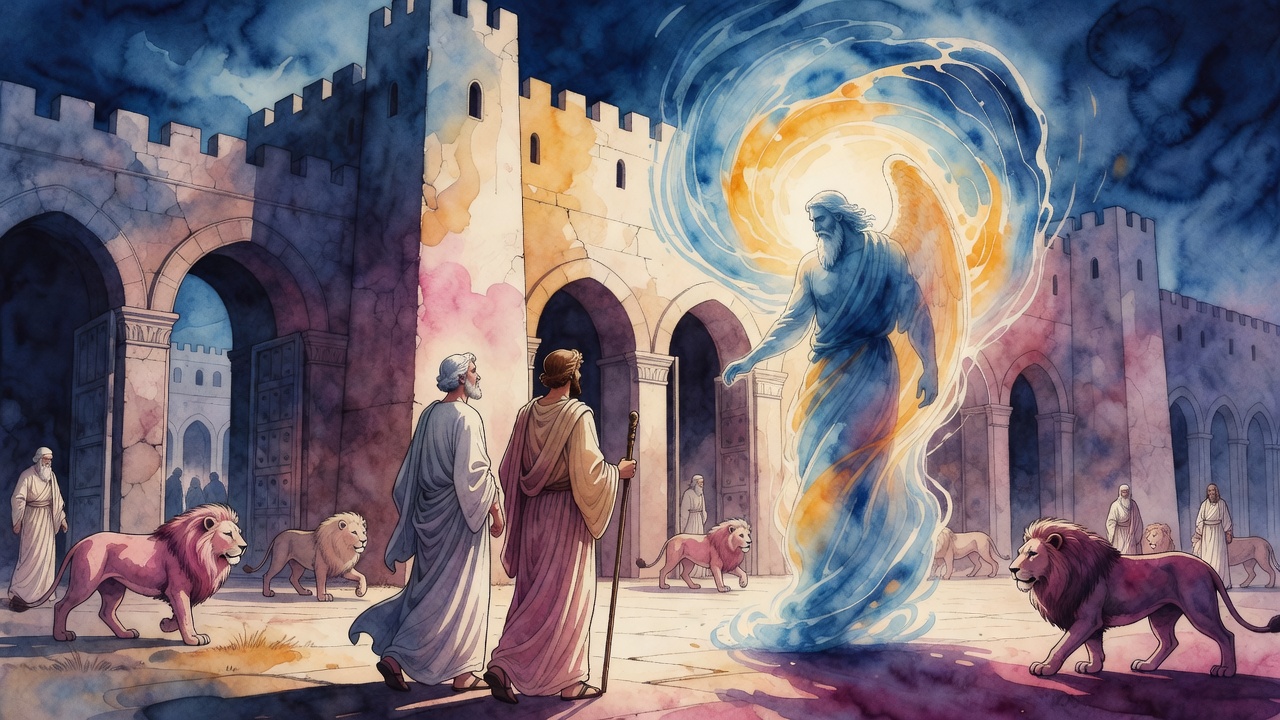
They wanted Israel to walk their children to market like hired tutors. Then lions and wolves, bears and leopards and serpents came among their children. An Egyptian sent out ten sons. The beasts took them one by one, and the Israelite sat the father down and rendered a cold accounting. The lion took one. The wolf took one.

From Pestilence to Darkness

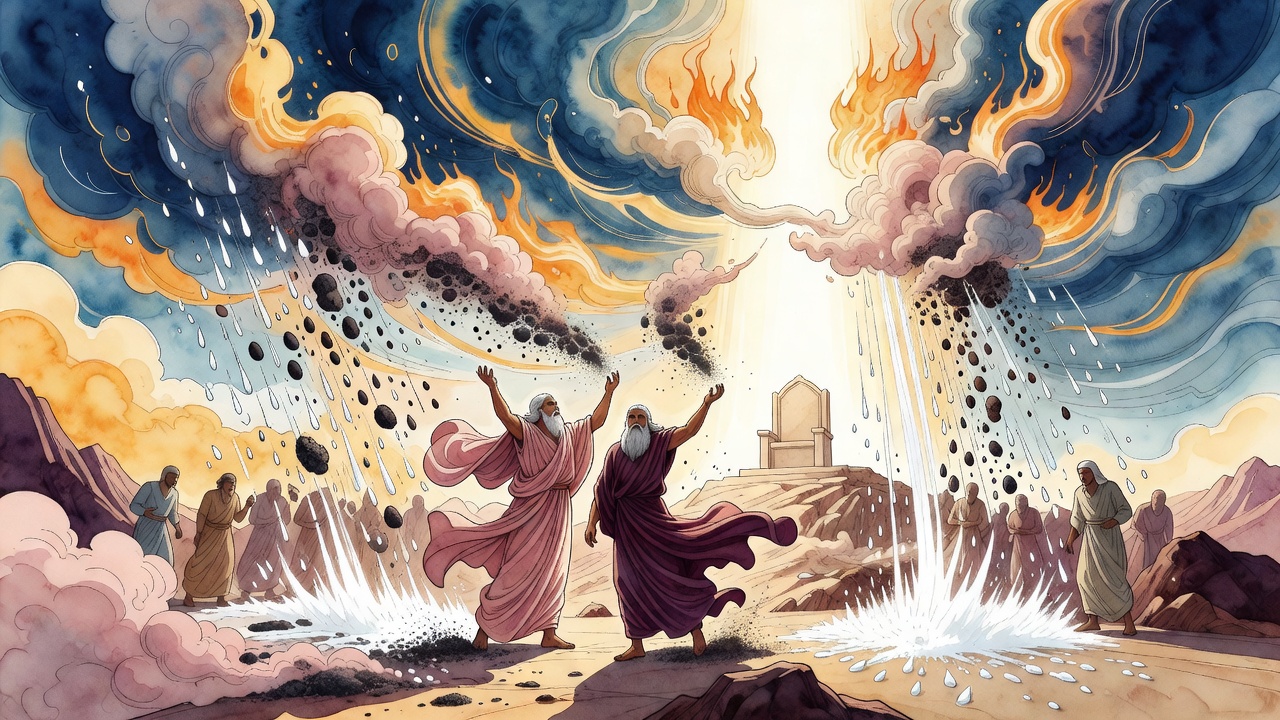
They wanted shepherds for their cattle. Pestilence struck the herds. Bath-attendants to wash them. Boils covered their skin. They wanted to stone Israel. Hail rained from heaven. They wanted vine-dressers. Locusts devoured every tree. They wanted to chain Israel in prison. Darkness chained them where they stood.

They plotted murder. Their firstborn fell. They schemed to drown Israel in the sea, and Pharaoh and his host sank in the Sea of Reeds. The word mi completed its turn into yam under a wall of water.

Each cruelty had answered itself. The court that joked about straw learned the weight of blood. The mouth that asked who found the answer in salt and depth and silence after the last chariot.

The Rod and the Proverb

Return to the first laugh. Egypt was full of sorcerers. Aaron's rod was supposed to be one more trick in a crowded market. Heaven had already scripted the demand for a wonder so that the mockery would land in public, where the later plagues could answer it in public.

The proverb about straw and gold was meant to humiliate the shepherds from Midian. It becomes, in the telling, Pharaoh's confession of abundance without wisdom. A land rich in magic and poor in hearing. A throne that cannot be impressed until the sea itself is the impress.

Wise stills the fool in the end. The stilling is not a clever retort. It is blood, frogs, darkness, and a path of dry ground that closes like a mouth over the host.

At the Sea the Letters Finish

Pharaoh lets the people go with a hand that once refused. The sea waits. The letters of his first sneer reverse in the air above the water. Who becomes the sea. The question becomes the grave.

Israel walks between walls that remember every plot. Egypt rides in after them with the old confidence of chariots. The water that once threatened Hebrew boys becomes the measure that fits Egyptian ambition exactly.

No extra cruelty is invented for the climax. The climax is the scheme they wrote for someone else, returned with interest. The Lord repays. The grammar of mi and yam is the receipt. The boast that began as a single interrogative ends as a nation under water, and the rod that first drew laughter has long since finished its quieter work.


← All myths

From the tradition

Sources

3 sources

The texts behind this telling. Some cards carry a translation of the source; others are our own retelling of it, and each card says which. Every card links out to the original.

Midrash Tanchuma Buber, Vaera 3:1Midrash Tanchuma Buber, Vaera

Translation of the source text.Midrash Tanchuma (Buber), Public Domain, on Sefaria · CC-BY-SA

Another interpretation: "Who is the LORD?" (Exodus 5:2). The Holy One, blessed be He, said to him: You said "Who?" (mi). By your life, by mi you shall be stricken, for mi read backward is yam (sea); at the sea you shall know who I am. Because you said, "I do not know the LORD" (ibid.), by your life, tomorrow you shall say, "The LORD is the righteous one, and I and my people are the wicked" (Exodus 9:27). You said, "and moreover I will not let Israel go" (Exodus 5:2); by your life, tomorrow you shall take hold of the hand of each and every one to send him away. Therefore it is said, "[And it came to pass, when Pharaoh let the people go]" (Exodus 13:17).

Full source
Midrash Tanchuma Buber, Bo 5:1Midrash Tanchuma Buber, Bo

Translation of the source text.Midrash Tanchuma (Buber), Public Domain, on Sefaria · CC-BY-SA

Whatever the Egyptians devised against Israel, the Holy One, blessed be He, brought upon them that which they had devised for them. They devised that they should be drawers of their water. What is written? "He turned their Niles into blood, so that they could not drink of their streams" (Psalms 78:44). They devised concerning them that they should be laden as porters (Greek: pragmateutes, traveling traders). He sent frogs upon them, and they were scorching them. They devised that they should labor upon the land. The Holy One, blessed be He, made the earth swarm with gnats. They devised that they should carry their children like a tutor (paidagogos). He sent among them lions and wolves and bears. An Egyptian would have ten sons; he would tell an Israelite to lead them to the market, and the lion would come and take one, and the wolf one, and the bear one, and the leopard one, and a fiery serpent one. And he would come back to the Egyptian alone. The Egyptian would say, "Where are my sons?" The Israelite would say to him, "Sit down and I will render you an accounting." He took the lion one, and so on and so forth, until he had given him the accounting. They devised that they should shepherd their cattle, and He sent among them the pestilence, as it is said, "And all the cattle of Egypt died" (Exodus 9:6). They devised that they should be their bath attendants who washed them; He brought upon them the boils. They devised to stone them with stones; the Holy One, blessed be He, brought upon them the hail, as it is said, "And there was hail" (Exodus 9:23). They devised that they should be their vine-dressers; the Holy One, blessed be He, brought the locust and it ate their trees, as it is said, "And it ate all the herbage of the land" (Exodus 10:15). They devised to bind them in the prison-house; the Holy One, blessed be He, brought upon them darkness, as it is said, "They saw not one another" (Exodus 10:23). They devised to kill them; the Holy One, blessed be He, killed their firstborn, as it is said, "And the Lord smote all the firstborn" (Exodus 12:29). They devised to sink them in the water; the Holy One, blessed be He, also sank them in the water, as it is said, "And He overthrew Pharaoh and his host in the Sea of Reeds" (Psalms 136:15).

Full source
Midrash Tanchuma Buber, Vaera 12:1Midrash Tanchuma Buber, Vaera

Translation of the source text.Midrash Tanchuma (Buber), Public Domain, on Sefaria · CC-BY-SA

Another interpretation of (Exodus 7:9) "When Pharaoh speaks unto you, ": This is what Scripture says (Proverbs 29:11), "A fool vents all his spirit, but a wise man stills it in the end." One who is a knave or a fool comes to quarrel with his fellow and brings out all the words that he has; but since the other is wise, in the end he dismisses him.

Another interpretation of "A fool vents all his spirit": Who is this? This is Pharaoh. When Moses and Aaron went to him, the Holy One, blessed be He, said to them: Before you go to him, I am telling you what he is going to do and what he will ask of you. (Exodus 7:9) "When Pharaoh speaks unto you", only be careful. (Ibid.) "And you shall say unto Aaron: Take your rod ." When they went to Pharaoh, he said: Produce a wonder for yourselves. Immediately (Exodus 7:10) "And Aaron cast down his rod." At that moment Pharaoh laughed at them. He said to them: Moses and Aaron, what do you suppose, that you have come to mock me? But I am not afraid of these things. All of Egypt is full of sorceries. There are those who bring straw to Afarayim, and fine gold to Rekem.

Full source