Pinhas Still Hewed Stone After the Crown
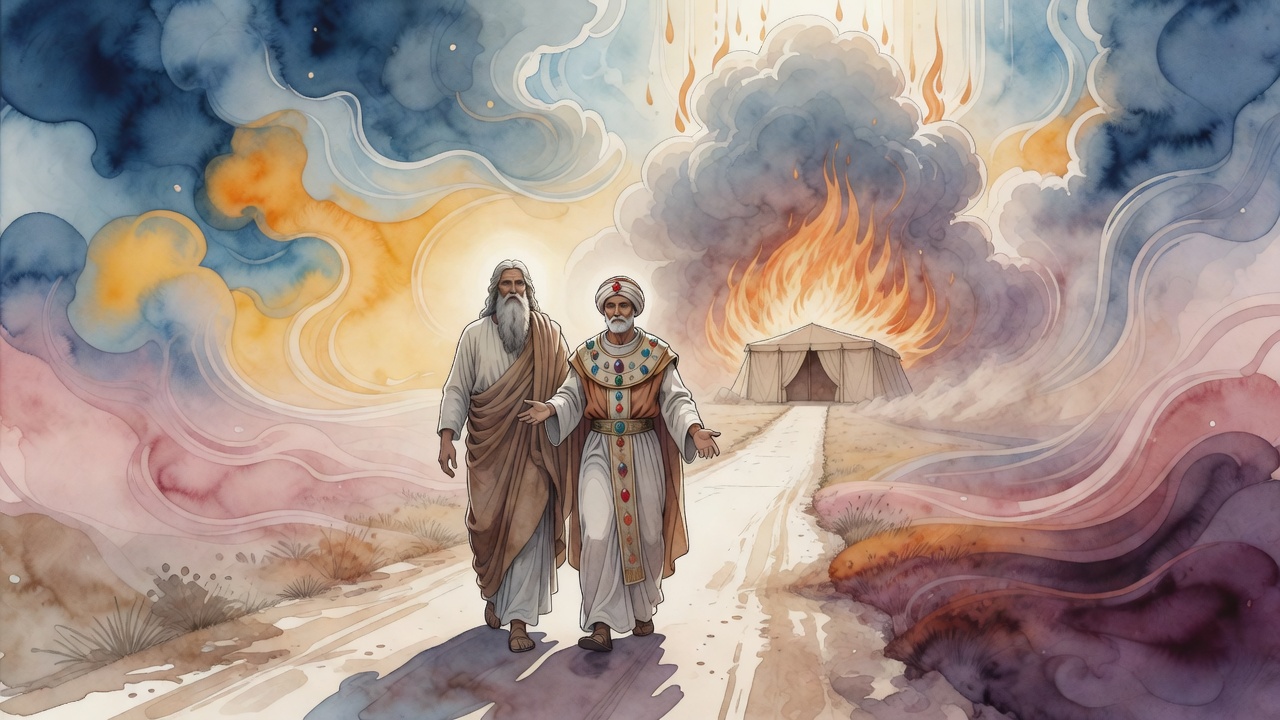
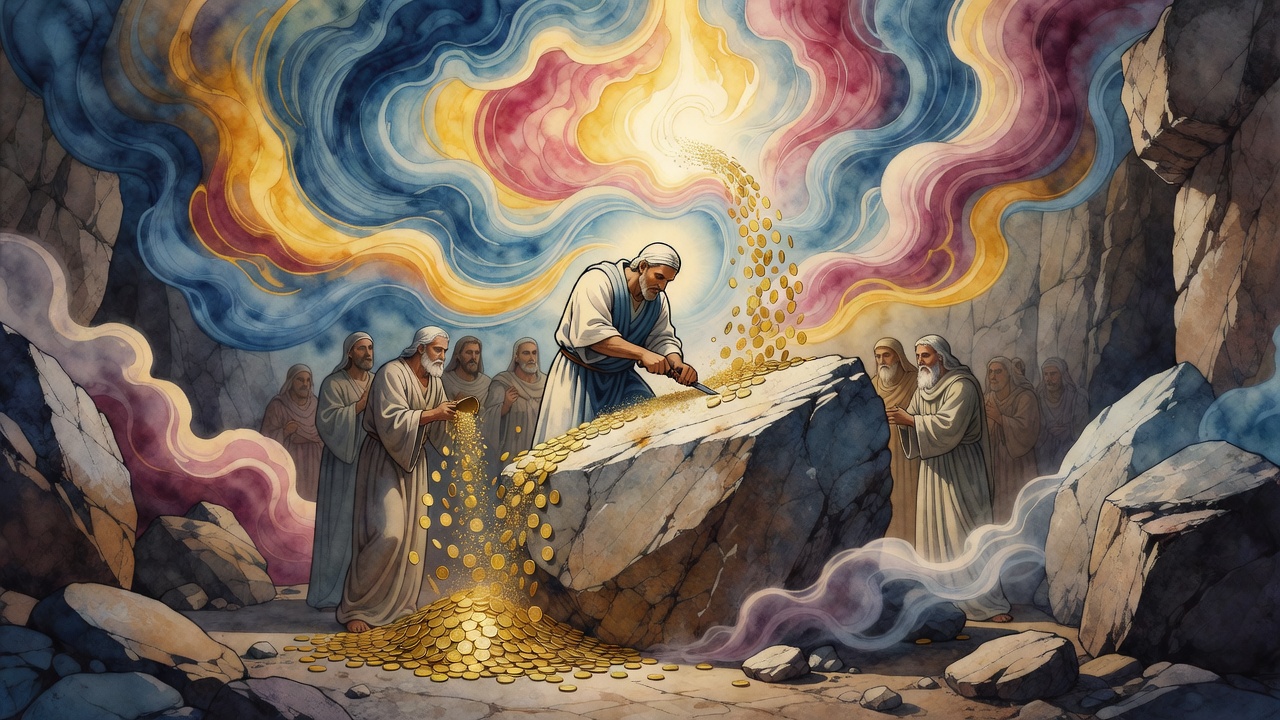
The new High Priest was still in the quarry at noon. His brothers did not argue. They poured gold over the rock until the chisel had nowhere to bite.
Table of Contents
Pinhas raised the mallet again. The word had already made him High Priest. Stone dust whitened his forearms. The chisel bit the same line it had bitten yesterday.
 Click for full size
Men in linen stood at the rim of the quarry and watched. Their new Kohen Gadol (High Priest) was still earning a living with his back. He did not look up. The stroke was bread. The breastplate was a name someone had put on him while the hammer was in the air.
Gold Until the Rock Disappeared
A priest climbed down. Then another. They did not wait for a speech about dignity. They filled the pit with gold dinars until the rock under his tool disappeared under coin. The mallet hit metal and rang wrong.
Pinhas stopped.
"The priest who is greater than his brethren," one of them said, and he said it like a rule, not a compliment (Leviticus 21:10). Greater through his brethren. If the man who takes the breastplate is poor, the house of priests must lift him. Leadership that starves becomes a scandal of the community that allowed it.
Gold under the sole is a strange floor. Pinhas climbed out because there was nothing left to cut. The chisel cooled in his hand. He would be great through his brothers, not only over them.
Aaron Lifted Them Like Sheaves
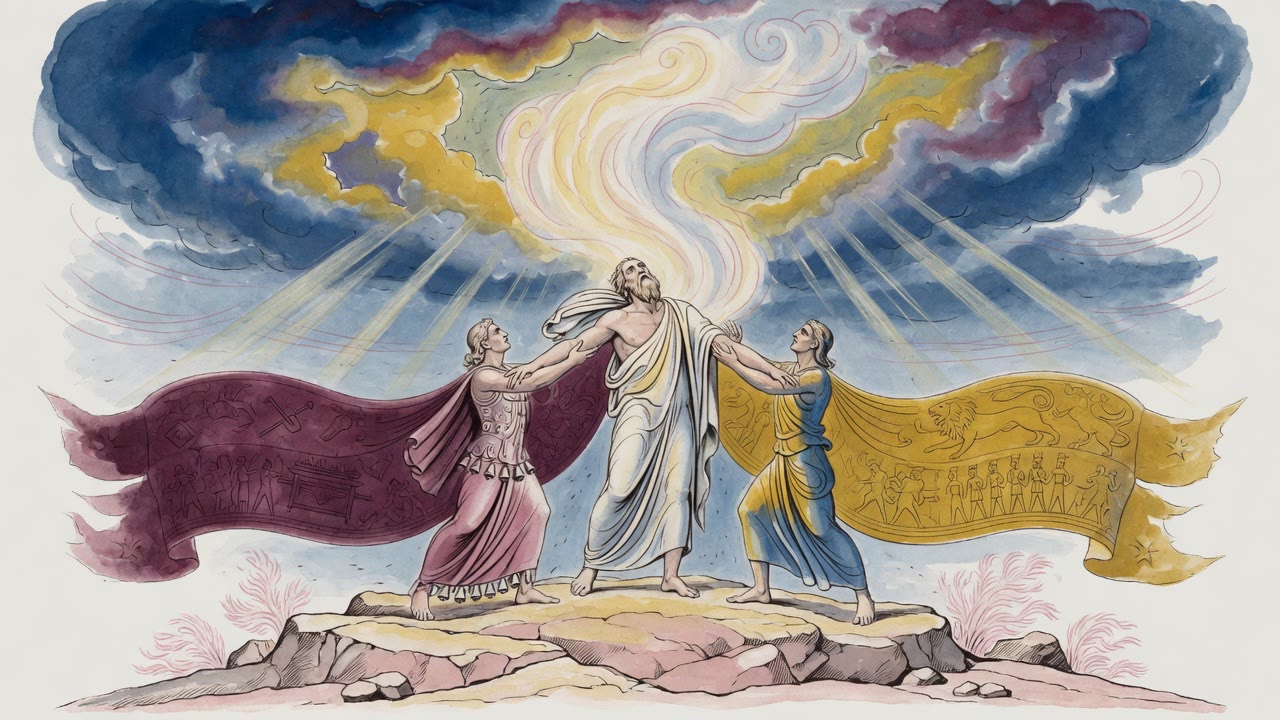
The men who poured the gold had a body in mind. Years before, Aaron had stood in the court at the consecration of the Levites and waved twenty-two thousand of them in a single day (Numbers 8:5-22). Not a count on a scroll. A lift.
He took a man by the arms and raised him, lowered him, swung him to and fro as if each Levite were a sheaf and the air itself were the altar. Then the next man. Then the next. Shoulders burned. Wrists locked and unlocked. The sun moved. The count did not pause for rest.
Strength here is not a metaphor for charisma. It is muscle under linen, a High Priest whose greatness includes what his arms can finish before sundown. Pinhas in the quarry and Aaron in the court answered the same demand. The office sits on a body that must be able to carry it, and the people must not leave that body alone under the load.
The Oil That Changed the Room
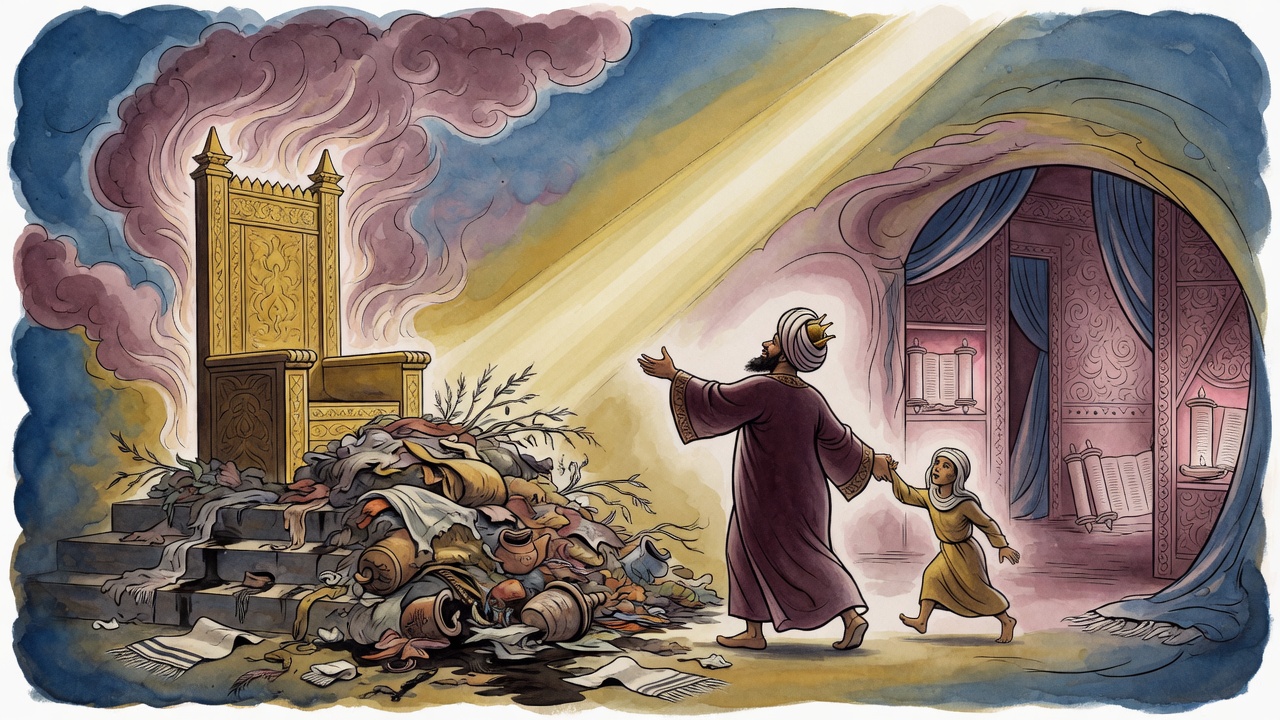
Saul looked at young David and said he could not fight the Philistine, for he was only a youth (I Samuel 17:33). David answered with a lion and a bear already dead behind him. Saul dressed him in royal gear. The gear hung wrong. David stripped it off and went with what his hands knew.
Saul stood taller than the people from the shoulders up (I Samuel 9:2). Even a short man who becomes king grows outstanding among his brethren once the anointing oil finds him. David later sang that his flesh rests secure because of that oil (Psalms 16:9). Height here is not only bone. It is what the call does to how a man fills a room.
The High Priest and the king share that pressure. Office changes the body the people see. The community that anoints must also fund, feed, and stand behind the one it lifts, or the oil becomes a joke over a hungry man still cutting stone.
Lamps Set Against Another Fire
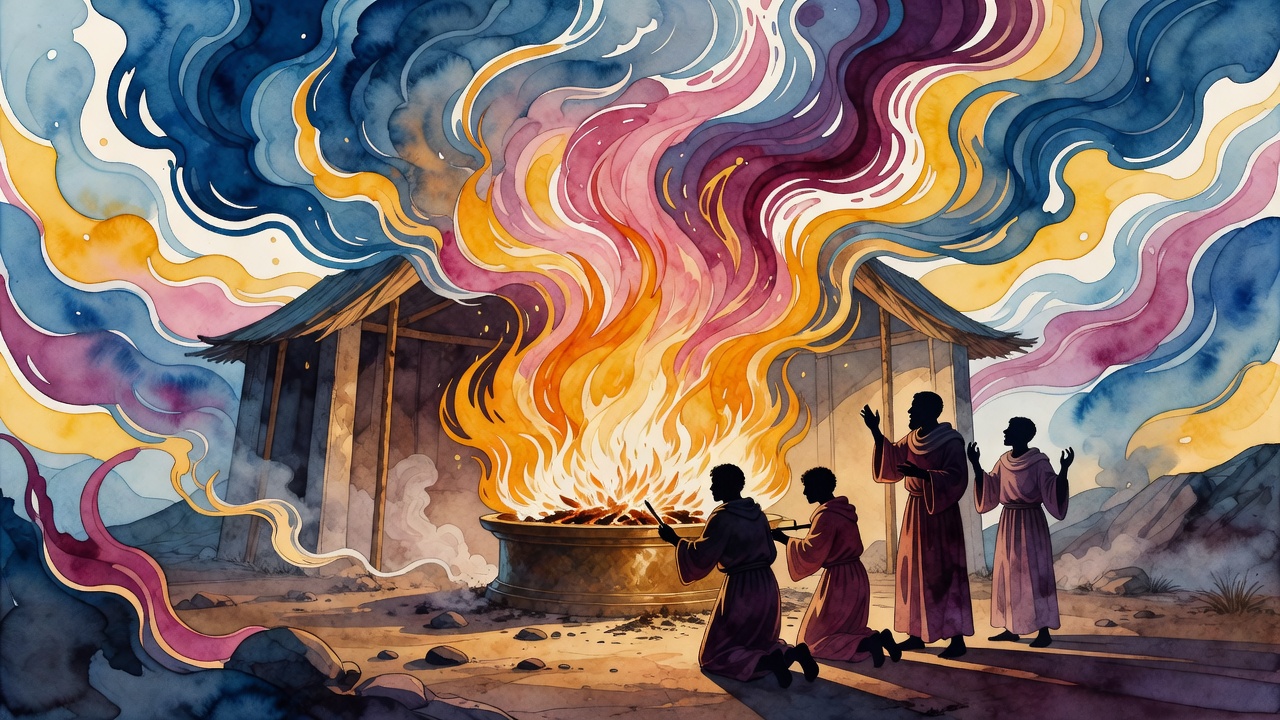
In the Mishkan, the portable sanctuary Israel carried through the wilderness, Aaron's hands returned to a quieter greatness. He arranged the lamps as the verse commands, setting each light in its place (Leviticus 24:3). Oil on the fingers. Smoke from the wicks. The menorah (the lampstand) held.
Another fire was already arranged, an inferno set from of old (Isaiah 30:33). Gehinnom (the place of punishment after death) has its own order. Because Aaron ordered light, Israel is promised deliverance from that other arrangement. Continual kindling merits greeting the lamp of the messianic king. "I have prepared a lamp for My anointed one" (Psalms 132:17). The priest's nightly work becomes a long fuse toward David's horn.
No one fills a quarry with gold for a man who only polishes words. Aaron's fingers smelled of oil. That labor is the same greatness the office demands: beauty and wealth for dignity, strength for the wave, and fidelity at the lamps for a people who will need both rescue from fire and a lamp in the age to come.
The Chisel and the Breastplate
Pinhas set the mallet down when the dinars made further cutting impossible. He climbed out of his own trade into an office his brothers had paid for in public. The breastplate would sit on a chest that still remembered the quarry's rhythm.
Aaron's lamps kept their order. David's oil kept its claim on flesh and height. A High Priest who is not made great through his brethren fails the verse. A people that leaves its priest hewing stone after the crown has already cracked the sanctuary from the outside.
Somewhere the last coin settles against rock. The chisel cools. The lamps are set for another night.
← All myths