Parshat Vayeshev5 min read

Potiphar Jailed Joseph While Knowing He Was Clean

Ten years in prison, one for each brother Joseph had once carried reports about to Jacob. In the dark a letter of the divine Name was added to his: Jehoseph.

Curated by Arthur · Told by Maggid ·
Table of Contents
  1. Ten Years for Ten Tongues
  2. From Dust to the Deputy's Horse
  3. The Oath That Meant He Might Break It
  4. Innocence Known, Justice Delayed, Power Returned

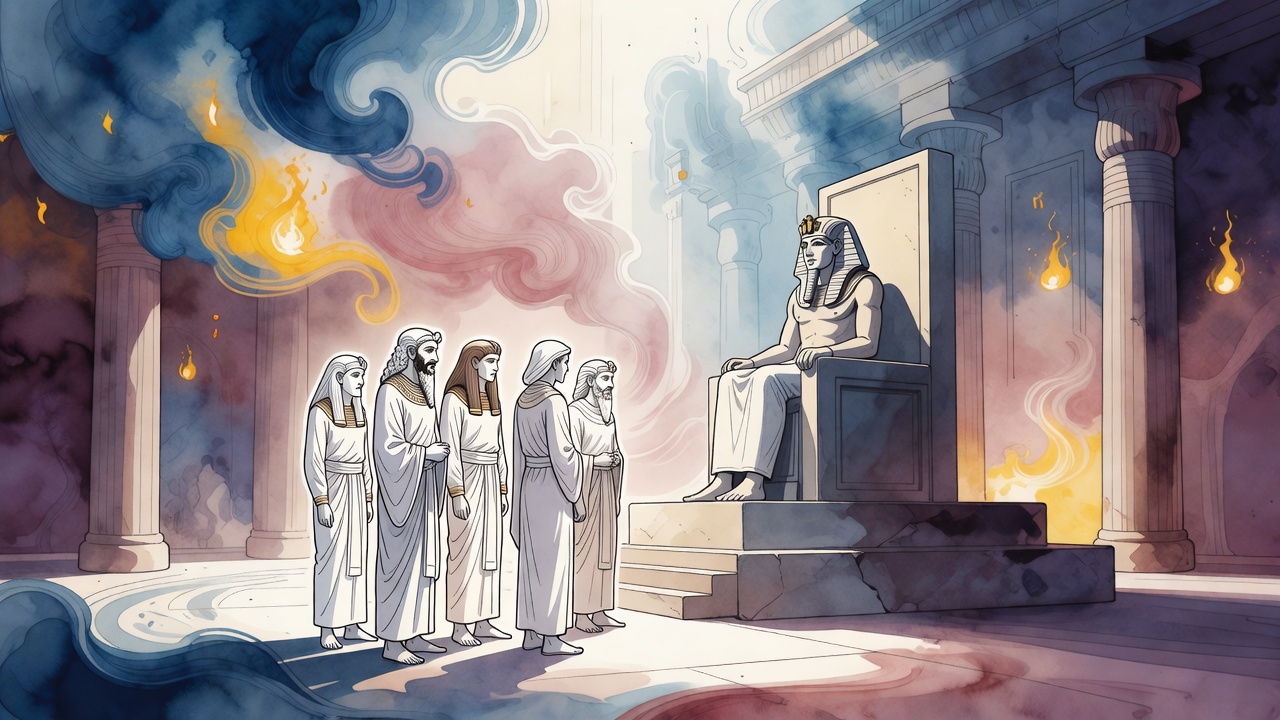
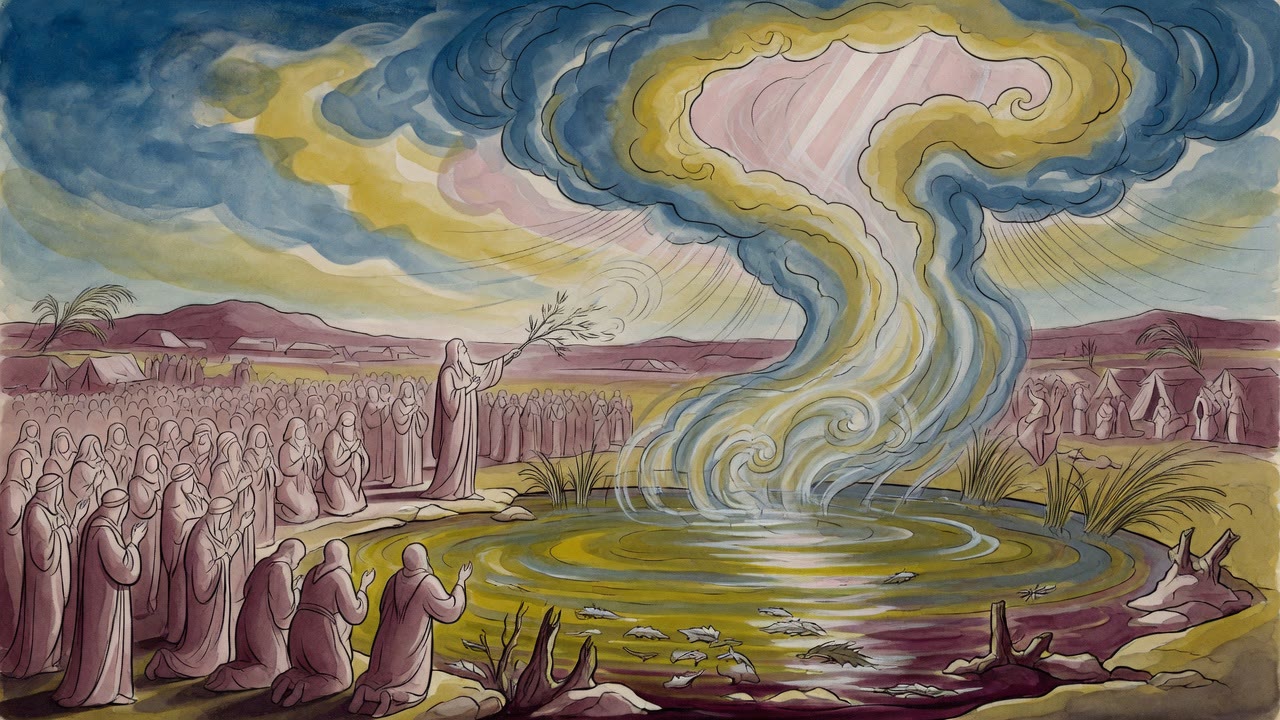
Potiphar looked at Joseph and did not believe the charge. He said so with a hard mouth. "I know that thou art not guilty of so vile a crime, but I must put thee in durance, lest a taint cling to my children." Innocence was conceded. Prison still closed. Reputation for the household outweighed justice for the slave.
Potiphar Jailed Joseph While Knowing He Was Clean Click for full size

Joseph went down into the pit of the state with a private knowledge that the master who signed the order knew the truth. That knowledge did not open the door. It only sharpened the iron. The woman had spoken. The house required a body to carry the shame away from the bloodline.

Ten Years for Ten Tongues

The legends refuse to call the sentence random. Joseph had once spoken ill of his ten brothers to Jacob. Measure for measure answered him. Ten years of confinement for ten tongues. The man who had carried reports now lived under a false report. Middah keneged middah does not always wait for a court. It waits for a shape that fits.

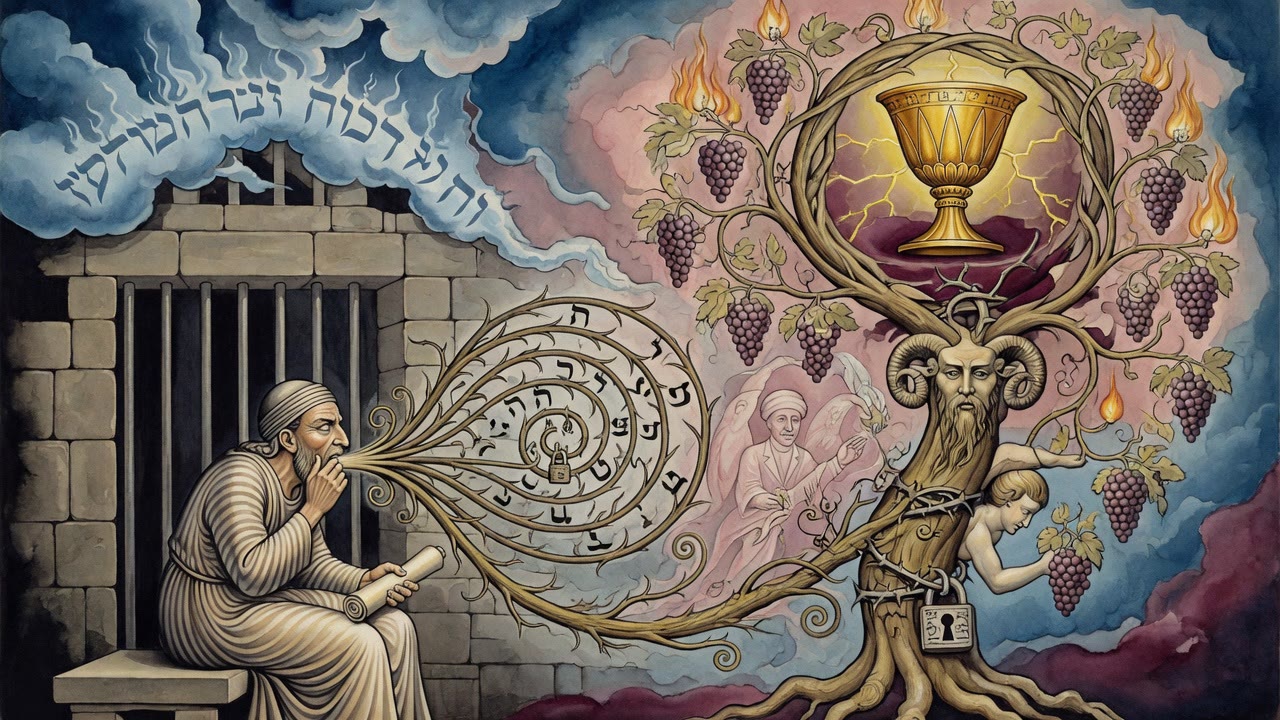
While he was punished for the old speech, he was also marked for the virtue of the present hour. He had sanctified the Name before the world by chastity and steadfastness. As reward, the letter heh from the divine Name was added to his name, twice, so that Joseph became Jehoseph. Even in the dark the Name left a stamp on the prisoner.

From Dust to the Deputy's Horse

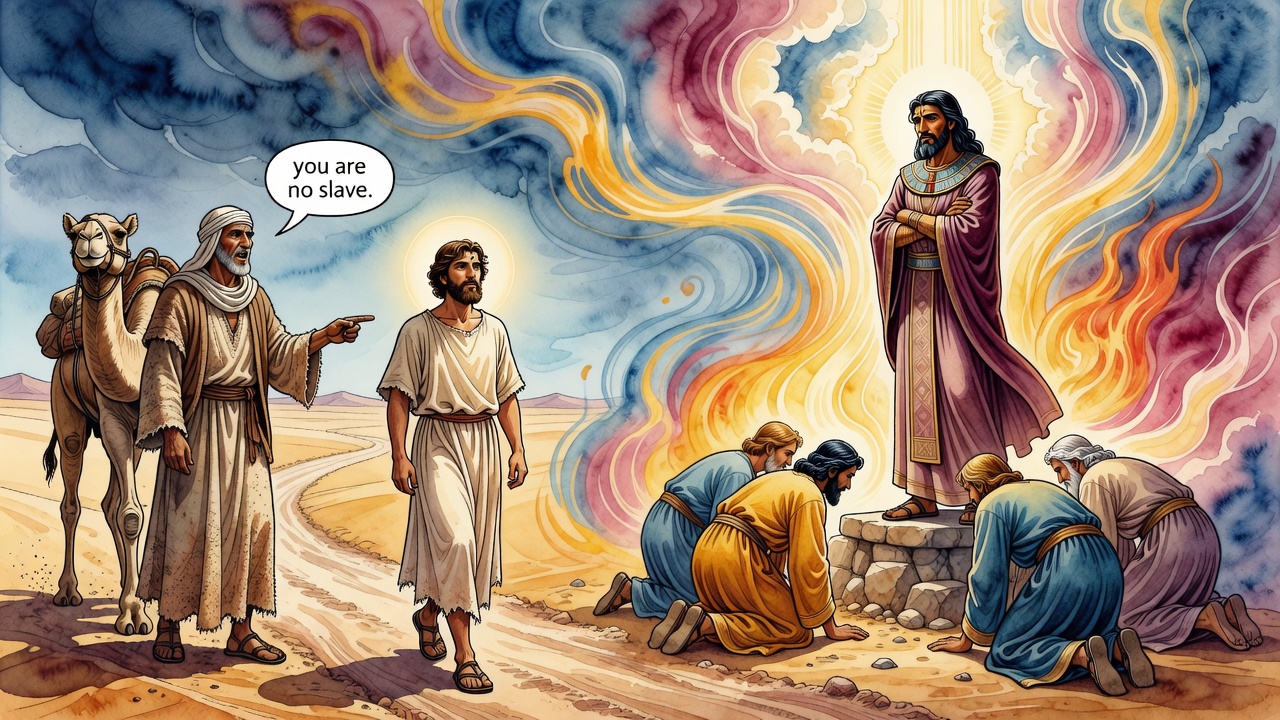
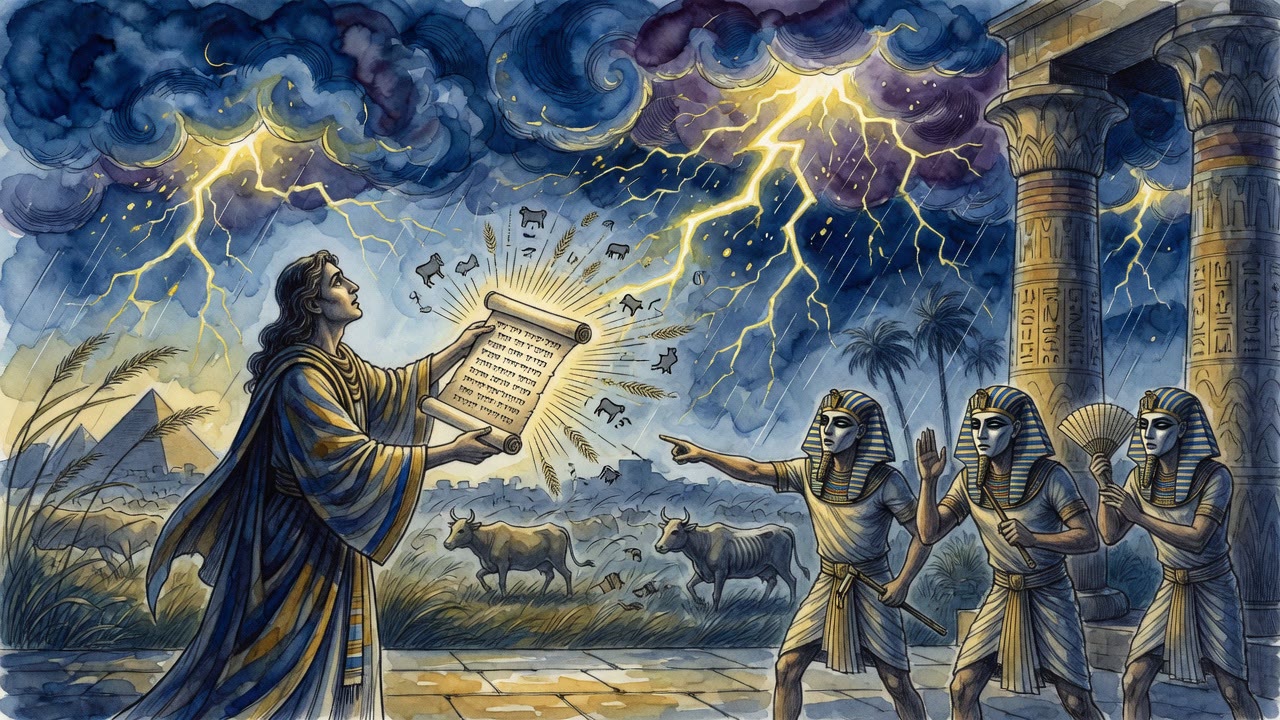
When the dreams of Pharaoh broke open and Joseph read seven fat years and seven lean, the king set him second in the land. The people fell down and cried, "Long live the king, and long live the deputy of the king!" Joseph looked up and answered with the psalm of the lifted poor. "The Lord raiseth up the poor out of the dust." The slave of Potiphar's house rode as the hand of Egypt.

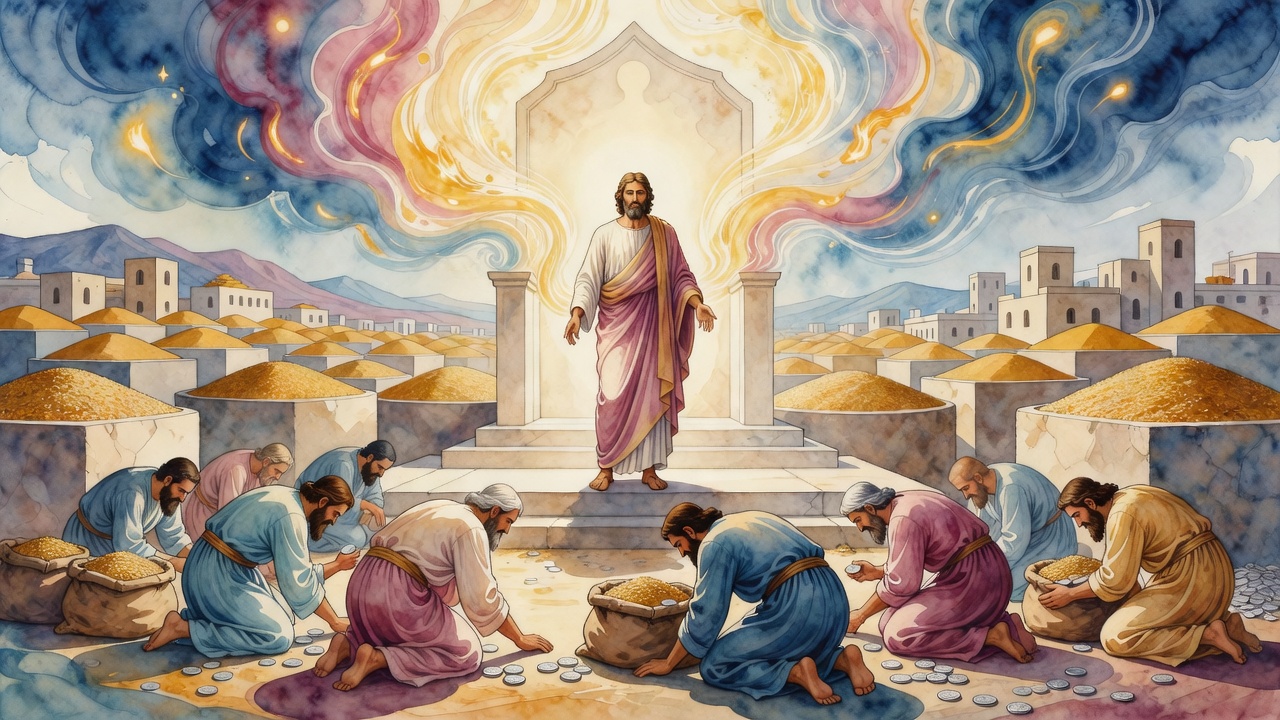
Pharaoh poured gifts on him, fields and vineyards, thousands of talents of silver and gold, onyx and bdellium. He ordered every Egyptian to bring a gift under pain of death. A platform rose in the street. Gold and stones piled while a palace three years in the building waited with a throne that mapped the Nile. Wisdom was added as the wealth was added, so that honor would have a mind equal to its seat.

The Oath That Meant He Might Break It

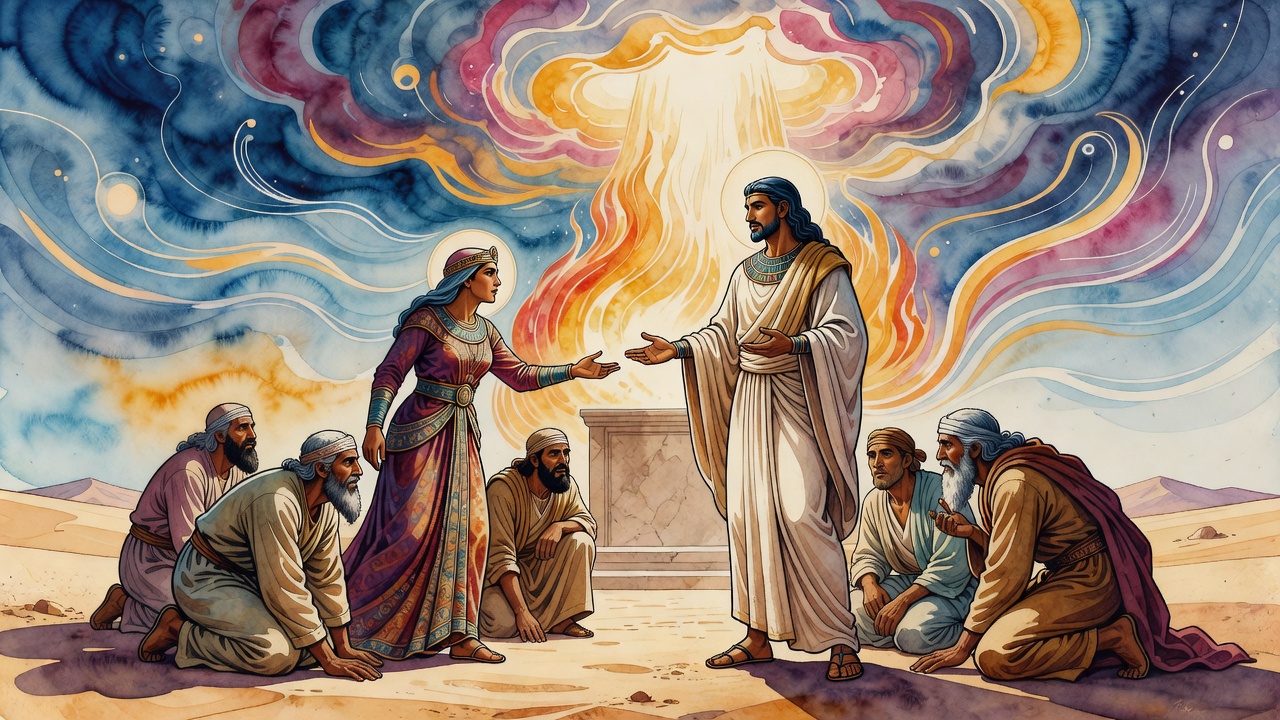
When the brothers came, Joseph played a longer game. He called them spies and swore "by the life of Pharaoh" in the way the legends mark as his private signal that he might later reverse the word. The oath sounded royal. Under it ran a refusal to chain himself to cruelty. He asked whether they would ransom a brother sold as a slave if the price ran high. The question was a mirror held to an old pit in Dothan.

He was not only testing loyalty. He was measuring whether the men who had sold him could still recognize a brother's weight in silver and in blood. The palace that had lifted him from prison became a courtroom where the past had to speak without knowing the judge's true face.

Innocence Known, Justice Delayed, Power Returned

Potiphar's confession and Pharaoh's elevation sit in one life. A master who believed him and still jailed him. A king who believed the dream and raised him. Between them the Name's letter and the ten-year count. Joseph learned that truth can be privately admitted and publicly denied, and that Heaven may still write a heh on a man the world locks away.

When he finally pressed his brothers, the boy who had once talked too much had become a man who could hold silence like a weapon and speech like a scalpel. The prison had not been wasted. It had trained the deputy who would feed nations and still remember a father's house.

The taint Potiphar feared for his children never matched the stain Joseph refused to take onto his own body. Chastity cost him years. It also bought the doubled letter and the horse behind Pharaoh. The house of the captain of the guard kept its name. The prisoner kept the Name. History remembers which of those choices fed the world when the lean years came.

In the prison Joseph interpreted dreams for men who still had Pharaoh's ear. The skill that would save Egypt first saved cupbearers and bakers, then was forgotten by the living until Pharaoh's own night broke open. Delay piled on injustice. The letter heh on his name did not shorten the calendar. It only marked him while he waited.

When the brothers bowed, the dreams of the sheaves came due without them knowing. Joseph's harsh voice was not simple cruelty. It was a craftsman testing whether the metal of the family had changed. The question about ransoming a slave-brother forced them to price a life they had once sold. Silver in Egypt answered silver in Dothan, and the deputy watched their faces for a crack of truth.

Potiphar's private verdict, "not guilty," and Pharaoh's public verdict, "second only to me," bookend the same integrity. One man buried it for the sake of children and rumor. One man crowned it for the sake of grain and empire. Joseph carried both verdicts in his body, the scar of the first and the seal of the second, when he finally chose how much of himself to show the men who had thrown him away.


← All myths
From the tradition

Sources

3 sources

The texts behind this telling. Some cards carry a translation of the source; others are our own retelling of it, and each card says which. Every card links out to the original.

Legends of the Jews 1:136Legends of the Jews

Retold in our words. Read the original at the link below.The Legends of the Jews by Louis Ginzberg (1909) · Public Domain

The familiar story is this: Joseph and his technicolor dreamcoat, his jealous brothers, the trip to Egypt. Accused of something he didn't do by Potiphar's wife, Joseph ends up in prison. But here's a fascinating detail: Potiphar himself, according to the Legends of the Jews, wasn't entirely convinced of Joseph's guilt.

That. Potiphar, a powerful Egyptian official, knows in his heart that Joseph is innocent. So why the prison sentence? Well, he tells Joseph directly, "I know that thou art not guilty of so vile a crime, but I must put thee in durance, lest a taint cling to my children." He’s thinking of his family's reputation, you see. It's a political move, a way to protect his own.

The text goes on to say that Joseph's suffering wasn't random. According to the Legends of the Jews, this imprisonment was actually a consequence for something Joseph himself had done earlier: badmouthing his ten brothers to their father, Jacob. Ten years he had to wait! It's a classic example of middah k'neged middah (מידה כנגד מידה), the principle of measure for measure, where the punishment fits the crime. Joseph slandered his brothers, and then he was slandered in turn.

The story doesn't end there, of course. The same source also tells us that while Joseph was being punished for his past misdeeds, he was also being rewarded for his virtue. How so? Because he had "sanctified the Name of God before the world by his chastity and his steadfastness."

And here's where it gets really interesting. As a reward, a letter of God's name, the letter He (ה), was added to Joseph's name, twice! He was no longer just Joseph, but Jehoseph. The Hebrew letter He (ה) is significant because it's found twice in the most holy and ineffable name of God. As Ginzberg retells it in Legends of the Jews, this addition represents divine favor, a sign that even in the depths of despair, Joseph was recognized for his unwavering faith and integrity.

So, what do we take away from all of this? Joseph's story, even in this small detail, reminds us that life is rarely simple. We face consequences for our actions, both good and bad. We might find ourselves in unfair situations, victims of circumstance or the choices of others. But even in those dark times, our integrity, our emunah (אמונה, faith), can be a source of strength and even, perhaps, lead to unexpected blessings.

Full source
Legends of the Jews 1:179Legends of the Jews

Retold in our words. Read the original at the link below.The Legends of the Jews by Louis Ginzberg (1909) · Public Domain

It’s a story filled with twists, turns, and a whole lot of divine intervention. It's the story of Joseph.

After Joseph correctly interprets Pharaoh's dreams, foretelling seven years of plenty followed by seven years of famine, the king is astounded. He sees in Joseph not just wisdom, but leadership. And so, in a moment that must have taken everyone's breath away, Pharaoh appoints Joseph as his second-in-command, entrusting him with preparing Egypt for the coming crisis.

The reaction of the people? Immediate and overwhelming. They prostrated themselves, crying out, "Long live the king, and long live the deputy of the king!" Imagine the scene, the dust swirling around Joseph on horseback, the cheers echoing through the city. And Joseph, ever mindful of where his blessings came from, looks heavenward and exclaims, "The Lord raiseth up the poor out of the dust, and lifteth up the needy from the dunghill. O Lord of hosts, blessed is the man that trusteth in Thee." It's a powerful moment of humility and faith, right there for all to witness. (Legends of the Jews)

Joseph, now the de facto ruler, embarks on a tour of Egypt, accompanied by Pharaoh's officers and princes. Upon his return, Pharaoh showers him with gifts: fields, vineyards, a staggering three thousand talents of silver and a thousand talents of gold, plus onyx stones, bdellium (a fragrant resin), and countless other treasures.

But Pharaoh doesn't stop there. He commands every Egyptian to give Joseph a gift, under penalty of death! A platform is erected in the street, and everyone – from the common folk to the grandees – deposits their offerings. Gold, silver, precious stones. the accumulation must have been breathtaking. They saw that Joseph enjoyed the favor of the king, and they wanted to be on his good side.

And it wasn't just material wealth. Joseph received one hundred slaves from Pharaoh to do his bidding, and he acquired many more, residing in a spacious palace that took three years to build. Think of the artistry, the craftsmanship that went into such a project! The hall of state, his audience chamber, was particularly magnificent, and the throne itself was a masterpiece of gold, silver, and precious stones, depicting the entire land of Egypt and the life-giving river Nile. As Joseph multiplied in riches, so he increased in wisdom, for God added to his understanding, ensuring all would love and honor him. (Legends of the Jews)

Pharaoh even gave Joseph a new name: Zaphenath-paneah. But it's more than just a name; it's a title, a description of who Joseph had become. The text actually breaks down each letter, revealing its meaning. According to Ginzberg's retelling in Legends of the Jews, each letter represents a different aspect of Joseph's character and abilities. Zadde stands for Zofeh, seer; Pe for Podeh, redeemer; Nun for Nabi, prophet; Taw for Tomek, supporter; Pe for Poter, interpreter of dreams; Ain for Arum, clever; Nun for Nabon, discreet; and Het for Hakam, wise. It's a powerful evidence of Joseph's many-sided nature.

So, what do we take away from this chapter in Joseph’s story? It's a story about being prepared to receive blessings, but more importantly, being prepared to use them wisely and for the benefit of others. It's a story that resonates across generations, offering hope and inspiration in a world that often feels chaotic and uncertain.

Full source
Legends of the Jews 1:213Legends of the Jews

Retold in our words. Read the original at the link below.The Legends of the Jews by Louis Ginzberg (1909) · Public Domain

The tension, the unspoken words hanging in the air… it’s almost unbearable, isn't it? That's the kind of scene unfolding between Joseph and his brothers in Egypt, a reunion thick with deception and hidden identities.

Joseph, now a powerful figure in Egypt, is testing his brothers. He accuses them of being spies. "You speak deceitful words," he declares, "when you call yourselves sons of Abraham. By the life of Pharaoh, ye are spies, and you did go from one disreputable house to another that none might discover you."

That phrase, "by the life of Pharaoh…" it’s more loaded than it seems. The text hints at a fascinating detail about Joseph’s character. According to Legends of the Jews, this was Joseph's little trick. He only swore "by the life of Pharaoh" when he secretly intended to break his word later. The first reading, it's a common oath, but underneath, it's a sign of Joseph's internal conflict, his struggle with revealing his true identity and forgiving his brothers. He's playing a game, and he's playing it well.

He continues his interrogation, his words like carefully placed stones in a path he’s building. "Let us suppose," he says, "you should discover your brother serving as a slave, and his master should demand a high sum for his ransom, would you pay it?"

Think about the weight of that question. He's not just asking about a hypothetical scenario. He's probing their consciences, forcing them to confront the very act they committed against him so many years ago. Would they ransom a brother now? Have they changed?

This scene isn’t just a plot point; it’s a psychological chess match. It's about power, family, and the long, winding road to reconciliation. Joseph, cloaked in his Egyptian identity, is meticulously unraveling the past, piece by painful piece. He's not just testing his brothers' loyalty; he's testing their very souls. And we, the readers, are left to wonder: will they pass the test? And what will be the ultimate cost of their reunion?

Full source