Joseph Hid His Strongest Brothers From Pharaoh
Only five brothers went in to see Pharaoh. Joseph chose the quiet ones and left the fighters outside, so Egypt could not draft them into its army.
Table of Contents
 Click for full size
Five Before the Throne
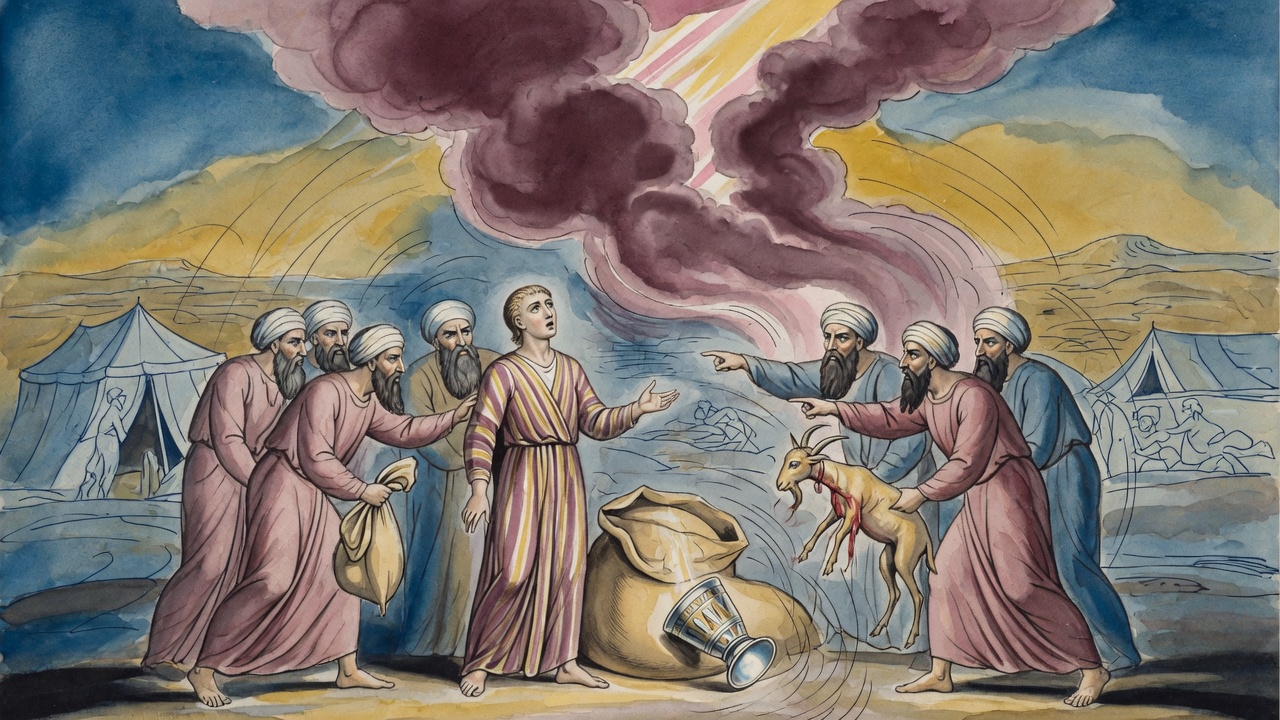
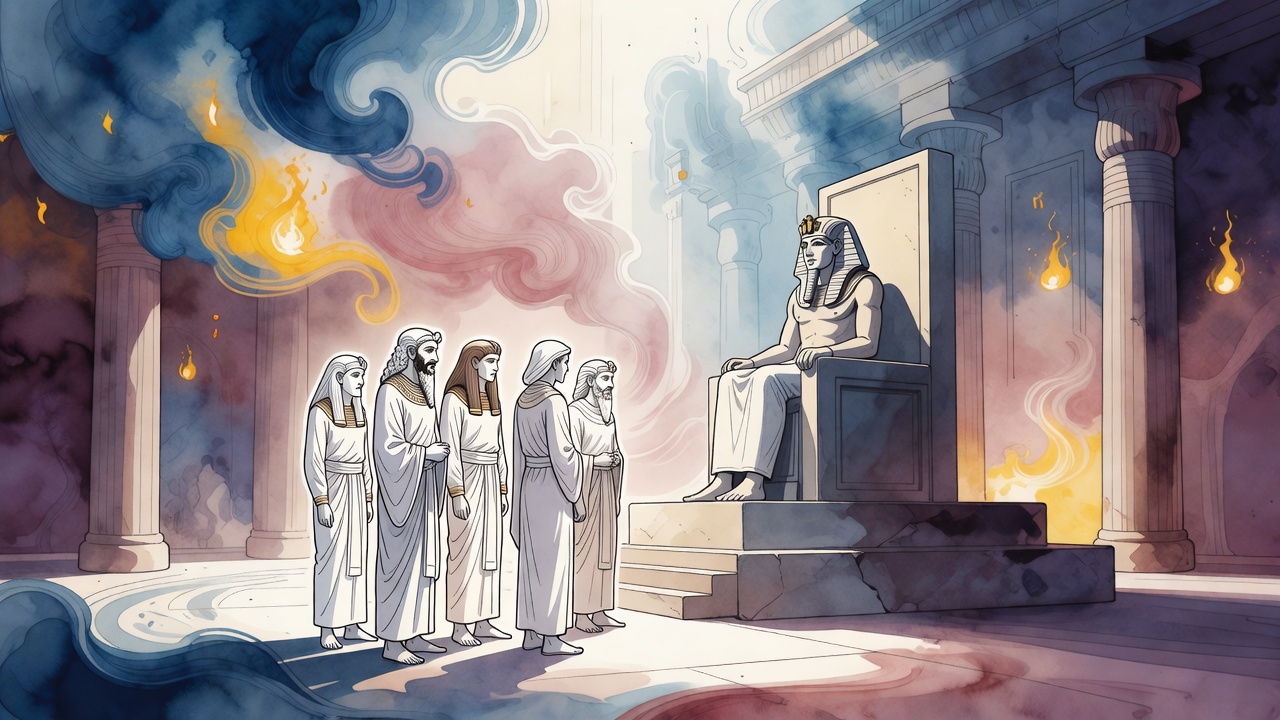
Joseph stopped his brothers at the palace threshold and sorted them with a general's eye and a brother's fear. Before Pharaoh he would present only five (Genesis 47:2). He would not line up the full dozen of Jacob's strength.
He deliberately picked those who would not catch a conqueror's appetite: Reuben, Simeon, Levi, Issachar, and Benjamin. The reasoning was sharp. If he paraded the mightiest brothers before Pharaoh, the king would instantly conscript them into his army, and the family would lose its warriors to Egypt's wars. Better to present those who would not light a draft officer's smile.
How do the sages know which brothers were the strong ones? They read it out of Moses' final blessings in Deuteronomy. Wherever a tribe's name is doubled in the blessing, that tribe was mighty. By that measure the powerful ones stayed back, and the quieter ones stood in the light.
A Viceroy Who Rode Out for His Father
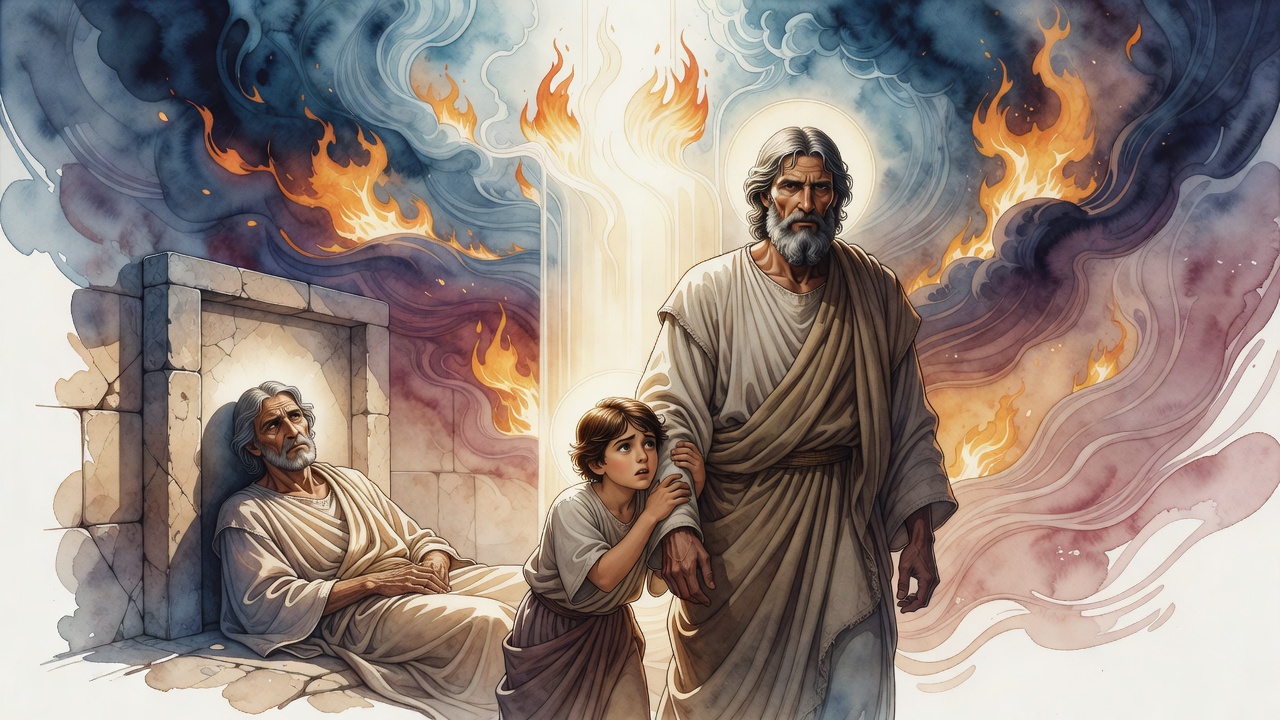
Woven into the court strategy is a softer scene. When Joseph heard his father had reached Egypt's border, he harnessed his own chariot and rode out to meet him. Ordinarily everyone goes out to greet the king, and the king goes out to greet no one. Here the viceroy of Egypt rode out himself.
A person's father holds the standing of a king. Even the second most powerful man in the world bows to honor the one who raised him. Joseph could hide his brothers' muscle from Pharaoh and still refuse to hide his own debt to Jacob.
Gifts That Would Not Tear the House
News raced through Pharaoh's palace: Joseph's brothers had come. When Joseph loaded gifts onto them, he was careful. He had watched his own father's favoritism tear a family apart over the weight of a little extra cloth. Why then did he give Benjamin five garments?
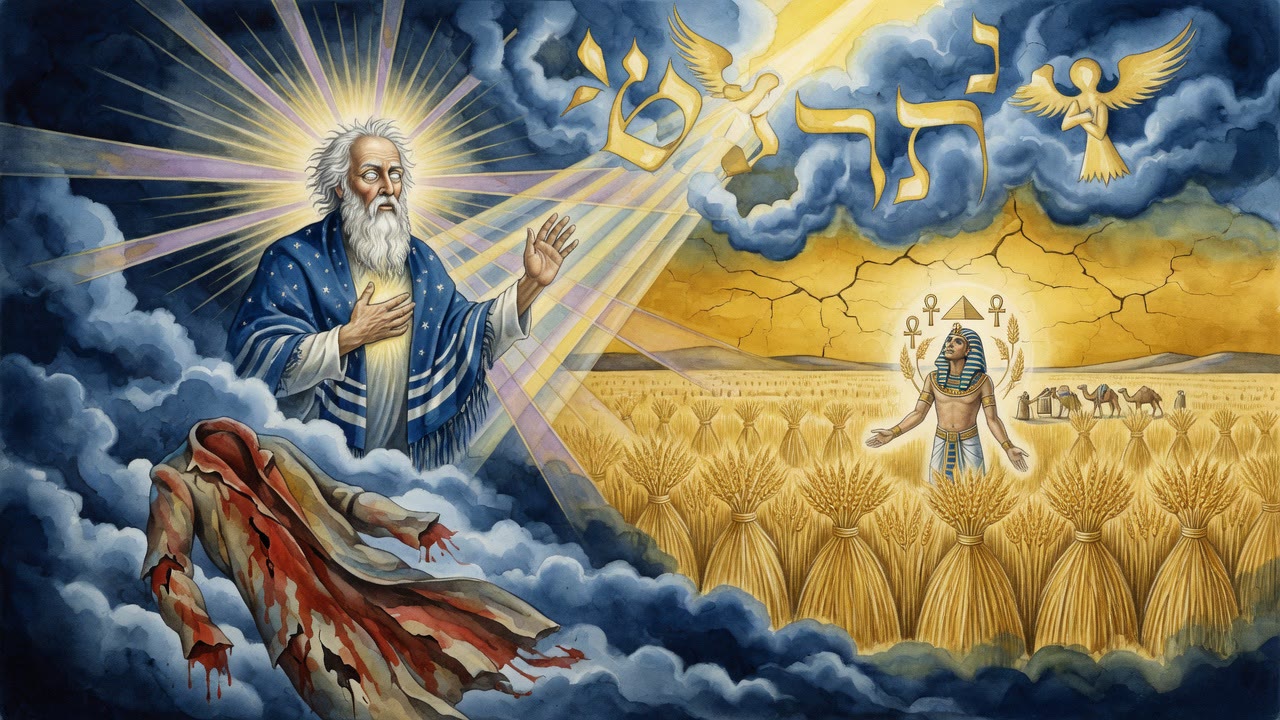
Not to stir old jealousy, but as a coded blessing. A hint that Benjamin's descendant Mordecai would one day walk out of a Persian king's palace robed in five royal garments, the savior of his people in the days of Esther. To aged Jacob, Joseph sent something tender: old wine, the drink that settles the heart of the elderly.
Counsel for the Road
He gave his brothers traveling advice the sages turned into a guide for the road. Do not quarrel. Do not get so lost in legal debate that you lose your footing. Do not take giant strides. Travel only in daylight, leaving and arriving while the sun still says it is good.
When the brothers reached home and announced Joseph was alive, Jacob's heart went numb. He could not believe it. Pharaoh's wagons carried engraved idols, and Judah, true to his line, burned them. Then Jacob remembered the last subject he and Joseph had studied together: the law of the broken-necked heifer, the eglah arufah, a word that sounds like the very wagons, agalot, standing before him.
Strategy and Tenderness
Joseph hid strength from Pharaoh and revealed tenderness to his father. He kept warriors off the muster rolls and still sent five robes as prophecy toward Shushan. The man who once wore a coat that nearly killed him now measured cloth so that cloth would not kill again.
Egypt got five quiet faces at the throne. Israel kept its hidden muscle for another day. The house that had broken over a garment began to mend under a viceroy who remembered every tear.
Pharaoh's eyes moved over the five as a buyer moves over horses. Joseph watched those eyes and felt the old terror of a household emptied for someone else's use. He had been taken once. He would not offer the family's best arms as tribute dressed up as honor. Leave the doubled-name tribes out of sight. Let the quieter brothers absorb the royal glance.
At the border, when Jacob approached, the same Joseph who edited a lineup for Pharaoh refused to edit his own duty. He harnessed the chariot himself. Dust rose. Officials stared. A viceroy does not ride out for common men. Joseph rode out because a father is not a common man, not even when the son wears Egypt's second ring.
On the road home the brothers carried Benjamin's five garments like a riddle and Jacob's wine like a kindness that understood age. Do not quarrel, Joseph had said. Do not take giant strides. Travel in the light. The advice was small enough to obey and large enough to keep them alive until the wagons of recognition stood in Canaan and an old man heard, in the creak of wheels, the last law he had studied with a boy who was not dead.
← All myths