Parshat Miketz4 min read

Joseph Stored Egypt While His Brothers Bowed

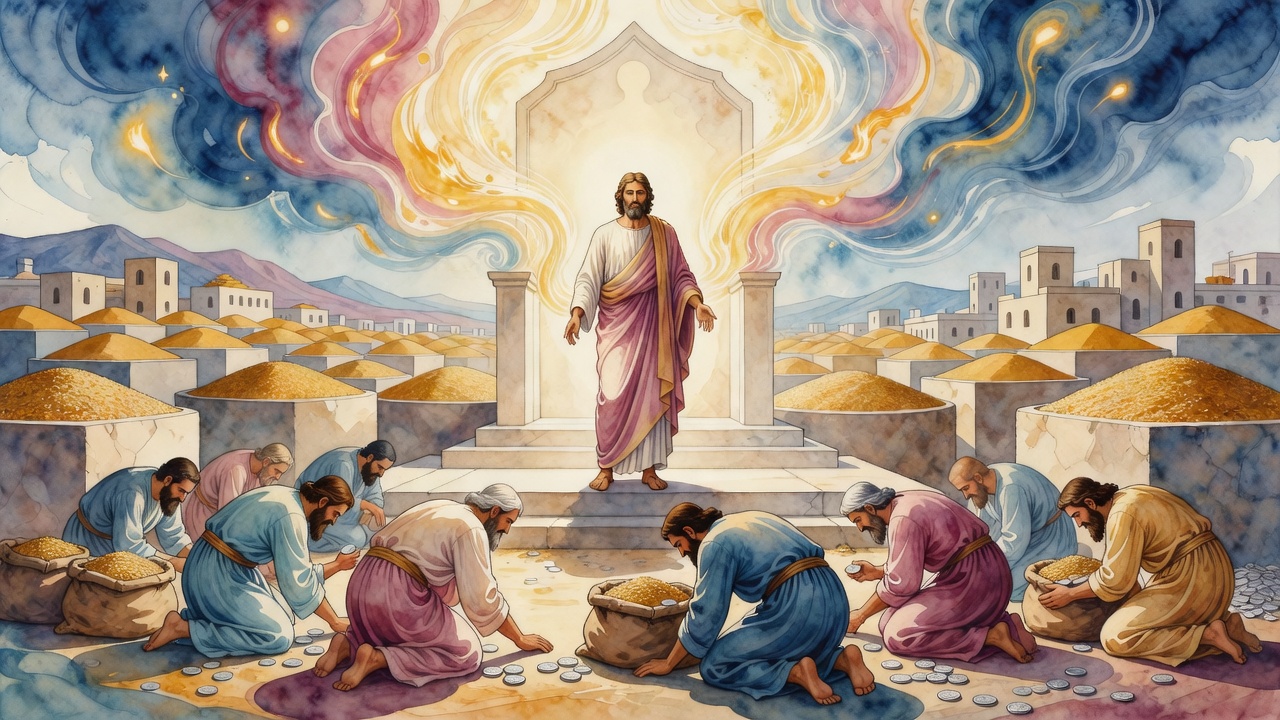
In the fat years some mocked the warehouses. In the famine they lined up. Jacob's sons went home with grain and found their silver back in every sack.

Curated by Arthur · Told by Maggid ·
Table of Contents
  1. Before the Pit, the House Still Held Him
  2. Overseers in Every City
  3. Silver in the Sacks
  4. The Bow That Finished the Dream
Joseph Stored Egypt While His Brothers Bowed Click for full size

Before the Pit, the House Still Held Him

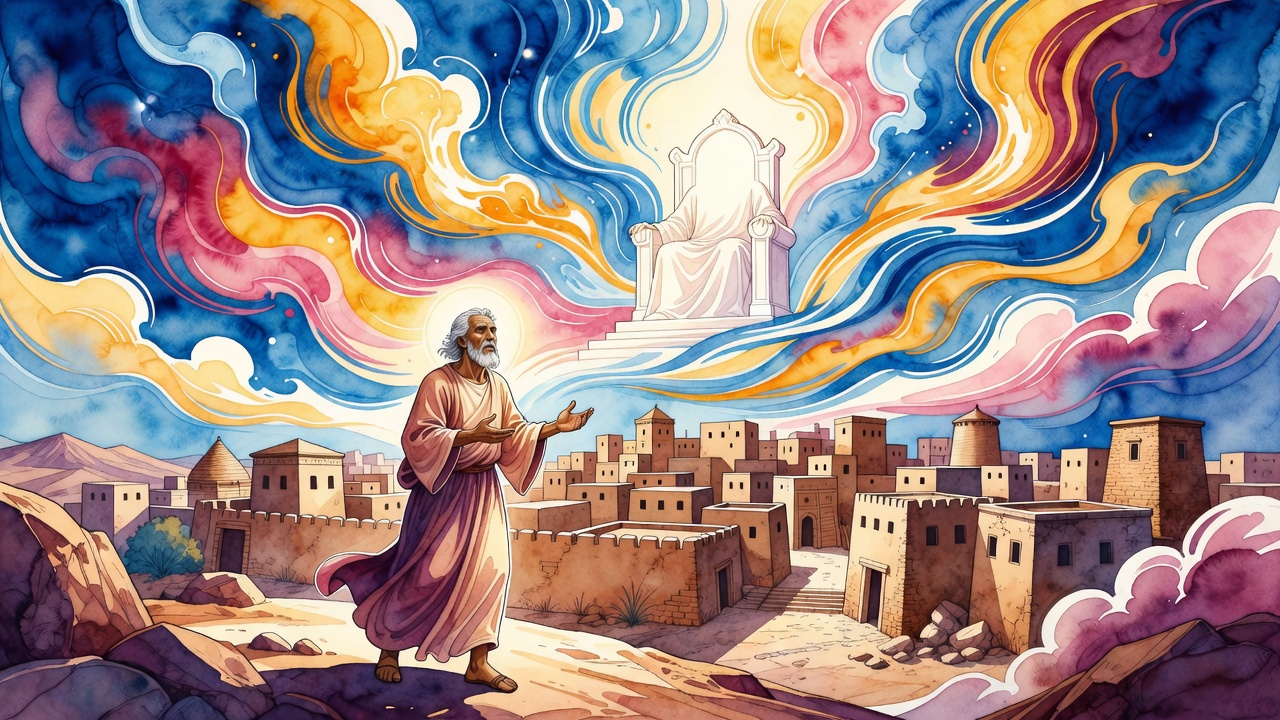
Jubilees fills years before the sale with muscle and danger. Jacob fought while tending flocks. Joseph grew beautiful, brilliant, dangerously loved. Favoritism is spark near dry straw.

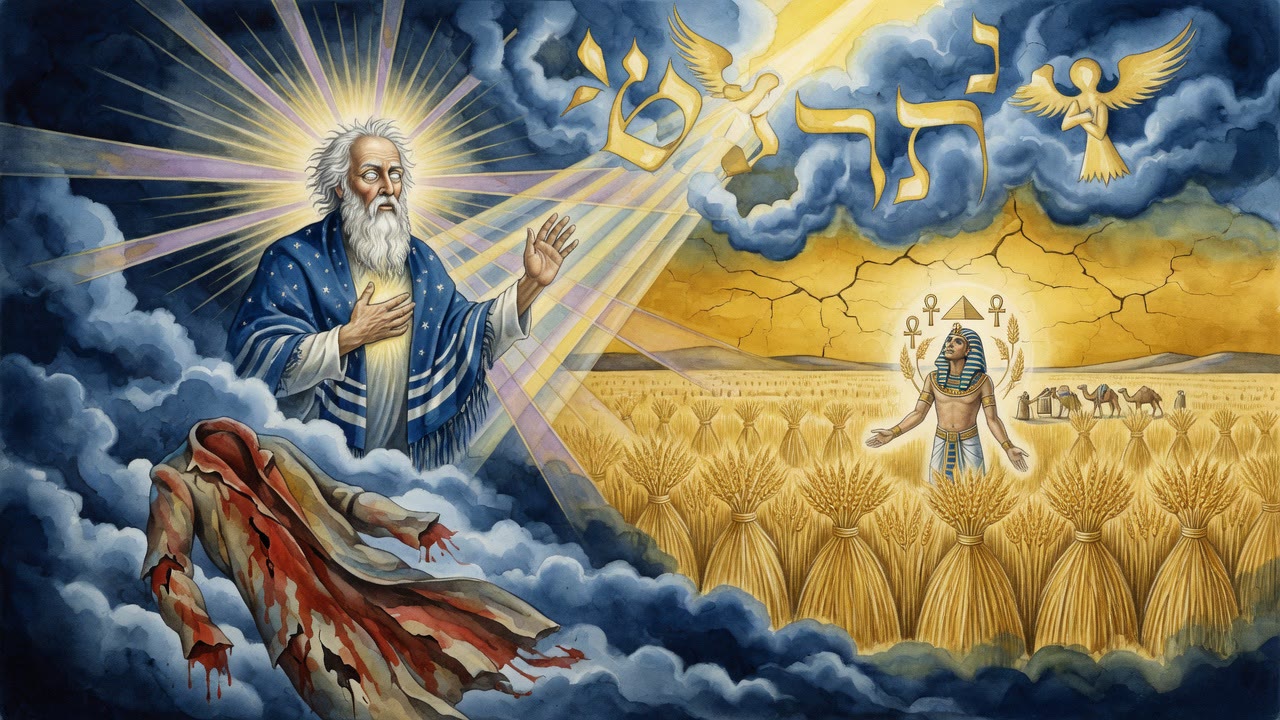
Dreams of sheaves and stars fanned hate. Sold, lowered, raised, forgotten, remembered, Joseph met Pharaoh's dreams with a prison resume. Plenty and famine stood like two animals. He named them and offered a plan.

Overseers in Every City

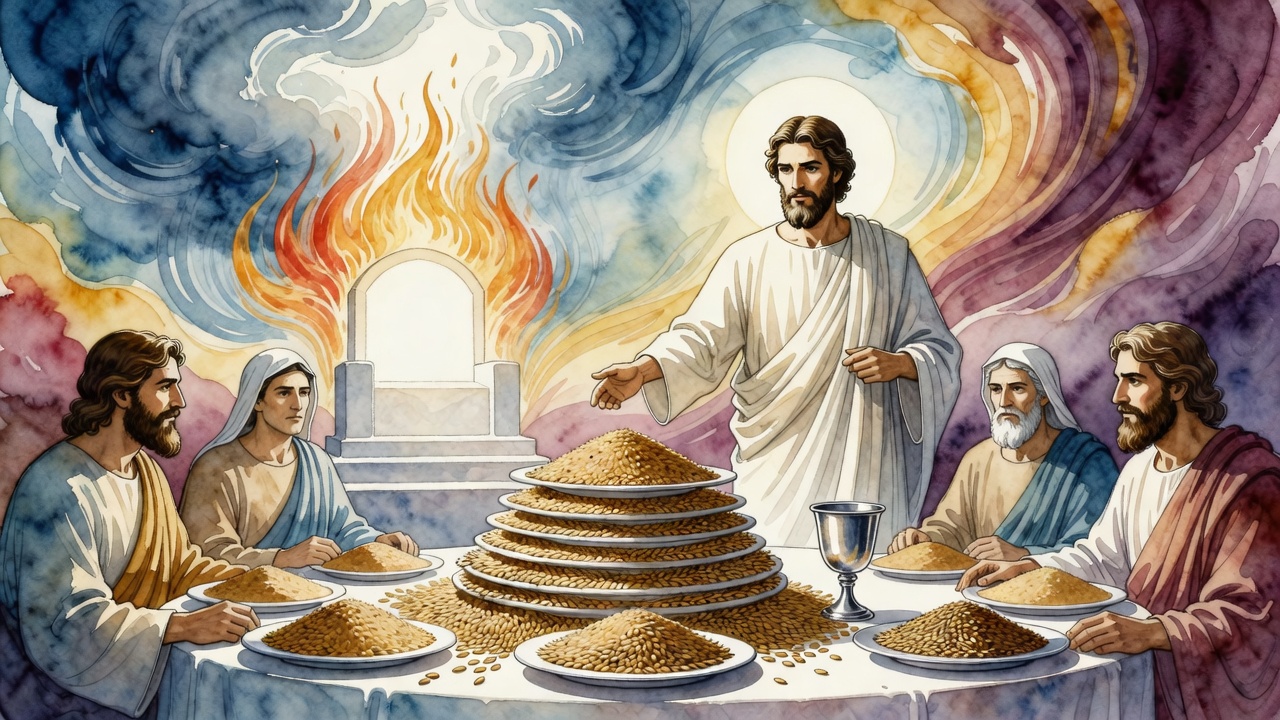
Appoint overseers. Store food in every city through plenty. Then the land will not perish in seven hard years. Granaries rose. Cities became stomachs. Egypt became a warehouse with a Hebrew key.

In plenty some mocked warehouses. In famine they lined up. Joseph saved life and concentrated power. A sold brother became the throat through which the world swallowed bread. Canaan's sons bowed for grain without knowing the sheaf-dream wore a ring.

Silver in the Sacks

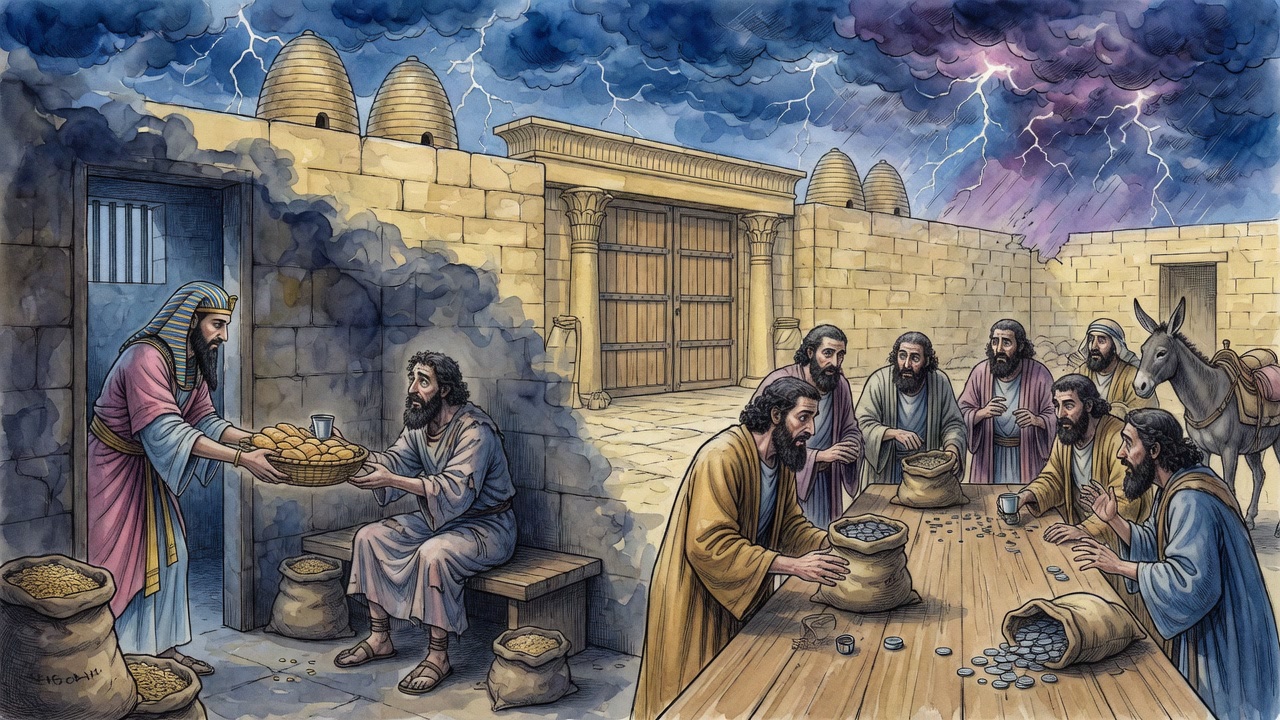
They returned with grain and terror. Money was back in every sack. Jacob feared to send Benjamin. Hunger outlasted fear. They went again with double money and Judah's pledge.

Joseph's eyes found Benjamin. Love and justice turned behind an Egyptian face. Supply chains and dread. A man who saved nations still made brothers sweat for confession. Jacob tore at losses. Joseph is not. Simeon held. Benjamin wanted.

The Bow That Finished the Dream

When recognition broke, bowing was years deep. Egypt lived because a sold son stored grain. Jacob's house lived because that son could still weep.

Joseph wept private, then fed them. Hide tears. Open the store. He would coach shepherd speech for Goshen. He did not invent famine or hate. He outlasted hate until it bought bread from his hand. Egypt was prison and pantry. Fat and lean years counted like lambs.

Hands that knew work found more work without being asked. A name was repeated until it became a decision. Night stacked itself against the hills and waited. They moved because standing still had already failed. Bread was broken with less ceremony than hunger preferred.

Fear walked at the edge of the company like a stray that would not be fed or driven off. Orders passed down the line and came back altered by hope. The sky did not comment. It only changed color. A rope frayed and was knotted again with more care than pride. Between one ridge and the next, a private prayer finished itself.

Old anger sat down beside new purpose and neither spoke first. The day thinned toward evening as if worn by use. Stone underfoot was honest. Flesh was more complicated. A promise made years earlier arrived on time and demanded payment. They counted their company and pretended the number was enough.

Wind turned a corner of a cloak into a flag for no nation. The last light caught on metal and made it look like a sign. Quiet returned in pieces, not all at once. A hand found another hand and did not let go until the path widened. Memory supplied what the eyes could not yet see.

Cattle lowed in the dark as if answering a name. No one claimed the whole story. Everyone claimed a piece. Even the animals seemed to listen for a signal. Footsteps multiplied until they became a single sound. Water, when found, was rationed like silver.

In the storehouses the grain settled with small sounds like rain that never wet the ground. Joseph walked the rows and counted the years left in each pile. Outside, nations thinned. Inside, a Hebrew mind held the calendar of fat and lean as tightly as he once held a father's coat of many colors.

When the brothers bowed, the old dream finished its long errand. Not as adolescent bragging. As logistics. Sheaves bow because they need bread. Joseph hid tears from Egypt and opened doors for Canaan. That is how providence looked in Jubilees' telling. A ring. A warehouse. A family forced to eat from the hand it once sold.

Jacob would come down later and bless Egypt with a Hebrew presence that began as famine logistics. The pit, the prison, and the palace were one road. Jubilees keeps all three in view so that the bowing never looks cheap.


← All myths

From the tradition

Sources

3 sources

The texts behind this telling. Some cards carry a translation of the source; others are our own retelling of it, and each card says which. Every card links out to the original.

Book of Jubilees 42:19Book of Jubilees

Retold in our words. Read the original at the link below.Sefaria Community Translation · CC-BY

Book of Jubilees turns to Egypt, Joseph's Vision.

Remember Joseph? The favored son, sold into slavery in Egypt? He rises to power, interprets Pharaoh's dreams, and foresees a devastating famine. And here, years later, we see the famine gripping the land.

They need to return to Egypt to buy food. But Jacob, their father, hesitates. Why? "For he saw that their money had been returned to every man in his sack, and for this reason he feared to send him." He is afraid. The brothers went to Egypt to buy grain the first time, but when they went to leave, they found their money in their sacks. How could they be sure that this wasn't some kind of trap?

The weight of that fear? Jacob is wrestling with a terrible choice: risk the lives of his sons, or watch his family starve.

The famine, we're told, "increased and became sore in the land of Canaan, and in all lands save in the land of Egypt."

But why Egypt? What made them immune?

The answer lies in Joseph's wisdom. The Book of Jubilees tells us that "many of the children of the Egyptians had stored up their seed for food from the time when they saw Joseph gathering seed together and putting it in storehouses and preserving it for the years of famine."

Joseph, remembering Pharaoh’s dream of plenty followed by famine, had the foresight to prepare. He gathered and stored grain during the years of abundance, creating a safety net for the lean years to come. Because of his actions, "the people of Egypt fed themselves thereon during the first year of their famine." One person's vision, one person's actions, saved an entire nation. Joseph's compassion and wisdom rippled outward, protecting not only Egypt, but eventually, his own family as well.

What does this little snippet from Jubilees tell us? Perhaps it's a reminder that even in the face of fear and uncertainty, foresight and preparation can make all the difference. Maybe it's about the power of leadership to anticipate challenges and act decisively. Or maybe, just maybe, it’s about the profound impact a single individual can have on the world around them.

Full source
Book of Jubilees 40:9Book of Jubilees

Retold in our words. Read the original at the link below.Sefaria Community Translation · CC-BY

Pharaoh, the most powerful man in the land, is understandably worried. He needs a solution, and fast. The text says, "let Pharaoh appoint overseers in all the land of Egypt, and let them store up food in every city throughout the days of the years of plenty, and there will be food for the seven years of famine, and the land will not perish through the famine, for it will be very severe."

That’s where Joseph steps in. He proposes a plan to avert disaster. It's a plan of immense scale and foresight. Think about the logistics of storing enough food to feed an entire nation for seven years!

Here's the thing: it wasn't just Joseph's plan that impressed Pharaoh. It was something more. The Book of Jubilees tells us, "And the Lord gave Joseph favour and mercy in the eyes of Pharaoh, and Pharaoh said unto his servants: "We shall not find such a wise and discreet man as this man, for the spirit of the Lord is with him."

Did you catch that? Pharaoh himself recognizes that there's something special about Joseph. It wasn't just his intelligence or his strategic thinking. It was the "spirit of the Lord" within him. This divine spark, this connection to something greater, is what truly set him apart.

And so, Pharaoh elevates Joseph to the second highest position in the entire kingdom. The text says, "And he appointed him the second in all his kingdom and gave him authority over all Egypt.": a foreign slave, now wielding immense power, all because he possessed both wisdom and a connection to the divine.

What does this story tell us? Is it simply a tale of clever planning saving a nation? Or is it something more profound? Perhaps it's a reminder that true leadership comes not just from intellect, but from a deeper source – a connection to something beyond ourselves. Maybe it's a message about the power of divine favor, and how that favor can elevate us to positions we never thought possible. Whatever you take away, the story of Joseph in the Book of Jubilees is a powerful one, filled with intrigue, faith, and the potential for extraordinary things.

Full source
Book of Jubilees 34:12Book of Jubilees

Retold in our words. Read the original at the link below.Sefaria Community Translation · CC-BY

The familiar version gives us the dramatic ending – sold into slavery, rising to power in Egypt, and eventually saving his family from famine. But what about those missing pieces, the everyday struggles and triumphs that shaped him before his fateful journey? The Book of Jubilees, a fascinating text offering a unique perspective on biblical narratives, gives us a glimpse.

In Jubilees 34, we find Jacob, Joseph's father, not just tending sheep, but actually prevailing in conflicts. It tells us, "and he recovered his herds. And he prevailed over them, and imposed tribute on them that they should pay him tribute, five fruit products of their land." Can you picture it? Jacob, the patriarch, not just a peaceful shepherd, but a leader who could defend his own, even demanding tribute! These details flesh out the world, making it feel more real, more immediate.

What did this victory bring? "And he returned in peace, and made peace with them, and they became his servants, until the day that he and his sons went down in to Egypt." A hard-won peace, establishing Jacob's authority and perhaps providing some comfort and stability for his growing family. It also foreshadows the eventual move to Egypt, a seemingly distant event hinted at even in these early struggles.

Then, the narrative shifts to Joseph. "And in the seventh year of this week he sent Joseph to learn about the welfare of his brothers from his house to the land of Shechem." Just a simple errand. A son checking on his brothers. But we know the tragedy that awaits.

"And he found them in the land of Dothan. And they dealt treacherously with him, and formed a plot against him to slay him..." Dothan. That name echoes with betrayal. The brothers' jealousy, simmering beneath the surface, finally boils over. This seemingly innocuous trip becomes the catalyst for everything that follows.

What strikes me about this passage in Jubilees is how it grounds the epic story of Joseph in the mundane realities of life. We see Jacob as a leader, a negotiator, a protector. We see Joseph as a dutiful son, sent on a simple errand. It's a reminder that even the most extraordinary lives are built upon ordinary moments, and that even the most dramatic turns of fate can spring from the most unassuming beginnings.

Full source